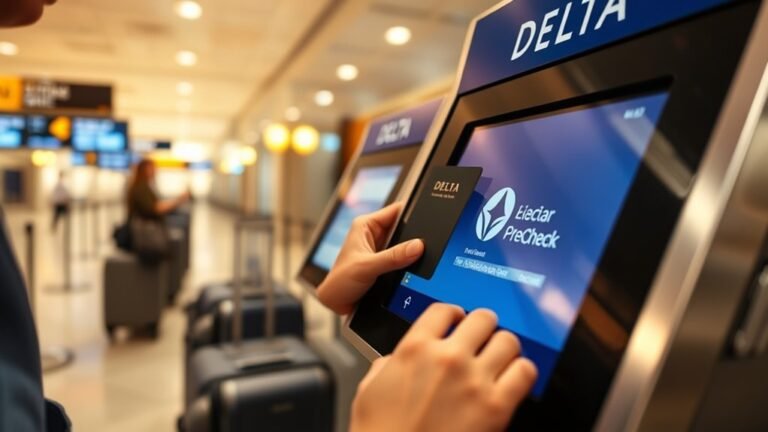
Does TSA PreCheck Work in Other Countries
You won’t get TSA PreCheck benefits automatically when you travel outside the U.S.; your Known Traveler Number only speeds you through U.S. security lanes and isn’t recognized as a fast‑track credential in most foreign airports. You’ll need to follow local security rules, which can require removing shoes, electronics, or liquids, and confirm airline and airport policies before you go. Some countries have their own trusted‑traveler programs and limited reciprocity, and the next sections explain what to check and expect.
What This Guide Covers and Who It’s For
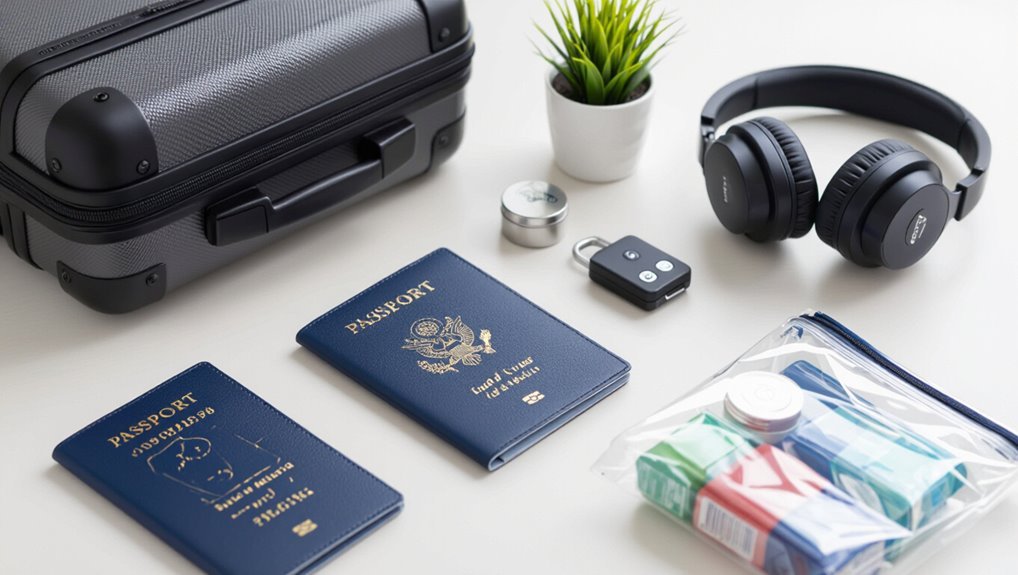
If you’re planning to travel internationally and want fast-track security benefits like those from TSA PreCheck, this guide explains which countries offer comparable programs, who can apply, and how the global enrollment and reciprocity landscape works so you can decide if pursuing a foreign or reciprocal trusted-traveler credential makes sense for your trips.
You’ll get concise descriptions of major national programs, eligibility criteria, application steps, costs, and enrollment timelines.
You’ll also learn about reciprocity limits, which passports or visas qualify, and practical tips for integrating foreign credentials into your itinerary so you can weigh benefits against time and expense.
Quick Answer: Does TSA PreCheck Work in Other Countries?
Short answer: no — TSA PreCheck itself doesn’t grant expedited screening outside the United States.
You can’t use your Known Traveler Number overseas to access foreign fast lanes tied to their security programs.
Some partner airlines and a few international airports may honor U.S. trusted traveler status indirectly through bilateral arrangements or Global Entry reciprocity, but that’s rare and inconsistent.
When you travel abroad, check the destination airport’s website and your airline’s benefits page before expecting any PreCheck perks.
Carry your trusted traveler documentation and be prepared to follow local security procedures; assume standard screening unless explicitly told otherwise.
How TSA PreCheck Works in U.S. Airports
When you enroll in TSA PreCheck, you get access to dedicated security lanes at participating U.S. airports where screening is faster and less intrusive: you keep shoes, light jackets, belts, and laptops in your bag, and you usually won’t need to remove liquids from your carry-on. You’ll see a PreCheck indicator on your boarding pass; present ID and pass, enter the lane, and follow officer directions. Lines move quicker because fewer items go through X-ray and you usually get expedited ID check. Membership lasts five years, renews online, and works only at enrolled U.S. airports.
| Feature | Benefit |
|---|---|
| Dedicated lanes | Shorter wait |
| Fewer removals | Easier packing |
| Boarding pass indicator | Quick ID check |
| 5-year term | Long validity |
| Renewal online | Convenience |
Why TSA PreCheck Isn’t Automatically Valid Overseas
You might expect TSA PreCheck to follow you abroad, but it doesn’t because there’s no international reciprocity for the program.
Other countries set their own security standards and procedures, so U.S. PreCheck credentials don’t automatically match those requirements.
That means you’ll need to follow local screening rules when flying from or through foreign airports.
No International Reciprocity
Because TSA PreCheck is a U.S. domestic security program, it doesn’t automatically grant you expedited screening abroad; foreign airports and governments set their own rules and vetting standards.
You can’t assume membership transfers; most countries require their own trusted-traveler programs or bilateral agreements to extend benefits.
Even if an airline markets “fast lane” access, that’s separate from PreCheck and follows local enrollment or eligibility checks.
When you travel, check the airport’s website and your carrier’s policies ahead of time.
If you want consistent global perks, look into international programs or reciprocal arrangements individual countries publish.
Different Security Standards
Although TSA PreCheck speeds U.S. screening, foreign airports follow different security philosophies and threat assessments, so your PreCheck status alone won’t satisfy their procedures. You’ll face varied rules: some insist on removing shoes, liquids, or electronics; others require credential checks or additional screening based on local risk. Don’t expect automatic lane access or reduced screening abroad. Check the destination’s airport rules before travel, carry proper ID, and allow extra time. Below compares common practices to illustrate why PreCheck doesn’t translate directly.
| U.S. PreCheck | Foreign Variations |
|---|---|
| Shoes on | Shoes off/on |
| Liquids relaxed | Liquids strict |
| Electronics in | Electronics out |
| Short lines | No lanes |
| ID focus | Additional checks |
Which Countries Have Reciprocal Trusted‑Traveler Agreements?
Curious which countries let you use expedited screening programs like TSA PreCheck at their airports? You’ll find a mix: some nations have formal reciprocal trusted‑traveler agreements with the U.S., letting vetted travelers access streamlined lanes or comparable privileges.
Canada and certain European partners participate through coordinated programs; Japan and Australia often offer bilateral arrangements for precleared or trusted passengers.
Availability depends on specific treaties, airline participation, and airport implementation, so you should verify each trip.
Enrollment requirements, shared vetting standards, and program names vary, and having U.S. PreCheck doesn’t automatically guarantee identical access abroad—check before you travel.
How Global Entry Interacts With TSA PreCheck
If you have Global Entry, you often get TSA PreCheck benefits when flying domestically and expedited processing when re-entering the U.S.
Abroad, Global Entry can also give you faster entry at participating partner countries’ kiosks or lanes.
Make sure you link your Known Traveler Number to your airline reservations so the benefits are applied.
Global Entry Benefits Abroad
One key advantage of Global Entry is that it often includes TSA PreCheck benefits for flights within the U.S., but its interaction with TSA PreCheck when you’re abroad depends on how and where you fly.
You should expect reliable fast-track reentry at many U.S. airports, and some partner airlines may honor expedited screening on return legs.
Abroad, TSA PreCheck lanes rarely exist; Global Entry still speeds your U.S. arrival via kiosks and reduced processing.
Prepare for variability and check carrier policies before travel.
- Relief when returning home
- Frustration if foreign airports lack lanes
- Confidence in faster immigration processing
Linking Known Traveler Number
When you enroll in Global Entry, you also get a Known Traveler Number (KTN) that lets you access TSA PreCheck benefits on qualifying domestic flights—so make sure your airline reservations include that KTN to receive expedited screening.
You should add the KTN to your frequent flyer profiles and each new booking; airlines only grant PreCheck when the reservation contains the KTN. If your booking lacks it, contact the carrier or update online before check-in.
Remember KTN doesn’t extend PreCheck to foreign airport programs—it’s for U.S. departures and participating airlines.
Keep your KTN accurate to avoid delays and missed benefits.
When U.S. Preclearance Locations Apply and How PreCheck Works There
Preclearance applies at a limited number of foreign airports and some seaports where U.S. customs and immigration inspect travelers before departure. When you pass through one, you’re effectively entering the U.S. early, which can speed arrival processing.
PreCheck might be honored there if the airline participates and the station supports TSA screening protocols.
- Relief: you skip long arrival lines and feel calmer.
- Confidence: your trip starts with predictable, U.S.-style security.
- Frustration avoided: fewer surprises when landing.
Check the specific preclearance location and airline policies before travel so you know if PreCheck benefits will actually apply.
Which Airlines Extend Expedited Screening Abroad?
When you travel on carriers that have global partnerships, your expedited screening status can sometimes follow you onto partner-operated segments.
Check each airline’s policy because some carriers extend PreCheck or similar benefits to partner flights while others don’t.
Knowing which alliances and codeshares honor expedited screening will help you plan smoother connections abroad.
Airlines With Global Partnerships
Because many major carriers participate in reciprocal trusted-traveler arrangements, you can often get expedited screening abroad if you book with the right airline or partner.
However, rules and availability vary by route and program. You should check carrier websites and alliance pages before booking so you’re not caught off guard. Look for codeshare notes, trusted-traveler reciprocity, and required enrollment IDs.
Major global alliances—Star Alliance, Oneworld, SkyTeam—often facilitate perks through member airlines, but execution differs by airport.
- Relief when lines are long
- Confidence at unfamiliar checkpoints
- Faster connections and less stress
Expedited Screening On Partner Flights
If you’ve checked alliance pages and carrier notes, the next question is which airlines actually extend expedited screening to partners on international routes.
You’ll find that a few major carriers — United, American, Delta and several Star Alliance and Oneworld members — often honor PreCheck or equivalent lanes when flying jointly or on codeshares, but this varies by airport and route.
Check both carriers’ check-in and boarding pass guidance: the gate agent must issue the boarding pass with the indicator.
Always confirm before departure; if the partner didn’t add the marker, you’ll likely face standard security despite eligibility.
How to Tell If Your International Flight Uses U.S.-Style Screening
Curious whether the security lane at your departure airport follows U.S.-style screening? Look for signage mentioning TSA, PreCheck, or “trusted traveler.” Check your airline’s website and booking confirmation for screening notes. Contact the airport or airline if unsure.
- Spotting familiar lanes can relieve anxiety and speed your transit.
- Missing clear markings might make you feel frustrated; ask staff.
- Seeing PreCheck-like procedures gives confidence you’ll keep shoes and laptop in bag.
Prepare by arriving early and having ID accessible.
If the process differs, stay calm and follow instructions—staff will guide you through local procedures.
What to Expect at Canadian Airports With NEXUS and CANPASS
If you’re flying through Canada, NEXUS gives you expedited lanes and simpler processing at many airports.
You’ll want to compare that to CANPASS, which focuses on frequent travelers and has its own enrollment steps and eligibility checks.
I’ll walk you through the NEXUS lane benefits and how to enroll in CANPASS so you know what to expect.
NEXUS Lane Benefits
When you travel through Canadian airports with NEXUS or CANPASS, you’ll find streamlined lanes and faster processing that can cut minutes—or more—off your wait time.
Members use dedicated kiosks, simplified document checks, and often shorter security lines to move through arrivals and departures more smoothly. You’ll experience quicker border interviews, fewer document scans, and priority access that reduces stress.
Keep your card and passport ready, follow signs for NEXUS/CANPASS, and be prepared for occasional dedicated staff questions.
Benefits often include:
- Relief: breeze through and feel calm
- Pride: enjoy trusted traveler status
- Joy: start your trip relaxed
CANPASS Enrollment Process
Alongside enjoying NEXUS lanes at Canadian airports, you’ll want to know how CANPASS enrollment works so you can use its benefits smoothly.
You’ll apply online, pay the fee, and schedule an interview at a designated enrolment center. Bring identification, travel documents, and proof of residency; officials will verify your info, take fingerprints, and capture a photo.
Processing times vary, so check current estimates and arrival instructions. Once approved, you’ll receive membership details and instructions for using CANPASS kiosks or dedicated lanes.
Maintain valid documents and notify authorities of changes to keep your expedited entry working without surprises.
How U.K. ePassport Gates and Registered Traveller Differ From PreCheck
Although both the U.K.’s ePassport Gates and Registered Traveller speed you through border control, they work differently than TSA PreCheck in purpose, enrollment, and scope:
You use ePassport Gates as a biometric self-service lane if you hold a biometric passport; Registered Traveller is a paid or eligible program that shortens queues at manned desks.
Both focus on immigration entry, not security screening like PreCheck. Enrollment is passport- or application-based, not tied to U.S. flight security vetting.
They speed immigration processing rather than airport security; enrollment depends on passport status or program application, not U.S. vetting.
Expect different rules, fees, and eligibility.
- Relief: faster, less stressful entry
- Frustration: eligibility limits sting
- Convenience: practical but narrower benefits
Expedited Screening Options in the Schengen Area
If you’ve used the U.K.’s ePassport Gates or Registered Traveller, you’ll notice the Schengen Area takes a different approach to speeding people through airports and borders.
You won’t find a single PreCheck-style program across all member states; instead, countries offer varied fast-track lanes, automated border gates, and trusted-traveller schemes for residents or frequent flyers.
You can use eGates with an approved biometric passport at many airports, join national trusted programs if eligible, or pay for airline or airport fast-track services.
Always check the specific country’s rules before travel, since enrollment, eligibility, and lane access differ widely.
What Australia’s Trusted Traveller Programs Offer Compared to PreCheck
You’ll find Australia’s Trusted Traveller programs—like NEXUS equivalents and Mobile Passport-style apps—use different eligibility, fees, and biometric checks than PreCheck.
Compare enrollment steps, membership perks, and which airports or lanes are covered to see how benefits stack up globally.
That comparison helps you decide whether Australia’s options or PreCheck better fit your travel patterns.
Global Program Comparisons
When you compare TSA PreCheck to Australia’s suite of Trusted Traveller programs—like NEXUS (for US–Canada), Global Entry equivalents, and Australia’s own SmartGate and Trusted Traveller arrangements—you’ll find different scopes, enrollment steps, and benefits tailored to local airports and border agreements.
You’ll notice interoperability varies: some programs link with US systems, others stay regional. Costs, privacy rules, and how often biometrics are used differ.
Consider practical outcomes for your trips and peace of mind.
- Relief when lines move fast
- Anxiety eased by predictable processing
- Satisfaction from smoother crossings
Enrollment And Benefits
You apply differently: PreCheck requires an online form, background check, and a short enrollment appointment in the U.S.; Australia’s programs (NEXUS, Global Entry reciprocity aside, and SmartGate/Border) use separate online applications, interviews, and biometric enrollment.
Benefits vary: PreCheck speeds U.S. domestic screening; Australian schemes grant expedited passport control and eGates for arrivals and departures.
If you mainly fly within the U.S., PreCheck helps; if you travel to or within Australia often, choose their Trusted Traveller options.
Japan and Korea: Local Trusted‑Traveler Initiatives to Know
Although Japan and South Korea don’t participate in TSA PreCheck, they offer their own trusted‑traveler programs that can make passing through immigration and security much faster. Knowing which program fits your travel plans will save you time at major airports.
You can enroll in Japan’s Trusted Traveler services at select airports for streamlined immigration and baggage checks. Korea’s Smart Entry Service (SES) speeds up arrival and departure processing.
Choose based on entry points and eligibility, register early, and keep documents handy. These initiatives reduce stress and let you focus on your trip.
- Relief when lines are brutal
- Confidence at arrival
- Freedom to move faster
Middle East Hubs: Expedited Security Practices to Expect
When you transit through major Middle East hubs, look for fast‑track security lanes that speed you through screening.
You’ll also find clear priority boarding procedures that let eligible passengers board early. Knowing where these services are posted will save you time and stress.
Fast-Track Security Lanes
If you’re transiting through major Middle Eastern hubs, expect clearly marked fast-track lanes that speed you past standard security queues and through enhanced screening points. These lanes often prioritize business- and premium-class passengers, frequent flyers, and holders of certain trusted-traveler credentials.
You’ll notice efficient signage, staff guidance, and shorter waits that reduce anxiety and let you focus on connections. Follow printed rules for liquids and electronics, have documents ready, and move promptly when directed.
Typical emotional responses include:
- Relief at skipping long lines
- Confidence from smoother processing
- Gratitude for attentive staff
Priority Boarding Procedures
After clearing fast-track security, you’ll find priority boarding follows similarly streamlined rules at many Middle Eastern hubs: dedicated gates, earlier boarding calls, and staff who guide premium passengers, frequent flyers, and trusted‑traveler holders to board ahead of general boarding groups.
You’ll usually see clear signage and separate queues near the gate; agents check boarding passes and loyalty status quickly. Expect announcements in English and Arabic, sometimes on digital displays.
If you have a secure‑traveler indicator on your reservation, staff will usually usher you forward. Stay near the gate, have documents ready, and follow crew directions to board without delay.
Domestic vs. International Terminal Security
Although both domestic and international terminals screen travelers, the procedures you’ll face often differ in scope and focus: domestic checkpoints prioritize speed and standardization for short-haul flights, while international terminals add document checks, customs preclearance, and heightened screening for people and baggage bound across borders.
You’ll notice different signage, longer lines, and staff trained for cross-border issues. You should plan extra time and expect variable lane rules.
Emotionally, travel can feel reassuring or stressful depending on preparation:
- Relief when a fast lane opens and you breeze through.
- Frustration at unexpected extra checks.
- Confidence if you’ve anticipated the differences.
Documents to Bring to Improve Chances of Expedited Screening Abroad
When you’re heading overseas, bring documents that clearly prove your identity, citizenship, and any eligibility for trusted‑traveler or expedited programs so officers can move you through screening faster.
Pack your passport, national ID (if applicable), and boarding pass accessible. Carry physical copies of visas or eTA confirmations and vaccination records if required.
Keep your passport, national ID, and boarding pass handy; carry physical visas/eTA proofs and vaccination records if needed.
Bring a printout of your trusted‑traveler enrollment confirmation or membership card, plus any airline-issued expedited-screening receipt. Have IDs in outer pockets to present quickly.
Organize documents in a slim folder or travel wallet to avoid fumbling, speeding interactions with foreign security staff and reducing delays.
How Membership in Global Entry or NEXUS Affects Preclearance Use
If you’ve enrolled in Global Entry or NEXUS, you’ll usually move through U.S. preclearance more quickly because those programs integrate trusted‑traveler status into the inspection process.
Officers can pull your enrollment information to validate your identity and risk assessment, often letting you skip longer queues or use dedicated kiosks. You’ll still need your passport and KTN when prompted, and screening rules at the preclearance facility control whether you get TSA PreCheck benefits that day.
Expect faster processing, but not guaranteed perks.
- Relief: less stress waiting in line
- Confidence: verified traveler status
- Speed: more time for your trip
U.S. Preclearance Locations Abroad and How PreCheck Applies There
Because U.S. preclearance facilities let you clear U.S. immigration before departure, your TSA PreCheck benefits can matter differently depending on location. In many preclearance airports you’ll still use expedited screening for eligible flights to the U.S., but procedures vary by host country and terminal.
| Country | Airport | Typical PreCheck Experience |
|---|---|---|
| Canada | Toronto YYZ | Dedicated lanes sometimes |
| Ireland | Dublin DUB | Mixed screening flow |
| UAE | Abu Dhabi AUH | Separate security areas |
| Bahamas | Nassau NAS | Limited expedited access |
Check airline and airport sites before you travel to confirm PreCheck availability and lane placement.
Which Airlines Enroll Passengers in Expedited Lanes Automatically?
You’ll want to check which airlines automatically route eligible flyers into expedited lanes based on global partnerships and ticketing codes.
Pay attention to the carriers’ enrollment criteria—status, frequent-flier tiers, and interline agreements can trigger automatic access, while some partners require you to add your Known Traveler Number manually.
If automatic enrollment isn’t available, you can usually request manual options at check-in or through the airline’s customer service.
Airlines With Global Partnerships
Some airlines automatically enroll eligible passengers in partner countries’ expedited security lanes, so you can enjoy faster screening without extra steps.
You’ll find major global carriers and alliances that commonly provide this benefit when flying codeshare or connecting internationally. Check your boarding pass and frequent flyer profile for indications that you’re cleared for the partner’s fast lane.
- Relief: breeze through security and feel your travel stress ease.
- Confidence: know your trusted airline has coordinated access for you.
- Joy: reclaim time for coffee, work, or simply breathing before departure.
Always verify with your airline before travel to confirm access.
Automatic Enrollment Criteria
When airlines automatically enroll passengers in partner expedited lanes, they usually base it on ticket type, frequent-flyer status, and the specific codeshare or alliance agreement—so check your reservation and boarding pass for eligibility markers like “Fast Track” or a trusted-traveler indicator.
You’ll often find premium cabin fares, elite status members, and certain fare classes get automatic access. Alliance partners may extend benefits across codeshares, but airline policy varies, so the same ticket can qualify on one carrier and not another.
Corporate contracts or group bookings sometimes include enrollment. Always confirm via your airline profile or booking to avoid surprises at the airport.
Exceptions And Manual Options
Although airlines often auto-enroll eligible passengers in partner expedited lanes, exceptions and manual options crop up frequently, so check policies before you travel.
You might expect automatic matching, but codeshare quirks, ticketing class, or connecting carriers can block access. If you find no lane, ask gate staff, contact the carrier, or request on-site enrollment where available.
Some airlines will add your Known Traveler Number at check-in; others require web or phone updates.
- Frustration when you miss a lane despite qualifying
- Relief when staff add your KTN quickly
- Anxiety about varying international partner rules
How to Contact Your Airline to Request Expedited Screening Abroad
One clear step is to contact your airline well before travel to request expedited screening options abroad, since airlines often coordinate with local ground handlers to confirm eligibility and arrange lane access.
Call the carrier’s customer service or use secure messaging in their app; mention your known traveler number and specific flights.
Ask whether the airport supports expedited lanes for international partners, what documentation staff will need, and how to identify appropriate check-in counters.
Confirm any deadlines to request assistance and get a reference number or email confirmation.
Keep that info with you at check-in and at security to speed processing.
When Frequent Flyer Status Helps More Than TSA PreCheck
If you’ve got elite status with an airline, you’ll often get perks that beat TSA PreCheck abroad.
You’ll get lounge access and priority boarding that make connections smoother, and some carriers also fast-track you through immigration.
Consider how those benefits stack up against PreCheck when you’re booking international travel.
Elite Status Perks
When you fly often enough to earn elite status, the perks can outshine TSA PreCheck regarding speed and comfort: priority check-in, expedited security lanes at some airports, complimentary upgrades, and lounge access can shave time and stress from your trip in ways a background check alone can’t.
You’ll notice faster lines, agents who bend rules to help, and occasional upgrades that turn long journeys into manageable ones. Elite status isn’t guaranteed everywhere, but it often translates to tangible relief.
- You feel valued instead of shuffled.
- You skip drama when schedules slip.
- You arrive calmer, ready to work or relax.
Lounge And Priority
Spend less time in crowded terminals and more in calm, productive spaces by leaning on frequent-flyer status—lounges, priority boarding, and dedicated customer-service lines often deliver benefits TSA PreCheck can’t match.
When you hold elite status, you’ll access lounges worldwide where you can work, charge devices, and eat away from gate chaos.
Priority boarding stows your carry-on easily and shortens connection stress. Dedicated service desks speed rebooking and upgrades, saving time that PreCheck doesn’t affect.
Status often includes priority security lanes abroad too, but its real value is comfort and service continuity across alliances—especially on international itineraries.
Faster Immigration Processing
Because airline elites often get expedited immigration through global partnerships and fast-track lanes, your frequent-flyer status can speed you past passport control in ways TSA PreCheck can’t.
You’ll feel relief when lines part and frustration when others shuffle. Use your elite benefits proactively: check entry requirements, confirm fast-track availability, and carry proof of status.
- Joy: breeze through customs after long flights.
- Relief: avoid missed connections and long waits.
- Pride: your loyalty pays off in tangible time savings.
Don’t assume every airport honors perks; verify with the airline before you travel to avoid surprises.
How to Use Mobile Boarding Passes and Apps to Speed Security Internationally
If you want to speed through international security, start by using mobile boarding passes and airport apps that store your documents, provide real-time updates, and guide you to the quickest lanes—many countries now accept digital passes and app-based ID verification, so having them ready on your phone can shave minutes off checkpoint waits.
Keep your phone charged, download airline and airport apps, and enable notifications. Link your passport and frequent-flyer info where allowed. Use digital wallet passes for faster access and follow app directions to dedicated lanes or kiosks.
Have backup screenshots and offline boarding passes in case of connectivity issues.
Packing and Carry‑On Tips When PreCheck Isn’t Available
When PreCheck isn’t an option, pack only true carry-on essentials to keep your bag light and easy to inspect.
Stow liquids in a clear, reachable pouch and group them by airport rules so you can pull them out fast.
Wear shoes and layers that you can slip off and on quickly to save time at checkpoints.
Carry-On Essentials Only
Traveling without PreCheck means you’ll want to streamline your carry-on to the essentials that get you through security and keep you comfortable in transit.
Choose items that speed screening and soothe travel stress: a lightweight, easily opened bag; a clear pouch for documents and small electronics; and adaptable layers for temperature swings.
Pack smartly to avoid delays and lost calm.
- Passport, boarding pass, and wallet in a single, quick-access pocket to ease queues and anxiety.
- Noise-canceling earbuds or earplugs to protect your focus and sanity.
- A compact charger and power bank to keep you connected.
Pack Liquids Strategically
Because security lines mean stricter scrutiny, pack your liquids with intent so you breeze through screening without surprises.
Put all liquids in clear, resealable quart‑size bags and limit containers to 100 ml (3.4 oz) or less to meet most international rules.
Stash daily necessities near the top of your carry‑on for quick removal.
Combine products—solid shampoo bars, toothpaste tablets, and deodorant sticks—to cut liquid count.
Label any medication or baby formula and bring prescriptions.
If you’ll buy duty‑free liquids, keep receipts separate.
Arrive organized so security checks stay fast and predictable, even without PreCheck.
Quick-Access Clothing Choices
If you want to move through security faster without PreCheck, pick clothing that’s easy to loosen and remove: slip-on shoes, a lightweight jacket you can fold or stow, and pants without complicated belts or many metal accents.
Dress in layers so you can shed pieces quickly; keep jewelry minimal and carry a slim belt in your bag.
Put bulky items in your carry-on so you won’t juggle them at the scanner. Use pockets selectively for essentials you’ll need after screening.
- Feel calm knowing you’re prepared
- Avoid awkward fumbling and delays
- Move confidently through lines
What to Do If You’re Denied Entry to an Expedited Lane Overseas
When you’re turned away from an expedited lane abroad, stay calm and cooperative while you sort out the reason—authorities may need to verify documents, confirm eligibility, or address system glitches.
Ask politely what’s required and show your passport, boarding pass, and any membership cards or global entry receipts.
If language is a barrier, request an interpreter or staff who speak your language.
Take photos of documents or screens if allowed.
If denied due to enrollment issues, accept instructions for regular screening and ask how to appeal or confirm status later.
Keep contact info for your airline and program handy.
COVID‑Era Screening Changes That Still Affect Expedited Lanes
Being turned away from an expedited lane can remind you that some screening procedures aren’t set in stone — several COVID-era changes have become permanent or intermittent fixtures that still shape how expedited lines operate.
You’ll find more document checks, random additional screening, and occasional mask or health-status requests depending on the country or airline. Expect unpredictability: you might breeze through or face extra steps without warning. Prepare mentally and practically.
- Frustration when a clear pass turns into extra screening
- Relief when expedited access still saves time
- Unease over inconsistent enforcement and sudden policy shifts
Should You Worry About Privacy With International Trusted‑Traveler Programs?
When you join an international trusted‑traveler program, you should know what personal data’s collected and why.
Check who can access that data—local agencies, foreign governments, or private contractors—and what cross‑border sharing rules apply.
Also look for options to opt out or request deletion so you can control your information.
Data Collected Abroad
If you enroll in an international trusted‑traveler program, expect authorities to collect more than just your name and passport number—they’ll often gather biometric data, travel history, and device identifiers that can follow you across borders.
You should know what they log, how long it’s kept, and whether consent is meaningful. That data can feel intimate and permanent, so weigh convenience against exposure.
Consider these emotional realities:
- Loss of anonymity that makes you uneasy
- A sense of vulnerability if biometrics are stored indefinitely
- Worry about misused travel logs haunting future trips
Ask for retention limits and opt‑out routes before you sign.
Who Sees Your Data
Beyond asking what’s collected and how long it’s kept, you should know who actually gets access to that information.
When you enroll in an international trusted‑traveler program, government agencies, border officials, participating airlines, and sometimes contracted vendors can see your data.
Some countries share records with allied states for security checks; others allow law enforcement or immigration bodies routine access.
Private firms handling biometrics or cloud storage may also access data under service agreements.
Read program privacy notices and international data‑sharing clauses so you’ll know which authorities and companies can view your profile and why they need it.
Opt-Out And Deletion
Although programs vary, you can usually request to opt out or delete your profile, but the process and limits differ by country and provider. You’ll encounter forms, identity checks, and varying retention rules; some agencies erase biometric links, others keep anonymized records.
Act promptly if you’re concerned: deletion can be slow or partial. Read policies, save confirmation, and follow appeals if needed.
- Frustration when deletion is incomplete
- Relief when profiles actually vanish
- Anxiety over opaque retention rules
You deserve control; insist on clear steps, documented proof, and follow-up until authorities confirm closure.
Costs and Signup Steps for Global Entry, NEXUS, and Other Alternatives
When you’re weighing expedited-travel options abroad, start by comparing costs, eligibility, and enrollment steps for programs like Global Entry, NEXUS, SENTRI, and country-specific equivalents; each has different fees, application processes, and interview requirements that determine how quickly you’ll get benefits.
You’ll usually pay an application fee—Global Entry and NEXUS run about $100 and $50 respectively—and submit documents, photos, and background info online. After conditional approval you’ll schedule an in-person interview at an enrollment center.
Some countries offer reciprocal trusted-traveler schemes with separate fees and biometrics; processing times vary, so check program sites before applying.
Quick Decision Guide: When to Get Global Entry vs. Only TSA PreCheck
If you mostly fly within the U.S. and value faster security lines without extra paperwork, TSA PreCheck is usually enough; get Global Entry instead if you travel internationally at least a couple times a year or want the expedited customs processing and PreCheck benefits combined.
Decide based on frequency, patience, and budget. TSA PreCheck keeps you breezy at domestic checkpoints. Global Entry adds customs lanes and includes PreCheck, saving hours on return.
Which fits you?
- Relief: skip long lines and regain time.
- Confidence: avoid rebooking stress after long hauls.
- Savvy: invest only if your travel pattern justifies it.
How to Prepare for Countries With Stricter Security Than the U.S
Having TSA PreCheck or Global Entry speeds you through U.S. security, but some countries run tighter checks that require extra preparation.
Research destination rules: liquids, electronics, and prohibited items vary. Pack carry-on logically so you can remove devices and gels quickly.
Wear easily removable shoes and minimal metal. Charge devices and keep chargers accessible for potential inspection.
Bring printed copies of itinerary, visas, and vaccine records; officials may request them. Allow extra time at the airport and stay calm during thorough searches.
Know local laws about medications and declare anything required. Be cooperative and polite to speed the process.
Real Examples: When PreCheck Helped – And When It Didn’t
Because trusted-traveler status usually cuts lines and screening time, you’ll often cruise through checkpoints abroad—but outcomes vary.
Sometimes PreCheck lanes or reciprocal arrangements let you skip queues, avoid full remove-your-shoes rituals, and breathe easy. Other times officers won’t recognize your status, or local rules force standard screening.
Sometimes your trusted-traveler perks breeze you through security; other times local rules or unrecognized status mean full screening.
- Relief when you glide past a long queue and still catch your connection.
- Frustration when you’re pulled aside despite enrollment, wasting precious minutes.
- Surprise when friendly staff welcome the program and speed you through unfamiliar airports.
Expect inconsistency; plan contingency time and stay polite when it falters.
Checklist: Before You Fly, Verify These Expedited‑Screening Items
Before you leave for the airport, run through a short checklist so you’re not blindsided at the security line: confirm boarding pass and passport, review your known-traveler number, check whether the foreign airport accepts expedited screening, and pack carry-on liquids and electronics for seamless inspection. Verify current airline and airport policies online, and allow extra time in case PreCheck-equivalents aren’t available.
| Item | Quick Check |
|---|---|
| Boarding pass | Printed or mobile? |
| Passport/ID | Valid and accessible |
| Known-traveler # | Saved in reservation |
| Liquids | 100ml rule followed |
| Electronics | Pack for easy removal |
How Airport Maps and Signage Indicate Expedited Lanes
Once you’ve confirmed your documents and known‑traveler status, scan the airport map and signage to find expedited lanes quickly.
You’ll spot icons—fast‑track, stars, or a shield—and color coding like green or blue. Look for placement near main security entrances or international transfer corridors.
Signs often include multilingual labels and arrows; follow them, and ask staff if unsure. Your phone’s airport map can highlight these routes too.
- Relief: a clear path reduces stress.
- Confidence: recognizable symbols guide you forward.
- Speed: timely signs save precious travel minutes.
Timing Strategy: When Expedited Lanes Are Most Likely Open
The best time to use expedited lanes depends on peak travel windows and local staffing schedules, so check typical rush hours—early morning departures, late-afternoon returns, and holiday spikes—and aim for off-peak slots when possible.
You’ll increase odds by arriving after the initial morning surge or between midday peaks when fewer flights cluster. Monitor airline schedules and nearby gate activity to anticipate crowding.
Weekday mid-mornings or mid-afternoons often see lighter traffic than commute-heavy times.
Weekday mid-mornings and mid-afternoons tend to be calmer than peak commute periods, making travel simpler.
Also verify lane hours on airport sites or social feeds; some expedited lanes close during overnight low-traffic hours or staff changes.
Plan flexibility into your itinerary.
Common Myths About TSA PreCheck Working Overseas
Timing and lane availability matter, but they don’t change one persistent question travelers ask: does TSA PreCheck work when you’re overseas? You’ll face myths that inflate expectations or sow doubt. Don’t assume universal access, guaranteed lanes, or identical rules.
- You deserve predictability, but the system isn’t identical everywhere.
- You’ll feel frustrated if you expect PreCheck perks at every international checkpoint.
- You’ll be relieved when you know which airports honor U.S. expedited programs and which rely on local security policies.
Know the limits, check before travel, and keep backup time—PreCheck helps sometimes, not always.
How to Escalate Complaints About Inconsistent Expedited Access Abroad
If you hit inconsistent expedited access abroad, start by documenting exactly what happened—dates, times, checkpoint locations, officer names or badge numbers, photos of signage or queues, and your boarding pass or enrollment ID—so your complaint has clear evidence and won’t be dismissed as vague.
Next, contact the airline first; they often control boarding lists and can remedy enrollment flags.
If that fails, file a formal complaint with the airport authority and the foreign equivalent of TSA or customs agency, attaching your evidence.
Escalate to your embassy or consulate if you face discrimination or refuse entry to a paid program; request written responses and timelines.
Future Trends: International Expansion of Trusted‑Traveler Programs
Having prepared and documented complaints about inconsistent expedited access, you can better appreciate how trusted‑traveler programs might evolve to reduce those frictions worldwide.
Having cataloged complaints about erratic expedited access, you’ll better see how trusted‑traveler programs can smooth global travel.
You’ll see growing interoperability, biometric upgrades, and customer‑centric policies that prioritize predictability. As a traveler, you’ll benefit from clearer enrollment pathways, shared vetting standards, and fewer surprises at foreign checkpoints.
- Relief when lines move faster than fear
- Confidence from knowing systems recognize you
- Frustration turning into trust as procedures align
Stay alert: adoption will vary by country and carrier, but momentum favors smoother, more reliable expedited travel experiences for you.
Resources and Official Links to Check Current Reciprocal Agreements
Start by bookmarking a few authoritative sources so you can quickly check whether your trusted‑traveler program is recognized abroad: the U.S. Department of Homeland Security, Customs and Border Protection’s Global Entry/TSA PreCheck pages, and the Transportation Security Administration’s international partnerships list.
Also save sites for foreign civil aviation authorities and major airports you’ll use. Check official embassy or consulate travel pages for country‑specific notes. Use reciprocal agreement announcements and searchable program participant lists rather than forums.
For real‑time status, follow those agencies on social media and sign up for their email alerts so you’ll know when arrangements change.
Final Takeaway: When PreCheck Helps and When to Plan Alternatives
When you can use TSA PreCheck abroad, it speeds screening, reduces stress, and helps you stick to tight connections—so rely on it when a partnering foreign airport or airline explicitly supports PreCheck or Global Entry benefits.
If not, plan alternatives: allow extra time, use local fast-track programs, or enroll in reciprocal programs when available.
Know each airport’s rules, keep printed confirmations, and don’t assume universal acceptance. Pack smart to simplify any standard screening.
Emotional cues to guide choices:
Let your relief, confidence, and calm replace frustration—use emotions as practical cues when planning travel choices
- Relief when lines move quickly and you glide through.
- Frustration avoided by planning backups.
- Confidence from knowing your options and paperwork.
Frequently Asked Questions
Can TSA Precheck Speed Security on Flights Connecting Through Non-U.S. Airports?
Yes — it can speed parts of your journey, but only for U.S. departures or hubs with partner arrangements; you’ll still face local security rules abroad, so expect variable benefits on connecting flights through non‑U.S. airports.
Will TSA Precheck Ever Be Recognized by Foreign Airlines at Check-In Abroad?
Not usually — foreign airlines rarely recognize TSA PreCheck at check-in abroad, though exceptions happen with US carriers or special agreements; you’ll need to confirm with the airline and follow local security procedures when traveling internationally.
Does Enrollment in TSA Precheck Help at Passport Control or Immigration Overseas?
No, TSA PreCheck won’t help at passport control or immigration overseas; you’ll follow the host country’s entry procedures and lanes, since PreCheck only speeds U.S. security screening, not foreign immigration or passport processing.
Can Children Traveling With a Precheck Member Use Expedited Lanes Internationally?
No, TSA PreCheck doesn’t grant international expedited immigration; kids traveling with a PreCheck member still need eligibility for any local fast lanes. You’ll check each country’s programs and airline policies for dependent access and requirements.
Are There Scenarios Where Global Entry Grants More Benefits Than Precheck Abroad?
Yes — in some cases Global Entry gives more: you’ll get expedited U.S. re-entry, faster immigration processing, and occasional partner-country benefits that PreCheck alone won’t provide, especially when returning to the United States.
Conclusion
TSA PreCheck makes U.S. airport security faster, but it won’t reliably speed you through checkpoints abroad. Because PreCheck is a U.S.-centric program tied to domestic lanes, you’ll sometimes get benefits when traveling to or from partner countries—but not consistently. You should check reciprocal agreements before you go, enroll in local trusted‑traveler programs if you travel often, and always plan extra time for security overseas. Treat PreCheck as helpful at home, not guaranteed worldwide.