Do Trains Check Your Luggage
Usually you won’t face airport-style screening on trains, but checks happen depending on the route, operator, and threat level. You’ll typically carry bags onboard with occasional visual inspections, random searches, or X-ray screening at busy hubs and international terminals. Staff or police can ask to open suspicious luggage and you can ask to see IDs. Pack accessibly and cooperate to avoid delays—keep going for practical tips on where and when checks are likeliest.
Quick Answer: Will Trains Check Your Luggage?
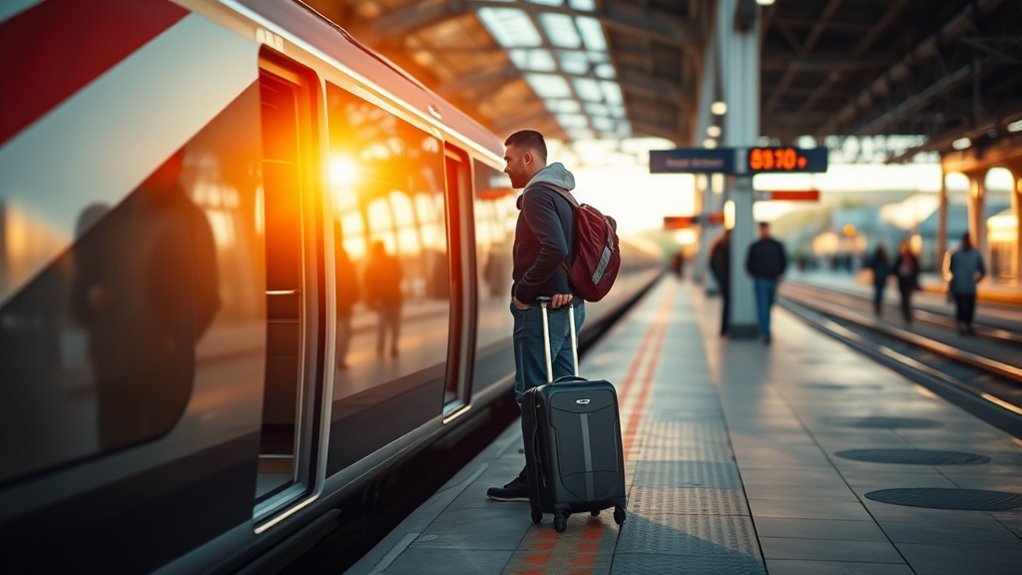
Even though rules vary by country and rail company, trains generally don’t screen or inspect your luggage the way airports do. You can usually board with bags without going through security checkpoints, though staff may ask to look inside if they suspect a safety issue.
You’ll typically carry your bags onboard, stow them in overhead racks or luggage areas, and walk through platforms without checks.
Occasional random inspections, police patrols, or heightened security during alerts can occur, but routine screening isn’t standard.
Pack responsibly, keep valuables on you, and follow crew instructions if they request a bag inspection for safety reasons.
Why Luggage Checks Vary by Service and Country
Because rail services operate under different security priorities, laws, and passenger volumes, the way your luggage is handled can vary widely between countries and even between routes. You might face random checks in high-risk regions, routine X-ray screening in busy hubs, or almost no inspection on low-traffic local lines.
Operators balance passenger flow, threat assessments, and legal mandates, so what’s allowed or inspected changes. Cross-border services follow international agreements and customs rules, affecting baggage scrutiny.
Always check the carrier’s rules before travel, pack to allow quick inspection, and be ready to cooperate with local authorities.
Which Train Types Most Often Screen Bags
On high-speed and intercity trains you’ll often face the strictest bag screening because they carry more long-distance passengers and higher-security risks.
Commuter and suburban services usually have lighter or random checks since they serve daily riders and short trips.
International cross-border routes frequently require formal inspections or customs checks, so expect more consistent screening there.
High-Speed And Intercity Trains
Curious how often high-speed and intercity trains screen bags? You’ll find screening varies by country and route: major corridors and flagship services often use X-ray machines, random checks, or visible security staff, especially after threats or during big events.
You usually won’t face rigid airport-style screening, but expect targeted inspections at busy terminals, border-crossing services, or on trains linking capitals.
Operators balance speed with safety, so screening is risk-based and intelligence-led.
To avoid delays, arrive early, carry ID, keep prohibited items out of luggage, and comply if staff ask to inspect your bag.
Commuter And Suburban Services
While high-speed and intercity services sometimes use targeted X-rays or random checks on busy routes, commuter and suburban trains usually rely on lighter-touch measures. You’ll find frequent stops, short trips, and high passenger flow mean operators prioritize speed and routine visibility over formal screening.
Staff may do walk-throughs, visual inspections, or bag checks when suspicious behavior’s spotted, and CCTV is common. Security is often reactive: officers respond to reports or intelligence rather than screen everyone.
You should keep luggage compact, visible, and labeled, follow staff instructions, and report unattended items to help maintain safe, efficient service.
International Cross-Border Routes
Because international routes cross borders and different security regimes, you should expect more consistent bag screening than on domestic services. You’ll often encounter passport control, customs checks, and more rigorous baggage inspections on cross-border trains—especially high-speed, overnight, and services linking major hubs.
Some operators use X-ray machines, sniffer dogs, or manual checks; others coordinate with border agencies for random or targeted screening. Pack transparently, keep documents accessible, and allow extra time for inspections. If you’re carrying restricted items, declare them.
Knowing the specific route’s rules and cooperating with staff reduces delays and helps you pass screenings smoothly.
Airport Express & International Trains: Typical Checks
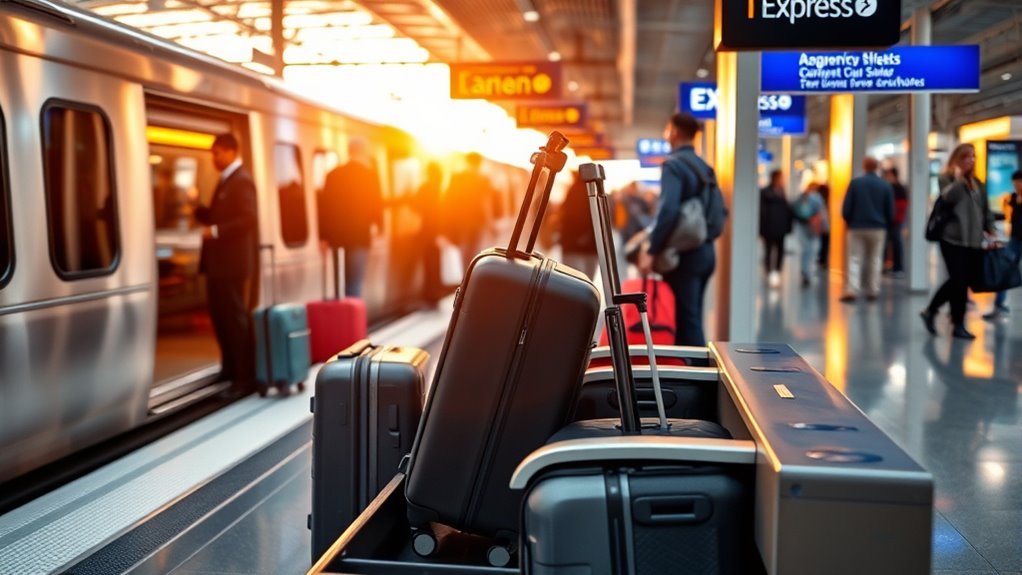
If you’re taking an Airport Express or an international train, expect routine security and ticket checks that focus on identity, travel documents, and obvious baggage risks. You’ll pass through ticket gates, ID checkpoints, or airport-style screening at some terminals.
Officers may ask you to open bags if something looks unusual, and sniffer dogs or X-ray machines might be used where facilities exist. Border agents on international routes can inspect passports and luggage during stops.
You should keep documents handy, pack liquids and electronics accessibly, and avoid prohibited items to speed checks and reduce delays for yourself and other passengers.
High‑Speed and Long‑Distance Trains: Baggage Policies
How much luggage you can bring on high‑speed and long‑distance trains depends on the operator, but most let you carry generous amounts without checked baggage — think roll‑aboards, duffels, and medium suitcases stored in overhead racks or designated bays — and expect you to stow items so aisles and doors stay clear.
You’ll usually find clear size and weight guidance online; some require oversized bags to be tagged or placed in luggage compartments.
Security screening is rare but can occur at busy stations.
If you have very large items, contact the operator in advance to confirm space, fees, or advance booking.
Regional & Commuter Trains: When Checks Happen
Longer-distance trains often tolerate larger bags and occasional screenings, but regional and commuter services usually run tighter checks because of space and speed of turnover.
You’ll find shorter platforms, crowded aisles, and quicker boarding mean staff enforce size limits and may ask you to stow or move luggage. Random bag checks or visual inspections at stations are more common during peak hours, special events, or heightened alerts.
Ticket inspectors and platform staff prioritize passenger flow and safety, so you should pack compactly, keep bags off seats, and follow staff instructions—failing to comply can lead to delays or being denied boarding.
How National Security Rules Change Screening
You’ll notice screening rules change a lot between countries, with some using routine checks and others only acting under specific alerts.
Your bags might get inspected more thoroughly when intelligence points to a risk, or when national laws require random or targeted searches.
Stay aware that procedures reflect each nation’s threat assessments and legal authorities.
Varying National Procedures
Because national security priorities and resources differ, luggage screening on trains can vary widely from one country to another. You might find rigorous X-ray and bag checks in some places, random inspections in others, and virtually no screening where threat assessments are low or funds are limited.
Procedures reflect legal frameworks, staffing levels, and technology access, so you’ll see different signage, consent processes, and complaint avenues.
Train operators and authorities set rules for peak events, cross-border routes, and freight versus passenger services.
Before travel, check local transport websites so you know what to expect and can prepare accordingly.
Intelligence-Led Screening
When national security agencies flag specific threats or patterns, authorities tailor train luggage checks to focus on likely risks rather than screening everyone the same way.
You’ll see targeted measures like random bag inspections at stations, increased checks on routes linked to alerts, and closer scrutiny of suspicious items.
Intelligence lets teams prioritize resources, deploy sniffer dogs, and use technology where it matters most.
You won’t always notice these shifts, but they change who gets inspected and how thoroughly.
If your trip overlaps flagged criteria, expect more checks; otherwise, normal procedures usually remain in place to keep travel flowing.
What Happens During Threat‑Level or Event‑Driven Alerts
If authorities declare a threat‑level or event‑driven alert, train operators and station staff switch from routine checks to targeted security measures designed to address the specific risk.
You’ll notice increased visible security: more officers, random or focused bag inspections, and screening lanes at key stations.
Staff’ll enforce stricter access controls, limit luggage size in crowded areas, and ask passengers to carry items on board rather than store them.
Suspicious items trigger immediate isolation and bomb‑tech or K9 response.
You’ll face possible delays, temporary service suspensions, and clear instructions from staff; cooperate promptly to speed resolution and restore normal service.
Countries That Routinely Screen Train Luggage
Across several countries, rail operators routinely screen luggage to balance passenger convenience with public safety. You’ll find routine screening in nations with dense rail networks and high security standards—Japan, the UK, parts of Western Europe, and some Middle Eastern states.
Procedures vary: baggage x‑rays at major stations, random handheld checks, or monitored CCTV with bag alerts. You’ll usually encounter clear signage and staff instructions; compliance is expected and brief.
Screening targets suspicious items, not every traveler; you can ask staff about protocols. Keep bags accessible, carry ID, and follow directions to speed the process.
Real Examples of Random Checks and Stop‑and‑Search Rules
Because security needs and legal powers differ by country, random luggage checks and stop‑and‑search rules look very different in practice: you might encounter baggage x‑rays and passenger ID checks in major European stations, handheld searches and ticket‑validation stops on commuter lines, or on‑board announcements asking passengers to voluntarily open bags for inspection.
You’ll see specific examples:
- Train staff scanning for prohibited items during peak events.
- Police conducting ID checks at station entrances.
- Onboard spot checks targeting suspicious behavior.
- Canine units screening platforms and carriages.
- Ticket inspectors prompting bag checks during fare control.
Expect variation by operator, time, and threat level.
Passenger Rights During a Luggage Search
If an officer asks to search your bag, you can and should ask to see their identification and the legal basis for the search.
Know that searches are usually limited to what’s necessary for safety—you can calmly ask them to explain any scope or procedures.
If you refuse, ask about the consequences and your options, like moving to a public area, requesting a supervisor, or documenting the encounter.
Right To Request Identification
Who can you ask for ID when an officer or agent wants to search your luggage? You can and should ask to verify the person’s authority before cooperating. Politely request name, badge number, agency, and reason. If they refuse, limit interaction and document details.
- Ask for official badge or ID card
- Note agency name and officer’s full name
- Request written consent or warrant if offered
- Take photos of ID and surroundings when safe
- Ask for supervisor contact if unsure
Knowing who’s authorized protects you. If something feels off, decline until ID is confirmed and record the encounter.
Limits On Search Scope
Once you’ve confirmed an officer’s identity, you still have a say in how far their search can go. You can limit scope to areas where they suspect a threat, and you can ask them to explain why they need to open specific bags or containers. Don’t waive rights under pressure; request a supervisor if unsure. Be cooperative but clear about boundaries.
| What you can request | Why it matters |
|---|---|
| Verbal explanation | Ensures search is justified |
| Scoped search only | Protects privacy |
| Witness present | Adds accountability |
| Supervisor review | Resolves disputes |
Options After Refusal
What can you do when you refuse a luggage search? You can calmly state your refusal, ask why the search is needed, and request to speak with a supervisor.
Know your rights: you aren’t automatically detained for refusing, but staff may deny boarding or involve law enforcement. Stay polite, don’t obstruct, and document the interaction.
- Ask for the reason and legal basis
- Request a supervisor or security officer
- Say you’ll comply with formal procedures only
- Record names, badge numbers, and details
- Note time, location, and witnesses
If escalated, consider filing a complaint or seeking legal advice promptly.
What Staff and Security Are Allowed to Do to Your Bag
Although policies vary by operator and country, train staff and security usually have the right to inspect your baggage if it’s suspected of posing a safety risk or violating carriage rules. You can expect them to visually check, open, and briefly handle items; they may ask you to remove contents for inspection.
They can search unattended or suspicious bags, tag and move them to secure areas, and refuse carriage of prohibited or dangerous goods. Staff usually won’t confiscate personal items without cause or documentation, but they can call police, detain items pending investigation, or require you to remove them before boarding.
Privacy Limits: Cross‑Country Differences That Matter
Customs and security powers over baggage vary a lot between countries, so the bounds of your privacy can change depending on where you travel. You should know local rules: some states let officers search bags without consent, others require probable cause, and many have added random screening at stations.
Expect differences in data retention, CCTV use, and whether staff can ask to open electronics. Before travel, check the operator’s policy and national laws so you won’t be surprised.
Expect varying CCTV, data-retention rules, and whether staff may request you open electronics—check carrier and national policies beforehand.
- Mandatory searches vs. voluntary checks
- Random screening prevalence
- Legal thresholds for searches
- Electronic device inspection rules
- CCTV and data retention practices
How to Tell If a Check Is Mandatory or Voluntary
When you’re at a station, the quickest way to tell whether a baggage check is mandatory or voluntary is to look for clear signage, formal instructions from uniformed staff, or legal language in the operator’s published rules—these signal compulsory checks.
While requests framed as “may we inspect” or offered at customer service desks are usually voluntary. You should also note if access is blocked without inspection, if boarding passes are stamped only after checks, or if enforcement officers identify themselves and cite regulations.
Voluntary checks are typically presented as options, explained as security or convenience, and carried out only with your consent.
Items That Commonly Trigger Extra Screening
What items tend to draw extra scrutiny? You’ll find certain objects prompt staff to open bags or ask questions: anything that looks dense, bulky, or unusual can trigger checks. You should expect attention for items that resemble security risks or violate carriage rules.
Common triggers include:
- Large electronics (laptops, DSLR cameras with lenses)
- Containers of liquid beyond allowed amounts
- Tools, sharp objects, or sports equipment
- Battery packs or loose lithium batteries
- Unlabeled boxes or packages that seem heavy
Pack clearly, label containers, and keep batteries accessible so inspections go quickly and without hassle.
Luggage Size, Type, and Storage Rules on Trains
Trains usually set clear limits on how much luggage you can bring and where you must stow it, so check the carrier’s rules before you travel. You’ll find size caps, weight limits, and allowed bag types differ by operator; keep luggage in overhead racks, designated bays, or under seats as instructed. Staff may ask you to move oversized items to luggage compartments or buy a cargo ticket. Stowable items should be stable and not block aisles or doors.
| Bag Type | Typical Limit | Storage Spot |
|---|---|---|
| Carry-on | 22x35x55 cm | Overhead |
| Large suitcase | 158 cm total | Luggage bay |
| Bicycle | Varies | Reserved space |
| Parcel | Varies | Under seat |
How to Prepare Bags for Travel and Inspections
When you pack, keep items organized so inspectors can spot what they need without rifling through everything.
Use locks or tamper-evident seals on compartments and put your name and contact info on each bag.
That way you’ll speed up any checks and make it easy to recover lost luggage.
Pack Smartly For Inspections
Want to breeze through inspections and keep your trip on schedule? Pack so checks are quick and stress-free. Keep essential items accessible, separate liquids, and avoid forbidden objects. Arrange clothing and gear so inspectors can see contents without rifling. Use clear pouches for toiletries and charge electronics beforehand for quick demonstration.
- Place liquids in a single, easy-to-reach pouch
- Keep documents and tickets in an outer pocket
- Pack small electronics on top for easy removal
- Avoid overstuffing compartments that hide items
- Use removable inserts to present contents neatly
Follow these steps and inspections will be faster, smoother, and less disruptive.
Secure And Label Bags
Having your bags easy to inspect is half the job; now make sure they stay secure and clearly identified. Lock zippers with TSA-accepted locks or cable ties so staff can open and reseal if needed. Use sturdy luggage straps to prevent accidental openings and add an internal pouch for valuables.
Attach a durable tag with your name, phone, and destination both outside and inside each bag. Colorful ribbon or a unique sticker helps you spot luggage quickly.
Keep a copy of important documents in a separate compartment. Before boarding, double-check closures and tags so inspections won’t delay your trip.
What to Do During a Bag Check to Avoid Delays
If a conductor or security staff asks to inspect your bag, stay calm, unfasten or open it, and step aside so they can work without blocking traffic. You should cooperate, answer brief questions, and avoid joking about contents.
Show any required documents quickly, remove electronics when asked, and keep receipts handy for purchased items.
Move with purpose so lines keep flowing.
- Have ID ready
- Know what’s in main compartments
- Remove liquids into a clear pouch
- Keep small items accessible
- Follow instructions politely
Doing this speeds the process and keeps other passengers moving smoothly.
Luggage Security: Locks, Tamper Seals, and Smart Bags
After cooperating during a bag check, you’ll want to think about how you secure your luggage for the rest of the trip. Use TSA-approved locks if you travel through airports too; they let inspectors open and relock without damage.
Tamper-evident seals show if someone’s been inside, useful for checked baggage or long rides. Smart bags with built-in trackers and remote locks add convenience, but check battery and carrier rules — some trains restrict lithium batteries.
Keep combinations simple to remember, record serial numbers, and avoid hidden compartments that might slow inspections. Regularly inspect seals and locks for signs of tampering.
Keeping Valuables Safe When Luggage Isn’t Checked
Where do you stash passports, cash, and electronics when you keep your bag with you on a train? You choose spots that balance accessibility and concealment. Use worn-looking inner pockets, money belts, or slim neck pouches under clothing. Keep items split so one loss isn’t catastrophic. Stay aware of your surroundings and avoid leaving bags unattended even briefly.
- Use a small lock on zippers
- Store passports in inner pockets, not outer ones
- Keep some cash separate from your wallet
- Carry a charged power bank for devices
- Use discreet RFID-blocking sleeves
Trust instincts; act fast if something feels off.
If Your Bag Is Damaged, Searched Improperly, or Lost
When your bag is damaged, searched improperly, or goes missing, act quickly and document everything so you’ve got a clear record for claims or complaints. Photograph damage, take time-stamped notes, and get staff names and badge numbers.
Report the issue to the train operator’s lost-and-found or customer service desk immediately and request a written report. Keep boarding passes, baggage tags, and receipts.
If you suspect improper search, describe what happened and ask for CCTV review. File a formal claim within the operator’s deadline and follow up in writing.
Consider credit card or travel insurance coverage for reimbursement.
How Operators Announce Baggage Rules and Procedures
Notifying passengers about baggage rules often happens at multiple points so you know what to expect and how to act if something goes wrong. You’ll see policies posted online, at stations, and on tickets; staff will repeat key limits and prohibited items. Announcements aim to prevent delays and disputes, and to guide inspections when needed. Remember that clarity reduces conflicts.
- Station signage lists size, weight, and prohibited items
- Ticketing pages summarize rules and claim procedures
- Platform staff make periodic PA reminders
- Train crew reiterate rules before departure
- Security staff explain search steps and rights
How to Speed Up Screenings: A Station Checklist
Have your travel documents ready and keep them accessible so you can show them without fumbling.
Pack smart by separating liquids and electronics in easy-to-reach spots.
Arrive early to avoid rushing and give staff time to screen your bags calmly.
Prepare Documents Ready
If you want to move through security faster, gather all necessary documents—ticket, ID, and any travel authorizations—before you reach the screening area. Have them in an easily accessible spot so you won’t fumble when an officer asks.
Check digital tickets for battery life and screenshots in case connectivity fails. Know which ID matches your booking name. Present documents together to speed verification.
- Keep tickets and ID in one pocket
- Screenshot mobile tickets and boarding passes
- Charge your phone and bring a cable
- Carry backup ID if required
- Know reservation details (train number, time)
Pack Smart, Accessible
When you pack smart and keep essentials accessible, screenings move faster and stress stays low. You’ll sort items so staff can glance quickly: place liquids in a clear bag, chargers in an outer pocket, and ID atop. Use a small pouch for meds and keys; label it. Slide laptops into a sleeve you can remove without emptying the bag. Keep shoes and belts easy to take off if required. Follow the checklist below before you reach the line to breeze through screening.
| Item | Where | Tip |
|---|---|---|
| ID | Top pocket | Visible, quick reach |
| Liquids | Clear pouch | Under 100ml each |
| Electronics | Sleeve | Easily removable |
| Meds | Small pouch | Labelled, accessible |
Arrive Early Always
Want to shave minutes off your trip? Arrive Early Always: get to the station with buffer time so screenings and boarding don’t stress you.
You’ll pass through queues, security, and ticket checks faster when you plan. Before you leave, check schedules and crowd forecasts, and keep essentials handy.
At the station, move deliberately, follow signs, and be ready to show ID or ticket.
- Have documents accessible
- Wear shoes easy to remove
- Keep liquids in a clear bag
- Pack electronics on top
- Note gate/platform changes
Arriving early turns unpredictable delays into predictable margins.
Final Practical Tips to Avoid Surprises at the Station
Because stations can be busy and rules vary by operator, walk through a quick checklist before you leave home: double-check luggage weight and dimensions, keep valuables in a carry-on you can fit under the seat, print or download tickets and ID, arrive early enough to handle security or bag checks, and confirm platform and boarding procedures on the carrier’s website or app.
When packing, use clear labeling and a small padlock for checked bags. Pack a charger and essentials in your carry-on. Know local prohibited items and transit center maps.
If staff ask to inspect a bag, cooperate calmly to speed things up.
Frequently Asked Questions
Can I Refuse a Baggage Search and Still Board the Train?
You can sometimes refuse a baggage search, but you’ll likely be denied boarding or detained by authorities; rail operators and security set rules, and refusing can lead to delays, fines, or legal consequences you’ll want to avoid.
Will Pet Carriers Be Inspected With My Luggage?
Yes — carriers can be inspected alongside your luggage during security or random checks; you’ll be asked to open them so officers can verify the pet, bedding, and ventilation, and you should cooperate to avoid delays or denied boarding.
Do Seasonal Festivals Increase Luggage Screening at Stations?
Yes — during seasonal festivals you’ll often see increased luggage screening at stations, as authorities tighten security for larger crowds; you’ll face more bag checks, random inspections, and sometimes temporary screening zones or checkpoints near platforms.
Are Musical Instruments Treated Differently During Checks?
Usually not; you’ll find musical instruments treated like other luggage, though staff may ask to open cases for inspection or request additional screening for large or fragile items, and some operators offer special handling or storage options.
Can Scanned Luggage Images Be Retained or Shared With Authorities?
Yes — authorities and operators can retain or share scanned luggage images under laws and policies; you’ll usually be notified via signage or terms, and you can request details or challenge retention through the operator or a data protection authority.
Conclusion
In many places, trains don’t routinely check every bag, but you still might face screenings—especially on airport, international, high‑speed, or security‑sensitive routes—so stay prepared. Pack thoughtfully, label fragile items, arrive early, and know the operator’s rules. If your luggage’s searched, damaged, or lost, report it immediately and follow the claims process. Being aware of local policies and following station procedures will help you avoid delays, disputes, and unexpected fees.