
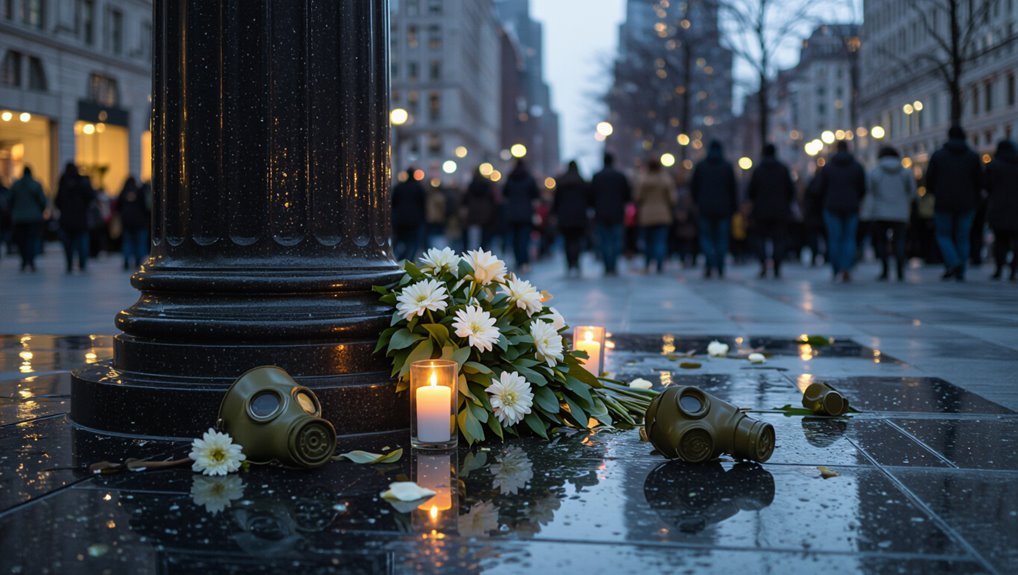
Day of Remembrance for All Victims of Chemical Warfare
The Day of Remembrance for Victims of Chemical Warfare is a significant occasion that invites people globally to reflect on the tragedies caused by chemical weapons. Observed annually on November 30, this day is dedicated to remembering the individuals whose lives have been profoundly impacted by chemical warfare. Whether through direct attacks in conflicts, civilian casualties, or accidents, the consequences of chemical weapons are far-reaching. This day serves as a powerful reminder of the need for collective responsibility in preventing such atrocities.
Quick Facts
When is it?: 30 November
Tagged as: United Nations
What’s the hashtag?: #ChemicalWarfareRemembrance #NeverAgain #StopChemicalWeapons #VictimsOfWar
When was it founded?: 2005 – Established by the United Nations General Assembly to honor victims and promote awareness of the dangers posed by chemical weapons.
Who founded it?: The United Nations
History of Day of Remembrance for Victims of Chemical Warfare
The Day of Remembrance for Victims of Chemical Warfare was established in 2005 as part of the United Nations efforts to raise awareness and promote the global commitment to prevent the use of chemical weapons. This day recognizes the painful legacy of chemical warfare and the ongoing suffering of those affected by its consequences. It emphasizes the importance of remembrance not only for the victims but also for the responsibility that current and future generations have in ensuring that such weapons are never used again.
The observance encourages nations to adhere to international treaties that prohibit the use of chemical weapons, such as the Chemical Weapons Convention (CWC). This convention outlines the obligations of states to eliminate chemical weapons and prevent their proliferation. The day is also a call to action for governments, organizations, and individuals to support survivors and advocate for stronger enforcement of laws against chemical warfare.
Timeline
- 1925: The Geneva Protocol is signed, prohibiting the use of chemical and biological weapons.
- 1993: The Chemical Weapons Convention is opened for signature, leading to the eventual elimination of chemical weapons by member states.
- 2005: The United Nations establishes the Day of Remembrance for Victims of Chemical Warfare.
- 2013: The Organisation for the Prohibition of Chemical Weapons (OPCW) is awarded the Nobel Peace Prize for its extensive efforts.
- 2018: The use of chemical weapons in Syria raises international concern and calls for action.
- 2020: The UN continues to emphasize the importance of this day, promoting education and awareness.
- 2021: Various organizations around the world commemorate the day with events and activities focused on survivors.
- 2022: Increased advocacy for mental health support for survivors is highlighted.
Past and Future Dates
| Year | Month | Date | Day |
|---|---|---|---|
| 2026 | November | 30 | Monday |
| 2027 | November | 30 | Tuesday |
| 2028 | November | 30 | Thursday |
| 2029 | November | 30 | Friday |
| 2030 | November | 30 | Saturday |
| 2031 | November | 30 | Sunday |
| 2032 | November | 30 | Tuesday |
| 2033 | November | 30 | Wednesday |
Observed
On this day, various activities are organized worldwide to honor the victims of chemical warfare. Many people take time to reflect on the impact of chemical weapons, often participating in moments of silence. Educational events, discussions, and workshops are held to raise awareness about the dangers and consequences of chemical warfare. Survivors’ stories are shared to highlight their experiences, and communities engage in fundraising efforts to support rehabilitation programs.
Activities for This Day
1. Moment of Silence
Take a moment to remember the victims and reflect on the impact of chemical warfare.
2. Educational Workshops
Participate in or organize workshops to learn more about the history and implications of chemical weapons.
3. Fundraising for Survivors
Support organizations that provide rehabilitation and support services for survivors of chemical warfare.
4. Social Media Campaigns
Share information and survivor stories on social media using the day’s hashtags to raise awareness.
5. Community Discussions
Engage in community discussions about the importance of preventing chemical warfare and supporting victims.
How to Celebrate Day of Remembrance for Victims of Chemical Warfare
- Attend a local event or vigil dedicated to victims.
- Share educational resources on social media to raise awareness.
- Volunteer with organizations supporting survivors of chemical warfare.
- Organize or participate in discussions about chemical weapons and their impact.
- Make a donation to a charity that assists victims and advocates for prevention.
Why Day of Remembrance for Victims of Chemical Warfare is Important
This day is crucial as it reminds us of the ongoing impact of chemical warfare on individuals, families, and communities. It calls for collective action to ensure that such atrocities are not repeated. By remembering the victims, we foster a culture of empathy and responsibility, encouraging governments and organizations to uphold international laws prohibiting chemical weapons. It serves as a platform for survivors to share their stories, helping to humanize the statistics and promote understanding of the long-lasting effects of chemical warfare.
FAQ
1. What is the significance of the Day of Remembrance for Victims of Chemical Warfare?
This day is significant as it honors the victims of chemical warfare and raises awareness about the ongoing consequences of such weapons.
2. When was the Day of Remembrance established?
It was established by the United Nations in 2005.
3. What are some ways to observe this day?
People can observe the day by participating in moments of silence, attending educational events, and supporting survivors.
4. Who are the major organizations involved in this observance?
The United Nations and the Organisation for the Prohibition of Chemical Weapons (OPCW) are key organizations involved.
5. What is the impact of chemical warfare on communities?
Chemical warfare can lead to long-term health issues, displacement, and psychological trauma among affected communities.
6. How can individuals advocate against chemical warfare?
Individuals can advocate by spreading awareness, supporting relevant organizations, and engaging in conversations about prevention.
7. Are there any ongoing efforts to support victims of chemical warfare?
Yes, various organizations provide rehabilitation and support services for survivors, and advocacy continues for stronger international laws.
Related
- International Day Against Nuclear Tests
- World Humanitarian Day
- International Day of Peace
- United Nations Day
- World Health Day
- International Disability Day