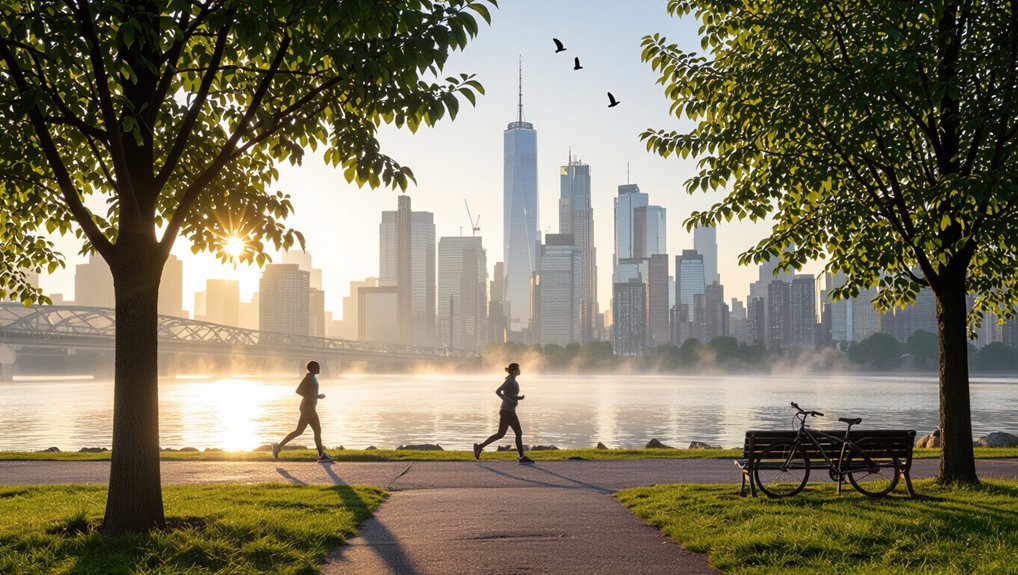
Clean Air Month
Clean Air Month encourages us to think about the air we breathe and take practical steps to reduce pollution. This month-long observance focuses on protecting public health and supporting policies that cut emissions. It’s a wonderful opportunity to learn about the pollutants affecting our communities, the times when air quality is at its worst, and the actions we can take to make a difference locally.
Quick Facts
When is it?: 1-31 May
Tagged as: Environmental Protection Agency
What’s the hashtag?: #CleanAirMonth #AirQuality #BreatheEasy
When was it founded?: Not clearly documented; however, Clean Air Month has been recognized in May since the 1970s as part of efforts to promote air quality awareness.
Who founded it?: Generally attributed to the U.S. Environmental Protection Agency (EPA).
History of Clean Air Month
Clean Air Month has its roots in the larger environmental movement that gained momentum in the 1960s and 1970s. The establishment of the United States Environmental Protection Agency in 1970 marked a significant step in addressing air pollution and protecting air quality. May was designated as Clean Air Month to raise awareness about the importance of clean air and to encourage individuals and communities to take action to improve air quality.
Over the years, Clean Air Month has expanded its focus to include a broader range of air quality issues, such as indoor air pollution and the effects of climate change on air quality. Events and activities during this month aim to educate the public about the sources of air pollution and promote sustainable practices that can lead to cleaner air.
Timeline
- 1970: Establishment of the U.S. Environmental Protection Agency (EPA).
- 1971: First Clean Air Act passed in the U.S.
- 1990: Amendments to the Clean Air Act strengthen air quality standards.
- 2000: Clean Air Month is officially recognized in May.
- 2008: Launch of the Air Quality Index (AQI) for public awareness.
- 2010: National initiatives to reduce emissions from vehicles and industries.
- 2015: Ongoing efforts to improve air quality across the nation.
- 2020: Greater emphasis on the impact of air quality on public health during the COVID-19 pandemic.
Past and Future date
| Year | Month | Date |
|---|---|---|
| 2026 | May | 1-31 |
| 2027 | May | 1-31 |
| 2028 | May | 1-31 |
| 2029 | May | 1-31 |
| 2030 | May | 1-31 |
| 2031 | May | 1-31 |
| 2032 | May | 1-31 |
| 2033 | May | 1-31 |
Observed
Clean Air Month is observed through various activities aimed at raising awareness about air quality. Schools, community organizations, and local governments often host events such as clean-up days, educational workshops, and tree-planting initiatives. Many people also take the time to evaluate their own habits and make changes that contribute to cleaner air, such as reducing car usage or using eco-friendly products.
Activities for This Day
1. Community Clean-Up Events
Organize or participate in local clean-up efforts to remove litter and pollutants from the environment.
2. Educational Workshops
Attend or host workshops that teach about the importance of air quality and ways to improve it.
3. Tree Planting
Join a tree-planting event to help enhance local air quality and improve community aesthetics.
4. Public Transit Awareness
Promote the use of public transit by organizing a “car-free day” in your community.
5. Home Energy Audits
Conduct energy audits in your home to identify ways to improve energy efficiency and reduce emissions.
How to Celebrate Clean Air Month
- Check Local Air Quality: Monitor your local air quality index to stay informed about pollution levels.
- Reduce Vehicle Use: Use public transport, carpool, or bike whenever possible.
- Opt for Energy Efficiency: Upgrade to energy-efficient appliances and light bulbs in your home.
- Limit Pollutants: Reduce or eliminate the use of products that release harmful emissions.
- Get Involved: Participate in local events aimed at improving air quality in your community.
Why Clean Air Month is Important
Clean Air Month holds significant importance as it highlights the impact of air quality on public health and the environment. Poor air quality can lead to serious health issues, including respiratory diseases and heart problems. By raising awareness and encouraging action, Clean Air Month aims to foster a cleaner, healthier environment for all individuals. The collective efforts during this month can lead to lasting change, making air pollution a priority for communities and policymakers alike.
FAQ
1. What is Clean Air Month?
Clean Air Month is an observance in May that focuses on raising awareness about air quality and encouraging actions to reduce air pollution.
2. How can I participate in Clean Air Month?
You can participate by attending local events, making eco-friendly choices, and promoting awareness in your community.
3. Why is clean air important?
Clean air is crucial for maintaining good health and preventing respiratory diseases and other health issues.
4. What are some common pollutants?
Common pollutants include particulate matter, nitrogen dioxide, sulfur dioxide, and ozone.
5. How can I check air quality in my area?
You can check the Air Quality Index (AQI) online or through local environmental agencies.
6. What actions can reduce air pollution?
Actions include using public transport, reducing energy consumption, and avoiding the use of harmful products.
7. Is indoor air pollution a concern?
Yes, indoor air pollution can be just as harmful as outdoor pollution, and it’s important to address it through proper ventilation and the use of low-emission products.
Related
- Earth Day
- World Environment Day
- National Clean Air Day
- Air Quality Awareness Week
- Arbor Day
- World Health Day