Childrens Day
Children’s Day is a special occasion dedicated to celebrating the rights, joy, and well-being of children. It serves as a reminder of the importance of listening to their voices, advocating for their needs, and pushing for better education and protection. This day encourages everyone to take practical steps to ensure every child has the opportunity to thrive, making it a meaningful event for communities around the world.
Quick Facts
When is it?: 9 June
Tagged as: UNICEF, Save the Children
What’s the hashtag?: #ChildrensDay #KidsRights #CelebrateChildren
When was it founded?: Not clearly documented; however, Children’s Day has its origins in the early 20th century with various countries celebrating it at different times.
Who founded it?: The concept of Children’s Day is often attributed to the World Conference for the Wellbeing of Children held in Geneva in 1925, organized by the League of Nations.
History of Children’s Day
Children’s Day has roots that can be traced back to the early 20th century, with the first celebrations occurring in various countries. The idea gained significant momentum in 1925, during the World Conference for the Wellbeing of Children in Geneva, where the need to promote children’s rights and welfare was recognized globally. The day is celebrated on different dates in various countries, reflecting local customs and traditions. The United Nations General Assembly also established Universal Children’s Day on 20 November, promoting the rights of children worldwide.
Over the years, Children’s Day has evolved to become a platform for advocating children’s rights, ensuring their protection, and promoting their well-being. The day serves as a reminder of the responsibilities that adults and institutions have toward children, encouraging communities to focus on ensuring a safe and supportive environment for all young people.
Timeline
- 1925: World Conference for the Wellbeing of Children.
- 1954: The United Nations recommends that all countries establish a Universal Children’s Day.
- 1989: The Convention on the Rights of the Child is adopted by the United Nations.
- 2000: The first Children’s Day is celebrated in several countries on 1 June.
- 2010: Children’s Day is recognized in over 40 countries.
- 2020: Many countries adapt their celebrations due to the COVID-19 pandemic.
- 2022: Increased focus on mental health and well-being of children in celebrations.
- 2023: Global advocacy for children’s rights gains momentum, with more initiatives being launched.
Past and Future date
| Year | Month | Date |
|---|---|---|
| 2026 | June | 9 |
| 2027 | June | 9 |
| 2028 | June | 9 |
| 2029 | June | 9 |
| 2030 | June | 9 |
| 2031 | June | 9 |
| 2032 | June | 9 |
| 2033 | June | 9 |
Observed
Children’s Day is observed in various ways around the world. Many communities organize events that focus on children’s rights, safety, and welfare. Activities may include community fairs, educational workshops, and advocacy events that aim to engage children and adults alike. Schools often participate by hosting assemblies where students can express their needs and share proposals for improvement. Health clinics may provide free health screenings, while libraries might run literacy campaigns. The day combines celebration with advocacy, ensuring that children’s voices are heard.
Activities for This Day
1. Community Fair
Encourage local organizations to set up booths that inform attendees about children’s rights and available services.
2. Workshops
Organize workshops focused on child safety, health, and educational opportunities.
3. Literacy Drives
Libraries can host reading events or donate books to children in need.
4. Health Screenings
Partner with local health clinics to offer free health screenings for children.
5. Student Assemblies
Schools can hold assemblies where students discuss their needs and present suggestions to local policymakers.
How to Celebrate Children’s Day
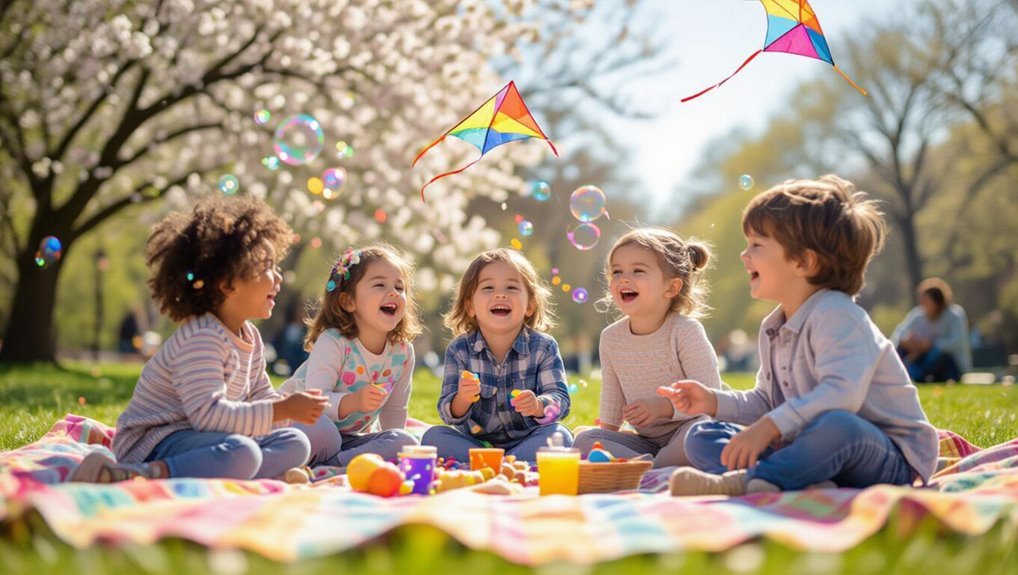
- Organize fun activities such as games and storytelling sessions for children.
- Take time to listen to children’s thoughts and dreams.
- Advocate for children’s rights by sharing information on social media.
- Collaborate with local organizations to provide resources and support.
- Volunteer at community events focused on children’s welfare.
Why Children’s Day is Important
Children’s Day is significant as it highlights the need to prioritize children’s rights and well-being. It encourages communities to reflect on their responsibilities toward children and take actionable steps to ensure their safety, education, and health. By celebrating this day, we raise awareness of the challenges many children face and push for systemic changes that allow every child to flourish.
FAQ
1. What is the purpose of Children’s Day?
Children’s Day aims to celebrate children’s rights and promote their well-being, encouraging communities to advocate for better protections and opportunities.
2. Why is Children’s Day celebrated on different dates in different countries?
Various countries choose specific dates based on local customs, historical events, and cultural significance.
3. How can I get involved in Children’s Day activities?
You can participate by volunteering at local events, advocating for children’s rights, and organizing community activities.
4. What are some common celebrations for Children’s Day?
Common celebrations include community fairs, educational workshops, storytelling events, and health screenings.
5. How does Children’s Day relate to children’s rights?
Children’s Day serves to raise awareness about children’s rights, emphasizing the importance of protection, education, and health for all children.
6. Are there any specific themes for Children’s Day?
Themes can vary yearly, focusing on issues such as mental health, education, or protection from violence.
7. Can adults celebrate Children’s Day too?
Yes, adults can celebrate by advocating for children’s rights, participating in events, and ensuring children’s voices are heard in their communities.
Related
- Universal Children’s Day
- International Day for the Protection of Children
- World Children’s Day
- Child Health Day
- Day of the African Child
- National Child Day