Can You Send Luggage on an Airline Without Flying?
Yes — you can send luggage on many airlines and specialty shippers without flying, and you’ll often pay about the same as checked-bag fees or a bit more for door-to-door service. You’ll book, tag, and track your shipment online, choose insurance, and follow size, weight, and customs rules. Expect transit times, overweight fees, and limited liability for damage. If you want cost-saving tips, carrier comparisons, and packing and claims advice, keep scrolling.
Yes : How to Send Luggage Without Flying (Quick Answer)
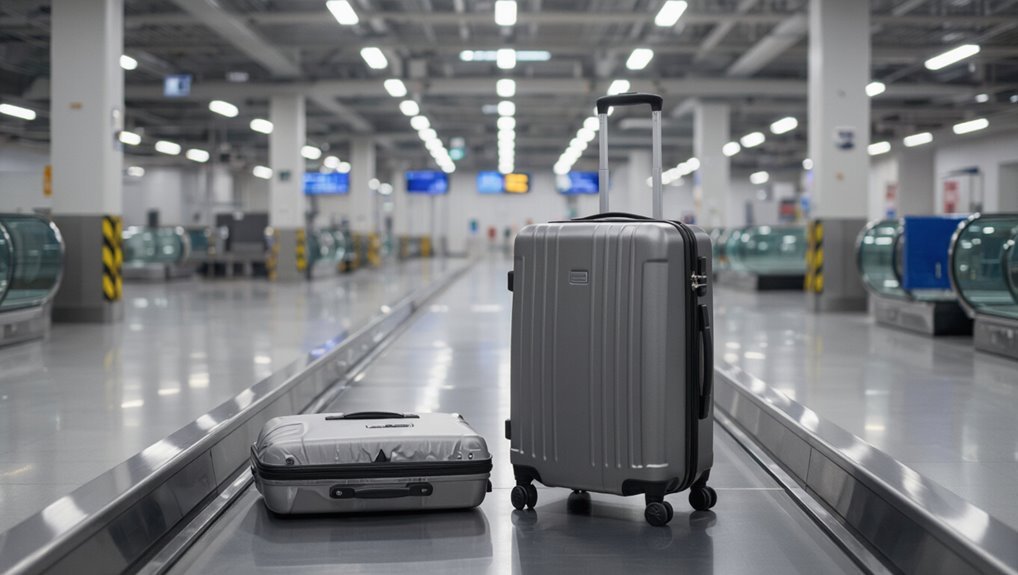
Yes—you can send luggage without flying by using shipping or dedicated luggage transport services.
You’ll pack, label, and arrange pickup or drop-off with carriers like FedEx, UPS, or specialty luggage shippers. They track items, offer insurance, and deliver door-to-door or to airports.
Compare rates, transit times, size limits, and claims policies to pick the most reliable, cost-effective option.
Who This Guide Is For and What You’ll Learn
This guide is for you if you need to ship checked bags, avoid checked-fee surprises, or handle logistics when you can’t fly with your luggage.
You’ll learn the main options, typical costs and timelines, and how to prepare your items for transport.
I’ll also flag the key risks—loss, delays, and liability limits—so you can decide whether this is right for your trip.
Who Should Consider It
Who should consider shipping luggage without flying? You’re someone needing flexible baggage solutions when flying isn’t practical. You want cost-effective, door-to-door options, or to avoid airline hassles.
Consider this if you:
- Move between cities without a car
- Ship gifts or bulky items ahead
- Travel with pets or sports gear
- Face tight airline baggage limits
- Want hassle-free pickups and deliveries
What You’ll Gain
If you’re juggling items that won’t fit on a plane or you want a smoother door-to-door option, this guide shows how shipping luggage saves time, cuts hidden fees, and reduces travel stress. You’ll learn when to ship, compare costs and timing, pack for transit, and handle claims.
| What you get | Why it matters |
|---|---|
| Time savings | Faster door-to-door |
| Cost clarity | Avoid surprise fees |
| Packing tips | Protect valuables |
| Claim steps | Resolve loss/damage |
| Decision checklist | Choose the best option |
Key Risks To Know
Because shipping luggage removes you from the airline’s control, you should understand the main risks before you commit: delays, lost or damaged items, limited liability, customs holdups on international routes, and extra fees for oversized or high-value pieces.
You’ll learn when it’s worth it, how to mitigate risks, and when to choose alternative services.
- Delays disrupting plans
- Lost or delayed baggage
- Damage without full compensation
- Customs inspections/detentions
- Unexpected surcharges
Which Airlines Offer Standalone Luggage Shipping Services?
Wondering which airlines let you ship luggage without flying? Major carriers like Delta, United, and American have run or partnered with baggage shipping programs; some regional and international airlines offer similar services or third-party partnerships.
Check each carrier’s website for availability, drop-off locations, pricing, insurance, and weight limits. Availability varies by route and country, so confirm details before booking.
How Shipped Luggage Differs From Checked Baggage
When you ship luggage separately rather than checking it on a flight, the service operates under different rules, timelines, and responsibilities—so expect different drop-off/pickup procedures, tracking methods, liability limits, and often higher per-item costs than standard checked baggage.
You’ll handle more paperwork, wait longer for delivery, and rely on courier networks rather than gate agents.
- scheduled pickups or depot drop-offs
- longer transit windows
- dedicated tracking numbers
- declared-value limits
- separate customer service channels
Airline Rules: Size, Weight, and Prohibited Items for Shipped Luggage
Although shipping luggage follows many courier standards, airlines and freight partners still enforce strict size, weight, and prohibited-item rules you’ll need to follow.
You must measure and weigh bags precisely, obey maximum linear dimensions and weight caps, and declare oversized or heavy pieces.
Dangerous goods, batteries, perishables, and controlled substances are typically banned or restricted; failure to comply can delay shipment or incur fines.
How Much Does Airline Luggage Shipping Typically Cost?
How much you’ll pay to ship luggage with an airline depends on several clear factors: carrier and route, shipment type (door-to-door vs. airport-to-airport), weight and size, and any extras like insurance or expedited handling.
- Short domestic airport-to-airport: $30–$100
- Door-to-door domestic: $75–$250
- International economy: $100–$400
- Heavy/oversize fees: $50–$300
- Insurance/fast-track: $10–$150
When to Use Airline Luggage Shipping vs. a Courier
When choosing between airline luggage shipping and a courier, you’ll weigh cost against distance to see which option is cheaper for your route.
You’ll also consider timing and delivery speed—couriers can be faster, airlines may be slower but cheaper for long hauls.
Finally, check tracking and liability limits so you know how your items are protected and who’s responsible if something goes wrong.
Cost Versus Distance
If you’re shipping luggage a short distance—say across town or to a nearby city—a courier or same-day delivery service will usually cost less and get your bags there faster than airline luggage shipping.
For longer trips, especially cross-country or international moves, airlines often offer more predictable rates and handling that can make them the smarter choice.
- Short trips: courier often cheaper
- Heavy items: airlines may price better
- Multiple bags: compare per-piece vs volumetric
- Remote destinations: airline networks help
- Insurance rates: factor into total cost
Timing And Delivery Speed
Choose based on how quickly you need your bags: airlines work best when you can plan days in advance and need reliable arrival windows for long hauls, while couriers beat them on same-day or overnight city-to-city runs.
If you need speed or tight timing, pick a courier. If you can tolerate transit of several days and want scheduled service, choose airline shipping.
Tracking And Liability
Because you’re handing over valuable items, tracking accuracy and liability limits should drive your choice between airline shipping and a courier.
You’ll weigh real-time GPS and detailed scans against standardized airline liability caps and declared-value options.
Pick courier for higher coverage and clear chain-of-custody; use airlines for convenience if limits suit you.
- GPS tracking updates
- Scan timestamps
- Airline liability caps
- Declared-value fees
- Claims turnaround
How Independent Courier Services for Luggage Work
How do independent luggage courier services actually work? You schedule pickup, they collect and tag your bags, then transport them door-to-door or to an airport. You track progress, confirm delivery, and sign off. They insure shipments and handle customs if needed.
| Step | What happens |
|---|---|
| 1 | Pickup and tagging |
| 2 | Transport and tracking |
Cost Comparison: Airlines vs. Door-to-Door Couriers vs. Freight
When you’re deciding between checking bags on a flight, hiring a door-to-door luggage courier, or shipping via freight, cost comes down to weight, timing, and convenience—each option packs different fees and trade-offs.
Deciding whether to check bags, hire a door-to-door courier, or ship freight? Weight, timing, and convenience dictate cost.
- Airlines: low per-bag fee, strict size/weight limits.
- Couriers: higher flat rates, door pickup/delivery.
- Freight: cheaper per kilo for heavy loads.
- Insurance: varies widely.
- Speed: express costs more.
When Freight Forwarding Is the Better Way to Send Luggage
If you’re shipping a lot or heavy items, freight forwarding often beats airlines and couriers on per-pound cost.
You’ll also need to handle customs paperwork and commercial documentation that airlines mightn’t require for checked bags.
Let’s compare typical rates and the documentation steps so you can pick the cheaper, compliant option.
Cost Efficiency Comparison
Compare the total costs you’ll face—airline baggage fees, overweight charges, and the hassle of connecting flights—against a single freight-forwarding invoice to see which option truly saves money.
You’ll weigh speed, insurance, door-to-door service, and hidden airport surcharges to pick smarter shipping.
- Per-bag fees vs consolidated rate
- Overweight/oversize penalties
- Transit time differences
- Insurance costs
- Pickup/delivery convenience
Customs & Documentation
Because customs paperwork can become the biggest barrier to moving luggage internationally, freight forwarding often makes sense when you want certainty and fewer surprises.
You’ll get professional HS code classification, correct valuation, and required permits handled for you. That reduces delays, fines, and returned shipments.
If your items are commercial, restricted, or valuable, choose a forwarder to guarantee compliant declarations and smoother clearance.
How to Book Airline Luggage Delivery Step by Step
Booking airline luggage delivery is straightforward once you know the steps: you’ll choose a carrier service, check size/weight limits, book online or by phone, pay fees, and prepare labels.
Follow these concise actions:
- Compare airline door or counter options
- Enter flight or shipment details
- Select insurance and extras
- Pay and receive confirmation
- Attach tags and required documents
Pickup & Drop-Off Windows for Airline Shipments
When do you need to hand over or collect your luggage?
You’ll generally see specific morning-to-evening windows for drop-off and pickup tied to flight schedules; smaller carriers may offer tighter windows.
Confirm deadlines when booking, arrive within the posted times, and bring ID and booking references.
Missing a window can mean rescheduling, extra fees, or storage charges—plan accordingly.
Tracking, Status Updates, and Delivery Promises From Airlines
If you’re shipping luggage through an airline, expect real-time tracking, status alerts, and firm delivery windows tied to flight movements — and use them to monitor progress and flag issues quickly.
You’ll get scan timestamps, gate-to-gate movement, delivery ETA updates, and proof-of-delivery signatures. Rely on alerts to escalate delays or reroutes promptly.
- Scan timestamps
- Gate-to-gate movement
- Delivery ETA updates
- Proof-of-delivery signature
- Delay and reroute alerts
Liability Limits and Insurance Options With Airline Shipping
Although airlines accept checked or shipped bags, they set strict liability limits for loss, damage, or delay—so you should know the cap before sending valuable items.
Check the carrier’s published monetary limit, often low for international versus domestic shipments.
Consider buying declared value coverage or third-party cargo insurance for high-value items.
Keep receipts and file claims promptly if loss or damage occurs.
How to Pack and Label Luggage for Non-Flying Shipments
Start by choosing a sturdy, well-fitting suitcase or hard-shell case that protects contents and meets the carrier’s size guidelines.
Pack fragile items with bubble wrap, use compression packing cubes, and place heavy items at the bottom. Clearly label with name, phone, destination address, and a backup tag inside. Add tamper-evident tape and secure locks.
- Clothes rolled tight
- Shoes wrapped
- Electronics padded
- Toiletries sealed
- Important docs inside
Customs, Duties, and International Rules for Sending Luggage
When you send luggage internationally, you’ll need to complete accurate customs declarations listing contents and values.
You may also be responsible for duties or taxes depending on the destination country’s rules and whether the items qualify as personal effects or commercial goods.
Check the receiver’s local regulations and carrier guidance beforehand so you can estimate any charges and avoid delays.
Customs Declaration Requirements
If you’re sending luggage across borders, you’ll usually need to complete customs declarations that list the contents, value, and purpose of the shipment so border authorities can assess duties, taxes, and any import restrictions.
You’ll also provide IDs, shipment invoices, and any permits for restricted items. Keep records and be honest to avoid delays or penalties.
- passport copy
- itemized inventory
- commercial invoice
- permits/licenses
- packing list
Duty and Tax Liability
Completing customs paperwork is only the first step; you’ll also face duties, taxes, and varying import rules that determine the final cost and whether your luggage can enter the destination.
Check duty thresholds, prohibited items, and valuation methods for declared goods. You’ll pay import taxes or VAT based on value and category, might need licenses, and should budget for unexpected charges or returns.
Timeline Expectations: Domestic vs. International Delivery Times
Wondering how long it’ll take to get your luggage back when it’s shipped instead of flown? You’ll see big differences: domestic moves usually take days, international shipments can stretch weeks, and customs adds unpredictability.
Wondering how long shipped luggage takes? Domestic is days, international can be weeks, and customs adds uncertainty.
Plan for delays, track actively, and choose faster options if timing’s critical.
- Domestic: 2–7 days
- Regional: 3–10 days
- International: 1–4 weeks
- Customs holds: variable
- Expedited: 1–5 days
How to Calculate Total Cost: Fees, Taxes, and Surcharges
Because total shipping charges come from several moving parts, you’ll want to add base rates, per-pound or dimensional fees, fuel surcharges, handling charges, customs duties, and taxes to get the full picture.
Check carrier rate charts, measure and weigh accurately, and request an itemized quote.
Factor in insurance, peak-season or expedited premiums, and destination-specific taxes to avoid surprises.
Real-World Use Cases: Relocation & Events
Now that you know how to calculate total shipping costs, it’s helpful to look at how those numbers play out in real moves and events.
You’ll see when airline shipping saves time or adds complexity. Consider these scenarios to match cost, timing, and convenience:
- Moving across states with limited car space
- Sending household goods ahead of a rental move-in
- Transporting dress clothes for a wedding
- Shipments for conferences or trade shows
- Delivering equipment for short-term gigs
Risks and Common Problems When Sending Luggage Solo
While sending luggage solo can save time, it also exposes you to delays, loss, damage, and unexpected fees that can derail your plans.
Sending luggage solo may save time but risks delays, loss, damage, and surprise fees that can upend travel plans.
You might face misrouting, extended hold times, missed interline transfers, or inadequate handling.
Insurance gaps, unclear liability, and strict size/weight enforcement increase risk.
You should prepare for tracking limitations and possible extra charges that complicate recovery.
How to Claim Loss or Damage: Documentation and Timelines
If your luggage arrives damaged or doesn’t show up, act immediately: document the condition with photos, keep your baggage claim tags and boarding pass or shipment receipt, and report the issue to the carrier or service desk before leaving the airport or within the carrier’s specified hours.
- Take timestamped photos of damage and contents
- Keep all receipts and tags
- File a written report (PIR) at the desk
- Note names, badge numbers, and reference codes
- Submit a claim online within the carrier’s deadline
How to Choose the Right Carrier: Checklist of Decision Criteria
Because your luggage’s safety, cost, and delivery speed all matter, pick a carrier by comparing a clear checklist of criteria:
verify insurance limits and liability terms, confirm transit times and guaranteed delivery, check tracking granularity, review handling and claim procedures, compare rates and surcharges, confirm size/weight limits and pickup/dropoff options, read recent customer reviews, and guarantee regulatory compliance and responsive customer support.
Tips to Reduce Cost: Consolidating, Weight Tricks, and Promotions
Now that you’ve picked a carrier by weighing insurance, speed, tracking, and service, you can focus on cutting costs without sacrificing safety.
With your carrier chosen, trim shipping costs—consolidate, lighten packaging, time shipments, and leverage discounts without compromising safety.
Consolidate items, swap heavy packaging, and time shipments for promos. Negotiate bulk or repeat-customer rates and watch dimensional rules.
- Combine pieces into one checked bag
- Use lightweight, rigid cases
- Remove unnecessary extras
- Ship off-peak for discounts
- Track promo codes and loyalty offers
Alternatives to Sending Luggage: Renting, Buying, or Digital Solutions
Instead of paying to ship bags, you can rent essentials at your destination or buy what you need when you arrive to avoid hauling extra weight.
You can also go digital by scanning documents and using e-tickets, guides, and streaming to replace bulky items.
Consider cost, convenience, and environmental impact to choose the best option for your trip.
Rent Instead Of Shipping
Renting gear or clothing can save you time, money, and the hassle of shipping bulky bags when you’re traveling for work or a short trip.
You can pick items locally, test premium gear, and avoid checked baggage fees while keeping your itinerary light.
- Business suit rental for meetings
- Camera and lenses for shoots
- Ski or bike equipment
- Formal wear for events
- Travel-friendly toiletries kit
Go Digital Or Buy
If you’d rather skip hauling extra bags or dealing with shipping logistics, consider going digital or buying what you need at your destination—both can be faster and often cheaper than sending luggage ahead.
Scan documents, stash photos and tickets in cloud storage, and pack only essentials.
Rent gear locally for activities, buy toiletries or clothes there, and save time, cost, and hassle while traveling light.
Common Questions Travelers Ask Before Shipping Luggage
Wondering what to ask before you ship your luggage? You’ll want clear answers on timing, cost, coverage, tracking, and pickup/dropoff options so you’re not surprised.
- How long will transit take?
- What’s the total price, including fees?
- Is my baggage insured and for how much?
- Can I track it in real time?
- Where and when can I drop off or get pickup?
Quick Checklist to Send Luggage Without Boarding a Flight
Before you hand over your bags, check the airline’s policy for off‑flight baggage to confirm eligibility and fees.
Have all required documents—ID, shipping forms, and any customs paperwork—ready and organized.
Plan the baggage drop logistics, including hours, location, and transport to the drop point so you don’t get stuck at the last minute.
Airline Policies Check
1 quick step to avoid surprises: check the airline’s policies on unaccompanied baggage before you book or drop off your bag.
Read size/weight limits, fees, and route restrictions. Confirm pickup/dropoff options and transit handling. Note liability caps and prohibited items.
- weight and size limits
- fees and surcharges
- allowed routes/destinations
- handling and transfer procedures
- liability and exclusions
Required Documentation Ready
Because airlines treat unaccompanied luggage like cargo, you’ll need to gather specific documents before drop-off: gather ID, proof of ownership, and any customs forms. Keep copies and originals ready, plus contact details for sender and recipient. Confirm required signatures and insurance.
| ID | Ownership Proof | Customs Form |
|---|---|---|
| Driver’s license | Receipt or tag | If crossing borders |
| Passport | Photos of contents | Declared value |
Baggage Drop Logistics
When you’re ready to drop off luggage without flying, follow a tight checklist so nothing gets missed:
- Confirm airline accepts unaccompanied bags and book the service.
- Prepare ID, airway bill, and contact info.
- Weigh and measure to meet limits and fees.
- Secure and tag luggage with durable labels.
- Arrive early for terminal or cargo counter processing and get receipt.
Frequently Asked Questions
Can I Send Perishable Food or Plants via Airline Luggage Services?
You generally can’t send perishable food or plants via standard airline luggage services because carriers restrict them; you’ll need specialized courier or cargo services with proper packaging, permits, temperature control, and phytosanitary documentation to ship them legally.
Are There Special Rules for Sending Batteries or Electronic Devices?
Yes — you’ll need to follow strict rules: lithium batteries often must be in carry-on or meet airline packaging limits, spare batteries usually can’t go in checked baggage, and damaged or recalled cells are prohibited.
Can I Ship Valuables Like Jewelry or Cash Through Airlines?
You shouldn’t ship jewelry or cash via airlines; they generally prohibit high‑value items in checked or cargo shipments. If you must transport valuables, carry them on your person or use a specialized, insured courier service with declared coverage.
Do Airlines Offer Door-To-Door Pickup and Delivery Guarantees?
No, most airlines don’t offer guaranteed door-to-door pickup and delivery; you’ll need to use specialized courier services or premium baggage shipping options, which often provide pickup, tracking, and delivery guarantees for an extra fee and paperwork.
What Happens if My Shipped Luggage Arrives Earlier Than I Do?
If your shipped luggage arrives before you, the carrier will store it securely, attempt delivery per your instructions, or hold it at their facility for pickup; you’ll get notifications, and you can arrange timing or reroute the delivery as needed.
Conclusion
Yes — you can send luggage without flying, and this guide showed you how. You’ll learn which airlines offer standalone shipping, how shipped luggage differs from checked bags, and the rules for size, weight, and prohibited items. Use cost-saving tips like consolidating items, hunting promotions, or choosing alternatives such as renting or shipping with a courier. Check airline policies, pack smart, and follow the quick checklist so your belongings arrive safely even if you don’t board the plane.