Can You Bring Bug Spray in Checked Luggage
Yes — you can usually pack bug spray in checked luggage if the cans are sealed, labeled, and meet airline and hazardous-materials limits; small aerosols that exceed carry-on 3.4 oz rules are often allowed in checked bags but may be capped per airline (commonly 500 ml/18 oz) and total quantities can be limited to about 2 kg (70 oz) per passenger. Declare large or unusual containers at check-in, cushion cans, and check international rules for extra restrictions and bans if you want more details.
Can You Bring Bug Spray in Checked Luggage?
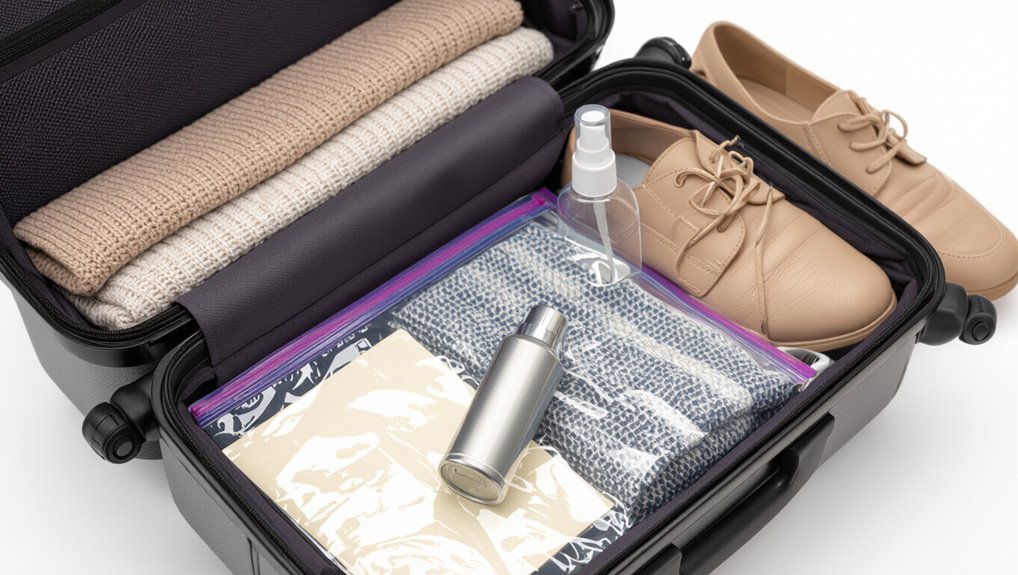
Can you pack bug spray in checked luggage? Yes, you can usually pack aerosol or liquid insect repellent in checked bags, but containers must meet airline and international hazardous materials rules.
You should cap and secure sprays, declare if required, and avoid damaged or leaking cans.
Check specific airline and destination regulations before travel to prevent confiscation or fines.
Why Checked vs Carry-On Rules Matter
You need to know why checked vs carry-on rules matter because pressure changes and rough handling can make aerosol bug spray leak or rupture in the cargo hold.
Those safety and pressure concerns are why airlines and the TSA set specific limits on size, content, and packaging.
Understanding both sets of rules helps you pack legally and avoid damaged gear or fines.
Safety And Pressure Concerns
Because aircraft cabins and cargo holds experience different pressure and temperature changes, packing bug spray in checked luggage raises distinct safety concerns you should know.
Changes can cause cans to leak, rupture, or vent propellant. You should secure caps, place sprays in sealed plastic, and cushion them to prevent impact.
Store away from heat sources and sharp objects to reduce risk.
Airline And TSA Policies
Pressure and handling risks affect how regulators and airlines treat aerosol insect repellent, so you’ll need to follow specific rules when deciding between checked and carry-on luggage.
You must check TSA and airline limits: carry-on aerosols usually need 3.4 oz/100 ml or fall under limited quantities; larger cans often go in checked bags if labeled nonflammable and within airline quantity caps.
Quick Rules Summary for U.S. Flights
When flying within the U.S., you can pack aerosol insect repellents in checked baggage so long as each container is 70% alcohol or less, the spray is for personal use, and the total amount per passenger doesn’t exceed 2 kg (about 70 ounces) or 2 L for non-pressurized containers—flammable aerosols above these limits are prohibited.
Pack securely, label if possible, and check airline limits; follow carry-on rules for small sprays.
TSA Rules for Insect Repellents
The quick summary covers limits and packaging, but TSA has specific rules you’ll need to follow for insect repellents at U.S. airports.
The quick summary hints at limits, but remember: TSA has specific rules for insect repellents at U.S. airports.
You can pack aerosol and pump sprays in checked baggage if they’re labeled nonflammable or low-flash and within quantity limits.
Pressurized cans must be secured, capped, and protected from puncture.
Declare any large quantities to airline staff before check-in.
ICAO/IATA Rules for International Flights
Because international flights follow ICAO and IATA dangerous goods rules, you’ll need to meet stricter labeling, quantity, and packaging requirements for insect repellents than domestic U.S. rules do.
You must declare aerosols and flammable liquids, pack them in approved containers, and keep within allowed net quantities per package.
Check airline and destination country regulations before travel to avoid confiscation or fines.
How Airlines May Add Extra Restrictions
Even if international rules allow insect repellent in checked bags, your airline can impose stricter limits on quantities or packaging.
You might need extra documentation or advance approval to carry pressurized cans, and some carriers ban certain propellants altogether.
Also check ground-transport rules, since regional road or rail links may further restrict carrying aerosols.
Airline Policy Variations
When you fly, know that airlines can impose rules beyond federal regulations—so a carrier might ban certain insecticides, limit container sizes, or require specific packaging even if TSA allows them in checked baggage.
Check your airline’s hazardous materials policy before packing. Policies vary by carrier, country, and aircraft type, and they can change quickly, so confirm limits, permitted formulations, and handling instructions to avoid confiscation or fines.
Extra Documentation Needed
If an airline adds extra documentation requirements for checked bug spray, you’ll need to carry the right paperwork to prevent delays or refused carriage.
Check the carrier’s website or contact customer service to confirm required declarations, safety data sheets, permits, or labeling proofs.
Keep originals and electronic copies accessible at check‑in. Present documents promptly when asked to avoid inspection holds or removal.
Ground Transportation Limits
After you’ve gathered any extra paperwork, check whether the airline imposes ground transportation limits for checked bug spray—some carriers restrict moving certain aerosol or flammable products by bus, shuttle, or baggage trucks between terminals.
If limits apply, you’ll need to declare and possibly hand off the item to specialized cargo, or remove it before transit. Confirm policies with the carrier and ground handler.
Is Your Repellent Aerosol, Liquid, or Solid?
Wondering whether your bug spray counts as an aerosol, liquid, or solid? You’ll check the container: pressurized cans are aerosols, pump sprays and thin sunscreens are treated as liquids, and sticks, wipes, or solid repellents are solids.
Labeling often indicates form. Knowing this category helps you follow airline size and packaging rules for checked luggage and speeds screening.
How Flammable Propellants Affect Packing
If your bug spray uses a flammable propellant, you’ll need to watch the quantity limits carriers allow and follow packing rules precisely.
You’ll also have to pack it so it won’t puncture or leak and make sure any required hazard labels are visible.
Check airline and TSA guidance before you travel so you don’t get turned away at the counter.
Flammable Propellant Limits
Because many insect sprays use flammable propellants, you’ll need to follow strict quantity and packaging rules when packing them in checked luggage. You must limit aerosol amounts, keep caps secure, and stow cans upright in protective padding to reduce leak or rupture risk.
| Item | Limit |
|---|---|
| Aerosol can | 100–500 ml |
| Total per passenger | Regulatory cap |
Packing And Labeling
Pack insect sprays with care: flammable propellants mean you must label, contain, and cushion cans to prevent leaks, pressure buildup, or ignition during transit.
Pack each can upright in sealed plastic, surround with absorbent material, and place in a sturdy outer box.
Clearly label contents and hazards, keep within airline limits, and declare at check-in when required to avoid refusals or safety risks.
Size and Quantity Limits for Checked Bug Spray
When you pack bug spray in checked luggage, know that airlines and regulators set strict size and quantity limits to guarantee safety.
You’ll typically be allowed only small aerosol or pump containers, often capped by total net quantity per passenger (check your carrier).
Limits vary by country and airline, so confirm permitted volumes, number of cans, and restrictions on flammable formulations before traveling.
Labeling and Packaging: What to Check
Check the label to confirm active ingredients, concentration, and hazard symbols, and make sure the spray is in its original, sealed container or an airline-approved secondary container; you’ll also want intact safety caps, a tight-fitting lid, and no signs of leakage or damage.
Also verify manufacture and expiry dates, readable instructions, and compatible material markings; document lot numbers if required and secure bottles in a sealed plastic bag.
When Insect Repellent Is Classified Hazardous
After you’ve verified labels and sealed containers, be aware that some repellents meet the criteria for hazardous materials and face stricter rules for transport.
If your product contains high concentrations of alcohol, DEET, picaridin, or other regulated solvents, it may be classified hazardous.
You’ll need airline approval, limited quantities, or to pack it in checked baggage under specific provisions—otherwise it could be prohibited.
Where to Find Flammability Info on the Product
Wondering how to tell if your bug spray is flammable? Check the label for words like “extremely flammable,” “flammable,” or flame pictograms.
Review the Safety Data Sheet (SDS) online for flash point and transport classification. Look for aerosol warnings, percent alcohol or hydrocarbon solvents, and UN numbers.
If unclear, contact the manufacturer or consult airline/hazardous goods guidance before packing.
When and How to Declare Repellents to Carriers
Once you’ve identified whether your repellent is flammable, you’ll need to tell the carrier before travel if the item meets their hazardous goods rules.
If your repellent is flammable, inform the carrier beforehand and follow their hazardous-goods instructions.
Contact the airline or freight carrier, declare the product type and quantity, and follow their instructions. Have labels and MSDS ready.
Examples of what to report:
- aerosol cans
- liquid solvents
- large quantities
- commercial formulations
How to Pack Aerosol Spray Safely in Checked Bags
Before you pack aerosols in checked bags, check the carrier’s size limits so you don’t bring prohibited quantities.
Place cans in a sealable plastic bag, cushion them to prevent punctures, and keep caps secured to protect both the container and your luggage.
If required, declare the spray at check-in and make sure labels showing contents and flammability are intact and visible.
Aerosol Size Limits
Most airlines and regulators limit individual aerosol containers in checked luggage to 500 ml (or 18 oz) and set a total aggregate quantity per passenger, so check container sizes and the carrier’s rules before you pack bug spray.
- Confirm each can’s labeled volume.
- Add volumes to stay under the airline aggregate limit.
- Replace oversized cans with smaller containers or non-aerosol.
- Contact the carrier if limits aren’t clear.
Proper Container Protection
Anyone can prevent leaks and pressure damage by packing aerosol bug spray thoughtfully: cushion cans against impact, keep them upright when possible, and isolate them from clothing and toiletries with sealed plastic bags or hard-sided containers.
You should wrap caps with tape, place cans between soft items for shock absorption, avoid overpacking tight spaces, and check for dents or rust before travel to reduce rupture risk.
Declaration And Labeling
If you’re checking aerosol bug spray, declare it when required and make sure labels clearly show the product type and flammability so airline and security personnel can assess risk quickly.
You should also:
- Keep original manufacturer label intact and legible.
- Note active ingredients and quantity on a packing list.
- Attach a visible declaration tag to the bag.
- Follow airline-specific labeling or declaration forms before check-in.
Preventing Leaks: Tips for Protecting Clothing
1 simple step can save your clothes from a messy insecticide leak: isolate and cushion the canister before you pack it.
Wrap it in soft clothing and position it upright in the center of your suitcase to reduce movement.
Use padded compartments or a sturdy box around the can to absorb shocks.
Check for dents or loose caps before closing your bag.
Using Secondary Containment and Sealable Bags
When you pack bug spray, put aerosol cans into sturdy, leakproof containers and double-bag them in heavy-duty sealable bags.
Add absorbent liners like small towels or disposable pads beneath and around the cans to catch any stray leaks.
These steps will keep your gear dry and reduce the risk of damage to your checked luggage.
Use Leakproof Containers
Since checked bags can shift and get tossed in transit, pack insect repellents inside sturdy, leakproof containers and slip those into sealable plastic bags or a secondary hard-sided box.
You’ll reduce spills, protect clothes, and simplify inspections.
- Place bottles upright in a small box
- Wrap caps with tape
- Use heavy-duty zip bags
- Cushion with clothing or foam
Double-Bag Aerosol Cans
You’ve already cut spill risk by using leakproof containers and sealed boxes; for aerosol cans, add a second layer of protection by placing each can in a sturdy secondary container (like a small plastic or metal tin) and then sealing that container inside a heavy-duty zip bag.
Label bags with contents, inspect seals before packing, and keep cans upright to minimize pressure on valves during transit.
Pack Absorbent Liners
Although accidents are rare, pack absorbent liners under and around your bug spray to catch leaks and protect clothing and gear.
Use sealable plastic bags and secondary containment to limit spills and odors.
Consider these items:
- Small absorbent pouch or pad beneath cans
- Heavy-duty resealable bag around each container
- Zip-top freezer bag for extra layer
- Plastic tote with absorbent base
Should You Remove Spray Nozzles or Use Caps?
If you’re packing insect spray in checked luggage, don’t just rely on the factory nozzle — cover it or remove it to prevent accidental discharge and pressure-related leaks.
Secure caps with tape or use a plastic bag to contain any residue.
If removing the nozzle, replace it with a screw cap or store the can upright and cushioned to minimize movement and damage during transit.
Non-Aerosol Alternatives for Checked Luggage
When packing insect protection in checked luggage, opt for non-aerosol options that meet airline rules and cut spill risk—think pump sprays, roll-ons, wipes, and solid repellents.
You’ll prefer items that won’t pressurize, leak, or trigger inspections. Pack them in sealed plastic bags and label containers clearly.
- Pump spray bottle
- Roll-on applicator
- Pre-moistened wipes
- Solid stick repellent
Are Solid and Lotion Repellents Easier to Pack?
Yes—you’ll find solid sticks and lotion repellents simpler to pack than sprays. You can tuck solids into carry-ons or checked bags without worrying about pressure changes or aerosol rules.
Lotions stay contained in leak-proof bottles; just secure caps and use a plastic bag. Both cut down on spill risk and usually meet airline limits, making them convenient, travel-friendly options for pest protection.
Rules for Repellent Wipes and Patches
Because wipes and patches are non-aerosol and low-risk, you can usually pack them in either carry-on or checked baggage, but you should still check ingredient limits and airline policies before you fly.
You should:
- Keep them in original packaging to show ingredients.
- Seal opened packs in a plastic bag.
- Note any alcohol or DEET content.
- Follow destination import rules for repellents.
Travel-Size vs Full-Size Bug Spray: Which to Choose?
Wondering whether to grab a travel-size spray or the full bottle? You’ll prefer travel-size for carry-on liquid limits, convenience, and lighter packing; choose full-size for longer trips or remote areas where refill options are scarce.
| Travel-Size | Full-Size |
|---|---|
| Meets carry-on rules | Longer lasting |
| Lightweight | Better value |
| Easy disposal | Refill-ready |
Don’t Mix Repellents With Other Hazardous Items
Don’t pack your bug spray next to other chemicals like bleach or batteries, since reactions or leaks can create dangerous fumes.
Keep flammable items—lighters, aerosol sunscreens, or fuel—well away from repellents to avoid ignition risks.
You’ll reduce accidents and headaches by storing each type of hazard separately and labeling containers.
Keep Chemicals Separate
When you pack insect repellent in checked luggage, keep it isolated from other hazardous items like fuel canisters, batteries, and aerosol cleaners to prevent dangerous reactions or leaks.
Store repellents in a sealed plastic bag or dedicated compartment so a spill can’t contaminate other gear.
- Repellent in a zip pouch
- Batteries in original case
- Fuel canisters in carrier box
- Cleaning aerosols kept apart
Avoid Flammable Combinations
Because many insect repellents contain flammable ingredients, you should never pack them next to other combustible or pressurized items like fuel canisters, aerosol cleaners, or large lithium batteries.
A leak or rupture could create a dangerous fire or explosion risk in your checked bag.
Instead, isolate repellents in sealed plastic bags, store them with nonreactive items, and declare any aerosol or fuel products to the airline.
How Cargo-Hold Temperatures Affect Sprays
Although the cargo hold is pressurized, its temperature can still swing enough to change a spray’s pressure and performance.
So you should know how heat and cold affect aerosol cans. You’ll want to evaluate storage, label warnings, and flight duration.
Think about:
- Cold: reduced spray pressure, clogging risk
- Heat: increased pressure, rupture risk
- Rapid swings: valve stress
- Long flights: prolonged exposure effects
What Happens If TSA or Your Airline Confiscates It?
Curious what happens if TSA or your airline confiscates your bug spray? You’ll be told on the spot and asked to surrender the item.
It’s typically disposed of or held for hazardous-materials procedures. You won’t get compensation from TSA; airlines may offer limited assistance but rarely reimburse seized prohibited items.
Plan ahead: check rules and pack compliant alternatives to avoid confiscation.
Penalties for Violating Hazardous-Material Rules
If you try to bring prohibited bug spray, you could face hefty civil penalties that vary by violation and can reach thousands of dollars.
In more serious cases, there’s a risk of criminal charges if the item poses a deliberate or reckless safety threat.
Airlines also enforce their own penalties—fines, travel bans, or added fees—so you’ll want to follow the rules.
Civil Penalties Amounts
Civil penalties for violating hazardous-materials rules can range from modest fines to substantial monetary sanctions, and they’ll hit you when paperwork, packaging, labeling, or handling standards aren’t met.
You could face fines based on severity, frequency, and negligence. Typical outcomes include:
- Daily penalties accumulating quickly
- Reduced fines for corrective action
- Higher fines for repeated violations
- Penalty amounts set by regulators
Criminal Consequences Risk
While most violations lead to fines, knowingly or recklessly breaking hazardous-materials laws can expose you to criminal charges that carry jail time, larger fines, and lasting records.
You’re at risk if you intentionally mislabel, conceal, or transport banned aerosols.
Convictions can include federal charges, prosecution under transportation statutes, and probation.
Consult legal counsel if charged to protect rights and options.
Airline Enforcement Actions
Beyond legal penalties, airlines and airports enforce hazardous-material rules through their own sanctions and operational measures that can affect your travel immediately.
You can face consequences if you try to check bug spray that violates rules:
- confiscation of the item at the gate or check-in
- fines from the carrier
- denied boarding or removed from a flight
- future travel restrictions or penalties on your account
Common Country Differences Travelers See Abroad
When you travel, you’ll notice everyday things—like tipping customs, electrical outlets, and peak meal times—can vary widely from country to country. You’ll also find differing rules on pesticide labeling, retail availability, and language on safety instructions. Check local signage and ask staff if unsure.
| Topic | Example | Tip |
|---|---|---|
| Labels | Local language | Translate |
| Availability | OTC vs restricted | Ask |
| Disposal | Special rules | Follow |
How to Check Entry Rules for Insecticides Overseas
If you’re bringing insecticides abroad, start by checking the destination country’s customs and agriculture websites for rules on pesticides, aerosols, and treated clothing, since regulations and permitted quantities vary widely and penalties can be stiff.
Then:
- Look for explicit allowances and quantity limits.
- Check required declarations or permits.
- Verify treated clothing rules.
- Confirm import bans and fines, and save official pages.
Bringing Repellents Into Parks and Protected Areas
When you enter parks or protected areas, check specific rules on repellents because some sites ban certain chemicals to protect wildlife and water.
You should use wildlife-safe formulas and apply them away from streams, nests, or feeding areas to minimize harm.
If in doubt, ask park staff about approved products and proper use.
Park Rules On Repellents
Many parks allow personal insect repellents, but rules vary by site and ecosystem — so check regulations before you pack.
You should confirm permitted product types, container sizes, and application methods. Follow signage and ranger guidance.
- Aerosols may be restricted
- Lotion and pump sprays often accepted
- No chemical disposal on trails
- Carry seals/intact labels for inspection
Wildlife And Chemical Safety
Because repellents contain chemicals that can harm animals and fragile habitats, you should handle and store them so wildlife never gains access.
Keep sprays sealed, in sturdy containers, and inside your luggage or vehicle. Don’t leave bottles near trails, campsites, or water.
Follow park guidelines on approved products and disposal. Report leaks or animals’ exposure to rangers immediately to minimize risk.
Customs Rules for Transporting Insecticides Across Borders
If you’re crossing borders with insecticides, you must follow customs rules that vary by country and can affect whether you can bring sprays in checked luggage at all.
You should declare products, check ingredient and quantity limits, and know prohibited items.
Consider:
- Country-specific bans on certain chemicals
- Required labels and documentation
- Quantity thresholds per traveler
- Possible confiscation or fines
Carrying Prescription or Medically Recommended Repellents
When customs rules affect standard insecticides, you also need to contemplate repellents prescribed or specifically recommended by a healthcare provider.
Carry prescriptions and a doctor’s letter noting medical necessity and active ingredients.
Bring prescriptions and a physician’s letter detailing medical necessity and active ingredients for smooth travel and inspections
Check destination and airline policies; some countries restrict certain compounds.
Declare the item at customs if required, and pack originals separately to speed inspections and avoid confiscation or delays during travel.
Packing Checklist: Bug Spray for Checked Luggage
Pack smart: lay out your bug spray, any spare batteries or fuel for applicators, labels or prescriptions, and a small spill-proof bag before you start packing so you won’t forget essentials or violate rules.
Check can size and aerosol limits, secure caps, and note airline restrictions. Pack items in a carry-on if unsure.
- Spray can with cap
- Spill-proof bag
- Documentation/photo of label
- Extra applicator parts
Sample Packing Setups for Short and Long Trips
Think about two compact setups you can grab depending on trip length: for short trips, carry a single travel-size spray or wipe, the spill-proof bag, and documentation; for longer stays, include a full-size can with cap, spare applicator parts, and a small toolkit to reseal or secure the container.
Pack essentials separately, label clearly, keep receipts and safety data, and place heavier items low in checked luggage.
Space-Saving Tips That Keep You Compliant
1 smart strategy is to minimize bulk without risking noncompliance: choose compact, airline-approved containers, decant sprays into labeled travel-size canisters only when allowed, and use soft-sided pouches that compress around the bottle to save space while keeping the item accessible for inspection.
- Tuck bottles vertically in padded sleeves
- Use clear zip bags for easy checks
- Carry receipts or labels
- Pack spare caps separately
What to Do If Rules Change at the Gate
Even with compact, approved containers and clear packing, gate agents can still change what they allow at the last minute, so stay ready to act quickly.
If an agent flags your bug spray, remain calm, ask for a clear reason, and request options: gate check, checked baggage transfer, or disposal.
Keep receipts and contact airline customer service if you need documentation or a refund.
Mythbusting: Common Misconceptions About Sprays
While traveling with sprays can seem straightforward, several persistent myths can lead you to pack incorrectly or get turned away at the airport. You should know the facts: don’t assume all sprays are allowed, size limits matter, labeling and contents are checked, and aerosols may face stricter rules.
Don’t assume all sprays travel free — size, labeling, contents and aerosol rules can still get you stopped.
Consider these common misconceptions:
- All sprays fit in checked baggage
- Small size means permitted
- Unlabeled cans are fine
- Aerosols are always allowed
Recommended Product Types and Travel-Friendly Brands
Because airports and airlines vary in what they allow, pick insect repellents that clearly list active ingredients and come in travel-friendly formats—pump sprays, roll-ons, wipes, or small non-pressurized bottles—so you’re less likely to run into restrictions than with aerosol cans.
Choose DEET, picaridin, or oil of lemon eucalyptus formulas. Brands like Sawyer, Repel, and OFF! offer compact, TSA-friendly options that perform well.
When It’s Smarter to Buy Repellent at Your Destination
If you’re headed somewhere with well-stocked stores or trusted local brands, it can be easier to buy repellent when you arrive.
You’ll often save space in checked luggage and avoid airline restrictions or leaks. Check prices and availability first so you can weigh convenience and cost before you leave.
Local Availability And Brands
When you’re traveling to destinations where insect-borne illness or biting pests are common, it can be smarter to buy repellent locally rather than pack it in checked luggage.
You’ll find regional brands, stronger formulas, and travel-size options suited to local pests. Check labels and shop reputable stores:
- Pharmacy chains with guided choices
- Outdoor outfitters stocking high-DEET options
- Local markets with traditional repellents
- Tourist shops offering travel sizes
Cost And Convenience
1 practical reason to buy repellent at your destination is cost: local products and travel-size options usually cost less than packing full bottles and paying extra baggage fees or risking airport confiscation.
You’ll also save packing space and avoid TSA/airline hassles. If you need a specific formula, check local pharmacies on arrival; otherwise grab a small, effective spray or wipes to stay protected.
Quick Reference Cheat Sheet for Airport Security
Start with a simple checklist so you can move through security quickly and confidently: know what’s allowed in checked and carry-on bags, separate liquids into clear bags, pack sharp items securely, and declare any restricted items like aerosols or batteries.
Start with a simple checklist: know baggage rules, bag liquids, secure sharps, and declare restricted items.
Follow this quick cheat sheet:
- Keep aerosols in checked baggage if allowed
- Limit liquids to 100ml in carry-on
- Secure batteries and devices
- Label any medical or special items
Official Resources and Links to Verify Before You Fly
Before you pack bug spray, check the TSA guidelines link to see what’s allowed in checked baggage.
You should also review your airline’s policy pages since carriers can have stricter rules.
If you’re flying internationally, consult the destination and transit countries’ regulations to avoid surprises.
TSA Guidelines Link
When you’re preparing to pack bug spray in checked luggage, check the TSA’s official pages first so you know the current rules and any quantity or packaging limits.
Visit tsa.gov for guidance, search “hazardous materials” and “aerosols,” and confirm updates before departure.
- TSA official rules page
- Aerosol and flammable limits
- Packing and labeling guidance
- Contact TSA for clarifications
Airline Policy Pages
Although the TSA sets baseline rules, each airline can have its own limits and procedures for packing bug spray in checked bags.
You should review your carrier’s hazardous materials and baggage policies before you fly. Check the airline’s official website for specific limits, permitted container sizes, labeling requirements, and contact info.
Bookmark policy pages and save screenshots or confirmations in case gate agents question your items.
International Regulations Sources
Because regulations for carrying insect repellents vary by country and carrier, you should verify international rules using official sources before packing bug spray in checked luggage.
Check these authoritative links and contacts to confirm limits, banned ingredients, and declaration rules:
- Your departure and arrival civil aviation authority websites
- Airline hazardous materials or baggage pages
- Country customs and agriculture import rules
- IATA and ICAO guidance documents
Frequently Asked Questions
Can I Use Bug Spray in Checked Luggage When Traveling With Pets?
You can pack bug spray in checked luggage, but you’ll need to follow airline and TSA rules: aerosols may be limited, containers must be sealed, and some sprays or quantities could be prohibited—check your carrier and destination’s regulations beforehand.
Will Airline Crew Inspect My Checked Repellent During Loading?
No, crew usually won’t inspect your checked repellent during loading; security or TSA may screen luggage and remove prohibited aerosols, and if they find unsafe quantities they’ll seize them or contact you, so pack per rules.
Can I Mail Insect Repellent Instead of Packing It?
Yes — you can mail insect repellent, but you’ll need to follow shipping rules: airlines and carriers restrict flammable aerosols, require proper labeling, and may need hazardous-material declarations. Check the carrier’s regulations and local hazardous-shipping laws before sending.
Does Travel Insurance Cover Confiscated or Damaged Repellents?
Generally no — travel insurance usually won’t cover confiscated repellents, but it might reimburse damaged luggage contents if you bought baggage protection; check your policy’s wording, file a claim quickly, and keep receipts and photos.
Are There Limits for Bringing Professional-Strength Insecticides in Checked Bags?
Yes — you can, but many airlines and TSA restrict professional-strength insecticides; you’ll need to check quantity limits, labeling, and possibly hazardous materials rules, and you shouldn’t pack aerosols or flammables without prior carrier approval.
Conclusion
You can bring bug spray in checked luggage, but you’ll need to follow rules. Aerosol repellents must meet size and flammability limits; non-aerosols are usually fine. Check TSA and your airline before flying, and follow international ICAO/IATA rules for overseas trips. Consider travel-sized or buying repellent at your destination to avoid problems. Always pack sprays upright, in a sealed bag, and declare any large or pressurized containers at check-in to stay compliant.