Can I Put Clothes in My Personal Bag Airline Rules and Tips
Yes — you can pack clothes in your personal bag as long as it fits the airline’s size and weight limits and stows under the seat. Prioritize lightweight, compressible items, roll or use compression cubes, and wear bulky layers to save space. Avoid oversized shoes and full toiletries, measure the packed bag including handles, and check your carrier’s specific dimensions and rules to avoid gate checks. Keep essentials handy and continue for practical packing examples and testing tips.
Can I Put Clothes in My Personal Bag? Quick Answer
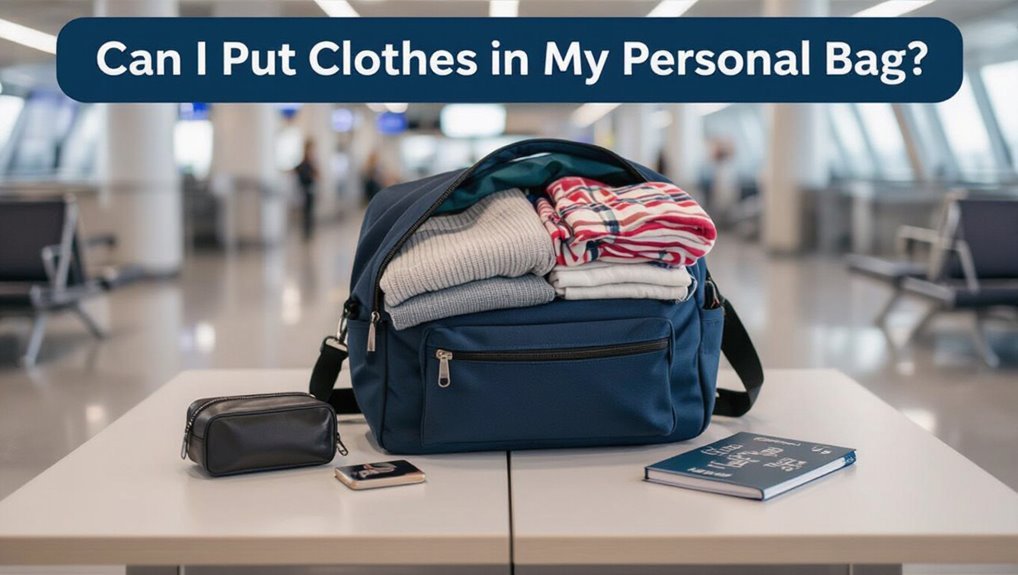
Wondering if you can stash clothes in your personal bag? Yes — airlines usually allow clothing in personal items if it fits under the seat and meets size limits.
Pack a few essentials, a change of clothes, or lightweight layers. Keep bulky items in checked luggage or a carry‑on if they exceed dimensions.
Check your airline’s size policy before boarding.
Personal Bag vs Carry‑On: What’s the Difference?
You’ll want to check size and dimension limits first, since a personal bag is usually smaller than a carry-on.
Airlines also define what counts as allowed personal items, so what you can pack—like a change of clothes—may vary.
Knowing both sets of rules helps you decide whether to stow clothes in your personal bag or use a carry-on.
Size And Dimensions
Airlines distinguish a personal bag and a carry-on mainly by dimensions: a personal bag fits under the seat in front of you, while a carry-on must stow in the overhead bin.
Check your airline’s published size limits—personal bags often max around 18x14x8 inches, carry-ons about 22x14x9 inches.
Measure packed dimensions, include handles/wheels, and weigh limits to avoid gate checks.
Allowed Personal Items
Knowing the size limits helps, but what you can actually pack matters just as much.
You can usually bring essentials in your personal bag: a small purse, laptop, tablet, documents, medications, a compact change of clothes, toiletries within liquid rules, and valuables.
Carried-on suitcases hold bulkier items like shoes and larger garments.
Always check your airline’s definitions to avoid gate checks.
U.S. Airlines: Personal Bag Size Limits
When packing clothes in your personal bag, know that most U.S. airlines set strict dimension limits rather than weight limits.
Size allowances typically range around 18 x 14 x 8 inches but vary by carrier, so you should check your airline’s specific dimensions before you fly.
If your bag’s measurements exceed the limit, it may have to go in the overhead as a carry-on.
Carry-On Personal Bag Dimensions
Most U.S. carriers let you bring one personal bag that fits under the seat, but exact dimensions vary by airline and fare class, so check limits before you pack.
Typical maximums hover around 16×14×8 inches (40×35×20 cm), but soft bags can squeeze more.
Measure packed items, include handles/wheels, and weigh bags if airline enforces weight limits.
Airline Size Variations
Because each U.S. carrier sets its own under-seat limits, you should check the specific personal-bag dimensions for the airline you’re flying.
Some airlines stick close to the common 16×14×8-inch guideline while others allow slightly larger or much smaller sizes depending on aircraft and fare class.
You’ll want to measure your bag, compare carrier rules, and pack strategically to avoid gate-checking or extra fees.
European & International Personal Bag Rules
Curious about what you can stash in your personal bag for flights across Europe and beyond?
You can pack clothing, essentials, and a small waterproof layer, but rules vary by airline and airport. Check carry-on policies before travel.
Typical allowances include:
- Lightweight jacket
- One spare outfit
- Underwear and socks
- Small laundry kit
- Scarf or wrap
How Weight Limits Change What You Can Pack
Airlines set carry-on weight limits that directly affect how many clothes you can stash in your personal bag.
Some carriers also impose item-specific weight caps (like laptops or duty-free purchases), so you’ll need to prioritize heavier pieces accordingly.
Pack smart with lightweight fabrics, roll clothes, and use compression bags to stay under limits without sacrificing essentials.
Carry-On Weight Restrictions
When weight limits shrink, you’ll have to rethink what actually goes in your personal bag: heavy items like full-size electronics, multiple books, or packed shoes can quickly eat up your allowance and force you to check luggage or redistribute items to your carry-on.
- Prioritize lightweight clothes
- Use compression packing cubes
- Move toiletries to checked or travel sizes
- Wear bulkier items
- Balance weight between bags
Item-Specific Weight Limits
1 key thing to check before you pack is whether specific items have their own weight caps—some airlines limit batteries, sporting equipment, or medical devices separately from your bag’s overall allowance.
You should review carrier policies for items like lithium batteries, golf clubs, or CPAP machines.
That prevents surprises at the gate and guarantees essential gear isn’t unexpectedly overweight or restricted.
Strategies To Save Weight
Weight limits force you to prioritize: pick versatile clothing, trim duplicates, and replace heavy items with lighter alternatives so your bag stays under the cap without leaving essentials behind.
You’ll plan outfits, wear bulky pieces, and swap cotton for quick-dry fabrics. Pack smartly to avoid fees and stress.
- Roll clothes tightly
- Use compression bags
- Choose multifunctional items
- Wear heaviest shoes
- Limit toiletries
Which Clothes Belong in Your Personal Bag
Which clothes should you keep in your personal bag depends on convenience, destination, and airline rules: pack one clean change of clothes, essential undergarments, and a lightweight layer like a cardigan or hoodie for temperature changes, plus socks and a compact pair of shoes if you might need them.
| Item | Purpose | Tip |
|---|---|---|
| Change | Emergencies | Fold thin |
| Undergarments | Hygiene | Pack extras |
| Layer | Cold | Compress |
| Socks | Comfort | Quick-dry |
| Shoes | Backup | Lightweight |
Bulky Items to Avoid in a Personal Bag
Ever wonder what you should leave out of your personal bag? You’ll want to skip oversized, heavy items that eat space and weight.
Avoid these bulky things:
- Large boots or heavy shoes
- Thick blankets or quilts
- Full-size toiletry kits
- Big electronic chargers/adapters
- Folded dresses or coats that won’t compress
Choose compact alternatives to stay within limits.
Pack Jackets & Sweaters Efficiently
When space is tight, roll lightweight sweaters and stow bulkier jackets along the bag’s perimeter to save room and keep shape; you’ll also want to use compression bags or packing cubes for delicate knits and place heavier items closest to your back for balance.
Fold technical outerwear loosely to protect insulation, tuck scarves into gaps, and separate damp layers in a waterproof pouch to prevent odors.
Wear or Stow: Use Bulky Layers to Save Space
If you’re trying to save room, wear your bulkiest jacket or sweater on the plane instead of packing it.
You can also stow another bulky layer under the seat in front of you if you need quick access.
Use a belt or strap to compress folded sweaters so they take up less space in your personal bag.
Wear Bulky Items
Because bulky coats and boots take up so much room, wear them on travel days to free up space in your bag and keep essentials accessible.
Layer smartly to stay warm without sacrificing carry-on room.
- Wear your heaviest jacket
- Put bulky boots on board
- Use pockets for small items
- Choose compressible layers underneath
- Remove unnecessary accessories before packing
Stow Under Seat
Stash one bulky layer under the seat in front of you to free up overhead space and keep essentials within reach; you can also wear heavier items and tuck a compressible jacket or sweater beneath your feet to maximize room in your carry-on.
Keep delicate garments protected in a packing cube, slide shoes beside the layer, and access passports or meds easily without digging into overhead bins.
Compress With Belts
Once you’ve stowed a bulky layer under the seat or are wearing it on the plane, use belts to compress and shape the rest of your clothing for more efficient packing. You’ll free space and keep items tidy.
Loop belts around rolled shirts or pants, tighten, then secure.
Tips:
- Roll garments tightly
- Use narrow belts
- Protect delicate fabrics
- Stack compressed bundles
- Label bundles
Pack Shoes Safely in Your Personal Bag
When you tuck shoes into your personal bag, protect clothing and other items by bagging each pair or using a dedicated shoe compartment; this keeps dirt and odors contained and makes the bag easier to organize.
Place heavier shoes near the bag’s base to stabilize weight, stuff shoes with socks to save space and retain shape, and seal them to prevent moisture or scent transfer.
Use Compression Cubes to Maximize Space
Although they look simple, compression cubes can dramatically increase the clothes you fit in a personal bag by removing excess air and keeping garments tightly packed; you just slide folded items into the cube, zip it closed, and compress to shave bulk.
Use them to:
- Separate outfits
- Protect delicate fabrics
- Save space for extras
- Speed up packing
- Meet carry-on limits
Roll vs Fold: Best Methods for a Personal Bag
You’ll get the most space by rolling T-shirts and lightweight items, which squeezes out air and fits into tight gaps.
If you need crisp shirts or dresses, folding and laying them flat helps prevent wrinkles.
Mix both methods—roll casual pieces and fold delicate or structured garments—to balance space and appearance.
Roll For Maximum Space
Want to fit more into your personal bag without wrinkling everything? Rolling saves space, creates layers, and helps compression.
Use tight rolls for tees and soft items; roll together small items to fill gaps. Pack heavier rolls at the bottom and use elastic bands for fragile items.
- Roll shirts tightly
- Bundle socks together
- Use packing cubes
- Fill corners with rolls
- Put heavy items low
Fold For Wrinkle Prevention
Rolling saves space, but folding protects the clothes you care about most—think dress shirts, blazers, and wrinkle-prone fabrics.
Fold along seams, smooth fabric to remove air pockets, and use tissue paper between layers to reduce creases.
Place folded items flat in your personal bag’s main compartment or in a shallow packing cube.
Treat delicate garments gently and avoid overstuffing to keep them crisp.
Combine Methods For Efficiency
When you mix rolling and folding, you get the best of both worlds: compact packing for bulkier items and wrinkle protection for delicate pieces.
Use rolls for tees, fold shirts and dresses flat, layer heavy items at the bottom, tuck socks into shoes, and compress with a packing cube.
This combo saves space, prevents creases, and keeps your personal bag organized.
Protect Wrinkle‑Prone Clothes Without a Suitcase
If you’re skipping a suitcase but still need to protect shirts, dresses, or linens, you can keep them crisp by choosing the right packing tricks and materials for your personal bag.
Roll lightweight garments, use tissue or dry-cleaning plastic between layers, and place delicate items on top.
Hang wrinkle-prone pieces in a garment sleeve at your destination or mist and steam them in the bathroom.
Store Toiletries & Underwear in a Personal Bag
1 smart pouch can keep your toiletries and underwear organized, accessible, and spill-free in your personal bag.
Pack travel-sized liquids in sealed bags, fold underwear flat, tuck socks into shoes, and keep a spare set for delays. Quick-access items go on top.
- leakproof toiletry pouch
- rolled underwear
- compression cubes
- travel laundry bag
- easy-reach wet wipes
Packing Order: Clothes vs Electronic Devices
Because electronics are heavier and more fragile, pack them closest to your back and in the center of your bag, then lay clothes around and on top to cushion and balance the load.
Pack heavier, fragile electronics nearest your back and center, then cushion them with clothes to stabilize and protect.
Place flat devices in protective sleeves, facing inward.
Use soft garments to fill gaps, preventing shifting.
Keep frequently needed items accessible, but avoid burying chargers under bulky clothing.
Carry Sportswear or Gym Clothes Smartly
When you pack gym clothes, choose moisture‑wicking layers that dry fast and cut down on odor.
Roll or fold them compactly to save space and keep them accessible.
Use a separate pouch or waterproof compartment for sweaty or dirty gear so it doesn’t mingle with clean items.
Pack Moisture‑Wicking Layers
If you plan to work out or want a fresh layer after travel, pack a couple of moisture‑wicking shirts and shorts that dry fast and resist odor.
They save space, stay comfortable, and let you refresh quickly between flights.
- choose quick‑dry fabrics
- pack lightweight sets
- roll to save room
- use breathable socks
- include a compact towel
Separate Dirty Gear
Pack one small, separate pouch for your dirty gym clothes so they don’t mingle with clean items in your personal bag; breathable mesh or waterproof-lined bags let sweat escape or stay contained, respectively, and keep odors and dampness from spreading.
Sealable bags also prevent leaks. Label the pouch, stash it at the bottom, and air out wet items as soon as you can to avoid mildew.
Pack a Change of Clothes for Long Layovers
Because long layovers can stretch into unpredictable waits, bring a compact change of clothes in your personal bag so you can freshen up and stay comfortable between flights.
Pack breathable, wrinkle‑resistant pieces and a small toiletry kit. Keep items accessible for security checks.
- Lightweight shirt
- Quick-dry underwear
- Foldable pants
- Travel socks
- Mini deodorant
Keep Baby Clothes in a Parent’s Personal Bag
When you’re traveling with an infant, tuck a small set of baby clothes into your personal bag so you can handle spills, temperature changes, or unexpected delays without scrambling through checked luggage.
Include a onesie, socks, a hat, and a lightweight blanket. Keep items in a waterproof pouch for easy access during security checks or inflight changes, and rotate contents by trip length.
Pack Medication & Prescriptions With Clothes
If you’re carrying baby clothes in your personal bag, tuck essential medications and prescriptions alongside them so you’ve got everything you might need in one accessible spot.
Keep meds in original bottles, pack a copy of prescriptions, note dosing, use a small pill case for daily doses, and separate refrigerated items with an insulated pouch.
- Original bottles
- Prescription copy
- Dosing notes
- Pill case
- Insulated pouch
Packing Seasonal Clothes for International Trips
You’ll want to plan seasonal layering so you can adapt to changing weather without overpacking.
Use lightweight base layers and a compressible midlayer, and pack a weatherproof outer layer in your personal bag for quick access.
Also watch airline weight limits—choose versatile pieces and wear heavier items to save room and avoid fees.
Seasonal Layering Strategies
Packing for seasonal changes means thinking in layers so you can adapt to fluctuating temperatures without overstuffing your bag.
You’ll prioritize versatile pieces, mix lightweight base layers with mid-layers, and reserve a compact outer shell. Plan outfits by weather and activities to stay comfortable and neat.
- Moisture-wicking base
- Lightweight sweater
- Packable down jacket
- Convertible pants
- Compact rain shell
Managing Weight Restrictions
How much can you realistically fit without exceeding airline limits? You’ll prioritize lightweight, compressible pieces and weigh your packed personal bag before heading to the airport.
Use packing cubes, roll clothes, and stash heavier items as wear-on layers. Check your airline’s weight allowance, redistribute items between carry-on and checked luggage if needed, and remove nonessentials to avoid overweight fees.
Fit Business Attire Into a Personal Bag
Fitting business attire into a personal bag takes planning and smart folding, so you can arrive looking crisp without hauling a suitcase.
Pack minimally and prioritize wrinkle-resistant pieces. Use compact folding and strategic layering to maximize space.
- Choose lightweight blazers
- Roll ties and shirts carefully
- Use packing cubes
- Place shoes at bottom
- Keep toiletries sealed
Portable Steamer Alternatives for Quick Refreshes
You don’t always need a portable steamer to keep shirts and dresses looking sharp in your bag.
Quick wrinkle fixes like a travel-sized spray bottle, a damp towel and heat from a hairdryer, or hanging items in a steamy bathroom can save the day.
We’ll compare these garment steamer alternatives so you know which one to reach for.
Garment Steamer Alternatives
When you need a quick refresh but don’t want to haul out a full garment steamer, several compact alternatives can smooth wrinkles and freshen fabrics fast.
You’ll find travel-friendly options that fit your personal bag and work on most clothes:
- Wrinkle-release spray
- Portable travel iron
- Damp towel plus flat surface
- Handheld fabric shaver
- Steam from a kettle or shower session
Quick Wrinkle Fixes
Need a fast fix? You can smooth clothes without a steamer: dampen a cloth and press wrinkles with a hotel iron, hang garments in a hot shower to let steam relax fibers, use a wrinkle-release spray or DIY mix (water plus a tiny fabric softener), or roll clothes tightly to minimize creases.
Quick touch-ups with a hairdryer also work in emergencies.
What Do Security Officials Screen in Personal Bags?
Curious what officials look for in your personal bag? You should expect screening for items that affect safety, identification, and compliance.
Officials focus on contents that trigger alarms or violate rules.
Officials hone in on anything that sets off alarms or breaks the rules.
- Electronics and batteries
- Sharp objects or tools
- Medications and medical devices
- Unidentified dense masses
- Proof of ID or travel documents
Keep it organized and accessible.
TSA Liquids Rule: What You Can Carry With Clothes
Wondering what liquids you can tuck into your carry-on alongside clothes?
You can bring travel‑size toiletries (100 ml/3.4 oz or less) in a single clear quart‑sized bag.
Place them where TSA can easily see them during screening.
Medications, baby formula and breast milk are allowed in reasonable amounts but declare them.
Avoid oversized containers or unapproved liquids to prevent delays.
When Do Clothes Trigger Gate‑Check or Fees?
When will your clothes trigger a gate‑check or extra fee? You’ll face checks or charges when your garment bag or packed clothes exceed personal item dimensions, block aisles, or look like carry‑on luggage; airlines also charge for extra carry pieces.
- oversized garment bags
- bulky duffels
- multiple packed totes
- bags needing overhead space
- items flagged at gate
Wear Bulky Items Onboard to Avoid Fees
Why not wear your bulkiest layers onto the plane and save yourself a gate‑check or extra fee?
Put on heavy coats, boots, or sweaters so they don’t count toward your personal bag size. You’ll free up space inside your bag for essentials and avoid stowing oversized items.
Just keep security rules in mind and remove layers when screening requires it.
Choose the Right Bag: Backpack vs Tote vs Pouch
If you’ve already slimmed down what you carry by wearing bulky layers, the next step is picking a bag that fits what you actually need on board.
Choose based on capacity, access, and comfort. Consider:
- Backpack: distributes weight, hands-free
- Tote: easy access, stylish
- Pouch: compresses, fits under seats
- Mixed: tote with inner pouch
- Check airline size limits first
Use Pockets to Separate Dirty, Wet, or Fragile Items
Use pockets to keep dirty laundry separate so it doesn’t mingle with clean clothes.
Put wet gear in a waterproof pocket or pouch to stop moisture from spreading.
Stash fragile items in padded or lined compartments to prevent crushing or snagging.
Separate Dirty Laundry
Separate dirty, wet, or fragile items into pockets or small bags so they won’t soil or damage the rest of your belongings.
Pack sweaty shirts and socks separately to control odors and stains. Use clear bags to spot dampness quickly. Seal fragile items in padded pockets.
Wash or dispose of laundry promptly after travel.
- Socks
- Underwear
- Workout tops
- Delicates
- Stained pieces
Isolate Wet Gear
When gear gets wet, tuck each item into its own pocket or small bag so moisture won’t spread to the rest of your things. Seal wet swimsuits, socks, or rain jackets in plastic or waterproof pouches, then stash them apart from dry clothes. Label pockets if needed to avoid sniffing through everything at security or on the plane.
| Item | Storage |
|---|---|
| Swimsuit | Plastic pouch |
| Socks | Small zip bag |
| Jacket | Dry bag |
| Towels | Compression sack |
| Shoes | Separate compartment |
Protect Fragile Items
Pack fragile items into dedicated pockets so they don’t get crushed or dinged by heavier things.
Use separate compartments for glass, electronics, and delicate accessories. Wrap breakables in clothing, plastic, or bubble wrap.
Keep wet or dirty items away to avoid stains. Check pockets during security to prevent surprises.
- Glass bottles
- Sunglasses
- Chargers
- Jewelry
- Toiletries
Protect Delicate Garments in a Personal Bag
Even though your personal bag seems roomy, you’ll need a few simple steps to keep delicate garments from snagging, stretching, or losing shape.
Fold silk and lace with tissue paper between layers, use padded hangers or soft garment pouches for structured pieces, and place sweaters flat to prevent stretching.
Seal jewelry separately and avoid overpacking to maintain fabric integrity.
Vacuum Bags: Pros and Cons for a Personal Bag
If you’re tight on space, vacuum bags can dramatically compress bulkier items like sweaters and jackets, letting you fit more into your personal bag without bulking up its profile.
They save space but can add weight and risk wrinkles or moisture. Consider these points:
- Maximize volume
- Reduce wrinkles risk
- Add weight
- Trap moisture
- Security inspection hassle
Pack Priorities for Tight Connections
When your connection window’s tight, prioritize items you’ll need during the layover—passport, boarding pass, phone, chargers, a small snack, and any meds—so you can move through gates fast without digging through your bag.
Pack a lightweight jacket, boarding documents in an easy pocket, and quick-access toiletries.
Stash a pen, spare credit card, and compact reusable bag for last-minute purchases or gate changes.
Customs & Clothing Restrictions to Watch For
Because customs officers focus on what you bring across borders, check clothing rules before you pack: some countries restrict items like military-style uniforms, footwear with animal products, or textiles treated with certain chemicals.
Because customs inspect your clothing, check rules on military-style gear, animal products, treated textiles, and logos.
Others may have rules about modest dress or visible logos.
- Check military-style gear
- Verify leather/animal products
- Note chemical treatments
- Respect modesty laws
- Watch trademarked logos
What to Do If Your Personal Bag Is Overpacked?
1 smart move is to reassess and lighten your load before you reach the gate: unzip pockets, remove nonessentials, and shift bulky items to your checked luggage or coat to meet size and weight limits.
If it’s still overpacked, redistribute items into another bag, compress clothing with packing cubes, or remove a few garments.
Ask gate agents about flexibility or pay the minimal fee.
Combine a Personal Bag With a Carry‑On Strategically
If you’ve already trimmed or redistributed items from an overstuffed personal bag, plan how it will pair with your carry‑on to make the most of airline allowances.
Use space efficiently, balance weight, and keep essentials accessible. Consider:
- Pack clothes in packing cubes
- Put valuables in the personal bag
- Store shoes in carry‑on
- Distribute liquids evenly
- Reserve space for souvenirs
Loyalty Perks That Expand Your Personal Bag Allowance
Want more breathing room for your personal bag? Join airline loyalty programs and elite tiers to get extra allowances or relaxed size rules.
Use miles-based status, co‑branded credit cards, or partner elite benefits to carry an additional bag or larger item.
Check each carrier’s rules—perks vary by airline and can change—so confirm before packing to avoid surprises at the gate.
Sustainable Packing: Pack Less, Wash on the Road
Pack versatile clothing that mixes and matches so you can bring fewer pieces without sacrificing outfits.
Plan laundry stops along your route—hostels, laundromats, or hotel services make it easy to refresh basics.
That way you’ll keep your personal bag light and your travel footprint smaller.
Pack Versatile Clothing
Clothes that do double duty will shrink your load and make laundry simple on the road; choose neutral, quick-dry pieces you can layer, mix, and rewear between washes.
Pack versatile items and focus on fabrics that dry fast and resist odors.
Consider:
- Lightweight merino or synthetic tee
- Packable jacket
- Neutral trousers
- Convertible dress/skirt
- Multipurpose scarf
Plan Laundry Stops
If you plan laundry stops into your itinerary, you can travel with a much smaller wardrobe and still stay fresh—identify laundromats, guest laundry hours at hotels or hostels, and reliable wash-and-fold services before you go so you won’t waste time hunting for them while tired.
Pack quick-dry items, a travel laundry kit, and schedule mid-trip washing to avoid overpacking and reduce luggage weight.
Emergency Clothing Checklist for Your Personal Bag
Start with a compact set of garments that cover basic needs: a change of underwear and socks, a versatile top, a lightweight insulating layer, and weather-appropriate outerwear (rain shell or warm jacket) so you’re ready for sudden temperature or condition changes.
- Spare underwear
- Extra socks
- Lightweight midlayer
- Packable rain jacket
- Compact scarf or beanie
Keep items rolled, waterproofed, and reachable for quick swaps.
Weekend Trip: Personal Bag Packing Example
After packing that compact emergency set, scale it up for a weekend by thinking in outfits instead of single items: plan two tops, one pair of pants, a casual and a dressier option if you might go out, plus the same spare underwear, socks, and a lightweight outer layer.
Roll garments to save space, use packing cubes, limit shoes to one versatile pair, and tuck toiletries compactly.
Week‑Long Trip: Personal Bag Packing Example
When you’re packing a week-long trip, think in capsule wardrobes so you’re carrying versatile pieces that mix and match:
- 3 tops (neutral, one dressy)
- 2 bottoms (jeans, lightweight pant)
- 1 layer (light jacket or cardigan)
- 1 dress or jumpsuit (optional dressy option)
- 7 pairs of underwear and socks, compact toiletries, and one pair of shoes you’ll wear aboard
Quick Test: Will Your Packed Personal Bag Fit the Sizer?
Wonder if your personal bag will actually pass the sizer? Test it: pack as you will travel, zip fully, then slide into the sizer. If it fits, you’re good; if not, trim items or compress.
| Action | Outcome |
|---|---|
| Pack and zip | Realistic check |
| Fit in sizer | Good to go |
| Doesn’t fit | Reduce or compress |
Frequently Asked Questions
Can I Carry Specialty Fabrics Like Silk or Leather in My Personal Bag?
Yes — you can carry silk or leather in your personal bag, but pack them carefully; use breathable garment bags or tissue paper to prevent creasing, separate any wet items, and follow airline size limits and customs rules for treated leathers.
Are There Restrictions on Packing Cultural or Ceremonial Clothing?
Yes — you can usually pack cultural or ceremonial clothing in your personal bag, but you should check destination customs rules and airline carry limits; avoid restricted items attached to garments, and keep documentation for valuable or fragile pieces.
Can I Transport Clothing With Embedded Batteries or Electronics?
Yes — you can transport clothing with embedded batteries or electronics, but you’ll need to follow airline and security rules: remove or deactivate batteries if required, carry spare lithium batteries in carry-on, and declare items if asked.
How Should I Pack Prescription Compression Garments or Medical Wear?
Pack prescription compression garments in their original packaging with a doctor’s note or prescription; you’ll fold them neatly, place them in a clear bag for inspection, carry spares, and declare them at security if they trigger screening alarms.
Do Airline Staff Inspect Branded or Logoed Apparel for Authenticity?
Airline staff generally won’t inspect branded or logoed apparel for authenticity unless security or customs raise concerns; you’ll only face checks for prohibited items, counterfeit seizures, or specific legal inquiries, so cooperate if they’re requested.
Conclusion
Yes — you can put clothes in your personal bag, but pack smart. Stick to essentials and lightweight items like underwear, a spare top, a compact pair of pants, and a travel-sized change of shoes if needed. Remember size, not weight, usually governs personal bags, so roll clothes and use compression bags. For longer trips, plan outfits that mix and match and carry emergency clothing only. Check your airline’s rules before you go.