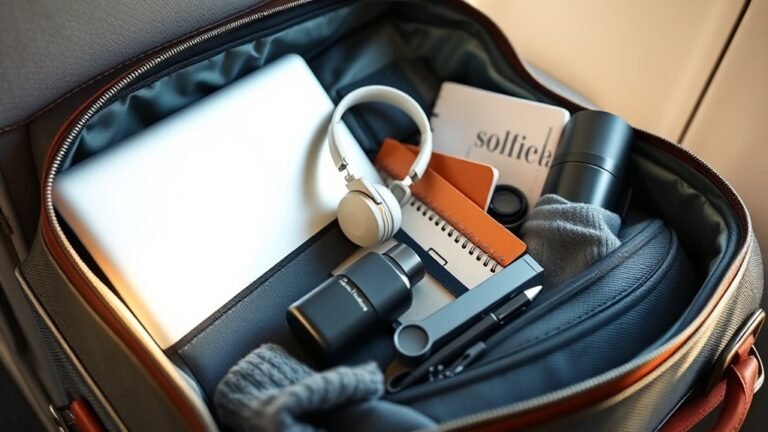
Are Kids Allowed a Carry On Bag Airline?
Yes — if your child has their own paid seat they can usually bring a standard carry-on plus a personal item, while infants on laps are typically limited to a personal item and exempt essentials like a diaper bag. Size and weight limits vary by airline and fare class, and international carriers often have stricter rules. Gate-checked strollers and car seats follow separate policies, so check your airline’s specifics before travel to learn what else you should expect.
Quick Answer: Can Kids Bring a Carry-On on Flights?
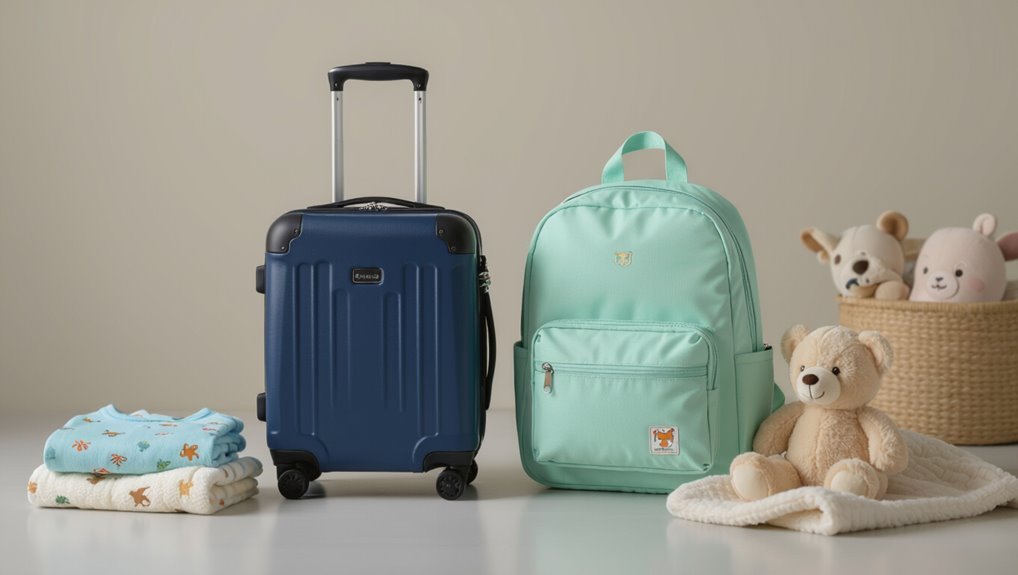
Wondering whether your child can bring a carry-on? Yes — most airlines let children of any age bring one carry-on plus a personal item if a paid seat is booked.
Infants on laps usually get a personal item only, though policies vary.
You should check your airline’s size, weight, and seat/age rules before packing to avoid surprises at the gate.
Who This Guide Is For and What to Check First
Now that you know most kids with a paid seat can bring a carry-on (and infants on laps usually get only a personal item), you’ll want to confirm a few specifics before you pack.
This guide is for parents, guardians, and caregivers flying with children.
Check your airline’s carry-on size, weight limits, baggage allowance by fare, and any fees or gate-check rules to avoid surprises.
How Airlines Define “Child” vs. “Infant
Airlines usually distinguish infants and children by age because it affects seating, baggage, and safety rules: infants are typically under 2 years old and may travel on a caregiver’s lap (often qualifying only for a personal item), while children 2 and older generally require their own paid seat and can bring a full carry-on.
| Age | Seat | Baggage |
|---|---|---|
| 0–23 mo | Lap | Personal item |
| 2–11 yr | Seat | Carry-on allowed |
| 12+ | Adult rules | Standard allowance |
When You Must Buy a Seat for Your Child
When do you have to buy a seat for your child? You must purchase a seat when the child exceeds the airline’s infant age, is tall/heavy enough to need their own restraint, or when you prefer guaranteed seating.
Rules vary by carrier, so check policies before booking.
- Age cutoff differences
- Safety/restraint requirements
- Lap child vs. assigned seat
If Your Child Has Their Own Seat: Carry-On Rules
If your child has their own seat, you’ll want to know the airline’s carry-on allowance so you don’t exceed item limits.
Check the size and weight restrictions for your child’s bag and any extra gear like a car seat or stroller.
Also confirm boarding order and where you’re allowed to store their bag so you won’t be scrambling at the gate.
Carry-On Allowance Rules
Because your child has their own seat, they’ll usually get the same carry-on allowance you do, though specifics can vary by carrier and fare class.
Check your airline’s policy before packing so you won’t face surprises at the gate.
- Verify fare-class restrictions and any family exceptions.
- Confirm whether strollers or car seats count separately.
- Note boarding group benefits that affect overhead space.
Size And Weight Limits
Most airlines let your child carry the same sized bag you do when they’ve their own seat, but exact dimensions and weight limits can differ by carrier and fare class—so check limits before you pack.
You should verify permitted dimensions, weight caps, and whether soft or hard-sided bags count differently.
Weigh and measure at home to avoid surprises and fees at the gate.
Boarding And Storage Rights
When your child has their own seat, they’ll usually get the same boarding and overhead bin privileges as you do, though airlines can vary on whether families board together or in specific groups; check your carrier’s boarding policy so you know if you’ll be able to stow both your bags at the gate or need to gate-check one.
- Verify boarding group and family pre-boarding.
- Measure luggage to avoid gate-checking.
- Plan to consolidate items to secure bin space.
If Your Child Is a Lap Infant: Carry-On Limitations
If your child will be a lap infant on the flight, understand that airlines often limit what counts as a free carry-on for them and what you’ll need to stow or check.
You’ll usually get one small personal item for the infant like a diaper bag, but larger items, strollers, or car seats may need gate check or checked baggage handling.
Confirm airline policy before travel.
What Counts as a Child’s Personal Item
When you pack your child’s personal item, think about what the airline actually accepts—diaper bags, small backpacks, or even a soft cooler can qualify.
Check size and weight limits since carriers vary on exact dimensions and how strictly they enforce them.
Always review your airline’s specific policy before you go so you won’t be surprised at the gate.
Eligible Item Types
Airlines usually let each child bring one personal item in addition to a carry-on, and knowing what counts will save you hassle at the gate.
You’ll typically be allowed small backpacks, diaper bags, or activity bags that fit under the seat. Pack essentials and one comfort item.
- Small backpack
- Diaper or medical bag
- Tablet/activity pouch
Size And Weight
Most carriers let a child bring one personal item that must fit under the seat in front of them, and that usually means something compact—think small backpack, slim diaper bag, or tablet sleeve.
You should check dimensions and weight limits before packing. Aim for lightweight items you can lift into overhead bins if needed, and distribute essentials to stay within size and weight constraints.
Airline Policy Variations
While size and weight limits set the basic rules, what actually counts as a child’s personal item can vary widely by carrier.
You should check each airline’s definition—some accept small backpacks, diaper bags, or toy bags; others specify dimensions or limit items to one per child.
Consider confirming allowances before travel.
- Small backpack
- Diaper or stroller bag
- Soft toy or activity pouch
Strollers & Car Seats: Carry-On and Gate-Check Rules
Whether you’re folding a stroller at the jetway or checking a car seat at the gate, know each carrier’s size, weight, and packaging rules before you board.
Airlines vary: some allow collapsible strollers as gate-checked items, others treat car seats as checked baggage unless used onboard.
Always tag gear, protect straps and buckles, and confirm fees and liability policies ahead of travel.
Diaper Bags, Formula, and Medical Items That Are Exempt
Because security recognizes the unique needs of young children and certain medical conditions, you can bring diaper bags, baby formula, breast milk, and essential medical items through checkpoints in quantities and packaging that often exceed standard liquid limits.
Pack visibly, declare items at screening, and be ready for inspection.
- Diapers and wipes
- Formula and breast milk
- Prescribed meds and supplies
TSA vs. Airline Rules: Which Applies?
Which rules matter most — the TSA’s security guidelines or your airline’s carry-on limits? You must follow both: TSA controls security items and screening, while airlines set size, weight, and bag counts. Check TSA first for prohibited items, then confirm your carrier’s allowance to avoid gate charges or gate-checked bags.
| Authority | Scope | Result |
|---|---|---|
| TSA | Security rules | Screening required |
| Airline | Size/quantity | Fees or refusals |
| You | Compliance | Smooth travel |
Liquids, Baby Food, and Formula at Security
When you’re packing for security, know that the liquids rule has exceptions for parents traveling with little ones.
You can bring baby food, formula, and necessary medications in quantities larger than 3.4 ounces, but you’ll need to declare them and separate them for screening.
Liquids Rule Exceptions
Traveling with young children means you’ll deal with special rules for liquids at security—breast milk, formula, and baby food don’t have to fit the 3-1-1 ounce bag limit, but you should declare them and send them through screening separately.
You can carry reasonable amounts; TSA may test or X-ray. Pack extras and ice packs; be ready to explain quantities.
- Declare items
- Separate for screening
- Bring documentation
Baby Food Allowances
Need to bring baby food, formula, or breast milk through security? You can carry reasonable quantities exceeding 3.4 ounces; declare them at screening.
Pack jars, squeezable pouches, frozen or thawed milk separately for inspection. Officers may test or open containers.
Bring bottles, feeding utensils, and ice packs; expect additional screening but exemptions exist so you won’t have to discard essential baby nourishment.
Formula And Medication
You can bring formula, medications, and baby liquids through security even if they exceed the 3.4-ounce limit, but you should declare them for inspection.
Tell officers what you have, separate items, and be ready to open containers if requested. Follow airline rules for strollers and car seats.
- Pack measured servings
- Label prescriptions
- Keep receipts or instructions
Bringing Medicine and EpiPens for Kids
If your child relies on daily meds or has severe allergies, bring their medicine and EpiPens in your carry-on so they’re always accessible and temperature-controlled.
Keep prescriptions labeled, pack extra doses, and include a physician’s note for syringe or refrigerated items.
Know airline and TSA guidance, inform gate agents if needed, and place meds where you can reach them quickly during boarding and flight.
Toys, Electronics, and Battery Rules for Children
After packing medications and EpiPens, make certain toys and electronic devices for your child are ready and compliant with airline and TSA rules.
Pack spare batteries separately, carry a power bank in hand luggage, and guarantee noisy or large toys meet carry-on size limits.
Follow airport screening instructions to avoid delays.
- Spare batteries in original packaging
- Power banks in carry-on
- Devices charged and accessible
FAA-Approved Boosters and Child Restraints in Cabin
When you fly with young kids, check whether your booster or child restraint is FAA-approved so it’s allowed in the cabin.
Airlines have different policies on which seats and restraint types they accept, so confirm rules and any documentation before you pack.
Knowing approval and carrier rules ahead of time keeps boarding smoother and your child safer.
FAA-Approved Booster Seats
One key item to evaluate for flying with young children is an FAA-approved booster or child restraint, because airlines and safety regulators require specific types of seats for use in the cabin.
You’ll need to check FAA certification labels, measure the seat for airplane fit, and verify airline acceptance before travel.
- Check FAA label and manual
- Confirm airplane seat compatibility
- Get airline approval ahead of time
Child Restraint Policies
Because airlines and the FAA set specific rules for using boosters and child restraints in the cabin, you should know the key requirements before you fly.
You must use FAA-approved restraints for infants and toddlers when occupying a purchased seat, follow size and weight limits, secure harnesses per instructions, verify airline acceptance in advance, and stow or swap restraints per crew guidance during taxi, takeoff, and landing.
Typical Size Limits for Kids’ Carry-Ons by Airline
Most airlines let kids bring a small carry-on, but the exact size limits vary a lot between carriers and fare types.
Most airlines allow a small carry-on for kids, but size limits differ widely by carrier and fare.
You should check specific airline dimensions before travel. Common guidance includes:
- Small personal item: often ~40 x 30 x 15 cm.
- Standard carry-on: usually ~55 x 35 x 20 cm.
- Regional/low-cost: stricter, sometimes only personal items allowed.
Common Weight Limits for Children’s Carry-Ons
When you’re planning what to pack for a child, remember airlines often set weight limits for carry-ons as well as size limits, and those limits can range from very lenient to quite strict depending on the carrier and route.
Check typical limits—often 7–10 kg (15–22 lb) internationally, sometimes lower on regional or budget flights.
Pack essentials, weigh bags, and redistribute items to avoid fees.
Major U.S. Airlines: Carry-On Policies at a Glance
Here’s a quick look at how major U.S. airlines handle kids’ carry-ons so you can plan without surprises:
- Most U.S. carriers let kids bring a standard carry-on plus a personal item; sizes often match adult rules.
- Some discount airlines restrict free carry-ons for kids unless purchased or accompanying an adult with baggage.
- Always check your airline’s specific size and gate-check policies before travel to avoid fees.
European Carriers: Typical Carry-On Rules
When you fly with European carriers, check each airline’s rules for whether kids get their own carry-on allowance or share an adult’s bag.
You’ll also want to confirm the specific size and weight limits, since they can vary a lot between low-cost and legacy carriers. Knowing both pieces ahead of time helps you pack efficiently and avoid gate fees.
Child Carry-On Allowance
Most European airlines let children bring at least one small carry-on item plus a personal item without paying extra, though exact size and weight limits vary by carrier.
You should check specific age-based rules, stroller allowances, and gate-checked options before travel.
- Age categories often change allowance.
- Strollers/buggies may be free.
- Gate-checking is common and convenient.
Size And Weight Limits
Having checked what children can bring, you’ll want to confirm exact size and weight limits next, since carriers set those differently across Europe.
Typical allowances range 8–12 kg or 7–10 kg and dimensions around 55x40x20 cm, but low-cost airlines often restrict both.
Always verify your specific airline’s policy online before packing to avoid gate fees or forced gate checks.
Carry-On Rules on Budget Airlines
Budget airlines often charge extra for carry-on bags, so you’ll want to check each carrier’s size, weight, and fee rules before you pack.
Some let a small personal item free but charge for anything that fits in an overhead bin, while others include a larger cabin bag with specific dimensions and a strict weight limit.
You should plan, weigh, and prepay when possible.
- Compare fees
- Measure bags
- Pack essentials only
International Carrier Variations to Expect
When you fly internationally with kids, you’ll notice airline policy differences that affect what and how much you can bring onboard.
Expect varying carry-on allowances by region—European and Asian carriers often have stricter size or weight limits than some North American airlines.
Check each carrier’s rules before packing so you won’t be surprised at the gate.
Airline Policy Differences
Because airlines base carry-on rules on different safety standards, aircraft sizes, and fare structures, you’ll notice meaningful variations between international carriers.
You should check each airline before packing so you don’t face surprises at boarding.
Consider these common differences:
- Size and weight limits for kids’ bags.
- Free item allowances (strollers, car seats).
- Family boarding and gate-check rules.
Allowance By Region
Although rules vary widely by region, you’ll generally find patterns that make planning easier: carriers in North America often allow slightly larger or heavier kids’ carry-ons but charge for extras, European airlines prioritize strict size limits with fewer free add-ons, and many Asian and Middle Eastern carriers offer generous allowances or family-friendly perks on long-haul flights.
| Region | Typical Allowance | Notes |
|---|---|---|
| North America | Moderate | Fees for extras |
| Europe | Small | Strict sizes |
| Asia/Middle East | Generous | Family perks |
| Oceania | Varies | Check carrier |
How Domestic vs. International Routes Affect Baggage
If you’re flying domestically, you’ll usually face simpler, more predictable carry-on rules than on international routes.
You should check airline policy and country regulations for size, weight, and permitted items, since international flights often add stricter limits or different allowances for children.
- Verify airline carry-on size and weight.
- Confirm international security restrictions.
- Ask about connecting carriers’ rules.
When Airlines Charge for a Child’s Checked Bag vs. Carry-On
Rules for checked bags and carry-ons can change how much you pay when traveling with kids, especially on international routes where allowances vary.
You’ll often get a free small carry-on for infants, but older children may count as adults for carry-on rules.
Checked bag fees can apply per passenger; some airlines waive one checked bag for children on family fares.
Check policies before booking.
How to Avoid Extra Carry-On Fees With Kids
To avoid surprise carry-on charges when flying with kids, plan ahead by knowing each airline’s size and allowance rules, consolidating items into a single approved bag, and using personal-item exemptions for strollers, diaper bags, or small backpacks.
Pack smart, weigh items, and check policies online.
- Prioritize essentials in one compliant bag
- Use stroller/diaper bag exemptions
- Prepay or gate-check bulky items
Family Boarding: Timing and Carry-On Access
When you board during family/priority boarding, you’ll get extra time to stow carry-ons, settle kids, and organize essentials without the rush of general boarding.
Use that window to place larger items in overhead bins, keep one small backpack with snacks and documents within reach, and position coats or comfort items nearby so you can respond quickly to kids’ needs during boarding and taxi.
Managing Multiple Carry-Ons With Several Kids
Once you’ve used family boarding to get organized, you still face the puzzle of juggling multiple bags for several kids.
You’ll need strategy to move fast, reduce chaos, and keep essentials accessible. Prioritize light, compact packs and consolidate items when possible.
- Assign one carry-on per adult plus a communal kids’ kit.
- Use clear packing cubes.
- Keep snacks and meds reachable.
Best Small Carry-On Bags for Toddlers
Think small, sturdy, and kid-friendly: the best carry-on bags for toddlers are lightweight, easy for little hands to grab, and organized enough for you to access diapers, snacks, and a change of clothes in a hurry.
Choose a backpack or rolling bag with durable zippers, washable fabric, padded straps, and compartments for wipes and toys.
Pick bright colors for quick spotting.
Ideal Personal Items for Infants and Newborns
For infants and newborns, pack a compact personal item that keeps essentials within arm’s reach—diapers, wipes, a changing pad, extra onesies, and a few favorite pacifiers or small toys.
You’ll want organized pockets and easy access for feedings and quick changes. Consider these must-haves:
- Extra outfit, burp cloths, and disposable changing pads
- Lightweight blanket and nursing cover
- Travel-sized formula, bottles, and sanitized pacifier case
Lightweight Luggage Brands Parents Trust
When you’re picking carry-ons for kids, focus on brands that balance durability with a featherlight build so little hands and tired parents can manage them.
Look for kid-friendly features like easy-grip handles, spinner wheels, and fun colors or characters that hold up to rough use.
Compare budget models against premium options to decide whether you want basic reliability or extra warranty, materials, and design refinements.
Durable Yet Lightweight Options
Although you want something light enough for kids to handle, durability shouldn’t be sacrificed—reliable brands now offer carry-ons that resist rough handling while staying featherweight, so you’re not wrestling with heavy bags at the gate.
You’ll find sturdy polycarbonate shells, reinforced seams, and smooth wheels that last. Consider these options:
- Polycarbonate hard-shell
- Reinforced fabric with waterproof coating
- Lightweight aluminum frame
Kid-Friendly Design Features
1 key thing parents look for is simple, kid-friendly design: bright colors, easy-grip handles, and smooth-rolling wheels that let your child manage their own bag without help.
You’ll want padded straps, durable zippers, and clear compartments so packing stays organized.
Trusted lightweight brands balance sturdiness with fun styling, safety reflectors, and easy-clean materials to keep travel stress low and independence high.
Budget Versus Premium Choices
If you’re weighing budget versus premium carry-ons, focus on how often you’ll use the bag and what features matter most: cheap options save money upfront and stay light for occasional trips, while premium brands charge more for tougher shells, smoother wheels, and longer warranties that pay off with frequent use.
- Choose weight and simplicity for rare travel.
- Prefer durability and warranty for regular flyers.
- Balance price with replaceable parts.
Packing Checklist for a Child’s Carry-On
Think about what your child will need during the trip and pack a small, organized carry-on that balances comfort, entertainment, and essentials.
Include a change of clothes, lightweight blanket or sweater, snacks in resealable bags, refillable water bottle (empty through security), basic meds, wet wipes, travel tissues, ID and copy of documents, headphones, one compact toy or book, and a zip pouch for valuables.
Entertainment Strategy to Minimize Bulk
Decide on a strict limit for portable devices so you’re not hauling chargers and backups.
Choose a few compact toys that pack big engagement in a small size.
Download movies, games, and books before departure to avoid streaming and extra gear.
Portable Device Limits
Limit how many devices you bring onboard to cut clutter and keep charging simple: pick one tablet or phone per child and preload it with videos, games, and ebooks so you won’t need extra batteries, chargers, or bulky players.
You’ll streamline security and reduce lost items.
- Load diverse offline content.
- Use a single shared power bank.
- Enable airplane mode and blue light filters.
Compact Toy Selection
Alongside pared-down devices, pick compact toys that keep kids engaged without adding bulk.
Choose multi-use items—magnetic puzzles, small coloring pads with a few crayons, reusable sticker books, and travel-size board games.
Rotate toys during the flight to renew interest.
Prioritize quiet, durable pieces that tuck into a slim pouch, so you stay within carry-on limits and reduce clutter.
Download Before Departure
Download movies, shows, games, and audiobooks to your devices before you leave so you won’t rely on spotty inflight Wi‑Fi or use up data.
Pack chargers, a power bank, and kid-friendly headphones. Label devices and set parental controls.
- Preload varied content (age-appropriate, short and long).
- Charge and test playback.
- Bring a backup offline activity.
Snack Packing Tips That Pass Security and Stay Fresh
When you’re packing snacks for a flight, think simple, secure, and fresh: choose non-liquid, tightly sealed items that clear TSA and won’t get soggy in your bag.
Pack individually wrapped portions, sturdy fruits (apples, grapes in a ventilated container), dried fruit, whole-grain crackers, and protein bars.
Use resealable bags and small ice packs in an insulated pouch to keep things cool without violating rules.
How to Pack a Child’s Carry-On for Security Screening
After you’ve sorted snacks that clear security and stay fresh, turn your attention to organizing the rest of your child’s carry-on for screening.
Pack electronics and liquids on top for easy removal, stow a change of clothes, and keep comfort items accessible.
Follow TSA rules and zip small items into a clear pouch to speed inspection.
- Electronics first
- Liquids in clear pouch
- Accessible comfort items
Gate-Checking: Staying Able to Access Essentials Mid-Flight
If you gate-check your child’s bag to free up stroller or carry-on space, plan ahead so you can still reach essentials during the flight: pack a small, grab-ready pouch with snacks, a change of clothes, diapers/wipes, and a favorite comfort item, then keep it with you or tuck it into a personal item you bring onboard.
Label the pouch, stow it under the seat, and keep wipes handy.
Strategies for Fitting Child Bags in Overhead Bins
Gate-checking a bag helps free space, but you’ll still want a plan for storing the items you bring onboard.
Pack soft, compressible items and place heavier pieces at the bottom so the bag slides into bins easily. Use a compact backpack for essentials under the seat.
- Roll clothes to save space
- Nest small toys inside shoes
- Use clear pouches for quick access
What to Do If an Airline Denies a Child a Carry-On
If an airline tells you a child can’t bring a carry-on, first ask the gate agent for the specific reason and any possible exceptions.
If that doesn’t resolve it, calmly escalate to a supervisor to appeal the decision.
Also know your rights ahead of time so you can reference policies or file a complaint if needed.
Ask The Gate Agent
What do you do when an airline agent says your child can’t bring a carry-on?
Ask the gate agent politely, show your boarding pass and explain the item’s size. Stay calm, be concise, and request clarification of the rule.
- Ask for the specific policy.
- Show dimensions and boarding card.
- Offer to gate-check if required.
Escalate To A Supervisor
When the gate agent won’t budge, ask politely to speak with a supervisor so you can get a clear ruling and, if needed, an exception for your child’s carry-on. Stay calm, state your request, show any documentation, and ask for a written decision if denied. If unresolved, note names and escalate later via customer service.
| Action | Tip |
|---|---|
| Ask | Be polite |
| Show docs | Boarding pass |
| Request write-up | Supervisor name |
| Note details | Follow up online |
Know Your Rights
1 clear step you can take is to know your rights and the documentation that supports them before you argue at the gate.
If an airline denies your child a carry-on, stay calm, cite policies, and request supervisor review. Carry digital copies.
- Have airline policy screenshots
- Bring boarding passes and ID
- Note agent name, time, and decision
How to Request Exceptions or Accommodations Before Travel
If your child needs extra carry-on items or special handling, contact the airline well before your trip so you can confirm policies, document any medical or disability needs, and get written approval when possible.
Explain specific needs, provide relevant paperwork (doctor’s notes, prescriptions, therapy devices), ask about preboarding or gate assistance, record names and reference numbers, and follow up to guarantee accommodations are noted on your reservation.
How to Document Policy to Challenge Gate Staff
After you’ve confirmed accommodations with the airline and saved any approvals, keep copies of the relevant policies and correspondence so you can firmly challenge gate agents who misapply rules.
Print or screenshot policy pages, reservation notes, and email approvals. Present them calmly, cite policy lines, and ask to speak to a supervisor if needed.
- Policy excerpt
- Reservation screenshot
- Approval emails
Special Rules for Children With Disabilities or Medical Needs
When traveling with a child who’s a disability or medical need, know that airlines have specific allowances for medical equipment, mobility aids, and extra carry-on items—so check and document those rules before you get to the airport.
Bring prescriptions, letters from providers, and packing lists.
Notify the airline ahead, request pre-boarding, and confirm gate staff know about permitted items like oxygen, feeding supplies, or service animal gear.
When to Buy a Seat vs. Bring a Lap Infant
When you’re deciding whether to buy a seat or bring a lap infant, think about your child’s age, length of the flight, and safety needs.
You’ll usually save money by keeping an infant on your lap for short flights, but buying a seat lets you use a car seat and gives everyone more space.
Check the airline’s rules and compare costs before you book so you can pick the safest, most practical option.
When To Buy
If you’re weighing whether to buy a seat for your infant or hold them on your lap, start by checking the flight length, airline rules, and the age/size limits for lap infants—these factors usually decide whether buying a seat makes sense.
Consider these triggers for buying a seat:
- Long flights where comfort and sleep matter.
- Infants near the weight/age cutoff.
- Desire for a car seat or extra space.
Bringing A Lap Infant
You’ve identified situations that make buying a seat worthwhile; now decide whether you’ll actually bring your infant on your lap. Consider safety, comfort, cost, and flight length. If turbulence or long flights worry you, buy a seat. Otherwise, lap travel saves money but limits mobility and sleep.
| Factor | Consideration |
|---|---|
| Safety | FAA recommends a seat |
| Cost | Lap is cheaper |
| Comfort | Seats better for naps |
| Duration | Long flights = seat |
| Restrictions | Some fares disallow lap |
Cost-Benefit of Bringing a Full Carry-On for Kids
Although packing a full carry-on for your child can feel like overkill, weighing the costs and benefits helps you decide what’s worth the space.
Although a full child carry-on may seem excessive, weigh convenience and comfort against fees and limits.
You’ll balance convenience, weight limits, and extra fees against comfort and entertainment. Consider these factors:
- Entertainment vs. weight — screens and books add bulk.
- Fees vs. necessity — check airline policies.
- Accessibility — essentials you’ll need mid-flight.
Portable Gear That Simplifies Carry-On Management
You’ll want a few smart, portable items to keep your child’s carry-on organized and accessible.
Lightweight packing cubes separate clothes and gear, collapsible snack containers save space and prevent spills, and a multi-pocket travel backpack keeps essentials within reach.
Together they cut chaos and make moving through airports smoother.
Lightweight Packing Cubes
- Color-code by child
- Use mesh for visibility
- Compress bulky items
Collapsible Snack Containers
After packing cubes keep clothes organized, foldable snack containers make feeding kids on the go just as simple. You’ll save space, avoid spills, and offer varied portions. Clean them quickly between uses and stash flat when empty. They’re TSA-friendly and durable — ideal for short flights and layovers.
| Feature | Benefit |
|---|---|
| Collapsible | Saves space |
| Leakproof | Prevents spills |
| BPA-free | Safe |
| Lightweight | Easy to carry |
| Dishwasher-safe | Easy cleaning |
Multi-Pocket Travel Backpack
When travel gets hectic, a multi-pocket travel backpack keeps your essentials organized and within reach so you can move through airports and flights with less stress.
You’ll stash snacks, devices, and diapers in labeled compartments, zip away valuables, and grab items fast at security. Choose durable, lightweight fabric with padded straps for comfort.
- Easy-access pockets
- Insulated snack pouch
- Built-in charger sleeve
Airport Hacks to Make Family Carry-Ons Easier
If you want smoother airport days with kids, smart packing and simple routines make all the difference.
Use clear, labeled bags for snacks, electronics, and wipes so you grab quickly. Pack a lightweight foldable bag for souvenirs.
Assign each child one easy-to-carry item, pre-load devices with entertainment, and keep essentials like meds and paperwork in an accessible outer pocket for fast checks.
Real Parent Experiences: Common Surprises and Lessons
Because kids rarely follow plan perfectly, you’ll learn fast which carry-on choices actually matter: snacks that travel well, quiet toys that hold attention, and a pocket where passports and meds never get buried.
You’ll also discover surprises and quick fixes from seasoned parents—what’s indispensable versus what you can skip.
- Extra zip bags for spills
- A lightweight blanket
- Backup charger and headphones
Quick Reference: Checklist of Rules to Confirm Before Departure
Check five key rules before you leave: confirm carry-on size limits for your airline, verify liquid and medication allowances (and have prescriptions handy), note gate-check and stroller policies, review boarding order for families with young children, and double-check passport/ID requirements and any destination entry forms.
| Item | Action |
|---|---|
| Size | Measure bag |
| Liquids | Pack per rules |
| Medications | Carry prescriptions |
| Stroller | Know gate-check |
| Docs | Verify IDs/forms |
Frequently Asked Questions
Can Children Bring Oversized Toys or Musical Instruments as Carry-Ons?
Yes — you can usually bring oversized toys or small musical instruments as carry-ons if they fit overhead bins or under seats; larger items may need gate-checked or checked baggage, so confirm airline size and policy beforehand.
Do International Transit Rules Change a Child’s Carry-On Allowance?
Yes — international transit rules can alter a child’s carry-on allowance, so you should check each carrier’s and transit country’s policies, confirm size/quantity limits, and allow extra time for security or customs inspections.
Are School-Age Children Allowed Extra Sports Equipment In-Cabin?
Generally no, you’re not allowed extra sports equipment in-cabin beyond your child’s carry-on allowance; you’ll need to check the airline’s specific rules, reserve special items in advance, or gate-check oversized gear to avoid surprises.
Can a Guardian Board Early Using a Child’s Carry-On for Faster Seating?
Usually you can’t board early just by using a child’s carry-on; airlines enforce boarding groups and policies. You can ask gate agents politely for assistance, but they won’t let you bypass assigned boarding without proper eligibility or priority.
Do Loyalty Status or Fare Class Affect a Child’s Carry-On Entitlement?
Yes — status and fare class can change a child’s carry-on allowance. If you’ve elite status or bought a higher fare, you’ll often get extra or waived fees for kids’ bags, so check the airline’s rules before traveling.
Conclusion
Yes — kids can usually bring a carry-on if they have their own seat, but rules vary by airline, age definitions, and fare type. Check policies before you fly. If your child sits on your lap as an infant, they typically aren’t allowed a full carry-on but may get a diaper bag or small personal item. Pack smart: prioritize essentials, use compact gear, and gate-check bulky items. Confirm size, weight, and item limits to avoid surprises.