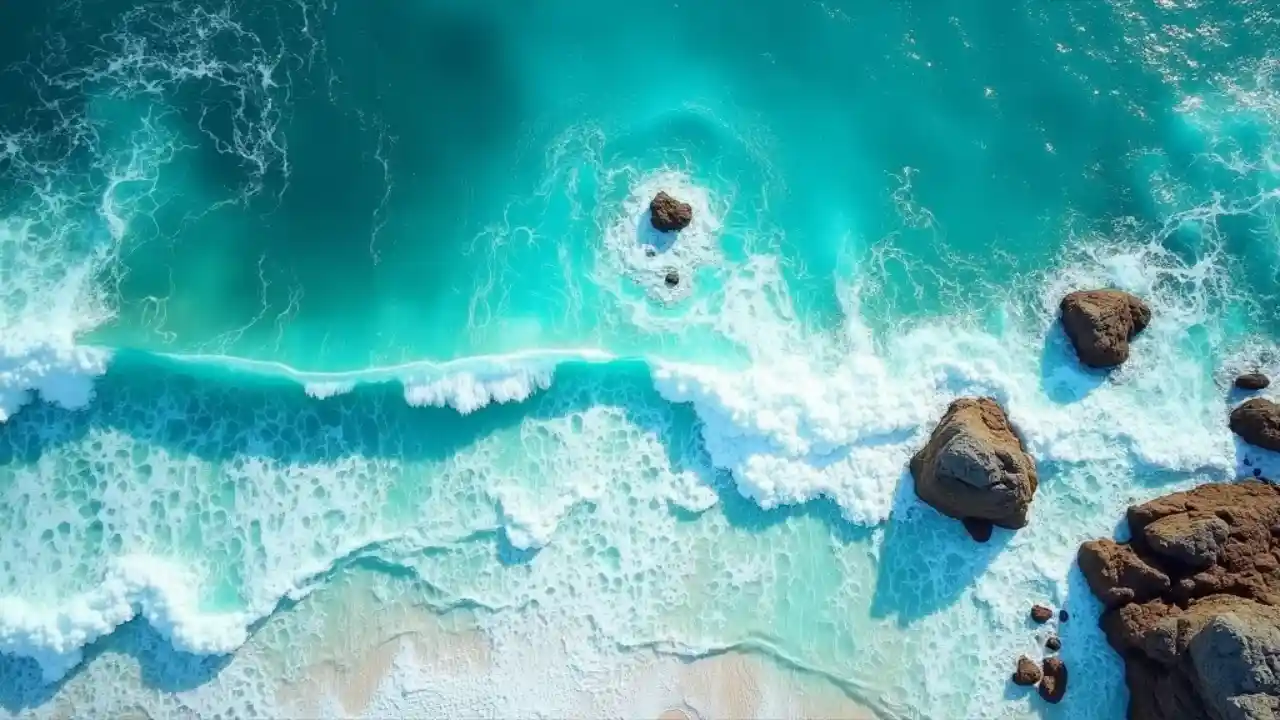
National Ocean Day
National Ocean Day, also known as World Oceans Day, is a global event dedicated to raising awareness about the critical role oceans play in sustaining life on Earth. It serves as a reminder of our responsibility to protect and preserve these vast bodies of water that cover over 70% of our planet’s surface.
Quick Facts
- When is it?: June 8 every year
- Tagged as: Environmental Awareness, Ocean Conservation
- What’s the hashtag?: #WorldOceansDay
- When was it founded?: 1992 (officially recognized by the UN in 2008)
- Who founded it?: Proposed by Canada’s International Centre for Ocean Development and the Ocean Institute of Canada
History of National Ocean Day
National Ocean Day was first proposed at the 1992 Earth Summit in Rio de Janeiro, Brazil, to emphasize the importance of oceans in global environmental discussions. The day gained official UN recognition in 2008, marking a turning point in global ocean advocacy. Since then, it has become an annual celebration uniting individuals, organizations, and governments worldwide to inspire action for ocean conservation.
Timeline
- 1992: First proposed at the Earth Summit in Rio de Janeiro
- 2002: The Ocean Project began global coordination efforts
- 2008: Officially recognized by the United Nations
- 2009: First UN-observed World Oceans Day with the theme “Our Oceans, Our Responsibility”
- 2020: First virtual celebration due to COVID-19
- 2024: Theme “Awaken New Depths,” focusing on ocean and climate action
Dates by Next Year
| Year | Month and Date | Day |
|---|---|---|
| 2025 | June 8 | Sunday |
| 2026 | June 8 | Monday |
| 2027 | June 8 | Tuesday |
| 2028 | June 8 | Thursday |
| 2029 | June 8 | Friday |
| 2030 | June 8 | Saturday |
Observed
National Ocean Day is celebrated globally through various activities such as beach cleanups, educational programs, art contests, and advocacy campaigns. Events often focus on themes like reducing plastic pollution, marine biodiversity conservation, and sustainable ocean-based economies.
Fun Facts About Oceans
- Oceans produce over half of the world’s oxygen through phytoplankton.
- The Pacific Ocean is the largest and deepest, home to the Mariana Trench.
- Only about 5% of the ocean has been explored.
- The Great Barrier Reef is the largest living structure on Earth.
- Bioluminescent creatures light up parts of the ocean with natural glow.
Quiz
- What percentage of Earth’s surface is covered by oceans?
- Which ocean is home to the Great Barrier Reef?
- What is the deepest point in the ocean called?
(Answers: 1. 71%, 2. Pacific Ocean, 3. Mariana Trench)
FAQs
- Why is National Ocean Day important? It highlights the ocean’s role in climate regulation, oxygen production, and biodiversity while addressing threats like pollution and overfishing.
- How can I participate? Join beach cleanups, attend events, or share awareness using #WorldOceansDay on social media.
Related Topics
- Marine Biodiversity Conservation
- Climate Change and Oceans
- Sustainable Fisheries Practices