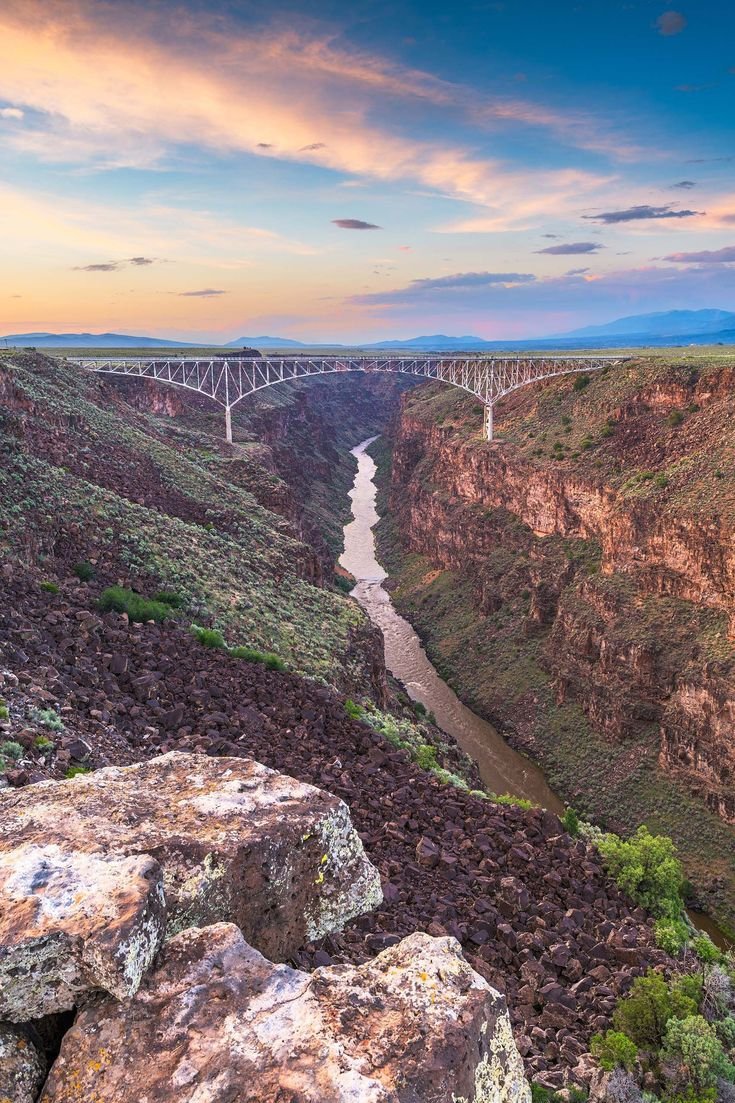
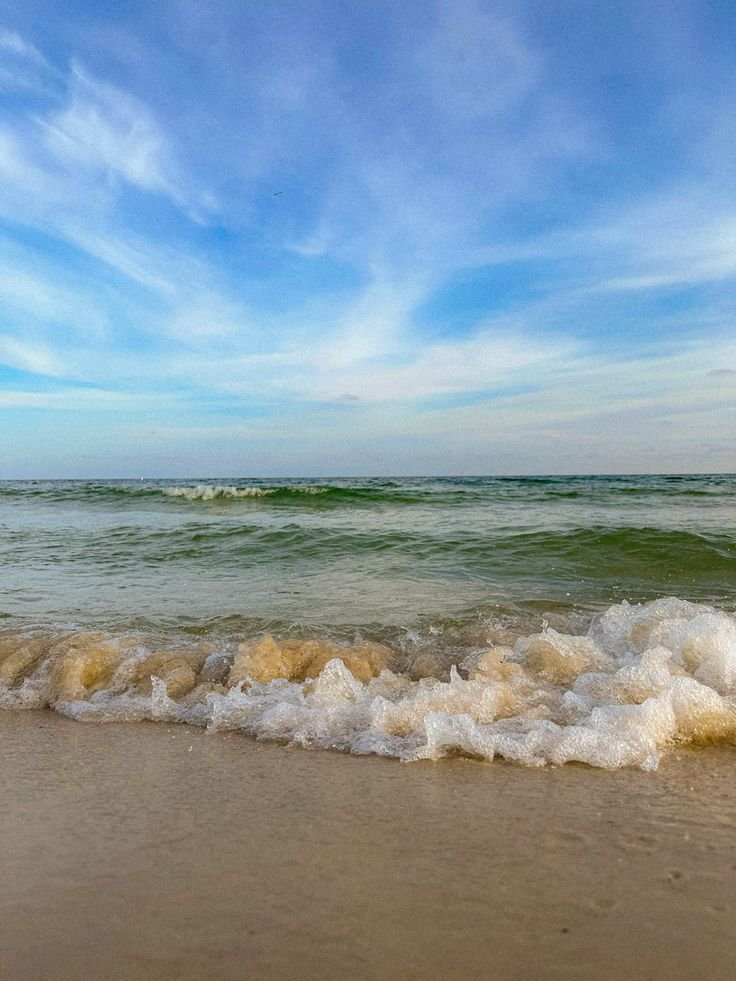
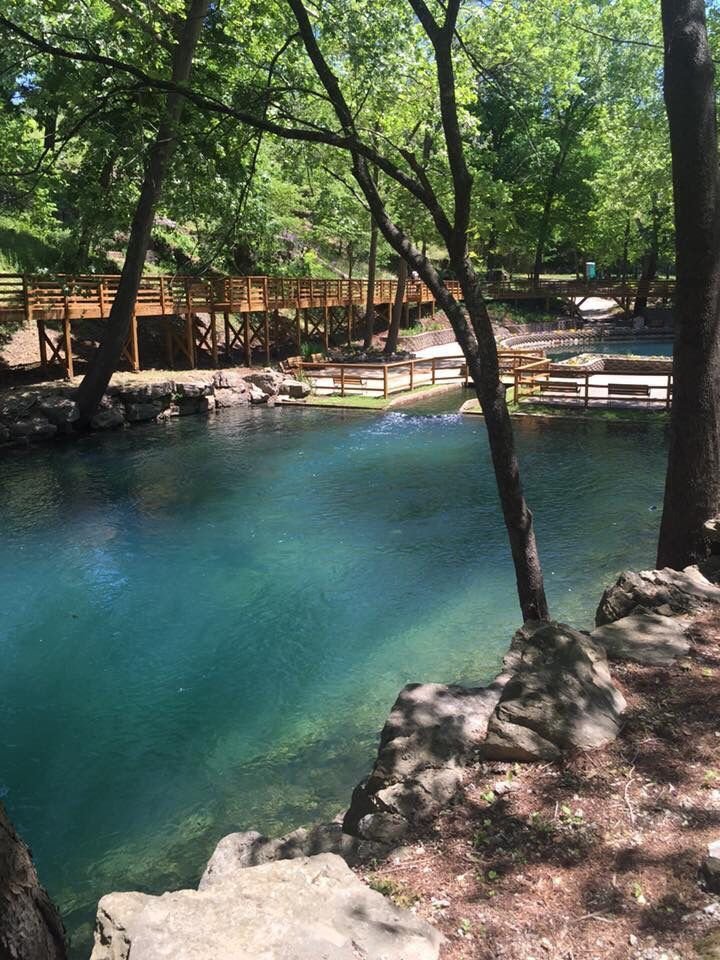
40 Nature Travel Destinations USA Adventure Lovers Need
You’ll tackle towering peaks, desert canyons, glacier-carved fjords, and island shores across 40 must-see U.S. wild places that every adventure lover needs. Hike Denali’s tundra, scramble Yosemite’s granite, paddle Glacier Bay’s icy fjords, kayak Channel Islands sea caves, and canyon down Zion’s slot gulches. Expect mountaineering, backcountry 4×4 routes, multi-day canoe trips, wildlife encounters, and stargazing in deserts. Keep going and you’ll find trip ideas, route tips, and gear pointers to plan your next big outing.
Alaska’s Denali National Park : Mountaineering and Tundra Routes
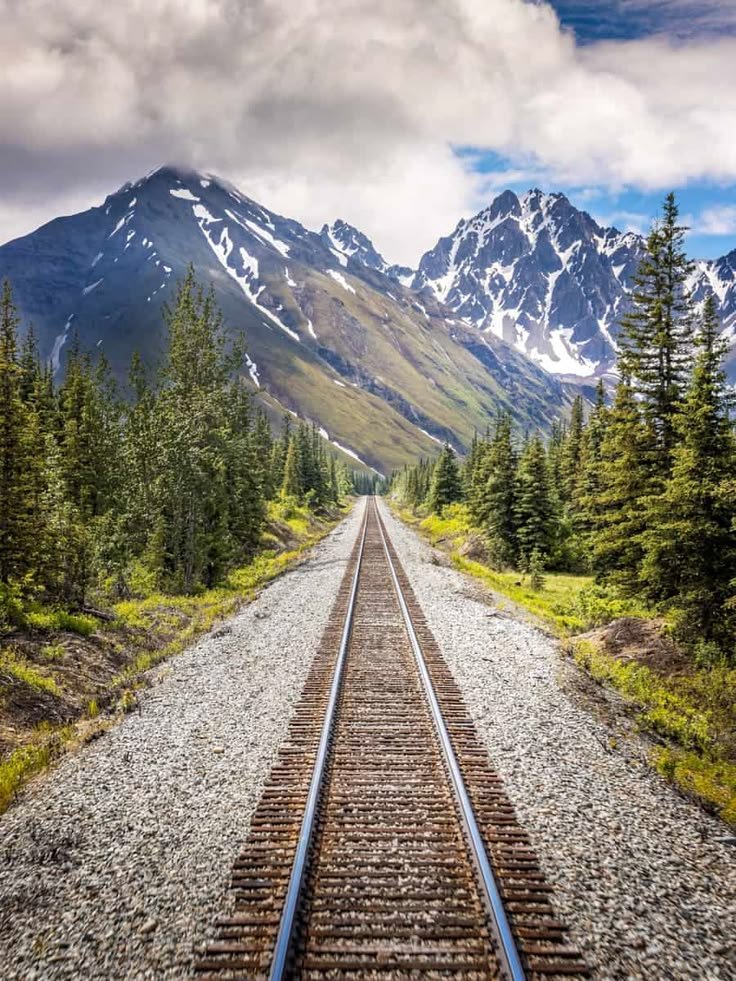
Image Credit: Pinterest
As you approach Denali National Park, the mountain’s immense scale and the tundra’s serene beauty strike you simultaneously. Climbers challenge themselves on icy routes leading to the summit, while trekkers wander through expansive, braided landscapes below.
You delve into the habits of mountain wildlife, practice tundra photography, study alpine flora and glacier ecology, pack essential adventure gear, adhere to park regulations, train for summit safety, respect the unpredictable weather, honor local culture, and master the skills necessary for wilderness survival.
Glacier Bay National Park (Alaska) : Kayaking Among Glaciers

Image Credit: Pinterest
Leaving Denali’s high, icy ridgelines behind, you’ll find Glacier Bay’s calm fjords offer a very different way to meet Alaska’s ice.
You paddle between towering glacial formations, listening for calving echoes while binoculars pick out glacier wildlife — seals, porpoises, and bald eagles.
Guided kayaking trips teach safe approaches, tide timing, and respectful viewing so you experience pristine ice up close without disturbing fragile habitat.
Wrangell–St. Elias National Park : Backcountry 4×4 and Glacier Hiking
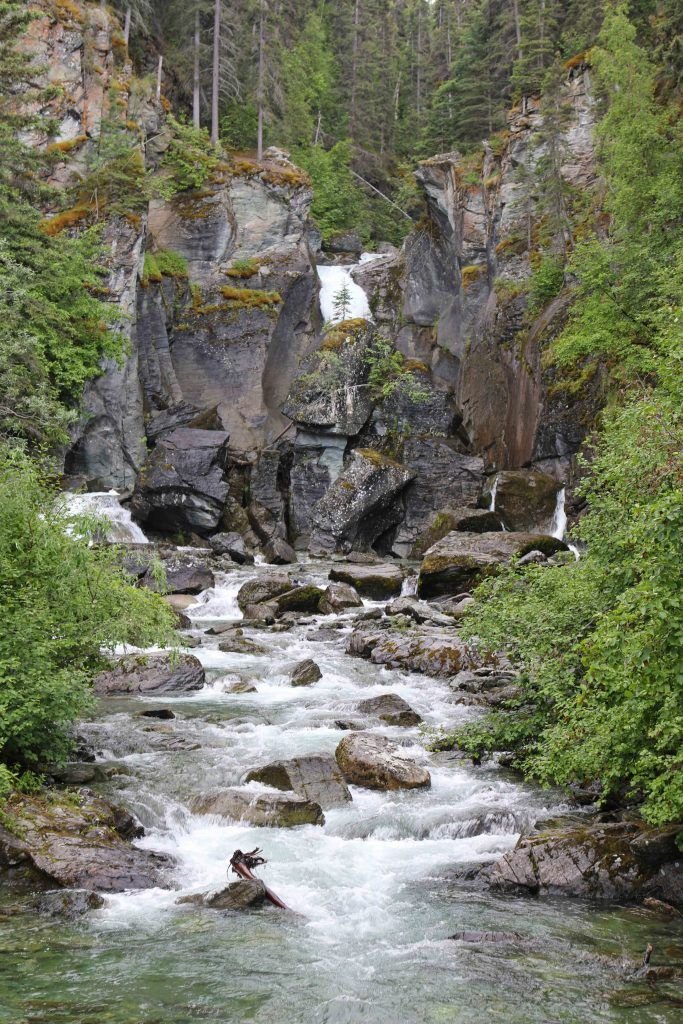
Image Credit: Pinterest
Though rugged and remote, Wrangell–St. Elias invites you to tackle backcountry 4×4 routes and glacier hiking with careful remote navigation and wilderness survival skills.
You’ll camp using eco-friendly practices, prioritize environmental conservation and trail maintenance, and practice sustainable tourism.
Expect rich natural history, cultural experiences, and prime wildlife photography opportunities while respecting fragile terrain and local communities.
Yellowstone National Park (Wyoming/Montana/Idaho) : Geothermal Trails and Wildlife Viewing
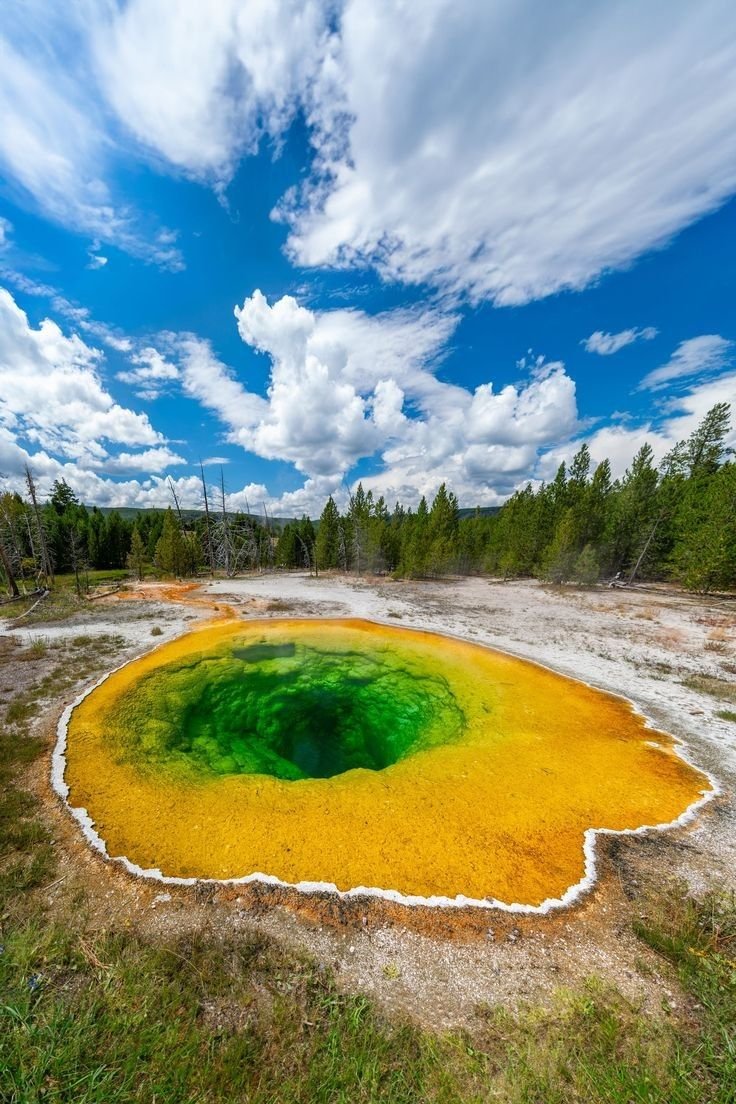
Image Credit: Pinterest
Anyone drawn to otherworldly landscapes and abundant wildlife will find Yellowstone’s geothermal trails unforgettable.
You’ll admire hot springs and other geothermal features while respecting park regulations and joining ranger programs.
Prioritize hiking safety, practice eco-friendly travel, and time seasonal visits for peak wildlife photography.
Pack camping tips for family adventures, carry bear spray, and leave no trace to protect this living wonder.
Grand Teton National Park (Wyoming) : Alpine Climbing and Lake Paddling
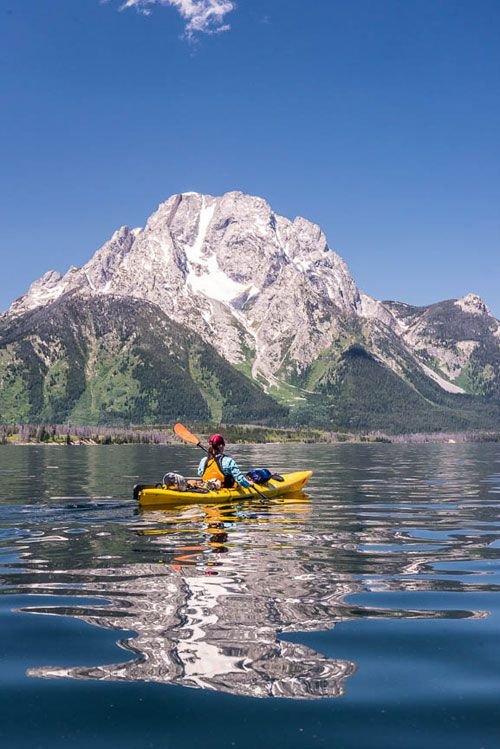
Image Credit: Pinterest
When you stand beneath the jagged skyline of the Tetons, the park challenges you to test both your climbing skills on granite faces and your paddling finesse on glassy alpine lakes.
You’ll tackle technical routes, ferry across Jenny and String, and refine wildlife photography from shorelines.
Guides teach alpine ecology, route-finding, and leave-no-trace paddling so you respect fragile habitats while chasing summit views.
Glacier National Park (Montana) : High-Country Hikes and Scenic Drives
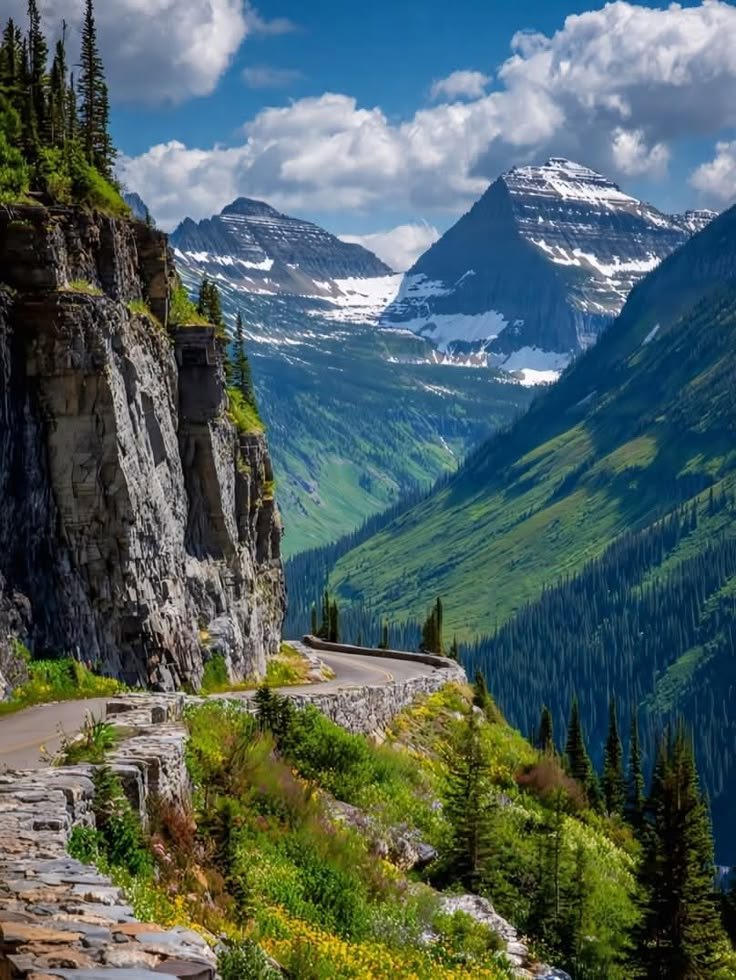
Image Credit: Pinterest
Moving north from the Tetons’ granite spires, you’ll find Glacier National Park’s vast high-country, where jagged ridgelines, turquoise cirques, and winding alpine trails reward steady legs and a keen eye.
Drive the Going-to-the-Sun Road for dramatic overlooks, hike to hidden cols, and pause for wildflower photography.
Stay alert for wildlife encounters—mountain goats, bears, and marmots—respecting distance and leaving no trace.
Rocky Mountain National Park (Colorado) : Summit Scrambles and Alpine Lakes
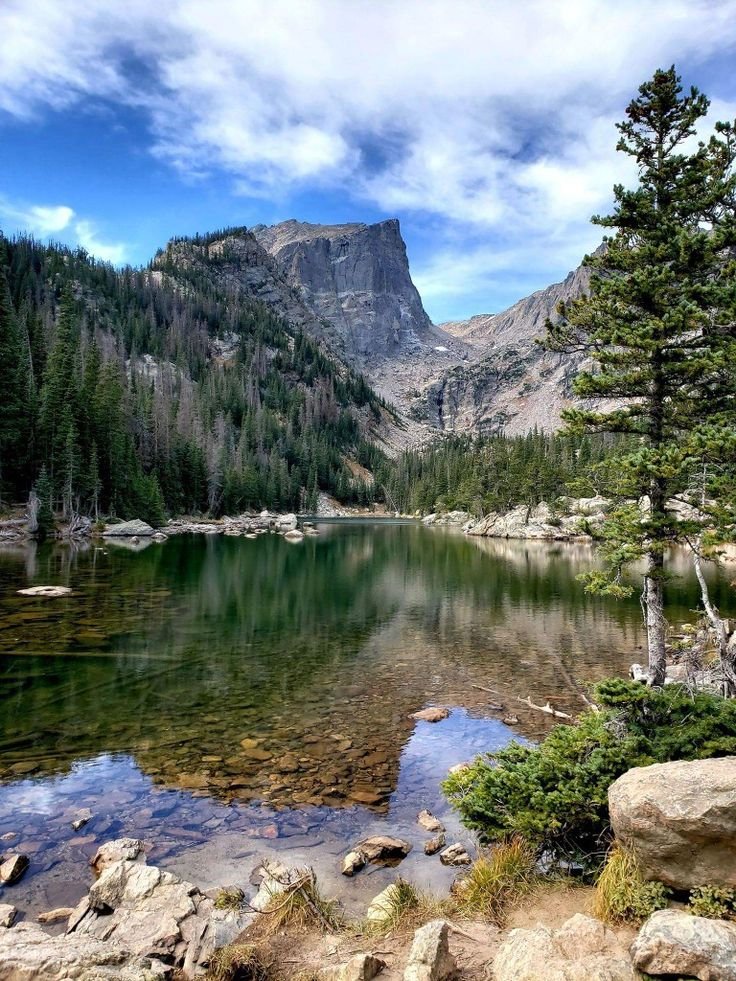
Image Credit: Pinterest
Granite summits and mirror-like alpine lakes define Rocky Mountain National Park, where you’ll tackle summit scrambles, stalk high-elevation wildflowers, and drop into crystal-clear tarns after a steep ridge climb.
You’ll watch elk and pika close enough to hear, practice alpine photography at golden hour, and pick routes that test your footing and stamina while respecting fragile ecosystems and observing mountain wildlife responsibly.
Colorado’s Maroon Bells–Snowmass Wilderness : Backpacking and Fall Colors
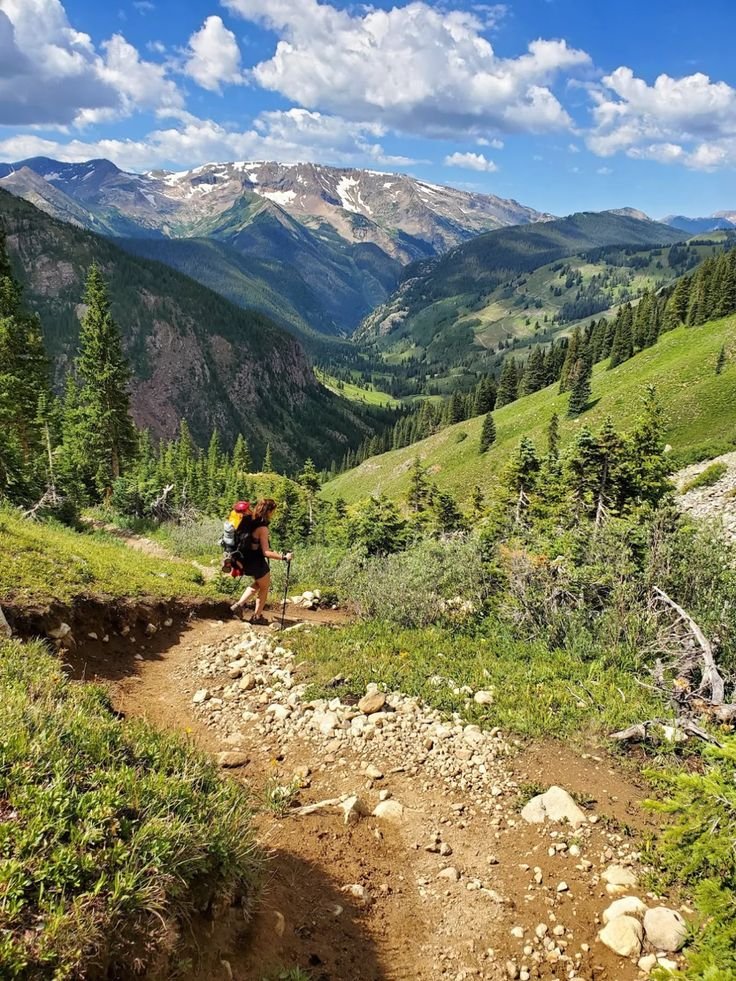
Image Credit: Pinterest
Although the high peaks and aspens seem made for postcards, Maroon Bells–Snowmass Wilderness rewards backpackers with rugged trails, shimmering alpine tarns, and some of Colorado’s most intense fall color displays.
Discover Maroon Bells photography and fall color photography tips, learn Aspen tree identification, pack camping essentials and outdoor gear, follow trail safety and backpacking tips, and enjoy scenic drives, wildlife spotting, and local flora study.
Utah’s Zion National Park : Canyoneering and Slot-Canyon Hikes
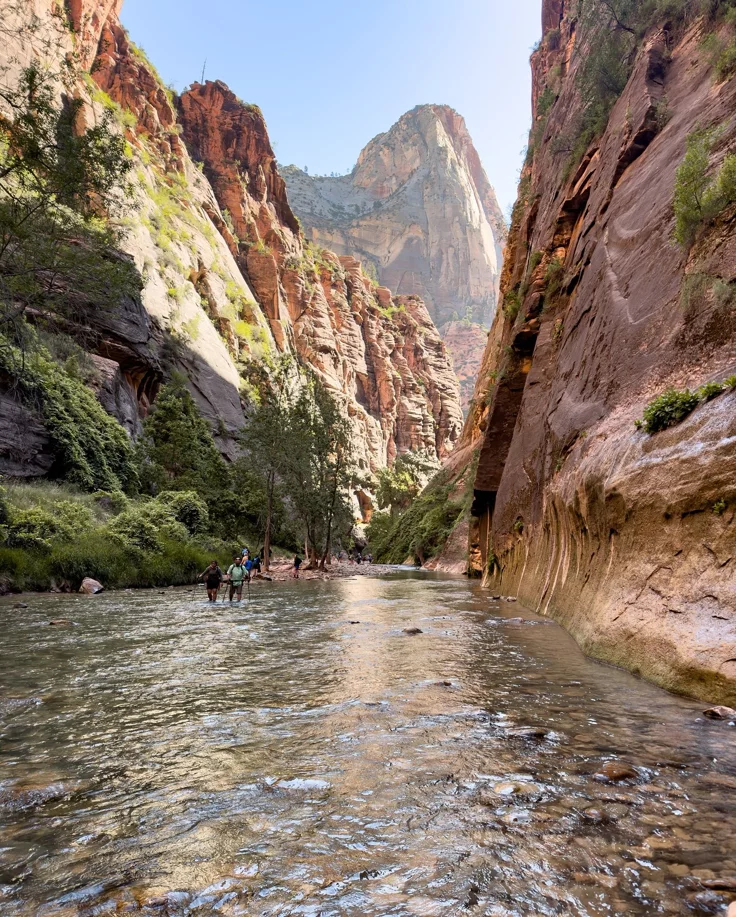
Image Credit: Pinterest
From Colorado’s aspen-lined ridges, you can head west to Utah’s red-rock amphitheater, where Zion National Park offers a different kind of wilderness: narrow slot canyons, towering sandstone walls, and technical canyoneering routes that challenge your route-finding and rope skills.
Here, you’ll practice canyoneering techniques, observe wildlife encounters, follow slot canyon safety and trail etiquette, pack the proper hiking gear, master desert navigation, apply photography tips, and support environmental preservation.
Bryce Canyon National Park (Utah) : Hoodoo Trails and Stargazing
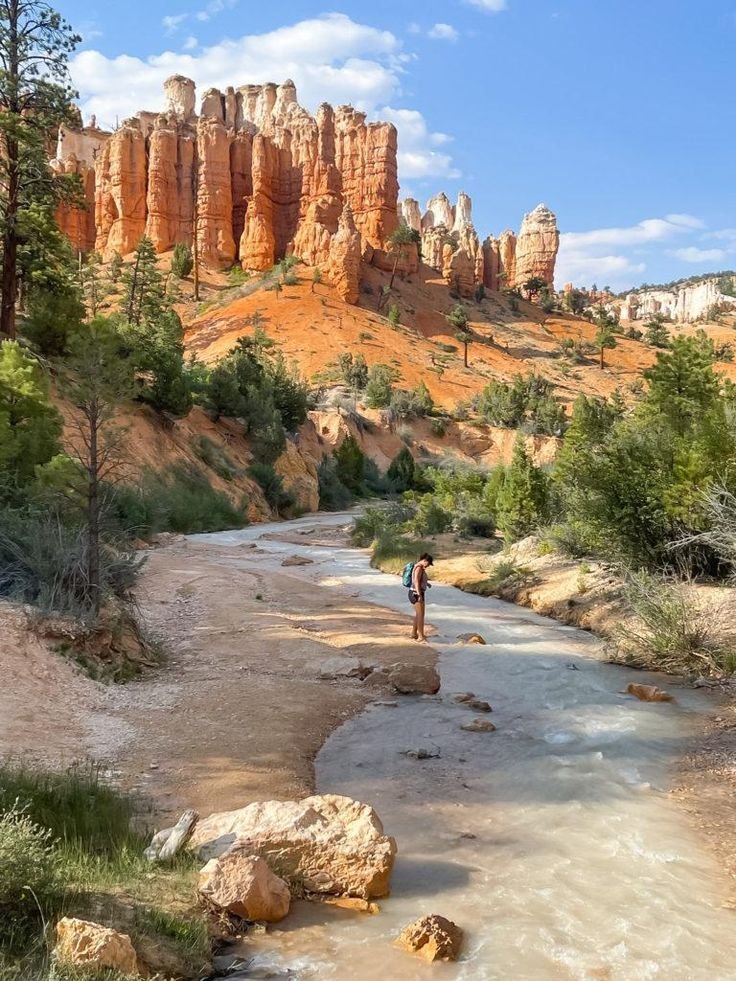
Image Credit: Pinterest
When you step onto Bryce Canyon’s rim, a forested plateau suddenly opens onto an otherworldly amphitheater of hoodoos—tall, thin spires of eroded sandstone that glow orange and pink at sunrise and dusk.
You’ll hike winding trails through these stunning formations, descending among the pinnacles while learning about the fragile geology.
After sunset, prepare to be captivated by an astonishing night sky, unpolluted and dense with stars, making it ideal for stargazing and astrophotography.
Arches National Park (Utah) : Desert Rock Scrambling and Arches Trails
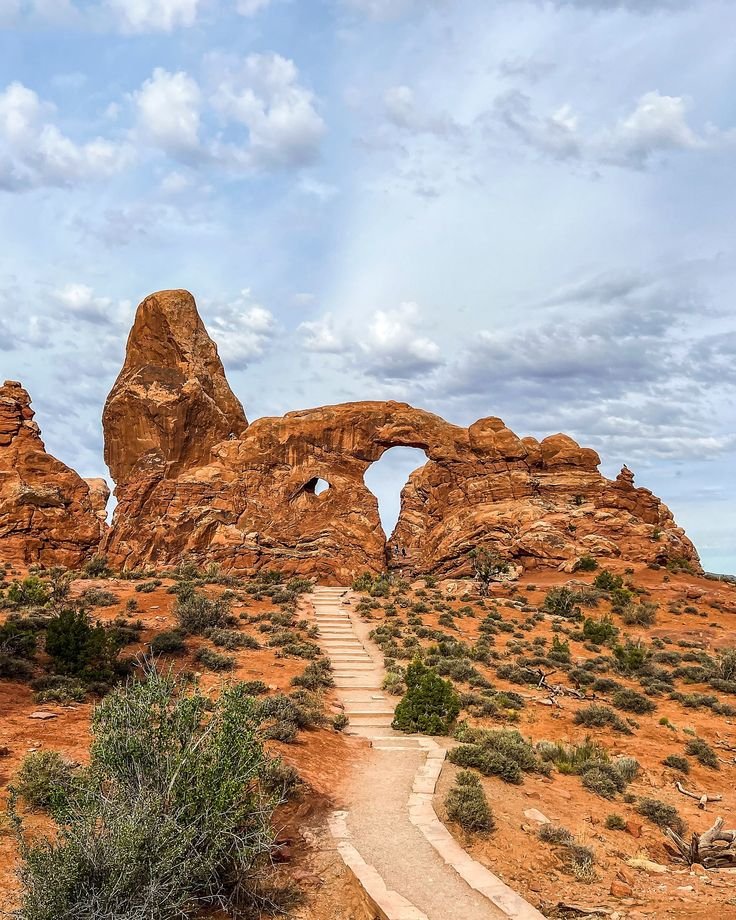
Image Credit: Pinterest
Moving east from Bryce’s amphitheater, you’ll find Arches National Park’s stark, sun-baked landscape where thousands of natural sandstone arches and fins invite hands-on exploration.
You’ll scramble across rock formations, watch desert wildlife, practice trail safety, and study local geology.
Embrace sunset photography and stargazing, respect cultural heritage, and favor eco-tourism principles to protect fragile surfaces and native species for future visitors.
Canyonlands National Park (Utah) : Remote 4×4 Routes and Technical Trails
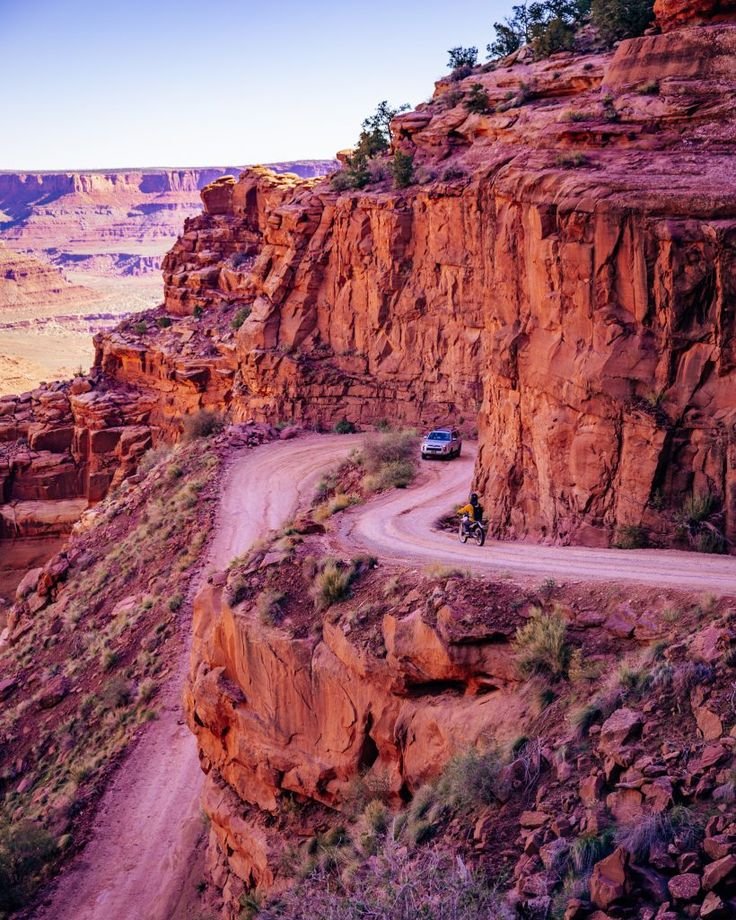
Image Credit: Pinterest
Though remote canyons might feel like they belong only to seasoned adventurers, Canyonlands National Park offers 4×4 routes and technical trails that you can tackle with preparation and respect for the terrain.
You’ll practice canyon exploration and desert navigation on sandy slickrock, steep descents, and narrow ledges.
Bring recovery gear, maps, water, and leave no trace while picking routes matched to skill and vehicle capability.
Grand Canyon National Park (Arizona) : Rim-to-River Backpacking
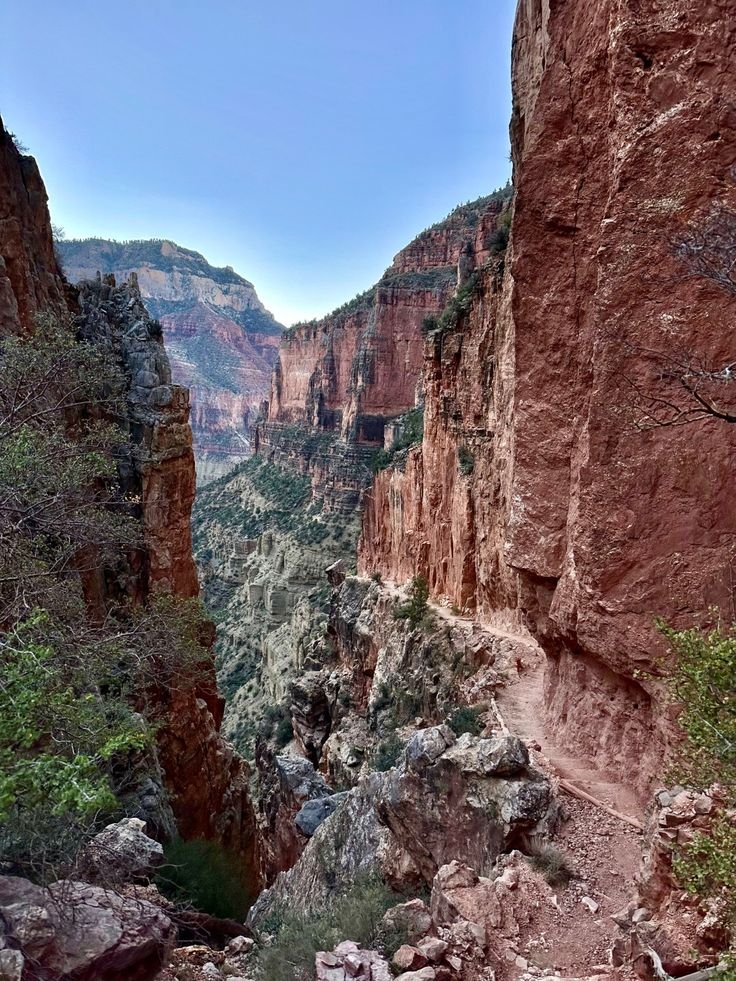
Image Credit: Pinterest
A rim-to-river backpacking trip in Grand Canyon National Park tests your planning and stamina as much as your sense of wonder.
You’ll study desert geology, practice river navigation, and spot canyon wildlife while prioritizing trail safety and hydration tips.
Choose lightweight backpacking gear, scout photography spots, enjoy stargazing, honor historical exploration, and follow eco-friendly practices to leave no trace.
Sedona, Arizona : Red-Rock Climbing and Vortex Hikes
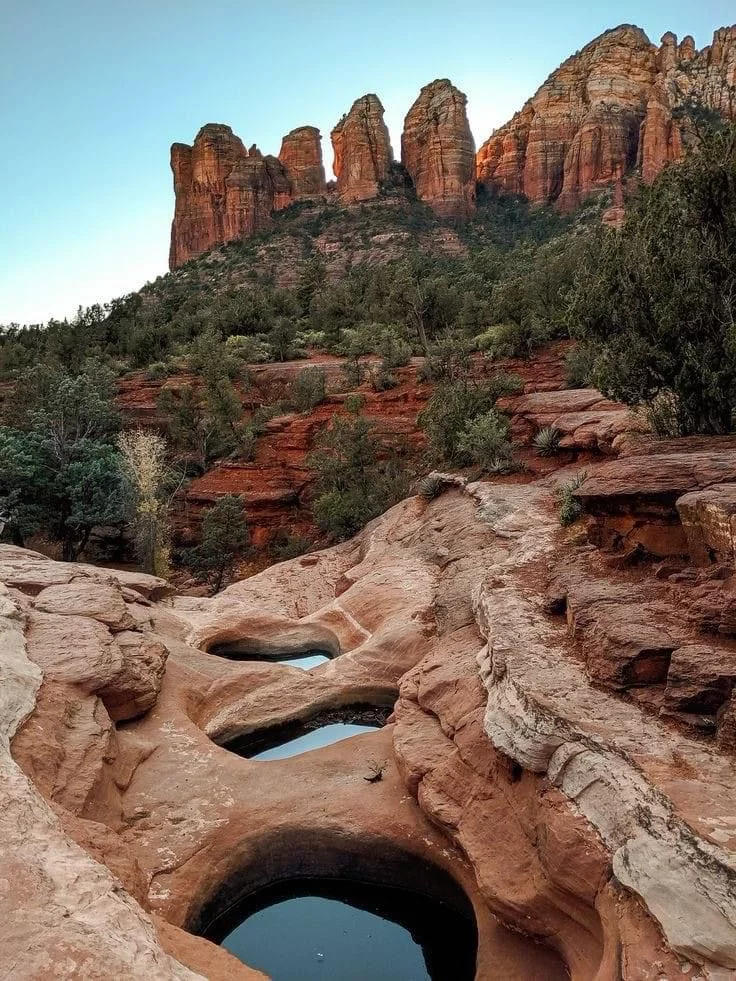
Image Credit: Pinterest
Red rock spires and sun-baked mesas invite you to climb, hike, and soak in Sedona’s famously charged landscape.
You’ll master climbing techniques on sandstone rock formations, follow hiking trails to energy vortexes, spot local wildlife and desert flora, catch a Sedona sunset at prime photography spots, join outdoor festivals, and recharge at spiritual retreats that blend adventure, nature, and mindful exploration.
Death Valley National Park (California/Nevada) : Desert Extremes and Dune Adventures
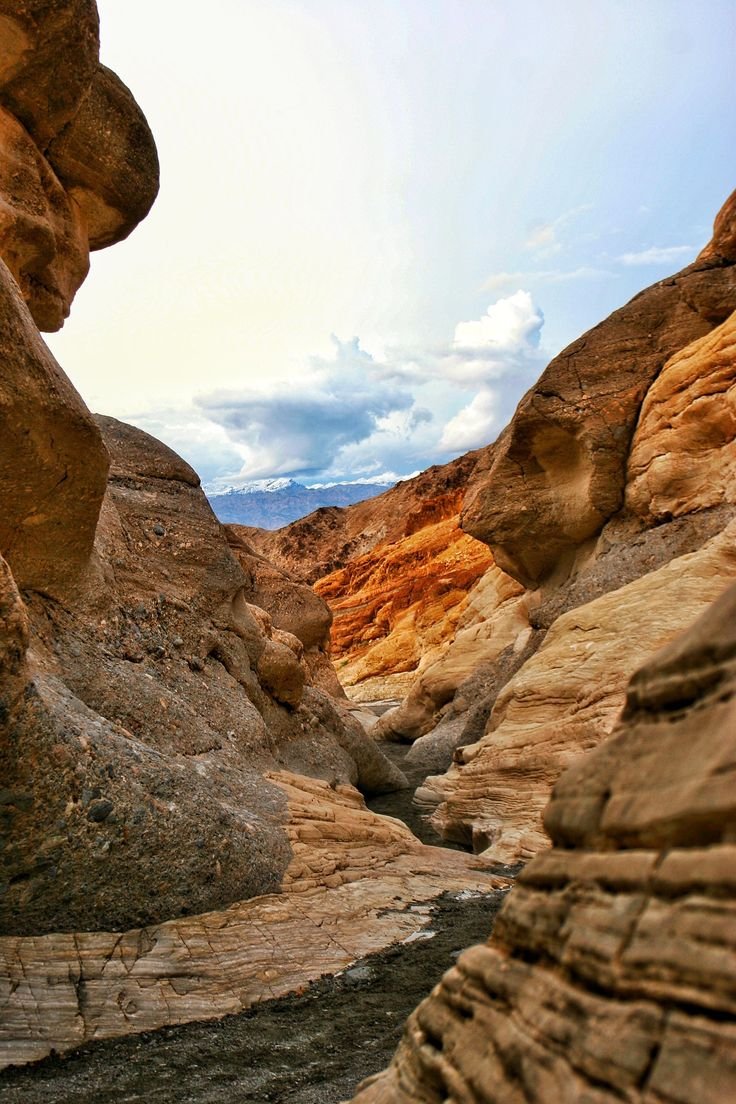
Image Credit: Pinterest
When you step into Death Valley National Park, the silence and vastness hit you first, followed by the extremes: blazing salt flats, towering dunes, and rugged canyons that challenge your sense of scale and endurance.
You’ll delve into Desert Flora, Geological Formations, Sand Dune hikes, Wildlife Adaptations, and Unique Ecosystems.
Hone your Survival Skills, navigate Off Roading Trails, visit Historical Sites, and revel in world-class Stargazing Spots, even amidst Extreme Temperatures.
Yosemite National Park (California) : Big-Wall Climbing and Iconic Hikes
Although its granite monoliths can feel timeless, Yosemite grabs you with immediate scale and challenge—El Capitan and Half Dome rise like invitations to test your limits, whether you’re aiming for a multi-pitch big-wall ascent or a day-hike with jaw-dropping vistas.
You’ll learn about Yosemite’s geology, capture stunning photographs, spot diverse wildlife and flora, delve into the park’s rich history, camp responsibly, heed the risks of rockfalls, support conservation efforts, enjoy stargazing, and engage in winter sports.
Sequoia & Kings Canyon National Parks (California) : Giant Trees and High Sierra Routes
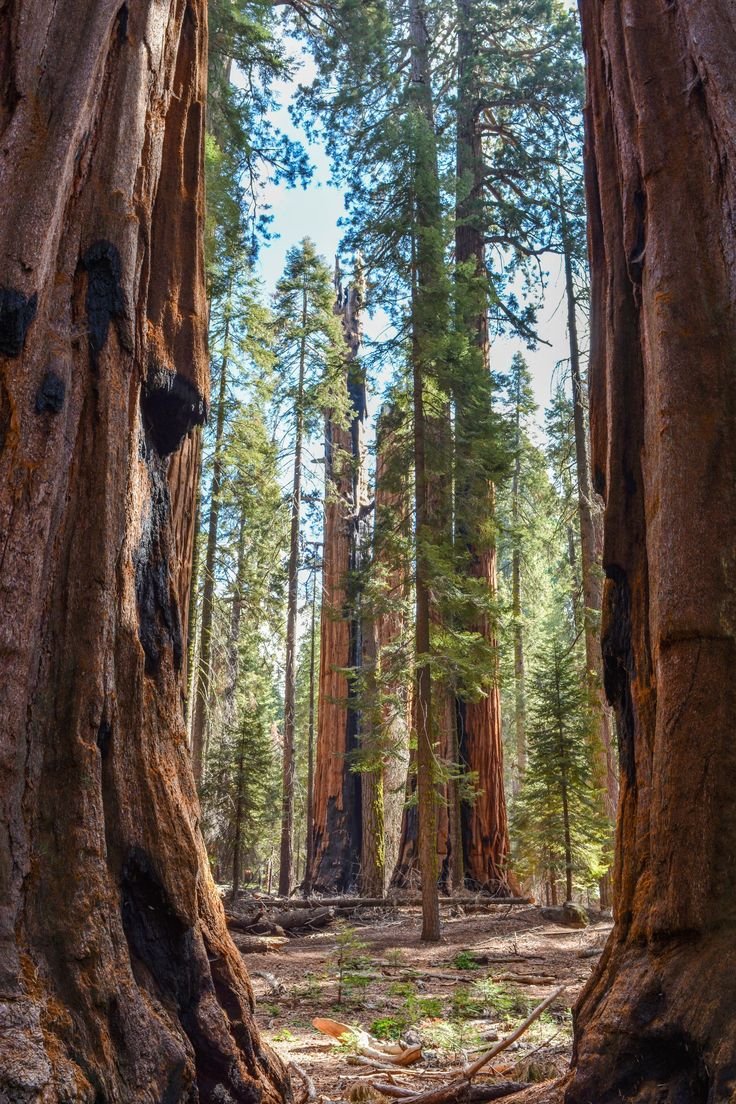
Image Credit: Pinterest
If you want to stand beneath trees that dwarf city skyscrapers and then scramble up rugged High Sierra ridgelines the same day, Sequoia and Kings Canyon deliver that contrast in spades—giant sequoias tower in ancient groves while glaciated peaks, alpine meadows, and technical routes beckon higher.
You’ll explore hiking trails through giant forests, take scenic drives, enjoy wildlife spotting, learn park history, and choose varied camping options.
California’s Sierra High Route : Multi-Day Alpine Trekking
Image Credit: Pinterest
Tackle the Sierra High Route and you’ll trade crowded trailheads for high alpine ridgelines, traversing cross-country talus, faint use paths, and knife-edge passes that demand map skills, route-finding, and a light-but-capable pack.
You’ll practice navigation skills, manage elevation challenges, prioritize trail preparation and backpacking gear, respect Sierra wildlife with trail etiquette, plan for weather considerations, support environmental conservation, and consider guided treks or solo alpine photography.
Olympic National Park (Washington) : Rainforest Trails and Coastal Hikes
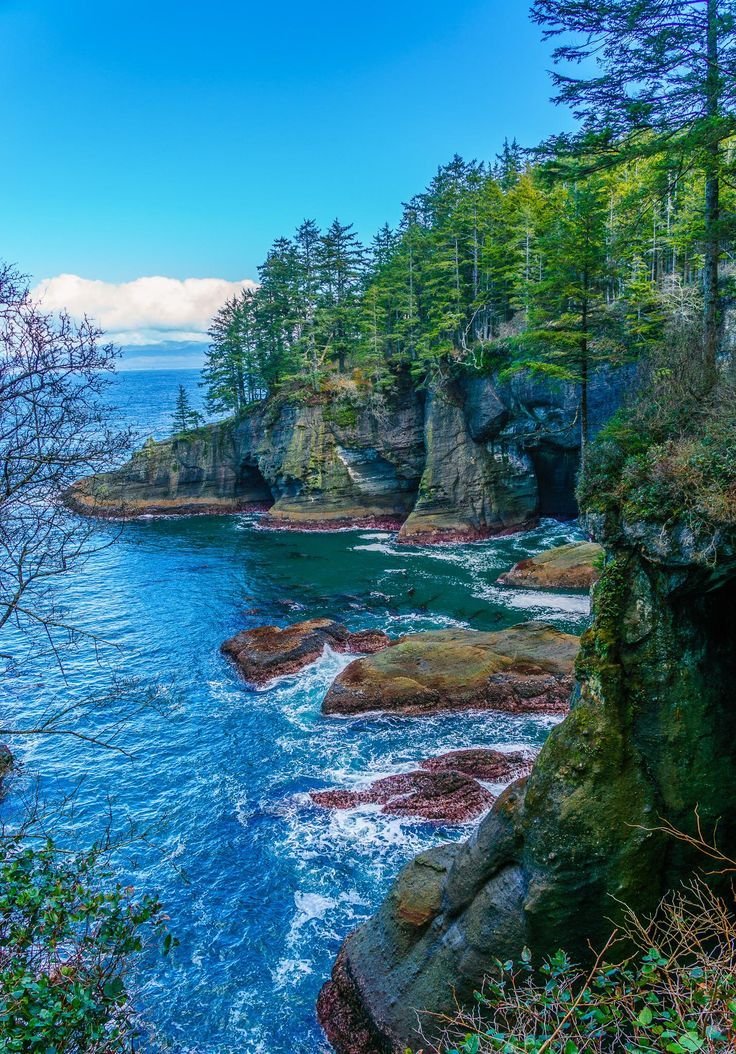
Image Credit: Pinterest
After high alpine ridgelines, swap scree and summits for moss-draped forests and windswept beaches in Olympic National Park, where you’ll find temperate rainforests, glacier-fed rivers, and a rugged Pacific coastline all within a few hours’ drive.
You’ll study rainforest ecosystems, ancient trees, flora diversity, and coastal wildlife; pack hiking gear, camping essentials, heed trail etiquette, consider weather conditions, use photography tips, and practice careful fauna observation.
North Cascades National Park (Washington) : Rugged Peaks and Glacier Travel
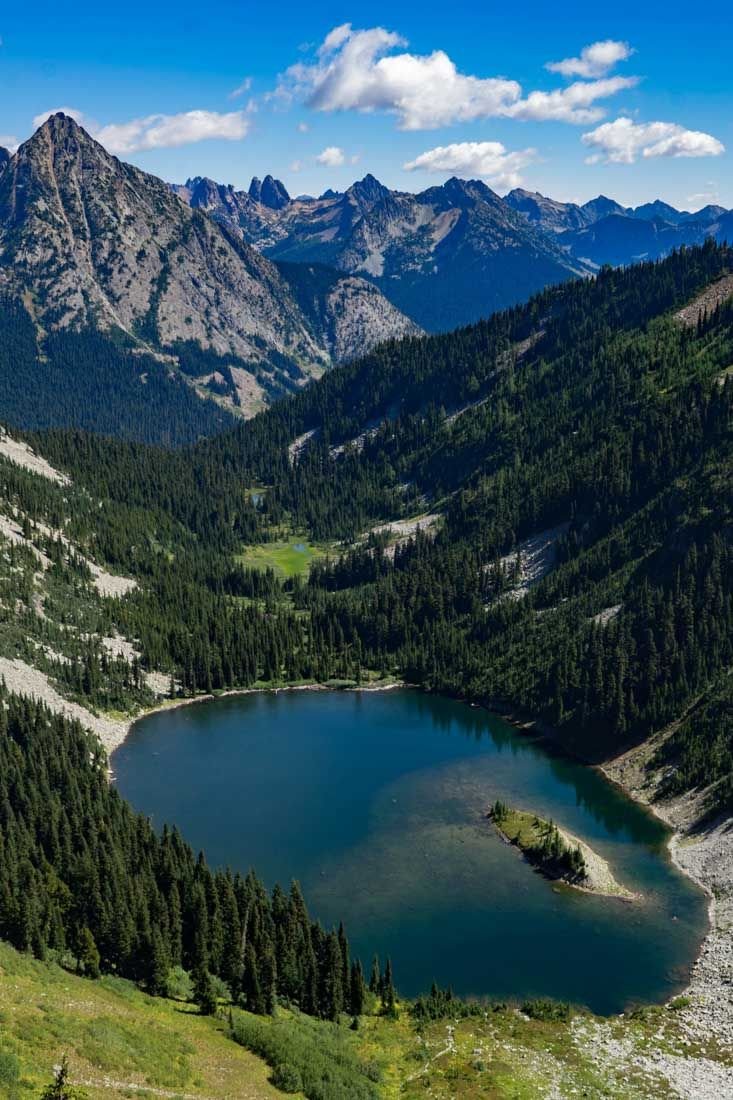
Image Credit: Pinterest
While traversing the North Cascades, you’ll encounter jagged granite spires, vast icefields, and remote ridgelines that demand glacier travel skills and careful route planning.
Bring crampons, an ice axe, and rope proficiency, along with a topo map or GPS. Be prepared for sudden weather shifts and objective hazards like avalanches and crevasse zones.
You’ll discover glacier formations, scenic viewpoints, camping spots, photography opportunities, hiking trails, wildlife encounters, seasonal activities, local flora, park accessibility info, and guidance on environmental conservation.
Mount Rainier National Park (Washington) : Glacier Climbs and Wildflower Meadows
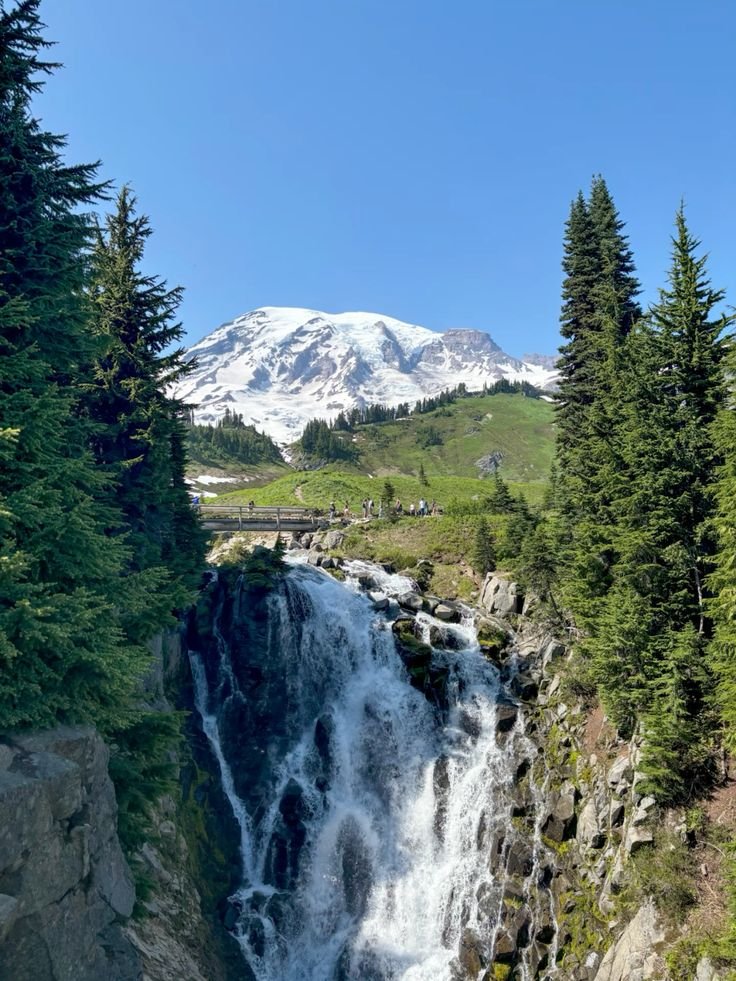
Image Credit: Pinterest
Mount Rainier’s glaciers and meadows challenge and reward you in equal measure: strap on crampons and an ice axe for knife-edged summit routes.
Then descend into alpine bowls where wildflower carpets bloom in vivid swaths each summer.
You’ll learn mountaineering tips, summit safety, glacier ecology, and park history while practicing trail etiquette.
Capture wildflower photography and wildlife photography amid delicate alpine flora.
Oregon’s Crater Lake National Park : Rim Hikes and Volcanic Scenery
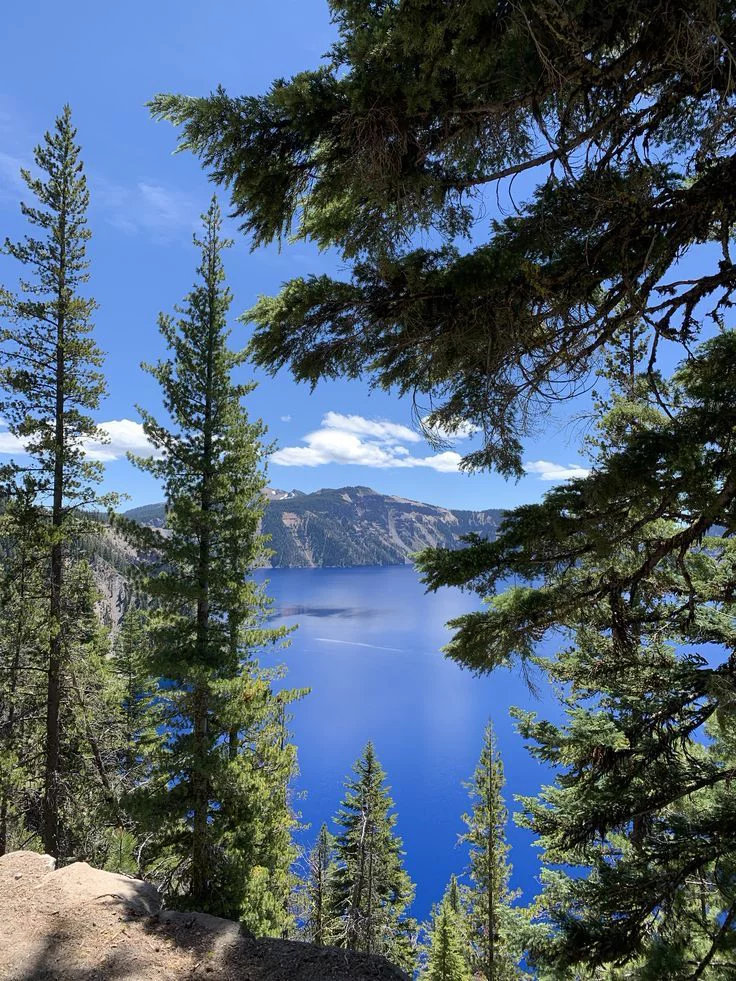
Image Credit: Pinterest
One of the most striking sights in Oregon, Crater Lake shimmers within a deep volcanic caldera whose rim trails offer dramatic views at every turn.
You’ll focus on Crater Lake photography, learn about volcanic history, enjoy scenic boat tours, and try your hand at wildlife spotting and stargazing.
Be mindful of seasonal colors, respect local flora, adhere to hiking safety guidelines, utilize park accessibility information, and support conservation efforts.
Columbia River Gorge (Oregon/Washington) : Waterfall Hikes and Windsurfing
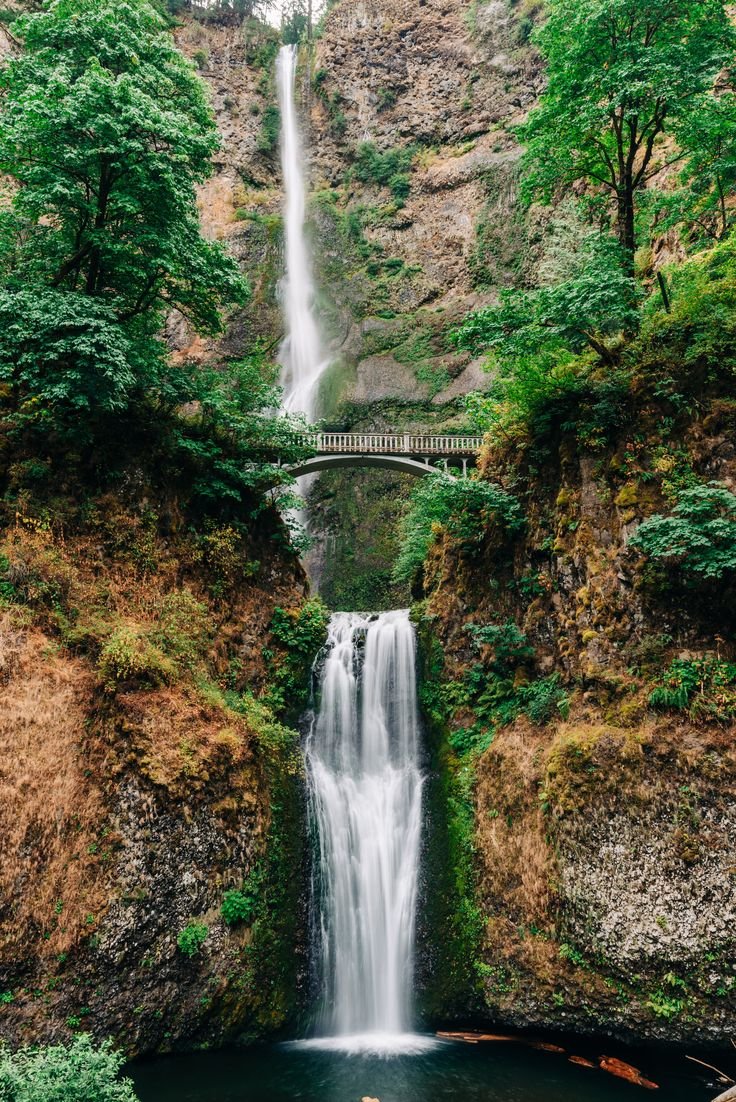
Image Credit: Pinterest
A ribbon of mist and basalt cliffs, the Columbia River Gorge stretches between Oregon and Washington, offering some of the Pacific Northwest’s most accessible waterfall hikes and world-class windsurfing spots.
You’ll hike to Multnomah and lesser-known falls for stunning waterfall photography, learn windsurfing techniques on the Gorge’s steady winds, and balance trail time with riverfront launches for fast, scenic days outdoors.
Hells Canyon (Idaho/Oregon) : Deep-Canyon Rafting and Backcountry Camping
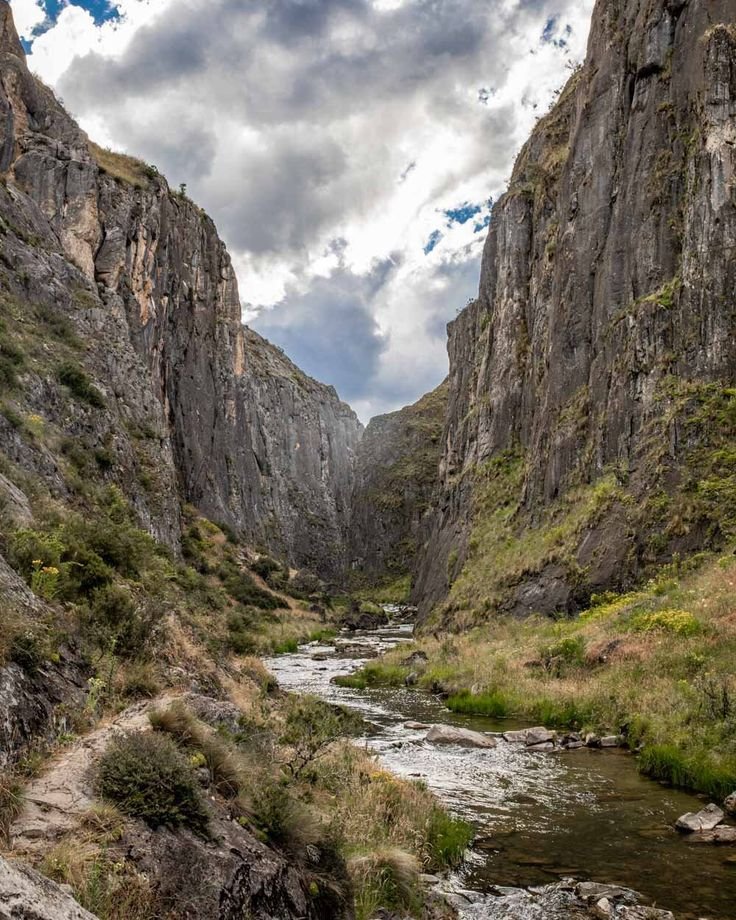
Image Credit: Pinterest
When you push off into Hells Canyon, the deepest river gorge in North America carves a dramatic divide between Idaho and Oregon, offering thrilling rafting adventures by day and tranquil backcountry campsites by night.
You’ll navigate the whitewater on Hells Canyon Rafting trips, discover serene eddies, and follow expert guides to hidden locations where Hells Canyon Camping provides star-filled skies and an opportunity to practice minimal-impact backcountry skills.
Great Smoky Mountains National Park (Tennessee/North Carolina) : Biodiversity Hikes and Historic Trails
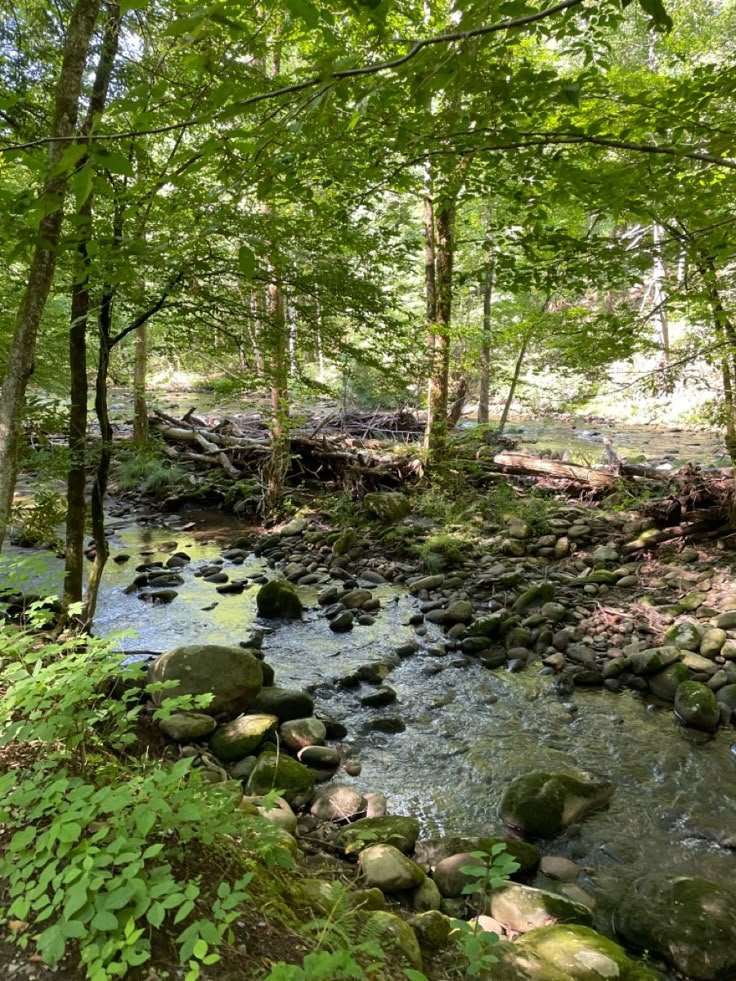
Image Credit: Pinterest
Though the mist-draped ridges may look timeless, the Great Smoky Mountains buzz with life and history you can explore on foot.
Trails weave through ancient hardwood forests where over 19,000 documented species thrive, connecting you to preserved homesteads, mills, and mountain churches that tell the story of early Appalachian settlers.
You’ll hike biodiversity hotspots, learn about historic significance, and spot salamanders, wildflowers, and century-old cabins.
Appalachian Trail Segments : Long-Distance Thru-Hiking and Section Options
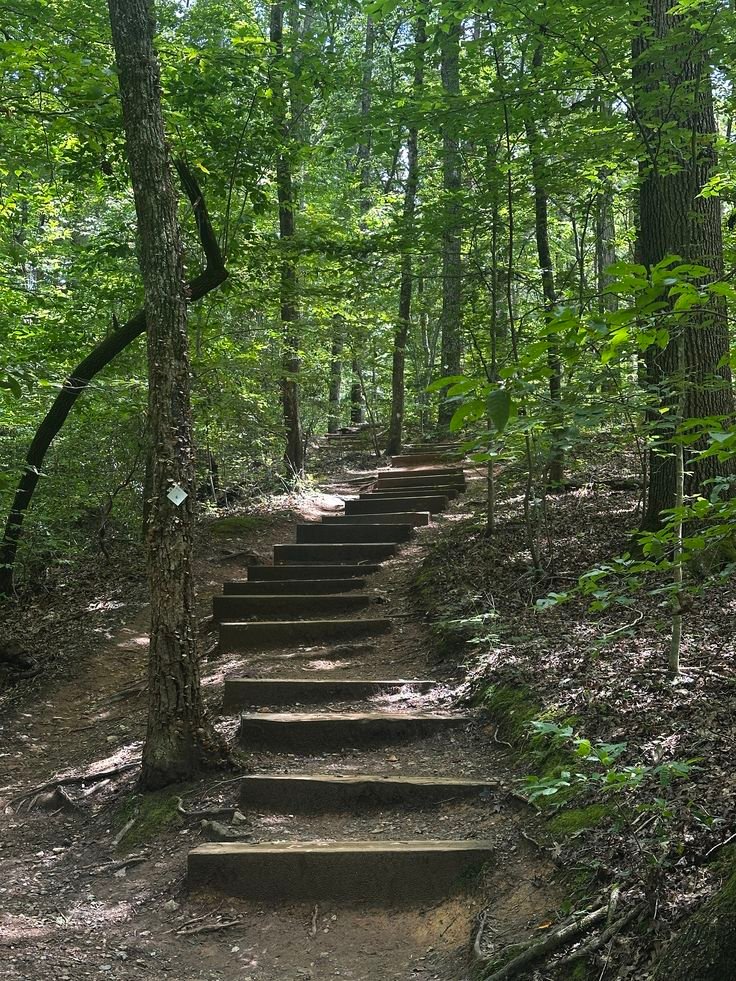
Image Credit: Pinterest
Endless ridgelines and small-town welcome stations define the Appalachian Trail experience, whether you’re aiming to thru-hike its full 2,190 miles or tackle shorter sections.
Learn about Appalachian Trail history and conservation efforts as you plan your journey. Pack essential items for thru-hiking and follow gear recommendations.
Develop navigation skills, prioritize trail safety measures, and explore section hiking tips. Consider seasonal hiking factors, seek out the best viewpoints, and enjoy the charm of trail towns along the way.
Shenandoah National Park (Virginia) : Skyline Drive Hikes and Waterfall Routes
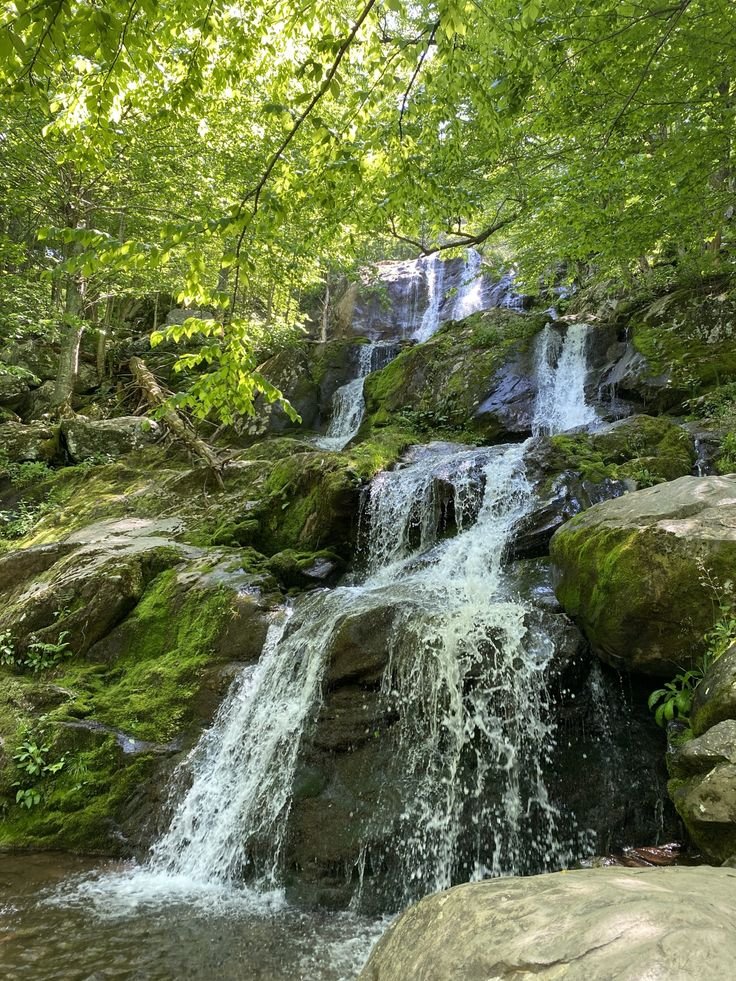
Image Credit: Pinterest
If you’ve finished a stretch of the Appalachian Trail or just want a shorter mountain escape, Shenandoah National Park offers a compact taste of the same ridge-line scenery along Skyline Drive.
You’ll explore Skyline flora, scenic overlooks and historic trails, spot Shenandoah wildlife and birdwatching spots, practice trail safety, enjoy waterfall photography, autumn foliage, and park camping, and soak up Appalachian culture.
Adirondack High Peaks (New York) : Classic Peak-Bagging and Canoe Country
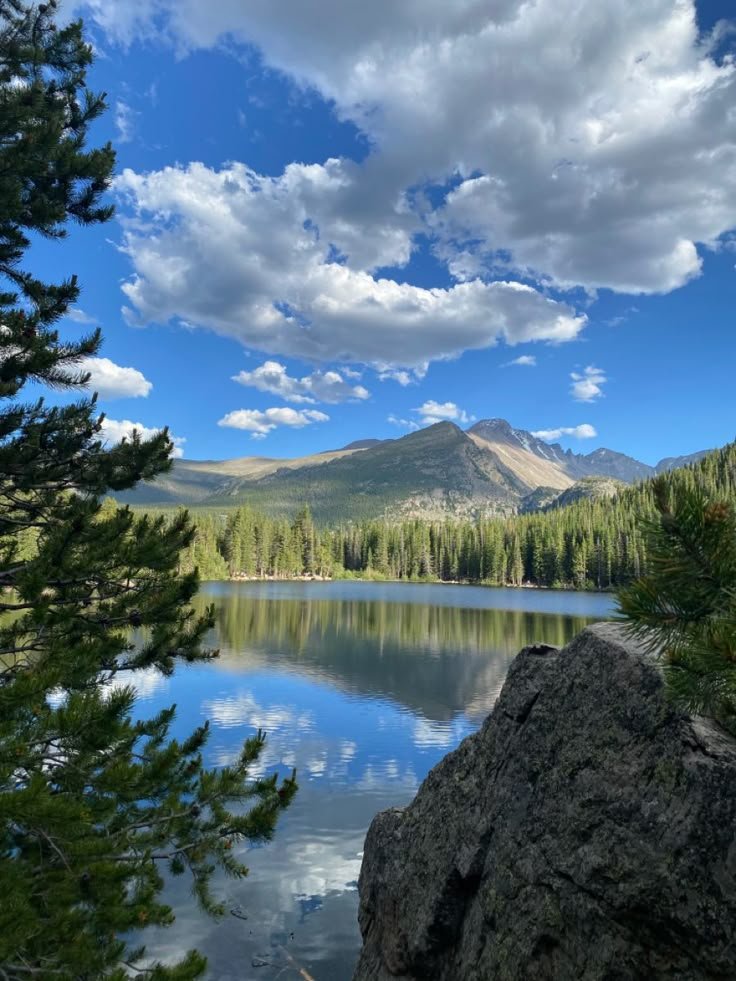
Image Credit: Pinterest
Tucked into northern New York, the Adirondack High Peaks offer rugged summit climbs, crystal-clear lakes, and a network of paddling routes that make peak-bagging and canoe trips easy to combine.
You can scramble up steep trails to stand above alpine bowls by morning and glide across tranquil waterways in a canoe by afternoon.
Keep an eye out for Adirondack wildlife near the shorelines, select canoe camping sites, and plan multi-day routes for an unforgettable adventure.
Acadia National Park (Maine) : Coastal Cliffs, Tidal Pools, and Sea Kayaking
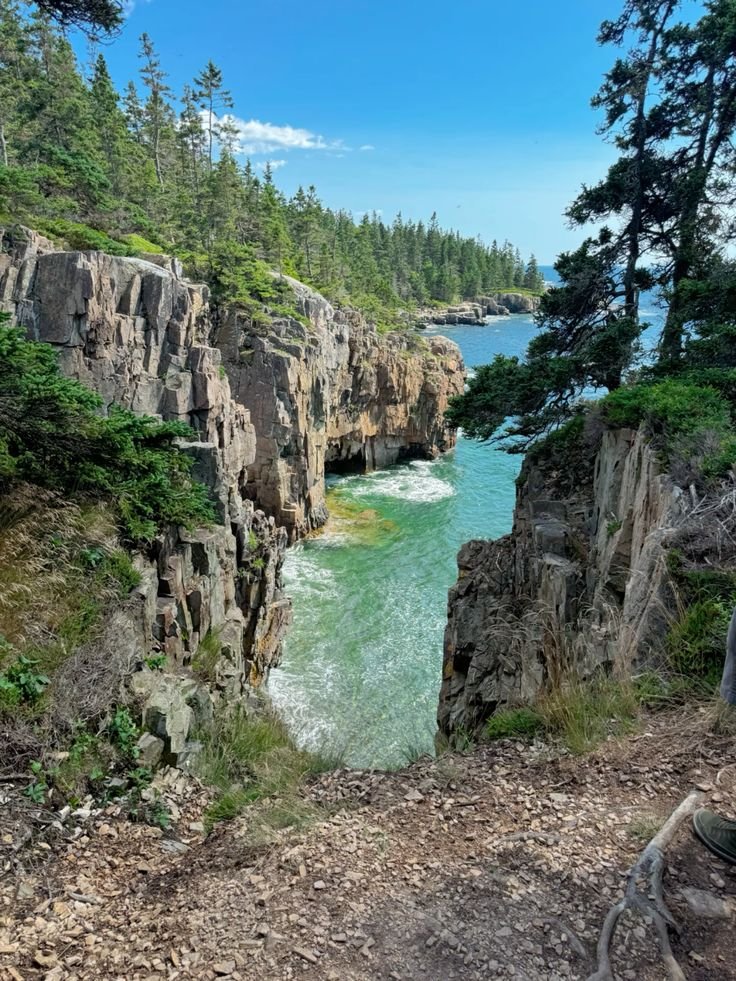
Image Credit: Pinterest
Granite cliffs and spruce-lined trails make Acadia National Park a rugged coastal playground where you’ll scramble along ocean-facing ridges, explore tidal pools teeming with life, and paddle sea kayaks through sheltered bays and past rocky headlands.
You’ll spot coastal wildlife, study tidal ecosystems, savor local cuisine nearby, follow hiking trails to scenic viewpoints and photography spots, and time visits for seasonal activities and kayaking adventures.
Baxter State Park & Mount Katahdin (Maine) : Rugged Summit Challenges
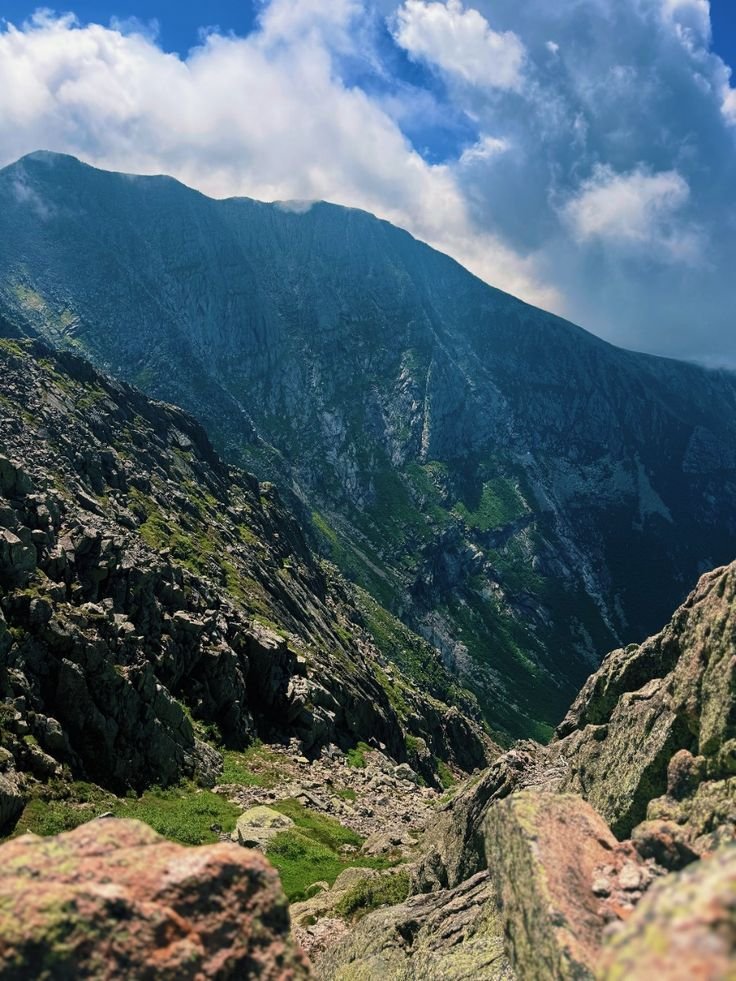
Image Credit: Pinterest
Although the trails around Mount Katahdin push you hard, the rewards are immediate: sweeping alpine views, rocky ridgelines, and the raw silence of Maine’s northern wilderness.
You’ll face Baxter Trail challenges that demand route-finding and stamina; embrace Katahdin summit experiences with steady pacing, proper gear, and acute awareness.
For Maine wilderness exploration, use rugged terrain tips: check weather, pack layers, and respect alpine fragility.
Boundary Waters Canoe Area (Minnesota) : Canoe Camping and Paddle Routes
From rocky summit challenges in Maine, shift your focus to a very different kind of wild: the Boundary Waters Canoe Area in northern Minnesota, where lakes, islands, and portage trails define the rhythm of travel.
You’ll learn canoe safety, paddle techniques, navigation skills, and trail etiquette; choose campsite locations and fishing spots wisely; pack gear recommendations; plan for weather preparation; anticipate wildlife encounters; and utilize photography tips.
Voyageurs National Park (Minnesota) : Lake Navigation and Houseboat Trips
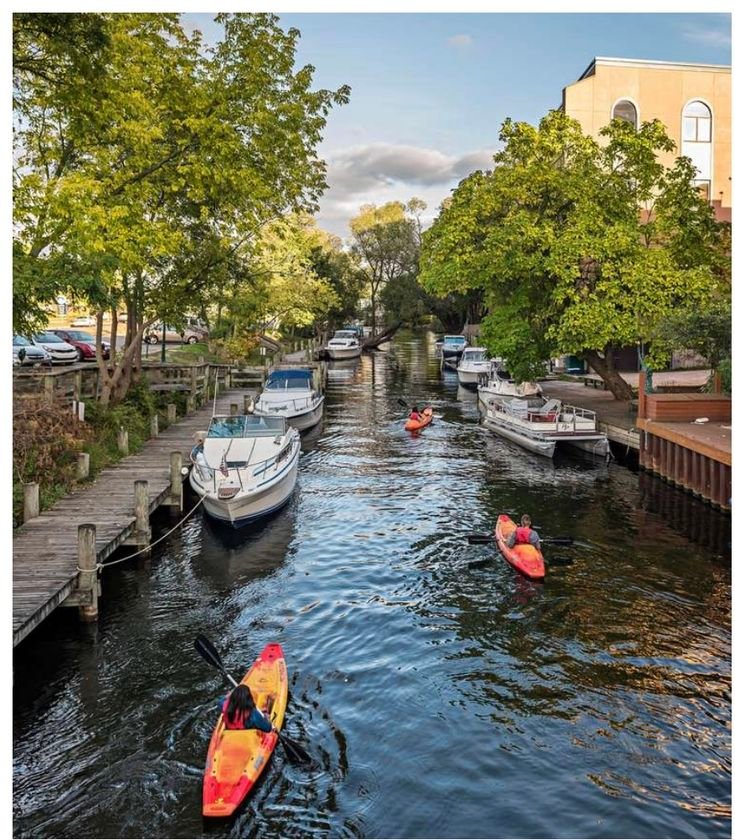
Image Credit: Pinterest
If you want a waterborne way to explore Minnesota’s northwoods, Voyageurs National Park offers a network of connected lakes where navigation skills and houseboat living define your adventure.
You’ll learn navigation tips, traverse scenic routes, practice houseboat safety, enjoy lake fishing, engage in water sports, and observe wildlife.
Don’t forget to pack camping essentials, discover stargazing spots, respect eco-friendly practices, and experience seasonal activities.
Badlands National Park (South Dakota) : Mixed-Grass Hiking and Fossil Sites
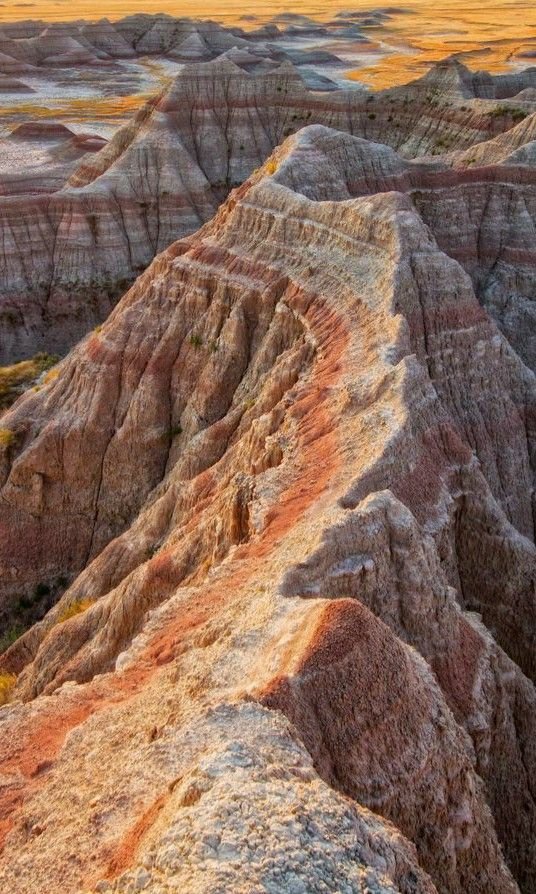
Image Credit: Pinterest
When you hike the Badlands’ rugged ridges and mixed-grass prairies, you’ll encounter stark erosion sculptures and expansive skies concealing a rich fossil record.
Trailheads guide you to both short, rewarding loops and longer backcountry routes where prairie grasses gently brush your legs and ancient bones occasionally emerge after storms.
Engage in careful fossil exploration amidst vibrant mixed grass landscapes, while observing local wildlife and witnessing breathtaking sunsets.
Black Hills & Custer State Park (South Dakota) : Bison Drives and Granite Spires
As you drive winding roads through the Black Hills and Custer State Park, towering granite spires and roaming bison dominate the scenery, inviting close-up encounters and dramatic photo ops.
You’ll savor scenic drives along Needles Highway, pause for bison encounters on Wildlife Loop, frame epic wildlife photography against granite backdrops, and stroll historical trails that reveal pioneer lore and Native heritage beneath sky-swept summits.
Everglades National Park (Florida) : Airboat Trails, Paddling, and Wildlife
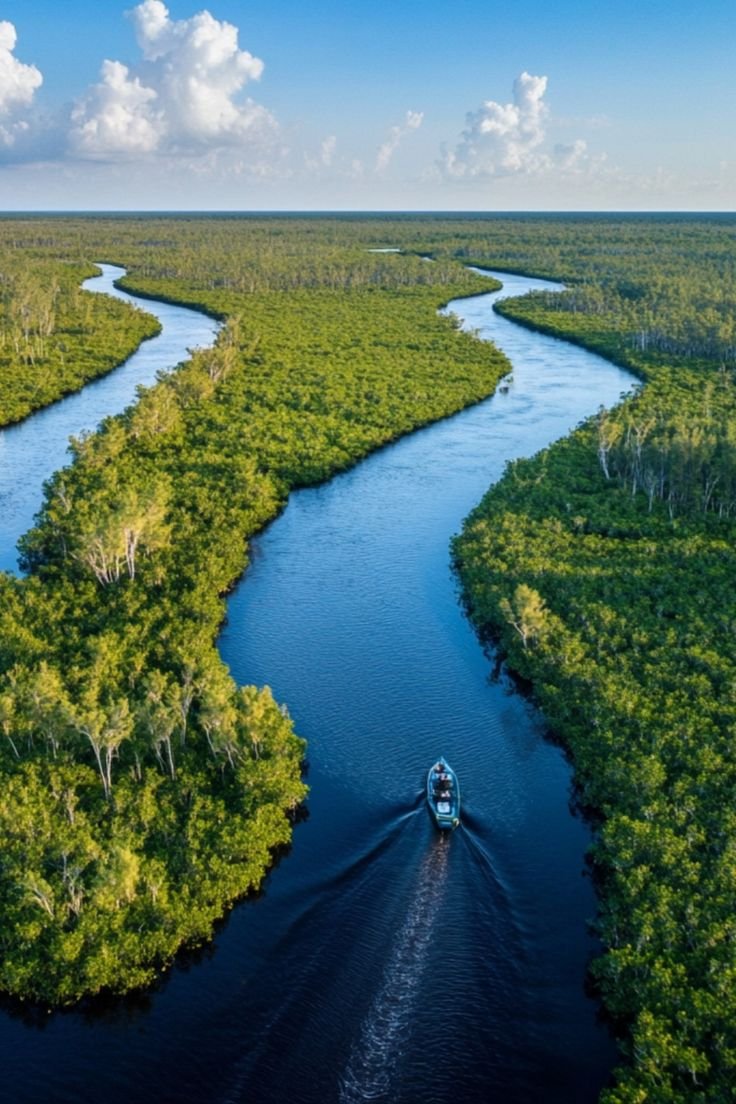
Image Credit: Pinterest
Count on the Everglades to redefine “wild”—you’ll skim glassy mangrove tunnels by airboat, slip a kayak into silent sawgrass prairies, and spot alligators, herons, and manatees in habitats that shift with the tide.
Choose airboat excursions or guided tours, pursue wildlife photography, explore swamp ecosystems, join nocturnal adventures, enjoy family-friendly activities, eco-tourism experiences, and seasonal fishing opportunities.
Big Cypress National Preserve (Florida) : Swamp Hiking and Nocturnal Wildlife Tours
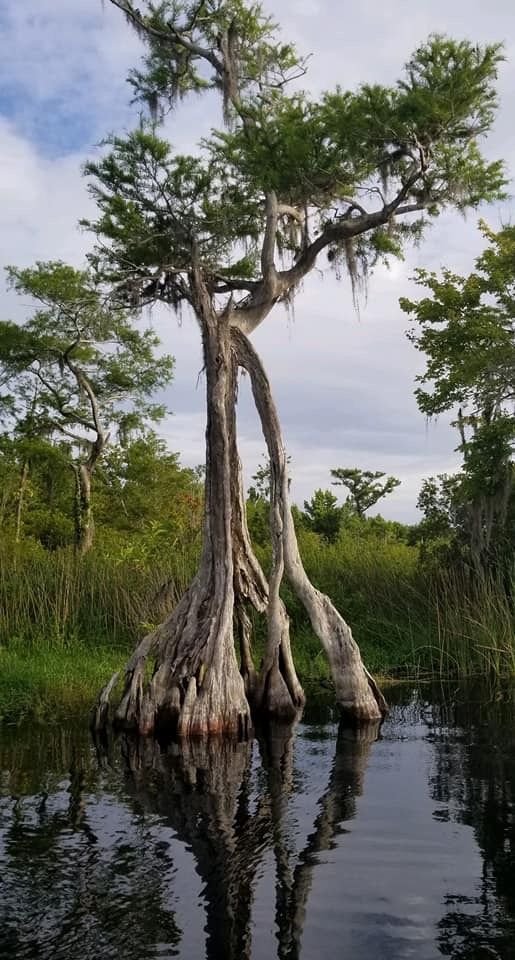
Image Credit: Pinterest
Big Cypress National Preserve invites you into a quieter, murkier side of Florida where boardwalks and gumbo-laden trails lead to orchids, tangled cypress knees, and the hush of nocturnal life.
You’ll learn about swamp ecology and the adaptations of nocturnal wildlife on guided tours, practice wildlife photography using low-impact techniques, and support swamp conservation through the benefits of eco-tourism.
Be prepared with proper hiking gear and nighttime navigation skills as you explore these fragile swamp ecosystems.
Hawaii Volcanoes National Park (Hawaii) : Lava Landscapes and Night Hikes
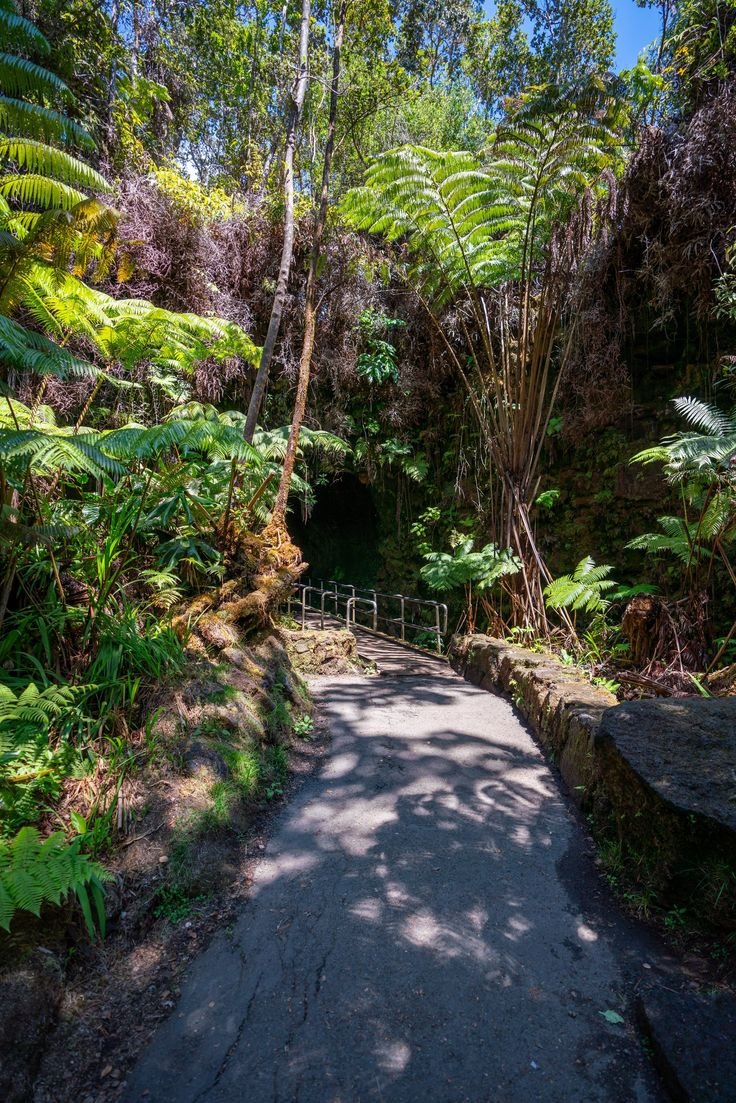
Image Credit: Pinterest
From the humid hush of Florida swamps to the raw heat of volcanic landscapes, your next stop brings a very different kind of night adventure: Hawaii Volcanoes National Park.
You’ll explore volcanic geology, try lava tubing, and join night skywatching while respecting native ecosystems and cultural history.
Follow hiking safety, note park accessibility, and use photography tips to capture glow and geological contrasts responsibly.
Na Pali Coast State Wilderness Park (Kauai, Hawaii) : Cliffside Trails and Sea Kayaking
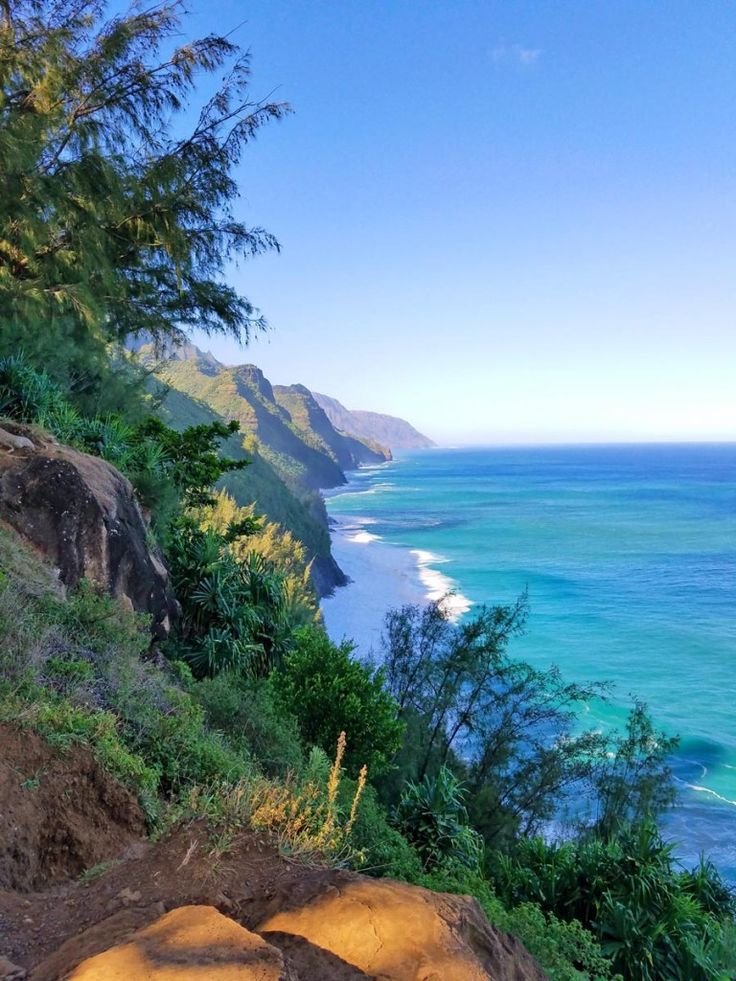
Image Credit: Pinterest
One of Kauai’s most dramatic coastlines, Na Pali Coast State Wilderness Park thrusts sheer emerald cliffs and cascading waterfalls straight out of the Pacific, best experienced on foot or by sea.
You’ll tackle hiking trails for cliffside adventures, spot tropical wildlife and marine life, learn about cultural heritage, savor breathtaking ocean views, enjoy coastal exploration, try scenic kayaking, and end your days with the magic of sunset paddling.
Channel Islands National Park (California) : Island Paddling and Sea Caves
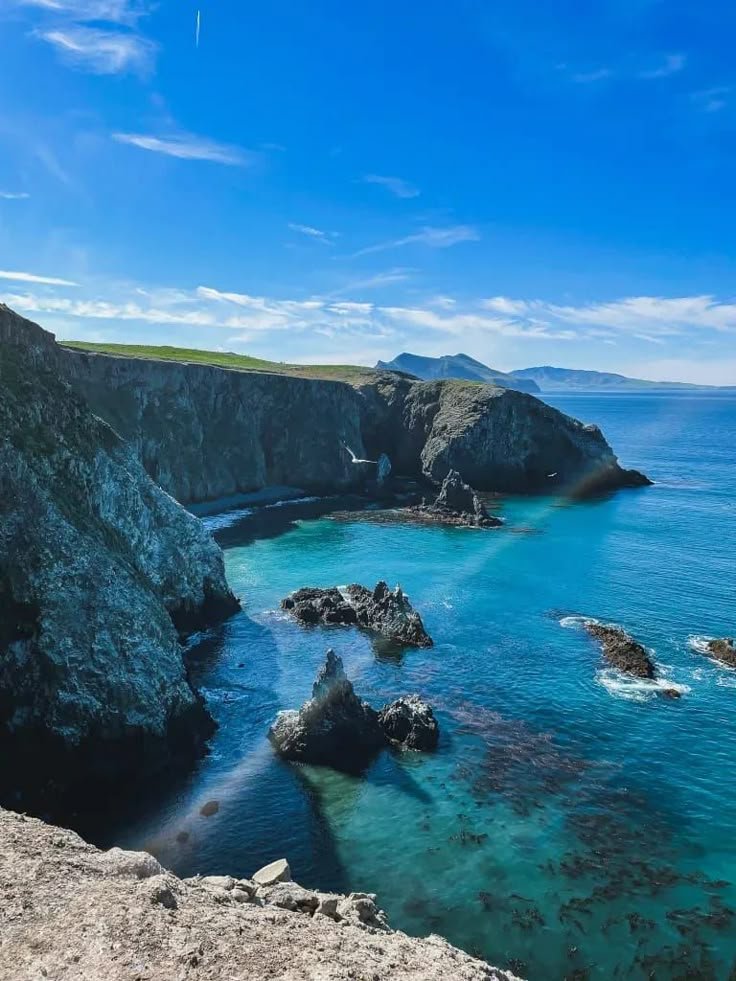
Image Credit: Pinterest
When you paddle out to Channel Islands National Park, you’ll discover a rugged chain of islands where sea caves, kelp forests, and towering sea cliffs beckon for close-up exploration by kayak and canoe.
You can plan your island adventures with kayak rentals, detailed island maps, and guided sea cave tours.
Along the way, spot coastal wildlife, study vibrant marine ecosystems, camp on pristine beaches, engage in eco-tourism activities, and capture stunning nature photographs during your paddling expeditions.
Hawaiian Islands Trail Picks : Best Multi-Island Hikes and Snorkeling Spots
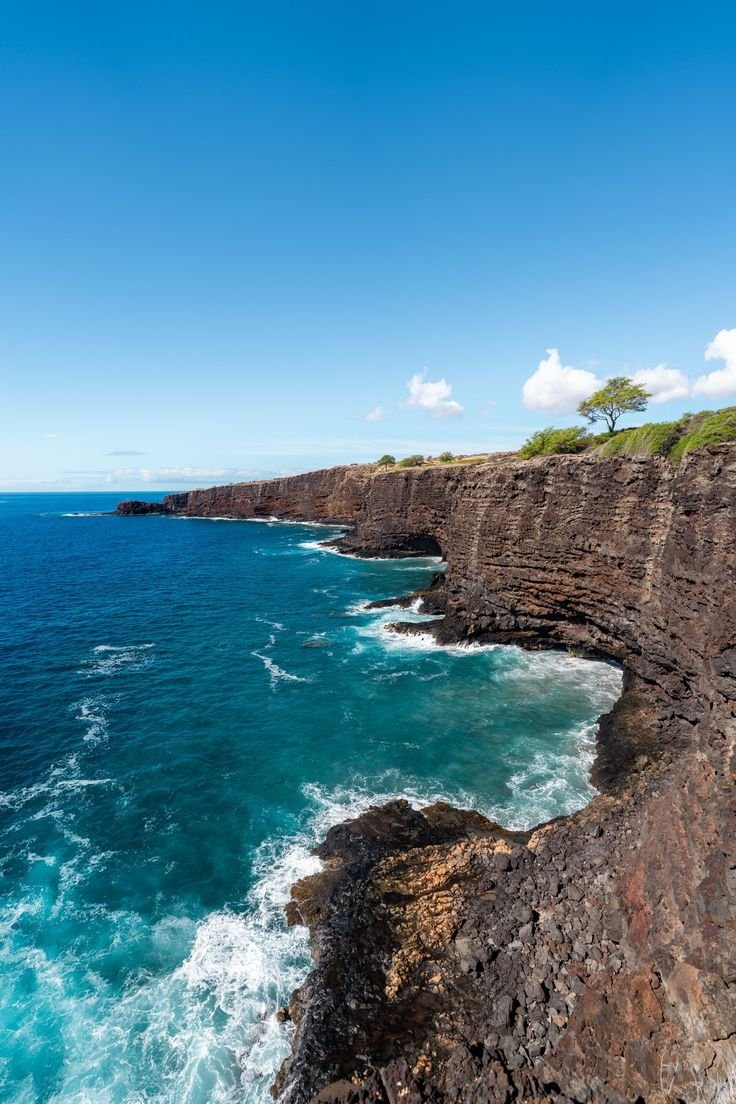
Image Credit: Pinterest
If you want to combine sweeping coastal hikes with world-class snorkeling, the Hawaiian Islands offer interconnected trails and reef spots that reward multi-island itineraries.
You’ll get hiking tips, snorkeling gear advice, and notes on island wildlife and marine conservation.
Follow trail etiquette, enjoy photography spots and local cuisine, embrace cultural experiences, plan eco-friendly travel, and prioritize adventure planning for seamless island hopping.
Conclusion
You’ve just skimmed 40 must-see nature spots across the U.S., each begging you to step outside and explore. Pick an alpine ridge, paddle beside a glacier, scramble volcanic rock or camp under northern lights—there’s a wild challenge for every skill level and mood. Pack smart, respect wildlife and local rules, and embrace unexpected detours. These places will change how you travel: push your limits, learn from the land, and come home with bolder stories and quieter awe.