40 Travel Destinations Morocco Visitors Will Never Forget
Explore Morocco’s unforgettable mix of bustling medinas, blue-washed alleys, Sahara dunes and dramatic kasbahs as you wander Jemaa El-Fnaa at sunset, lose yourself in Fes El-Bali, and hike the Atlas or surf Sidi Kaouki. You’ll ride camels at Merzouga, stargaze from desert camps, photograph Chefchaouen’s cobalt streets, and tour Aït Benhaddou’s ancient clay towers. Keep going and you’ll uncover more hidden gems, coastal cliffs, and immersive cultural experiences to plan your perfect trip.
Marrakech’s Jemaa El-Fnaa at Sunset
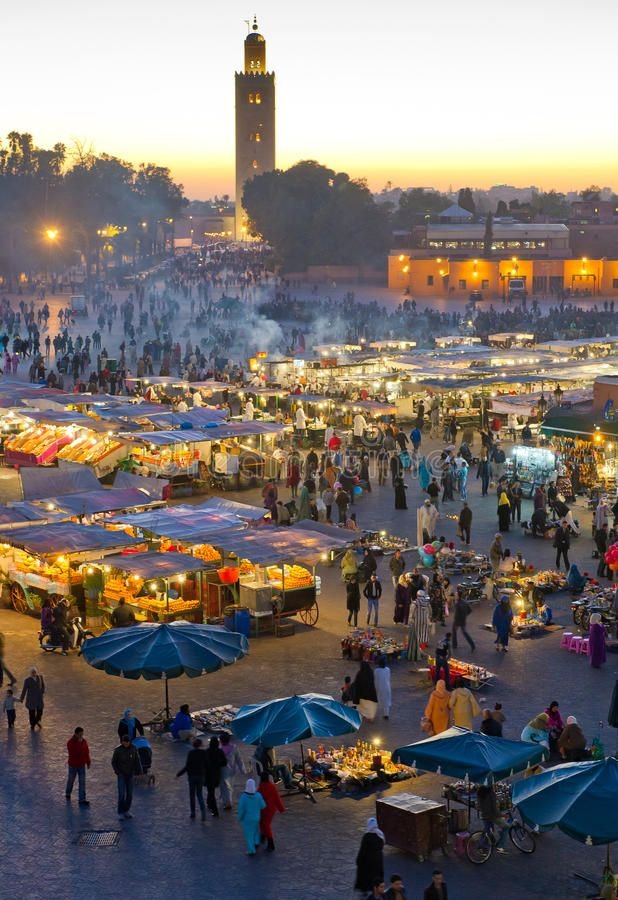
Image Credit: Pinterest
As dusk falls over Marrakech, Jemaa El-Fnaa pulses with life: storytellers gather beneath orange lamps, snake-charmers and musicians claim their spots, and the air fills with spices and sizzling street food.
You wander through market culture, capturing sunset photography, savoring local cuisine, and watching street performances.
The evening ambiance reflects historical significance, Marrakech nightlife, and cultural festivals that keep the square alive.
The Blue Streets of Chefchaouen
You step into Chefchaouen and the city’s signature blue washes over you—narrow alleys, stairways, and doorways painted in every shade from sky to indigo.
You explore blue architecture, learn historical influences and cultural significance, find hidden gems in artisan markets, savor local cuisine, follow hiking trails, capture photography tips, enjoy night experiences, and join vibrant festivals that make the town unforgettable.
Fes El-Bali: Medieval Medina and Tanneries
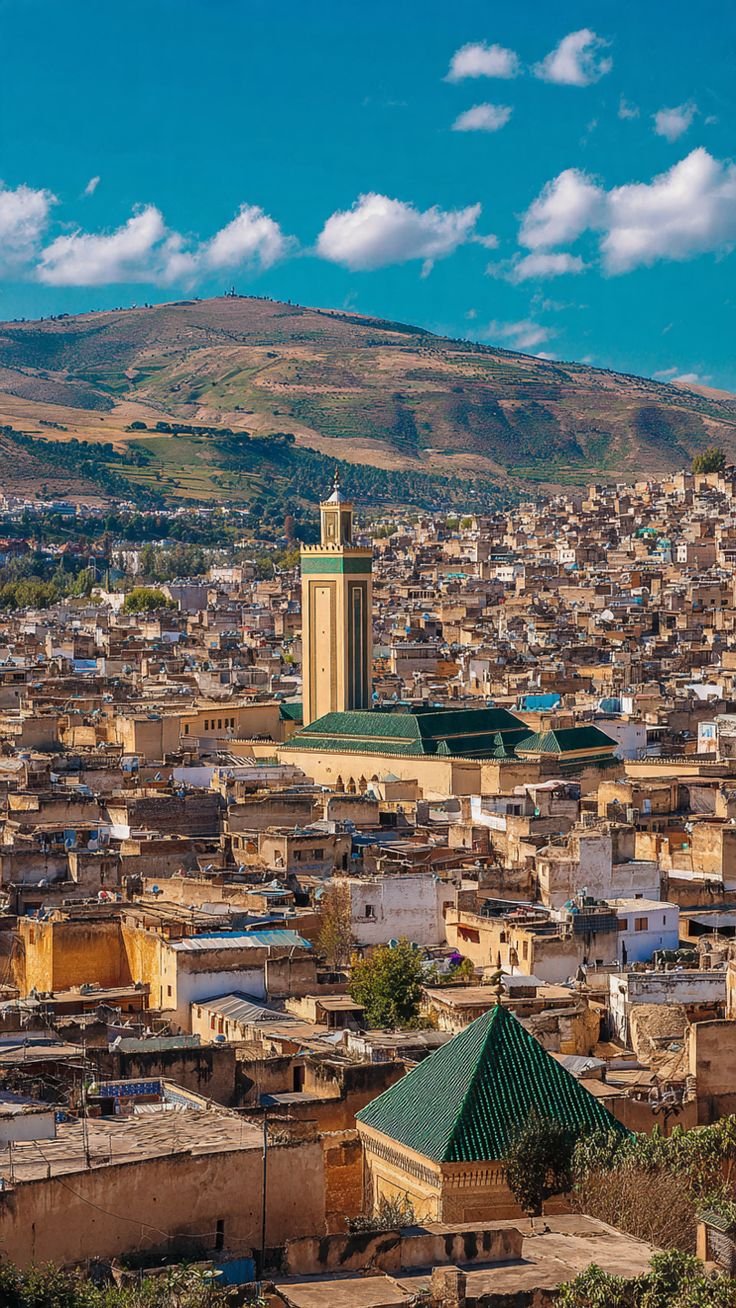
Image Credit: Pinterest
From Chefchaouen’s calm blue lanes, head east to Fes El-Bali, where the medieval medina overwhelms the senses with its maze of alleys, bustling souks, and centuries-old madrasas.
You’ll wander ancient pathways, witness the history of tanneries alive, admire medieval architecture, and meet artisans practicing traditional techniques.
Taste authentic cuisine amid vibrant markets, learn about local craftsmanship, and feel Morocco’s rich cultural heritage around every corner.
The Sahara Dunes at Merzouga (Erg Chebbi)
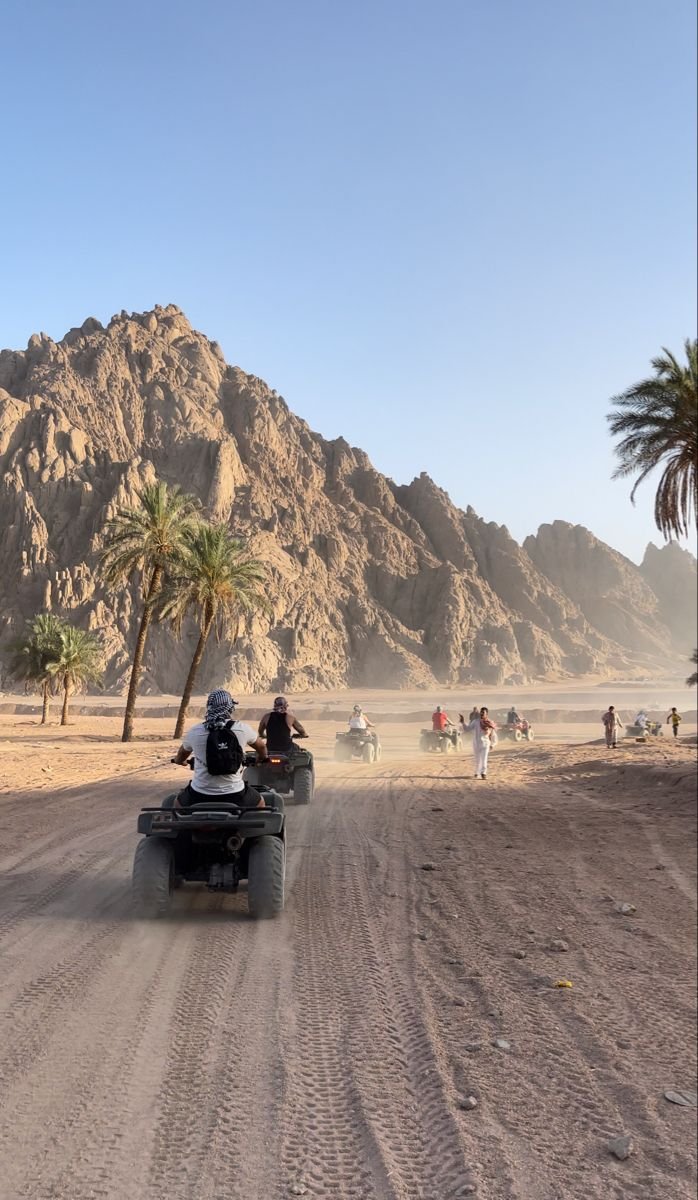
Image Credit: Pinterest
When dawn paints the dunes in gold and shadow, you’ll feel the vastness of Erg Chebbi press gently against your senses.
You’ll chase Sahara sunsets after camel trekking, sleep in desert camps beneath a night sky filled with stars, hear traditional music around flickering fires, try sandboarding adventures, practice dune photography, learn about Berber culture, and savor oasis exploration—each moment stripped to raw, unforgettable desert clarity.
Aït Benhaddou Kasbah on the Ounila Valley
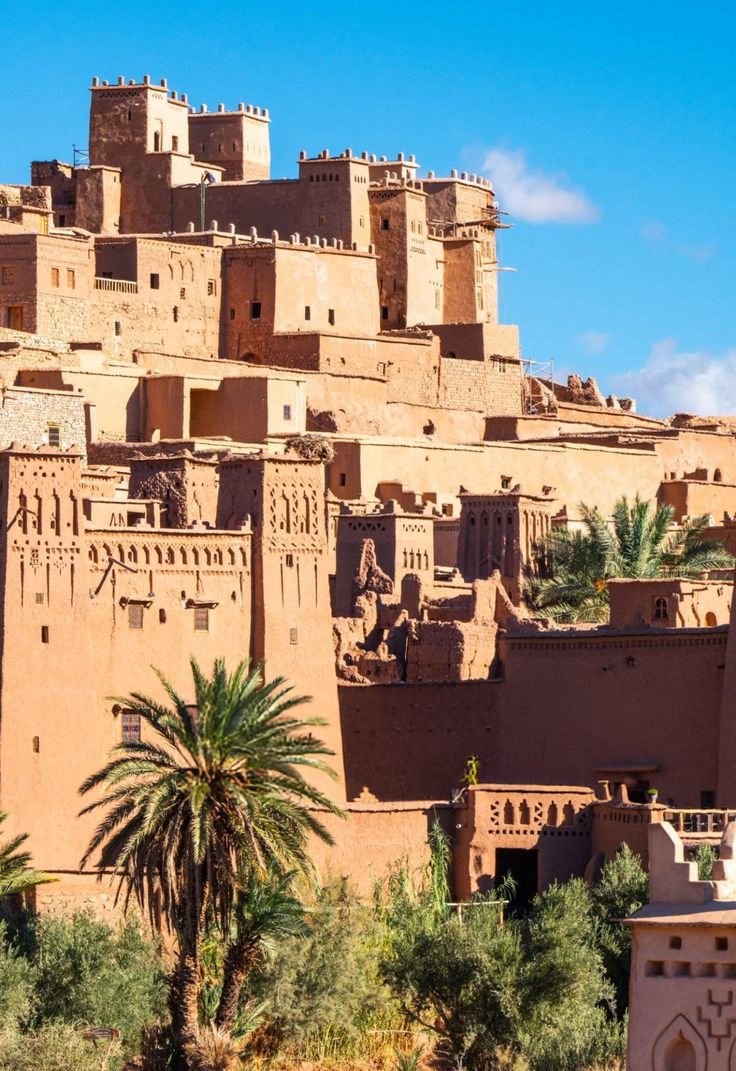
Image Credit: Pinterest
Though centuries have molded its sunbaked walls, Aït Benhaddou still stands like a living film set, its earthen towers and winding alleys clinging to the Ounila Valley above the palm-strewn floodplain.
You’ll explore Aït Benhaddou’s history through Berber architecture, Ounila Valley landscapes, and desert fortification exploration, capturing Kasbah photography while appreciating its significance as a film location, cultural heritage, and UNESCO site.
Essaouira’s Windswept Atlantic Ramparts
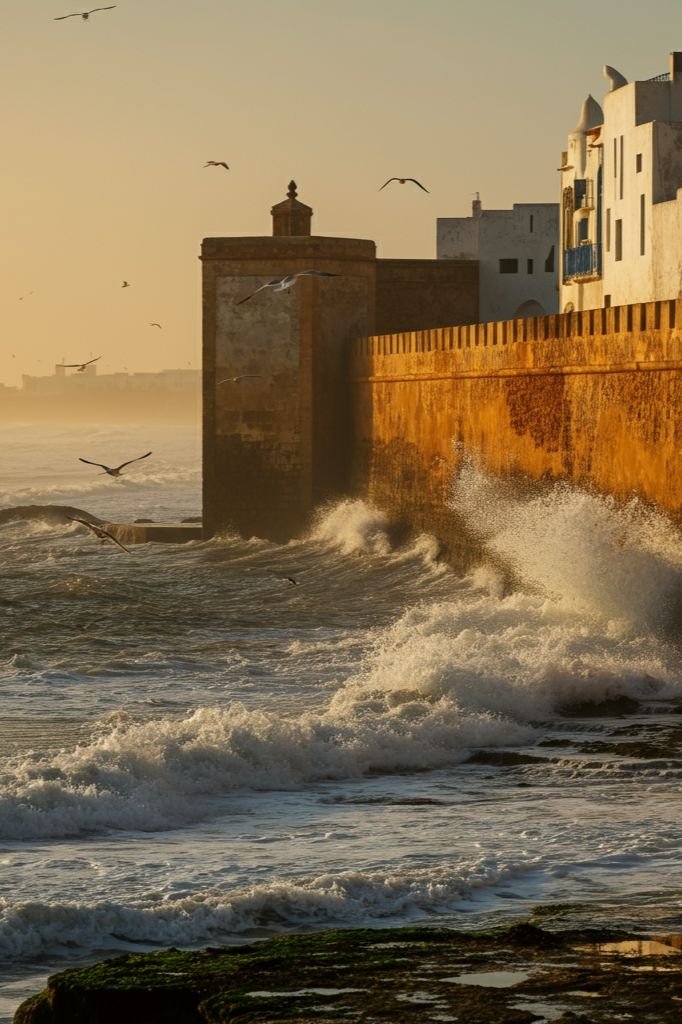
Image Credit: Pinterest
Salt-swept wind and blue Atlantic light define Essaouira’s ramparts, where you can walk centuries-old stone bulwarks that have guarded the port since the 18th century.
You’ll stroll above a windy beach, watch fishermen mend nets, and feel the sea spray. The town’s coastal charm draws artists and kitesurfers; you’ll pause on bastions to savor wide ocean views and brisk, salty air.
The Atlas Mountains’ Valley of Ourika
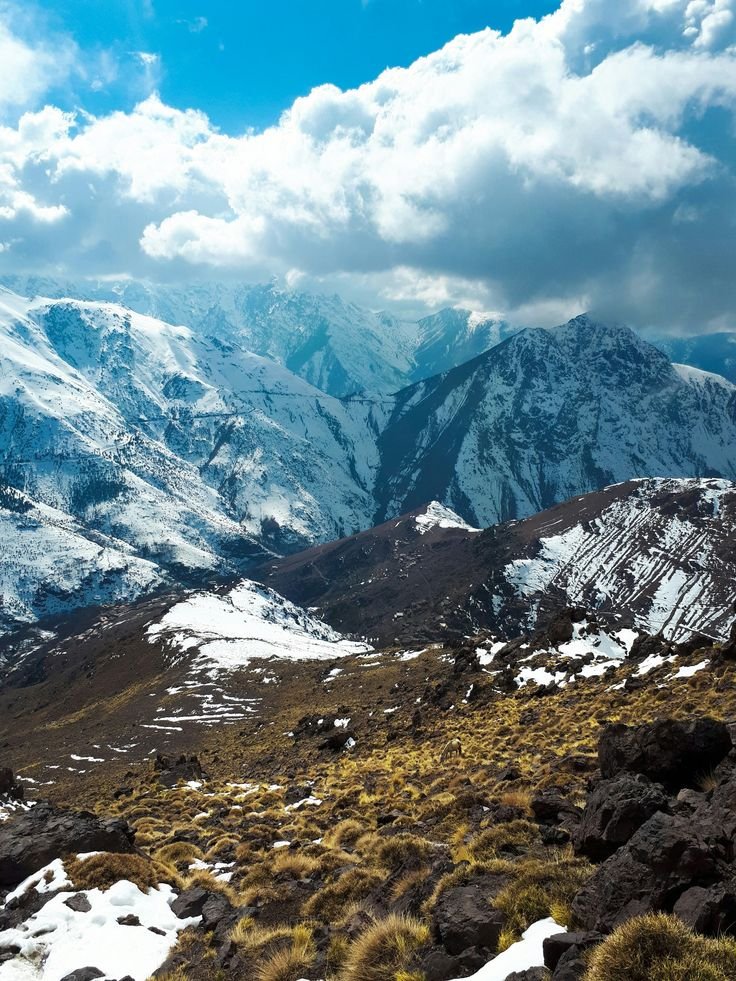
Image Credit: Pinterest
From the sea-salted ramparts of Essaouira, you can head inland to the cooler shade of the Atlas, where the Valley of Ourika opens into terraced fields and rushing streams.
You’ll explore the natural beauty of Ourika Valley, immerse yourself in Berber culture, discover hiking trails, enjoy river adventures, visit artisan workshops, capture stunning photographs, explore local markets, savor traditional Moroccan cuisine, participate in eco-tourism initiatives, and indulge in rejuvenating wellness retreats.
Casablanca’s Hassan II Mosque by the Sea

Image Credit: Pinterest
A towering landmark on Casablanca’s Atlantic edge, the Hassan II Mosque blends striking modern engineering with traditional Moroccan artistry. You’ll feel its presence before you see it—between the minaret piercing the sky and the ocean lapping at its foundations.
You’ll explore an architectural marvel: the prayer hall’s intricate mosaics, ocean view terraces, nighttime illumination, cultural significance, historical context, tourist experience, and whispered local legends.
Rabat’s Kasbah of the Udayas and Oudayas Gardens

Image Credit: Pinterest
Perched where the Bou Regreg meets the Atlantic, Rabat’s Kasbah of the Udayas invites you into a compact maze of white-and-blue houses, narrow alleys, and clifftop terraces that frame stunning sea and river views.
You’ll explore intricate Udayas architecture, visit the serene Andalusian Oudayas Gardens, and delve into Kasbah history through its restored gates and a quiet museum, feeling centuries of coastal life surround you at every turn.
The Roman Ruins of Volubilis
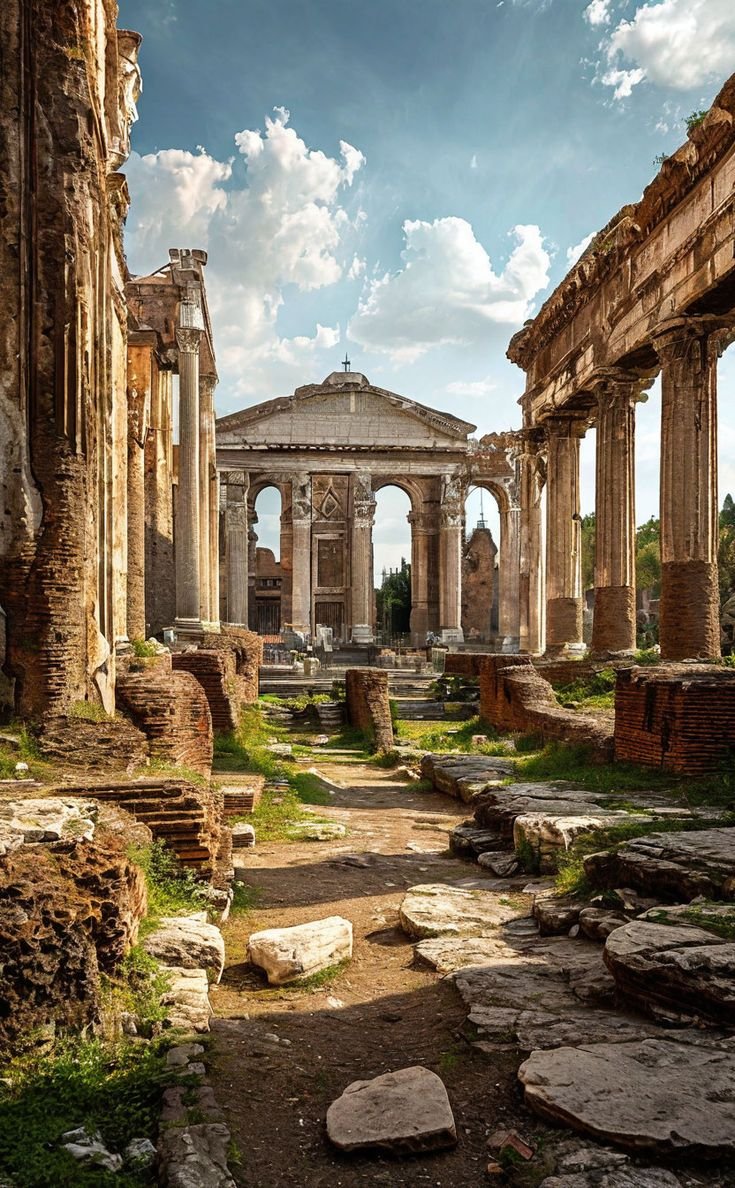
Image Credit: Pinterest
Leaving Rabat’s coastal charm behind, head inland to the Roman ruins of Volubilis, where broad marble-paved avenues, towering columns, and vivid mosaics recall a bustling provincial capital.
You’ll explore Roman architecture and ancient mosaics, learn about their historical significance through guided tours, hear local legends, appreciate cultural heritage and archaeological discoveries, and witness preservation efforts at this evocative UNESCO site for memorable visitor experiences.
The Palm Groves and Oasis of Skoura
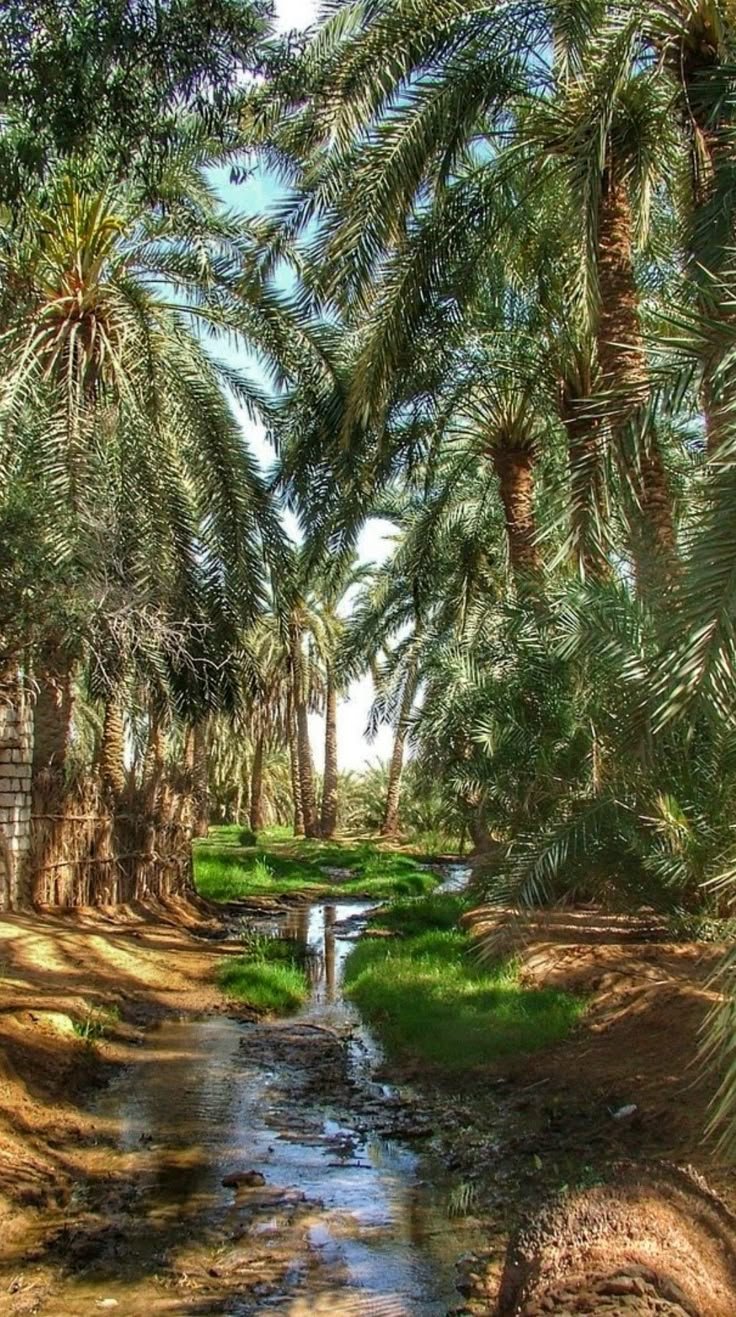
Image Credit: Pinterest
Sun-dappled paths guide you into Skoura’s palm groves, where rows of towering date palms shelter irrigated plots, kasbahs, and winding channels that keep the oasis verdant.
You’ll wander cool, shaded lanes, meet artisans preserving Skoura’s cultural heritage, and taste fresh dates.
These palm oasis experiences feel timeless, offering tranquil retreats, photo-worthy views, and genuine encounters with local life that linger after you leave.
Tangier’s Kasbah and Café Culture

Image Credit: Pinterest
When you climb into Tangier’s kasbah, the city unfolds in layered textures—whitewashed houses, winding alleys, and a fortressed silence that opens onto sweeping views of the Strait of Gibraltar.
You wander through Tangier’s architecture, browse vibrant markets, meet local artisans, savor Moroccan cuisine in a charming café ambiance, hear traditional music, and feel artistic influences and historical significance woven into coastal experiences and cultural festivals.
The Sand-Made Dunes of Zagora and the Desert Road
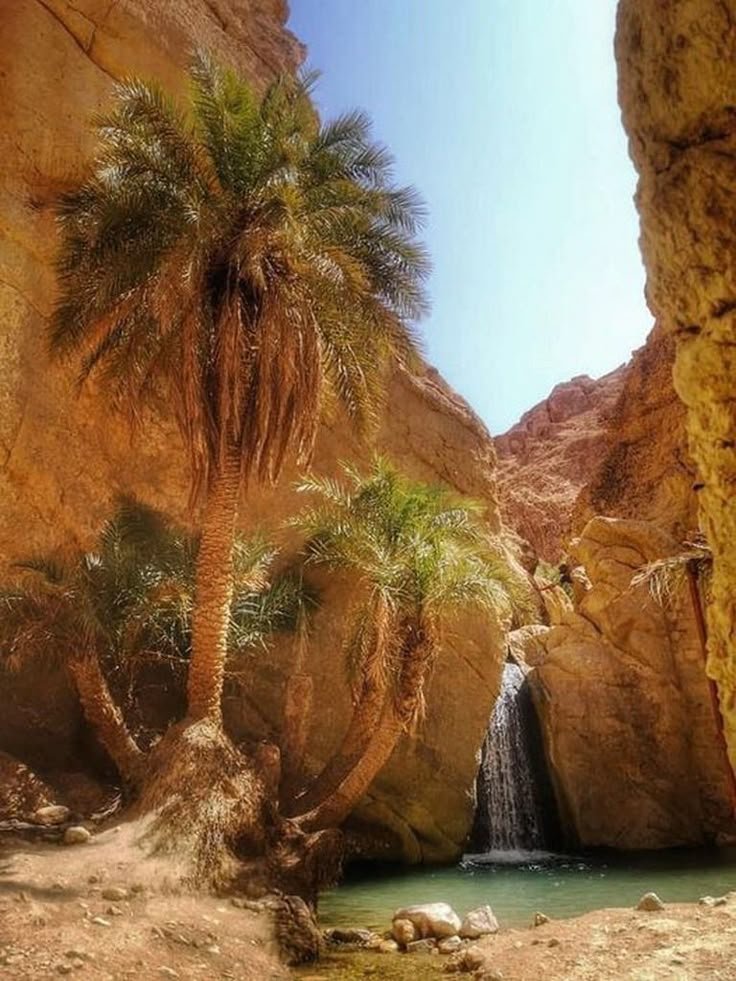
Image Credit: Pinterest
Though the highway fades and the horizon flattens, you’ll feel the desert’s scale tighten as Zagora’s sand-made dunes rise like warm, sculpted waves.
Walking or riding a camel along the Desert Road, you encounter a landscape where wind-carved ridges, sudden oases, and ochre light define both route and rhythm.
You’ll be captivated by Zagora sunsets, desert camping, camel trekking, dune surfing, stargazing, Sahara adventures, oasis explorations, sandboarding thrills, Berber culture, and desert wildlife.
Ouarzazate’s Film Studios and Desert Fortresses
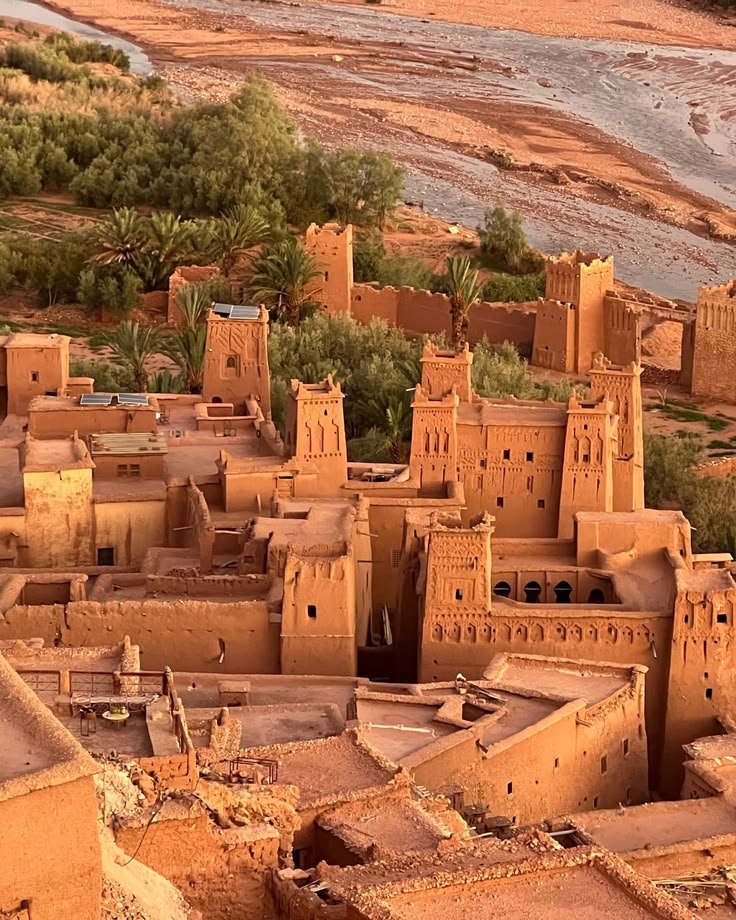
Image Credit: Pinterest
Leaving the sweeping dunes behind, you’ll find Ouarzazate rising from the desert with the cinematic grandeur of its film studios and the sturdy silhouette of its kasbahs.
You explore film history and filmmaking legacy on location scouting tours, glimpse behind-the-scenes sets, and soak in cinematic landscapes.
Fortress architecture anchors visual storytelling, blending movie magic with desert adventures while revealing the region’s cultural impact.
The Rif Mountains’ Akchour Waterfalls
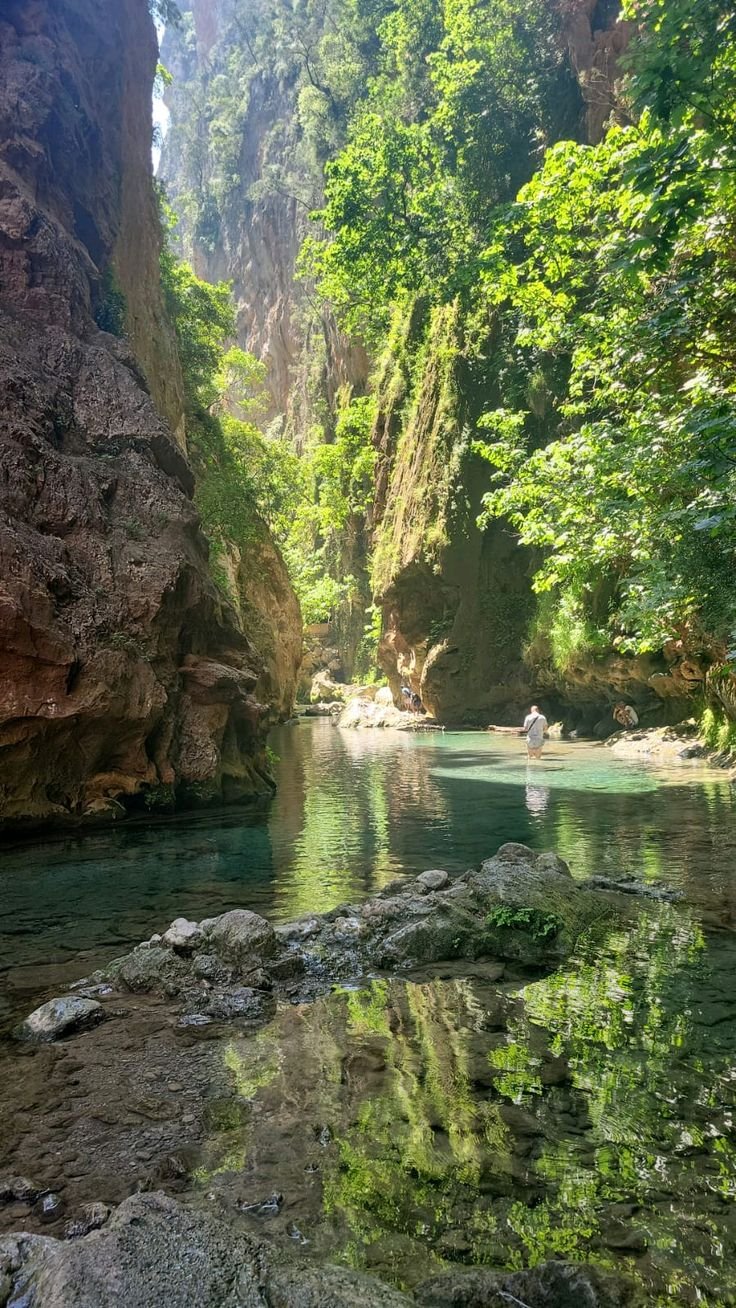
Image Credit: Pinterest
Nestled in the emerald folds of the Rif Mountains, Akchour’s waterfalls reward hikers with cool cascades, natural pools, and dramatic limestone arches you can walk beneath.
You’ll tackle Akchour hiking trails that loop through cedar-scented valleys, pause on sunlit rocks for waterfall photography, and plunge into shimmering pools.
Local guides point out safe routes, hidden viewpoints, and timing tips to beat the crowds.
Ifrane’s Alpine Architecture and Cedar Forests
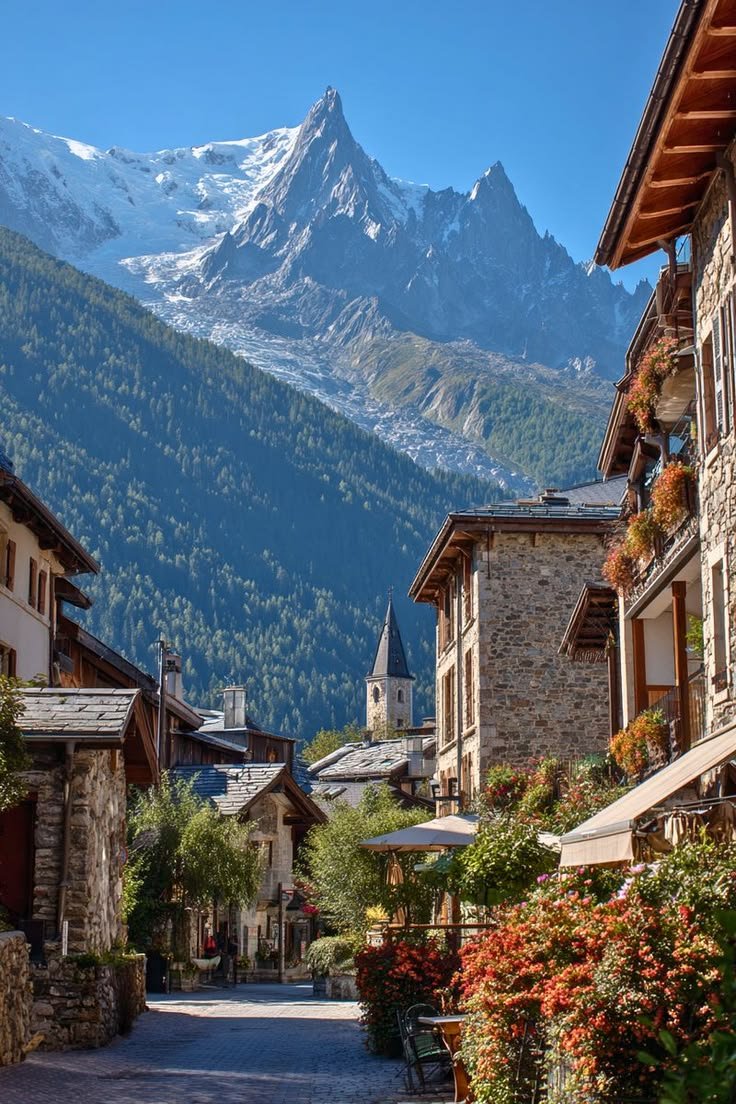
Image Credit: Pinterest
From the lush trails around Akchour, you can head inland to Ifrane, a town that feels more Swiss chalet than Moroccan kasbah.
You’ll explore Ifrane’s culture through architectural tours, sample local cuisine, and engage in alpine activities like cedar hiking and nature exploration.
Enjoy wildlife spotting, learn about the historical significance at museums, attend seasonal festivals, and support eco-tourism initiatives that protect cedar groves and local life.
Toubkal National Park and Jebel Toubkal Summit
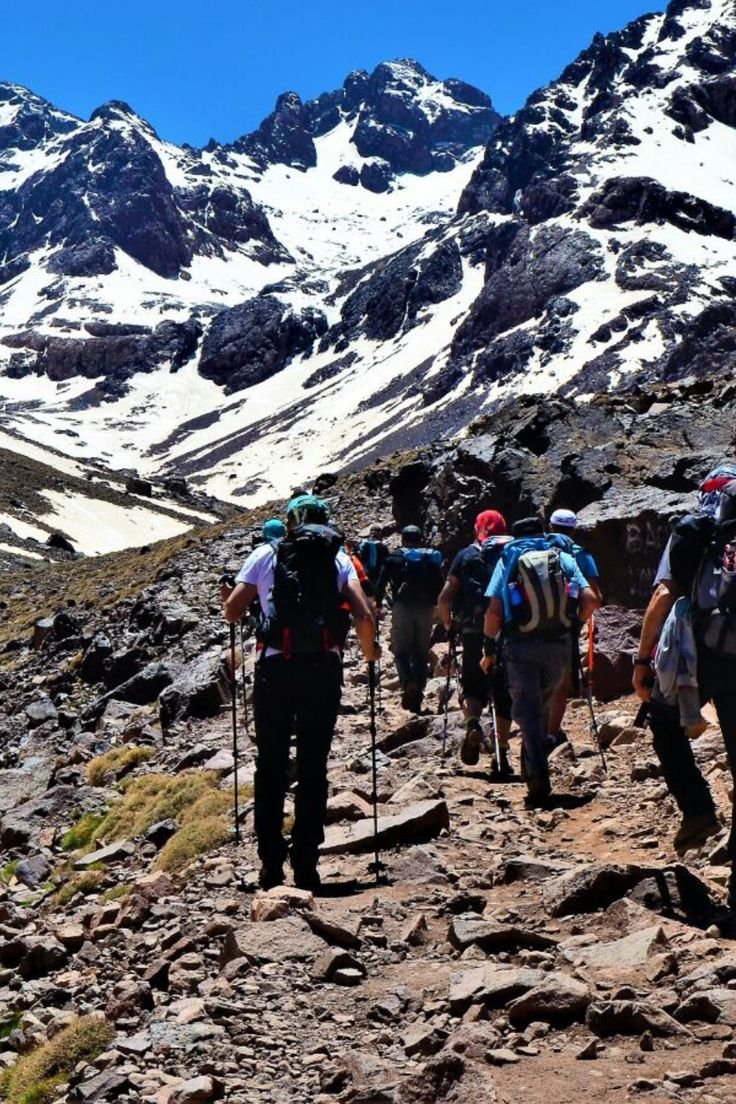
Image Credit: Pinterest
While the High Atlas rises sharply to meet you, Toubkal National Park offers a compact wilderness where rugged trails, Berber villages, and soaring granite peaks converge.
At its heart stands Jebel Toubkal, North Africa’s highest summit, which you can climb in two to three days with a guide.
Explore trekking routes, camping spots, and guided tours; consider weather conditions, climbing tips, local wildlife, photography spots, cultural significance, and historical context.
The Berber Villages of the High Atlas

Image Credit: Pinterest
Although the High Atlas looks rugged from a distance, its Berber villages welcome you with stone houses, terraced fields, and a rhythm of life that’s changed little over centuries.
You’ll encounter Berber culture through traditional crafts at artisan markets, savor local cuisine, participate in village festivals, explore hiking trails, and experience warm mountain hospitality.
Sustainable tourism and community engagement help preserve their historical significance.
Asilah’s Painted Medina and Art Scene
If you wander through Asilah’s medina, you’ll be greeted by a burst of murals, galleries, and colorful doorways that transform the old town into an open-air art exhibition.
You’ll discover vibrant Asilah murals and captivating street art, participate in art workshops and photography tours, explore coastal galleries and artisan markets, attend local festivals and art exhibitions, and relax in creative retreats that celebrate the region’s rich cultural heritage.
The Coastal Cliffs and Beaches of Legzira
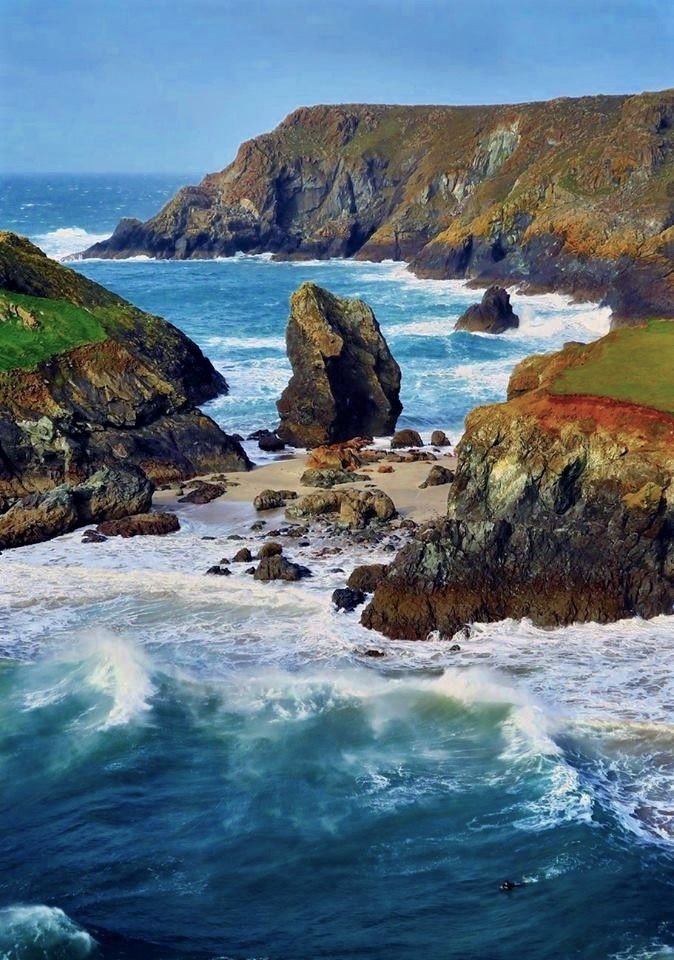
Image Credit: Pinterest
After exploring Asilah’s colorful lanes and creative energy, head south to Legzira, where dramatic red sandstone cliffs meet the Atlantic in a series of sweeping beaches and natural arches.
You’ll chase a Legzira sunset, practice coastal photography among rock formations and natural arches, join beach activities and surf culture, taste local cuisine, try adventure sports, and enjoy wildlife spotting and rich cultural experiences.
The Historic Mellah and Synagogues of Marrakech
Step off the bustling Jemaa el-Fnaa and you’ll find yourself in Marrakech’s Mellah, the old Jewish quarter where narrow streets, ornate doorways, and quiet courtyards recall a once-thriving community.
Here, synagogues like the Slat al-Azama and Beth-El offer a compact, moving window into the city’s multicultural past, while guides and small museums help you connect names, rituals, and stories to the places you’re seeing.
Wander to study Mellah architecture, synagogue history, and cultural significance; meet community heritage through traditional crafts and Jewish festivals; taste local cuisine; admire artistic expressions; and support heritage preservation that honors religious diversity.
The Imperial Elegance of Meknes and Bab Mansour
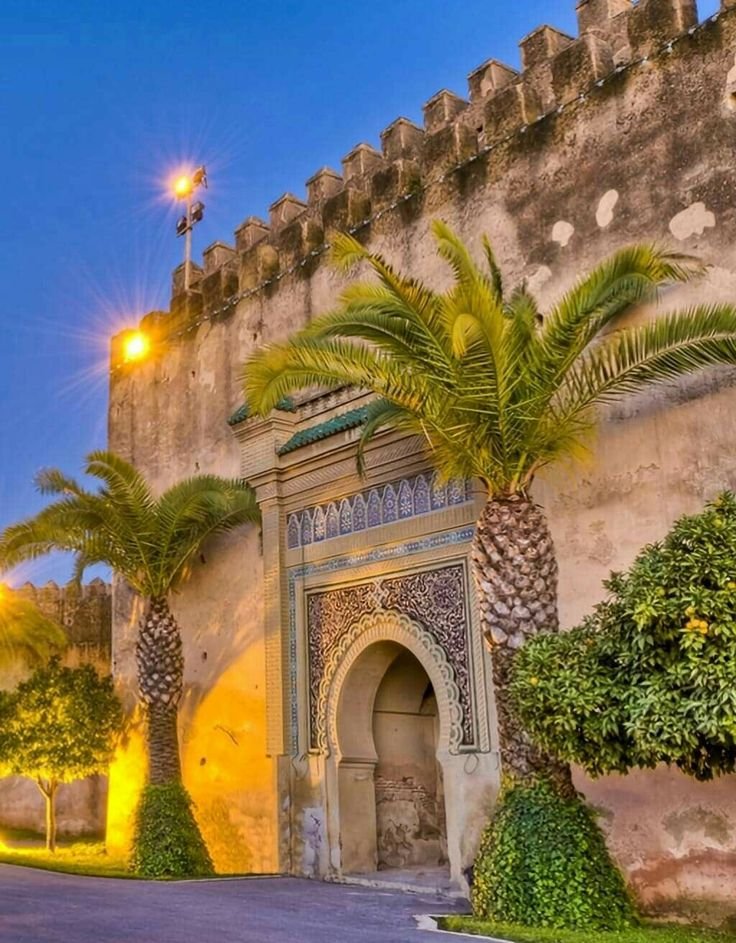
Image Credit: Pinterest
From the intimate lanes of Marrakech’s Mellah, you can head north to Meknes, where imperial scale replaces medina intimacy and monumental gates announce a different kind of history.
You’ll explore Meknes’ history through Moroccan architecture, royal palaces, and historical landmarks.
Browse artisan markets for traditional crafts, taste local cuisine, enjoy urban charm, and learn cultural significance during vibrant festivals that reveal the city’s layered past.
Sidi Ifni’s Spanish Art Deco Coastline

Image Credit: Pinterest
Sidi Ifni’s coastline still wears the clean lines and sun-bleached facades of its Spanish Art Deco past.
You’ll explore unique architecture and Spanish heritage fused with Berber rhythms—a gentle cultural fusion that gives the town its coastal charm.
Stroll to hidden beaches, watch surfers at famous surfing spots, and feel how Art Deco shapes the streetscapes—quiet, surprising, and utterly memorable.
The Dades Gorge: Road of a Thousand Kasbahs

Image Credit: Pinterest
Winding through ochre cliffs and palm-filled valleys, the Dades Gorge road treats you to a string of ancient kasbahs clustered like sentries along the canyon—each mud-brick fortress a reminder of trade routes, Berber families, and film crews that once passed this way.
Explore Dades Gorge history, admire Kasbah architecture on a scenic road trip, and engage in adventure activities.
Savor local cuisine, immerse yourself in cultural heritage, and discover stunning photography spots.
Hike along scenic trails, observe unique wildlife, and enjoy traditional music that echoes through the gorge.
Paradise Valley’s Natural Pools Near Agadir
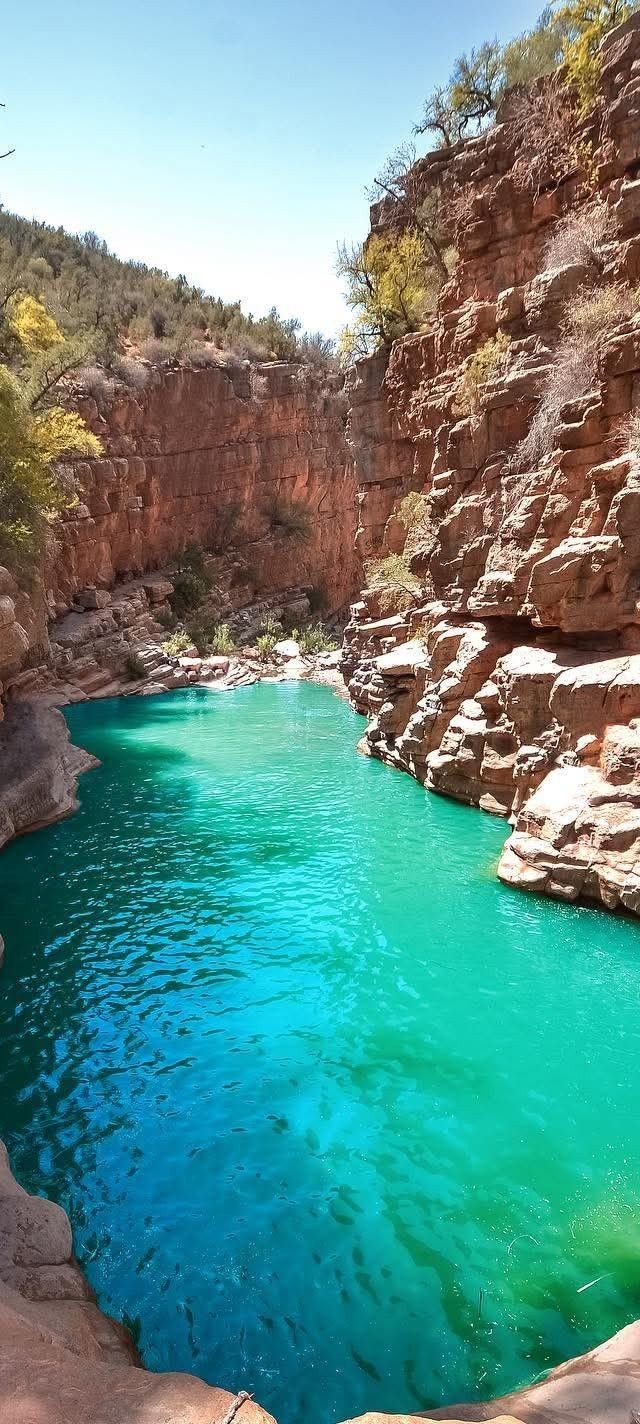
Image Credit: Pinterest
If you’re seeking a swift getaway from Agadir’s hustle, Paradise Valley offers sun-kissed natural pools nestled within a palm-fringed canyon. Here, you can swim, cliff-jump, or unwind on smooth stones.
Discover natural springs, picturesque hikes, local wildlife, ideal photography spots, hidden treasures, and eco-tourism options.
Savor traditional cuisine, wellness retreats, cultural experiences, and adventure sports for an unforgettable day.
Tetouan’s Andalusian-Style Medina
Image Credit: Pinterest
You’ll step into Tetouan’s Andalusian-style medina and feel like you’ve slipped into a living museum of whitewashed houses, narrow alleys, and ornately tiled courtyards.
Explore the vibrant markets, discover the rich cuisine, and appreciate the art and traditions deeply rooted in the city’s history.
Admire the stunning architecture set against coastal landscapes, join in the lively festivals, and immerse yourself in the warm culture and genuine hospitality that Tetouan has to offer.
The Salt Pans and Flamingos of Oualidia
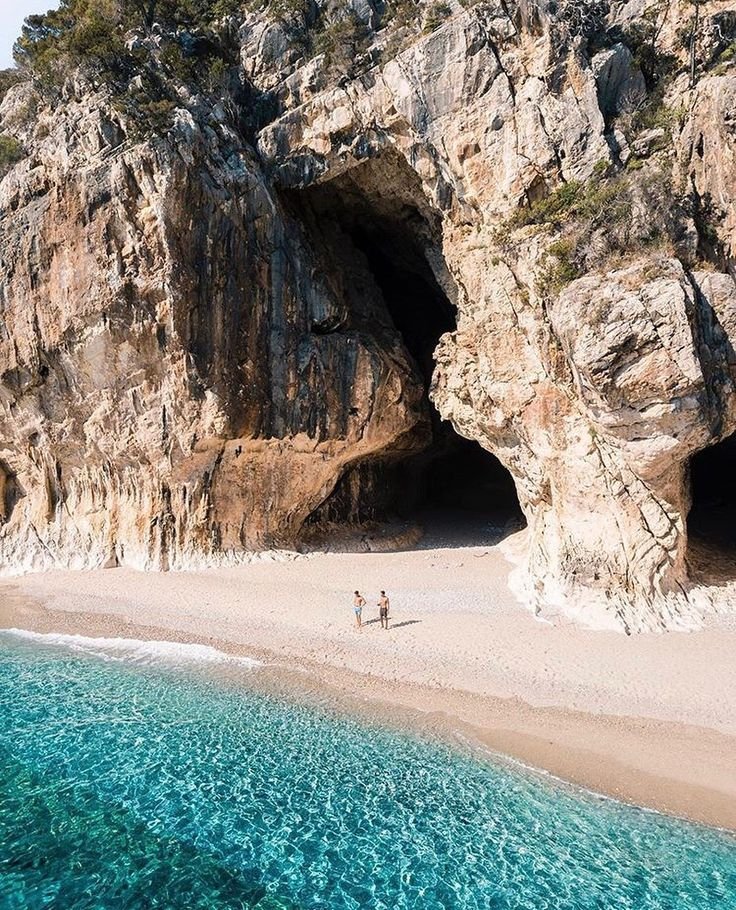
Image Credit: Pinterest
A salty breeze greets you as Oualidia’s shallow lagoon spreads out beneath low, white salt pans where flamingos gather to feed and preen.
You join salt harvesting scenes, enjoy flamingo watching and bird migration spectacles, and learn coastal biodiversity from guides.
Try local cuisine, use photography tips for salt flats and birds, support eco-tourism, and uncover these hidden gems’ cultural significance.
Agadir’s Promenade, Surfing, and Modern Beachfront
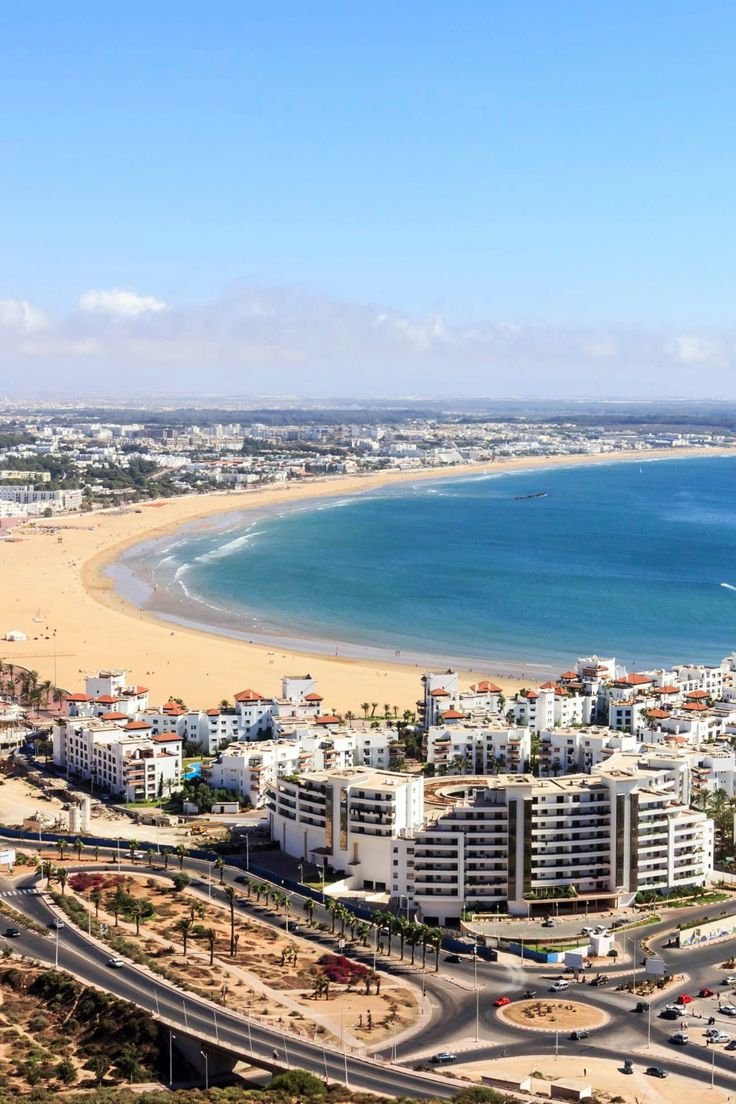
Image Credit: Pinterest
Stroll along Agadir’s expansive, palm-fringed promenade and let the refreshing Atlantic breeze invigorate your senses as surfers skillfully ride the shimmering waves just beyond the modern beachfront.
Indulge in local delicacies at vibrant beach markets, dive into thrilling water sports and coastal adventures, or unwind with breathtaking sunset views.
Experience the lively Agadir nightlife, partake in cultural festivals and family-friendly activities, or opt for wellness retreats and eco-tourism experiences that perfectly blend relaxation with active exploration.
The Olive Terraces of Chefchaouen’s Surroundings
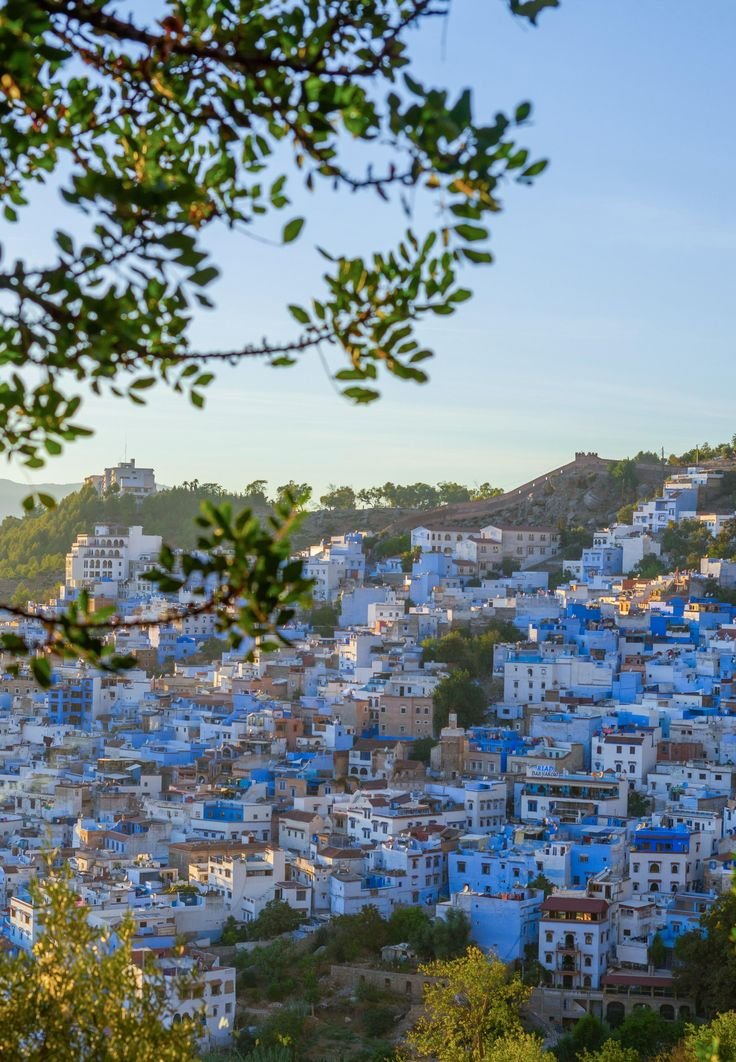
Image Credit: Pinterest
Though tucked high in the Rif Mountains, the olive terraces surrounding Chefchaouen invite you to wander among centuries-old groves where silver-green leaves shimmer against the blue-washed town below.
You’ll follow rural trails and hiking paths to scenic viewpoints, join olive harvesting, taste local cuisine, attend traditional festivals, visit artisan workshops, and support eco tourism through community engagement for authentic cultural experiences.
The Ancient City of Tangier (Caves of Hercules Nearby)
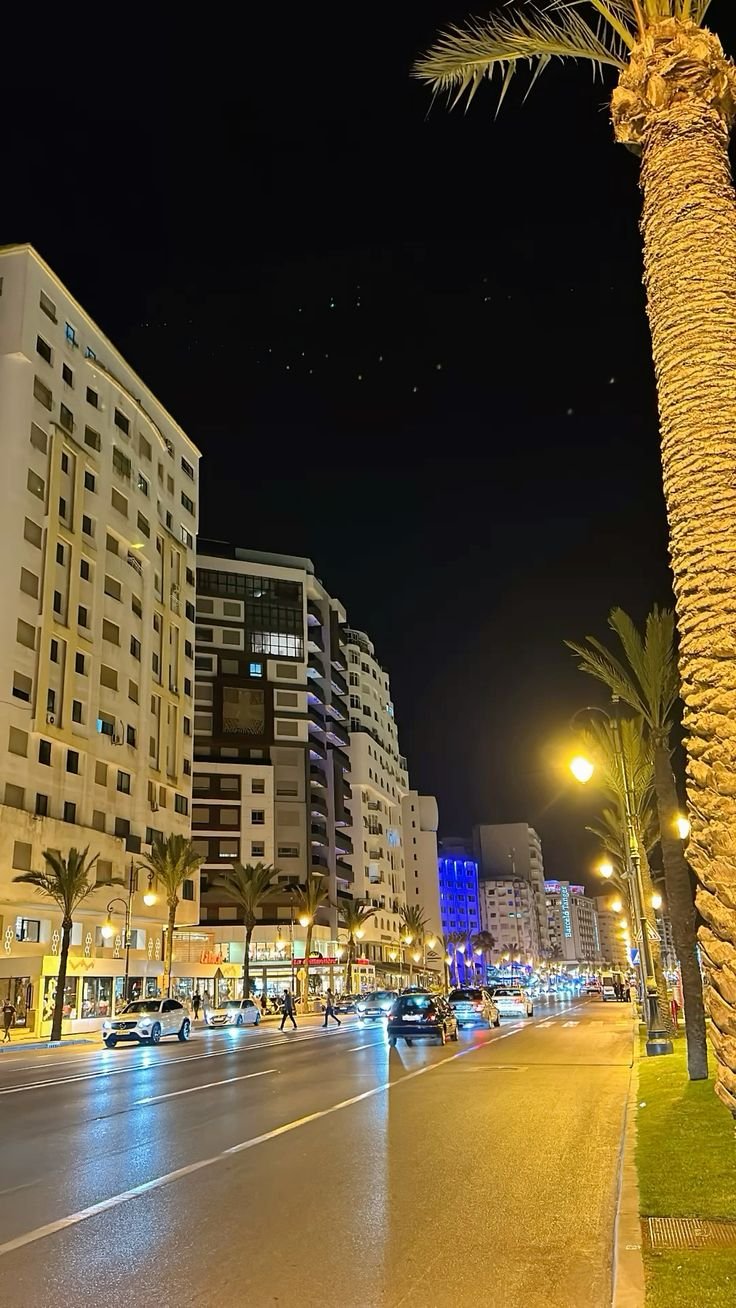
Image Credit: Pinterest
From the olive-scented trails around Chefchaouen, head northwest to Tangier, where the city’s layered history meets the sea and the legendary Caves of Hercules sit nearby.
You’ll explore Tangier’s history through ancient architecture, vibrant markets, and local cuisine. Experience the myths of Hercules at the dramatic caves, enjoy coastal culture and scenic viewpoints, and witness artistic influences and cultural festivals that highlight the city’s profound historical significance.
The Coastal Town of Moulay Bousselham and Merja Zerga
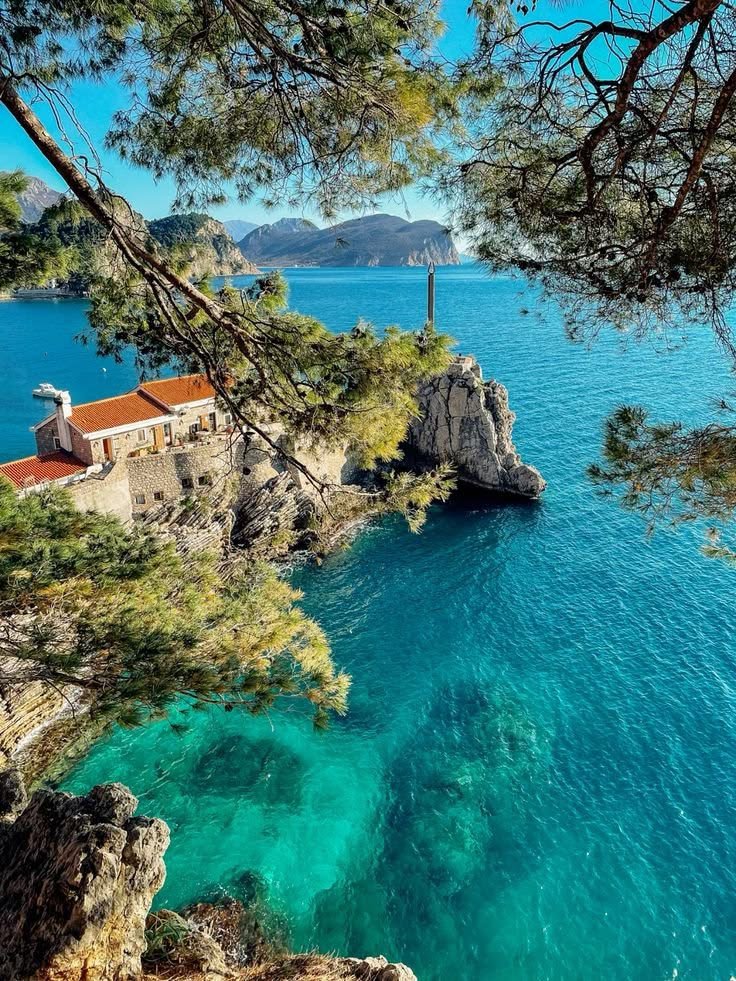
Image Credit: Pinterest
Just over an hour’s drive north of Rabat, the coastal town of Moulay Bousselham sits beside Merja Zerga, a sweeping blue lagoon that’s a magnet for birdwatchers and anyone who loves quiet seaside charm.
You’ll explore Moulay Bousselham’s picturesque beaches, spot diverse wildlife at Merja Zerga—a true birdwatching paradise—sample delicious local cuisine, participate in vibrant cultural festivals, enjoy coastal fishing, relax in tranquil retreats, and support sustainable tourism initiatives.
The Traditional Weaving Centers of Tazenakht
Tazenakht’s weaving centers pulse with color and craft, where you can watch artisans hand-loom vibrant Berber rugs using techniques passed down for generations.
You’ll explore Tazenakht textiles and weaving traditions in community workshops led by local artisans, learn craftsmanship skills, and feel the cultural significance.
Textile markets buzz as heritage preservation guides purchases, connecting you directly to living craft and community pride.
The Thermal Springs and Hammams of Moulay Yacoub
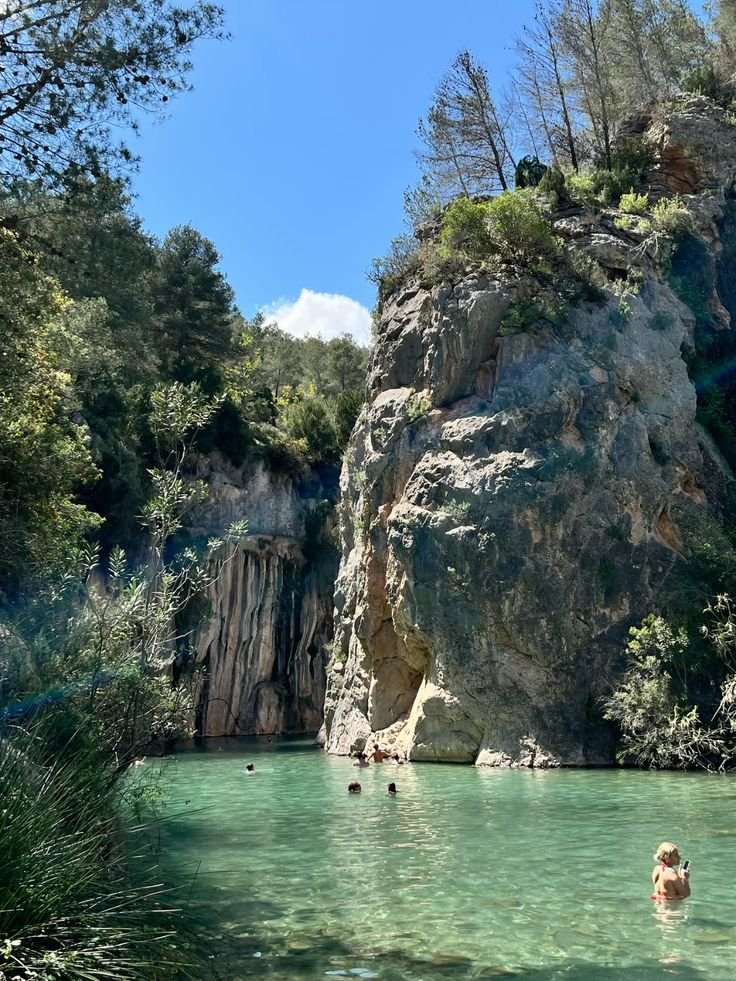
Image Credit: Pinterest
After exploring the looms and dye pots of southern Morocco, you can head north to the soothing waters of Moulay Yacoub, where steaming springs and centuries-old hammams offer a different kind of cultural immersion.
You’ll savor natural healing, spa treatments, and therapeutic benefits, join wellness retreats, learn local traditions, enjoy scenic views and relaxation spots, and engage in meaningful community interactions tied to historical significance.
The Cedar Forests and Barbary Apes of Azrou
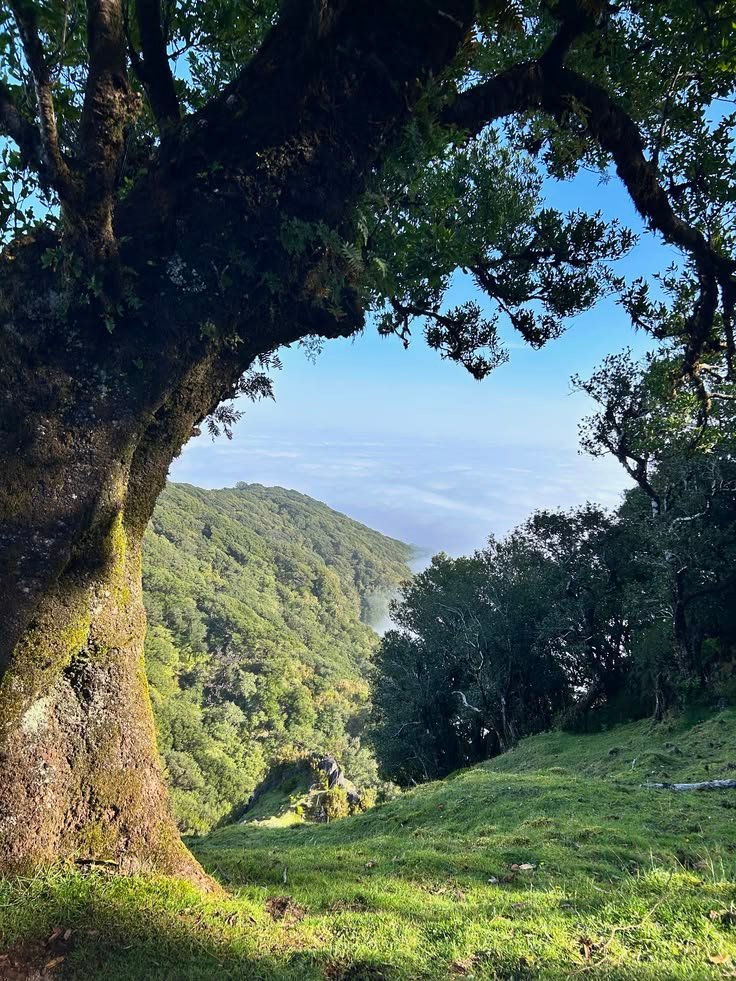
Image Credit: Pinterest
When you step into the cedar forests around Azrou, the air cools and the world narrows to towering trunks, resin-scented pine, and the unmistakable chatter of Barbary apes swinging through the branches.
You’ll explore nature trails, embark on Azrou hiking adventures, immerse yourself in local culture, spot forest biodiversity for wildlife photography, and support primate conservation, eco-tourism, cedar ecosystem care, sustainable practices, and community engagement.
The Fishing Port and Markets of El Jadida
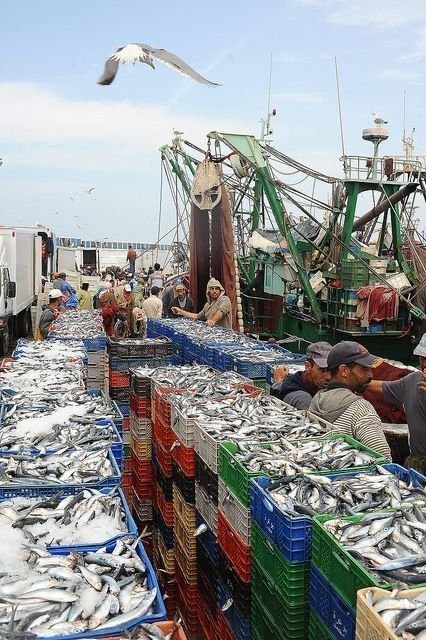
Image Credit: Pinterest
Step off the old Portuguese ramparts and you’ll find El Jadida’s fishing port alive with fishermen hauling nets, traders arranging glistening catches, and the tang of sea salt in the air.
You wander stalls where vendors explain fishing techniques, point out prized local seafood, and invite you to taste grilled sardines or octopus.
Bargain politely, absorb the rhythms, and take photos of daily maritime life.
The Remote Draa Valley and Date Palmeraies

Image Credit: Pinterest
Winding south from the High Atlas, the Draa Valley unfurls in a ribbon of palm groves and mud-brick ksars where you can still hear the call to prayer drifting over ancient irrigation channels.
Farmers tend date palms, children run between orchards, and the landscape shifts from green terraces to ochre desert as you travel.
You can explore Date Palmeraies, enjoy scenic hikes, meet locals, learn about traditional agriculture, celebrate local festivals, spot desert wildlife, and support cultural heritage through community engagement.
The Medieval Ramparts of Safi and Pottery Quarter
Image Credit: Pinterest
From the palm-lined tranquility of the Draa, journey northwest to the Atlantic coast where Safi’s medieval ramparts tower over a vibrant pottery quarter that has been shaping clay for centuries.
Experience the thrill of rampart exploration and admire the beauty of medieval architecture. Visit local pottery workshops to discover artisan techniques, and witness the creation of Safi pottery amidst a rich cultural heritage.
Each alley and kiln reveals the depth of local traditions and historical significance.
The Sunrise Over Erg Chigaga’s Wild Dunes
As dawn breaks over Erg Chigaga, you’ll watch waves of sand shift color from deep umber to molten gold, each ripple catching the first light like a living map of the desert’s moods.
You’ll follow sunrise photography tips—low angle, tripod, golden-hour exposure—and stay quiet to glimpse desert wildlife encounters: fox tracks, a distant fennec silhouette, the hush reinforcing how vast and ancient this place feels.
The Coastal Camino of Sidi Kaouki for Surf and Silence

Image Credit: Pinterest
Looking for a shoreline that combines pristine beaches, consistent surf, and a laid-back village atmosphere?
Discover surf spots perfect for both beginners and pros, serene locations ideal for beach yoga, and an abundance of coastal wildlife.
Delight in local cuisine, engage in cultural experiences and surf culture, support eco-tourism and community initiatives, and enjoy peaceful walks where the rhythm of silence and sea guide your journey.
The Night Skies and Stargazing Camps Near Merzouga
Curious how the desert looks when the sun goes down? You’ll step into vast silence as dunes cool, joining guided stargazing experiences under crystal skies.
Camps near Merzouga light small fires, serve mint tea, and point out constellations while you lie back on cushions.
These desert nightscapes feel infinite and humbling—perfect for quiet reflection, astrophotography, or sharing a memorable, otherworldly evening.
Conclusion
You’ve just scratched the surface of Morocco’s magic — from bustling souks and blue-rinsed alleyways to starlit Sahara nights and windswept Atlantic coasts. Let these places pull you into stories, tastes, and landscapes that linger long after you leave. Pack curiosity, an open schedule, and comfy shoes; you’ll return with sand in your bag, spice on your tongue, and a heart full of memories that won’t let you forget this extraordinary country.