40 Eco Friendly Travel Destinations for Sustainable Trips
You can pick from 40 eco-friendly destinations that help you travel sustainably while supporting conservation, local communities, and low-impact experiences. Visit Costa Rica or Corcovado for biodiversity, Kenya or Borneo for wildlife conservation, and the Galápagos for hands-on projects. Try community-led stays in Oaxaca or the Azores, low-impact trekking in the Swiss Alps, plastic-free markets in Vietnam, and mindful resorts in Maui. Keep exploring this list to find practical tips and destination details.
Community-Led Ecotourism in Oaxaca, Mexico

Image Credit: Pinterest
When you visit Oaxaca’s mountains and valleys, you’ll discover community-led ecotourism projects that prioritize local people, culture, and ecosystems.
Engage in authentic experiences such as guided cloud-forest walks, traditional mezcal tastings, and homestays that directly fund conservation efforts and support local livelihoods.
Low-Impact Trekking in the Swiss Alps

Image Credit: Pinterest
Although the high peaks and alpine meadows lure hikers from around the world, you can still explore the Swiss Alps in a way that minimizes your footprint: choose established trails, pack lightweight, leave no trace, and support mountain huts and guides who follow sustainable practices.
Take scenic routes to enjoy alpine flora, practice trail etiquette and responsible photography, use eco-friendly gear, join guided treks, savor local cuisine, respect cultural heritage, and favor mountain conservation for deep nature immersion.
Wildlife Conservation Stays in Kenya’s Reserves

Image Credit: Pinterest
From alpine meadows to savannah plains, sustainable travel can take you straight to Kenya’s wildlife reserves, where you can stay with purpose and help protect iconic species.
You’ll choose eco-friendly lodges that implement sustainable practices, participate in wildlife rehabilitation efforts, support habitat restoration and wildlife corridors, engage in conservation education and community involvement, enjoy nature immersion, and practice ethical photography as part of responsible tourism.
Sustainable Island Travel in the Azores, Portugal
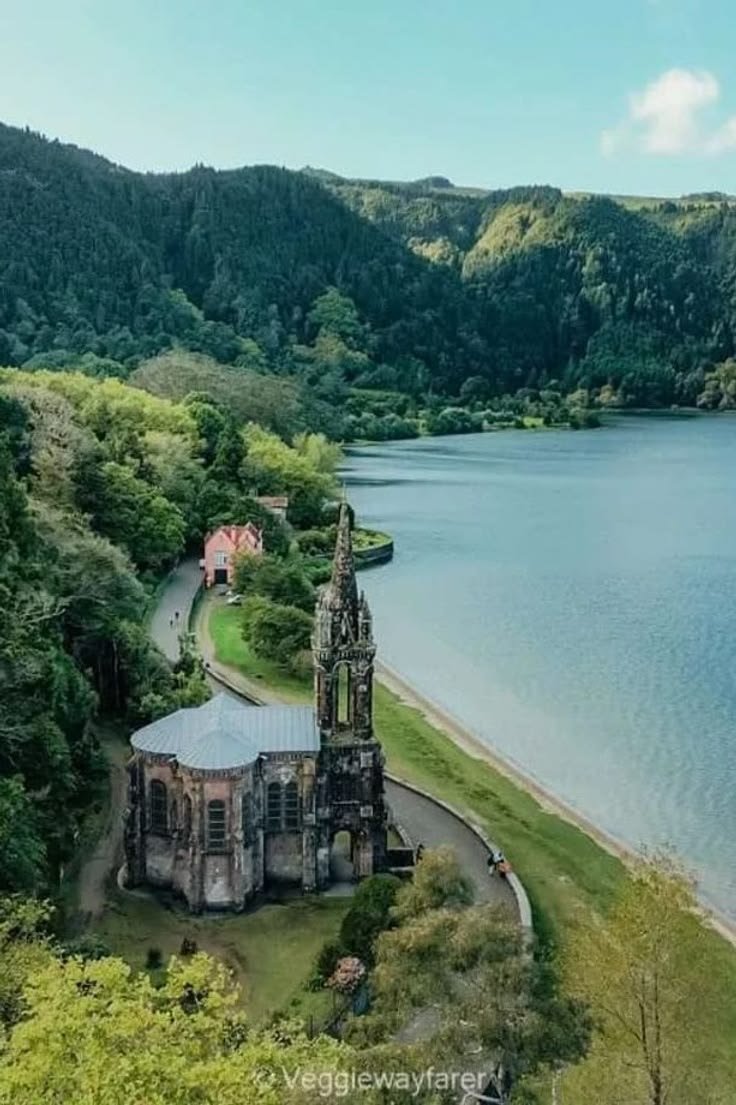
Image Credit: Pinterest
The Azores offer a unique blend of dramatic volcanic landscapes and robust conservation efforts, allowing you to explore the islands while minimizing your environmental impact and supporting local communities.
Opt for sustainable accommodations managed by locals, hike along protected trails, and participate in guided whale-watching tours that contribute to research funding.
Delight in local cuisine crafted from island-produced ingredients and fresh fish, visit vibrant markets, and prioritize low-impact transportation to ensure your trip is truly regenerative.
Carbon-Conscious City Breaks in Copenhagen

Image Credit: Pinterest
If you want a city break that shrinks your carbon footprint without sacrificing culture or comfort, Copenhagen is an ideal choice.
You can explore via Copenhagen’s extensive cycling networks, rent a bike, and join locals for efficient, low-emission transit.
Stay in green-certified hotels, support farmers’ markets, and savor eco-friendly cuisine at restaurants focusing on local, seasonal produce for a mindful urban escape.
Responsible Reef Visits in Raja Ampat, Indonesia
When you visit Raja Ampat’s reefs, act with care so the vibrant coral and rare species stay healthy for generations.
Choose guided dives with operators who adhere to strict no-touch, no-feed policies, utilize reef-safe sunscreen, and provide briefings on buoyancy to prevent accidental contact.
Regenerative Farm Stays on New Zealand’s South Island
Image Credit: Pinterest
Though you’ll come for the sweeping mountains and lush pastures, regenerative farm stays on New Zealand’s South Island invite you to roll up your sleeves and help heal the land—learning rotational grazing, native planting, and soil-building practices from hosts who blend tradition with science.
You’ll engage in regenerative agriculture practices, participate in sustainable tourism initiatives, savor farm-to-table meals, and depart with practical skills and revitalized landscapes.
Forest Restoration Trips in Borneo, Malaysia
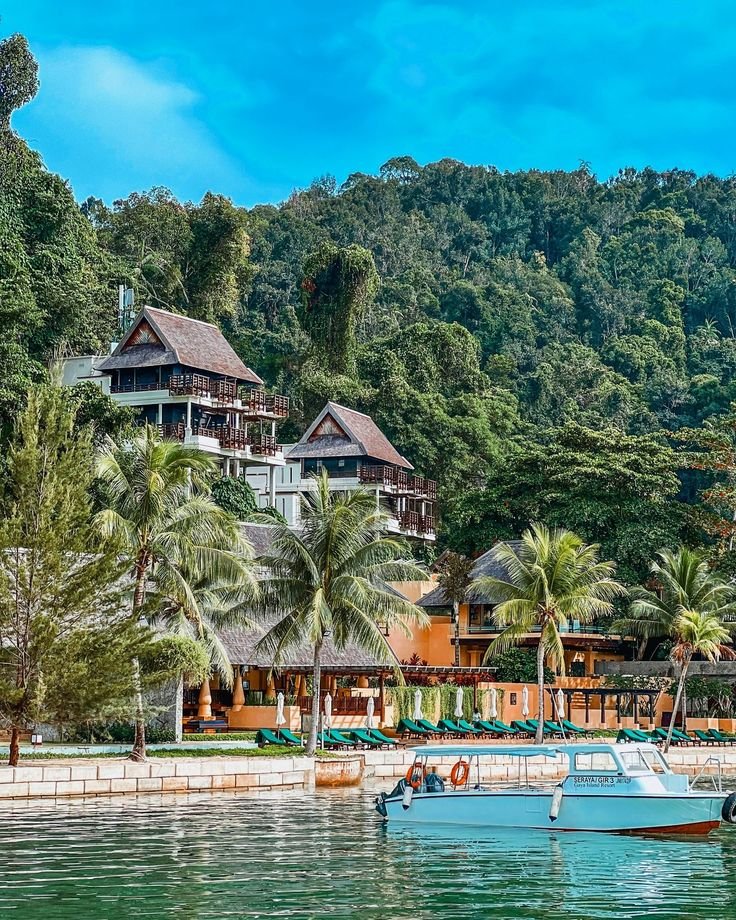
Image Credit: Pinterest
By joining a forest restoration trip in Borneo, you’ll help replant native species, remove invasive plants, and build seedling nurseries alongside local conservationists and indigenous communities.
You’ll participate in forest conservation initiatives that restore wildlife corridors, monitor biodiversity, and learn sustainable land management.
These eco-volunteering opportunities offer hands-on impact, cultural exchange, and skills you can apply to conservation projects back home.
Green Hotels and Eco-Lodges in Iceland
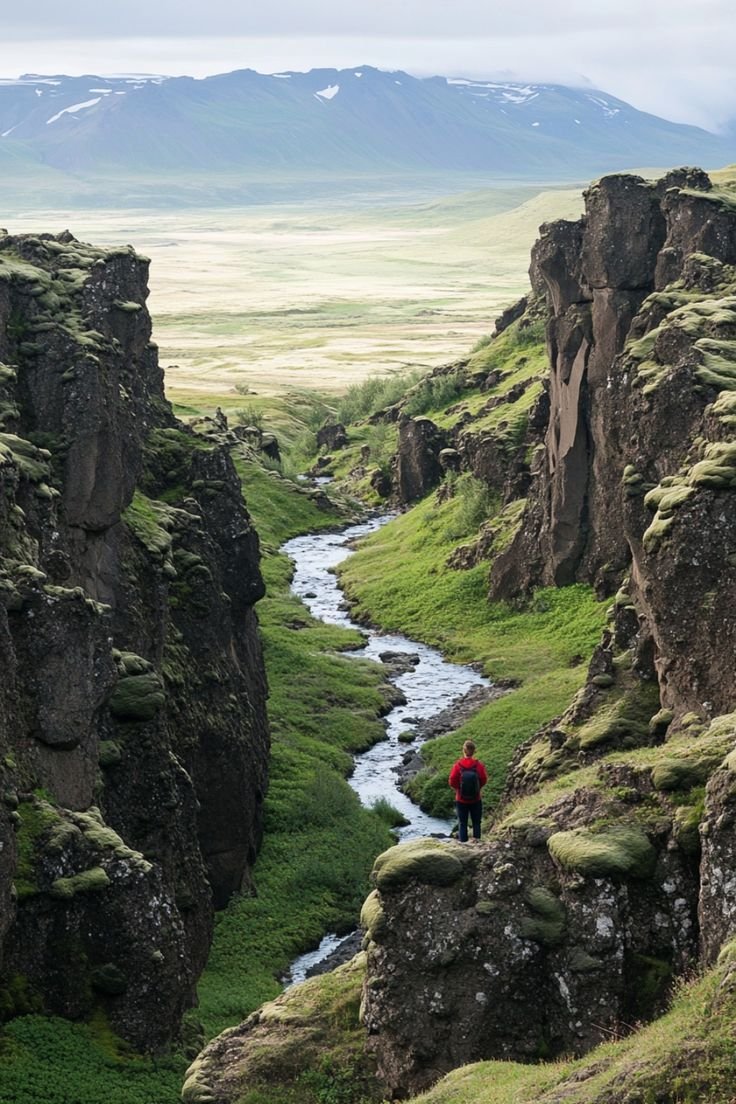
Image Credit: Pinterest
When you choose a green hotel or eco-lodge in Iceland, you’ll discover properties that seamlessly integrate low-impact design, renewable energy, and locally sourced food, ensuring a comfortable stay with a minimal environmental footprint.
Enjoy Icelandic geothermal spas, support sustainable fishing practices at nearby eateries, and partake in guided nature walks.
These accommodations focus on minimizing waste, conserving water, and celebrating the rich local culture.
Plastic-Free Beach Holidays in the Seychelles

Image Credit: Pinterest
Although island life feels like a permanent summer, the Seychelles offers beach holidays that let you enjoy powdery sand and turquoise water without adding plastic to the shore.
You’ll join beach cleanup initiatives, learn about plastic pollution awareness, and support Seychelles’ conservation efforts and biodiversity protection programs.
Stay in eco-friendly accommodations, choose sustainable marine activities, and engage in local community involvement through responsible tourism practices.
Solar-Powered Resorts in Maui, Hawaii

Image Credit: Pinterest
Moving from plastic-free shores to renewable energy, Maui offers resorts that run largely on solar power, allowing you to indulge in luxury stays with a significantly smaller carbon footprint.
You’ll discover solar energy innovations woven into eco-friendly architecture, from rooftop arrays to passive cooling, enabling you to relax guilt-free.
Book mindful resorts that emphasize local sourcing, water conservation, and community partnerships for truly sustainable experiences.
Slow Travel by Train Across Japan

Image Credit: Pinterest
Choose a train route and slow down: traveling across Japan by rail lets you savor landscapes, local cuisines, and small-town rhythms at a human pace.
You’ll pick scenic routes linking historic cities and nature parks, enjoy local cuisine, visit traditional crafts workshops, and practice cultural immersion.
Use rail passes, follow travel tips, and embrace mindfulness practices on relaxed train journeys.
Volunteer Conservation Projects in the Galápagos
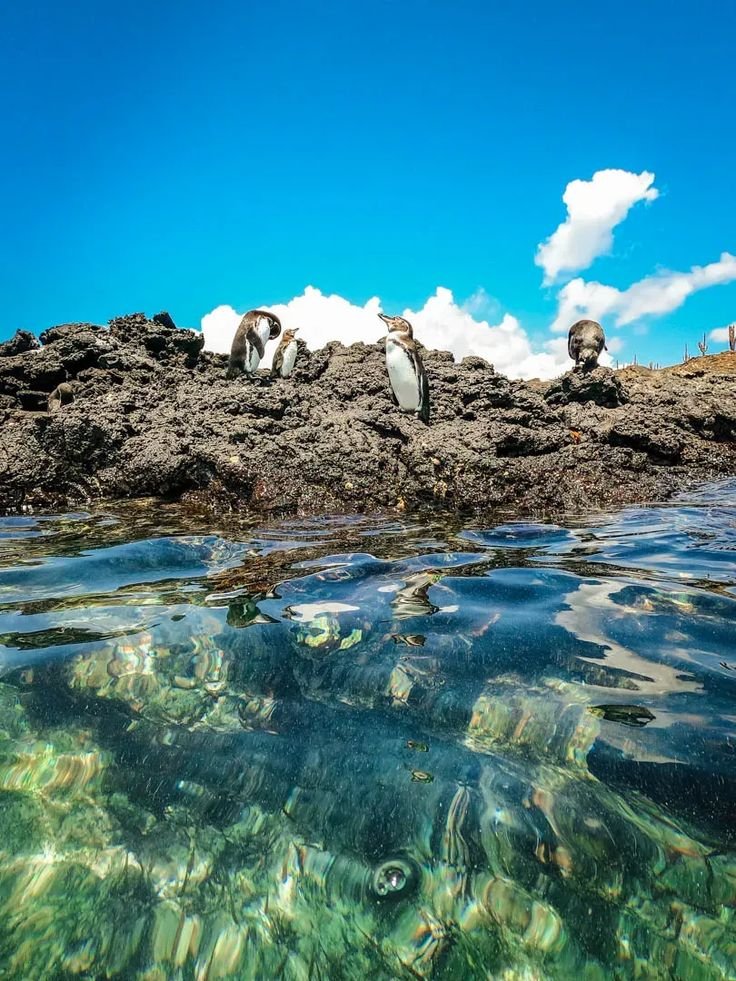
Image Credit: Pinterest
When you join a volunteer conservation project in the Galápagos, you’ll work side-by-side with scientists and local rangers to restore habitats, monitor wildlife, and assist with invasive-species control—hands-on efforts that directly support the islands’ fragile ecosystems.
You’ll gain practical skills, contribute to Galápagos conservation efforts, and connect with dedicated individuals.
Be sure to check accredited programs for ethical volunteer opportunities in the Galápagos that prioritize research, training, and community benefit.
Indigenous-Led Tourism in Yukon, Canada

Image Credit: Pinterest
If you seek a deeper connection to land and culture, Indigenous-led tourism in Yukon provides guided experiences grounded in centuries of knowledge and stewardship.
Engage with Indigenous culture and traditional wisdom, practice sustainable methods and environmental stewardship, and support wildlife conservation.
Anticipate authentic cultural exchanges that strengthen local economies, promote community empowerment, aid in heritage preservation, and deepen your connection to nature.
Sustainable Wine Tourism in Stellenbosch, South Africa

Image Credit: Pinterest
After connecting with Indigenous-led stewardship in Yukon, you can explore another model of responsible travel in Stellenbosch, South Africa, where vineyards pair conservation with world-class hospitality.
You’ll enjoy wine tasting at local vineyards practicing sustainable practices and organic farming, supported by eco certifications.
Responsible tourism here emphasizes community engagement, preserving cultural heritage, reducing climate impact, and using green transportation to minimize footprints.
Eco-Friendly Safari Alternatives in Tanzania

Image Credit: Pinterest
While classic safaris still draw crowds, you can choose low-impact alternatives in Tanzania that prioritize wildlife, local communities, and carbon-conscious travel.
By joining guided walking tours, community-run conservancies, and research-focused experiences, you’ll support safari conservation initiatives.
Stay at eco-friendly lodging options—solar-powered camps, low-impact tented sites, and locally staffed lodges—ensuring your trip benefits biodiversity, reduces emissions, and empowers residents.
Zero-Waste Urban Stays in Portland, Oregon

Image Credit: Pinterest
Shifting from Tanzania’s low-impact safaris to an urban setting, Portland offers practical ways to keep your city break zero-waste without sacrificing comfort.
You’ll choose sustainable accommodations that minimize single-use items, join refill-friendly cafes, bike between markets, and use public transit.
Explore urban green spaces for picnic supplies and composting bins, support local zero-waste shops, and leave the city cleaner than you found it.
Birdwatching With Low Disturbance in Costa Rica

Image Credit: Pinterest
To observe Costa Rica’s remarkable birds while minimizing disturbance, opt for quiet, low-impact excursions that emphasize their habitat and behavior rather than close interactions.
Adhere to birdwatching ethics: maintain a safe distance, utilize binoculars, refrain from using playback, and stick to designated trails.
For wildlife photography, select long lenses, limit flash usage, and respect nesting areas to ensure that birds remain undisturbed and their habitats are preserved.
Community Homestays in Rural Nepal

Image Credit: Pinterest
After enjoying quiet birdwatching in Costa Rica, you can experience rural life in Nepal through community homestays that immerse you in local culture.
Engage in community interactions, savor authentic local cuisine, learn traditional crafts, and honor rural traditions.
These stays foster cultural immersion, sustainable practices, and eco-conscious initiatives, empowering communities while enabling you to travel responsibly.
Marine Protected Area Tours in Palau

Image Credit: Pinterest
When you visit Palau’s marine protected areas, you’ll immerse yourself in some of the healthiest coral ecosystems on Earth while supporting strict conservation practices.
You’ll explore marine biodiversity through guided dives, adhere to tour regulations, and participate in habitat restoration or sustainable fishing education.
Local communities lead cultural experiences that promote wildlife protection, conservation efforts, eco-friendly activities, and responsible tourism, which directly benefits residents and helps preserve the reefs.
Renewable-Energy Villages in Sweden

Image Credit: Pinterest
Though tucked into Sweden’s forests and coastlines, renewable-energy villages are anything but off-grid experiments; they’re working models of community-led clean power.
You’ll explore renewable energy and green technology, meet the local community, and learn sustainable practices and energy efficiency.
This eco village offers cultural experiences, eco initiatives, and clear environmental benefits, making Sweden travel both inspiring and responsible.
Responsible Glacier Visits in Patagonia

Image Credit: Pinterest
To experience Patagonia’s glaciers responsibly, opt for guided tours that adhere to strict park regulations and promote local conservation initiatives.
You’ll gain insights into glacier conservation practices, stay on designated paths, avoid disturbing wildlife, and reduce waste.
Choose operators who assess their sustainable tourism impact, employ local guides, support research efforts, and maintain small group sizes to ensure your visit aids in protecting these delicate landscapes rather than harming them.
Low-Impact Cycling Routes in the Netherlands

Image Credit: Pinterest
After witnessing the care required to visit Patagonia’s glaciers, you’ll appreciate how everyday travel choices can also protect fragile environments closer to home—like the Netherlands’ cycling network.
You can follow scenic route maps, choose low-traffic lanes, and stay in cyclist-friendly accommodations that prioritize repair kits and local guides.
Ride respectfully, support local conservation projects, and leave minimal trace while exploring canals, dunes, and quiet villages.
Sustainable Culinary Trips in Oaxaca City

Image Credit: Pinterest
When you wander Oaxaca City’s mercados and family-run kitchens, you’ll taste traditions that have been stewarded for generations while supporting small producers and sustainable practices.
Explore Oaxacan markets, savor local ingredients and artisan foods, join culinary workshops and cooking classes to learn traditional recipes, and choose farm-to-table sustainable dining at eco-friendly eateries that celebrate cultural gastronomy and empower communities.
Eco-Conscious Island Hopping in Greece

Image Credit: Pinterest
While Greece’s islands are renowned for their sun and sea, you can explore them sustainably by opting for clean transportation, supporting eco-conscious accommodations, and engaging in community-led experiences.
Embrace sustainable sailing between islands, choose eco-friendly lodgings that conserve water and energy, dine on local cuisine, and participate in guided nature walks.
This approach allows you to immerse yourself in authentic culture while minimizing your environmental impact and supporting local island communities.
Conservation-Focused Diving in Belize
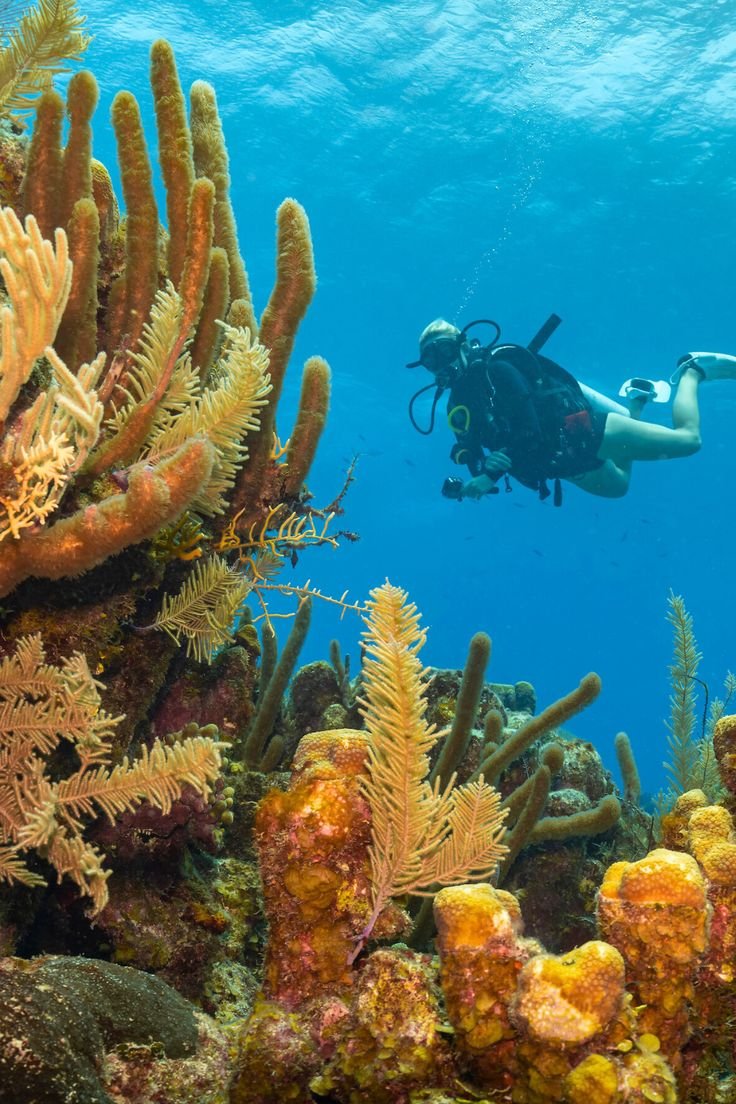
Image Credit: Pinterest
If you want to explore Belize’s reefs responsibly, diving here combines breathtaking marine life with hands-on conservation efforts you can join.
You’ll learn sustainable diving practices, help monitor coral health, and assist in reef restoration projects that protect marine biodiversity.
Local operators train you in low-impact techniques, citizen-science surveys, and turtle conservation, ensuring your trips leave reefs healthier for future visitors.
Rewilding Experiences in Scotland
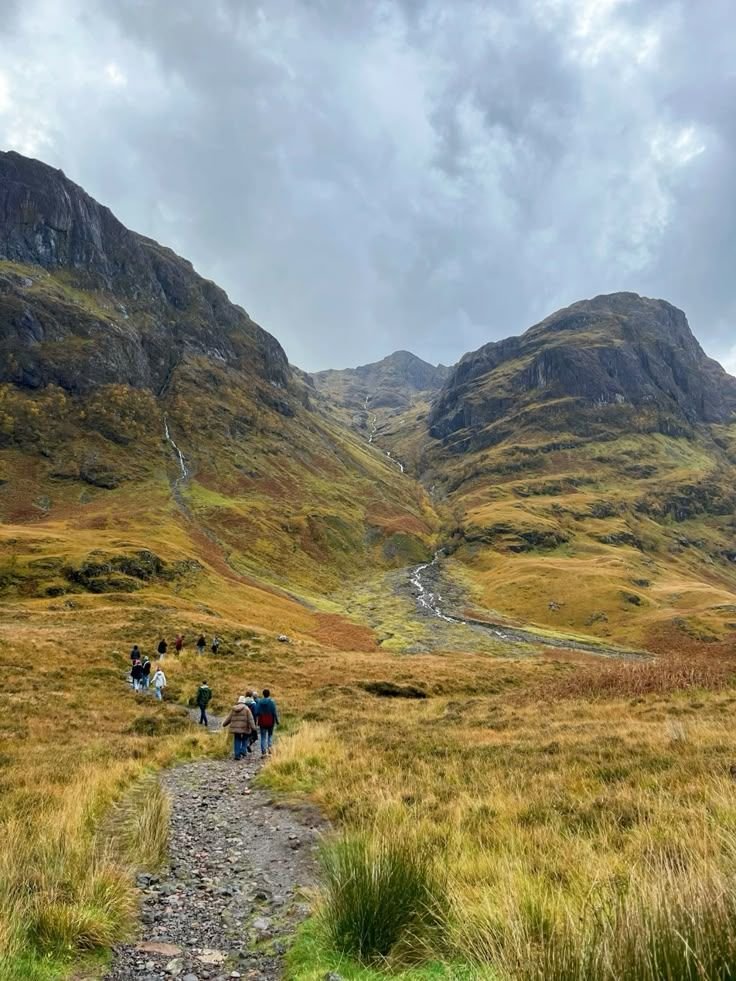
Image Credit: Pinterest
Step into Scotland’s wild places and you’ll discover rewilding projects that invite you to observe, learn, and actively help restore native habitats.
You can participate in rewilding workshops, track recovering native species, plant trees, and remove invasive plants. Local guides teach low-impact techniques and explain ecological goals.
Your involvement supports habitat corridors, boosts biodiversity, and connects you directly with landscape recovery.
Ethical Elephant Sanctuaries in Sri Lanka
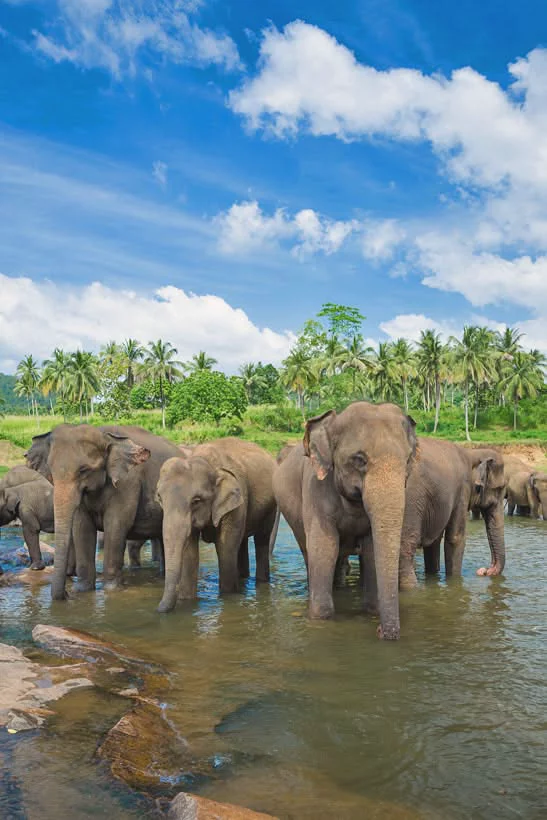
Image Credit: Pinterest
When you visit ethical elephant sanctuaries in Sri Lanka, you’ll see rescued animals thriving in natural enclosures where caretakers prioritize their well-being over entertainment.
You’ll learn about elephant welfare, enjoy guided, non-invasive interactions, and support community-led conservation efforts.
Choose sanctuaries dedicated to ethical tourism, decline rides or performances, and contribute to habitat restoration and education programs that ensure long-term protection for both elephants and local livelihoods.
Solar- and Wind-Powered Retreats in Sardinia

Image Credit: Pinterest
Because Sardinia basks in abundant sun and steady coastal winds, you can stay at retreats that run almost entirely on solar panels and turbines, offering comfortable, low-impact lodging without sacrificing modern amenities.
You’ll explore coastal trails, dine on local organic fare, and relax in accommodations showcasing sustainable architecture.
These places prioritize renewable energy, water conservation, and minimal waste, so your visit supports lasting environmental benefits.
Community-Based Tourism in Madagascar

Image Credit: Pinterest
If you seek an authentic, low-impact experience, community-based tourism in Madagascar offers a direct connection to local villages that care for the island’s unique ecosystems and cultures.
By engaging in this form of tourism, you’ll support the communities of Madagascar and contribute to sustainable livelihoods through eco-tourism benefits, cultural exchange, and the preservation of local traditions.
Participate in conservation education, biodiversity preservation, and responsible tourism practices that promote community empowerment and foster ethical travel experiences.
Green Architecture Tours in Singapore

Image Credit: Pinterest
While exploring Singapore’s skyline, you’ll notice that sustainable design isn’t just cosmetic; it’s woven into daily life. From towering vertical gardens to energy-efficient façades, green architecture is everywhere.
Join guided green architecture tours to see innovative building practices firsthand, learn about adaptive cooling, rainwater harvesting, and mixed-use planning, and observe how policy and design come together to create sustainable urban landscapes.
You’ll leave inspired to implement similar principles in your own home.
Sustainable Coffee Farm Visits in Colombia
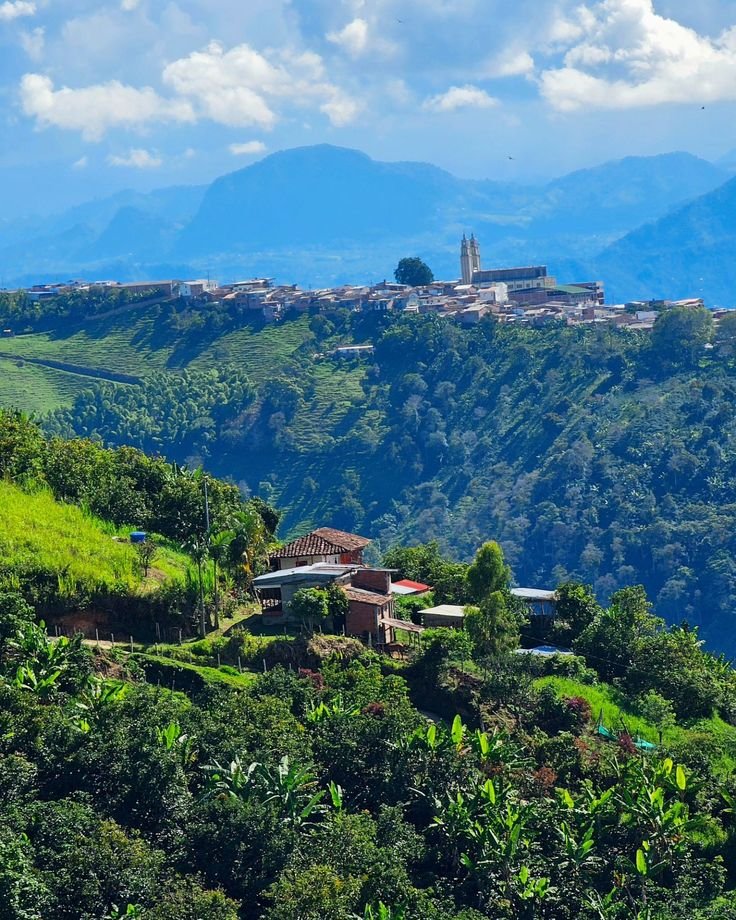
Image Credit: Pinterest
From Singapore’s green towers to Colombia’s highland coffee estates, sustainable design takes very different forms — and you can see them up close on a coffee farm visit.
You’ll learn about Colombian coffee farming, enjoy coffee tastings, and witness sustainable practices that demonstrate environmental stewardship.
Eco-tourism benefits local communities, supports fair trade, preserves biodiversity, and offers rich cultural experiences.
Low-Carbon Polar Expeditions in Svalbard

Image Credit: Pinterest
Visit Svalbard on a low-carbon polar expedition and experience the High Arctic’s stark beauty while minimizing your footprint.
Ships use cleaner fuels, electric zodiacs reduce noise and emissions, and guides adhere to strict wildlife and waste protocols to protect fragile ecosystems.
You’ll responsibly spot polar wildlife, stay in sustainable lodges, learn from local researchers, and leave with practical tips to reduce your impact on melting glaciers and sensitive habitats.
Wildlife-Friendly Vineyards in France’s Loire

Image Credit: Pinterest
If you care about both great wine and the land it comes from, the Loire Valley offers vineyards that prioritize wildlife without sacrificing quality.
You can tour estates employing sustainable viticulture practices, spot birds and pollinators among hedgerows, and savor terroir-driven wines from organic production.
Stay at cozy gîtes, learn about cellar methods, and support growers who harmonize biodiversity with exceptional vintages.
Eco-Conscious Cultural Trips in Bhutan
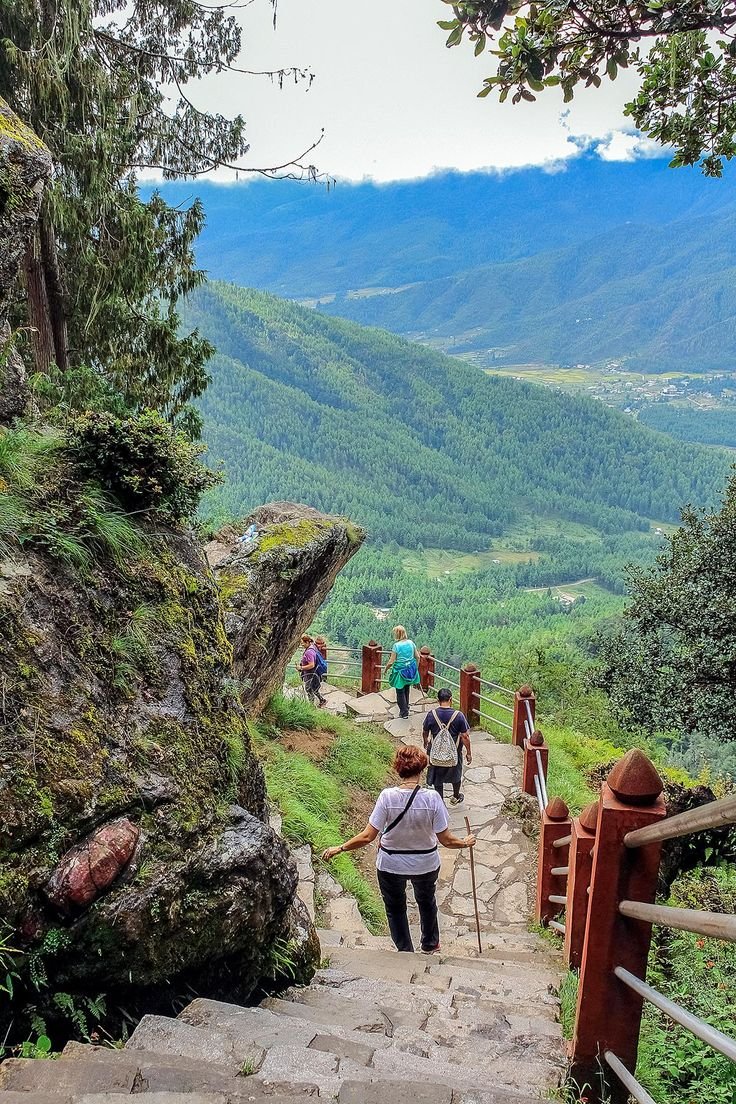
Image Credit: Pinterest
After enjoying nature-minded vineyards in France, you can head east to Bhutan, where cultural travel and environmental stewardship are inseparable.
You’ll experience Bhutanese traditions through cultural immersion, spiritual retreats, and eco-friendly festivals that support conservation efforts.
Embrace mindful tourism: buy local handicrafts made with sustainable practices, learn community-led conservation, and travel lightly to protect landscapes while deepening your cultural connection.
Plastic-Free Market Tours in Vietnam

Image Credit: Pinterest
While wandering Vietnam’s bustling markets, you’ll discover vibrant stalls offering fresh produce, handmade goods, and meals wrapped in banana leaves instead of plastic.
By choosing biodegradable products, you’ll support local artisans, organic farming, and the ethical sourcing of sustainable seafood.
Utilize eco-friendly transportation to access zero waste markets, engage in community programs, seek green certifications, and participate in environmental education tours that promote practical plastic-free habits.
Responsible Whale-Watching in the Azores
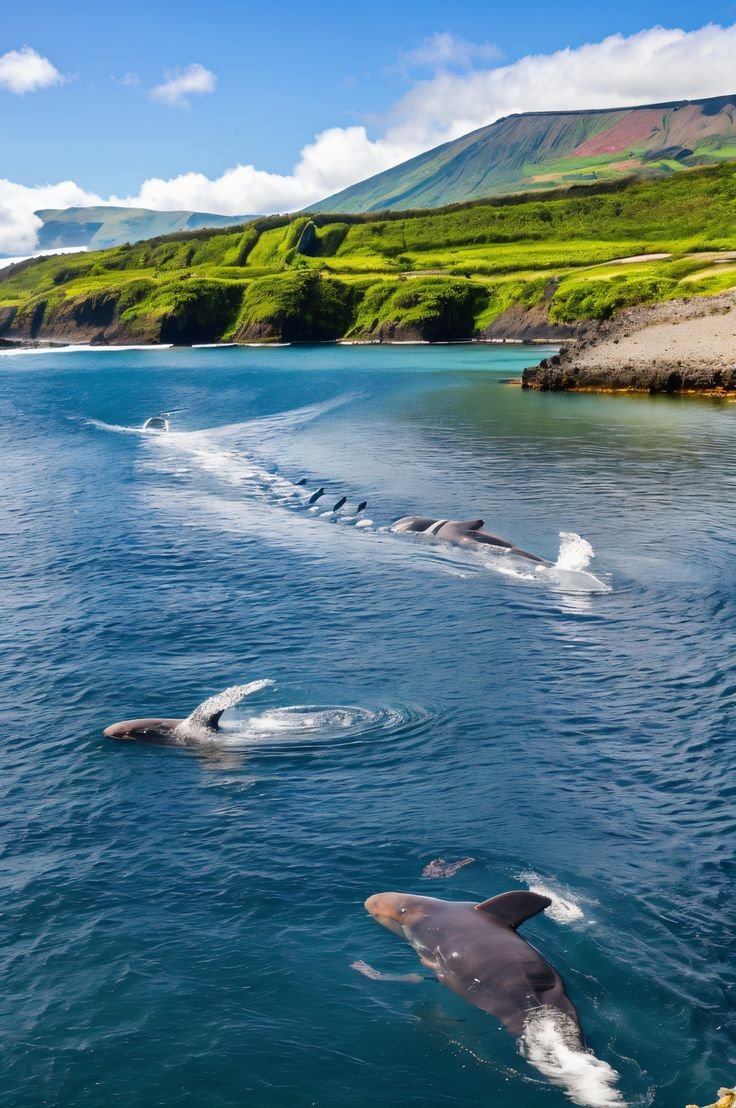
Image Credit: Pinterest
The Azores, located at a rich marine crossroads, offer the opportunity to observe whales and dolphins in their natural habitat while ensuring minimal impact on their environment.
Opt for licensed operators who adhere to approach-distance guidelines, maintain small group sizes, and provide briefings on respectful, non-intrusive behavior to help keep the animals stress-free.
You’ll gain insights into whale behavior, support responsible tourism, and avoid chasing the animals, all while choosing operators who monitor sightings to minimize disturbance.
How to Choose the Right Eco Destination for Your Trip

Image Credit: Pinterest
Looking for a trip that aligns with your values? Choose destinations with clear eco certification standards, check local conservation efforts, and favor businesses that report impact.
Use sustainable travel tips: travel off-season, support community-run tours, and prioritize low-impact transport.
Ask questions about waste, wildlife interaction, and benefit-sharing before booking. That way, you’ll guarantee your trip truly supports people and the planet.
Conclusion
You’ve got a fantastic list of eco-friendly options that make it easy to travel thoughtfully. Whether you’re trekking the Swiss Alps, supporting conservation in Kenya, or exploring community-led projects in Oaxaca, choose trips that prioritize local people, protect wildlife, and minimize waste. Look for certified operators, low-impact activities, and accommodations with clear sustainability practices. Pack light, respect cultures and habitats, and remember that every responsible choice you make helps preserve these beautiful places for future travelers.