Is Honduras Safe to Travel What to Know Before Going
You can visit Honduras, but you’ll need to plan carefully and take precautions. Stick to well-known tourist areas like the Bay Islands, Copán, and guided eco-lodges, avoid high-crime neighborhoods and poorly lit spots, and use reputable transport. Keep valuables hidden, register with your embassy, carry ID and copies, and have travel insurance. Be mindful of local laws and health risks like mosquitoes. Keep these basics in mind and continue for practical tips and region-specific advice.
Is Honduras Safe to Visit Right Now?
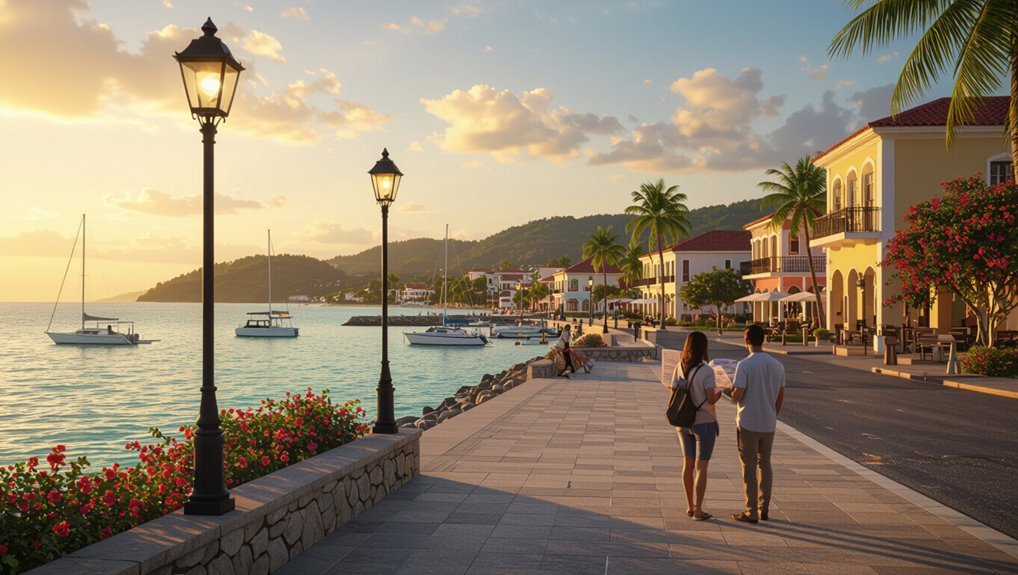
While Honduras offers vibrant culture and beautiful landscapes, you should be cautious about current safety conditions before traveling.
Crime rates and localized unrest mean safety can vary greatly by region, and recent incidents have prompted advisories from several governments.
Check up-to-date government travel warnings, research specific destinations, avoid high-risk areas after dark, use trusted transport, and stay aware of local news and advice.
Quick Verdict and 3 Immediate Safety Tips
Want a quick answer? Honduras can be visited but you must stay cautious.
Tip 1: Use trusted transport and avoid night travel.
Tip 2: Keep valuables discreet, carry copies of documents, and use hotel safes.
Tip 3: Register your trip with your embassy, share plans with someone, and monitor local news and official advisories while you’re there.
Safest Regions for Tourists in Honduras
Which parts of Honduras will feel safest to you depends on what you plan to do:
If you want beaches and diving, stick to Bay Islands (Roatán, Utila).
For colonial towns and calmer pace, visit Copán and Gracias.
Mountainous La Ceiba outskirts and regulated eco-lodges offer guided nature trips.
Use organized tours, daytime travel, and verified accommodations to minimize risk and enhance your experience.
Neighborhoods and Areas to Avoid (Crime Signals)
When you plan where to go, be aware of known high-crime neighborhoods and steer clear of them.
Tourist areas can also attract pickpockets and scams, so stay alert and keep valuables out of sight.
At night, avoid poorly lit or isolated spots—use trusted transport and follow local advice.
High-Crime Neighborhoods
Because crime is concentrated in specific zones, you should avoid certain neighborhoods in Honduras—especially after dark—where gang activity, robberies, and armed confrontations are common.
Stick to well-known, patrolled areas; ask locals or hotel staff which streets to skip.
Avoid isolated transit hubs, poorly lit blocks, and informal settlements.
Keep a low profile, travel in groups, and use reputable transport.
Tourist Target Zones
Ever wondered how to spot areas that make tourists easy targets?
Watch for poor lighting, frequent loitering, visible gang signs, and corners where vendors suddenly disappear.
Avoid isolated beaches, empty parks, and shortcut alleys.
If locals warn you or businesses board up, take it seriously.
Stay on main streets, use reputable transport, and keep valuables concealed to reduce attention and risk.
Nighttime Safety Hotspots
Where should you avoid after dark?
You should steer clear of Managua-style risky zones—poorly lit barrios, known gang territories, and isolated coastal stretches in cities like San Pedro Sula and Tegucigalpa.
Avoid bus terminals and market back alleys at night.
Stay in well-traveled, tourist-friendly areas, use trusted transport, and ask hotel staff about current hotspots to minimize danger.
Common Tourist Crimes & How They Happen
How do common crimes against tourists usually unfold in Honduras?
You’ll often face opportunistic thefts: snatch-and-grabs on streets, bag cuts on buses, and pickpocketing in markets.
Scams target unwary visitors with fake taxis or overcharging.
Scammers frequently target tourists with counterfeit taxis or inflated fares—verify rides and agree prices before boarding.
You can reduce risk by staying alert, keeping valuables concealed, using trusted transport, and refusing distractions that accomplices use to create openings.
Safety in Tegucigalpa & San Pedro Sula
Curious what it’s like on the ground in Tegucigalpa and San Pedro Sula? You’ll find bustling cities with higher crime rates, so stay vigilant: avoid walking alone at night, keep valuables hidden, use trusted taxis or rideshares, and stick to well-known neighborhoods and hotels.
Register with your embassy, follow local advice, and plan routes ahead to reduce risk and stress.
Bay Islands & Beach Town Safety Tips
If city life feels tense, the Bay Islands and coastal towns offer a more relaxed pace—but you still need to stay aware.
Keep valuables out of sight, avoid isolated beaches at night, and use hotel safes.
Stick to well-lit areas, ask locals about current risks, respect marine rules, and book excursions with licensed operators.
Trust your instincts and travel with companions when possible.
Transportation Safety: Buses, Taxis, and Car Rentals
Whether you’re hopping on a local bus, grabbing a taxi, or renting a car, stay alert and plan ahead—transport options in Honduras vary widely in reliability and security.
When using buses, taxis, or rentals in Honduras, stay vigilant, plan routes, and choose trusted operators.
You should choose vetted operators, keep valuables concealed, and share routes with someone.
Picture risks and precautions:
- Packed chicken buses at dusk.
- Unmarked taxis on quiet streets.
- Remote road breakdowns.
- Locked rental trunk.
Crossing Borders: What to Expect & Precautions
When crossing into or out of Honduras, know the basic border procedures so you can move through checkpoints quickly and without surprise.
Carry your passport, visa (if required), and copies of key documents, and keep them secure and accessible.
Be alert to unofficial fees or touts and use official checkpoints and licensed transport whenever possible.
Border Crossing Procedures
Curious about what you’ll need at the border? You’ll follow checkpoints, show entry stamps, and answer brief questions.
Expect queues and vehicle inspections; remain calm and polite.
- Passport open on photo page
- Entry/exit form in hand
- Small cash for fees or tips
- Bag ready for quick check
Safety & Document Precautions
How should you protect yourself and your documents while crossing into or out of Honduras?
Carry copies of passport, visa, and itinerary separately from originals. Use a neck pouch or hotel safe for originals.
Register with your embassy, note emergency contacts, and keep local currency accessible.
Avoid displaying valuables, use official checkpoints, and get stamped receipts for departures to prevent disputes.
Health Risks, Vaccines, and Finding Care
Although Honduras offers vibrant landscapes and culture, you’ll need to prepare for several health risks before you go:
- Mosquito-borne illnesses (dengue, Zika) — repellent and nets.
- Tropical food/waterborne stomach bugs — drink bottled water.
- Heat-related dehydration — hydrate and rest in shade.
- Limited rural medical access — carry basic first-aid, prescriptions, and travel insurance.
Money, Cards, ATMs, and Common Scams
When handling money in Honduras, keep most cash locked in a hotel safe and only carry what you need for the day.
Use credit or debit cards where accepted, but expect foreign transaction and ATM fees and notify your bank before you travel.
Stay alert for common scams at ATMs and in tourist areas by shielding PINs and avoiding isolated machines.
Carrying Cash Safely
Because petty theft and card fraud are common in many tourist areas, you’ll want a clear plan for handling money, cards, and ATM use before you arrive.
Keep cash out of sight and split it. Use hotel safes, a money belt, and discreet wallets.
Consider:
- Small bills in a front pocket
- Emergency cash in a hotel safe
- Cards hidden separately
- Avoid flashing money in public
Card Use And Fees
If you plan to rely on cards in Honduras, expect a mix of acceptance and fees and prepare accordingly: major hotels, tourist shops, and larger restaurants usually take Visa and Mastercard, but smaller vendors and many markets are cash-only.
ATMs can charge both local and your bank’s fees, and some merchants tack on a surcharge for card use.
Carry some cash, notify your bank, bring a backup card, and check ATM fees.
Local Laws, Customs, and Traveler Pitfalls
While Honduras offers warm hospitality, you should know basic local laws and customs before you go so you don’t unintentionally offend people or run into legal trouble.
While Honduras welcomes visitors warmly, learn local laws and customs to avoid offense or legal trouble.
Respect dress in rural communities. Don’t photograph military/police. Carry ID. Be cautious with alcohol in public.
- Market bargaining
- Church etiquette
- Traffic rules
- Illegal drug penalties
Solo, Women, and Family Travel Safety Advice
If you’re traveling solo, take visible precautions like sharing your itinerary, using reputable transport, and staying in well-reviewed accommodations.
Women should consider extra measures such as dressing modestly, avoiding isolated areas at night, and traveling with trusted companions when possible.
For families, prioritize child-friendly lodging, plan daytime activities, and keep emergency contacts and documents handy.
Solo Safety Tips
Traveling solo in Honduras can be rewarding, but you’ll stay safer by planning ahead, staying aware of your surroundings, and choosing sensible routes and accommodations.
- Keep a small daypack, photocopies of documents, and a charged phone.
- Walk well-lit streets, avoid empty plazas at night.
- Use reputable transport services and prebook transfers.
- Share your itinerary with someone trusted and check in daily.
Family And Women Precautions
When you’re traveling with family or as a woman on your own, prioritize accommodations and neighborhoods with good lighting, secure entrances, and positive reviews from other families or solo female travelers.
Stay together in unfamiliar areas, avoid isolated streets at night, use trusted transport services, keep valuables discreet, share your itinerary with someone back home, and learn basic local emergency numbers and customs to reduce risks.
Emergencies, Consular Help, Insurance & Checklist
1 key rule in Honduras: be prepared.
Have emergency contacts, copy documents, and know nearest consulate.
Get travel insurance that covers evacuation and medical care.
Pack a small first-aid kit and local cash.
- Phone numbers: embassy, local police, ambulance
- Documents: passport, insurance, copies
- Insurance: evacuation + medical
- Kit: basic meds, water purification tablets
Frequently Asked Questions
What Are the Best Apps for Navigation and Safety Alerts in Honduras?
Use Google Maps for navigation, Waze for live traffic, and Maps.me for offline routes. You’ll get alerts from Citizen and local Facebook groups; install WhatsApp for community warnings, and enable your phone’s emergency SOS features.
Can I Use My Phone Plan or Should I Buy a Local SIM Card?
You can use your phone plan temporarily, but you’ll save money and get better coverage by buying a local SIM card; just make sure your phone’s unlocked, compare Claro/Tigo/Movistar plans, and register with ID when required.
Are There Any Cultural Etiquette Tips for Visiting Indigenous Communities?
Yes — you should show respect: ask permission before photographing, dress modestly, learn basic greetings, accept invitations politely, avoid sensitive topics, offer small gifts if appropriate, follow local customs, and listen to community leaders’ guidance.
What Electricity Voltage and Plug Types Are Used in Honduras?
Honduras uses 110–120V at 60Hz, like the U.S., and primarily uses Type A and B plugs. You’ll want a travel adapter if your devices use different plugs, and a voltage converter only for non-dual-voltage gear.
Is Tap Water Safe for Brushing Teeth or Should I Only Drink Bottled?
Tap water’s generally unsafe to drink; you should only drink bottled water. You can sometimes use filtered or boiled tap water for brushing teeth, but when in doubt, stick with bottled to avoid stomach issues.
Conclusion
Honduras can be worth visiting if you plan smart, stick to safer regions like Roatán and parts of the Bay Islands, and stay alert in cities. Keep valuables hidden, use hotel safes, avoid night travel in unfamiliar areas, and learn basic local customs and laws. Solo and women travelers should take extra precautions, have emergency contacts and insurance, and register with your embassy. With common-sense measures and good planning, you’ll vastly reduce risks and enjoy your trip.