Is Aruba Safe to Travel to Safety Guide
You can confidently visit Aruba — it’s generally safe for solo travelers, families, and couples if you use common-sense precautions. Stay in well-patrolled tourist areas, secure valuables in hotel safes, avoid poorly lit spots at night, and use licensed taxis. Watch for petty theft, strong sun, and rip currents while keeping travel insurance and emergency numbers handy. Follow local laws and register with your embassy; keep going to get practical tips, contacts, and packing reminders.
Quick Safety Verdict for Solo Travelers, Families, and Couples
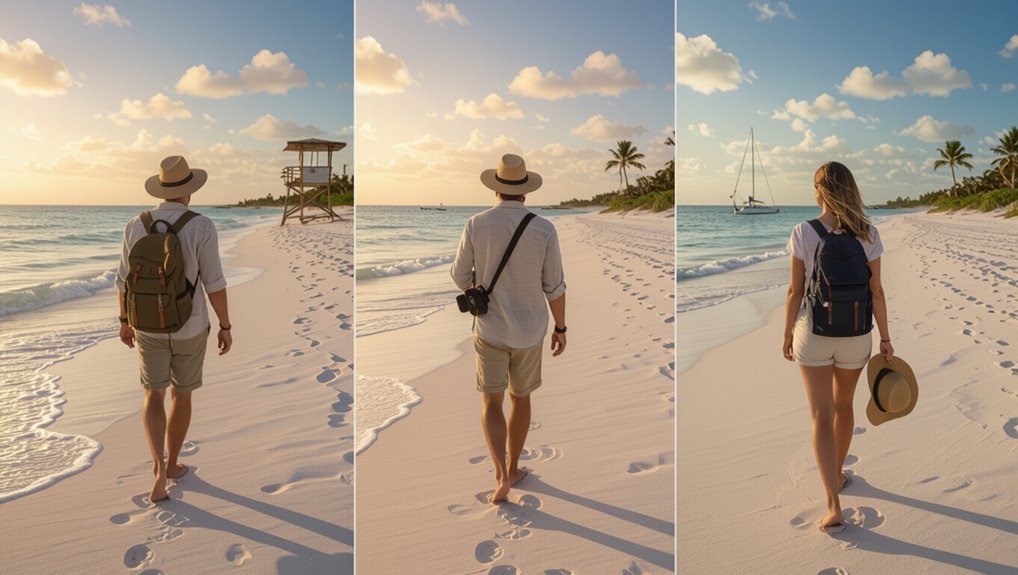
Wondering if Aruba’s a good pick for your next trip? You’ll find it generally safe: solo travelers can enjoy well-patrolled tourist areas and friendly locals. Families benefit from calm beaches and family-oriented resorts, and couples get privacy and relaxed nightlife.
Use common sense—avoid poorly lit spots at night, secure valuables, and follow local advice to keep your trip trouble-free.
What “Is Aruba Safe?” Really Means
When you ask “Is Aruba safe?” you’re really asking three separate questions about crime and tourist safety, health and medical access, and natural risks and preparedness.
You’ll want clear answers about petty crime, emergency medical care and pharmacies, and how to handle sun, sea conditions, or occasional storms.
Understanding each area helps you make practical plans for a safe trip.
Crime And Tourist Safety
How safe is Aruba for travelers really?
You’ll find low violent crime and visible police presence, but petty theft and occasional scams target tourists.
Stay aware on beaches and at ATMs, lock valuables in hotel safes, avoid isolated areas at night, and use licensed taxis.
Report incidents promptly and carry ID copies to simplify any police interactions.
Health And Medical Access
Beyond crime and scams, your health and access to medical care shape whether Aruba feels safe.
You’ll find modern hospitals, English-speaking staff, and reliable pharmacies in Oranjestad; rural clinics are more limited.
Bring prescriptions, travel insurance covering evacuation, and basic first-aid supplies. Routine vaccinations are standard; stay hydrated and use sun protection.
For emergencies, dial local emergency numbers immediately.
Natural Risks And Preparedness
Although Aruba sits outside the hurricane belt most of the year, you should still know the island’s natural risks and how to prepare for them. Know sun, rip currents, and occasional dust storms; pack sunscreen, water, and a face mask. Check forecasts, register with your embassy, and follow local advisories.
| Risk | Impact | Prep |
|---|---|---|
| Sun | High | Sunscreen |
| Currents | Moderate | Swim safe |
Crime in Aruba: Common Incidents and Hotspots
When you visit Aruba, you’ll find crime is mostly non-violent and concentrated in predictable spots like nightlife areas, busy beaches after dark, and around crowded transportation hubs.
Petty theft, pickpocketing, and occasional bag-snatching are the most common incidents.
Stay aware, keep valuables secure, use hotel safes, travel in groups at night, and avoid poorly lit or deserted areas to reduce risk.
Aruba Money, Scams, and Tourist-Targeted Crimes
Curious how to handle money and avoid scams in Aruba?
Keep cash minimal, use cards at reputable businesses, and split funds between a hidden stash and a primary wallet.
Beware common tourist scams: timeshare pressure, overcharging taxis, and distraction theft.
Verify prices upfront, use metered cabs, decline unsolicited help with ATMs, and lock valuables in your hotel safe.
Aruba Beach and Water Safety: Currents, Snorkeling, and Marine Hazards
When you head to Aruba’s beaches, pay attention to posted warnings and lifeguard instructions because rip currents can appear unexpectedly.
If you plan to snorkel, use a buddy, wear a flotation device if you’re not a strong swimmer, and avoid touching corals or marine life.
Be aware of sea urchins, jellyfish, and sharp reef—shuffle your feet in shallow water and treat any sting or cut promptly.
Rip Currents & Safety
Although Aruba’s waters often look calm, rip currents can form suddenly along exposed beaches and near reef gaps, so you should know how to spot and escape them.
- Look for discolored, choppy channels or lines of foam moving seaward.
- If caught, don’t fight it—float or ride the current until it weakens.
- Signal for help and swim parallel to shore to exit safely.
Snorkeling Hazards & Precautions
If you plan to snorkel in Aruba’s clear waters, know the common hazards and take simple precautions to stay safe: check local conditions and advisories, never snorkel alone, and use a properly fitted mask and flotation aid.
Watch for boat traffic, strong currents, sharp coral, and sudden drop-offs. Don’t touch marine life; carry reef-safe sunscreen and signal device; exit calmly if conditions change.
Aruba Weather & Natural Hazards (Hurricanes, Heat, Seasonal Risks)
Because Aruba sits outside the main hurricane belt, you’ll usually enjoy steady trade winds, abundant sunshine, and minimal storm disruption; however, the island still faces seasonal risks like occasional tropical storms, intense heat, and brief but heavy rains that can affect travel plans.
Outside the main hurricane belt, Aruba usually offers steady trade winds and sunshine, though seasonal storms and heat can arise.
- Pack light rain gear and flexible plans for sudden downpours.
- Stay hydrated and limit midday sun exposure.
- Monitor local forecasts during hurricane season (June–November).
Health Precautions: Vaccines, Food, Water, and Medical Care Access
Before you go to Aruba, check that your routine vaccines are up to date and consider travel shots like hepatitis A if your doctor recommends them.
Eat at busy, reputable restaurants and stick to cooked foods to reduce stomach bugs, and drink bottled or filtered water if you’re unsure about local taps.
Aruba has good medical facilities in Oranjestad, but know where the nearest clinic or hospital is and carry basic medications and travel insurance.
Recommended Vaccinations
Need to be vaccinated? You should update routine shots and consider travel-specific vaccines before Aruba. Check CDC or your doctor for current recommendations and timing.
- Hepatitis A and routine adult boosters (Td/Tdap)
- Influenza seasonally, especially if visiting during local peak
- COVID-19 up to date, and consider Hepatitis B if you’ll have medical or intimate exposure
Food, Water Safety
Wondering what to eat and drink in Aruba? You can safely enjoy cooked local seafood, grilled meats, and fruits from reputable vendors.
Avoid raw shellfish and unpeeled produce if you have a sensitive stomach.
Tap water is generally safe, but you might prefer bottled water.
If you get sick, seek care promptly—Aruba has reliable clinics and hospitals for tourists.
Transportation Safety: Driving, Taxis, Rental Cars, and Tips
How will you get around Aruba—by rental car, taxi, or bus—depends on your plans and comfort with local driving norms.
Drive defensively, watch roundabouts, and lock doors. Use licensed taxis or apps, confirm fares, and inspect rentals for damage.
- Rent: inspect, insure, park in well-lit areas.
- Taxi: agree fare or use meters/apps.
- Bus: follow schedules, keep belongings secure.
Accommodation and Resort Safety: Preventing Theft and Emergency Steps
Once you’ve settled on how you’ll get around Aruba, turn attention to where you’ll stay—your hotel or rental should be a secure base.
Lock doors and use safes for passports and electronics, hide valuables out of sight, and verify exterior lighting.
Note emergency exits, keep emergency numbers handy, and report suspicious activity to management or local authorities immediately.
Practical Safety Checklist: What to Pack and Pre-Trip Actions
Start with a short checklist of essentials you’ll pack and actions you’ll take before departure to cut risk and stress:
Start with a short checklist of essentials to pack and pre-trip actions to cut risk and stress.
- Passport copies, travel insurance info, credit card backup, and a small first-aid kit with meds you need.
- Lightweight lock, waterproof phone pouch, charged power bank, and photocopies stored separately.
- Confirm reservations, register with your embassy, share itinerary with someone trusted, and download offline maps.
Emergency Contacts, Local Laws, and Where to Get Help
You’ve packed the basics and shared your itinerary, now make sure you know who to call and what rules to follow if something goes wrong.
Keep emergency numbers handy: police/ambulance 911, Tourist Police +297 280-7800, and your embassy.
Respect local laws—no drugs, modest behavior at night—and carry ID.
For medical help, use licensed clinics or Hospital Dr. Horacio E. Oduber.
Frequently Asked Questions
Are There Specific Neighborhoods to Avoid After Dark in Oranjestad?
You generally don’t need to avoid specific neighborhoods in Oranjestad after dark; you should stay cautious in poorly lit, quiet areas, avoid displaying valuables, stick to main streets, and use trusted transport if you’re uncertain.
Can I Use My U.S. Phone Plan and Will Emergency Calls Work?
Yes — you can usually use your U.S. phone plan in Aruba if your carrier supports international roaming; emergency calls (112) will work. Check roaming fees, enable data roaming or buy a local SIM to avoid high charges.
Is It Safe to Drink Bottled Water From Street Vendors?
Yes — you can safely drink bottled water from reputable street vendors, but check seals and labels, avoid reused bottles, and buy from busy, trusted sellers; if in doubt, stick to sealed supermarket bottles or filtered water at your accommodation.
Do Aruba Hotels Provide Baby Cribs and Childproofing on Request?
Yes — most Aruba hotels provide baby cribs and basic childproofing on request; you should call ahead to confirm availability, request specific items, and consider bringing specialty gear if you need extra safety or unusual equipment.
Are There Laws About Bringing Prescription Medications Into Aruba?
Yes — you can bring prescription medications into Aruba, but you’ll need prescriptions, original packaging, and proof of necessity; certain controlled drugs require prior authorization, so contact Aruba’s health authorities or your embassy before traveling.
Conclusion
Aruba’s generally safe vibe makes it a great pick for solo travelers, couples, and families, but you should still stay alert. Use common-sense precautions: watch belongings, avoid isolated spots at night, follow local advice about currents and marine life, and choose licensed transport. Keep copies of documents, know emergency numbers, and buy travel insurance. With basic preparation and respect for local laws, you’ll enjoy Aruba’s beauty with minimal risk.