Is Croatia Safe to Travel Safety Guide for Tourists
Yes — you’ll find Croatia generally safe for tourists, with low violent crime and reliable emergency services. Stay alert for pickpockets in crowded old towns, markets, trains and ferries, keep valuables hidden, and use anti-theft bags. Tap water’s fine in cities but carry bottled water in remote areas; bring basic vaccinations and travel insurance. Drive carefully, follow local rules, and use registered taxis at night. Keep plans shared and you’ll get practical tips and deeper safety guidance below.
Is Croatia Safe Overall for Tourists?
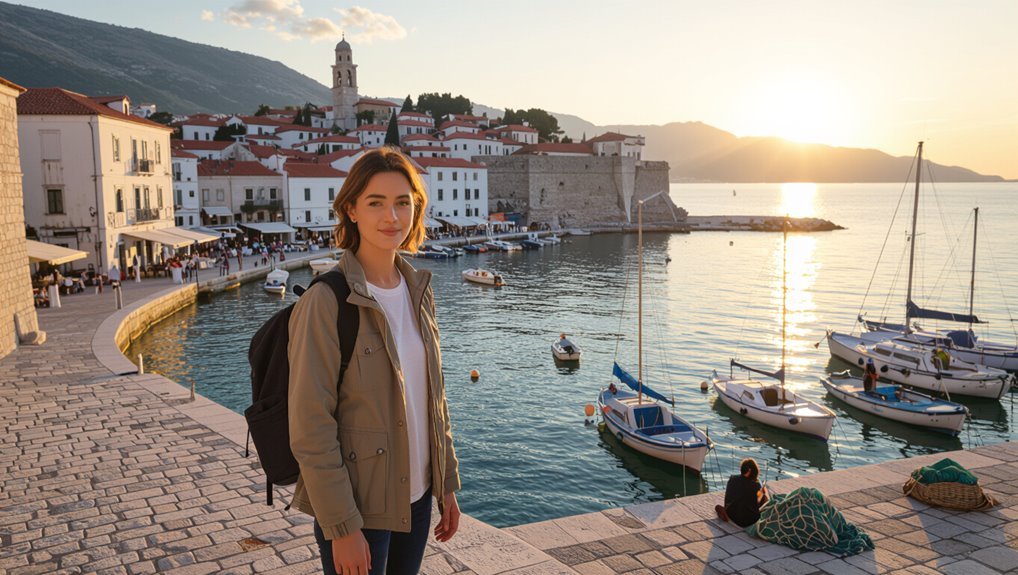
Wondering if Croatia is safe overall for tourists? You’ll find Croatia generally safe: violent crime is rare, emergency services are reliable, and healthcare meets EU standards in cities.
You should stay alert in crowded spots, respect local laws, and have travel insurance.
Seasonal crowds and road conditions can pose minor risks, so plan logistics and keep copies of important documents.
Petty Crime in Croatia : Where It Happens and How to Avoid It
Where do pickpockets and bag snatchers most often strike in Croatia? You’ll find them in crowded spots: markets, trains, ferries, touristy streets, and nightlife areas. Stay vigilant, keep valuables hidden, use anti-theft bags, and avoid flashy jewelry. Report thefts to police immediately.
| Location | Risk |
|---|---|
| Markets | High |
| Trains | Medium |
| Ferries | Medium |
| Old towns | High |
| Nightlife | High |
Health Essentials: Vaccines, Water Safety, and Accessing Care
Before you go, check recommended vaccinations like hepatitis A, tetanus, and routine shots to make sure you’re covered.
Tap water in Croatian cities is generally safe, but you should use bottled water if you’re in remote areas or have a sensitive stomach.
If you need care, emergency services are reliable—call 112 for urgent help and know where the nearest clinic or hospital is in the places you’ll visit.
Recommended Vaccinations
If you’re planning a trip to Croatia, make sure your routine vaccines—MMR, tetanus-diphtheria-pertussis, and seasonal flu—are up to date.
Consider hepatitis A vaccination since it’s commonly recommended for travelers.
Depending on your itinerary, duration, and activities, talk to a travel clinic about hepatitis B, rabies, and tick-borne encephalitis shots as well.
Get vaccines 4–6 weeks before travel when possible and carry documentation.
Drinking Water Guidance
While Croatia’s tap water is generally safe in cities and major tourist areas, you should still confirm local quality—especially on islands, in rural areas, and at small guesthouses where supply can vary.
When unsure, drink bottled or properly filtered water. Use bottled ice, avoid raw salads washed in tap water, and ask hosts or staff about recent advisories to prevent stomach upset and dehydration.
Emergency Medical Access
Need to know where to go for urgent care? You’ll find public hospitals in larger cities, private clinics in tourist areas, and 24/7 ambulance service (112). Carry travel insurance, your meds, and vaccine records. Expect some English; bring translation apps.
| Service | Tip |
|---|---|
| Ambulance | Dial 112 |
| Hospitals | Major cities |
| Clinics | Tourist zones |
| Pharmacies | Look for zeleno cross |
| Insurance | Keep policy handy |
Driving in Croatia: Road Rules, Insurance, and Rentals
Although Croatia’s roads are generally well-maintained, you should know the key rules, insurance requirements, and rental tips before getting behind the wheel to avoid fines, delays, or unsafe situations.
You’ll need an international driving permit if required, carry ID, and check insurance plus rental terms. Follow local speed limits and signage.
- Carry documents
- Confirm CDW terms
- Inspect car
- Avoid drinking
- Use headlights
Island Safety and Ferry Tips: Boarding, Luggage, and Schedules
If you’re heading to Croatia’s islands, plan your ferry trips carefully to avoid missed connections and crowded decks, and keep luggage secure and accessible during boarding and transit.
Check timetables in advance, arrive early, and buy tickets online when possible.
Check schedules ahead, get there early, and purchase tickets online when you can to streamline your trip.
Label bags, use locks, and stow valuables on you.
Watch announcements for platform changes, and confirm return schedules to avoid being stranded.
Croatia Coastal Safety: Swimming, Rip Currents, and Boating
When you hit Croatia’s coast, follow basic swimming safety: swim at lifeguarded beaches, watch children closely, and don’t swim after drinking.
Learn to spot and escape rip currents—swim parallel to shore until you’re out of the current, then head back in.
If you rent or charter a boat, check weather, wear life jackets, and review local rules before casting off.
Swimming Safety Tips
Because Croatia’s Adriatic waters can change from calm to choppy quickly, you should always check local conditions and heed lifeguards or warning flags before entering the sea.
Swim near lifeguarded beaches, wear a float if unsure, avoid alcohol, stay within sight of shore, and respect marine life.
- Swim with a buddy
- Know your limits
- Use sunscreen
- Watch children closely
- Follow signs
Rip Currents & Boating
Although coastal waters around Croatia usually look inviting, rip currents and boating hazards can turn a pleasant day into a dangerous one.
You should learn how to spot and avoid risks before you go out. Check local flags, swim between lifeguards, and avoid rough surf.
If caught in a rip, swim parallel to shore.
Wear life jackets on boats, and keep distance from propellers.
National Parks and Hiking Safety: Trails, Weather, and Wildlife
If you plan to explore Croatia’s national parks, know that trails range from easy boardwalks to steep, rocky ascents and demand different levels of fitness, footwear, and preparation.
You should check weather, carry water, and respect wildlife. Follow park rules and maps.
Key tips:
- Wear sturdy shoes
- Bring layered clothing
- Carry enough water
- Check forecasts
- Keep distance from animals
Nightlife and Solo Travel: Staying Safe After Dark
After a day on the trails, Croatia’s lively nightlife offers plenty of bars, clubs, and seaside promenades where you can unwind—just keep safety in mind once night falls. Stick to well-lit areas, trust your instincts, use registered taxis, and keep belongings secure. Tell someone your plans and stay aware of local customs.
| Tip | Action |
|---|---|
| Transport | Use licensed taxis |
| Awareness | Stay in groups |
Emergency Services, Insurance, and Who to Call in Croatia
When you need help in Croatia, know the key emergency numbers and have your travel insurance details handy so you can act quickly and confidently.
Call 112 for police/ambulance/fire. Contact your insurer’s emergency hotline, local embassy, or roadside assistance as needed.
Keep copies of documents and policy numbers accessible.
- 112 (EU emergency)
- Insurer hotline
- Local embassy
- Taxi/roadside
- Friend or host
Safety Checklist for Families, Solo Travelers, and Seniors
Wondering how to stay safe across Croatia’s cities, islands, and parks?
Pack meds, photocopy documents, and share your itinerary.
Families should supervise kids near water and use life jackets.
Solo travelers, trust instincts, avoid isolated spots at night, and keep emergency numbers handy.
Seniors bring mobility aids, meds list, and rest frequently.
Always buy travel insurance and register with your embassy.
Frequently Asked Questions
Can I Use Mobile Payment Apps Everywhere in Croatia?
Yes — you can use mobile payment apps widely in Croatia, especially in cities, tourist spots, and larger stores, but you’ll still encounter cash-only vendors, small markets, and some taxis, so carry some kuna or a card as backup.
Are Drug Laws Strictly Enforced for Tourists?
Yes — you’ll face strict enforcement for illegal drugs; police don’t often distinguish tourists, penalties can include fines, arrest, and deportation, and authorities conduct checks, so don’t possess, buy, or use illicit substances while visiting.
Is It Safe to Rent Scooters or Mopeds in Cities?
Yes — you can rent scooters or mopeds in cities, but you should wear a helmet, check insurance and rental terms, drive defensively, avoid busy hours, lock it securely, and obey local traffic laws to reduce risks.
Do Local SIM Cards Offer Reliable Data Coverage on Islands?
Yes — local SIM cards generally offer reliable data on major islands, though you might get weaker coverage on smaller or remote islets; buy from major carriers, top up data, and carry a power bank for consistent connectivity.
Are There Lgbtq+-Friendly Areas and Resources in Croatia?
Yes — you’ll find LGBTQ+-friendly areas and resources in Croatia, especially in Zagreb, Split, and Hvar; you’ll spot gay-friendly bars, pride events, supportive hotels, and local NGOs offering information, escorts, and community connections.
Conclusion
Croatia’s generally safe, but you’ll stay best protected by staying aware and prepared. Keep valuables secure, watch crowded spots for pickpockets, and follow local health and driving rules. Use reputable ferries, check weather before hikes, and carry travel insurance and emergency contacts. After dark, stick to well-lit areas or trusted transport. Whether you’re solo, with family, or older, common-sense precautions and local advice will keep your trip smooth and enjoyable.