What Is a Gym Bag Meaning and Uses
A gym bag is the compact, compartmentalized carryall you use to organize and protect workout gear—shoes, sweaty clothes, towels, toiletries, and valuables—while keeping odors and moisture contained. It usually has ventilation, easy-to-clean materials, and pockets for shoes or wet items so your gear stays separate and accessible. Choose size, style, and durability to match your routine and budget. Keep it aired and cleaned, and keep going to learn useful selection and care tips.
What Is a Gym Bag?
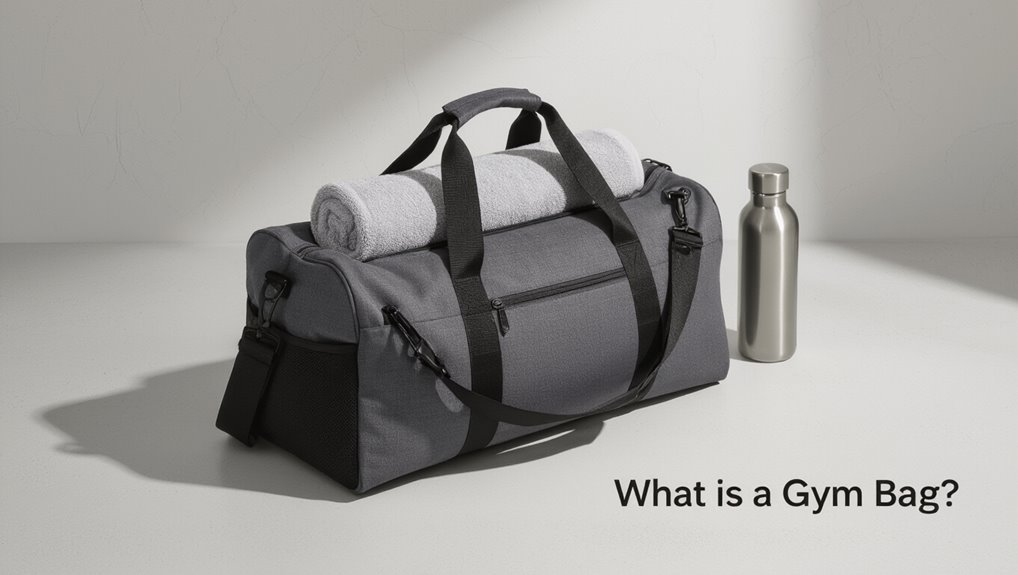
You’ll find compartments, ventilation, and easy-to-clean materials to separate sweaty items, protect valuables, and organize gear.
It’s simple, functional, and built for frequent use.
Who Needs a Gym Bag: and Why?
Now that you know what a gym bag is and how it’s built for workouts, consider whether you actually need one: anyone who leaves home to exercise—commuters, class-goers, recreational athletes, parents juggling kids’ activities, or travelers who like to squeeze in a sweat—benefits from having one.
If you leave home to exercise — commute, class, travel, or juggle kids — a gym bag pays off.
- You stash shoes, clothes, and toiletries.
- You separate wet or dirty items.
- You carry snacks, water, and small gear.
How to Choose a Gym Bag (Quick Decision Checklist)
When picking a gym bag, you’ll want to contemplate size and capacity so it fits your gear without being bulky.
Check the material for durability and water resistance to protect your stuff.
Look for compartments and smart organization to keep shoes, clothes, and valuables separate.
Size And Capacity
Think about what you actually carry to the gym each session, because size and capacity should match your routine—tiny duffels work for quick workouts with just shoes and a water bottle, while larger bags are better if you need space for clothes, toiletries, a laptop, or gear.
Choose a size that fits your items without wasting space:
- Shoes + bottle
- Clothes + towel
- Laptop + extras
Material And Durability
Because your bag takes a beating, pick materials that resist abrasion, moisture, and repeated stuffing; durable nylons, ballistic weaves, and coated canvas are good choices for everyday use, while leather or waxed canvas offer longevity and style if you handle them with care. Choose based on use, weight, and maintenance: lighter synthetics for sweat, coated fabrics for spills, leather for looks.
| Material | Strength |
|---|---|
| Nylon | Lightweight, quick-dry |
| Ballistic | Extremely abrasion-resistant |
| Coated canvas | Water-shedding |
| Leather/waxed | Durable, needs care |
Compartments And Organization
Start by listing what you carry and how you like it arranged so you can pick a bag with the right compartments.
You’ll want pockets for wet gear, secure spots for valuables, and easy-access shoe storage. Consider:
- Wet/dry separation for towels and clothes
- Padded pocket for phone/wallet/keys
- External shoe/gear compartment for ventilation
Choose a layout that matches your routine.
Gym Bag Styles and Who They Suit
When you pick a gym bag, match its style to how and where you train: duffels work best if you haul heavy gear or need roomy compartments.
Backpacks suit cyclists and commuters who want hands-free carrying.
Tote bags fit casual gym-goers who prioritize quick access and minimal packing.
Sling bags serve those running light with just essentials.
Choose durable materials, secure closures, and easy-clean linings to fit your routine.
Gym Bag Sizes and Capacity Explained
Choose a size that fits how you train: small bags hold your everyday essentials like a change of clothes, water bottle, and keys.
If you’re heading out for longer workouts, travel, or team practices, large duffels give you room for extra gear, shoes, and toiletries.
Think about what you usually carry so you pick the capacity that matches your routine.
Small Bags: Everyday Essentials
Small gym bags—typically 20–30 liters—cover the everyday essentials without weighing you down, holding a change of clothes, shoes, a water bottle, and a few toiletries.
You’ll grab one for quick workouts, commutes, or errands.
Pack smart:
- Lightweight shoes and shorts
- Towel, deodorant, travel-size toiletries
- Collapsible water bottle and phone charger
Large Duffels: Extended Use
Because you’re packing for longer trips or multi-session training, large duffels (typically 40–70 liters) give you room for multiple outfits, bulky gear, and extra accessories without cramming.
You’ll benefit from organized compartments, ventilated shoe pockets, and sturdy straps that distribute weight.
Choose durable fabric, easy-access zippers, and a carry system that fits your travel style to avoid shoulder strain.
Essential Pockets and Compartment Layout
When you open a gym bag, the layout of its pockets determines how quickly you can grab what you need and where loose items end up; a smart compartment scheme keeps sweaty gear separate from clean clothes, secures valuables, and makes hydration and accessories easy to reach.
You’ll want organized zones:
- Ventilated shoe/dirty-gear pocket
- Padded valuables pocket
- Quick-access water and phone sleeve
Materials That Actually Matter for Gym Bags
You’ll want a gym bag made from durable, water-resistant fabric to protect your gear from sweat and surprise rain.
Look for breathable mesh compartments so wet clothes and shoes can air out without soaking everything else.
Together, those materials keep your bag functional and odor-free.
Durable Water-Resistant Fabrics
Picking the right fabric can make or break your gym bag, and durable water-resistant materials are where performance meets practicality.
You’ll want fabrics that shrug off spills, resist abrasion, and stay lightweight. Consider these options:
- Coated nylon — tough, wipes clean, low weight.
- Polyester with DWR — affordable, colorfast, water-shedding.
- PVC tarpaulin — fully waterproof, highly durable, easy care.
Breathable Mesh Compartments
Because sweaty clothes and damp shoes need airflow, breathable mesh compartments are a must-have in a gym bag; they let moisture escape, cut down on odors, and keep gear from molding.
You’ll stash wet items separately, speed drying, and prevent bacteria buildup.
Choose roomy, reinforced mesh pockets that drain, resist snags, and balance ventilation with privacy for smaller valuables.
Ventilation and Odor Control for Gym Bags
Although gym bags keep your gear together, poor airflow lets sweat and bacteria build up fast. You should ventilate, dry items promptly, and use odor absorbers to prevent smells.
Gym bags trap sweat and bacteria quickly — air them, dry gear promptly, and use odor absorbers.
Consider these simple steps:
- Leave zippers open after use to air out contents.
- Add a charcoal sachet or baking soda pouch.
- Swap sweaty clothes into a breathable laundry bag immediately.
Waterproofing, Wet Pockets, and Cleaning Tips
When you want to protect your gear from rain and post-workout dampness, choose a bag with waterproof fabric or a dedicated wet pocket and treat seams and zippers with sealant or tape; these features keep moisture where it belongs and make cleanup far easier.
Empty wet items promptly, air-dry the bag open, spot-clean with mild soap, and use waterproof sprays sparingly to maintain coatings.
Packing Checklist: Gym, Pool, and Commute
If you’re heading to the gym, pool, or commuting between stops, pack with purpose: prioritize essentials like a change of clothes, clean socks, and supportive shoes;
add swimwear, a quick-dry towel, and waterproof pouch for wet items when you’ll be in the pool;
and include commuter staples—a refillable water bottle, compact umbrella, phone charger, and a lightweight lock or key case.
- Dry kit
- Swim kit
- Commute kit
Care to Prolong Your Gym Bag’s Life
Because you rely on your gym bag every day, taking a few simple steps to care for it will keep it functional and odor-free longer.
Empty it after use, air it out, and wipe spills promptly.
Wash according to the label, treat zippers with lubricant, and store it dry.
Rotate bags if you can to reduce wear and extend overall lifespan.
Features by Price: Budget vs Premium Gym Bags
Price largely determines what you get in a gym bag: budget options focus on essentials—basic compartments, lighter materials, and simpler hardware—while premium bags add durable fabrics, specialized pockets, reinforced stitching, and thoughtful extras like shoe compartments, wet pockets, and integrated tech organization.
You’ll choose based on needs, frequency, and budget. Consider:
- Essentials-only design
- Mid-range durability and pockets
- Premium features and lifetime value
When to Replace Your Gym Bag and Recycling Options
After weighing features and cost, you’ll eventually face the question of when to replace your gym bag and what to do with the old one. Replace it when seams split, odor persists, or straps fail. Donate usable bags, recycle worn materials, or repurpose for storage.
| Condition | Action | Timeline |
|---|---|---|
| Seams split | Replace | Immediately |
| Persistent odor | Recycle/repurpose | 6–12 months |
| Straps fail | Repair/replace | As needed |
Frequently Asked Questions
Can a Gym Bag Be Used as Carry-On Luggage for Flights?
Yes — you can usually use a gym bag as carry-on luggage, as long as it meets airline size and weight limits. Pack essentials, secure valuables, and be ready to stow it in the overhead bin or under the seat.
Are Gym Bags Safe for Storing Prescription Medications?
Yes — you can store prescriptions in a gym bag, but keep meds in original labeled containers, use a small insulated or waterproof pouch for temperature-sensitive items, and check security regulations when flying to avoid loss or damage.
How Do Airline Security Policies Treat Gym Bag Locks?
Airline security treats gym bag locks like any luggage lock: you’ll need TSA‑approved locks if you want agents to reopen your bag without cutting it; non‑TSA locks may be cut during inspection, so don’t rely on them.
Can Gym Bags Be Customized With Logos or Embroidery?
Yes, you can customize gym bags with logos or embroidery; manufacturers and local shops offer printing, patching, or stitched branding, you’ll choose colors, placement, and size, and expect added cost and slightly longer production time.
Do Gym Bags Affect Posture When Carried Daily?
Yes — if you carry a heavy gym bag daily, it can strain your shoulders and spine and worsen posture; choose a balanced backpack, use both straps, lighten loads, and adjust straps to keep weight centered and close to you.
Conclusion
By now you know a gym bag isn’t just for workouts — it’s your portable locker, shoe box, towel rack and sometimes office substitute. Choose one that fits your routine, carries essentials without bulk, and has compartments for wet gear and shoes. Care for it, and it’ll last; replace it when it smells, tears or fails. Pick recycled options or donate old bags so they get reused instead of wasted.