What Things Are Not Allowed in Airport Complete Prohibited List
You can’t bring liquids over 100 ml in carry-on, sharp tools (large knives, box cutters, loose blades), undeclared firearms or ammunition, explosives, fireworks, or flammable fuels, and many compressed gas canisters or aerosols. Don’t pack loose lithium batteries, unapproved radioactive or infectious materials, large household chemicals, or undeclared cash above local limits. Animal products and certain electronics may need permits. Follow airline and country rules closely — keep going to see specific items, limits, and declaration steps.
What This Guide Covers and How to Use It
Wondering what this guide covers and how to use it?
You’ll find clear categories of prohibited items, concise explanations of restrictions, and tips for packing and declaring goods.
Use the organized sections to quickly check items before travel, follow links to official rules, and reference practical examples.
You’ll avoid surprises at security by consulting this guide before you pack.
Quick Checklist: Most Commonly Prohibited Items
Before you pack, check for common no-nos like liquids over 100 ml and sharp objects that airports won’t allow through security.
You’ll need to either place allowed-sized liquids in a clear bag or put larger containers in checked baggage.
If an item is sharp—knives, scissors, razors—don’t try to bring it in carry-on.
Liquids Over 100ml
Because security rules limit carry-on liquids to containers of 100 ml (3.4 oz) or less, any bottle, spray, or tube larger than that—whether full or partly used—must go in checked baggage or be left behind. You’ll need to pack lotions, perfumes, and drinks accordingly and declare exceptions like medications. Check airline rules before packing.
| Item | Action |
|---|---|
| Perfume | Check or discard |
| Lotion | Check |
| Sunscreen | Check |
| Medication (large) | Declare |
| Baby formula | Declare |
Sharp Objects Prohibited
Liquids have strict limits, but sharp items pose a different kind of risk and get stopped at security for safety reasons.
You should pack them in checked baggage or leave them home. Carrying blades or pointed tools can delay you and risk confiscation.
- Pocket knives
- Box cutters
- Scissors over 4 inches
- Razor blades (loose)
How to Use This List to Plan Your Packing
Start by packing your essentials so they’re easy to access and won’t get flagged at security.
Check your airline’s size, weight, and liquid limits before you finalize outfits and toiletries. That way you won’t have to repack at the airport or leave items behind.
Pack Essentials First
When you plan your packing around essentials first, you’ll guarantee that critical items—passport, medications, travel documents, and any restricted items cleared with the airline—are accessible and packed in carry-on or a known spot.
This reduces stress at security and prevents last-minute scrambling if checked bags are delayed or inspected.
- Keep meds in original containers.
- Photograph documents.
- Pack a spare charger.
- Use a clear pouch for toiletries.
Check Airline Limits
Why check your airline’s limits before you pack?
You’ll avoid surprises at security or extra fees by confirming baggage size, weight, and restricted items specific to your carrier.
Compare carry-on allowances with the prohibited list, move items to checked bags if allowed, and pre-declare special items.
This saves time, stress, and money, and keeps your trip on schedule.
Why Airports Ban Items: Safety, Security, and Legal Reasons
Because airports handle so many people and planes, they ban certain items to protect passengers, crew, and aircraft from immediate hazards and criminal misuse.
You’ll face rules for safety, threat prevention, and legal compliance. Know that enforcement reduces risk, aids screening, and guarantees lawful travel.
- Prevent fires and explosions
- Stop weaponization or concealment
- Reduce screening delays
- Comply with aviation laws
Prohibited Liquids and Gels (100ml / 3-1-1 Rule)
After covering the safety and legal reasons airports ban items, you should know how those rules apply to liquids and gels — the ones most travelers trip over at security. You can carry containers up to 100ml each, packed in a single clear 1-liter bag, one bag per passenger; larger amounts go in checked luggage.
| Item | Limit | Pack method |
|---|---|---|
| Shampoo | 100ml | Clear bag |
| Lotion | 100ml | Clear bag |
| Gel | 100ml | Clear bag |
| Mouthwash | 100ml | Clear bag |
Sharp Objects and Cutting Tools Banned From Carry-On
While security aims to keep everyone safe, you can’t bring most sharp objects or cutting tools in your carry-on—items like knives, box cutters, scissors with blades longer than about 4 inches, and certain multitools are restricted because they can be used as weapons.
Security rules mean most sharp tools — knives, box cutters, long scissors, and some multitools — aren’t allowed in carry-on.
- Pack prohibited items in checked luggage when allowed.
- Carry small nail clippers and round-tip scissors.
- Declare unusual tools to security.
- Buy replacements after screening.
Sporting Equipment and Blunt Instruments Restricted in Cabins
You’ll need to leave most sporting gear out of your carry-on, since bats, clubs, and similar items are usually restricted from cabins.
Carrying blunt instruments like hammers or metal poles in the cabin is also prohibited for safety reasons.
Check airline rules beforehand to know what you can pack in checked luggage instead.
Sporting Gear In Carry-On
Sporting gear like baseball bats, hockey sticks, ski poles, and lacrosse sticks are generally not allowed in the cabin because they’re considered blunt instruments that could be used as weapons; you should plan to pack them in checked luggage or arrange special shipping if they’re too large or fragile.
- Check airline policies before travel.
- Use padded cases for checked gear.
- Declare oversized items at check-in.
- Consider rental at your destination if feasible.
Blunt Objects In Cabins
Because items like baseball bats, hockey sticks, and metal pipes can be used as weapons, airlines and security agencies prohibit them from the cabin and require you to stow them in checked baggage or ship them separately.
You’ll need appropriate cases, padding, and declared dimensions; oversized or improperly packed items may be refused or incur extra fees, so confirm carrier rules before travel.
Firearms, Ammunition, and Realistic Weapon Replicas
When traveling through an airport, know that firearms, most ammunition, and realistic replicas are tightly controlled and often banned from carry-on luggage; you’ll need to follow strict rules if you plan to transport them in checked baggage.
- Declare firearms with your airline and present required permits.
- Pack unloaded guns in locked, hard-sided cases.
- Store ammunition in original or approved containers.
- Avoid realistic toy or replica weapons unless clearly marked and approved.
Explosives, Fireworks, and Pyrotechnic Devices
After firearms and ammunition, airports treat explosives, fireworks, and pyrotechnic devices even more restrictively because they pose a higher risk to aircraft and passengers; you generally can’t carry them in either carry-on or checked baggage.
You’ll also be prohibited from transporting fuses, detonators, sparklers, flares, or novelty explosives. If in doubt, declare the item to the airline—don’t assume it’s allowed.
Flammable Substances: Fuels, Solvents, and Lighter Fluid
Though they might seem harmless in small quantities, fuels, solvents, and lighter fluid are strictly regulated at airports because they’re highly flammable and can ignite under pressure or heat; you can’t pack most of them in either carry-on or checked baggage, and those that are allowed usually must meet size, packaging, and declaration rules.
Fuels, solvents, and lighter fluids are tightly regulated—highly flammable, often banned, and subject to strict size, packaging, and declaration rules.
- Don’t bring gasoline or diesel.
- Avoid paint thinners.
- No lighter refills.
- Follow airline rules.
Chemical Hazards: Corrosives, Oxidizers, and Toxic Liquids
Flammable liquids aren’t the only danger you need to watch for—chemical hazards like corrosives, oxidizers, and toxic liquids pose different risks that airports treat very strictly.
You can’t carry acids, bases, bleach, pool chemicals, or strong oxidizers in carry‑on or checked baggage. They’ll corrode, contaminate, or react dangerously.
Declare and ship such materials via approved hazardous freight channels only.
Compressed Gases and Pressurized Canisters (Including Aerosols)
One key group of prohibited items is compressed gases and pressurized canisters, including aerosols, because they can rupture, leak, or explode under temperature and pressure changes during flight.
One key group of banned items is compressed gases and pressurized canisters, as they can rupture or explode in flight.
You must avoid carrying them in checked or carry-on luggage unless airline rules explicitly allow exceptions.
- Spray deodorants
- Camping gas canisters
- Paint and solvent aerosols
- CO2 cartridges
Batteries and Spares: What’s Allowed and How to Pack Them
Because batteries can short, overheat, or catch fire if damaged or packed improperly, you need to follow strict rules about which types you can bring and how to pack spares.
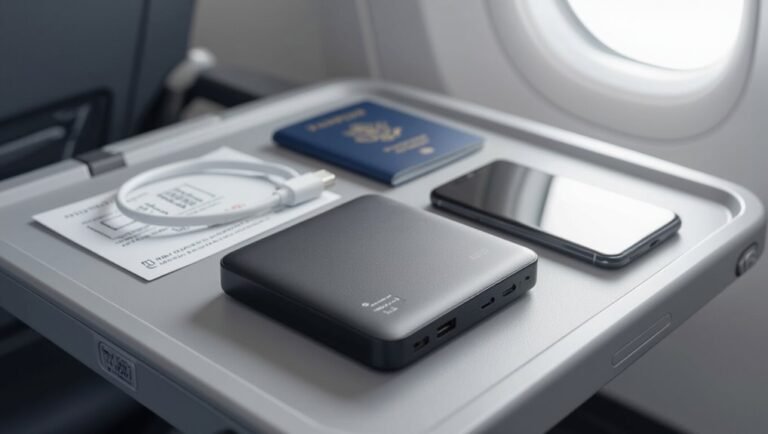
Carry installed batteries in devices; put loose lithium-ion or lithium-metal cells in carry-on only, protecting terminals with tape or original packaging.
Follow airline watt-hour and quantity limits and declare high-capacity cells.
Radioactive Materials and Certain Laboratory Samples
Batteries and lab samples both pose risks you mightn’t spot at a glance, and radioactive materials and certain biological or chemical specimens carry their own strict rules for travel.
You can’t bring unshielded radioactive sources or unapproved diagnostic samples. Declare permitted, packaged materials and follow carrier rules.
- Check regulations first
- Use certified packaging
- Get approvals in writing
- Never conceal items
Biological Hazards, Infectious Materials, and Regulated Specimens
When you’re packing for a trip, remember that biological hazards and infectious materials are tightly regulated and often banned from both carry-on and checked baggage; you must declare permitted specimens, follow strict packaging standards, and get carrier and regulatory approvals before travel. You should consult authorities, label samples, and avoid transporting cultures, clinical specimens, or untreated biological waste.
| Item | Allowed? | Notes |
|---|---|---|
| Cultures | No | Prohibited |
| Clinical swabs | Case-by-case | Needs approval |
| Diagnostic kits | Sometimes | Follow rules |
| Preserved tissues | No | Usually banned |
| Noninfectious samples | Yes | Proper labeling |
Surprising Household Hazards: Bleach, Pool Chemicals, and Cleaners
You mightn’t think about bringing bleach in a spray bottle or a container of pool chemicals, but those items can pose serious hazards in transit and are often restricted.
Keep bleach in its original, clearly labeled container and never mix it with other cleaners before packing.
Store pool chemicals separately and follow airline and TSA guidelines to avoid leaks, reactions, or confiscation.
Bleach And Spray Bottles
Although household cleaners seem harmless, bleach and spray bottles can create serious hazards at the airport if they’re not handled properly.
You shouldn’t carry open bleach or large sprays; leaks and fumes alarm security and can damage baggage.
Follow rules, pack cleaners in checked, sealed containers, or leave them home.
- Don’t bring open bleach
- Avoid large spray bottles
- Seal small containers
- Declare hazardous items
Pool Chemicals Storage
If you store pool chemicals at home, keep them tightly sealed, upright, and away from heat or other cleaners so they don’t react, leak, or create toxic fumes. You should label containers, use original packaging, and keep kids and pets out. When traveling, never pack these in checked or carry-on luggage; they’re hazardous and prohibited.
| Risk | Action |
|---|---|
| Mixing | Separate storage |
| Heat | Cool, ventilated area |
| Leaks | Inspect regularly |
| Kids/pets | Locked cabinet |
| Travel | Do not pack |
Illegal Drugs, Paraphernalia, and Controlled Substances
Because carrying illegal drugs, paraphernalia, or unapproved controlled substances through an airport can trigger criminal charges, you should never try to bring them in your luggage or on your person.
You’ll face arrest, fines, and travel bans. Follow laws and airline rules; declare prescribed meds with documentation.
- Illegal narcotics
- Drug paraphernalia
- Unapproved research chemicals
- Mislabelled prescriptions
Cash, Declarations, and Reporting Limits
When you’re traveling with large amounts of cash, you need to know the declaration thresholds for your departure and destination countries.
You’ll also have to report substantial transfers and the paperwork required for crossing borders.
Failing to declare money or misreporting funds can lead to seizure, fines, or criminal charges.
Cash Declaration Thresholds
While traveling with large sums of money, you need to know the cash declaration thresholds that trigger reporting to customs or financial authorities.
You’ll declare amounts above set limits, avoid fines, and carry documentation proving source and purpose.
- Check country-specific limit before departure.
- Declare cash at arrival/departure.
- Keep receipts and bank statements.
- Ask customs officers if unsure.
Reporting Large Transfers
If you’re moving large sums—whether in cash, transfers, or negotiable instruments—you’ll need to know which amounts trigger mandatory reporting and how to document the source, destination, and purpose.
Check country-specific thresholds, comply with customs and financial reporting forms, keep bank and transaction records, and notify carriers or brokers when required.
Accurate paperwork prevents delays and assists lawful cross-border transfers.
Undeclared Currency Penalties
Knowing reporting thresholds and keeping clear records helps, but failing to declare cash or negotiable instruments at customs can still land you in serious trouble.
You’ll face fines, seizure, delays, or criminal charges depending on amount and intent. Follow rules, declare truthfully, and carry proof of source.
- Monetary limits per country
- Complete declaration forms
- Provide source documentation
- Consult customs officials
Restricted Commercial Goods and Trade Controls
Because airports handle large volumes of goods moving across borders, you need to be aware that many commercial items face extra restrictions or outright bans under trade controls and customs rules.
You must declare regulated electronics, dual‑use technology, restricted chemicals, counterfeit goods, embargoed country shipments, and items needing licenses or permits.
Failure to comply can lead to seizure, fines, or criminal charges.
Animals, Animal Products, and Agricultural Restrictions by Country
When you travel with animals, animal products, or agricultural goods, each country sets specific import rules and biosecurity checks you must follow to prevent pests and diseases.
When traveling with animals or agricultural goods, follow each country’s import rules and biosecurity checks to prevent pests and diseases.
You’ll face varying quarantine, vaccination, and certificate requirements; undeclared items can be seized or fined.
Consider these common restrictions:
- Live animals: species, health records, microchips
- Meat and dairy: often banned
- Plants and seeds: inspected or prohibited
- Animal byproducts: hides, wool limits
Official Rules, Permissions, and Waivers (Where to Apply)
If you’re planning to travel with animals, animal products, or agricultural goods, you’ll need to follow each country’s official rules and apply for any required permits, health certificates, or waivers before departure.
Check government agriculture, customs, and embassy websites for forms, fees, and processing times.
Apply early, obtain veterinarian or inspector endorsements, and carry originals and copies to avoid seizures, fines, or denied boarding.
Frequently Asked Questions
Can I Carry Prescription Medications Without Original Packaging?
Yes — you can usually carry prescription meds without original packaging, but you should keep them in clearly labeled containers, bring a doctor’s note or prescription, declare them at security if asked, and follow airline or country rules.
Are Musical Instruments Allowed as Carry-On or Checked Baggage?
Yes, you can bring musical instruments as carry-on or checked baggage, but you’ll want to check airline size limits, gate-check policies, and consider buying a seat for fragile or oversized instruments to guarantee safe transport.
What Happens to Confiscated Items at Security Checkpoints?
Confiscated items are usually retained by security, logged, and either destroyed, disposed of, or turned over to airport authorities or law enforcement; you can sometimes reclaim permitted belongings later, but prohibited items are typically permanently seized.
How Do Rules Differ for International Transit vs. Final Destination?
For international transit versus final destination, you’ll follow departure and entry country rules: transit limits often mirror origin or airline policies, but final destination customs and security can impose stricter bans, duties, or declaration requirements you must meet.
Can I Bring Vaping Devices and E-Liquids on Board?
Yes — you can usually bring vaping devices and limited e‑liquids in carry‑on, not checked baggage; batteries must be protected, and e‑liquid containers follow liquid limits. Check your airline and destination rules for any stricter bans.
Conclusion
You’ve now got the essentials to avoid delays, fines, or confiscations at the airport. Use the quick checklist before you pack, follow the 100ml liquids rule, declare large amounts of cash, and check country-specific rules for animals, plants, and restricted commercial goods. When in doubt, consult official sources or apply for permits well ahead of travel. Staying informed and prepared keeps your trip smooth and your belongings compliant with safety and legal requirements.