Does Tsa Drug Test Hiring Process Explained
Yes — you’ll be drug-tested for most TSA security-sensitive jobs, usually after a conditional offer and before final onboarding. Tests focus on illegal substances, follow federal rules (so legal marijuana can still be a problem), and use urine most often with strict chain-of-custody and confirmatory GC-MS testing. Random and reasonable-suspicion tests can occur while you’re employed, and disclosures about prescriptions matter; keep going to learn specifics on timing, methods, and tips.
Quick Answer: Does TSA Drug Test Applicants?
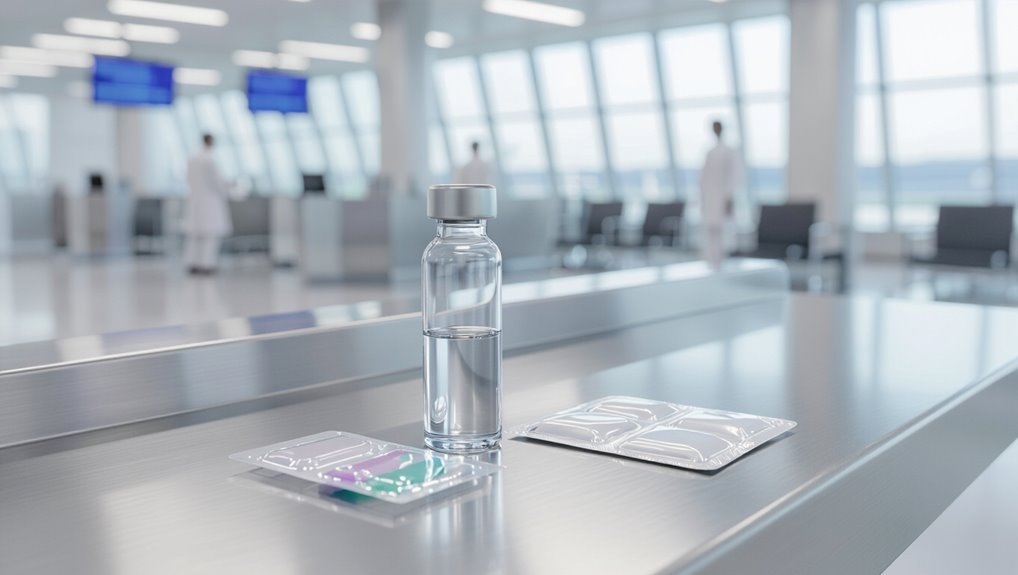
Wondering if the TSA drug tests applicants?
Yes — if you apply for certain positions, TSA requires pre-employment drug screening and may conduct random and reasonable-suspicion tests during employment.
You’ll face tests for illegal substances; medical marijuana policies vary by state but federal rules still apply.
Follow instructions, disclose prescriptions, and understand refusal or failure can bar or end your employment.
How to Use This Guide: Quick Facts and Deep Dives
When you’re skimming for a quick answer or planning an extensive exploration, this guide lets you jump to what matters most: concise “Quick Facts” for fast decisions and detailed “In-Depth Analyses” when you need the full context, procedures, and exceptions.
Use Quick Facts for summaries, timelines, and must-know steps.
Open In-Depth Analyses for policy details, documentation examples, and troubleshooting guidance when you need thorough explanations.
Which TSA Roles Require Testing
Although most frontline airport roles are the ones people think of first, several other TSA positions also require drug testing; you’ll typically see testing mandated for any role that involves security screening, access to secure areas, or handling sensitive equipment.
You’ll likely be tested if you apply for transportation security officer, canine handler, federal security director support, baggage screening, or positions granting badge-controlled entry.
When TSA Drug Tests Happen in the Hiring Process
When you apply for a TSA position, you’ll typically face a pre-employment drug screen before your hire is finalized.
After you start, you can expect follow-up testing for cause and occasional random tests as part of TSA’s ongoing safety program.
Knowing the timing and types of tests helps you stay prepared and compliant throughout the hiring and employment process.
Pre-Employment Screening Timing
Most TSA drug tests occur after you receive a conditional job offer but before your final clearance, so you’ll usually know the screening is coming and can prepare accordingly.
You’ll typically complete testing during onboarding steps—after background checks and medical exams but before badge issuance.
Arrange appointments promptly, follow pre-test instructions (no substances, disclose prescriptions), and bring ID to avoid delays in final hiring decisions.
Follow-Up And Random Tests
Because the initial pre-employment screen doesn’t end TSA oversight, you’ll also face follow-up and random testing during your employment that can affect continued clearance.
You must comply with scheduled follow-ups after any positive test or treatment, and you can be selected randomly anytime. Tests aim to guarantee safety and compliance; refusing or failing has serious job and security consequences.
- Scheduled follow-ups after treatment
- Unannounced random selections
- Reasonable-cause testing for suspicion
- Mandatory return-to-duty procedures
TSA Drug Test Methods: Urine, Hair, and Others
You’ll most often encounter urine testing, which checks recent substance use through a supervised collection and lab analysis.
Hair follicle screening can detect longer-term use and is sometimes used as a follow-up or alternative.
Other specimen options — like saliva or blood — exist for specific situations, so know what each method detects and its detection window.
Urine Testing Process
1 common method TSA uses for pre-employment and random drug screening is urine testing, which detects recent use of substances like marijuana, cocaine, amphetamines, and opiates.
You’ll provide a sample under observed or monitored conditions. The specimen is split into A and B bottles, and the A sample is screened by immunoassay with any presumptive positives sent for confirmatory GC-MS or LC-MS/MS on the B sample.
- You follow chain-of-custody procedures.
- Temperature and tamper seals are checked.
- Negative screens clear you quickly.
- Confirmed positives trigger notification and appeals.
Hair Follicle Screening
When TSA uses hair follicle screening, they’re checking for drug metabolites deposited in the hair shaft over weeks to months. This makes this method useful for detecting longer-term substance use than urine tests.
You’ll provide a small head or body hair sample; labs segment and test strands for specific drugs. Results are harder to mask, but testing is more limited to historical use and requires chain-of-custody.
Alternative Specimen Options
Although urine and hair are the most common samples TSA uses, they also rely on alternative specimens—like oral fluid, fingernail clippings, and sometimes blood—to fill gaps in detection window, invasiveness, and confirmatory needs.
You’ll encounter options based on timing, access, and specificity; TSA picks what’s practical and reliable.
Consider examples:
- Oral fluid for recent use
- Fingernails for longer windows
- Blood for confirmation
- Combined testing strategies
Which Drugs TSA Screens For (Exact Panel)
Because TSA follows federal guidelines, you’ll be tested for the standard five-panel drug panel used across many federal agencies: marijuana (THC), cocaine, amphetamines (including methamphetamine), opioids (such as heroin and morphine), and phencyclidine (PCP).
You’ll provide a urine sample unless an alternative is authorized. The panel detects recent use of those substances; testing procedures and confirmation protocols follow federal workplace standards.
What Counts as a Positive TSA Drug Test?
If your urine sample shows drug concentrations at or above the federal cutoff levels, the TSA will treat the result as a positive test; you’ll be notified and a confirmatory lab test (typically GC-MS) will be performed before any final action.
You can expect clear criteria, confirmation, and consequences based on results.
- Initial immunoassay above cutoff
- GC-MS confirmation of specific analyte
- Chain-of-custody documentation
- Notification and opportunity to respond
Prescription and Medical Exceptions TSA Accepts
When you have a valid prescription or a documented medical condition, TSA’s drug-testing process accounts for legitimate medication use and won’t automatically treat a positive result as misconduct.
You must disclose prescriptions during pre-employment screening, provide supporting documentation, and cooperate with follow-up verification.
TSA reviews medical records and lab confirmations to distinguish lawful therapeutic use from prohibited substance misuse before determining eligibility or required actions.
TSA Drug Test Collection: Step‑by‑Step Expectations
Before your test starts, you’ll be directed to a secure collection area where a trained collector will explain the process, check your ID, and ask you to empty your pockets and remove outerwear—so stay prepared to follow simple instructions and present any documentation (like prescription info) up front.
Before testing, you’ll be escorted to a secure area, ID checked, pockets emptied, and instructions given—have documentation ready.
- You’ll provide a urine or oral sample under observation rules.
- You’ll sign forms confirming identity.
- Collector labels and seals your sample.
- You’ll receive instructions on next steps and results timeline.
How TSA Maintains Chain of Custody
When you’re part of the TSA drug testing process, you’ll see strict chain of custody protocols that track every sample from collection to results.
Each specimen is labeled with unique identifiers and documented immediately to prevent mix‑ups.
Samples are then moved in secure, logged transport to the lab so the integrity of the test is preserved.
Chain Of Custody Protocols
Although the testing process can feel technical, TSA keeps a strict chain of custody so your sample’s integrity stays intact from collection to result.
You’ll see trained collectors, sealed containers, logged transfers, and secure transport to labs. These steps prevent tampering, guarantee accountability, and support reliable outcomes.
- Trained collector documents transfer
- Tamper-evident seals applied
- Transfer logs signed at each move
- Secure courier handoff and receipt
Sample Labeling Procedures
1 key step in keeping your sample reliable is precise, consistent labeling from the moment it’s collected. You’ll record donor ID, date/time, collector initials, and test type on both container and form. Labels are tamper-evident and cross-checked to prevent mismatches before sealing.
| Field | Example | Verifier |
|---|---|---|
| Donor ID | 12345 | Agent A |
| Date/Time | 04/06/2026 09:15 | Agent A |
Secure Transport Measures
Because maintaining an unbroken chain of custody is critical, TSA agents package, document, and move specimens using standardized, tamper-evident procedures that you can audit at every step.
You’ll track custody with clear logs, sealed containers, secure couriers, and verified receipts so evidence stays intact and admissible.
- Sealed, tamper-evident kits
- Chain-of-custody logs
- Secure, tracked transport
- Recipient signature verification
Lab Confirmation (GC‑MS): How Disputed Positives Are Verified
When a urine screen flags a positive result that you dispute, the sample gets sent to a certified forensic lab for confirmation using gas chromatography–mass spectrometry (GC‑MS), a highly specific method that separates compounds and identifies them by molecular weight and fragmentation pattern.
You’ll get a chain‑of‑custody–tracked reanalysis, a results report detailing detected metabolites, and documented lab quality controls for any appeal.
From Sample to Hiring Decision: Typical Timeline
When you give a sample, timing matters because initial collection, lab confirmation, and paperwork each add days to the process.
You can typically expect a notification of the hiring decision within a week to a few weeks, depending on whether a GC‑MS confirmation or additional review is needed.
If there’s a confirmed issue, the agency will notify you promptly and outline next steps.
Sample Collection Timing
If you’re moving through TSA’s hiring process, expect the drug test step to unfold over a few clear stages: scheduling the appointment, providing the sample, and waiting for lab results and any confirmatory testing.
You’ll usually give a urine sample at a collection site within days of your appointment notice, with strict chain-of-custody and observed collection when required.
- Appointment scheduling
- Arrival and ID check
- Sample collection procedure
- Chain-of-custody transfer
Decision Notification Window
Wondering how long you’ll wait after giving your sample? You typically hear back within a few days to two weeks.
Positive screens trigger confirmatory testing and additional review, which can extend the window. You’ll get official notification by email or phone once results and background checks clear.
If delays occur, contact the hiring coordinator for status updates and expected timelines.
How a Positive Test Affects Your Conditional Offer
Although a positive drug test doesn’t automatically end your candidacy, it does put your conditional offer at serious risk. The TSA follows strict policies and will review the circumstances, timing, and substance involved before deciding whether to withdraw the offer or require further steps like additional testing or rehabilitation documentation.
You should act promptly, cooperate, and provide any relevant information.
- Employer reviews test details
- Possible offer withdrawal
- Requests for documentation
- Remediation or retesting required
If You Think the Result Is a False Positive: First Steps
Because test results can sometimes be inaccurate, you should act quickly when you suspect a false positive and follow specific steps to protect your conditional offer.
Notify the hiring contact and ask for guidance on next steps.
Preserve documentation of medications or supplements.
Get copies of the test paperwork, and request any available retest options promptly.
Keep communication factual and timely to protect your status.
Requesting a Medical Review Officer (MRO) Review
If you believe a drug test result is wrong, ask for a Medical Review Officer (MRO) review immediately. The MRO is a licensed physician who’ll assess your specimen, interview you about prescriptions or medical conditions, and determine whether the positive finding has a legitimate medical explanation.
You’ll provide documentation, answer questions, and await the MRO’s determination.
- Gather prescriptions and medical records
- Explain prescriptions and timing
- Consent to MRO interview
- Receive written MRO decision
TSA Applicant Appeal and Dispute Process Explained
After the MRO issues a decision, you can still challenge the outcome through the TSA applicant appeal and dispute process, which outlines specific steps, timelines, and evidence standards you’ll need to follow.
You’ll submit documented evidence, follow deadlines, and request reconsideration or an administrative review.
Stay organized, keep copies, meet procedural requirements, and communicate promptly to preserve your appeal rights and improve your chances.
Rehab, Treatment, and Reapplying After a Positive Test
If you test positive, you’ll want to understand rehab options like outpatient counseling, inpatient programs, and medication-assisted treatment.
Program lengths vary from a few weeks to several months depending on intensity and your needs.
Once you complete a verified treatment plan and meet any required waiting periods, you can reapply and should document your recovery.
Rehab Options Overview
Choosing the right rehab or treatment path after a positive TSA drug test can be the difference between getting your career back on track and facing repeated disqualification.
So you’ll want to know your options, timelines, and obligations up front. You’ll evaluate programs, costs, and documentation needed to return to eligibility.
- Outpatient counseling and counseling documentation
- Inpatient/residential programs
- Medication-assisted treatment (MAT)
- Peer recovery and support groups
Treatment Program Lengths
While program lengths vary by level of care and individual needs, you’ll generally face specific minimums and documentation requirements before you can reapply to the TSA pipeline.
You’ll typically complete outpatient or residential programs lasting weeks to months, provide verified attendance, negative tests, and clinician summaries.
Follow-up monitoring and relapse-prevention plans are often required to satisfy TSA and contractor screening standards.
Reapplying After Recovery
Completing the required treatment and follow-up monitoring lets you start the formal reentry process into the TSA hiring pipeline after a positive drug test.
You’ll document completion, obtain clearance from a substance abuse professional, and follow TSA guidance.
Be honest on applications, meet timelines, and prepare for re-screening.
- proof of treatment completion
- SAP clearance letter
- negative follow-up tests
- updated application disclosures
Background Checks, Security Clearance, and Past Drug Use
Because TSA roles involve access to secure areas and sensitive information, your background check and clearance process will be thorough and focused on safety and reliability.
You’ll submit to fingerprinting, employment and criminal history checks, and drug-history review. Honest disclosure about past substance use matters; rehabilitation, time since use, and job relevance influence adjudication.
Clear documentation and consistent behavior improve clearance chances.
How State Laws May Affect TSA Testing for Local Hires
You should know that state laws can change how TSA drug testing is applied to local hires, especially since rules vary widely from state to state.
In states where marijuana is legal, you’ll still face federal TSA testing standards that can conflict with local statutes.
We’ll also cover how federal preemption and specific exceptions shape what protections, if any, local hires actually have.
State Law Variations
When hiring locally, keep in mind that state laws can change how TSA drug testing is carried out—some states limit which substances employers can test for, set stricter consent or notice requirements, or regulate follow-up procedures and employee protections.
You should review local statutes to guarantee compliance and adapt policies accordingly.
- Testing windows and specimen rules
- Required written consent
- Retest and appeal timelines
- Privacy and recordkeeping limits
Marijuana Legalization Impact
State law differences don’t just change procedure—they can affect whether and how marijuana use gets tested or penalized for local TSA hires.
You should know that in legalized states employers may still prohibit use, require testing, and enforce discipline. Local policies, hiring contracts, and safety rules determine outcomes.
Ask HR about state-specific rules, testing windows, and accommodations before assuming legalization protects on-the-job or prehire use.
Preemption And Exceptions
Although federal law generally governs TSA hiring and drug testing, state laws can carve out meaningful exceptions for local hires—so you’ll want to know how those rules interact.
You should check state preemption, local ordinances, and specific protections that might limit TSA’s reach for non-federal employees.
Consider:
- State medical/recreational marijuana statutes
- Local hire exception clauses
- State privacy or employment laws
- Conflict resolution procedures
Common Mistakes Applicants Make Before Testing
Ever wondered how small, avoidable choices can derail your TSA drug test?
You might skip reading instructions, assume past prescriptions won’t matter, or ignore reporting requirements.
You could use over-the-counter products without checking ingredients, fail to disclose recent travel or medical procedures, or miss scheduled appointments.
Each oversight raises red flags, delays processing, and can jeopardize your hiring prospects—so be careful.
Practical Tips to Prepare for TSA Drug Test Day
When you’re preparing for TSA drug test day, plan ahead so nothing catches you off guard: stay hydrated, avoid substances, and bring ID and paperwork.
Follow instructions and arrive early. Pack calmly and dress simply.
- Bring government ID and appointment confirmation
- Drink water but don’t overdo it
- Avoid alcohol and nonprescribed substances for days prior
- Wear comfortable, uncomplicated clothing
What Current and Former Employees Report (Trends & Quotes)
After you’ve handled the logistics for test day, it helps to hear what people who’ve gone through the process actually say. You’ll find consistent reports: procedures were straightforward, staff stayed professional, and delays were the main frustration.
Some former employees warn about strict follow-up policies after positive results, while current staff emphasize honesty on disclosures and staying informed about policy changes to avoid surprises.
Resources, Forms, and TSA Contacts for Test Questions
You’ll find a few key resources and forms you’ll need to navigate the TSA drug-testing process, plus direct contacts if questions come up; knowing where to get the correct paperwork and who to call can prevent delays and misunderstandings.
- TSA HR policy pages and testing FAQs
- DOT/TSA-mandated consent and chain-of-custody forms
- Medical review officer (MRO) contact protocol
- Local clinic/testing site contact info and hours
Frequently Asked Questions
Can Marijuana Edibles Trigger a Positive Hair Test Months Later?
Yes — you can test positive from marijuana edibles months later, since THC metabolites can deposit in hair and stay detectable for months, especially with heavy or frequent use, though occasional use is less likely to show.
Are Synthetic Cannabinoids (K2/Spice) Reliably Detected by TSA Tests?
No, TSA-specific screens don’t reliably detect synthetic cannabinoids like K2/Spice; they vary by assay and lab, and many synthetic cannabinoids evade standard tests, so you shouldn’t assume results will catch those compounds.
Will Passive Exposure to Secondhand Smoke Cause a Positive Result?
No, passive secondhand smoke rarely causes a positive TSA drug test; you’d need heavy, prolonged exposure and other factors. If you’re genuinely exposed, disclose it, but typical brief contact won’t push urine or hair levels past cutoffs.
Do Over‑The‑Counter Supplements Like Kratom Affect TSA Drug Screens?
No, over-the-counter supplements like kratom can sometimes affect drug screens, and you should be cautious; they might trigger positive results for certain compounds, so you’ll want to disclose use and consult testing guidance before screening.
Can DUI Convictions Without Drug Tests Impact TSA Hiring Eligibility?
Yes — you can be affected: TSA reviews convictions and overall trustworthiness, so a DUI without drug tests can still hurt eligibility, trigger deeper vetting, or lead to disqualification depending on recency, severity, and rehabilitation evidence.
Conclusion
In short, yes — TSA can and does drug test applicants for certain roles, and you should expect screening at specific hiring stages. Stay honest, follow instructions, and avoid risky substances during the application window. Prepare by reviewing TSA guidance, bringing ID and paperwork, and knowing testing methods and timelines. If you’ve got concerns or past use, contact TSA HR or a recruiter early to discuss eligibility and next steps so you don’t jeopardize your chances.