How to Clean Samsonite Luggage Step by Step Cleaning Guide
Empty and inspect your Samsonite, detach wheels or accessories, and photograph any damage. Shake and vacuum crumbs, then wipe hard shells with a soft cloth and warm, soapy water; rinse and dry immediately. Spot‑treat stains with mild detergent or isopropyl alcohol for sticky residue, brush zippers and wheels, and lubricate moving parts. Clean and condition leather trim gently. Air out and deodorize with baking soda before storing upright. Follow these steps now, and you’ll find more detailed tips if you keep going.
What This Guide Covers: Clean Samsonite Luggage Fast
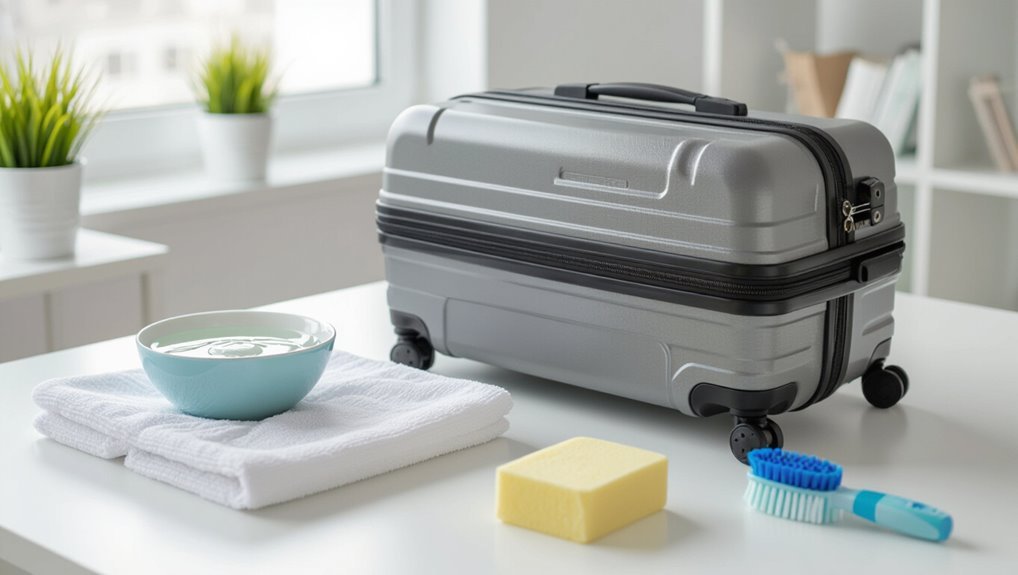
This guide shows you exactly how to clean Samsonite luggage quickly and safely, covering exterior shells, fabric panels, wheels and handles, zippers, and common stains.
You’ll get concise steps, recommended cleaners, and safety tips so you won’t damage materials.
You’ll learn quick methods for spot-cleaning, gentle deep-cleaning options, and maintenance practices that keep your case looking and functioning like new.
Cleaning Checklist for Samsonite Luggage
Before you start, check your Samsonite for damage, stains, odors, and loose hardware so you know what needs attention.
Gather a simple supplies checklist—mild detergent, soft brush, microfiber cloths, disinfectant wipes, and a zipper lubricant.
With inspection and supplies ready, you’ll clean faster and avoid mistakes.
Pre-Clean Inspection
Start by laying your Samsonite on a flat surface and give it a quick once-over: check the shell for cracks or deep scratches, scan seams and handles for loose stitching or hardware, test zippers and wheels for smooth operation, and open pockets to remove debris.
Note stains, odors, and areas needing repair, photograph damage for records, and detach removable parts before cleaning.
Cleaning Supplies Checklist
Now that you’ve inspected your Samsonite and noted repairs or stains, gather the right supplies to clean it properly.
You’ll need a soft brush, microfiber cloths, mild detergent or soap, isopropyl alcohol for stubborn spots, a soft sponge, warm water, a toothbrush for zippers, leather cleaner/conditioner if applicable, and a lint roller.
Have cotton swabs and a small vacuum handy.
Prep: Empty, Detach, and Inspect Compartments
Start by emptying every pocket and compartment so nothing gets missed or damaged.
Detach any removable organizers or straps and set them aside for separate cleaning.
Inspect all zippers and seams for dirt, stuck items, or damage before you proceed.
Remove All Personal Items
Before you do anything else, empty every pocket, pouch, and compartment so you can see what’s left inside and avoid damaging items during cleaning.
Sort items into piles: toiletries, electronics, paperwork, and small accessories.
Remove batteries and fragile goods, stash liquids in a sealed bag, and set aside anything stained or musty for separate cleaning.
Keep valuable items with you.
Check Zippers And Pockets
Run your hands along every zipper and open each pocket to check for stuck sliders, loose threads, or hidden debris that could snag during cleaning.
Unzip fully, feel slider function, and remove lint with tweezers or a soft brush.
Repair loose threads promptly to prevent unraveling.
Empty detachable pouches, secure small parts, and note any damaged zippers for professional repair before deeper cleaning.
Quick 10‑Minute Post‑Trip Care Plan
After you unzip and empty your Samsonite, take ten minutes to give it a quick once-over: shake out crumbs and debris, spot-wipe any stains with a damp cloth and mild soap, and air it open to dry while you sort souvenirs and receipts.
Check lining pockets, remove loose items, toss any trash, freshen with a fabric-safe spray if needed, and close it slightly ajar for airflow.
Remove Loose Dirt From Samsonite Exteriors
Start by brushing off surface dust with a soft brush so it won’t scratch the shell.
Give the bag a firm shake to dislodge loose debris from pockets and zippers.
Finish by running a vacuum with a brush attachment along seams and crevices to pick up what’s left.
Brush Off Surface Dust
Grab a soft-bristle brush or a microfiber cloth and sweep away loose dust and dirt from your Samsonite’s exterior, working in gentle, overlapping strokes so you don’t grind particles into the surface.
Pay attention to seams, zippers, handles and textured areas.
Brush toward the nearest trash or lint trap, tapping the brush occasionally to dislodge trapped grit before moving to the next section.
Shake Out Loose Debris
Once you’ve brushed off surface dust, flip your Samsonite upright and give it a firm, controlled shake to dislodge loose crumbs, lint, and other debris hiding in pockets, seams and wheel wells.
Hold handles securely, support the base, and tap corners gently.
Check interior pockets and zip areas, empty loosened particles, then repeat briefly until no more debris falls free.
Vacuum Seams And Crevices
Next, use a vacuum to lift the dirt trapped in seams, zipper tracks, and crevices on your Samsonite exterior.
Focus on corners where dust collects, and avoid harsh scraping. Try attachments and gentle pressure to protect fabric and plastic.
- Use a crevice tool for narrow gaps
- Swap to a brush head for fabric
- Work zippers slowly
- Empty the vacuum frequently
Shake Out and Vacuum the Interior Lining
Flip the suitcase open and turn it upside down over a trash bin to dislodge crumbs, loose receipts, and other debris trapped in the lining.
Shake firmly but gently, then use a handheld vacuum with a brush attachment to remove remaining particles.
Focus on corners, seams, and zippered pockets.
Empty the vacuum and check for hidden items before proceeding to spot-cleaning.
Spot‑Clean Fabric Linings Safely
After you’ve shaken and vacuumed the lining, treat remaining spots with a gentle, targeted approach to avoid damaging the fabric.
After shaking and vacuuming, gently spot-treat remaining areas to protect the lining—blot, don’t rub.
Dampen a microfiber cloth with mild detergent solution and blot—don’t rub. Test in an inconspicuous area first. Let air dry fully.
- Use mild soap and water only
- Blot stains from edges inward
- Rinse cloth and repeat as needed
- Avoid soaking the lining
Treat Stubborn Stains on Fabric Linings
First, identify the stain type so you know whether it’s oil, ink, or food.
Then pre-treat with a small amount of liquid detergent or stain remover, letting it sit briefly.
Finally, gently scrub with a soft brush and rinse carefully to avoid soaking the lining.
Identify Stain Type
How can you tell what’s causing a stubborn spot in your Samsonite’s fabric lining? Inspect color, texture, smell and location to identify the stain source quickly.
Check for:
- Dark grease or oil stains (slick, brown/black)
- Protein-based spots (dull, may smell)
- Dye transfers (vivid color, no residue)
- Mold or mildew (musty smell, fuzzy patches)
Match treatment to the type before cleaning.
Pre-Treat With Detergent
Apply a concentrated liquid detergent directly to the stained area, working it in gently with your fingers or a soft-bristled brush so the fibers absorb the cleaner.
Let the detergent sit for 10–15 minutes to break down oils and set-in grime.
Blot excess moisture with a clean cloth; don’t let the lining remain soaking wet.
Repeat only if the stain shows improvement.
Gentle Scrub And Rinse
Once the detergent’s had time to work, gently scrub the stained area with a soft-bristled brush or a clean cloth in small, circular motions to lift the loosened dirt without damaging the fabric.
Rinse with a damp cloth, blot excess moisture, then air dry.
Follow these tips:
- Test a hidden spot first
- Use minimal water
- Don’t saturate padding
- Repeat if needed
Clean Soft‑Side Samsonite Fabric Exteriors
Start by removing loose dirt and debris with a soft-bristled brush or a handheld vacuum—this prevents grit from grinding into the fabric when you clean.
Mix mild detergent with warm water, spot-test an inconspicuous area, then gently scrub stains with a microfiber cloth or soft brush.
Rinse with a damp cloth, blot excess moisture, and air-dry away from direct heat or sunlight.
Clean Hard‑Shell Samsonite Suitcases
Hard shells are easier to clean than fabric, so you can tackle scratches, scuffs, and grime with simple household supplies; begin by wiping the exterior with a soft cloth dampened in warm, soapy water and a mild detergent to remove surface dirt.
You’ll then:
- Rinse with a damp cloth and dry immediately.
- Clean zippers and wheels with a brush.
- Use isopropyl for sticky residue.
- Polish with a soft microfiber.
Remove Scuffs From Polycarbonate and ABS Shells
When you spot scuffs on your Samsonite’s polycarbonate or ABS shell, start with a gentle cleaner like mild soap or isopropyl alcohol diluted with water to avoid damaging the finish.
Apply the solution sparingly and rinse with a damp cloth, then dry completely.
Finish by buffing the area with a soft microfiber cloth to restore shine and minimize marks.
Use Gentle Cleaning Agents
If your polycarbonate or ABS shell has scuffs, you can usually remove them without harsh chemicals by using gentle cleaning agents and soft tools; mild dish soap, isopropyl alcohol diluted with water, or a dedicated plastic cleaner will lift grime and reduce marks without damaging the finish.
Use these steps and tools:
- Test cleaner on an inconspicuous spot first.
- Apply solution with a soft cloth.
- Avoid abrasive pads or solvents.
- Rinse with clean water and dry.
Buff With Microfiber
Because microfiber traps grit and polishes without scratching, you’ll want one to gently buff scuffs from polycarbonate and ABS shells.
Dampen the cloth slightly with water or a tiny dab of mild soap, then rub in small circular motions over scuffs.
Rinse and switch to a dry microfiber to remove residue and restore shine.
Repeat lightly until marks fade.
Clean and Deodorize Zippers and Tracks
Inspect the zippers and tracks for dirt, stuck debris, or visible damage before you start cleaning them.
Check zippers and tracks for dirt, debris, or damage before beginning any cleaning.
You’ll remove grime, deodorize, and check function without harming fabric. Follow these steps:
- Brush teeth with a soft toothbrush to dislodge debris.
- Wipe with mild soap and water; avoid soaking.
- Dry thoroughly with a towel and air dry zipped open.
- Spray fabric-safe deodorizer sparingly.
Lubricate and Clean Samsonite Wheels
Check your wheels for cracks, flat spots, or loose fittings before you start any cleaning.
Remove hair, grit, and stuck debris from the wheel housings and rolling surfaces so they spin freely.
Finish by applying a small amount of lubricant to the wheel bearings and wiping away excess to prevent grime buildup.
Inspect Wheel Condition
Before you roll your suitcase again, take a close look at the wheels: remove any trapped debris, spin each wheel to feel for roughness or wobble, and note any cracks or missing hardware that could affect performance.
Check bearings, axle tightness, wheel alignment, and surface wear:
- Tighten loose screws or bolts.
- Replace cracked or deformed wheels.
- Test spin after adjustments.
- Lubricate bearings sparingly.
Remove Debris Buildup
Now that you’ve evaluated wheel condition and tightened or replaced parts as needed, remove trapped hair, lint, and grit from wheel housings with a pair of tweezers or a thin screwdriver.
Then wipe surfaces with a damp cloth to lift remaining dirt. Use a soft brush to reach crevices, dry thoroughly, and check for concealed debris before reassembling or testing wheel rotation.
Lubricate Wheel Bearings
Once you’ve cleared out hair and grit, lubricating the wheel bearings will restore smooth rotation and prolong their life.
You’ll need basic tools and light oil; avoid WD-40 for long-term lubrication.
Remove wheels, apply a drop to each bearing, spin to distribute, then reassemble.
- Use silicone or sewing machine oil
- Clean bearings first
- Don’t over-lubricate
- Check regularly
Maintain Retractable Handles and Telescoping Tubes
Keep the telescoping handle smooth by cleaning debris from the tubes and checking the locking mechanism regularly.
Use a soft brush and damp cloth to remove grit, then dry thoroughly.
Inspect for dents, misalignment, or loose screws; tighten or replace hardware as needed.
Apply a small amount of silicone spray or dry lubricant to the tubes, cycle the handle to distribute evenly.
Clean Leather Accents and Trim Gently
Because leather’s natural oils can dry or darken with harsh cleaners, treat accents and trim gently using products made for leather care.
Use a soft cloth, mild leather cleaner, and conditioner sparingly. Test in an inconspicuous spot first. Avoid soaking or abrasive brushes.
- Dust with a dry microfiber
- Apply cleaner lightly
- Wipe excess immediately
- Condition monthly or as needed
Sanitize High‑Touch Areas Safely
When you’re wiping down handles, zippers, wheels, and interior pockets, use a disinfectant approved for the luggage material and follow the product directions so you don’t damage finishes or coatings.
Test a hidden spot first. Apply with a soft cloth, avoid soaking seams or leather, and let contact time elapse.
Rinse residue if required and dry surfaces with a clean microfiber to prevent streaks.
Dry and Air Out Your Suitcase Properly
After cleaning, stand your suitcase open in a well‑ventilated area and let fresh air circulate through every pocket and seam so moisture can evaporate; prop it at an angle if needed to help water drain from zippers and corners.
You’ll prevent mildew and odors by drying fully.
- Open all compartments and remove inserts
- Wipe residual damp spots with a clean cloth
- Leave for several hours, sunlight optional
- Verify wheels and handles are dry before storing
Refresh Odors: Baking Soda, Sprays, and Sachets
Now that your suitcase is fully dry, it’s time to tackle lingering smells.
Sprinkle baking soda inside, leave overnight, then vacuum or shake out. For quick freshening, mist a fabric-safe deodorizing spray sparingly and let air.
Place scented sachets or activated-charcoal pouches in pockets while storing to absorb odors. Replace sachets regularly to keep the interior smelling clean.
Protect Finishes: Polish and Protective Sprays
Though you’ve removed dirt and odors, protecting your suitcase’s finish will keep it looking new and extend its life.
You’ll want to treat hard and soft surfaces differently and use products made for luggage.
- Test polish or spray on an inconspicuous spot first
- Use microfiber cloths and light pressure
- Avoid silicone on fabric panels
- Reapply sparingly after heavy use
Store Samsonite Luggage to Prevent Damage
Store your Samsonite upright in a cool, dry spot with good airflow to prevent mold, warping, and fabric deterioration.
Keep it zipped or empty to retain shape, remove batteries and loose items, and tuck wheels away from direct sunlight.
Use breathable covers or cloth bags—avoid plastic—to reduce moisture buildup.
Elevate off concrete and rotate occasionally to prevent pressure dents.
Regular Maintenance Between Trips (Monthly Checklist)
Anyone can keep their Samsonite in top shape by doing a quick monthly check-up: inspect zippers and seams for wear, wipe down surfaces, lubricate wheel axles, test telescoping handles, and air out the interior to prevent odors and mildew.
Do these tasks each month to extend lifespan and catch issues early:
- Check wheels for debris and smooth roll
- Tighten loose screws
- Clean interior fabric gently
- Store with desiccant packs
Troubleshoot Common Stains and Fixes
When a spill or smudge hits your Samsonite, act quickly to prevent stains from setting—addressing most common marks with the right cleaner and method will usually restore the finish without damage.
For ink, dab alcohol; for grease, sprinkle baking soda then wipe with mild detergent; for dye transfer, try diluted oxygen bleach on a hidden spot first.
Rinse, dry, repeat as needed.
When to Seek Professional Cleaning Service
Wondering if a professional is worth it? You should hire one when damage, persistent odors, mold, or complex materials exceed DIY skills.
Professionals restore appearance and protect components safely.
Professionals revive appearance and safeguard components with safe, expert care you can trust.
- structural damage or broken wheels
- deep-set stains after multiple attempts
- persistent mildew or smoke odor
- delicate fabrics or luxury trims needing specialty care
Cleaning Practices That May Void Your Samsonite Warranty
If you opt for professional help, also check how certain cleaning methods affect your Samsonite warranty so you don’t undo their work or void coverage.
Avoid harsh solvents, bleach, abrasive pads, high‑heat treatments, and unauthorized repairs.
Using unapproved dyes, sealants, or structural modifications can nullify coverage.
Keep receipts and follow Samsonite’s care instructions so any claim remains valid and straightforward.
Quick Recap: Step‑by‑Step Cleaning Checklist
1 quick checklist will keep your Samsonite looking its best:
- Empty, vacuum interior and remove debris.
- Spot‑clean fabric and wipe hard shells with mild soap.
- Dry thoroughly, air out odors, and condition leather trims.
- Check wheels, zippers, and handles; tighten or lubricate as needed.
Follow this order each time you clean to protect warranty and extend luggage life.
Frequently Asked Questions
Can I Machine Wash Removable Samsonite Liners or Pads?
Yes — you can machine wash many removable Samsonite liners or pads, but check the care tag first; use a gentle cycle, cold water, mild detergent, and air-dry to prevent shrinking or damaging any foam or coatings.
How Do I Repair a Cracked Hard-Shell Suitcase?
You can repair a cracked hard-shell suitcase by cleaning the area, sanding edges, applying plastic epoxy or patch kit, clamping until cured, reinforcing with fiberglass tape if needed, then sanding and painting to match. Check structural integrity.
Are Airline Baggage Handlers Liable for Luggage Damage?
Yes, they can be, but liability’s limited: you’ll usually need to file a claim with the airline, prove damage occurred during handling, provide receipts, and accept compensation capped by international or carrier-specific rules and limits.
Can I Use Essential Oils to Scent My Suitcase Long-Term?
You can, but you shouldn’t apply undiluted essential oils directly inside fabric or seals; they can stain, degrade adhesives, or leave strong residues. Use cotton pads with diluted drops in a breathable pouch and replace periodically.
Is It Safe to Store Luggage in a Humid Basement?
Not really — storing luggage in a humid basement risks mold, mildew, fabric damage, and odor. You should use airtight containers, silica gel packs, elevated shelving, and a dehumidifier to protect bags and prolong their lifespan.
Conclusion
You’ve now got a simple, reliable routine to keep your Samsonite looking and working like new. Empty and inspect every pocket, brush off grit, spot‑treat stains promptly, and wipe shells and wheels with mild soap and water. For stubborn grime or damage, consider a pro cleaner to avoid voiding warranties. Do quick post‑trip care each time, and follow the checklist to save effort and extend your luggage’s life.