What Is a Luggage Tag Purpose and How to Use It
A luggage tag helps you ID and recover lost or misrouted bags by showing your name and contact info so staff can return them quickly. Attach a clear, durable tag to every handle or strap before you travel, include a phone and backup contact (email works), and pick waterproof or smart options for extra tracking. Secure it visibly but protect sensitive details, check batteries and legibility, and test attachments—keep going to learn practical tips and common pitfalls.
What Is the Primary Purpose of a Luggage Tag?
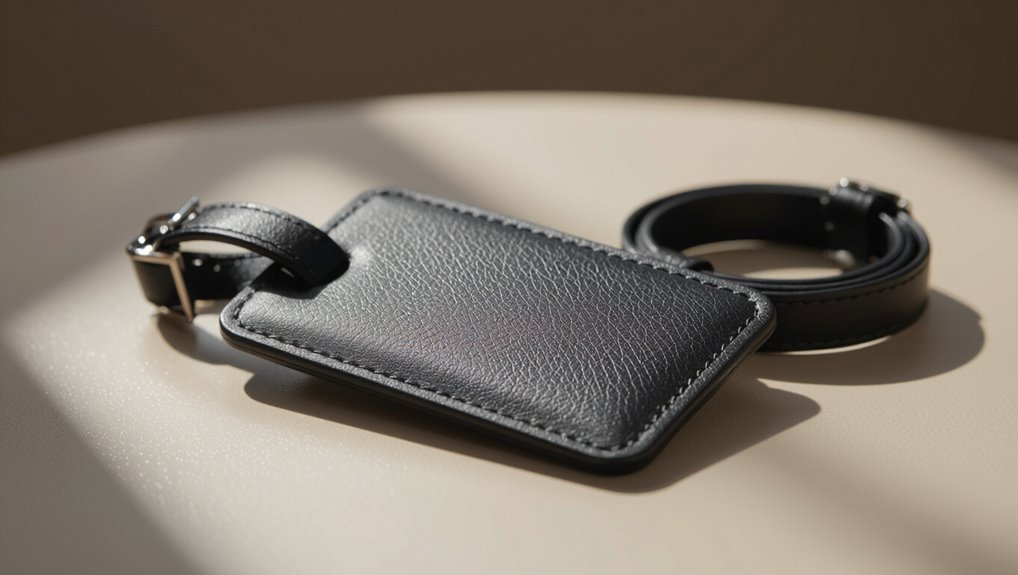
A luggage tag’s primary purpose is to make it easy for you to identify and recover your bag quickly.
It displays your name and contact details so handlers or strangers can return lost luggage. You attach it visibly to straps or handles, choose durable material, and keep information current.
That simple ID speeds reunion and prevents mix-ups without relying on memory or staff alone.
Why You Should Use a Luggage Tag Every Trip
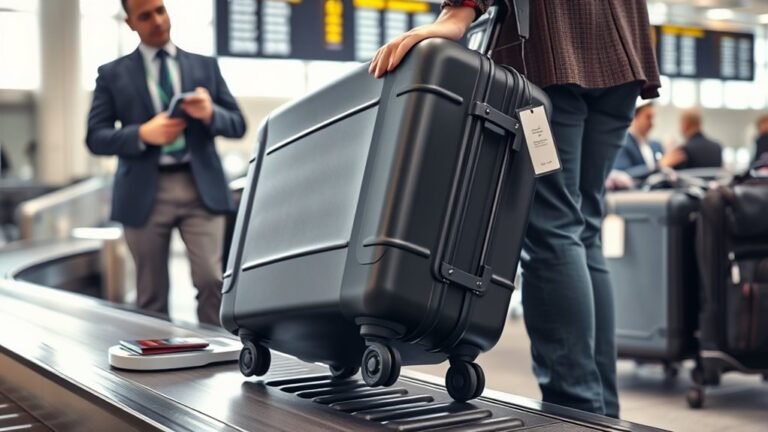
Because travel keeps you moving, you should tag your luggage every trip to cut down the risk of loss, speed recovery if something goes wrong, and avoid delays at the carousel.
A clear tag helps staff identify you fast, reunites you with belongings, deters theft, and makes transfers smoother.
It’s a small step that prevents big hassles and saves time.
When to Attach Your Luggage Tag
If you want to avoid last-minute scrambling, attach your luggage tag as soon as you’ve packed and closed your bag.
Also tag carry-ons, daypacks, and any checked items before leaving home.
For multi-leg trips, replace or update tags after transfers if routing changes.
If you check luggage at the airport, confirm tag placement is visible and secure to prevent loss or mix-ups.
What to Include on a Luggage Tag for Recovery
Include your full name and a primary phone number on your luggage tag so anyone who finds it can identify you quickly.
Add an alternative contact—like a family member’s number or your email—if you can’t be reached right away.
Keep the information legible and up to date to speed recovery.
Full Name And Contact
Your full name and reliable contact info are the core of any luggage tag, since they give handlers a clear way to reunite you with your bag.
Include your first and last name plus a phone number you’ll answer. Add an email for written follow-up.
Print legibly or use a durable label so information stays readable throughout travel and handling.
Alternative Contact Details
When you can’t or don’t want to list a primary phone number, add secondary contacts that still let handlers reach you or someone who can arrange return—think a trusted friend or family member’s phone, a work number, or a nearby emergency contact.
You should include full name, relationship, country code for international travel, and an email. Rotate contacts if traveling long-term and keep details current.
How Airlines Read and Use Luggage Tags
Airlines read luggage tags using a mix of barcodes, RFID chips, and visual checks, so you’ll usually find both machine-readable codes and human-readable info on each tag.
Airlines use barcodes, RFID, and visual checks on luggage tags for reliable routing and tracking.
You’ll see scanners route bags, staff verify names and flights, and systems update tracking so you can follow progress.
- Conveyor barcode scan at check-in
- RFID antenna sorting gates
- Agent visual name/flight check
- Baggage tracking status updates
Airline Paper Tags Vs Personal Luggage Tags
Curious which tag you should trust most? You’ll weigh airline paper tags’ routing accuracy against personal tags’ durability and ID clarity. Use both: airline tags for tracking, personal tags for identification and quick retrieval.
| Type | Strength | Weakness |
|---|---|---|
| Airline paper | Routing accuracy | Tears easily |
| Personal tag | Durable ID | Not used by airline |
| Both | Best redundancy | Requires setup |
Visible Contact Details: Pros and Cons
Although showing your name and phone number on a luggage tag makes it easy for anyone to contact you if your bag gets separated, it also exposes your personal details to strangers and potential thieves.
You’ll weigh immediate recovery against privacy risks and decide how visible to be.
- A bold name on bright luggage
- A clear number under sunlight
- Curious eyes at baggage claim
- A hand copier near a café
Protecting Privacy While Keeping Tags Useful
When you want your luggage tag to help reunite you with lost bags without broadcasting sensitive details, balance visibility with discretion by sharing only what’s necessary and using privacy-friendly tools like covered ID windows, initials, or a secondary contact method (email or a short code tied to an online profile).
Use minimal info, a secure flap, and a trusted alternate contact so handlers can reach you without exposing full personal data.
Durable Luggage Tags: Leather, Metal, Plastic
When you pick a durable luggage tag, compare leather, metal, and plastic for how they withstand rough handling and weather.
Consider style and finish—polished metal, full-grain leather, or matte plastic—to match your bag and travel habits.
Think about maintenance and longevity so you know which material will stay functional and attractive trip after trip.
Material Durability Comparison
Durability matters most when you pick a luggage tag, and leather, metal, and plastic each bring different strengths and weaknesses to the table.
You’ll choose based on abrasion, impact, water resistance, and maintenance. Consider where you travel and how rough handling gets.
- Scuffed leather softens, stitches can fail
- Dented metal resists cuts, may bend
- Cracked plastic snaps under stress
- Hybrid tags combine benefits without heavy upkeep
Style And Finish Options
How do you want your luggage tag to look and feel?
Choose leather for classic warmth and a refined patina, metal for sleek, modern durability and a polished or brushed finish, or plastic for lightweight, colorful, and affordable options.
You’ll pick based on style, airport visibility, and how the finish complements your bag—matte, glossy, embossed, or engraved for personal flair.
Maintenance And Longevity
Although you’ll likely pick a tag for looks first, its care determines how long that style lasts; simple routines keep leather supple, metal scratch-free, and plastic crack-resistant.
You’ll clean, condition, and store tags properly, inspect attachments, and replace worn straps to avoid loss.
- Wipe salt stains off leather after beach trips
- Buff metal scuffs gently
- Avoid overbending plastic
- Store tags flat in a pouch
Cheap Options: Cardboard and Paper Luggage Tags
Paper and cardboard tags are the simplest, cheapest way to label luggage, and they work fine for short trips or one-way travel where you won’t need long-term identification. You can write contact details, fold for privacy, and replace them easily if lost. Use them for quick labeling, but expect wear.
| Pros | Cons |
|---|---|
| Inexpensive | Not durable |
| Lightweight | Not waterproof |
| Disposable | Easy to lose |
Best Waterproof and Weatherproof Luggage Tags
When you’re packing for trips that might see rain, snow, or rough handling, waterproof and weatherproof luggage tags keep your contact info readable and attached. They’re built from materials like TPU, vinyl, or coated aluminum and seal against moisture, abrasion, and fading.
You’ll want durable straps, clear ID windows, secure closures, and bright colors for quick ID.
- rubberized strap
- sealed clear window
- aluminum plate
- neon sleeve
How Smart GPS/Bluetooth Luggage Tags Work
You’ll learn how smart tags locate your bag by combining GPS or Bluetooth signals with nearby devices or your phone.
You’ll see how they connect—Bluetooth for close-range tracking and cellular/GPS for broader coverage—and what that means for real-time updates.
You’ll also cover battery types, lifespan, and charging methods so you know how long they’ll keep working.
How They Track
Although they seem simple, smart luggage tags use a few different technologies to keep tabs on your bag:
- Bluetooth pings your phone when you’re nearby, like a gentle tap on the shoulder.
- GPS provides broad location dots on a map, showing where your case traveled.
- Cellular sims relay updates when Wi‑Fi’s absent.
- Crowd-sourcing harnesses other users’ devices to spot your tag out of range.
Connectivity And Power
Smart luggage tags stay useful by balancing how they connect and how long their batteries last: they switch between Bluetooth, GPS, and cellular depending on range and power cost, and they use sleep modes, low-energy chips, and scheduled reporting to stretch battery life. You pick tags that match your travel: range, battery life, update rate.
| Mode | Power use | Best for |
|---|---|---|
| Bluetooth | Low | Short range |
| GPS | High | Precise tracking |
| Cellular | Medium | Wide area |
Passive ID Tags Vs Active Trackers: Choose Which
When picking a way to keep track of your luggage, decide whether you want a passive ID tag—simple, cheap, and reliable—or an active tracker that uses batteries and real-time signals.
You’ll weigh cost, visibility, tech needs, and peace of mind. Choose passive for low fuss, active for tracking.
Visualize typical uses:
- A worn leather tag on a carry-on
- A bright ID on checked baggage
- A small tracker in a backpack
- A phone app map showing location
Battery Life and Care for Smart Luggage Tags
Because smart tags rely on small batteries, understanding how long they last and how to care for them will save you surprises at the airport.
Check manufacturer life estimates, disable features you don’t need, and update firmware to optimize power.
Check the maker’s battery life, turn off unneeded features, and keep firmware updated for best power.
Store tags removed from luggage in cool, dry places and remove batteries for long storage.
Replace cells with specified types to maintain performance.
Tracker Accuracy and Effective Range Explained
If you want reliable location updates, know that a tag’s accuracy depends on its technology, signal conditions, and nearby devices relaying data.
You’ll see tighter precision with GPS outdoors, while Bluetooth works for nearby tracking and crowdsourced networks extend reach.
Consider obstacles, interference, and device density when judging performance.
- A crowded airport concourse
- A metal suitcase interior
- Dense urban canyon streets
- Open runway field
Airline Rules for Luggage Trackers
Knowing how accuracy varies with GPS, Bluetooth, and crowdsourced networks helps you pick the right tracker, but you also need to follow airline rules that govern whether and how you can carry those devices.
Check airline and country regulations for battery type, capacity limits, and carriage (checked vs. carry‑on).
Declare high‑capacity lithium batteries, power trackers off if required, and keep documentation handy.
How to Attach a Tag to Different Bag Types
Start by matching the tag style to your bag: clip or loop tags work best on handles and straps, zip‑pull tags suit soft luggage and backpacks, and adhesive or sleeve tags are ideal for hard‑shell suitcases and briefcases where straps aren’t available.
Then attach securely, hide personal info if needed, and check fastenings before travel.
Attach tags firmly, conceal sensitive details, and recheck fastenings before each trip.
- Leather handle with a loop tag
- Backpack zipper with a zip‑pull
- Spinner suitcase with adhesive sleeve
- Slim briefcase with a discreet clip
External Tags Vs Internal Address Pockets
You’ll choose between showing your contact info on an external tag or tucking it into an internal address pocket based on visibility, security, and convenience: external tags make identification quick for handlers and reunite lost luggage faster, while internal pockets protect personal details from casual view and tampering but can slow down recovery if the bag’s exterior ID is damaged or removed.
Balance risk and accessibility.
Labeling Checked Luggage Vs Carry-On Bags
When deciding whether to label checked luggage or carry-on bags, consider how visibility and handling affect both recovery and privacy: you’ll want tags on checked bags for easy identification after rough handling, while carry-ons can have subtler tags to protect privacy.
Visualize scenarios:
- A battered suitcase on the carousel
- A tote tucked in an overhead bin
- A bright tag peeking from straps
- A discreet tag behind a flap
What to Write If You Want Minimal Contact Info
If you want to keep your luggage tag information minimal, list only what’s essential for recovery: your first name, a local phone number or email that you check while traveling, and a city or abbreviated address (city, state/province).
Add an alternative contact only if necessary. Use clear, legible handwriting or printed text.
Avoid full home addresses, passport numbers, or sensitive personal details.
How to Format Contact Details for Clarity
Because clear formatting speeds recovery, write contact details so they’re instantly readable: use short lines (name on the first, phone or email on the second, city/state on the third), choose a plain, legible font or neat block handwriting, and separate items with commas or line breaks rather than long phrases.
Keep info concise and visible.
- John Doe
- +1 555-123-4567
- john@example.com
- Seattle, WA
When to Use a Business Card or Temporary Slip
Often a simple business card is the best choice for short trips or professional travel, while a temporary contact slip works better for informal or shared luggage situations.
Use a card when you want a durable, professional identifier with minimal info.
Choose a slip when you need disposable, visible details for group trips, hotel holds, or borrowing — then discard it afterward.
Speeding Up Baggage Claims With a Good Tag
When you attach a clear identification tag, baggage handlers and fellow travelers can spot your contact info at a glance.
Adding a colorful or unique band makes your bag stand out on crowded carousels, cutting the time you spend scanning for labels.
Use both for the fastest, most reliable claim experience.
Clear Identification Tags
A clear identification tag helps you spot your bag instantly at crowded carousels, cutting the time you spend waiting and reducing the chance someone else grabs your luggage by mistake.
You’ll choose legible fonts, essential contact info, and durable materials so workers and you can read it fast.
- bold name and phone
- waterproof card
- simple icons (home, phone)
- reinforced strap
Colorful Or Unique Bands
Because a bright or unusual band makes your bag stand out in seconds, you’ll spot it faster on a crowded carousel and cut claim time dramatically.
Choose vivid colors, bold patterns, or custom straps so your suitcase is unmistakable.
Elastic bands, patterned wraps, or personalized ribbons prevent mix-ups, speed retrieval, and add style.
Attach securely and check elasticity periodically for reliable performance.
How Tags Help at Hotels and Ground Transport
Hotels and ground transport teams often rely on clear luggage tags to speed check‑ins and pickups, so you’ll want tags that display your name, contact info, and any special handling instructions prominently.
You’ll avoid delays when staff spot your details quickly, match bags to rooms or vehicles, and note fragility or priority.
- Polished leather tag on a suitcase
- Bright silicone loop on a duffel
- Folded paper tag taped inside
- Barcode sticker on a trunk
Set Up and Register a Smart Luggage Tag
Start by powering on the tag and downloading its companion app so you can link the device to your account.
Follow in-app prompts to register the serial number, add contact details, and set privacy preferences.
Register the serial number, add contact details, and set privacy preferences via the app prompts.
Verify firmware updates, enable notifications, and choose recovery options like emergency contact or temporary public mode.
Store credentials securely and test basic status before travel.
Pairing Trackers With Phones and Apps
When you’re ready to link your tracker, open the companion app and enable Bluetooth on your phone so the device can be discovered; follow the app’s prompts to select the tag, confirm its serial number, and grant any location or notification permissions required for reliable tracking.
Then test connectivity and name the tag so you’ll recognize it quickly.
- Ping the tag to hear a chirp
- Watch signal strength bars
- Assign a custom name/icon
- Set safe zones and alerts
Troubleshooting Common Smart-Tag Problems
If your smart-tag won’t connect, start by toggling Bluetooth, restarting the tag and phone, and checking app permissions.
Check the tag’s battery level and contacts if it suddenly loses power or won’t turn on.
If location isn’t updating, force-refresh the app, confirm location services are enabled, and move briefly to trigger a new fix.
Connection Troubleshooting Steps
Check your phone and tag right away to rule out simple connection issues before diving into more complex fixes: make sure Bluetooth is on, the tag’s battery has charge, and your device is within range without heavy interference.
Then try re-pairing, restart Bluetooth, update the tag’s app, and move to a quieter area to test.
- Restart your phone
- Toggle Bluetooth
- Re-pair the tag
- Move away from crowds
Battery And Power Issues
After you’ve ruled out basic connection issues, power problems are the next likely culprit for a misbehaving smart tag.
Check battery level in the companion app, replace or recharge the cell if low, and confirm proper orientation.
Inspect for corrosion or loose contacts, and reset the tag after swapping power.
If issues persist, test with a known good battery before contacting support.
Tag Not Updating Location
When your tag stops updating its location, start by confirming the companion app shows it as connected and within range; low signal, disabled location permissions, or a drained battery are common causes.
Check settings, restart the tag, and update firmware.
Visualize scenarios:
- Tag tucked deep in a suitcase under clothes
- Airport metal conveyor belt interference
- Phone in airplane mode
- Weak Bluetooth signal in crowded terminal
How to Update Tag Info Midtrip
If your contact details or itinerary change midtrip, update the tag information promptly so anyone who finds your bag can reach you quickly.
Carry a pen or use a smartphone to edit writable tags, or swap in a new paper insert.
For digital tags or tracking apps, open the app, edit contact and flight details, save changes, and confirm sync to devices.
Conceal Tags to Reduce Theft Risk
Because visible tags can advertise your destination and contact details to opportunistic thieves, tuck or disguise them to lower the risk of tampering or theft.
Use discreet placements and coverings so only handlers can find your ID when needed. Consider simple measures that don’t impede scanning or retrieval:
- Slip tag into an inner pocket
- Wrap with elastic band
- Use a luggage flap or zipper cover
- Clip behind handle
Pick a Luggage Tag for Your Travel Style
After you’ve made tags less obvious to would-be thieves, choose one that matches how you travel and what you value most—durability, visibility, privacy, or tech features.
If you’re rough on luggage, pick rugged materials and secure straps. For quick identification, use bright colors or unique shapes.
Prioritize privacy with covered windows, or opt for smart tags with GPS and notifications if you want real-time tracking.
Family Tags: Coordinating Colors and Info
Choose matching colors for each family member so you can spot everyone’s bags at a glance.
Use shared contact info labels—like a primary phone number and email—so handlers can reach you if any piece gets separated.
Keep the tags simple and consistent to reduce confusion during busy transfers.
Matching Colors For Identification
A simple color system makes spotting family luggage quick and stress-free: assign each family member a distinct hue and use matching tags so you can identify bags at a glance.
You’ll grab the right suitcase faster, reduce mix-ups, and add a bit of personality.
- Bright red for mom
- Navy blue for dad
- Lime green for teen
- Sunshine yellow for child
Shared Contact Info Labels
Family tags pair coordinating colors with concise contact info so you can spot a bag and reach the right person fast.
Use identical color schemes for each family member but vary a small detail—initial, icon, or stripe—to avoid confusion.
Include one primary phone, an email, and a brief backup contact.
Place tags prominently and verify details before travel to guarantee quick reunions.
Luggage Tags for Business Travelers
When you’re traveling for work, luggage tags do more than meet airline rules—they cut down stress, speed up baggage recovery, and keep your professional image intact.
Choose sturdy, discreet tags with clear contact info and a privacy flap. Attach securely to briefcases or roller luggage to avoid delays.
- polished leather tag on a carry-on
- narrow tag on a garment bag
- discreet privacy flap
- reinforced cable loop
Tags for International Travel and Customs
When you travel internationally, make sure your luggage tag shows clear contact info that customs or airline staff can read quickly.
Also consider a secure spot for customs declaration forms or a note indicating where those documents are stored.
If you’re heading to a non-English-speaking country, include key details in the local language and tuck photocopies of your passport and visas inside or attached.
Visible Contact Info
Because customs officers and airport staff need quick access to your details, put clear, readable contact info on both inside and outside tags for international trips.
Use legible font, include a local phone number, an email, and your accommodation address. Protect info with a transparent sleeve and avoid overcrowding.
- Bold name
- Country code phone
- Short email
- Hotel street address
Customs Declaration Placement
Place your completed customs declaration where officers can see it without opening your bag: attach it to an exterior pocket or slip it into a clear, front-facing sleeve on the tag. Secure it flat, visible, and protected from moisture. Use legible printing and fasten with a strong clip so officials can inspect quickly.
| Location | Visibility | Protection |
|---|---|---|
| Exterior pocket | High | Weatherproof sleeve |
| Tag sleeve | High | Clear plastic |
Language And Document Copies
If you’re traveling internationally, include a clear, legible copy of any required travel documents in multiple languages or with a certified translation tucked into your luggage tag’s clear sleeve. This way, customs officers can verify information without opening your bag.
You’ll also add emergency contacts and passport info copies; keep originals secure and use waterproof sleeves.
- passport copy
- visa page
- vaccination record
- emergency contact sheet
Using Multilingual Labels and Local Numbers
When you add multilingual labels and a local phone number to your luggage tag, you make it much easier for airline staff and locals to return lost items quickly; include the primary language of your destination plus English for wider recognition.
Also add a local number or WhatsApp contact, brief name, and hotel/address.
Keep text clear, legible, and weatherproof to guarantee prompt identification and contact.
Eco-Friendly Luggage Tag Materials
Because more travelers care about the planet, choosing eco-friendly luggage tags cuts waste without sacrificing durability or style.
You can pick recycled leather, cork, organic cotton, or reclaimed plastic options that look good and last. They reduce landfill impact and often use non-toxic dyes.
Consider tags with simple, repairable clasps so you keep and reuse them longer.
- recycled leather
- cork
- organic cotton
- reclaimed plastic
How to Clean and Maintain a Luggage Tag
You’ll want a few basic cleaning materials—mild soap, a soft cloth, and rubbing alcohol for stubborn spots—so you can keep tags looking sharp.
Wipe them regularly, check straps and attachments for wear, and replace parts as needed to avoid failures mid-trip.
When you’re not traveling, store tags in a dry place or protective pouch to prevent scratches and sun damage.
Cleaning Materials Needed
To clean and maintain your luggage tag effectively, gather a few simple supplies: a soft microfiber cloth, mild dish soap or gentle all-purpose cleaner, cotton swabs for crevices, and rubbing alcohol (70%) for stubborn grime or adhesive residue.
- soft microfiber cloth
- mild dish soap in a small bowl
- cotton swabs for seams and edges
- small bottle of 70% rubbing alcohol
Routine Maintenance Steps
Start by laying out your cleaning supplies and inspecting the tag for dirt, cracks, or loose parts so you can address issues before they get worse. Gently wipe surfaces, clean clear windows, tighten fasteners, and let parts air dry. Replace damaged tags promptly.
| Task | Tool | Frequency |
|---|---|---|
| Wipe | Cloth | After trip |
| Inspect | Light | Monthly |
| Tighten | Screwdriver | As needed |
Storage And Protection
Think of storage and protection as the last line of defense for your luggage tag: store tags in a cool, dry place away from direct sunlight, keep them in a small pouch or drawer to prevent scratches, and avoid stacking heavy items on top that can bend or crack plastic.
You’ll clean gently, check straps, and replace worn parts when needed.
- soft cloth wiping
- zipped fabric pouch
- shallow drawer compartment
- flat storage surface
When to Retire or Replace a Luggage Tag
If your tag shows heavy wear, faded printing, or a cracked plastic window, it’s time to replace it—those signs mean your contact info can get lost or damaged during transit. You should also swap tags after rough trips, missing attachments, or outdated details to keep identification reliable.
| Sign | Action | When |
|---|---|---|
| Faded info | Replace | Immediately |
| Cracks | Replace | Before next trip |
| Missing strap | Repair/Replace | ASAP |
How Much Should You Spend on a Tag?
How much you should spend on a luggage tag depends on how often you travel and how much value you place on durability, security, and style.
Choose a price that matches your needs: budget for occasional trips, invest more if you travel frequently, or splurge for designer pieces that last.
Visualize options:
- Worn leather tag on a weekend bag
- Bright silicone tag on a kid’s suitcase
- Metal plate on a heavy roller
- Slim privacy sleeve tucked into carry-on
Common Mistakes That Make Tags Ineffective
Mistakes like illegible handwriting, exposed personal details, or weak attachments are the main reasons tags fail you — and they’re easy to avoid.
You should avoid tiny fonts, smudged ink, and vague contact info. Don’t rely solely on paper slips or flimsy straps.
Avoid tiny fonts, smudged ink, and vague contact details; don’t depend on paper slips or flimsy straps.
Also, skip overt home addresses; use a phone, email, or office address.
Regularly inspect and secure the tag properly.
How to Test Your Tag Setup Before Departure
Before you leave, check that the tag is firmly attached and can’t slip off during handling.
Make sure your contact info is clearly visible and not obscured by straps or stickers.
Then run a quick lost-and-found drill—have someone else try to read your tag and tell you what they’d do if they found the bag.
Check Attachment Security
Start by giving your luggage tag a firm tug and a visual once-over to confirm straps, loops, or rivets are snug and aligned with the bag’s attachment point.
Then test movement and redundancy so the tag won’t snag or come loose during transit.
- Tugging strap against handle
- Spinning bag to check snag points
- Bending loop to test flex
- Inspecting rivets for play
Verify Contact Visibility
Once you’ve confirmed the tag’s attachment is secure, make sure your contact info is clearly visible from common angles so handlers can read it without removing the tag.
Hold the bag at typical carry heights and photograph the tag from front, back, and side.
Check for glare, legible font size, and contrast. Adjust placement or cover any obstructions before you leave.
Simulate Lost Scenario
Do a quick lost-bag drill to see how your tag performs in a real mistake: hide the bag out of sight for a few minutes or hand it to a friend and ask them to find you, then have them try to read the tag and contact you from where they found it.
Verify readability, accuracy, durability, and response time.
- dimly lit carousel
- crowded café table
- overhead bin gap
- hotel lobby chair
Quick Checklist for Tagging Every Bag
1 simple checklist keeps you from forgetting a tag: confirm contact details, choose a durable tag, attach it securely, and add a secondary identifier inside the bag. Use the table below to tick items as you prep.
| Item | Done |
|---|---|
| Contact info updated | |
| Durable tag selected | |
| Secure attachment + backup |
Frequently Asked Questions
Can Luggage Tags Be Legally Required by Certain Countries or Carriers?
Yes — some countries or carriers can require specific tags or ID for customs, quarantine, or security reasons. You’ll need to follow their rules, provide required information, and use approved tags or labels to avoid delays or fines.
Do Luggage Tags Affect Baggage Insurance Claims or Liability?
They can help: if your tag links you to the bag, insurers and carriers may accept claims more easily, but tags don’t guarantee coverage or limit liability; you’ll still need to meet policy terms, prove loss, and follow carrier rules.
Can Tags Interfere With TSA or Customs Inspections?
Yes — tags generally won’t block inspections, but bulky or sealed tags might slow screening. You’ll need to remove or open anything obstructing agents; customs or TSA can remove tags or inspect contents if required, and you should cooperate.
Are There Restrictions on Smart Trackers at Airports or on Planes?
Yes — you’ll face restrictions. Many airlines ban active RF trackers in checked baggage; some allow passive Bluetooth in carry-on. You’ll need to disable cellular or GPS transmission and follow airline and local aviation authority rules.
How Do I Prove Ownership if a Tag Is Removed or Tampered With?
You’ll prove ownership with photos, purchase receipts, serial numbers, and matching ID details in airline or police reports; register trackers or tags, keep photos of unique marks, and report tampering immediately to airlines and authorities.
Conclusion
You’ve seen why a luggage tag matters: it speeds up recovery, helps airlines, and prevents stress. Before each trip, attach a clear tag with essential contact info—use a secure, visible spot and add a privacy flap or secondary ID inside. Test the tag’s durability and readability, avoid common mistakes, and don’t skimp on quality. Do this every time, and you’ll travel smarter, calm down faster if luggage goes astray, and increase the chance of getting it back.