Can Green Card Holders Get Tsa Precheck Eligibility Explained
Yes — you can get TSA PreCheck as a green card holder if you’re a lawful permanent resident and pass the routine background check. You’ll apply online, book an in‑person enrollment, bring your physical Form I‑551 and a matching photo ID, provide fingerprints, and pay the nonrefundable fee. Membership lasts five years and must be renewed; status or document changes can affect eligibility. Keep your records current and continue below to learn specifics, timelines, and common pitfalls.
Who Should Read This Guide?
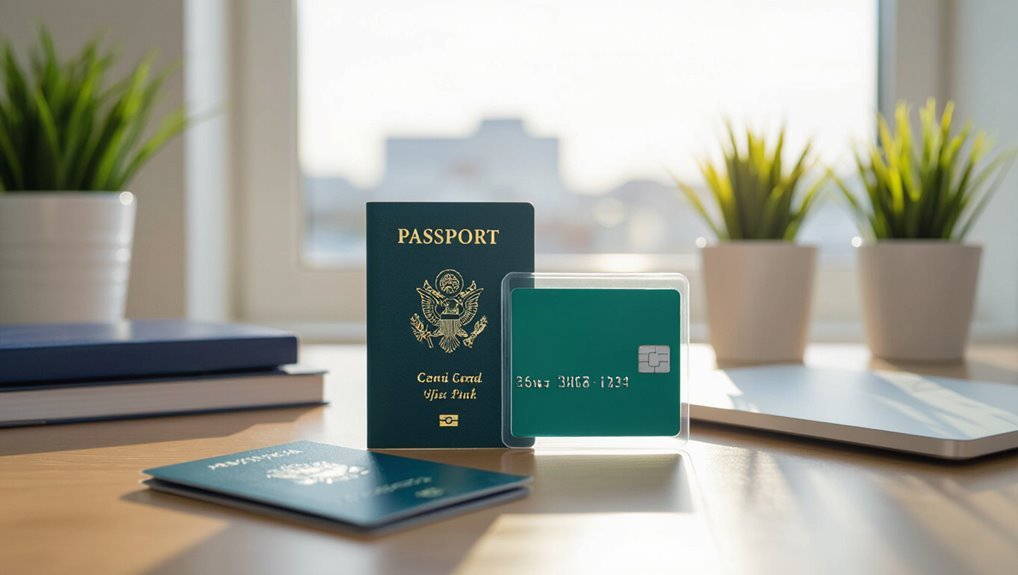
Wondering if this guide applies to you? You’re a green card holder curious about airport security, enrollment processes, or eligibility criteria for trusted traveler programs.
You’ll benefit if you travel frequently, want faster screening, or need clear steps for applying. This section targets permanent residents seeking practical, concise info without legal jargon, helping you decide whether to pursue expedited screening options.
Can Green Card Holders Get TSA PreCheck?
Yes—you can qualify for TSA PreCheck as a green card holder, but you’ll need to meet the standard eligibility requirements like citizenship or lawful permanent resident status and pass the background check.
The application process involves an online form, an in-person appointment for ID verification and fingerprints, and a fee.
Keep in mind renewal timelines and limits on eligibility so you can maintain your PreCheck benefits without gaps.
Eligibility Requirements Overview
Most lawful permanent residents (green card holders) can apply for TSA PreCheck, since eligibility focuses on U.S. immigration status and a clean security background rather than citizenship.
You must be admissible to the United States, have no disqualifying criminal convictions, and pass a federal background check.
Certain immigration restrictions or unresolved legal issues can bar eligibility, so verify your status before applying.
Application Process Steps
Because green card holders meet the same basic eligibility criteria as U.S. citizens, you can start the TSA PreCheck application process by completing the online form, scheduling an in-person enrollment appointment, and submitting fingerprints and ID documents at an enrollment center.
After a background check and fee payment, you’ll receive a Known Traveler Number if approved.
Bring your passport or permanent resident card, proof of address, and arrive on time.
Renewal And Eligibility Limits
When your TSA PreCheck membership is nearing expiration, you can renew it online or in person.
As a green card holder, you’ll follow the same renewal steps and eligibility limits that apply to U.S. citizens; keep your permanent resident card current, complete the renewal application, pay the fee, and be prepared for another background check if required.
You must maintain eligibility—no disqualifying convictions or immigration issues—to retain benefits.
Who Qualifies for TSA PreCheck in General?
If you’re 18 or older and a U.S. citizen, a U.S. national, or a lawful permanent resident, you can apply for TSA PreCheck to speed through airport security.
You’ll need to complete an online application, submit fingerprints at an enrollment center, and pass a background check.
Certain vetted travelers, like military members and eligible frequent flyers, may also qualify.
How Does Permanent Resident Status Affect Eligibility?
You already meet the basic age and status requirements noted above, but your lawful permanent resident (green card) status brings a few specifics to the TSA PreCheck process.
You can apply for PreCheck through DHS Trusted Traveler Programs, but you’ll undergo fingerprinting, background checks, and identity verification like citizens.
Approval depends on your criminal and immigration history; maintain valid documentation and disclose accurate information.
Which Green Card Types Affect PreCheck Eligibility?
Although most lawful permanent residents follow the same TSA PreCheck application steps as citizens, certain green card categories can influence eligibility and the background review you’ll face. You should expect variations based on visa class, status changes, and security flags; documentation clarity helps.
| Green Card Type | Impact on Review |
|---|---|
| EB (employment-based) | Typically straightforward |
| Family-based | Depends on sponsor background |
| Humanitarian | May trigger extra checks |
| Other/nonstandard | Case-by-case evaluation |
Do Conditional Green Card Holders Qualify?
Wondering whether conditional green card holders can get TSA PreCheck? If you hold a conditional resident card (usually valid two years), you’re eligible to apply.
You’ll complete the same application, background check, and enrollment steps as other lawful permanent residents. Verify your documents show current valid status; conditional status itself doesn’t disqualify you, though final approval depends on the security vetting.
Do Recent Green Card Recipients Need to Wait?
How soon can you apply after getting your green card?
You can apply for TSA PreCheck as soon as you have your physical green card and valid ID.
Complete the online application, schedule an enrollment appointment, and provide required documents.
There’s no mandatory waiting period tied to green card issuance, but processing times vary, so submit promptly to avoid travel delays.
How Does U.S. Citizenship Differ From Green Card Status for PreCheck?
If you’re comparing U.S. citizens and green card holders for TSA PreCheck, the key is that citizenship can simplify some identity and background verification steps.
Both groups can apply, but citizens sometimes face fewer documentation hurdles while permanent residents must show their immigrant status.
Let’s look at the specific eligibility differences and what each group needs to provide.
Citizenship Vs. Permanent Residency
While both U.S. citizens and green card holders can apply for TSA PreCheck, your rights and documentation requirements differ: citizens typically use a passport or state ID while permanent residents must present their green card (Form I-551) or other acceptable proof of lawful permanent status at enrollment. You’ll show different IDs but follow the same application process.
| Status | ID needed |
|---|---|
| Citizen | Passport/state ID |
| Permanent resident | Green Card (I-551) |
| Both | Same application process |
PreCheck Eligibility Differences
Because your immigration status affects certain background checks and documentation, green card holders and U.S. citizens can expect some differences when applying for TSA PreCheck.
You’ll provide a passport or green card and undergo vetting; citizens often face smoother identity verification.
Conditional residency, travel history, or pending immigration issues can delay or complicate approval for permanent residents compared with citizens.
How Does TSA Verify Identity and Citizenship?
When you enroll in TSA PreCheck or show up at airport security, TSA verifies who you’re and your immigration status by checking government-issued IDs and supporting documents against federal databases.
Agents may also perform biometric or manual checks if something doesn’t match. You’ll be screened against watchlists and verification systems.
TSA confirms identity, status, and eligibility using database queries, biometrics when needed, and officer review.
What Documents Must Green Card Holders Bring to Enroll?
When you enroll, bring your green card as proof of permanent residency and a valid government photo ID.
You’ll also need any enrollment appointment documents or confirmation emails to verify your slot.
Having these ready speeds up your TSA Precheck appointment.
Proof Of Permanent Residency
To enroll in TSA PreCheck as a green card holder, you’ll need to bring evidence of your permanent resident status—typically your physical Form I-551 (the green card) or a valid foreign passport with an unexpired I-551 stamp.
Bring the original document; photocopies aren’t accepted.
If your card is lost or expired, bring USCIS documentation showing replacement or extension to prove continuous lawful permanent residency.
Valid Government ID
Although you’ve already shown proof of permanent residency, you’ll also need a valid government photo ID to complete TSA PreCheck enrollment; acceptable IDs include your green card (Form I-551) or a foreign passport with an unexpired I-551 stamp, and you must bring the original—not a photocopy.
Bring the ID that matches your application name and verify it’s current and undamaged for verification at enrollment.
Enrollment Appointment Documents
Because you’ll verify identity and citizenship at your in-person appointment, bring the original green card (Form I-551) or a foreign passport with an unexpired I-551 stamp plus a current government photo ID that matches your name on the application; copies or damaged IDs won’t be accepted.
Also bring your appointment confirmation, proof of address if different from your application, and any name-change documents (e.g., marriage certificate).
How to Complete the TSA PreCheck Online Application?
When you’re ready to apply, start at the official TSA PreCheck enrollment website and follow the streamlined online form, which collects basic personal details, contact information, and citizenship or immigration status.
You’ll create an account, enter your name, date of birth, and address, disclose criminal history if asked, pay the nonrefundable fee, and schedule your in‑person appointment.
Review entries before submitting.
What Happens at the In‑Person Enrollment Appointment?
After you submit the online form and schedule your appointment, you’ll attend a short in‑person enrollment at an enrollment center. You’ll verify identity, show your green card, provide fingerprints, and pay the fee. Staff confirm details and answer questions. Expect 10–15 minutes total.
| Step | What Happens |
|---|---|
| ID Check | Green card reviewed |
| Biometrics | Fingerprints taken |
How Does TSA Run Background Checks for Permanent Residents?
When you apply, TSA first confirms your identity using your green card and other documents to make sure you’re who you say you are.
They then screen criminal history through national databases and TSA-specific lists to check for disqualifying offenses.
After enrollment, they keep monitoring records for new criminal activity or security concerns that could affect your eligibility.
Identity Verification Process
TSA verifies permanent residents by matching the biographical and biometric data you provide against federal and criminal databases, using fingerprints, name, date of birth, and alien registration number to confirm identity and screen for disqualifying records.
You’ll submit ID and biometrics at enrollment; TSA cross-checks immigration status with DHS systems, resolves identity inconsistencies, and flags mismatches for manual review before approving enrollment.
Criminal History Screening
Because security hinges on more than identity checks, TSA runs a focused criminal history screening for permanent residents that combines federal, state, and criminal justice databases to identify disqualifying records.
You’ll provide fingerprints and consent; TSA compares your records against crime, terrorism, and national security lists.
Disqualifying convictions or active warrants can deny PreCheck eligibility, and you’ll be notified of adverse determinations.
Continuous Monitoring Procedures
If you’re approved for PreCheck as a permanent resident, TSA keeps monitoring certain records to confirm you remain eligible, combining periodic database checks with real-time alerts for new issues.
You’ll be notified if something changes that could affect your status. TSA checks criminal, immigration, and watchlist databases, verifies identity data, and may trigger reassessment or revoke eligibility if adverse information appears, with appeal options available to you.
What Background-Check Issues Commonly Cause Denials?
Although having a green card generally makes you eligible to apply, several background-check issues commonly lead to denials, and knowing them can help you avoid surprises.
You might be denied for identity inconsistencies, unresolved immigration or security flags, inaccurate or unverified documentation, outstanding warrants, or mismatched biographic data.
Administrative errors and prior enrollment revocations also trigger denials, so check records and correct discrepancies promptly.
How Does Criminal History Affect Green Card Holders’ Eligibility?
When evaluating TSA PreCheck eligibility, criminal history plays a central role: you’ll be screened for convictions, pending charges, and certain arrest records that can disqualify you, especially crimes involving terrorism, drug trafficking, violent felonies, or significant immigration-related offenses.
When assessing TSA PreCheck, criminal history—convictions, pending charges, or certain arrests—can disqualify applicants.
You should disclose past issues truthfully; serious or recent offenses often block approval, while minor, distant infractions may not.
- Violent felonies
- Drug trafficking
- Terrorism-related
How Do Immigration Violations Affect PreCheck Approval?
Because immigration violations touch directly on your admissibility and legal status, they can greatly affect TSA PreCheck eligibility, especially offenses that suggest a risk to border security or indicate fraudulent entry or documentation.
You’ll face closer scrutiny or denial for deportation orders, visa fraud, or unlawful entry.
Cooperate with adjudicators, provide clear records, and resolve outstanding immigration issues before applying.
What Clean Records Should Applicants Be Able to Show?
If you’re applying for TSA PreCheck, you should be ready to show a clean criminal and immigration history, proof of identity and lawful status, and documentation that any past issues have been resolved.
You’ll need clear records to demonstrate low risk and eligibility. Provide accurate, current documents and any court or agency closure letters.
- Criminal background checks
- Immigration status proof
- Resolution documents
How Long Does the PreCheck Application Process Take?
How long will it take to get TSA PreCheck? You’ll typically finish the online form in 10–15 minutes, attend a 10-minute enrollment appointment, and receive approval in 3–5 days to several weeks depending on background checks.
| Step | Typical Time |
|---|---|
| Online application | 10–15 minutes |
| Enrollment appointment | ~10 minutes |
| Background check | 3–21 days |
| Final approval | Varies by case |
Where Are TSA PreCheck Enrollment Centers Located?
Wondering where to enroll for TSA PreCheck? You can visit enrollment centers at airports, off-airport sites, and some community locations.
Centers offer in-person ID verification and fingerprinting; you’ll schedule online and pick the nearest slot.
Centers provide in-person ID checks and fingerprinting—book online and choose the most convenient appointment.
- Airport enrollment centers
- Off-airport enrollment centers
- Community or pop-up enrollment events
How Much Does PreCheck Cost and How Can You Pay?
TSA PreCheck enrollment costs a one-time fee (currently $78 for five years), and you’ll want to know that up front.
You can pay by credit or debit card, and many enrollment centers also accept cash or money orders or let you pay online when you schedule.
If you need to renew or think about a refund, there are specific timelines and limited refund options you’ll want to check before you apply.
Enrollment Fee Amount
Getting PreCheck costs $78 for a five-year membership, and you can pay by credit or debit card, money order, or certified check when you apply.
You’ll pay this nonrefundable enrollment fee at appointment or online. Consider budgeting for renewal every five years and note fee exceptions for certain programs.
- $78 total per five years
- Nonrefundable
- Renewal every five years
Accepted Payment Methods
You’ll pay the $78 nonrefundable enrollment fee when you apply, and you’ve got a few ways to cover it: credit or debit card, money order, or certified check are accepted at enrollment centers and on the online application.
Some centers accept cash; cards are fastest. Employers or travel programs sometimes reimburse you, but payment must be made upfront during enrollment.
Renewal And Refund Policy
Renewals cost $78 for another five years and you’ll need to reapply before your Known Traveler Number expires to avoid lapses in benefits.
You’ll pay online with card or electronic options, and you’ll schedule a short in-person appointment.
Refunds are rare; you’ll only get one in limited, documented cases.
- Renew early
- Use card/e-pay
- Expect no routine refunds
Is There a Fee Waiver or Sponsor Option?
Wondering if you can skip the TSA PreCheck fee? You generally can’t get a waiver; TSA charges the enrollment fee for most applicants, including green card holders.
Some credit cards, employers, or frequent flyer programs reimburse or cover the cost, so check benefits or ask your employer.
Nonprofit or government-sponsored waivers are rare; verify any specific program before assuming coverage.
How Long Does PreCheck Membership Last for Green Card Holders?
Your TSA PreCheck membership as a green card holder typically lasts five years, so you’ll want to note the expiration date.
When it’s time to renew, you can apply online or in person and may qualify for early renewal or extensions in certain cases.
To keep eligibility, make sure you continue meeting background and residency requirements and report any changes that could affect your status.
Membership Duration Details
TSA PreCheck membership for most green card holders lasts five years from the date of approval, after which you’ll need to renew to keep your benefits.
You’ll enjoy expedited screening during that period, subject to program rules and travel history checks.
Keep your contact details current so notifications reach you.
- Five-year validity
- Benefit ends at expiration
- Update contact info
Renewal And Extensions
Because PreCheck enrollment for most green card holders lasts five years, you’ll need to renew before it expires to keep expedited screening benefits.
Renewals require reapplying, paying the fee, and sometimes a brief in-person appointment or background check depending on changes since your last approval.
Start renewal about six months ahead, confirm your current biographic details, and complete required forms and payment to avoid coverage gaps.
Maintaining Eligibility Requirements
When you enroll as a green card holder, PreCheck membership typically lasts five years, so you’ll need to track that expiration and meet ongoing requirements—like maintaining valid immigration status, keeping your biographic details up to date, and avoiding disqualifying criminal or security issues—to keep the benefit active.
You must also renew on time and respond to any TSA requests.
- Monitor expiration
- Update information
- Report issues
How Do You Renew PreCheck as a Permanent Resident?
Ready to renew your PreCheck as a permanent resident?
You’ll log into the TSA PreCheck or Universal Enroll portal, verify personal details, and pay the renewal fee.
If eligible, your Known Traveler Number extends for another five years.
You might need an in-person appointment only if TSA requests identity re-verification or documentation updates.
Follow prompts and keep records.
What If Your Green Card Expires While PreCheck Is Active?
If your green card expires while your TSA PreCheck membership is still active, you generally keep your Known Traveler Number and benefits until TSA’s stated expiration date.
However, you should renew or replace your permanent resident card promptly to avoid complications with airline check-in or international travel.
You should:
- Carry proof of renewal or pending application when traveling.
- Update travel reservations if required.
- Contact TSA or your airline for guidance.
How Do Name Changes or Status Updates Affect Your PreCheck?
How will a name change or an update to your immigration status affect your TSA PreCheck?
You should update your Trusted Traveler profile and provide legal documentation—court order, marriage certificate, or new immigration paperwork—so your records match airline reservations.
Failure to update can cause mismatches that prevent PreCheck boarding.
Not updating your info can lead to mismatches that stop you from using TSA PreCheck.
After updating, verify your Known Traveler Number and travel bookings reflect the new name or status.
How Is PreCheck Linked to Your Known Traveler Number (KTN)?
When you get TSA PreCheck, you’ll receive a Known Traveler Number (KTN) that’s tied to your application and identity.
You need to add that KTN to your airline reservations so the carrier can include the PreCheck indicator when issuing your boarding pass.
If the KTN is missing or mismatched, the airline won’t transmit the PreCheck boarding pass flag and you may not receive expedited screening.
KTN Assignment Process
Your Known Traveler Number (KTN) is the specific identifier the Transportation Security Administration (TSA) uses to link your PreCheck status to airline reservations.
It’s assigned after you complete background checks and enrollment through a Trusted Traveler Program or TSA PreCheck application.
You receive a KTN by mail or email; you must add it to profiles and reservations.
- Enroll and pass vetting
- Receive KTN
- Use KTN when booking
Airline Reservation Linking
After you get your KTN, you’ll need to make sure it’s attached to each airline reservation so TSA PreCheck benefits actually appear at the airport.
Add your KTN when booking online, update existing bookings via the airline website or app, or call the airline to insert it.
Verify it shows under passenger details on your itinerary.
Repeat for connecting flights and group reservations.
Boarding Pass Transmission
Usually within seconds of check‑in, airlines embed your Known Traveler Number into a machine-readable barcode on the boarding pass so TSA systems can recognize your PreCheck status at security checkpoints.
You should confirm the KTN on your reservation so the barcode transmits correctly. If it doesn’t appear, contact the airline before arrival.
- Verify KTN in reservation
- Check boarding pass barcode
- Ask agent to reissue pass
How Do You Add Your KTN to Airline Reservations?
Wondering how to attach your Known Traveler Number (KTN) to a flight booking?
You can enter it when booking online in the passenger info or loyalty section, add it to your frequent flyer profile so it auto-populates, call the airline to update an existing reservation, or provide it at check-in kiosk or counter.
Always verify the KTN appears on your boarding pass.
Which Airlines and Airports Honor TSA PreCheck?
You’ll want to know which airlines participate in TSA PreCheck so you can guarantee your KTN is recognized when you check in.
Most major U.S. carriers and many international airlines honor PreCheck, and you can find an updated participating airlines list on the TSA website.
Also check which airports have enrollment centers nearby if you or someone you sponsor still needs to apply in person.
Participating Airlines List
Many major U.S. and international carriers participate in TSA PreCheck, so you’ll find expedited screening on most domestic flights and on select international routes—check your airline’s website or reservation to confirm eligibility for a specific airport and flight.
You can usually expect PreCheck with carriers that:
- Operate extensive U.S. domestic networks.
- Partner with U.S. airlines or participate in Trusted Traveler programs.
- Offer frequent international routes to/from U.S. hubs.
Airports With Enrollment Centers
Because TSA PreCheck availability depends on both carriers and airports, you should check whether your departure or connection airport hosts an enrollment center and participates in PreCheck lanes.
Major U.S. airports usually support PreCheck and on-site enrollment, but smaller regional fields may not.
Visit the TSA website or airport site to confirm locations, hours, and whether your airline uses PreCheck at that airport.
Why Might You Not Get the PreCheck Lane Even With a KTN?
Even with a Known Traveler Number linked to your reservation, you mightn’t get the PreCheck lane if the airline failed to pass your KTN to TSA, your boarding pass wasn’t encoded correctly, or your flight’s eligibility rules changed after booking.
You also might be excluded due to name mismatches, passport issues, or airline system glitches.
- Name mismatch
- Encoding error
- Airline/TSA update
When Will Random or Secondary Screening Still Happen?
If you’ve got TSA PreCheck, you’ll usually breeze through security, but random or secondary screening can still occur when officers need to confirm identity, inspect carry-ons more closely, or respond to heightened alerts.
You might be pulled for extra screening if alarms trigger, behavior seems suspicious, your documents need verification, or airline and security protocols require further checks despite PreCheck status.
What PreCheck Benefits Are Most Useful to Green Card Holders?
Random or secondary screening can interrupt your fast lane, but PreCheck still gives green card holders several consistent advantages that streamline travel most of the time.
You’ll save time, reduce hassle, and face fewer security delays on domestic trips.
- Faster checkpoint queues
- Keep shoes and belts on
- Leave laptops and liquids packed
What Are PreCheck Limitations for International Travel and Reentry?
While TSA PreCheck speeds up domestic security, it doesn’t change the screening you’ll face when leaving the U.S. or returning as a green card holder: international departures follow the rules of the airline and foreign airport, and U.S.
| Fear | Relief |
|---|---|
| Extra checks abroad | Faster domestic lines |
| Passport control waits | Familiar process home |
| Unpredictable policies | Predictable benefits |
| Long transfers | Comfort at origin |
| Secondary screening | Partial convenience only |
Should Green Card Holders Choose PreCheck or Global Entry?
Wondering whether PreCheck or Global Entry fits your needs as a green card holder? You’ll pick based on travel habits: domestic-only travelers save with PreCheck; frequent international returners benefit from Global Entry.
Consider cost, interview requirement, and processing speed.
Factor in price, whether you’ll attend an interview, and how fast you need expedited processing.
- Domestic travel frequency
- International reentry needs
- Budget and enrollment tolerance
How Does Global Entry Eligibility Differ for Permanent Residents?
If you’re a permanent resident, Global Entry eligibility follows many of the same steps as it does for U.S. citizens, but you’ll face a few extra checks and documentation requirements:
you’ll need to show your green card at application and interview, pass the same background investigation, and may encounter additional review tied to your immigration status.
You’ll also provide proof of identity, attend an in-person interview, and await approval.
How to Combine PreCheck and Global Entry for Easier Travel?
Start by applying for Global Entry online and completing your interview; once approved, you’ll receive a Known Traveler Number (KTN).
Add that KTN to your airline profiles and each reservation so TSA PreCheck shows up on boarding passes.
This simple pairing gives you expedited screening both at airports and when re-entering the U.S.
Apply For Global Entry
Because Global Entry includes TSA PreCheck benefits, applying lets you skip long security lines and breeze through customs on international trips.
You’ll apply online via CBP, pay the fee, and schedule an in-person interview. Once approved, you get PreCheck automatically.
Consider:
- Prepare documents (green card, passport).
- Complete application and fee.
- Attend biometric interview to finalize approval.
Link Known Traveler Number
After you’ve got Global Entry, add your Known Traveler Number (KTN) to your airline profiles and reservations so TSA PreCheck shows up on boarding passes automatically.
Keep your passport and KTN consistent in your profiles to avoid mismatches. Update frequent flyer accounts, upcoming bookings, and travel agent records.
At check-in, verify the KTN printed on the boarding pass to guarantee expedited security access.
Cost Comparison: PreCheck, Global Entry, and NEXUS for Green Card Holders
Comparing costs for TSA PreCheck, Global Entry, and NEXUS helps you pick the best value based on how and where you travel.
Comparing TSA PreCheck, Global Entry, and NEXUS lets you choose the best value for your travel needs.
You’ll pay roughly: TSA PreCheck $78, Global Entry $100, NEXUS $50 (prices vary).
Consider application fees, renewal, and included benefits like expedited customs.
Weigh upfront cost against long-term convenience and travel frequency.
- Compare fees
- Check renewals
- Assess benefits
How Do Travel Patterns Affect Whether You Should Apply?
How often and where you travel will largely determine whether signing up for TSA PreCheck, Global Entry, or NEXUS makes sense for you. If you fly domestically a lot, PreCheck saves time. If you travel internationally frequently, Global Entry or NEXUS speeds reentry.
| Travel Type | Recommendation |
|---|---|
| Domestic frequent | TSA PreCheck |
| International frequent | Global Entry |
| Canada/US combo | NEXUS |
Seven Tips for a Successful PreCheck Application (Green Card Holders)
If you’re a green card holder applying for TSA PreCheck, these seven practical tips will help you avoid common pitfalls, speed the process, and maximize your chances of approval.
Verify identity documents, enter your Alien Registration Number correctly, and book an enrollment appointment promptly.
Verify your ID, enter your Alien Registration Number accurately, and schedule your enrollment appointment promptly.
Bring originals to your interview, be honest about travel history, and monitor application status online.
- Prepare documents
- Schedule early
- Check details
How to Correct Errors on Your TSA PreCheck Application?
Mistakes happen, but you can fix them without derailing your TSA PreCheck application: start by pinpointing the exact error—whether it’s a misspelled name, wrong birthdate, or incorrect Alien Registration Number—then follow the appropriate correction route (online, by phone, or in person) and gather any supporting documents before contacting TSA.
Provide clear ID, explain the mistake, submit proof, and confirm the update.
What to Do If Your PreCheck Application Is Denied?
Even after you correct application errors, you might still get a denial — and that’s not the end of the road.
You should review the denial reason, confirm your documents, and seek guidance if unclear. Consider reputable sources or legal aid for complex issues.
Then decide whether to proceed based on the explanation.
- Understand reason
- Verify documents
- Seek professional help
Can You Appeal or Reapply After a Denial?
If your PreCheck application’s denied, you’ll want to know the specific grounds for denial so you can address them.
You can usually reapply after the required waiting period or fix whatever issue caused the rejection.
You also have options to request an appeal or administrative review, and I’ll explain how those processes work.
Grounds For Denial
When your TSA PreCheck application gets denied, it’s usually because the background check turned up disqualifying information—such as certain criminal convictions, unresolved warrants, or immigration issues tied to your permanent resident status—and those findings are listed in the denial notice.
You can review the reasons and correct errors.
Common grounds include:
- Recent criminal convictions
- Outstanding warrants or charges
- Active immigration violations
Reapplication Timeline Options
Although a denial can feel final, you do have options: you can appeal certain factual errors or reapply after correcting the issue that caused the rejection.
If you fix eligibility problems—missing documents, criminal record discrepancies, or identity mismatches—you can submit a new application.
Wait until corrections are complete, gather supporting evidence, and consider contacting enrollment center staff for guidance before reapplying to improve your chances.
Appeal And Review Process
Because denials sometimes stem from correctable errors or misunderstandings, you can challenge certain TSA PreCheck rejections and often reapply after addressing the issue.
Contact TSA to request a review, correct records, or submit missing documents. If reapplying, verify eligibility criteria are met.
- Request review promptly
- Fix documentation errors
- Reapply with complete evidence
What Privacy and Data Concerns Should Permanent Residents Know?
Curious what personal information you’ll be sharing if you enroll in TSA Precheck? You’ll provide identity documents, fingerprints, and biographical data; TSA shares some data with DOJ and DHS for vetting.
Your information is retained per federal records rules, and while there are privacy safeguards, you should expect background checks, data matching, possible interagency access, and limited avenues to restrict or remove records.
How Do Record Expungement or Sealing Affect Eligibility?
If you’ve had charges dismissed or your record sealed, that relief can help but doesn’t automatically clear you for TSA PreCheck—agency vetting still looks at underlying facts and interagency databases.
You’ll need to disclose sealed/expunged matters if asked, and adjudicators may consider nature and timing.
Steps to take:
- Verify what was sealed/expunged.
- Get court and FBI records.
- Consult an attorney before applying.
What State ID Issues Commonly Complicate Enrollment?
When you apply, make sure your ID isn’t expired, since old documents can block enrollment.
Also check that the name on your state ID exactly matches your green card and other records to avoid name-mismatch problems.
Finally, be aware that nonstandard ID formats or unusual layouts can slow verification, so bring additional proof if needed.
Expired Identification Documents
Because TSA PreCheck requires current, government-issued ID, expired state IDs often derail enrollment and cause delays at appointment centers.
You should renew expired licenses or bring alternate valid ID (passport, permanent resident card) before your appointment. Staff may refuse enrollment if ID is outdated.
- Renew license before booking.
- Bring valid federal ID backup.
- Verify expiration dates carefully.
Name Mismatch Problems
Although a name discrepancy might seem minor, it can block your TSA PreCheck enrollment if your state ID doesn’t match your passport or permanent resident card.
You should check for misspellings, omitted middle names or initials, and different punctuation or suffixes.
If records differ, update your state ID or carry legal name-change documents so your application and identity documents align during enrollment.
Nonstandard ID Formats
Name mismatches are just one hurdle; nonstandard state ID formats can create different, often overlooked problems for TSA PreCheck enrollment.
You’ll face issues if your ID uses nicknames, lacks full legal punctuation, or displays outdated addresses. Verify your state ID matches your application.
Consider renewing or obtaining a compliant ID before applying.
- Inconsistent name display
- Missing punctuation/diacritics
- Outdated or temporary addresses
Real Applicant Timelines and Examples for Green Card Holders
When you’re preparing to apply for TSA PreCheck as a green card holder, real applicant timelines show what to expect at each step—from scheduling an appointment to receiving your Known Traveler Number. You’ll see typical waits, faster approvals, and occasional delays so you can plan travel. Compare sample cases below to estimate your own timeline.
| Scenario | Timeframe |
|---|---|
| Fast approval | 2–3 weeks |
| Typical | 4–6 weeks |
| Delayed | 8+ weeks |
Common Myths About Green Cards and PreCheck: Debunked
Because lots of online advice mixes facts with assumptions, it’s easy to believe myths about green cards and TSA PreCheck — but most are false.
You can enroll if eligible, your immigration status doesn’t automatically block PreCheck, and prior arrests don’t always disqualify you.
Consider these points:
- Eligibility isn’t tied solely to citizenship.
- Background checks matter, not labels.
- Renewals follow standard rules.
Final Checklist: Documents and Steps Before You Enroll
Before you enroll, gather the documents and complete a few quick steps so the application goes smoothly: bring your green card, passport, and a government photo ID; have proof of address and any name-change documents.
Check eligibility requirements, complete the online form, schedule your in-person appointment, and prepare payment.
Double-check details for accuracy to avoid delays or denials.
Official Resources and Links to Check Status and Apply
Ready to get started? Use official TSA and CBP sites to apply or check status; avoid third-party scams.
You’ll need your receipt number or PASSID to view enrollment and KTN details.
- TSA PreCheck application: tsa.gov/precheck
- CBP/TTP for Global Entry: cbp.gov/travel/trusted-traveler-programs
- Login to your airline account to confirm KTN in reservations.
Frequently Asked Questions
Can Conditional Residency Renewal Affect an Existing Precheck Membership?
Yes — renewing conditional residency can affect your existing TSA PreCheck if your name, citizenship/alien number, or fingerprint record changes during the process; you should update your Known Traveler Number with the TSA and airline records promptly.
Do Dependent Family Members on My Green Card Get Precheck Automatically?
No, dependents on your green card don’t get TSA PreCheck automatically; you’ll need to apply each eligible family member separately through TSA’s Trusted Traveler Programs or add them to your Known Traveler Number when booking flights if they already have PreCheck.
Can Nonimmigrant Visas Held Previously Impact My Precheck Approval?
Yes — prior nonimmigrant visas can affect your TSA PreCheck approval because CBP and TSA review your travel and immigration history; you’ll need to disclose past statuses, and inconsistent records can delay or complicate background checks.
Will Name Transliterations on Foreign Passports Cause Enrollment Problems?
Yes—name transliterations can cause issues if they don’t match your ID, passport, and TSA records; you’ll need to provide consistent documentation or corrected records, and you’ll want to update discrepancies before enrollment to avoid delays.
Can Dual Green Card and Foreign Citizenship Create KTN Conflicts?
Yes — having both a green card and foreign citizenship can create KTN conflicts if you book travel under one name or passport but your TSA PreCheck enrollment lists the other. You should match traveler details to your saved KTN.
Conclusion
If you’re a green card holder, you can apply for TSA PreCheck just like any U.S. permanent resident — eligibility depends on background checks, not immigration status. Expect to show your green card at enrollment and bring ID documents. Processing times vary; renewal and conditional situations may affect approval. Follow the checklist, bring required documents, and check official TSA and CBP links for status updates. Applying gives you faster screening if approved.