Can You Take Ice Through Tsa: Tsa Rules Explained
You can bring solid, frozen ice through TSA in your carry-on as long as it’s completely frozen at screening; any melt or liquid counts toward the 3.4-ounce (100 ml) limit and may be removed. TSA agents may open coolers, x-ray items, and ask questions about the ice, so pack insulated containers, freeze packs fully, label them, and be ready to cooperate. Check airline rules and bring documentation for medical needs if applicable — keep going to learn practical packing tips and exceptions.
Can You Bring Ice Through TSA Carry-On?
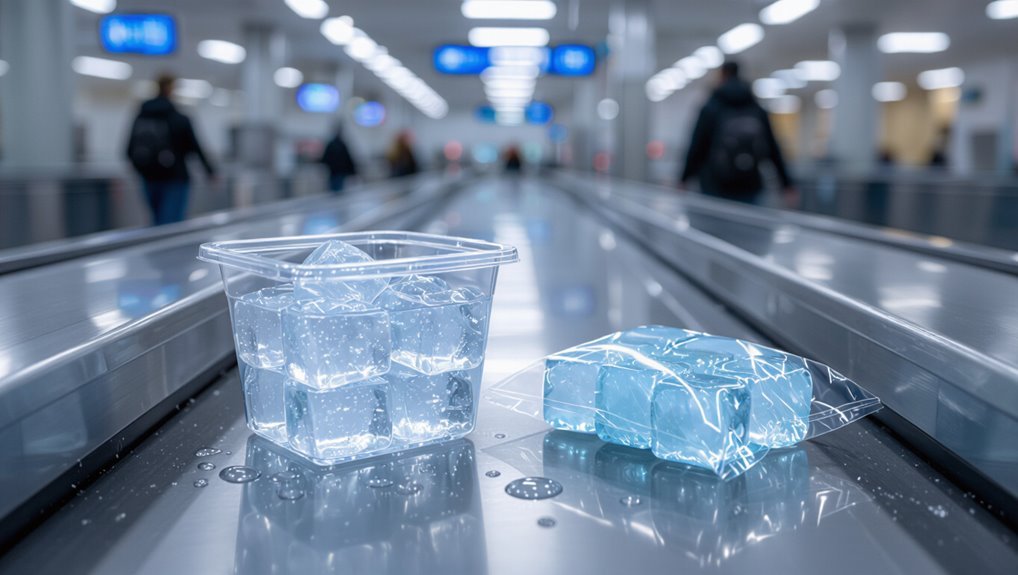
Can you bring ice in your carry-on? Yes, you can carry ice packs or loose ice, but they must be frozen solid at screening.
If any melting creates liquid that pools, it may count toward your 3.4-ounce (100 ml) liquids limit and could be rejected.
Label bags clearly, expect screening, and be ready to dispose of any thawed ice to comply with TSA rules.
Why Solid Ice Is Treated Differently Than Liquids
If your ice stays completely frozen, TSA treats it differently because solids don’t pose the same screening risks as liquids and gels.
You’ll find officers can more easily identify solid mass on X-ray, and frozen items won’t be subject to the 3-1-1 liquid limits.
Still, be ready to declare it and follow any additional screening instructions if officers request inspection or testing.
When Melting Ice Becomes a Liquid : TSA 3.4 Oz Rule
When ice starts to melt, it’s treated as a liquid for TSA purposes. You must follow the 3.4-ounce (100 ml) rule for any melted ice carried in a carry-on container.
If your ice is slushy or water, it counts toward your liquids allowance. Pack larger amounts in checked baggage or use ice packs that remain frozen; otherwise, expect disposal at the checkpoint.
How TSA Inspects Packed Ice and Coolers
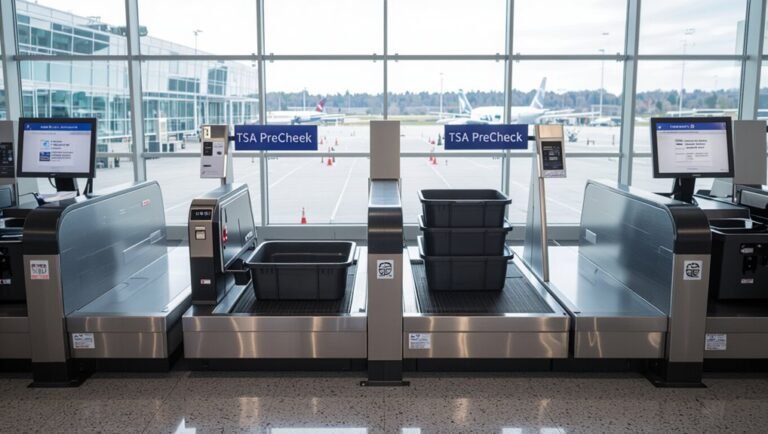
As you approach security, TSA officers will visually inspect coolers and may open them to check contents and any ice, using X-ray images and physical checks as needed to confirm there’s no prohibited material or oversized liquids.
You’ll be asked questions about items inside; cooperate and remove lids promptly.
If ice appears suspicious or melts into excessive liquid, officers may deny carriage or require disposal.
Can I Pack Ice in Checked Luggage or Carry It On?
Now that you’ll know how TSA checks coolers and ice at security, let’s cover whether you can bring ice in checked bags or carry it on.
You can carry ice in carry-on bags if it’s solid or in sealed containers; melting ice may be treated as liquid and subject to limits.
Checked luggage usually allows ice, but check airline policies and avoid leaks that could damage belongings.
Dry Ice Rules: TSA Limits, Labeling, and Airline Limits
Because dry ice sublimates into carbon dioxide gas, the TSA and airlines treat it differently than regular ice—so you’ll need to follow specific quantity limits, labeling rules, and carrier policies before packing it.
You can bring limited amounts in carry-on or checked baggage if properly packaged, ventilated, labeled with net weight, and approved by your airline.
Check carrier limits and declare at check-in.
Bringing Frozen Food: Ice Packs, Gel Packs, and Thawing
When packing frozen food for travel, plan how you’ll keep items cold and how you’ll handle thawing so your food stays safe and compliant with airline rules.
Use frozen gel packs or solid ice in insulated coolers; liquids or partially melted ice may be subject to screening.
Pack frozen gel packs or solid ice in insulated coolers—note that liquids or melted ice could trigger additional screening.
Label perishables, separate raw items, and pack perishables near the cold source.
Monitor thawing and consume or refrigerate promptly.
Traveling With Medications That Need Ice or Cold Packs
If your medication needs to stay cold, plan ahead so you can carry ice packs or frozen gel packs through security and keep doses safe while traveling. Bring prescriptions, a doctor’s note, and insulated containers. Declare items at screening. Keep meds accessible in carry-on. Ask TSA officers if unsure.
| Item | Tip |
|---|---|
| Documentation | Bring prescription label |
| Packs | Use gel/ice packs |
| Screening | Declare at checkpoint |
| Storage | Insulated carry-on |
How to Pack Ice to Prevent Melting at Security
You’ll want to use insulated containers to slow melting and keep contents cold.
Freeze ice solid beforehand so it stays frozen through security checks.
Pack extra cool packs around the item for added protection.
Use Insulated Containers
Pack ice in a well-insulated container so it stays frozen through security screening and avoids creating liquid that could exceed carry-on limits.
Use these tips to keep ice solid and mess-free:
- Choose a hard-sided cooler with thick foam walls
- Add reflective insulation or a thin ice pack layer
- Seal lids tightly with tape or clips
- Wrap in a towel for extra insulation
- Place upright in your bag
Freeze Solid Beforehand
Because ice that’s fully frozen resists melting and dripping, freeze blocks and packs solidly at least 24 hours before travel so they pass through security without creating excess liquid.
Use sturdy, leakproof containers and wrap blocks in freezer-safe bags to contain any minor seepage.
Label containers as frozen ice, pack upright, and inspect before leaving to confirm solidity and no cracks.
Pack With Cool Packs
1 or 2 good gel or dry-ice alternative cool packs will help keep frozen ice solid through security and reduce the risk of seepage.
Pack them tightly around the ice, inside a leakproof bag, and place that in an insulated cooler or soft-sided bag.
Consider these steps:
- Use quality gel packs
- Wrap ice in plastic
- Double-bag contents
- Keep cooler upright
- Check for leaks before travel
What TSA Officers Will Inspect and Ask About Ice
When you reach the checkpoint, TSA officers will visually inspect any ice you’re carrying and may ask where it came from, how long it’s been frozen, and whether it’s mixed with other substances.
You should answer plainly, show packaging or labels if available, and be ready to separate ice from luggage for screening.
Officers may deny transit if ice raises security concerns.
Which Coolers, Bags, and Containers TSA Allows (And Which Aren’t)
If an officer asks about your ice, they may also want to check the container holding it, so you should know which coolers, bags, and containers TSA allows through security.
You can bring solid ice and frozen food in sturdy, plain coolers; avoid suspicious or sealed containers that prevent inspection.
- Hard-sided cooler
- Soft-sided cooler
- Insulated grocery bag
- Clear plastic container
- Disposable foam cooler
How Airline Rules Can Differ From TSA : What to Check
Although TSA sets baseline rules for what’s allowed through security, individual airlines can impose stricter limits on ice, coolers, and frozen items.
So you should always check both sources before travel. Visit your airline’s website or call customer service to confirm carry-on size, liquid limits, and gate-check policies.
Note policies for international flights, checked baggage, and perishable declarations.
Airport Security Tips to Avoid Delays With Ice
Because ice and frozen goods can trigger extra screening, you should prepare them so security moves quickly—pack solid ice separately from loose or slushy ice, label coolers or gel packs clearly, and keep cooling items accessible for inspection.
- Use clear, resealable bags
- Wrap gel packs individually
- Keep receipts for purchases
- Place items on top of luggage
- Alert TSA at the checkpoint
How to Document Medical Necessity for Frozen Meds
You’ve prepped your frozen items for screening; now make sure you can prove they’re medically necessary.
Carry a physician’s note listing medication names, doses, and storage needs. Bring original prescriptions or pharmacy labels.
Pack documents in an accessible folder or digital copy on your phone.
Tell security calmly and present paperwork when asked to speed inspection and avoid misunderstandings.
International Flights: TSA-Equivalent Rules and Customs for Ice
When flying internationally, remember that TSA rules don’t apply abroad—each country and airline sets its own limits for ice, frozen medicines, and accessories like gel packs, so check both the airline’s policy and the destination’s security and customs regulations before you go.
- Verify carry-on vs checked rules
- Declare medically necessary items
- Pack clear documentation
- Anticipate inspections
- Follow customs disposal rules
Alternatives to Ice: Gel Packs, Dry Ice Substitutes, and Coolers
If ice isn’t practical for your trip, consider gel packs, dry ice substitutes, or insulated coolers to keep items cold without melting water everywhere.
You can pack nonhazardous gel packs in carry‑ons or checked bags; check airline rules for dry ice, since it’s limited and may require ventilation and labeling.
Insulated coolers help maintain temperature and prevent leaks—choose compliant sizes and secure seals.
Real-World Checkpoint Examples and Likely Outcomes
Curious how TSA agents handle ice at checkpoints? You’ll see common outcomes based on packing and state.
- Clear sealed bag in carry-on: usually allowed after inspection
- Loose ice in open container: likely removed or dumped
- Dry ice over limit: denied or needs airline approval
- Frozen food in checked bag: usually fine if packed well
- Suspicious containers: extra screening, possible confiscation
One-Page Checklist: Bring Ice Through TSA Without Delays
Because packing ice the right way keeps your trip smooth, this one-page checklist gives you quick, actionable steps to bring ice through TSA without delays.
Use frozen solid ice or commercially packaged ice packs.
Label perishable contents.
Keep containers sealed.
Place ice in carry-on or checked baggage per airline rules.
Declare if required.
Arrive early for screening.
Follow officer instructions to avoid hold-ups.
When to Contact TSA or Your Airline Before You Travel
When you’re planning to travel with ice, contact TSA or your airline ahead of time when your ice setup is unusual, your flight involves multiple carriers, or you’re carrying large quantities or specialty coolants—doing so clears up questions about carry-on versus checked rules, any required declarations, and what to expect at screening so you don’t face surprises at the checkpoint.
If your ice setup is unusual, involves multiple carriers, or uses specialty coolants, contact TSA or your airline first.
- unusual containers
- dry ice amounts
- liquid or gel coolants
- connecting flights
- medical needs
Frequently Asked Questions
Can I Bring Shaved or Crushed Ice in a Carry-On?
Yes — you can bring shaved or crushed ice in a carry-on if it’s solid and not melting; any liquid water from melting must meet the 3.4-ounce/100-milliliter rule or be frozen solid at security screening to be allowed.
Are Ice-Filled Sports Bottles Subject to the Liquid Rule?
Yes — if the sports bottle contains liquid water or partially melted ice, it counts toward the 3.4-ounce rule in carry-ons; if it’s solid frozen ice and stays completely frozen, it’s allowed without liquids restriction.
Do TSA Rules Differ for Ice Brought on Connecting Flights?
They’re generally the same; you’ll follow the TSA rules at your originating U.S. airport and destination, and connecting U.S. flights use the same standards—international connections may add local rules, so check both countries’ regulations beforehand.
Can I Bring Ice to a Flight Attendant for In-Flight Medication Cooling?
Yes — you can give ice to a flight attendant for in-flight medication cooling, but you’ll need to carry it through security as allowed (solid ice okay; melted/gel restrictions apply), and crew approval may be required onboard.
Are There Limits on the Amount of Dry Ice for Personal Use?
Yes — you can bring limited dry ice for personal use, but you’ve gotta follow airline limits (usually 5.5 pounds per passenger), pack it to allow venting, and notify the airline in advance to comply with rules.
Conclusion
You can usually bring solid ice through TSA in your carry-on, but melting changes things — liquids must meet the 3.4 oz rule. Pack ice in sealed containers or insulated coolers to limit leaks, or choose frozen gel packs or dry ice when appropriate. Expect inspections and be ready to discard or check items that don’t comply. When in doubt, call TSA or your airline before you travel to avoid surprises at the checkpoint.