Is Tsa Pre Check Worth It: Benefits, Cost, and Honest Review
If you fly several times a year, TSA PreCheck’s shorter lines, relaxed screening (no shoes, belts, or laptop removal), and predictable security will save you time and stress. It costs $78 for five years with a simple online application and brief in-person appointment, and renewals are straightforward. Global Entry adds international perks for $100; CLEAR is pricier. Families benefit if members enroll together. Keep going to learn practical tips, comparisons, and whether it fits your travel habits.
Quick Answer: Is TSA PreCheck Worth It?
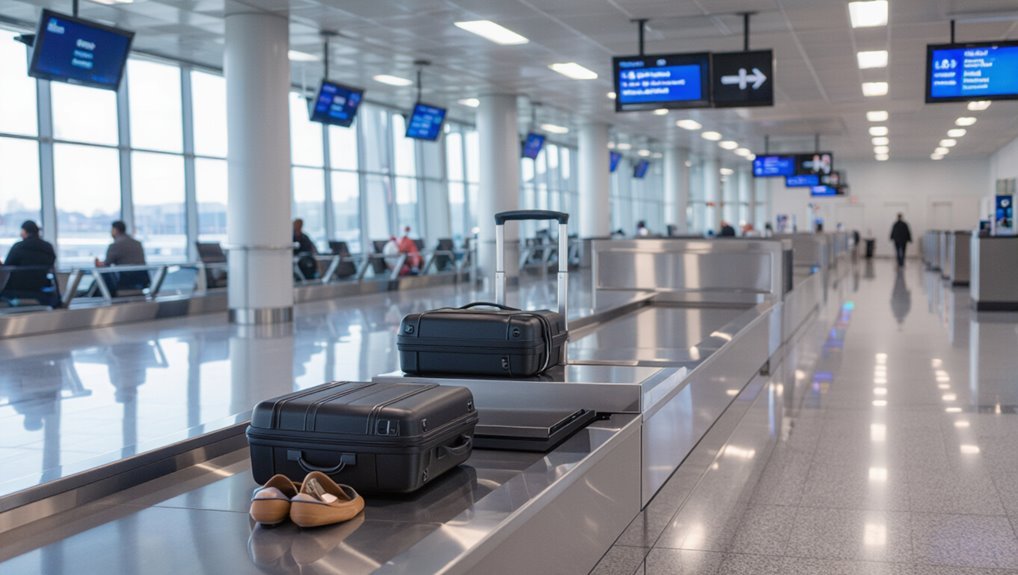
Wondering if TSA PreCheck is worth it? You’ll likely find it valuable if you travel several times a year, prefer shorter lines, and dislike removing shoes or laptops.
It saves time and reduces stress for many frequent flyers and business travelers.
If you rarely fly or use basic economy often, the fee may not justify the benefit.
What TSA PreCheck Actually Gives You
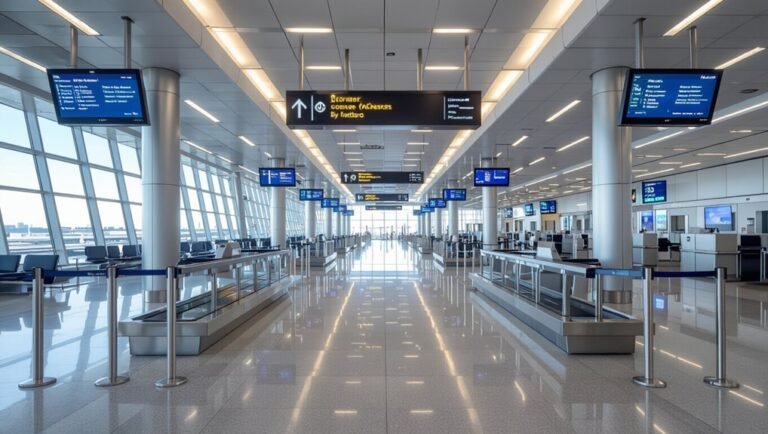
With TSA PreCheck, you’ll move through shorter, faster security lines that cut waiting time.
You’ll also follow relaxed screening rules—keep shoes, belts, and light jackets on and leave laptops and liquids in your bag.
Those perks make the whole airport experience smoother and less stressful.
Faster Security Lines
Because TSA PreCheck keeps you in dedicated lanes, you usually move through security much faster than in regular lines.
You’ll spend less time waiting, reach your gate sooner, and face fewer surprises.
Benefits include:
- shorter queue times
- predictable screening flow
- quicker recovery if something’s flagged
This saves stress and gives you more control over preflight minutes.
Relaxed Screening Rules
Shorter lines aren’t the only perk — TSA PreCheck also relaxes several screening rules so you spend less time fussing with belongings.
You keep shoes, belts, and light jackets on, and laptops and compliant liquids stay in your carry-on.
You move through security with minimal handling, fewer trays, and less hassle—saving minutes and reducing stress on every trip.
TSA PreCheck Costs, Terms, and Renewal
TSA PreCheck costs $78 for a five-year membership, and you’ll pay that upfront after a short online application and an in-person appointment for fingerprinting and ID verification.
You get expedited lanes, enrollment lasts five years, and renewal is simple.
- Renew online up to six months early
- Replacement card available if lost
- Nonrefundable fee applies to renewals and new enrollments
TSA PreCheck vs Global Entry and CLEAR
When choosing between TSA PreCheck, Global Entry, and CLEAR, you’ll want to compare enrollment processes so you know how much time and paperwork each requires.
Think about cost and value—Global Entry includes PreCheck and often pays off if you travel internationally, while CLEAR charges a higher fee for biometric expedited entry.
Finally, weigh speed and convenience at airports you use most, since CLEAR can be fastest for ID checks but PreCheck/Global Entry often save more time at security lines.
Enrollment Process Comparison
Curious which program gets you through lines fastest? You’ll find enrollment varies: one has a quick online form, another adds customs benefits and requires an interview, and CLEAR needs in-person biometric setup.
Pick based on time and travel habits.
- TSA PreCheck: online, then short appointment
- Global Entry: online, longer interview
- CLEAR: instant biometrics at airport
Cost And Value
Now that you’ve seen how enrollment differs, let’s look at what each program costs and what value you actually get for your money.
TSA PreCheck costs $78 for five years; Global Entry is $100 and includes PreCheck plus international benefits.
CLEAR runs about $189 yearly and speeds entry for a fee.
Choose based on travel frequency, international needs, and airport availability.
Speed And Convenience
Although the three programs all cut your wait time, they do it in different ways: you’ll choose based on travel habits and airport access.
- TSA PreCheck speeds security with shoes-on lanes and lighter screening.
- Global Entry adds faster passport control for international arrivals.
- CLEAR uses biometric ID to skip initial ID lines, pairing well with PreCheck for max speed.
Who Qualifies : And How to Apply
Who can get TSA PreCheck, and how do you apply? You’re eligible if you’re a U.S. citizen, U.S. national, or lawful permanent resident.
Apply online, complete a short form, then schedule an in-person appointment for fingerprinting and ID verification at an enrollment center.
Pay the nonrefundable fee, wait for approval, and you’ll receive a Known Traveler Number to add to reservations.
Application Tips to Avoid Delays
Before you head to your appointment, double-check a concise document checklist so you bring the exact paperwork they expect.
Pick an off-peak appointment time to cut wait times and keep a quick backup ID ready in case an agent asks for extra verification.
These steps help you move through the process smoothly and avoid unnecessary delays.
Document Checklist
Gather the right documents ahead of time so your TSA PreCheck application doesn’t stall.
Bring originals or certified copies and have digital scans ready. Double-check names and expiration dates.
- Valid passport or U.S. birth certificate
- Driver’s license or state ID
- Proof of name change (marriage certificate, court order) if needed
That’ll speed processing and avoid needless delays.
Appointment Timing
Wondering when to book your TSA PreCheck enrollment appointment?
Pick early-morning or midweek slots to avoid crowds and staff shortages. Book weeks ahead during peak travel seasons and check for last-minute openings daily.
Allow extra time for unexpected verification steps, and arrive a few minutes early.
If you need to reschedule, do it promptly to keep your application timeline on track.
Prepare Supporting IDs
If you want to avoid delays, bring only current, government-issued IDs that match the name on your application — usually a passport or driver’s license plus any required proof of citizenship or immigration status.
Check documents before the appointment, and don’t rely on expired forms.
Consider bringing:
- Original birth certificate or passport
- Permanent resident card if applicable
- Marriage certificate for name changes
Typical Wait-Time Savings (Minutes and Data)
Because TSA PreCheck gives you a dedicated lane and fewer security steps, you’ll usually save several minutes compared with the regular line—often anywhere from about 5 to 20 minutes at smaller checkpoints and 10 to 30+ minutes at busier airports during peak times.
On average, travelers report 10–15 minute savings; busy hubs and morning/evening peaks push that higher, cutting stress and making connections safer.
Screening Rules: Shoes, Laptops, Liquids, Pat-Downs
While TSA PreCheck keeps your screening simpler, it doesn’t mean you’re exempt from all rules—expect to keep your shoes on, leave laptops in carry-ons, and follow the 3-1-1 liquids limit unless an agent directs otherwise.
- Keep shoes and light outerwear on; metal may still trigger checks.
- Leave laptops packed unless told otherwise.
- Pack liquids per 3-1-1; be ready for random swabs or a pat-down.
When PreCheck Won’t Help: Limits & Exceptions
Even with PreCheck, you’ll hit limits where the program can’t help—random secondary screenings, international exit controls, flights departing from certain smaller or foreign airports, and security procedures tied to specific threats still apply. You should know when PreCheck won’t save time or bypass extra ID checks.
| Situation | Impact | What to expect |
|---|---|---|
| Secondary screening | Delay | Extra checks |
| International exit | No shortcut | Passport control |
| Small/foreign airports | Limited lanes | Standard lines |
| Threat-specific rules | Suspensions | Full screening |
Best and Worst Airports for TSA PreCheck
Which airports actually make PreCheck worth your time?
You’ll get the biggest wins at hubs with dedicated PreCheck lanes and consistent staffing. Avoid smaller airports where lanes often close.
Check busy vs. quiet times before you go.
- Best: major hubs with steady PreCheck lanes
- Worst: small airports with intermittent lanes
- Middle: medium airports, varies by day
Real Traveler Experiences: Business, Family, Occasional
How do real travelers feel about TSA PreCheck?
You’ll hear business flyers praise time savings and predictable security; families appreciate smoother lines with kids but still juggle non-enrolled members; occasional travelers like forgettable hassle reduction on trips a few times yearly.
You’ll also note trade-offs: enrollment cost versus frequency of travel, occasional lane closures, and varying airport efficiency.
Adding Family and Group Travel Strategies
When you’re traveling with family or a group, TSA PreCheck can cut chaos—but it takes some planning to get the full benefit.
You’ll want to coordinate enrollment, align boarding groups, and know which kids qualify.
Quick tips:
- Enroll eligible adults individually; kids under 12 ride with you in PreCheck.
- Book same boarding group when possible.
- Bring printed KTN info for backup.
Cost-Benefit Checklist and Final Verdict
To decide if TSA PreCheck is worth it for you, weigh the upfront fee and enrollment hassle against the time saved, reduced stress, and frequency of travel; if you fly several times a year, the convenience usually outweighs the $78 five-year fee, but occasional flyers may not recoup the cost.
| Factor | Verdict |
|---|---|
| Cost | Affordable |
| Time saved | Significant |
| Stress | Reduced |
| Travel frequency | Key |
| Family travel | Helpful |
Frequently Asked Questions
Can TSA Precheck Expedite International Arrivals or Customs Lines?
No, TSA PreCheck won’t expedite international arrivals or customs lines; it’s for expedited U.S. airport security screening domestically and when departing the U.S. You’ll still go through standard immigration and customs procedures on arrival.
Does Precheck Cover NEXUS or SENTRI Crossings?
No, PreCheck doesn’t cover NEXUS or SENTRI crossings; they’re separate programs. If you travel frequently to Canada, get NEXUS; if you cross the U.S.-Mexico border often, get SENTRI—each has its own enrollment and perks.
Will Precheck Status Transfer to Other Family Members Automatically?
No, TSA PreCheck won’t transfer automatically to other family members. You’ll need separate enrollments for each person, though kids 12 and under ride free with a PreCheck adult; travelers 13+ must have their own status.
Are There Discounts or Employer Reimbursement Options Available?
Yes — some employers, credit cards, and military programs cover or reimburse TSA PreCheck fees, and occasional promotions or group discounts pop up. Check your employer benefits, card perks, and federal/military resources before applying.
How Does Precheck Affect TSA Incident or Complaint Resolution?
PreCheck doesn’t remove complaint rights; you’ll file incidents through TSA’s website or contact centers, and your membership can speed identity verification. You’ll still get responses, and appeals follow the same procedures regardless of PreCheck status.
Conclusion
If you fly more than a couple times a year, TSA PreCheck usually pays off: you’ll skip long lines, keep shoes and laptops on, and breeze through security with less stress. The $78 fee and five-year term are reasonable if you value time and convenience, especially for business or family travel. For infrequent flyers, consider Global Entry or CLEAR based on your needs. Weigh costs, airport availability, and how much hassle-free travel matters to you.