Are Wet Wipes TSA Approved for Flights?
Yes — you can bring wet wipes on flights, and TSA generally allows them in both carry-on and checked bags. Keep packs accessible for inspection and avoid free-flowing liquid saturation. Most pre-moistened, non-pressurized wipes, single-use packets, and resealable tubs are fine. Alcohol-heavy or flammable wipes might be treated as liquids or hazardous, so check airline and international rules. Pack visibly, consider smaller packs, and continue below to learn practical tips and exceptions.
Can You Bring Wet Wipes Through TSA?
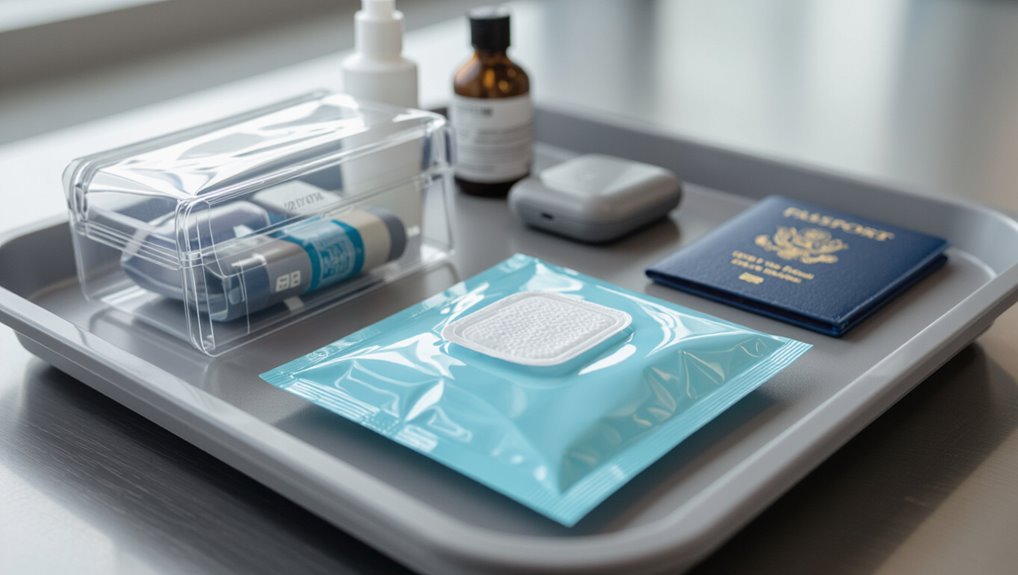
Curious whether you can bring wet wipes through TSA? You can carry unopened or opened packs in carry-on or checked baggage.
Single-use travel wipes or family-sized packs aren’t restricted like liquids, so you won’t need to stash them in a quart bag.
Keep them accessible for quick cleanups, and remember airport, airline, or destination rules might impose additional restrictions.
Are Wet Wipes Considered Liquids or Gels by TSA?
You can bring wet wipes through TSA regardless of pack size, but you might wonder whether they’re treated like liquids or gels under the 3-1-1 rule.
TSA generally classifies moist towelettes as solids, not liquids, unless they’re saturated in free-flowing liquid.
If wipes leak or are in a liquid solution, officers may treat them as liquids, so pack securely to avoid issues.
Which Wet Wipes Are Allowed in Carry-On Bags?
Which wet wipes can you bring in your carry-on?
You can pack pre-moistened, non-pressurized wipes in sealed packs or travel containers without issue. Unopened single-use packets, resealable tubs, and individual travel pouches are fine.
Keep them accessible for inspection. Avoid oversized tubs that might be impractical, and check airline policies for any additional restrictions before flying.
When Are Wipes Restricted Because They Contain Alcohol?
When do wipes become restricted because they contain alcohol?
When wipes are saturated or high in alcohol, they may be treated as liquids/flammables and become restricted.
You’ll face limits when wipes are saturated enough to be considered a liquid/gel or if alcohol content makes them flammable.
TSA and airlines may treat heavily soaked or aerosolized wipes as hazardous.
Carry-on acceptance depends on concentration, packaging, and quantity—check airline policies and safety data if wipes seem wet, solvent-heavy, or labeled with high alcohol percentages.
How Does the 3-1-1 Rule Apply to Wet Wipes?
How does the 3-1-1 rule affect the wet wipes you bring in carry-on luggage?
You can pack non‑alcohol wipes freely; sealed packets and thick tubs aren’t limited by 3-1-1.
If wipes contain liquids or gels (alcoholic solutions or wet refill pouches), they count toward your single quart‑size bag and must meet the 3.4 oz (100 ml) per container limit.
Are Pump or Spray Wipe Containers Treated Differently by TSA?
Wondering whether pump or spray wipe containers get special treatment by the TSA?
You’ll treat them like any other liquid-containing item: sprays and pumps are subject to the 3-1-1 rule if they’re liquid/gel.
If wipes are moist but not free-flowing liquid, they usually aren’t restricted.
Always declare unusual containers and follow officer instructions to avoid delays or confiscation.
Can You Take Disposable Baby Wipes Through Security?
Want to bring disposable baby wipes through airport security? Yes — you can carry sealed or open packs in your carry‑on or checked baggage.
Wipes aren’t considered liquids, so standard TSA liquid limits don’t apply. Keep packs accessible for inspection, and remove any large, oddly labeled containers for screening.
Always follow officer instructions and check specific airline or country rules before travel.
Can You Bring Disinfectant Wipes on a Plane?
You can usually bring disinfectant wipes in your carry-on, but liquid-based wipes with a large amount of free liquid may be subject to carry-on liquid limits.
Check TSA guidelines for allowed disinfectant products and packaging, and remember rules can vary on international flights and at foreign airports.
When in doubt, pack wipes in original packaging and confirm rules for your destination.
Carry-On Liquid Limits
Because disinfectant wipes are moist rather than poured, they generally don’t count toward the TSA 3-1-1 liquid rule.
So you can usually pack them in your carry-on without placing them in a quart-sized bag—just keep them in their original packaging or a resealable bag to prevent leaks and be ready to remove them if asked at security.
You should still avoid oversized industrial containers.
TSA Guidelines Overview
While rules can vary by item and airport, the TSA generally allows passenger-use disinfectant wipes in both carry-on and checked bags.
You can pack sealed or open wipes for personal use, but avoid bulk quantities that suggest commercial transport.
Keep wipes accessible for security screening, declare if requested, and follow airline-specific rules for disposal or use onboard to prevent issues during travel.
International Variations
Since airport security is governed by national and sometimes local regulations, rules for bringing disinfectant wipes on international flights can vary widely.
What Are the Rules for Wet Wipes in Checked Luggage?
When packing wet wipes in checked luggage, you should check quantity limits since some airports and airlines restrict how many liquid-containing wipes you can carry.
Make sure packages are sealed and labeled properly to meet packaging requirements and avoid leaks.
Also remember rules can vary by country, so confirm international regulations before you travel.
Quantity Limits Apply
If you’re packing wet wipes in checked luggage, know that quantity limits can matter because airlines and international rules treat liquid-saturated or alcohol-based wipes differently from dry ones.
Check your airline and destination rules: some limit alcohol content or total liquid-equivalent volume per passenger.
Carry reasonable personal-use amounts; excess or bulk commercial quantities may be restricted or require declaration, possibly causing confiscation.
Packaging Requirements Matter
Along with quantity limits, how you package wet wipes can determine whether they’re allowed in checked baggage.
You should seal liquid or alcohol-based wipes in leakproof, clearly labeled containers or original packaging. Use sturdy zip bags to prevent spills and separate them from clothing.
Follow airline rules on hazardous materials: if wipes are flammable or exceed concentration limits, don’t pack them in checked luggage.
International Rule Variations
Because aviation rules differ by country and carrier, you should always check both the airline and destination regulations before packing wet wipes in checked luggage.
Rules vary on liquids, alcohol content, and packaging. Consider these points:
- Some countries restrict alcohol-based wipes in checked bags.
- Others allow wipes if sealed.
- Declaring items avoids fines.
- Follow airline size limits and labeling.
What Does TSA Look for When Screening Wet Wipes?
When TSA agents screen wet wipes, they’re looking for liquid-like substances, prohibited items, and anything that could pose a security risk—especially gels, creams, or containers that exceed allowed liquid limits. You should expect visual inspection and possible swabbing; declare unusual packaging.
| Item | Concern | Action |
|---|---|---|
| Wet wipes | Residue | Inspect/swab |
| Packaging | Hidden compartments | Open/check |
| Quantity | Bulk liquids | Question/measure |
How Should You Pack Wet Wipes to Speed Up Security?
Want to breeze through security? Pack wet wipes so screening goes fast: keep them accessible and clearly visible in your carry-on.
- Seal small travel packs or single-use wipes in a clear plastic bag.
- Place them near the top of your bag or in an outer pocket.
- Avoid bulky sealed boxes that hide contents.
- Show an agent promptly if asked.
How Do You Carry Large Bulk Packs of Wet Wipes?
How should you carry large bulk packs of wet wipes so they don’t slow you down at security?
Split bulk into smaller sealed resealable bags or travel-sized containers, label them, and keep only what you need in your carry-on.
Stow extra packs in checked luggage.
Place one clear resealable bag atop carry-on for quick inspection, and avoid open or leaking packages to prevent delays.
How Do Wet Wipe Rules Change on International Flights?
Curious about taking wet wipes abroad? You’ll face varied rules at borders and on planes.
Check local liquid and hygiene-item limits, declare as required, and pack originals to ease inspections.
- Know local carry-on restrictions
- Follow destination import rules
- Keep resealable packaging visible
- Carry receipts or ingredient lists for customs
Do Airline Policies Limit Wet Wipes Differently?
You should check each airline’s specific carry rules, since some carriers limit pack size or require resealable packaging.
International flights can have different restrictions than domestic routes, especially when connecting through countries with stricter regulations.
Also remember crew and cabin policies may ban certain wipe types or require they be stowed during takeoff and landing.
Airline-Specific Carry Rules
Although most major carriers follow TSA guidance on wet wipes, individual airlines can impose stricter carry rules you should know before travel.
Check each airline’s policy; some limit wet wipes in carry‑ons or require sealed packaging.
Consider these points:
- Pack unopened travel packs when possible
- Expect stricter rules on smaller regional planes
- Review airline website or call ahead
- Keep receipts for medical wipes
International Versus Domestic
When flying internationally, airline and country rules can add layers beyond TSA guidance, so check both your carrier’s policy and the arrival country’s regulations before you pack wet wipes.
You should verify allowed quantities, ingredient restrictions (like alcohol content), and packaging rules for carry-ons and checked bags.
If rules differ, follow the stricter one to avoid confiscation or fines.
Crew And Cabin Restrictions
Since airlines set their own cabin rules, you’ll often find limits or recommendations for wet wipes that go beyond TSA guidance.
You should check crew briefings and carrier policies because some restrict scented, disinfectant, or aerosol wipes. Onboard rules vary by carrier and aircraft type, so follow crew instructions.
- Scented wipes
- Disinfectant wipes
- Aerosolized cleaners
- Bulk quantities
What About Wipes on Domestic vs. International Connections?
If you’re flying only within the U.S., wipes are treated more simply than on international trips: you can carry disposable or sanitizing wipes in carry‑on or checked bags without liquid limits.
For international connections, check both departing and destination country rules—some countries restrict alcohol wipes or require declarations.
Also confirm airline policies for transits, since individual carriers may impose tighter limits.
Can You Travel With Medical or Prescription Wipes?
Wondering whether you can bring medical or prescription wipes on a flight? You can, but follow rules: declare if required, keep them accessible, and carry documentation for prescription products.
TSA may inspect them; liquids/gel-like wipes fall under liquid limits in carry-ons.
- Pack in original packaging
- Carry prescription/doctor note
- Keep wipes in carry-on
- Expect possible inspection
How Should You Travel With Infant or Child Care Wipes Safely?
When you’re traveling with infants or young children, pack their wipes for easy access and safe use throughout the trip.
Keep them in a resealable plastic bag to prevent leaks, store a travel pack in your carry-on for diaper changes, and stash extras in checked luggage.
Choose hypoallergenic, fragrance-free wipes and dispose of used wipes properly at airports or on the plane.
Do Special Needs Travelers Need to Declare Wipes?
Do you need to declare wipes if you or a traveling companion has a disability or medical need? You should inform TSA about medically necessary items if asked, but wipes generally aren’t restricted.
Consider these points:
- Tell officers about medical needs proactively
- Keep wipes easily accessible
- Pack documentation for complex conditions
- Separate supplies for carry-on checks
Can Wet Wipes Trigger Secondary TSA Inspections?
Could wet wipes prompt extra screening at TSA checkpoints? You might get a secondary inspection if wipes appear suspicious on X-ray—unusual packaging, opaque containers, or large quantities can draw attention.
Officers may swab for traces of explosives or ask you to open packages. To minimize delays, keep wipes in original packaging, declare any unusual amounts, and cooperate promptly with officers’ requests.
What Wipes Should You Avoid Because They’re Flammable?
Watch out for alcohol-based wipes and aerosol-infused wipes, since their high alcohol content or propellants can make them flammable.
You’ll want to check labels for ethanol, isopropyl alcohol, or spray propellants before packing them. If in doubt, leave them at home or pack them in checked baggage where allowed.
Alcohol-Based Wipes
Because they contain high concentrations of ethanol or isopropyl alcohol, alcohol-based wipes can catch fire or fuel a blaze if stored or transported improperly.
You should handle them carefully and follow TSA rules.
Keep in mind:
- Store away from heat sources
- Pack in carry-on if allowed and in original sealed packaging
- Avoid crushed or punctured containers
- Declare if unsure to security agents
Aerosol-Infused Wipes
Alcohol-based wipes can pose fire risks, and aerosol-infused wipes are another category you should watch for because they often contain flammable propellants or solvents.
You should avoid carrying aerosol-spray or pressurized wipe canisters in checked or carry-on bags unless explicitly allowed.
Check labels for phrases like “propellant,” “gas,” or high alcohol content, and opt for non-aerosol, water-based wipes when flying.
How Do Sealed vs. Opened Wipe Packages Affect Screening?
When you bring wipes through TSA screening, whether the package is sealed or already opened can change how agents handle them. You should expect different checks and possible requests.
- Sealed packs typically pass as carry-on without extra screening.
- Opened packs may be inspected for residue or liquids.
- Excess dampness can prompt additional screening.
- Labeling helps speed up inspection.
What Are Alternatives When Wet Wipes Are Restricted?
If TSA agents flag your wipes or you’re worried about restrictions, you can switch to several practical alternatives that still keep hands and surfaces clean.
Pack single-use alcohol swabs, travel-size hand sanitizer (following liquid limits), dry disposable paper towels, antiseptic gel packets, or sealed antibacterial towelettes labeled as cosmetics.
Buy prepackaged soap sheets or use airline-provided sanitizing stations when available.
Real-World TSA Checkpoint Examples With Wet Wipes
Although TSA officers generally let travelers carry small packs of wet wipes, experiences vary by checkpoint and agent—some agents wave through sealed cosmetic wipes without inspection, others ask you to move them into carry-on luggage or place them in a bin for X-ray, and a few have asked travelers to surrender open or unscented medical wipes that they flagged as liquids.
- Sealed travel pack passed
- Open container inspected
- Scented wipes questioned
- Medical wipes reviewed
Quick Packing Checklist for Carrying Wet Wipes
To make screening smooth, pack wet wipes where agents expect them: sealed travel packs in an outer pocket or your carry-on, and open or medical wipes in a clear, labeled pouch or toiletry bag for easy inspection.
Also: check pack size, keep receipts for medical wipes, separate liquids (gel wipes) per 3-1-1 rules, and place frequently used packs atop items for quick access.
Where to Find the Latest TSA Updates on Wipes Before Travel
Now that you’ve organized wipes for easy screening, check official sources before you head to the airport so you’re not surprised by policy changes.
Use these places to confirm current TSA rules, exceptions, and state or airline notes quickly:
- TSA website (Traveling with Basics page)
- TSA Contact Center or social media
- Your airline’s carry-on policy
- Local airport advisories and notices
Frequently Asked Questions
Can Wet Wipes With Alcohol-Free Sanitizer Ingredients Still Cause Issues?
Yes — you can still face issues: some wipes contain restricted sanitizers or flammable components, airlines or TSA may interpret ingredients differently, and security officers might confiscate unclear products, so always check labels and pack cautiously.
Are Biodegradable or Compostable Wipes Treated Differently by TSA?
No — TSA doesn’t treat biodegradable or compostable wipes differently; you’re still allowed them in carry-on, but any wipes with liquid/gel sanitizer follow liquid rules, and checked-bag restrictions apply as usual.
Do Airline Crew Have Different Allowances for Wet Wipes in Flight?
Yes — crew usually get looser rules for onboard supplies, but you’ll still follow airline and international biohazard or waste policies; always check your carrier’s specific allowances and local regulations before packing or using wet wipes on duty.
Can Wet Wipes Be Carried in Carry-On Battery-Powered Warmers?
Yes — you can carry wet wipes inside a battery-powered warmer, but you’ll need to remove the warmer for security screening and confirm the warmer’s battery meets airline and TSA rules; don’t expect functioning heat during inspection.
Will Customs or Foreign Agencies Restrict Wet Wipes on Arrival?
Generally, no — most countries don’t restrict sealed wet wipes, but you should check destination rules for liquid/chemical limits or agricultural bans. If wipes are homemade, scented, or alcohol-heavy, officials might inspect or confiscate them.
Conclusion
You can bring most wet wipes through TSA without trouble, but you should check the label: non‑alcohol wipes are fine in carry‑ons, while alcohol‑based wipes may be treated like liquids and sometimes get flagged. Follow the 3‑1‑1 rule if wipes are soaked in liquid or labeled as alcohol solutions, otherwise pack them in an accessible spot and consider alternatives like solid soap, hand sanitizer wipes with low alcohol, or placing alcohol wipes in checked luggage to avoid confusion.