Can You Bring Tylenol Through TSA Security
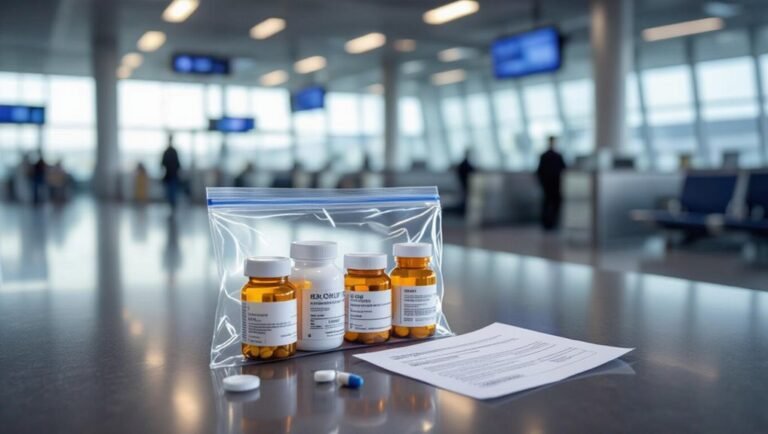
Yes — you can bring Tylenol through TSA security. Pack pills in their original, labeled bottle or a clearly marked container, and keep them in your carry-on for easy access. Liquid or gel forms must follow the 3.4-ounce (100 mL) rule or be declared if larger for medical reasons. Carry only what you need, keep documentation handy, and inform the officer at the checkpoint if asked, and you’ll avoid delays; continue for practical packing tips and FAQs.
Who This Guide Is For
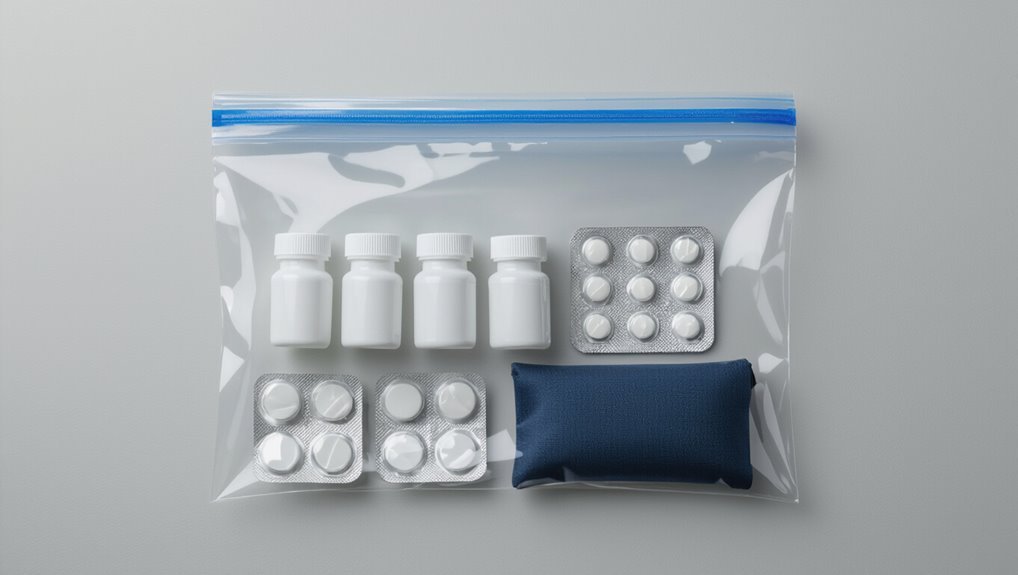
If you travel with medication, keep pain relievers in your carry-on, or just want to avoid surprises at the security checkpoint, this guide is for you.
You’ll get clear, practical info whether you’re a frequent flyer, occasional traveler, or assisting someone else.
It focuses on carry-on rules, packaging, and documentation so you can plan confidently and avoid delays at TSA screening.
Quick Answer: Can You Bring Tylenol Through TSA Security?
Yes — you can bring Tylenol through TSA security, but how you pack it matters.
Keep pills in your carry-on in original or clearly labeled containers and follow liquid rules if it’s a liquid formulation, and stick to your prescribed or typical dosages.
If you’re traveling internationally, check the destination’s rules beforehand since some countries restrict certain pain relievers or require documentation.
Medication In Carry-On
You can bring Tylenol in your carry-on without issue, whether it’s in pill form or liquid dissolved in a bottle, as long as it follows TSA rules: solid tablets are unrestricted, and liquid acetaminophen must meet the 3.4-ounce (100 mL) limit unless you declare medically necessary liquids that exceed that amount.
| Form | Amount | Tip |
|---|---|---|
| Pills | Any | Keep original bottle |
| Liquid | ≤3.4 oz | Use clear bag |
| Med. need | >3.4 oz | Declare at checkpoint |
Dosage And Packaging
Now that you know how Tylenol can travel in your carry-on, let’s cover dosage and packaging so your meds pass through screening smoothly.
Keep pills in their original, labeled bottle to show dosage and ownership. If you transfer to a pill organizer, bring the original label or a copy.
Large quantities may prompt questions, so carry only what you need for the trip.
International Travel Rules
Wondering whether Tylenol will get you through airport security on international flights? You can carry labeled OTC pills in carry-on or checked bags, but check destination rules. Declare prescription meds if required, keep original packaging, and pack a small travel supply.
| Item | Tip |
|---|---|
| Carry-on | Allowed, follow liquid rules |
| Checked | Allowed, secure packaging |
| Declaration | Follow local law |
| Labeling | Keep original bottle |
TSA Rule Basics for Over-the-Counter Medications
When packing Tylenol, remember the carry-on liquid limits: single containers over 3.4 ounces may be subject to extra screening.
You can bring larger prescription or over-the-counter meds, but it helps to have a doctor’s note or original packaging for quick verification.
Keep meds accessible so you can show documentation and avoid delays.
Carry-On Liquid Limits
Although TSA lets you bring over-the-counter meds in carry-on bags, you still need to follow the 3-1-1 liquids rule for liquid forms: containers must be 3.4 ounces (100 milliliters) or less and fit in a single clear quart-sized bag, with one bag per passenger—solid pills and powdered meds aren’t subject to this limit.
Pack liquid acetaminophen, gels, or syrups accordingly and declare if asked.
Medication Documentation
If you’re carrying liquid or pill forms of acetaminophen through security, you’ll also want to know what documentation might help if TSA officers ask questions.
Keep proof handy and be ready to explain.
- Prescription label or note from your doctor
- Original packaging with ingredients and dosing
- A simple written statement of necessity and dosage
Show items calmly for quick screening.
Why Tylenol Is Treated Like Other OTC Pills
Because Tylenol is a common, solid over-the-counter pain reliever with a simple ingredient list and stable formulation, TSA screens it the same way they screen other pills: visually and through X-ray imaging rather than as a liquid. You can carry it without special packaging, but keep it accessible for inspection.
| Item | Form | Screening |
|---|---|---|
| Tylenol | Tablet | Visual/X-ray |
| Vitamins | Pill | Visual/X-ray |
| Capsules | Capsule | Visual/X-ray |
Should I Pack Tylenol in My Carry-On or Checked Bag?
Where should you pack Tylenol? You’ll usually want it in your carry-on so it’s accessible and you avoid lost luggage issues.
Pack Tylenol in your carry-on for easy access and to avoid lost-luggage problems.
TSA allows pills in both bags, but carry-on gives you control.
- Keep original packaging or a clear labeled container.
- Pack a small daily supply in your personal item.
- Put larger quantities in checked baggage if needed.
Which Forms of Tylenol Are Considered Liquids or Gels?
Which Tylenol forms count as liquids or gels when you go through TSA?
Liquid suspensions (children’s Tylenol), gel caps and softgels, topical gels or creams, and liquid-filled dissolving strips are treated as liquids/gels.
Solid tablets, caplets, and powders aren’t.
Pack liquid or gel forms in compliance with TSA rules, and keep them accessible for screening, but don’t discuss 3-1-1 here.
How the 3-1-1 Rule Applies to Liquid Tylenol Products
If you’re carrying liquid Tylenol, remember the 3-1-1 rule limits you to containers of 3.4 ounces (100 mL) or less, all fitting in a single quart-sized bag.
Larger medically necessary liquid meds may be allowed but you’ll need to declare them and they may require additional screening.
Have prescriptions or doctor’s notes ready to speed up the process.
Liquid Medication Limits
When you’re passing through TSA checkpoints, remember that the 3-1-1 rule mainly targets carry-on liquids, but it makes specific allowances for essential medications like liquid Tylenol.
You can carry medically necessary liquids beyond 3.4 ounces, but declare them at screening and expect inspection. Keep documentation handy to speed the process.
- Declare the medication to TSA
- Expect possible inspection
- Carry prescriptions or notes
Approved Container Sizes
Now that you know you can carry medically necessary liquid Tylenol and should declare it at screening, you’ll also want to understand how container size rules apply.
If your Tylenol is liquid or gel and you’re flying carry-on, containers over 3.4 ounces (100 ml) aren’t allowed under 3-1-1 unless declared as medication.
Keep larger bottles in checked baggage or be prepared to show necessity.
Screening Documentation Needed
Because TSA treats medically necessary liquids differently, you should bring documentation to make screening smoother: a prescription label, doctor’s note, or original packaging that shows the medication name and your name or dosage.
Bring proof if your liquid Tylenol exceeds 3.4 oz or if you need extra amounts.
- Prescription label with name
- Doctor’s note stating need
- Original bottle showing dosage
Solid Pill Containers That Avoid the 3-1-1 Rule
If you want to carry more than a few doses of Tylenol without triggering the TSA’s 3-1-1 liquid rule, choose solid pill containers designed for travel: they’re compact, clearly labeled, and treated as solids so they don’t count toward your liquids allowance.
Use original pharmacy bottles or pill organizers, keep prescriptions or labels visible, and pack them in your carry-on for easy access during security checks.
How to Pack Liquid or Gel Pain Relievers to Pass TSA Screening
If you’re carrying liquid or gel pain relievers, follow TSA’s 3-1-1 limits and pack them accordingly.
Put each container in a clear, quart-sized plastic bag and use travel-sized bottles (100 ml/3.4 oz or smaller) to stay compliant.
Label and secure lids so your meds won’t spill during screening.
Pack According To Rules
When you’re packing liquid or gel pain relievers, follow TSA’s size and bagging rules so your meds clear screening without delays.
Keep bottles 3.4 oz (100 ml) or less, place them in a single quart-sized clear plastic bag, and separate meds from electronics for easy access.
Be ready to declare larger or prescription items at the checkpoint.
- 3.4 oz limit
- Quart bag
- Separate for screening
Use Travel-Friendly Containers
Because TSA limits liquids, swap bulky bottles for travel-friendly containers that meet the 3.4 oz (100 ml) rule and seal tightly to prevent leaks.
Label each container with contents and dosage, and place them in a clear quart-sized bag for screening.
Keep gels, liquid acetaminophen, and topical pain relievers accessible for inspection, and carry receipts or prescriptions if you need larger quantities.
Should You Keep Tylenol in Its Original Packaging?
While you don’t have to, keeping Tylenol in its original packaging makes TSA screening and any questions from agents far simpler, since the bottle clearly shows the medication name, dosage, and expiration date.
Keeping Tylenol in its original bottle simplifies TSA checks—clear label, dosage, and expiration avoid delays.
You’ll also avoid confusion and speed up checks.
Consider these quick benefits:
- Easy ID for agents
- Proof of dosage and expiration
- Reduced risk of spills or mix-ups
How to Label Loose Pills for Faster Security Checks
If you’re traveling with loose pills, label them clearly so TSA agents can identify them at a glance and move you through security faster. Use clear labels with medication name, dosage, and your name. Seal in a small, transparent bag. Keep notes with prescription details handy.
| Name | Dosage | Owner |
|---|---|---|
| Tylenol | 500 mg | You |
| Aspirin | 81 mg | You |
| Vitamins | — | You |
Needing Large Quantities of Tylenol?
If you need to bring a large quantity of Tylenol, check TSA and airline carry-on limits so you don’t exceed permitted amounts.
Be prepared to declare the supply at security and separate it for inspection if asked.
Carry prescriptions or documentation for large medical needs to speed screening and avoid questions.
Carry-On Quantity Limits
When you need to bring a lot of Tylenol for a trip—whether for a medical condition, group travel, or extended stay—TSA has practical limits and documentation expectations you’ll want to know so your packing and security screening go smoothly.
You can carry many pills, but follow container rules, pack prescriptions separately, and anticipate questions.
- Keep original bottles
- Carry a doctor’s note if prescribed
- Separate from liquids
Declaration At Security
Although you don’t usually have to announce over-the-counter meds, you should tell TSA officers about unusually large quantities of Tylenol at the checkpoint so they won’t hold up your screening or mistake the stash for something suspicious. Be brief, state quantity, and cooperate if asked.
| Item | Action |
|---|---|
| Small bottle | No announcement |
| Multiple bottles | Tell officer |
| Bulk box | Declare |
| Open questions | Answer calmly |
Documentation And Prescriptions
Should you need to carry large quantities of Tylenol, bring documentation that explains why—such as a prescription, doctor’s note, or pharmacy receipt—so TSA and airline staff can verify it’s for legitimate medical use quickly.
You’ll speed inspections and avoid delays. Keep originals and copies, label containers, and know airline limits.
- Prescription or doctor’s note
- Pharmacy receipt with dates
- Clear labeling on bottles
Bringing Prescription Documentation for Nonprescription Meds?
If you carry over-the-counter meds like Tylenol, you don’t normally need a prescription, but having documentation can ease security checks and international travel.
A simple note from your doctor or the original packaging with the label and dosing info is usually enough to show legitimacy.
Carry that note or packaging in your carry-on, keep doses reasonable, and scan copies to your phone in case originals are misplaced.
Declaring Medications to TSA Officers at the Checkpoint
When you approach the checkpoint, tell the TSA officer you’re carrying medication and present any documentation or original packaging right away so the screening can proceed smoothly. Officers are accustomed to handling pills, liquids, and syringes but will need to inspect them and may ask brief questions.
When you reach the checkpoint, tell the officer about your medication and present packaging or documents for quick inspection.
Declare items clearly, answer promptly, and follow directions.
- Show prescriptions or labels
- Separate meds for inspection
- Mention syringes or ice packs
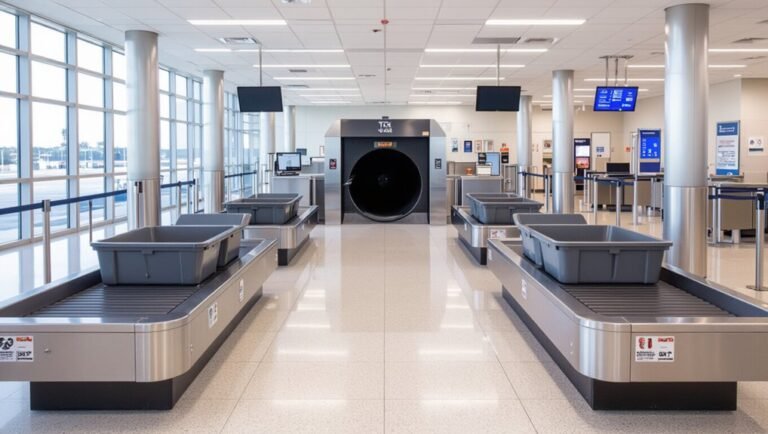
What Happens to Pills and Bottles in TSA Screening Machines?
When your pill bottle goes through the X-ray, the scanner usually shows it as a harmless mass. However, agents may ask to inspect it if the image is unclear.
If you’re carrying liquid medication, it might be screened separately and tested, or you can declare it to speed the process.
Make sure bottles are labeled or transparent when possible so TSA can verify contents quickly.
Pills Through X-Ray
Because TSA X-ray machines are tuned to highlight dense materials, your pill bottles and tablets usually show up clearly on the conveyor belt scanners, letting officers quickly identify them without opening containers.
You’ll rarely face delays unless images are unclear or packaging conceals contents.
- Keep pills in original or plainly labeled containers.
- Remove bottles into bins when asked.
- Declare unusual prescriptions.
Liquid Medication Screening
Although pills and their bottles usually go through X-ray machines without issue, liquid medications get extra scrutiny and slightly different handling at TSA checkpoints.
You’ll place bottles separately in bins or declare them to officers. Agents may inspect, test, or open containers and swab for explosives.
If needed, they’ll request documentation or transfer liquids to compliant containers; you should cooperate to avoid delays.
Bottle Transparency Rules
Airport X-ray machines usually render pill bottles and blister packs clearly enough for TSA officers to identify contents, but opaque or heavily labeled containers can prompt closer inspection.
You should use clear packaging or original labeled bottles when possible. Officers may swab, open, or request documentation if images are unclear.
- Keep pills visible in clear bottles
- Bring original labels when available
- Expect possible additional screening
What Happens if TSA Inspects Your Tylenol?
If TSA officers decide to inspect your Tylenol, they’ll typically ask you to remove the bottle from your bag and present it for a visual check and possibly a closer inspection under a light or scanner.
You’ll answer any questions, show labels, and allow a sniff test or swab if needed.
If they’re satisfied, you keep it; if not, they may dispose of it or refer it for further screening.
Tips to Avoid Delays When Carrying Tylenol Through Security
When you travel with Tylenol, keep the original pharmacy label on the bottle so officers can quickly verify it.
Make sure the medication is easy to access in your carry-on and not buried in a checked bag.
At the security checkpoint, tell the TSA officer you have medication and offer it for inspection.
Pack Original Pharmacy Label
Because TSA officers often need to verify medications quickly, keep Tylenol in its original pharmacy bottle with the label intact so you can show dose, name, and prescribing info at a glance. This speeds screening and avoids questions.
Keep the label legible and don’t transfer pills to unmarked containers.
- Show label when asked
- Replace damaged labels promptly
- Keep prescription paperwork handy
Keep Medication Accessible
Although airport security moves fast, keep your Tylenol within easy reach so you can produce it quickly without fumbling through luggage.
Store pills in a clear, labeled bag or a dedicated compartment of your carry-on or personal item. That simple habit speeds screening, lets agents verify contents faster, and prevents last-minute rummaging that can hold up you and fellow travelers during checkpoints.
Declare At Security Check
If you’re carrying Tylenol through TSA, tell the officer at the checkpoint and show the container right away to prevent confusion and delays.
Be clear about prescription vs. OTC, keep it accessible, and follow any officer instructions to speed screening.
Mention any liquid formulations and present documentation if prompted.
- State what it is
- Show the bottle
- Offer proof if needed
Traveling With Pediatric Tylenol: Special Considerations
When you’re packing pediatric Tylenol for a trip, keep dosing, storage, and documentation top of mind to avoid delays or mistakes at security and on the go.
Pack labeled original containers, bring dosing tools and a copy of the child’s prescription or pediatrician note if applicable, and separate medication in an easily accessible pouch so you can declare it and present it quickly at checkpoints.
Traveling With Liquid Tylenol for Infants Over 3.4 Oz?
Wondering whether you can bring a 4‑ounce bottle of infant Tylenol through TSA security? You can, but expect additional screening and declare it at the checkpoint. Keep it accessible and labeled.
- Carry the original bottle with prescription or dosing info when possible.
- Tell the agent you have liquid medication before screening.
- Pack a small supply and receipts for longer trips.
Combining Tylenol With Other Medications in a Carry-On
When you pack Tylenol with other medicines, check for interaction risks so you don’t accidentally double up on acetaminophen or mix drugs that shouldn’t be combined.
Keep each medication in its original labeled container and separate prescriptions from over-the-counter pills to make screening and dosing easier.
If you’re unsure about combinations, bring a doctor’s note or speak with a pharmacist before travel.
Medication Interaction Risks
Although carrying Tylenol with other meds seems harmless, combining acetaminophen with certain prescription drugs can raise serious risks—so you should check interactions before packing your carry-on.
You’ll want to confirm safety with your pharmacist or prescriber and avoid self-mixing.
- Blood thinners (warfarin) can increase bleeding risk.
- Certain epilepsy drugs reduce acetaminophen effectiveness.
- Alcohol plus acetaminophen raises liver damage risk.
Packing And Separation
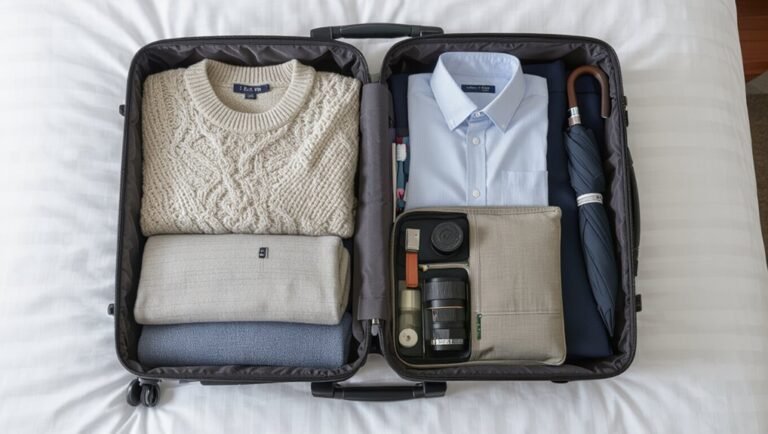
Pack Tylenol and other medications thoughtfully so you can access what you need and avoid mix-ups at security. Separate pills in labeled bags or original bottles, keep prescriptions handy, and place daily essentials in an easy-to-reach compartment. Declare any liquid meds. Use clear organization to speed screening and reduce stress.
| Item | Container | Location |
|---|---|---|
| Tylenol | Bottle | Front pocket |
| Insulin | Case | Carry-on |
| Antibiotic | Labeled bag | Main compartment |
| Inhaler | Sleeve | Top pocket |
| Supplements | Small pouch | Side pocket |
TSA Rules for Pill Organizers, Medical Kits, and Devices
Anyone traveling with medications should know how the TSA treats pill organizers, medical kits, and devices so your Tylenol and other essentials get through security without hassle.
Keep pills in original or clearly labeled organizers, declare medical devices at screening, and carry documentation for prescriptions or special equipment.
- Show clear labeling or prescription bottles
- Declare devices and kits to officers
- Pack spare batteries separately
Can Tylenol Trigger Banned-Substance Alarms?
Could Tylenol set off a banned-substance alarm at TSA checkpoints? Unlikely.
Standard acetaminophen pills don’t contain explosive or illicit compounds that detectors target. You should keep pills in original or clearly labeled containers and declare any large quantities if asked.
Random swabs or scans might prompt additional inspection, but routine carriage of Tylenol rarely triggers alarms or serious delays.
International Travel: Bringing Tylenol Through Foreign Security
When you travel internationally with Tylenol, check the destination airport’s medication rules to make sure OTC pain relievers are allowed and whether there are quantity limits.
You should declare medicines at customs when required and have prescriptions or a doctor’s note ready for any nonstandard formulations.
Pack pills in their original containers and keep a copy of your prescription or purchase receipt handy to speed up inspections.
Airport Medication Rules
If you’re flying internationally, check the destination country’s rules for over-the-counter meds like Tylenol before you pack it, because laws and allowed quantities can vary widely and some countries restrict certain ingredients.
You should carry original packaging, a brief prescription or doctor’s note if available, and separate meds from carry-on liquids when passing security.
- Keep meds in labeled containers
- Pack essentials in carry-on
- Know local import limits
Declaring Medicines Abroad
Because customs officers can scrutinize even common OTC meds, you should declare pain relievers like Tylenol at arrival when regulations or quantities require it.
Check the destination’s rules beforehand, state the medicine’s purpose and amount honestly, and follow inspection instructions.
Failing to declare controlled or large supplies can lead to fines, confiscation, or delays, so be transparent and cooperative.
Packing And Documentation
After you’ve declared medicines at arrival, you’ll want to pack and document Tylenol to meet both TSA and foreign entry requirements.
Carry original packaging and prescription or doctor’s note when possible. Keep pills in carry-on to avoid loss and inspection. Be ready to show documentation to foreign officials.
- Original bottle or blister packs
- Copy of prescription or doctor’s note
- Clear, accessible carry-on pouch
Airline Rules Versus TSA Rules: What Differs?
While TSA sets baseline security standards for carrying medications like Tylenol through checkpoints, airlines can impose additional policies that affect how you pack and present those items—so it’s important to know both.
You should check carrier rules for carry-on size limits, liquid allowances, declared medical items, and stowage during flight. Some airlines require prescriptions or advance notice for larger quantities.
Customs and Import Limits for Acetaminophen Abroad
When you travel internationally, you’ll need to check the destination country’s customs rules for acetaminophen, since limits and restrictions vary widely; some nations treat it like any over-the-counter pain reliever, while others restrict quantities or require documentation for large amounts.
You should declare large supplies, carry receipts or prescriptions, and research limits before departure.
- Declare if required
- Keep prescriptions/receipts
- Know quantity limits
Traveling to Countries That Restrict Certain Analgesics
If you’re heading to a country that limits certain analgesics, research the specific rules before you pack so you don’t risk confiscation, fines, or delays at customs.
Check official embassy or health ministry sites for permitted ingredients, quantities, and prescription requirements.
Carry original packaging, a doctor’s note or prescription when needed, and declare medicines on arrival to avoid misunderstandings and penalties.
What to Do if TSA Confiscates Your Tylenol
Heading into security checkpoints can still bring surprises — even with proper research and documentation — so it helps to know what to do if TSA takes your Tylenol.
Stay calm, ask why, and request written notice. You can retrieve meds later if appropriate.
Consider alternatives and document the incident for complaints or insurance.
- Ask for a written explanation
- Photograph labels and packaging
- File a TSA complaint online
Packing Tylenol for Connecting Flights and Layovers
While you’re managing multiple bags and flight times, pack Tylenol where it’s easy to reach—carry a small, clearly labeled pill bottle or blister pack in your carry-on or personal item.
Keep doses separated by day or dose, note prescription details if needed, and place them in a zip pouch to avoid spills.
Retrieve meds during layovers for comfort and schedule changes.
How to Handle Tylenol in Checked Luggage If Lost or Delayed
When your checked bag doesn’t arrive or gets delayed, you’ll want a quick plan for replacing or accessing Tylenol so pain or fever won’t derail travel.
If your checked bag is delayed, have a quick plan to replace Tylenol so pain or fever won’t derail travel.
Contact the airline for essentials reimbursement, check airport pharmacies for single doses, and ask your accommodation about local stores or deliveries.
- Ask the airline about emergency kits or vouchers
- Buy single-dose packets at airport pharmacies
- Use local delivery apps for pharmacy orders
Health and Safety Tips: Dosing, Expiry, and Storage on Flights
If you’re taking Tylenol on a flight, stick to recommended doses, check expiry dates, and store pills in their original packaging or a clearly labeled container to avoid confusion and keep TSA screening smooth.
Bring only what you need, note active ingredients to avoid doubling up with other meds, take with water, and keep doses spaced to prevent overdose.
Alternatives to Carrying Tylenol: Local Purchase and Telemedicine
Keeping Tylenol on hand is convenient, but you may prefer other options once you arrive. You can buy pain relievers locally or consult virtually to avoid packing extra meds. Check local brands and regulations before purchase.
- Buy at pharmacies or supermarkets near your destination.
- Use telemedicine for prescriptions or advice.
- Ask hotel staff for nearby clinic recommendations.
Common Traveler Mistakes When Transporting Medications
Anyone can slip up when packing meds, and travelers often make a few predictable mistakes that cause delays or lost doses.
You might forget prescriptions, stash pills in checked baggage, or leave bottles unlabeled.
You could pack expired meds, mix tablets without original containers, or fail to bring documentation for controlled drugs.
Those errors can cause confiscation, delays, or missed doses.
Sample Packing Checklist for Carrying Tylenol Through TSA
1 simple checklist can make carrying Tylenol through TSA smooth: pack it in your carry-on in the original labeled bottle or blister pack, keep doses clearly separated, place it in an accessible pocket or clear bag for screening, and bring a copy of any relevant prescriptions or doctor’s note if you use higher doses.
Additionally, note any liquids (like concentrated liquid acetaminophen) in your quart-sized TSA bag following the 3-1-1 rule.
- Keep pills in original packaging
- Separate daily doses in labeled bags
- Present meds separately at screening
Real Traveler Questions About Tylenol and TSA Answered
Wondering what TSA agents will ask about your Tylenol?
They’ll usually ask simple questions: what it’s and whether it’s for personal use.
You should answer clearly, show the original bottle or labeled container if asked, and declare liquids or gels per rules.
If you carry large quantities, expect extra screening.
Stay calm, cooperative, and concise to speed the process.
Quick Reference: Do’s and Don’ts for Bringing Tylenol Through TSA
Now that you know how agents typically question Tylenol, here’s a short checklist to keep your screening smooth.
Pack pills in original bottles, carry a prescription or note if needed, and place containers in an accessible spot. Follow TSA liquid rules for gel capsules.
Don’t hide medications or mix with unlabeled items—be ready to explain contents calmly.
- Keep original labeling
- Declare when asked
- Separate for inspection
Frequently Asked Questions
Can I Bring Tylenol-Infused Topical Creams or Patches Through TSA?
Yes — you can bring Tylenol-infused topical creams or patches through TSA; just pack solids and small containers in carry-on following liquid rules (3.4 oz/100 mL limit) and declare any larger or prescription items at screening.
Are Liquid Tylenol Samples From a Hotel Allowed in Carry-On Bags?
Yes — you can carry hotel liquid Tylenol samples in your carry-on if each container is 3.4 ounces (100 mL) or less and they fit inside a single quart-sized, clear resealable bag for TSA screening.
Will TSA Allow Tylenol Inside a Medical Cooler With Ice Packs?
Yes — you can pack Tylenol inside a medical cooler with ice packs in your carry-on. TSA allows medications; declare them at screening, keep them accessible, and make certain gels/liquids follow 3-1-1 rules unless medically exempt.
Are There Limits When Bringing Tylenol on International Cruises?
Yes, you can bring Tylenol on international cruises, but you’ll need to follow cruise line and destination medication rules, declare controlled substances, keep original packaging, and carry prescriptions if required to avoid inspection or confiscation.
Can Airport Security Test Acetaminophen for Purity or Composition?
Yes — airport security can test acetaminophen to check its composition; agents use screening and portable chemical detectors, and they may send samples to labs. You’ll be asked questions, and they’ll seize or delay suspicious medication.
Conclusion
You can bring Tylenol through TSA security, and you’ll usually face no issues as long as you follow a few simple rules. Keep pills in their original containers or clearly labeled packaging when possible, pack them in your carry-on if you might need them during the flight, and declare any large quantities or liquid/gel formulations exceeding limits at the checkpoint. By organizing medications, carrying a doctor’s note if needed, and knowing TSA guidelines, you’ll breeze through security with peace of mind.