Can You Carry Protein Powder in Hand Luggage
Yes — you can pack protein powder in your hand luggage, but expect extra screening and possible limits. Keep powders in labeled, sealed containers or original packaging and stow them in clear bags for inspection. Small amounts (roughly under 12 oz/350 mL) usually pass without issue; larger tins may be tested, swabbed, or moved to checked bags. Carry receipts, ingredient lists, and single-serve packets for easier checks, and below you’ll find fuller packing, screening, and airline-check tips.
Quick Answer: Can I Bring Protein Powder in Carry-On?
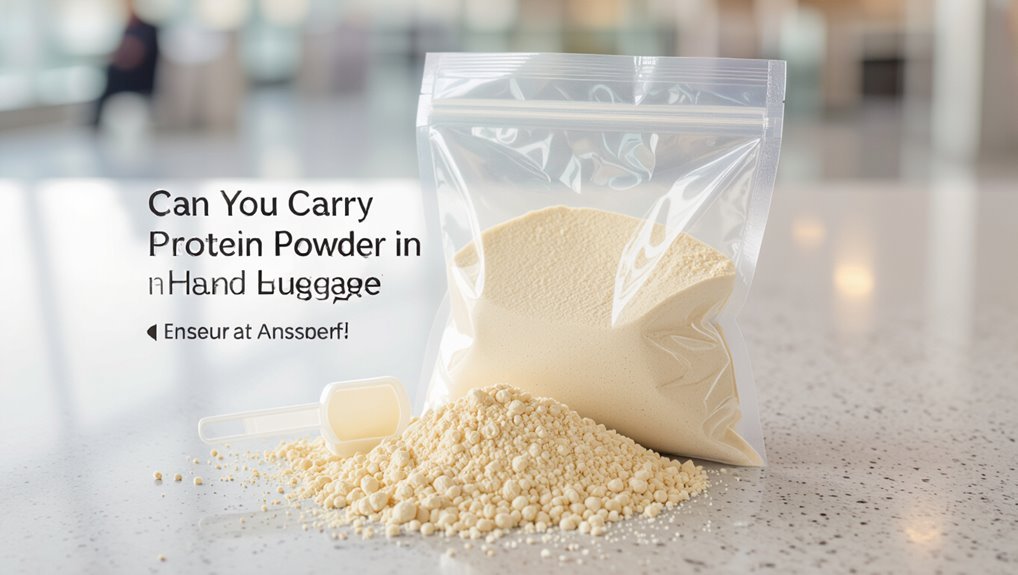
Wondering if you can bring protein powder in your carry-on? Yes — you can, but you’ll need to follow airline and security rules.
Keep containers sealed, labeled, and under any size limits if specified. Pack powders in clear bags for inspection and be ready to separate them at checkpoints.
Check your airline’s policy and destination regulations before travel to avoid surprises.
How Does TSA Treat Protein Powder at Security?
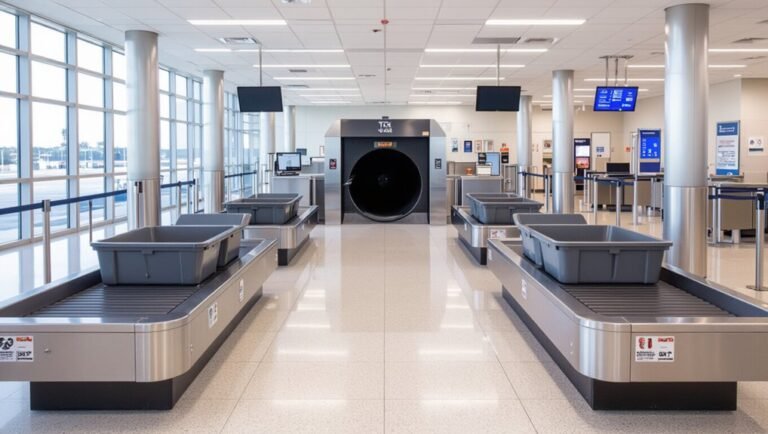
How will TSA handle your protein powder at security? They’ll screen it separately, may open or test it, and could require you to transfer it to a clear bag.
Follow instructions and be ready to show receipts or labels.
- Expect separate screening and possible testing.
- Cooperate if agents request inspection.
- Pack accessibly and label containers clearly.
Which Powder Sizes Are Allowed in Carry-On?
Most U.S. airports let you bring powder-like substances in carry-on bags, but TSA applies size limits and extra screening:
You can usually carry small amounts (often under 12 ounces/350 milliliters) in your carry-on without special handling; larger containers may require separate inspection and could be flagged.
Pack clearly labeled containers, keep receipts if possible, and be prepared for additional checks at the checkpoint.
How Much Protein Powder Can I Bring Through TSA?
If you’re carrying protein powder, TSA treats it like other powdery substances and applies the same size and screening rules described above.
You can bring reasonable amounts for personal use, but larger quantities may need extra screening or go in checked baggage.
Consider limits, declaration, and inspection risk.
- Personal-use quantities are allowed.
- Over 12 oz may get extra screening.
- Declare if asked.
How Should I Pack Protein Powder for TSA Screening?
Wondering how to pack protein powder to speed you through TSA screening?
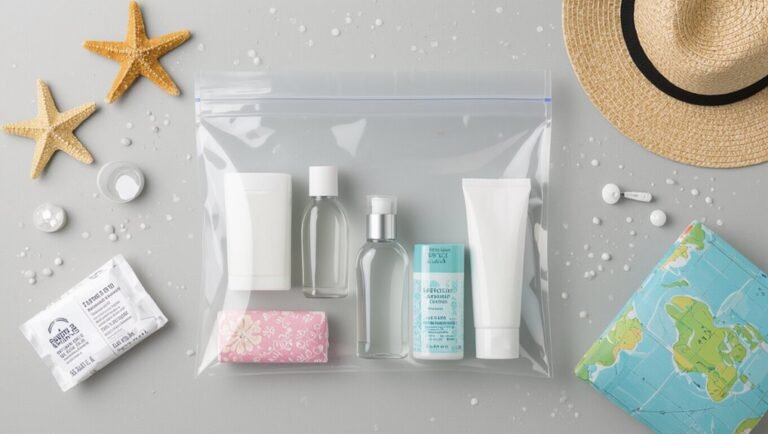
Pack powders in original, labeled containers when possible. If not, use clear, resealable plastic bags and label them with contents and weight.
Place bags near the top of your carry-on for easy access.
Separate powders from electronics and liquids so security officers can inspect quickly and return items without delay.
What Happens If TSA Asks to Test My Protein Powder?
Curious what happens when TSA asks to test your protein powder?
You’ll be asked to remove it from your bag for inspection. Officers may swab it or open the container to look and smell.
Be prepared to remove protein powder for inspection—officers may swab, open, and smell the container.
If it’s harmless, you’ll get it back and continue. If uncertain, they may confiscate it or refuse carriage.
- Swab test
- Visual/olfactory check
- Confiscation decisions
When Will Customs : Not Security : Stop My Protein Powder?
When will customs stop your protein powder? You’ll face inspection if labels are missing, quantities look commercial, or if officers suspect prohibited additives. Be ready to show packaging, ingredients, and proof of personal use. Refusal can mean seizure or fines. Below’s a quick checklist:
| Issue | Action | Outcome |
|---|---|---|
| No label | Show receipt | Likely release |
| Large amount | Explain use | Possible seizure |
| Suspicious ingredient | Provide info | Further testing |
Do I Need to Declare Protein Powder at Customs?
If you’re carrying a lot of protein powder, you may need to declare it at customs, especially if it looks like a commercial quantity.
Customs rules focus on food and agricultural products and may require declaration or inspection, while security screening has separate limits for powders in hand luggage.
Check the destination country’s regulations before you travel so you won’t be surprised at the border.
Declare Large Quantities
Because customs rules focus on safety and commercial intent, you usually don’t have to declare small personal amounts of protein powder, but larger quantities can trigger questions or require declaration.
If you’re carrying bulk powder, be ready to explain purpose, provide receipts, or show packaging. Consider declaring proactively to avoid delays.
- Bring proof of purchase
- Pack original labels
- Know duty thresholds
Security Screening Rules
Customs questions about bulk protein can lead directly into security screening requirements, since airport checkpoints focus on safety rather than import intent.
You should separate powders for X-ray clarity, place them in clear bags, and follow airline limits for quantities.
If TSA or local officers ask, declare large amounts; cooperate and expect additional inspection or testing to confirm items are non‑hazardous.
How Do Ingredients Affect Customs Acceptance of Protein Powder?
When you pack protein powder, the specific ingredients can determine whether border officials view it as a harmless supplement or a regulated substance.
So you’ll want to know what’s inside and how different components are classified. Check labels, declare additives, and carry documentation.
- Disallowed additives (steroids, controlled precursors)
- Animal-derived components (may need permits)
- Novel ingredients (research compounds)
Does Plant-Based vs. Whey Protein Change Rules?
Whether your powder is plant-based or whey, you’ll want to know if it’s classified differently by customs and security.
Consider ingredient sources like soy, pea, or milk derivatives, since some countries have specific rules for animal products.
Also be aware that screening officers may treat dense white powders the same regardless of origin, so clear labeling and documentation help.
Powder Classification Differences
Different protein types don’t usually change how airport security treats your powder — you’ll be assessed by texture, quantity, and packaging rather than whether it’s whey, soy, or pea.
You should pack clearly labeled, sealed containers and be ready to separate powders for inspection.
- Carry small, labeled portions.
- Use original or clear packaging.
- Expect testing if over limits.
Ingredient Source Considerations
Although the protein’s source—plant-based or whey—doesn’t usually change security rules, you should still be aware of a few practical differences: plant powders can clump or stain other items, while whey may smell stronger and attract attention if spilled.
Label containers clearly, keep original packaging when possible, and pack powders in sealed, spill-proof bags to simplify inspections and prevent mess during travel.
Security Screening Impact
If you’re wondering whether plant-based or whey protein affects airport screening, the short answer is no: security treats powdered food products the same regardless of source.
You should declare large quantities, keep samples accessible, and follow container size guidance.
- Declare powders over limits.
- Pack originals and labels for clarity.
- Be ready for extra screening.
Are Powdered Meal Replacements Treated Differently?
Wondering whether powdered meal replacements get special treatment at airport security? You’ll find they’re usually treated like other powders: subject to the same size limits, screening, and possible extra inspection.
Labeling as a meal replacement can help clarifying contents, but it won’t exempt you. To avoid delays, pack samples separately, keep original packaging, and declare large quantities at checkpoints when asked.
Do International Airlines Follow the Same Protein Powder Rules?
How closely do rules match across borders? You’ll find variation: some countries mirror TSA-like limits, others ban large powder quantities or require declarations.
Check your airline and departure/arrival security sites before travel. Pack small amounts, keep originals, and anticipate requests to test or transfer powders.
- Check airline and airport rules.
- Declare when required.
- Bring labels and receipts.
Are Powdered Supplements Allowed During International Transit?
Can you carry powdered supplements through international transit? You can, but rules vary by country and airport.
Security often treats powders over a certain volume as restricted; you’ll need to declare or place them in checked baggage if required.
Check both departure and arrival regulations, airline policies, and local customs rules before travel to avoid confiscation, delays, or fines.
Which Countries Commonly Restrict Protein Powder in Carry-On?
- Australia — strict biosecurity, screening and possible seizure.
- United States — TSA may inspect powders over certain volumes.
- Japan — customs can be strict about undeclared food supplements.
How Do EU and Schengen Airports Handle Protein Powder?
Wondering what to expect at EU and Schengen airports when you carry protein powder?
You’ll face similar security checks across member states: powders over 350ml may be inspected, tested, or placed in hold luggage.
Keep powders in original packaging, declare them if asked, and be ready for sampling or additional screening.
Keep powders in original packaging, declare if requested, and expect possible sampling or extra screening at security.
Rules can vary slightly by airport, so check ahead.
What Are the UK Rules for Carrying Protein Powder?
Traveling to or through the UK with protein powder is straightforward if you follow the rules:
- Keep powders under 350ml per container and present them separately at security when asked.
- Label containers clearly and carry receipts to verify purchase if possible.
- Expect extra screening; large quantities may be questioned or placed in hold luggage, so pack accordingly.
How Do Canada’s Rules Differ for Protein Powder in Carry-On?
If you’ve been following the UK guidance, Canada’s rules will feel familiar but have some important differences you should know.
Canada allows powdered protein in carry-on but recommends separating it for screening and limiting amounts over 350 mL (about 12 oz) for additional inspection.
Label containers clearly, keep receipts, and be prepared to transfer powder to a clear bag or have it tested by security.
What Are the Rules for Australia and New Zealand?
How do Australia and New Zealand handle protein powder in your carry-on? You can bring powdered supplements, but security may ask you to separate and present them for inspection.
Limits are flexible, yet officers can request testing. Pack powders in clear, labeled containers and keep receipts to speed screening.
Limits are flexible, but officers may test powders—use clear labeled containers and keep receipts for faster screening
- Declare and separate
- Use clear, labeled bags
- Carry proof of purchase
How Do Airports in Asia Commonly Treat Powdered Supplements?
When you fly through Asia, expect extra scrutiny of powdered supplements at security, including X-ray checks or separate screening.
Rules and permitted quantities vary by country, so check limits for each airport you’ll pass through.
Always declare large amounts and pack powders in clear, labeled containers to speed up inspection.
Security Screening Procedures
Because security rules vary across Asia, you should expect different screening procedures for protein powder at each airport: many carriers let you carry small quantities in hand luggage but may ask for separate screening, swab tests, or repacking if volumes look large or unclear.
- Declare powders and separate them into clear bags.
- Be ready to open containers for inspection.
- Follow officer instructions; they may request swabs or transfer to compliant bags.
Country-Specific Limits
Which countries enforce strict limits on powders, and which are more relaxed?
In Asia, airports in Singapore, Japan and South Korea often treat powdered supplements strictly, limiting quantities and subjecting them to extra screening.
China and India vary by airport but can be strict.
Malaysia, Thailand and some Southeast hubs are generally more relaxed, though security staff still reserve the right to inspect or confiscate.
Declaring And Packaging
Many airports in Asia expect you to declare powdered supplements and package them so staff can quickly inspect what’s inside.
You should label containers, carry receipts or original packaging, and be ready to open tubs on request.
Pack small amounts in clear resealable bags to speed checks and avoid confiscation.
- Label and keep receipts
- Use clear resealable bags
- Be ready to open containers
How Does Quantity or Concentration Influence Inspections?
If you pack just a small, clearly labeled container of protein powder, you’re less likely to trigger extra screening than if you bring several large tubs or loose, unlabeled powder.
Inspectors judge risk by amount and concentration: concentrated supplements or bulk quantities invite closer scrutiny.
Keep volumes modest, label contents, and consolidate into one container to reduce chances of inspection and speed security checks.
Can I Carry Single‑Serve Protein Packets in My Carry‑On?
You can usually bring single‑serve protein packets, but you should know TSA and other countries’ powder limits may apply.
Keep packets in their original, labeled packaging and be ready to separate them for inspection.
If you’re flying internationally, check your airline and destination rules ahead of time since limits and procedures vary.
TSA Powder Limits
TSA lets travelers bring powdered substances in carry-ons, but limits on amounts and screening procedures can affect whether you can bring single‑serve protein packets without extra hassle.
You should:
- Expect extra screening for over 12 ounces (350 mL) of powder-like substances.
- Pack small single servings to reduce inspection likelihood.
- Be ready to separate powders during X‑ray or carry them in accessible spots.
Packaging And Labeling
Packaging and clear labeling make it easy to carry single‑serve protein packets in your carry‑on without delays.
Keep packets in original sealed packaging when possible, or place unopened sachets in a clear resealable bag.
Label homemade or repackaged servings with contents and weight.
Present them separately during screening if asked, and avoid loose powder spills by double‑sealing to maintain inspection efficiency.
International Airline Rules
Although rules vary by country and airline, most carriers allow single‑serve protein packets in carry‑on bags as long as they meet local security regulations and are presented for inspection when asked.
You should check destination rules, pack labeled packets, and be ready to separate them at screening.
- Check local TSA/CAA guidance.
- Keep original packaging.
- Declare if requested.
Why Original Packaging Helps at Security and Customs?
If you keep your protein powder in its original container, security officers and customs agents can quickly identify the product and move you through screening faster.
Original labels show brand, ingredients, and weight, reducing questions and inspections. You’ll avoid delays from unclear packaging, and customs can spot restricted additives more easily.
Keep seals intact and receipts handy to support authenticity.
What’s the Best Travel Container for Protein Powder?
Wondering which container will keep your protein powder fresh and hassle-free at security?
Pick a sturdy, sealable option that’s transparent or clearly labeled. Carry small portions to avoid bulky jars.
- Transparent plastic travel jar — leakproof, easy to inspect.
- Resealable silicone pouch — lightweight, flexible.
- Single-serve shaker cups with sealed compartments — mix on the go and minimize spills.
How to Label and Document Protein Powder to Avoid Delays?
Label your container clearly with the product name, weight, and ingredient list so security staff can quickly identify it.
Carry a copy of the purchase receipt or a manufacturer label, and include any relevant medical or dietary notes if it’s for a prescription or allergy.
Keep documentation handy in an outer pocket so you can present it without unpacking your bag.
Clear Labelling Practices
Clear, visible packaging and simple documentation cut screening time and reduce the chance your protein powder gets questioned at security.
You should label containers clearly, include product name and weight, and keep labels legible.
- Print a clear product label with ingredients.
- Add weight/volume in grams or ounces.
- Use waterproof labels and attach them visibly to the container.
Essential Documentation Tips
Having visible, waterproof labels is a good start, but you’ll also want supportive documentation to prevent hold-ups at security.
Carry product packaging, a receipt, and a printed manufacturer factsheet or SDS (safety data sheet).
If it’s a special formulation, bring a doctor’s note or prescription.
Keep copies in your carry-on and on your phone for quick verification to speed inspections.
What Receipts or Specs Speed Up Screening?
If you want faster screening, bring documentation that clearly identifies the powder and its purchase.
Carry a receipt or invoice showing brand, product name, size, and seller date. Also include manufacturer specs or a product label image with ingredient list and barcode.
Bring the purchase receipt plus the product label or manufacturer specs showing brand, size, ingredients, barcode, and sale date.
Finally, have a translated summary if traveling internationally so agents can verify contents quickly.
- Receipt/invoice
- Manufacturer specs/label
- Translated summary
Are There Medical Exceptions for Therapeutic Protein Powders?
Receipts and specs can speed things up, but you may still wonder whether therapeutic protein powders qualify for medical exceptions at security checkpoints.
You can usually carry medically necessary powders if you declare them, show a prescription or doctor’s note, and accept extra screening.
Keep quantities reasonable, separate items for testing, and check your airline and destination rules before travel to avoid surprises.
How Should Athletes Travel With Large Quantities of Protein Powder?
Need to bring a big supply of protein powder for a competition or long trip? You should pack sealed, labeled containers, carry a copy of purchase receipts and ingredient lists, and distribute powder across multiple bags to avoid a single excess weight issue.
- Seal and label containers.
- Carry receipts and ingredient lists.
- Split quantities across bags.
Can I Pack Protein Powder in Checked Luggage or Ship It?
You can usually pack protein powder in checked luggage, but airlines may have weight limits and security may inspect containers, so label them clearly and seal them well.
If you’re shipping, check carrier rules and customs restrictions for powdered goods to avoid delays or confiscation.
Always verify destination country regulations and consider using original packaging or a lab-style certificate for large quantities.
Checked Luggage Rules
Many travelers assume powder rules only apply to carry-on bags, but you can usually pack protein powder in checked luggage without the same TSA screening limits.
Still, it’s smart to seal it in a sturdy, labeled container and check airline-specific or international customs rules before you fly.
- Pack in original or labeled container to avoid questions.
- Use airtight, crush-resistant packaging to prevent spills.
- Declare large quantities if required by your destination.
Shipping Restrictions
When shipping or checking protein powder, know that rules differ between airlines, courier services, and countries, so check policies before you pack or send it.
You should declare powders, follow packaging and labeling requirements, and confirm quantity limits.
Some carriers restrict powdered substances or require testing for biohazards.
For international shipments, customs may ban certain ingredients, so verify both origin and destination rules.
Pros and Cons of Declaring Protein Powder vs Not Declaring?
Although declaring protein powder adds a small step at security, it can speed inspections and reduce the chance of having your luggage opened or your supply discarded.
Declaring protein powder adds a minor step but can speed checks and lower the risk of luggage searches or disposal
You’ll weigh convenience against scrutiny. Declare to be transparent; don’t declare if you want to avoid questions but risk checks.
- Faster inspections
- Fewer surprises or confiscations
- Possible extra screening/questions
What to Do If Security Seizes or Refuses Your Powder?
If security seizes or refuses your protein powder, stay calm and cooperate to resolve the situation quickly. Ask why, show receipts or labels, and request clear instructions. If they dispose of it, note the officer’s name and ask for a written report or receipt.
| Step | Action | Tip |
|---|---|---|
| 1 | Ask reason | Be polite |
| 2 | Show proof | Keep receipts |
| 3 | Get report | Record names |
How to Handle a Secondary Inspection at the Gate or Customs?
Because secondary inspections can feel intimidating, stay calm, cooperative, and clear about what’s in your bag so the process goes faster.
Tell officers you have protein powder, show labels, and offer documentation. Keep movements slow and hands visible. Follow instructions; ask concise questions if unsure.
Tell officers you have protein powder, show labels and receipts, keep hands visible, move slowly, and follow instructions.
- Present powder and container.
- Show receipts or labelling.
- Accept officer instructions.
Packing Checklist for Smooth Protein Powder Screening
When packing protein powder, check container rules so it’s in a clear, labeled package that meets TSA or local limits.
Declare the powder at security if required, and keep your receipt or ingredient list handy.
Seal the container and add a leak-proof bag or tape to prevent spills in your luggage.
Powder Container Rules
1 clear rule: pack protein powder in a container that’s durable, resealable, and easy to inspect—transparent plastic jars or original branded tubs work best because security officers can quickly verify contents without opening multiple packages.
- Label clearly with product name and weight.
- Use original scoop or secure cap to prevent spills.
- Keep small samples in separate, resealable bags for quick checks.
Declaring At Security
Plan to declare any protein powder at the security checkpoint and make the process obvious:
place the container on top of your carry-on or in an easy-to-reach pouch, have the product label facing up, and tell the officer it’s protein powder before they ask.
Be polite, answer questions succinctly, and follow any officer instructions.
If asked, separate the powder for X-ray screening to speed up the process.
Packing Spill Prevention
Because spills make security slower and cleanup harder, pack your protein powder to prevent leaks:
- Use a sturdy, airtight container and double-seal with a zip-top bag.
- Label the container with product name and weight for quick screening.
- Place container in an easy-to-access outer pocket and pad it with clothing to avoid crushing and accidental opening.
Common Mistakes Travelers Make With Protein Powder
Wondering what trips people up when they carry protein powder in hand luggage?
You’ll overpack loose powder, forget clear resealable bags, or skip labeling containers.
You might ignore airport security rules, bring large quantities, or leave powder exposed to moisture.
You can also neglect spill-proof seals and forget napkins for cleanup.
Anticipate these errors to avoid delays, fines, or ruined luggage.
Questions to Ask Your Airline Before Flying With Protein Powder
Which rules apply to your flight and itinerary?
Ask the airline about powder limits, declaration requirements, and carry-on vs checked preferences.
Ask the airline about powder limits, declaration rules, and whether to carry on or check your items.
Confirm allowed container sizes and if multiple small bags are okay.
Check if international transfers change rules and whether security may inspect without consent.
- Powder quantity limits
- Declaration and labeling
- Connecting-flight policy
Sample Carry-On Packing Plans by Trip Length
For short weekend trips, you can usually pack a single small container of protein powder and a travel shaker to keep things simple.
For extended multiweek travel, you’ll want to plan bulk quantities, portioned resealable bags, and a compact scoop to save space and avoid spills.
Below are practical packing plans and tips for each trip length.
Short Weekend Trips
If you’re heading out for a short weekend trip, packing smartly for carry-on only means choosing multipurpose items and trimming extras to fit airline rules and your schedule.
Bring a small scoop or travel-size protein pouch in checked-like packaging if allowed. Pack versatile clothing, compact toiletries, and a refillable bottle.
- Clothing: mix-and-match basics
- Protein: travel pouch + scoop
- Toiletries: TSA-compliant sizes
Extended Multiweek Travel
Short weekend trips let you get by with a single small pouch of protein and a pared-down wardrobe, but multiweek travel calls for a different approach: you’ll need scalable kits that keep you fed, clean, and comfortable without checked bags.
Pack measured protein servings in sturdy, resealable bags; bring a compact shaker, concentrated toiletries, versatile clothing layers, a lightweight laundry kit, and consumables for gradual resupply.
How to Find the Latest Rules Before Your Trip
Want to avoid surprises at security? Check rules before you go so you won’t face delays or confiscation.
Want to skip security headaches? Check rules ahead to avoid delays or confiscated items.
- Visit your airline and departure/arrival airport websites for powder and container limits.
- Review official transportation authority pages (TSA, CATSA, EU, etc.) for current rules and changes.
- Call customer service or use airport social channels to confirm ambiguous guidance or recent policy updates.
Quick Rules-of-Thumb for Carrying Protein Powder
1 simple rule: keep your protein powder accessible, clearly labelled, and in containers that meet airline or security size limits. Pack small sealed bags, a scoop, and a copy of purchase info. Be honest at security checkpoints and split large amounts between bags to avoid disposal.
| Tip | Action |
|---|---|
| Labeling | Use clear tape and printer |
| Amounts | Stay under checked limits |
Frequently Asked Questions
Can I Mix Protein Powder Into a Drink Before Passing Through Security?
Yes — you can mix protein powder into a drink before security, but it might draw scrutiny. You’ll need to declare it if asked, cooperate with screening, and be prepared to dispose of the drink or undergo extra inspection.
Will Powdered Pre-Workout or Creatine Follow the Same Rules as Protein?
Yes — powdered pre-workout and creatine follow similar rules to protein powder for carry-on: you’ll need to declare quantities at security, expect extra screening, and larger amounts may be restricted or require checked baggage depending on the airport.
Can I Bring Protein Powder Samples or Promotional Sachets on Board?
Yes — you can bring protein powder samples or promotional sachets in your carry-on, but keep them in original packaging, declare if asked, and follow airline or security limits; larger amounts might be subject to extra screening or restrictions.
Do Powdered Supplements Trigger Issues When Traveling With Pets or Animal Products?
Yes, powdered supplements can cause issues when traveling with pets or animal products; you’ll need to declare them, follow biosecurity rules, and expect inspection or restrictions to prevent contamination or disease transmission across borders and airports.
Can Duty-Free Purchases of Protein Powder Be Carried in the Cabin After Security?
Yes — you can usually carry duty-free protein powder in the cabin after security, but you’ll need to follow airline and country-specific limits, declare if required, and pack it accessibly since officers may request inspection or testing.
Conclusion
You can bring protein powder in your carry-on, but expect extra screening and follow size rules. Pack small amounts in clear, labeled bags or containers to speed inspection, and keep receipts if it’s new. Check with your airline and the TSA website before travel since rules can change. For trips longer than a few days, consider checked luggage or buying locally. Be prepared to transfer or discard powders if security asks.