Can You Check a Box of Wine as Luggage
Yes — you can check a boxed wine in your luggage, but you’ll need to follow airline, TSA, and customs rules on volume, alcohol content, packaging, and declaration. Pack the box sealed, wrapped in plastic, cushioned in a hard-sided bag, and label it fragile to avoid leaks and damage. Some airlines limit liters or ABV and require original packaging or receipts, and customs may impose duty or bans, so keep documentation handy if you want to learn more.
Who This Guide Is For and How to Use It
Who’s this guide for and how should you use it?
You’re a traveler carrying boxed wine who needs clear, practical rules for checked luggage.
Use this guide to assess airline policies, packaging tips, quantity limits, and customs concerns.
It skips tasting advice and legal theory; follow the steps to decide whether to check, pack securely, and declare when required.
Quick Answer: Can You Check Boxed Wine-and When to Avoid It?
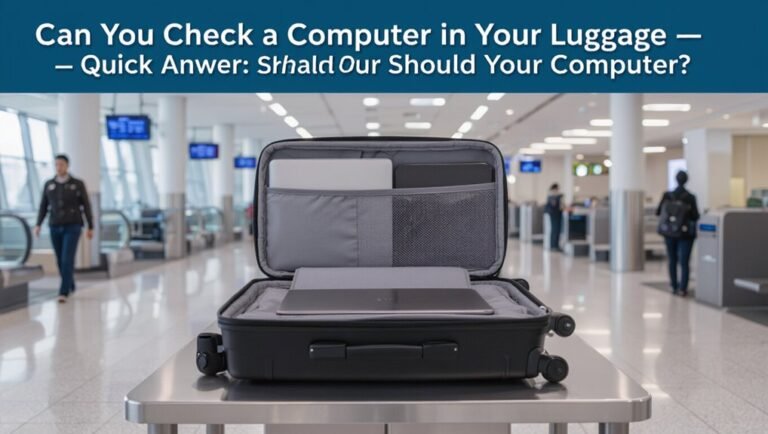
Can you check boxed wine in your luggage? Yes, usually—boxed wine with a sealed spout is allowed in checked bags, but you should pack it securely to prevent punctures, leaks, and pressure issues.
Avoid checking it if it’s valuable, fragile, or you can’t properly cushion it. Also skip checked transport on short flights with rough baggage handling or when regulations vary.
Which Airlines Allow Boxed Wine in Checked Baggage
Check each airline’s alcohol policy before you pack, since carriers vary on what and how much you can check.
You’ll also need to watch checked baggage limits and weight fees so your boxed wine doesn’t push you over allowance.
Finally, secure the box with sturdy packaging and spill prevention to avoid leaks and damage during transit.
Airline Alcohol Policies
While regulations on transporting alcohol are mostly set by governments and aviation authorities, individual airlines set their own checked-baggage rules and may differ on whether they’ll accept boxed wine.
You should check each carrier’s policy for allowed alcohol types, volume limits, packaging requirements, and declared-value rules. Some airlines require original retail packaging or limits by percentage alcohol; others prohibit commercial quantities.
Always verify before flying.
Checked Baggage Limits
Most major carriers let you pack boxed wine in checked baggage if it meets their alcohol and weight rules, but the allowances vary—so always confirm with your airline before you go.
You should check each carrier’s checked baggage weight limits, size restrictions, and declared alcohol allowances. Some airlines cap total alcohol volume per passenger; others count the box toward your baggage weight or require declaration at check‑in.
Packaging And Spill Prevention
Because boxed wine combines a flexible bag and cardboard crate, you’ll need to secure it against punctures, leaks, and pressure changes before you check it.
Different airlines may have specific rules about how it’s packed. Wrap the box in plastic, seal seams with tape, cushion it inside a hard-sided suitcase or a padded wine shipper, and label fragile.
Check airline policies beforehand.
Airline Alcohol Limits: Volume and ABV to Know
You’ll need to check each airline’s volume limits per passenger, since some cap the total liters you can carry in checked baggage.
You should also watch the alcohol-by-volume (ABV) rules, because beverages over certain percentages may be restricted or prohibited.
Knowing both limits upfront helps you pack legally and avoid surprises at the gate.
Volume Limits Per Passenger
Airlines let you carry a limited amount of alcohol in checked baggage, and knowing those volume caps will save you surprises at the bag drop.
You should check your carrier’s per-passenger liter limit—rules vary by airline and route. Pack within legal limits to avoid confiscation or fees.
- Typical limit: 5 liters per person.
- Declare if required.
- Keep receipts.
Alcohol By Volume Rules
Most carriers set two key limits you should mind: the total volume of alcohol you can check and the maximum alcohol-by-volume (ABV) of each bottle or container. You’ll often find rules like 70% ABV max, with stricter limits for higher-proof spirits. Check your airline and pack accordingly to avoid confiscation or fines.
| Item | ABV Limit | Notes |
|---|---|---|
| Wine | ≤24% | Common allowance |
| Fortified | 24–70% | Limited quantity |
| Spirits | >70% | Usually prohibited |
TSA Rules for Alcohol in Checked Luggage (U.S.)
While TSA lets you pack alcohol in checked luggage, there are limits on alcohol content and quantity you must follow; you should know rules to avoid confiscation.
You can check wine under 24% ABV freely, bottle limits apply, and packaging must prevent breakage.
Consider these specifics:
- Max 5 L per person for 24–70% ABV.
- No limit under 24% ABV.
- Pack securely.
Carry-On vs Checked Wine: Pros and Cons
If you’re deciding whether to carry wine onboard or stow it in checked baggage, weigh convenience against risk:
Carry-on keeps bottles visible, temperature-controlled, and reduces breakage or loss, but must meet 3.4-ounce liquid rules for non-purchased items and count toward carry allotment.
Checked baggage allows larger volumes but risks rough handling, leaks, and baggage fees.
Choose based on volume, value, and peace of mind.
International Carrier Rules and Common Variations
When you travel internationally with a box of wine, you’ll need to check each carrier’s alcohol allowances and how much duty-free alcohol you can bring into the destination.
Rules and limits can vary by airline and country, and some destinations ban or tightly restrict certain alcohol volumes or types.
Before you pack, confirm both your airline’s checked-luggage alcohol policy and the country-specific import rules to avoid fines or confiscation.
Allowed Alcohol Limits
How much alcohol can you bring in checked baggage depends on your carrier’s rules and the countries you’re traveling between; international limits usually combine airline policy with destination customs regulations.
You should check airline alcohol-by-volume caps, total volume per passenger, and duty-free allowances before packing.
- Typical airline limit: 70% ABV max, quantities vary.
- Volume caps: often liters per passenger.
- Duty-free: separate exemptions apply.
Country-Specific Restrictions
Because countries set different rules for importing alcohol, you’ll need to check both the airline’s international carriage limits and the destination’s customs allowances before packing boxed wine.
Some nations ban or heavily tax alcohol, others limit volume per traveler. Airlines may restrict transport of liquids over certain alcohol percentages.
Contact your carrier and customs agency, declare purchases, and keep receipts to avoid fines or confiscation.
Customs Limits When Bringing Boxed Wine Across Borders
Curious about how much boxed wine you can bring across a border? You’ll need to declare quantities, follow alcohol limits, and prove purchase origin. Check customs websites for precise allowances and possible age requirements.
- Know per-person volume limits and alcohol by volume (ABV) rules.
- Keep receipts and original packaging for inspection.
- Declare honestly to avoid fines or seizure.
Duty-Free Boxed Wine: Can You Check It?
If you buy boxed wine in a duty-free shop, know that airport and airline rules still apply to liquids and alcohol limits.
You’ll need to pack the box securely in checked baggage if it exceeds carry-on liquid rules, and you must declare it at customs if it pushes you past duty-free allowances.
Check the airline’s policies and the destination’s declaration requirements before you fly.
Duty-Free Liquids Limitations
Wondering whether that duty-free boxed wine can go in your checked bag? You can check duty-free liquids, but limits vary by country and airline.
Confirm total volume and alcohol percentage comply; some places ban high-strength shipments. Declare purchases when required to avoid fines.
- Check local import volume limits.
- Verify airline acceptance.
- Keep receipts for proof.
Packing And Declaration Rules
When you pack duty-free boxed wine in checked luggage, make sure you follow both airline rules and destination customs regulations so you don’t face delays or fines.
Pack the box securely in a sturdy suitcase, cushion it from impact, and seal leaks.
Declare alcohol on customs forms honestly, keep receipts accessible, and confirm quantity limits to avoid duties or confiscation at arrival.
How Many Liters You Can Bring Home on International Flights
Customs rules set the limits on how many liters you can bring home on international flights, and those limits vary by country, alcohol type, and whether you’re arriving duty-free.
Customs set limits on how many liters you can bring—rules vary by country, alcohol type, and duty-free status.
You should check destination allowances, declare excess, and expect duties if you go over.
Common limits and tips:
- Typical duty-free: 1–3 liters of spirits or more for wine/beer.
- Declare if unsure to avoid fines.
- Keep receipts and original packaging.
Packing Essentials for Boxed Wine
After checking how much you can legally bring back, you’ll want to focus on packing boxed wine so it survives travel and inspection.
Choose a sturdy, leakproof outer bag or hard-sided suitcase, keep the box upright, and seal any openings. Include a copy of purchase receipts and labels for customs.
Limit aroma exposure and avoid extreme temperature swings during transit.
How To Wrap and Cushion Boxed Wine for Checked Bags
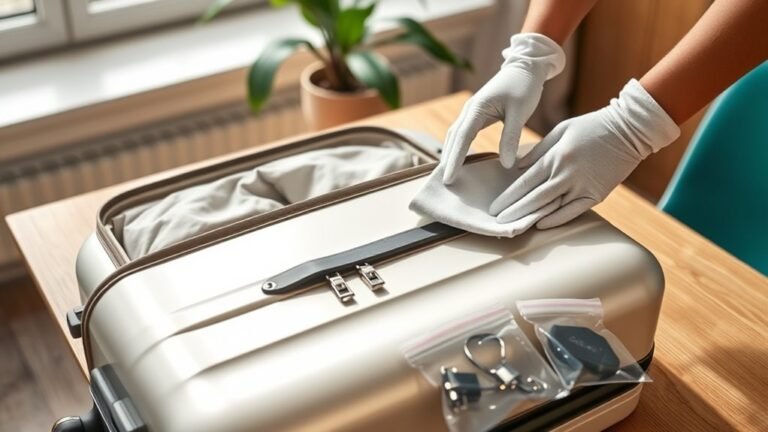
Wrap each boxed wine as if it’s fragile glass—to minimize movement, cushion impacts, and protect seams.
Use layers that absorb shock and prevent punctures: wrap the box in bubble wrap, seal seams with tape, and place in a protective sleeve or pouch.
Then situate it centrally in your suitcase, surrounded by soft clothing to restrict shifting.
- Bubble wrap
- Tape seams
- Soft clothing
Best Luggage Types for Transporting Boxed Wine
Choose a suitcase that gives boxed wine firm support and padding—hard-shell rolling luggage or a well-structured soft-sided case with a padded compartment work best.
You should pick a bag with reinforced corners, stable wheels, and a lockable zipper.
Use internal straps to prevent shifting, place the box centrally among clothes for extra cushioning, and avoid overpacking to reduce pressure on seams.
Wine Skins, Bubble Wrap, and Hard Cases: Pros and Cons
You’ll find wine skins give a snug, leak-resistant layer that’s lightweight and easy to pack.
Bubble wrap adds cushioning around fragile boxes to absorb impacts during handling.
Hard cases offer the best durability and crush protection for longer trips or rough baggage handling.
Wine Skins Benefits
Slip a wine skin around each bottle and you’ll see why many travelers prefer them: they’re slim, puncture-resistant sleeves that cushion glass without adding much bulk, making them ideal for packing into checked luggage or carry-ons where space is tight.
You’ll handle bottles confidently, save space, and reduce breakage risk.
- Saves space
- Easy to use
- Reusable and durable
Bubble Wrap Protection
When you’re packing wine, bubble wrap offers straightforward cushioning that absorbs shocks and keeps bottles from clinking.
However, it’s bulkier than wine skins and less protective than a rigid case for severe impacts. You can wrap each bottle individually, pad gaps, and compress the box to limit movement.
It’s affordable and disposable, but won’t prevent crushing or sharp punctures like sturdier solutions.
Hard Case Durability
Bubble wrap gives basic cushioning, but if you want true impact and crush protection you’ll need to contemplate hard cases.
You’ll get rigid walls, stackable strength, and reusable security for boxed wine. They add weight and cost, so balance risk versus convenience.
- Molded foam inserts for snug fit
- ABS/polycarbonate shells for crush resistance
- Lockable latches for transit security
How To Position Boxed Wine Inside Your Suitcase
Place the boxed wine flat against the suitcase’s back (the part that rests against your spine) so it gets support from the suitcase frame and other packed items.
Center the box lengthwise, keep the tap facing upward, and surround it with soft clothing to cushion movement.
Balance weight by placing heavier items below and opposite the box to prevent shifting during transit.
Securing the Box to Prevent Leaks and Punctures
If you want to prevent leaks and punctures, wrap the box in a protective layer—bubble wrap, a padded sleeve, or thick clothing—and secure that layer with tape or straps so it can’t shift inside your bag.
Then reinforce corners, cushion weak spots, and check seal integrity before packing.
- Reinforce corners with extra padding.
- Immobilize the box with straps.
- Test seals for leaks.
Labeling Tips to Reduce Rough Handling and Loss
While you can’t control every handler, labeling your boxed wine clearly and deliberately will considerably reduce rough handling and the risk of loss.
Use waterproof, bold “FRAGILE” and “THIS SIDE UP” stickers, include your name, phone, and flight number, and affix a duplicate label inside.
Add a visible “ALCOHOL” tag per airline rules so staff know contents without opening the box.
If Your Box Leaks at Baggage Claim: Immediate Steps
If you spot wine leaking from your box at baggage claim, first inspect it to find the source so you know whether the bag is salvageable.
Quickly contain the spill with available paper towels, trash bags, or clothing to limit staining and spread.
Then notify baggage staff right away so they can document the damage and help with cleanup or a claim.
Locate The Leak Source
1. You need to find where the box leaks before seeking help. Check seams, the spout area, and any punctures; sniff for alcohol and press the box gently to localize wetness.
Note damage location for the airline agent and photos. Prioritize safety—avoid slippery floors and exposed electrical outlets.
- Seams
- Spout/valve
- Punctures
Contain The Spill
Act quickly to contain the spill and protect yourself and others: cordon off the area with luggage or ask airport staff to block access.
Use paper towels or napkins to soak up pooling wine, and place any leaking bag in a plastic bin or garbage bag to stop further spread.
Wear gloves if available, mop up remaining residue, and isolate soaked items to prevent staining other luggage.
Report To Baggage Staff
What should you do next when your boxed wine is leaking at baggage claim? Report it to baggage staff immediately, describe the damage, and ask for a written incident report.
Stay calm and keep evidence.
- Show the leak and packaging.
- Request an official report and claim form.
- Take photos, note names, and get contact details.
Insurance, Declared Value, and When To File a Claim
If you’re checking a box of wine, you should understand how airline insurance and declared value rules affect your options and potential reimbursement.
If you check a box of wine, know airline liability and declared-value rules to protect reimbursement options.
Check your ticket and airline site for liability limits, declared-value fees, and required receipts.
File claims immediately at the airport and follow timelines precisely.
Keep photos, purchase proof, and packaging details to maximize recovery under carrier rules or travel insurance.
Shipping Boxed Wine vs Checking It as Luggage: Cost & Risk
When deciding whether to check a box of wine or ship it, weigh the upfront costs against the risks:
- Check luggage: lower fees but risk breakage, temperature damage, and limited carrier liability.
- Courier shipping: higher cost, tracking, and insured options reduce loss and damage exposure.
- Time vs control: faster travel may favor checking; flexible schedules and value favor insured shipping.
Winery Packaging vs Retail: Which Protects Boxed Wine
When you compare winery packaging to retail boxing, you’ll notice wineries often use heavier-duty materials and custom inserts designed for pallet shipping.
Retail boxes, however, are usually built to look good on shelves and meet minimal transit standards.
Think about whether the maker’s packaging or the store’s boxing will better withstand baggage handling on your trip.
Winery Packaging Durability
Although both winery and retail packaging aim to protect boxed wine, they take different approaches to durability: winery packaging often prioritizes transport efficiency and bulk protection with sturdy outer cartons and palletization, while retail packaging focuses on shelf appeal and consumer handling with branded boxes and internal supports.
You’ll notice winery choices reduce puncture and crushing risks.
- Corrugated bulk cartons
- Pallet straps and shrink wrap
- Internal bracing and liners
Retail Boxing Standards
Because retail packaging has to do more than survive shipping, it balances protection with branding and convenience.
So you’ll see thinner corrugated board, printed graphics, and inserts designed for shelf appeal and easy carrying.
That means retail boxes often offer less cushioning than winery bulk packs; you should assume higher puncture and crush risk and pack extra padding or choose the sturdier winery carton for checked luggage.
Traveling With Multiple Boxed Wines: Airline Notifications & Fees
If you plan to travel with multiple boxed wines, notify the airline in advance and be ready to pay any extra fees, since carriers treat bulk alcohol differently from single bottles.
Check weight limits, declared alcohol allowances, and packing requirements before heading to the airport.
- Confirm airline alcohol policy.
- Declare at check-in.
- Anticipate overweight or special-item charges.
State and Country Restrictions on Alcohol Content or Packaging
Besides airline rules and fees, you also need to check state and country laws that limit alcohol content, packaging, or import quantities.
You’ll face varying restrictions: some states ban high‑ABV beverages or require specific packaging, while countries set personal import limits and duty rules.
Confirm limits before packing, declare when required, and adjust quantity or labeling to avoid confiscation, fines, or shipment refusal.
Special Cases: Duty-Free, Interline Connections, and Transfers
When you’re managing duty‑free purchases, interline connections, or airline transfers, know that each stage can change how you can carry boxed wine and whether security or customs will let it through.
You should check airline and airport rules, keep receipts, and plan for customs limits to avoid confiscation or extra fees.
- Confirm duty‑free packaging and seals
- Verify interline carrier policies
- Prepare customs documentation
Practical Packing Checklist for Checking Boxed Wine
1 clear checklist will make checking boxed wine simple and stress-free: pack each carton in a sturdy, crush-resistant container, surround it with cushioning (bubble wrap, foam, or crumpled clothing), and seal gaps to prevent movement and leaks.
Label as fragile, place upright if possible, add absorbent material, secure with strong tape, note contents for customs, and keep receipts handy for proof.
Common Mistakes to Avoid When Checking Boxed Wine
If you don’t prepare properly, checking boxed wine can turn into a costly mess—broken cartons, soaked gear, and baggage delays are common results of avoidable mistakes.
You should pack strategically, label clearly, and secure taps. Avoid overpacking or relying on airline handling.
- Don’t skip padding.
- Don’t ignore tap protection.
- Don’t forget to declare or check airline rules.
Frequently Asked Questions
Can I Check Boxed Wine in a Hard-Sided Wheeled Cooler?
Yes — you can check boxed wine in a hard-sided wheeled cooler, but you’ll need to secure the box, pad it to prevent punctures, follow airline liquid and weight rules, and declare it if required to avoid surprises.
Will Airlines Accept Boxed Wine Purchased on a Connecting Flight?
Yes — you can often get boxed wine bought on a connecting flight accepted, but you’ll need to follow duty-free/airport rules, keep receipts, and inform the airline; some carriers or countries may still restrict transport.
Can Boxed Wine Be Sent Through Airport Curbside Drop-Off?
Yes — you can usually send boxed wine through curbside drop-off, but you’ll need to check the airline’s checked-baggage and alcohol rules, pack it securely, and expect weight or excess-baggage fees.
Are There Seasonal Temperature Concerns for Boxed Wine in Cargo?
Yes — you should worry. Cargo can get very hot or cold, and extreme temperatures can spoil boxed wine, swell bags, or split seams. You’ll want insulated packing, temperature-controlled shipping, or avoid peak-heat/cold periods.
Do Allergen or Organic Labels Affect Customs Inspections?
They generally don’t change inspection likelihood; customs focuses on prohibited items and accurate declarations, but organic or allergen labels can speed processing if authorities need product details. You should still declare food and follow country rules.
Conclusion
You can usually check boxed wine, but check airline rules and limits first to avoid surprises. Pack it securely—use padding, leakproof bags, and a sturdy suitcase—label fragile, and keep receipts for duty-free. Watch ABV and volume restrictions, and be careful with interline transfers or countries that ban certain alcohol. Avoid overpacking bottles near zippers or sharp edges. When in doubt, carry wine in your checked bag only if it meets all airline and destination rules.