Can You Make Clothes Weigh Less for Travel
Yes—you can make clothes weigh less for travel by choosing compressible, quick-dry fabrics like merino, nylon blends, and lightweight polyester, and by removing bulky hardware and heavy trims. Pack versatile, layerable pieces, roll soft items, fold structured garments, and use packing cubes or compression bags to shave space and weight. Replace metal buttons or brass zippers with lighter options and plan mid-trip laundry to limit what you bring. Keep going to learn practical swaps, measured savings, and packing hacks.
How to Use This Guide: Quick Checklist
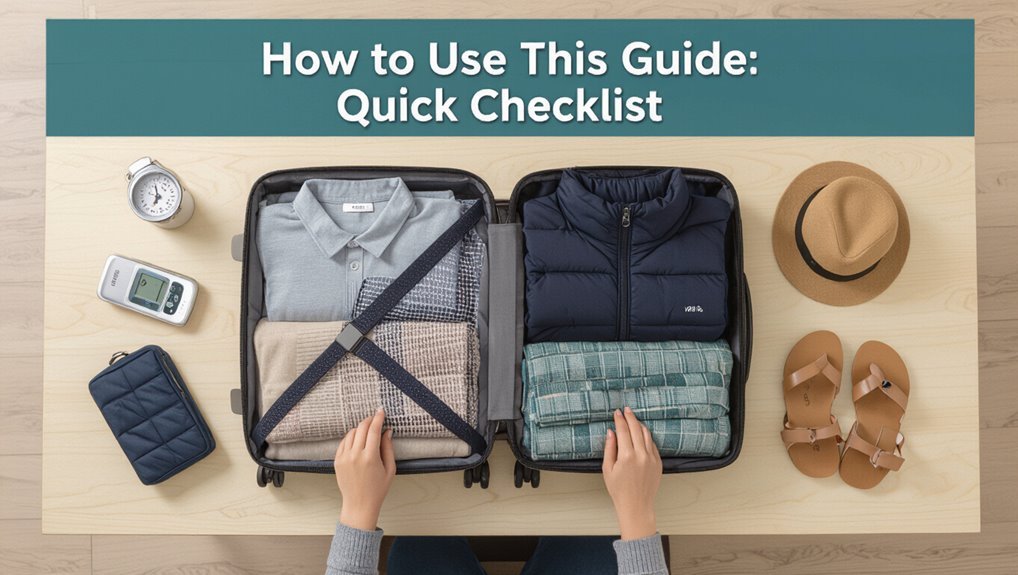
Anyone can use this checklist to quickly slim your luggage: scan the items you plan to pack, mark essentials versus extras, and follow the swap-and-reduce prompts to cut weight without losing versatility.
You’ll assess fabrics, count outfits, prioritize multifunctional pieces, and replace bulky items with lighter alternatives.
Cross off duplicates, limit shoes, and seal final selections in one compact list.
Can You Make Clothes Weigh Less?
Pair fabric choices with a strict wardrobe count so you only bring versatile pieces you’ll actually wear.
Together those moves cut bulk and keep your bag light.
Choose Lightweight Fabrics
When you’re packing for a trip, picking lightweight fabrics cuts bulk without sacrificing functionality or style.
Choose merino, nylon blends, and lightweight polyester for durability, quick-dry properties, and odor resistance.
Opt for thin-performance layers rather than heavy materials.
Look for garments labeled “packable” or “travel” and prioritize breathable weaves and reinforced seams to keep items light, durable, and travel-ready.
Minimize Clothing Quantity
Although it’s tempting to pack for every possible scenario, cutting the number of garments is the fastest way to shave weight and simplify your trip.
Choose versatile pieces you can mix and match, limit outfits to essentials, plan laundry, and pick items that layer.
Stick to a capsule approach so every item earns its place and you carry less without sacrificing style.
Why Lighter Clothes Matter for Travel (Fees, Comfort, Mobility)
If you trim the weight of your clothes, you’ll cut the risk of extra baggage fees and keep more cash in your pocket.
Lighter garments also make long days of sightseeing or commuting more comfortable and less tiring.
Plus, packing gets simpler and you’re more mobile with a smaller, easier-to-handle bag.
Lower Baggage Fees
Anyone who’s flown recently knows airlines keep squeezing luggage allowances, so shaving ounces off your wardrobe can save you real money.
Pack lightweight fabrics, choose multifunctional pieces, and prioritize items you’ll actually wear to avoid checked-baggage fees.
Roll clothing to maximize space, weigh your bag before leaving, and swap heavy shoes or bulky coats for lighter alternatives to stay under limits and cut extra charges.
Improved On-the-Go Comfort
When you choose lighter clothing for a trip, you’ll not only dodge overweight fees but also move more comfortably through airports, transit, and crowded streets.
Lighter garments reduce fatigue, let you change posture freely, and cut heat buildup on long walks. You’ll navigate stairs, transfers, and tours with less strain, stay fresher longer, and enjoy travel that feels effortlessly nimble.
Easier Packing And Mobility
Although you might focus on style, choosing lighter clothes makes packing faster and moving through travel days simpler: they take up less space, let you fit more outfits into a carry-on, and cut the effort of hauling heavy bags through terminals, buses, and cobbled streets.
You’ll avoid checked-bag fees, switch locations more easily, and stay nimble for unexpected detours or long walks without shoulder strain.
How to Decide What to Prioritize When Lightening Your Wardrobe
Why start with your travel goals before trimming your closet? You’ll choose pieces that match activities, climate, and mood.
Prioritize versatility, comfort, and ease of care to cut bulk without losing function.
- Versatility — mix-and-match tops and bottoms.
- Comfort — prioritize worn-in fit for long days.
- Function — pick layers for varying temps.
- Care — favor low-maintenance fabrics.
Lightweight Fabrics That Pack Small
If you want to shave pounds from your suitcase without sacrificing style, prioritize fabrics that are both light and compressible. Choose wrinkle-resistant blends, thin knits, and quick-dry materials so you’ll pack more outfits in less space. Use rolling and compression to maximize room.
| Fabric | Benefit | Packability |
|---|---|---|
| Lightweight blend | Durable | High |
| Thin knit | Soft | High |
| Quick-dry | Fast wash | Very High |
Why Merino and Technical Synthetics Outperform Heavy Cotton
When you compare merino wool and modern technical synthetics to heavy cotton, you’ll notice they breathe better, dry faster, and pack with less bulk—so they cut both weight and laundry time on the road.
- You get superior moisture management.
- Fabrics dry overnight, reducing spares.
- They compress without losing insulation.
- Odor resistance keeps you fresher longer.
How Blends Affect Weight and Wrinkles
Blending fibers changes how garments behave in transit: combining merino or synthetics with a small percentage of elastane, polyester, or nylon can shave weight, reduce wrinkling, and speed drying without sacrificing comfort.
You’ll notice blended shirts hold shape, resist creases, and pack flatter.
Choose blends with durable finishes; they cut bulk and need less ironing, so you carry fewer pieces and still look neat.
Choosing Garments by Design, Not Size
When packing, focus on fabric and construction rather than the numeric size on the tag.
You’ll find a lightweight weave and smart tailoring cut more bulk and weight than choosing a smaller circumference would.
Prioritize well-constructed pieces with efficient seams and linings to keep your suitcase light.
Fabric Over Size
Because fabric matters more than size for travel, pick pieces by construction and weight rather than by the number on the tag.
You’ll choose lightweight weaves, breathable synthetics, and blends that resist wrinkles. Focus on drape and seam placement to reduce bulk.
Consider these quick checks:
- Weave density
- Fiber type
- Layering compatibility
- Finish and treatments
Cut Over Circumference
Although size labels tell you a circumference, the cut of a garment dictates how it will sit, move, and pack, so choose pieces by silhouette and construction rather than numbers. You’ll favor A-line, tapered, and raglan shapes that compress and layer neatly. Pick designs with minimal bulk at seams and hems to reduce packed volume.
| Silhouette | Benefit |
|---|---|
| A-line | Packs flat |
| Tapered | Layers well |
| Raglan | Reduces shoulder bulk |
| Straight | Versatile fit |
Construction Trumps Measurements
After you’ve picked silhouettes that compress and layer, focus on how garments are put together—construction often matters more than the number on the tag.
You’ll choose pieces with minimal seams, bonded finishes, and strategic darts to shave bulk. Consider fabric panels and taped hems to reduce weight without sizing down.
- Bonded seams
- Minimal lining
- Strategic darts
- Panel construction
How to Evaluate Garment Weight Before You Buy
Want to know if that jacket will add pounds to your pack? Check the fabric weight per square meter (gsm) when available, feel density in-store, and weigh items on a luggage or kitchen scale.
Compare similar pieces and factor in trims—zippers, hardware, linings. Prioritize lightweight fabrics and minimalist details.
Record weights to build a travel-ready wardrobe list.
Small Alterations That Shave Ounces From Any Outfit
You can shave noticeable weight from your travel wardrobe with a few simple tweaks.
Swap heavy buttons for lightweight alternatives, trim excess fabric from hems or seams, and remove or replace heavy linings.
These small changes keep the look intact while cutting ounces.
Swap Heavy Buttons
Swap heavy plastic, metal, or decorative buttons for lightweight alternatives and you’ll shave ounces without changing a garment’s look or function.
You can replace bulky buttons with smaller, flat, or shankless options, resin or corozo replicas, or sew on snaps for non-structural closures. Choose matching color and secure stitching to keep durability.
- Small flat buttons
- Resin replicas
- Corozo buttons
- Snaps
Trim Excess Fabric
You can shorten generous hems, remove redundant seam allowances, and slim oversized cuffs.
Use sharp shears and a careful seam finish to prevent fraying.
These small, targeted trims preserve fit and appearance while cumulatively reducing ounces across multiple items for lighter packing.
Replace Lined Pieces
Lined garments add structure and comfort, but swapping full linings for lightweight alternatives can shave ounces without sacrificing wearability.
You can reduce bulk and still keep shape by replacing heavy linings with tricot, voile, or strategic partial lining. Consider a tailor for clean results.
- Choose lighter lining fabric
- Use half-lining where possible
- Remove lining from sleeves
- Reinforce seams, not weight
How to Remove Buttons and Trims Safely
When you remove buttons or decorative trims before a trip, work carefully and use the right tools so you don’t damage the fabric or leave large holes.
Use a seam ripper or small scissors, gently cut stitches, and save fastenings in a labeled pouch.
Reinforce the fabric with tiny stitches or a discreet patch, and press the area flat to restore appearance.
When to Replace Heavy Hardware With Lighter Options
If a bag or jacket is dragging down your suitcase weight, swap bulky zippers, heavy buckles, and metal snaps for lighter alternatives before you travel.
Assess wear, needed strength, and aesthetics; replace only where weight savings justify effort. Consider corrosion resistance and ease of replacement.
Weigh wear, strength, and look—replace only where lighter parts truly justify the effort.
- Replace metal zippers with nylon coil
- Swap brass buckles for aluminum
- Use plastic snaps instead of steel
- Opt for lightweight cord toggles
DIY Seam and Lining Tweaks to Reduce Bulk
You can shave ounces off garments by trimming bulky seams and removing unnecessary linings; small, targeted alterations often make the biggest difference in pack weight without changing fit.
Inspect seams, seam allowances, and interfacing; trim excess fabric, resew with lighter thread, and grade seams to reduce thickness.
Remove full linings only when structure permits, or replace with lightweight mesh for breathability.
How to Swap Heavy Zippers for Lighter Closures
Trimming bulky seams and swapping out heavy linings naturally leads to the next obvious target: closures. You can replace metal zippers with lightweight plastic coils, use snaps or magnetic closures, or stitch in a slim nylon zipper.
Measure carefully, match tape width, and reinforce ends to prevent stress.
- Plastic coil zippers
- Slim nylon zippers
- Snaps
- Magnetic closures
Layering Strategies to Carry Fewer Items
When space is tight, think in layers so you can carry fewer pieces that do more: choose a lightweight base, a mid layer for warmth that compresses well, and a versatile outer shell that handles weather—each piece should serve multiple roles and pair easily with the others.
Pack neutral colors, pick fabrics that dry fast, favor zippered or stowable pieces, and plan outfits that mix and match.
Which Outerwear Styles Pack Light but Insulate
While you’ll want a coat that handles weather, pick styles that compress and layer instead of bulky single-purpose parkas.
Choose pieces that give warmth without weight so you pack less and adapt to conditions.
Opt for warm, low-weight layers that compress easily—pack smart to adapt to changing conditions.
- Packable down jacket
- Synthetic insulated vest
- Lightweight rain shell with removable lining
- Merino-blend cardigan for core warmth
How to Pick Multipurpose Clothing Pieces
Choose versatile layering pieces that can be worn solo or combined for different temperatures, like a thin merino sweater or a lightweight fleece.
Pick multi-use travel accessories — a scarf that doubles as a blanket or a belt that converts to a strap — to cut bulk without losing function.
Focus on items that adapt to several outfits so you pack fewer total pieces.
Versatile Layering Pieces
Because space and weight are limited, pick layering pieces that pull double duty so your suitcase does less work for you.
Choose thin, insulating mid-layers, neutral cardigans that dress up or down, packable rain shell that also blocks wind, and a versatile scarf that becomes a blanket or accessory.
These items mix, match, and adapt to climates and outfits.
- Thin insulating mid-layer
- Neutral cardigan
- Packable rain shell
- Versatile scarf
Multi-Use Travel Accessories
If you want to cut bulk without sacrificing function, focus on accessories that perform multiple roles—think a scarf that’s also a pillow, a belt that doubles as a money holder, or a tote that converts to a daypack.
Choose lightweight, compressible materials, neutral colors, and durable construction.
Prioritize items that replace single-purpose gear, pack small, and adapt to different climates and activities for maximum travel efficiency.
Packing Techniques That Help You Pack Lighter
When you pack smarter, you’ll carry less without sacrificing essentials: prioritize versatile pieces, roll or bundle garments to save space, and limit duplicates by planning outfits around a few core colors.
- Choose mix-and-match tops and bottoms.
- Pack lightweight layers you can layer.
- Use compression cubes to reduce bulk.
- Select dual-purpose items like a scarf that becomes a blanket.
Rolling vs Folding: When to Use Each
You’ll get the best results by rolling soft, compressible fabrics like tees and knitwear to save space and reduce wrinkles.
Keep structured items—blazers, dress shirts, and tailored pieces—folded to preserve shape and avoid creases.
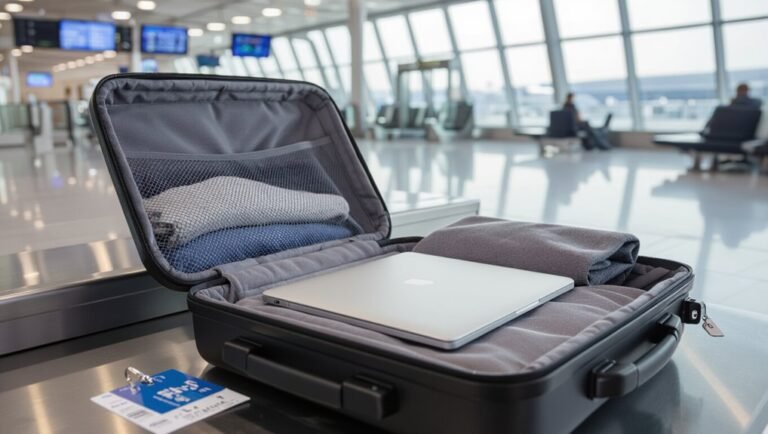
Combine both methods in a hybrid strategy: roll casual layers into cubes or compression bags and lay folded garments on top for a tidy, weight-efficient pack.
Roll For Soft Fabrics
Rolling soft fabrics—like t-shirts, knit dresses, and lightweight pajamas—cuts bulk and keeps garments less wrinkled than folding.
You’ll save space, spot-pack outfits, and fit more in compression cubes. Roll gently to avoid stretching seams. Consider scent-proofing or layering delicate pieces.
- Roll tightly for space
- Roll loosely for delicate knits
- Use packing cubes
- Label rolls by outfit
Fold For Structured Items
If a garment has shape—like blazers, button-down shirts, tailored trousers, or coats—folding preserves structure better than rolling, so you’ll reduce creases and protect collars, lapels, and shoulder pads.
Fold along seams, use tissue or thin padding in shoulders, and stack flat. Place structured pieces atop softer items to avoid crushing.
Pack them near bag edges to maintain shape and balance weight.
Hybrid Packing Strategy
Now that structured items are folded and secured, decide which pieces benefit from rolling and which need folding so your bag stays compact and crease-free.
You’ll roll soft items and fold fragile or tailored pieces, then pack strategically to balance weight and minimize wrinkles.
- Roll T-shirts, leggings, undies.
- Fold blouses, jackets, dress pants.
- Use packing cubes.
- Layer by outfit.
Using Compression Cubes Without Crushing Garments
When you pack compression cubes, focus on shape and fabric care so you shrink bulk without crushing delicate garments.
Choose cubes sized to garments, fold structured items flat, and roll knits gently.
Use tissue or mesh layers for fragile pieces, don’t over-compress silk or lace, and leave a small air gap to preserve shape.
Label cubes for quick, careful unpacking.
How to Wear Bulky Items on the Plane Smartly
Because bulky coats and boots take up the most space, wear them on the plane to free suitcase room and keep essentials handy.
Layer lightweight pieces under a coat, stash scarves or gloves in pockets, use a tote for bulky hats, and keep a spare outfit in carry-on.
- Layer smartly
- Pocket storage
- Tote for extras
- Accessible spare
Footwear Choices That Save Weight and Stay Comfortable
Although you want durable shoes for travel, choosing lightweight, versatile footwear will shave pounds from your bag and keep you comfortable on long days. Pick breathable sneakers, lightweight sandals, or compact flats. Prioritize arch support, quick-dry materials, and packable designs.
| Type | Benefit | When to use |
|---|---|---|
| Sneakers | Support | Walking days |
| Sandals | Light | Beach/heat |
| Flats | Compact | Evenings |
| Trail shoes | Grip | Hikes |
How to Cut Your Shoe Count With Versatile Pairs
Cut your shoe count by picking two to three truly versatile pairs that handle most activities—you’ll save space and avoid hauling extras you rarely wear.
Choose shoes that layer with outfits, pack small, and suit walking, casual dining, and light hiking. Rotate colors and fabrics to extend wear between washes.
- Sneakers (comfortable, casual)
- Lightweight hikers
- Dress loafers
- Sandals (compact)
Lightweight Accessories That Replace Heavier Garments
Once you’ve pared shoes down to a few versatile pairs, think about accessories that let you skip heavier outerwear and extra layers.
Pack a lightweight packable down vest, a merino buff or thin scarf, a compact rain shell, and glove liners.
Swap bulky sweaters for a warm hat and insulated socks.
These items add warmth without taking much space or weight.
How to Plan Laundry to Bring Fewer Clothes
If you plan laundry during your trip, you can halve the number of garments you need to pack: schedule midtrip washes, pick quick-drying fabrics, and reuse layers.
Plan outfits around neutral pieces and wash essentials every few days. Pack a small laundry kit and local detergent.
- Check laundry access
- Choose quick-dry items
- Plan outfit rotation
- Bring minimal detergent
Travel Laundry Hacks for Quick Refreshes
When you need a quick refresh on the road, a few smart laundry hacks can keep your kit light and your clothes smelling fresh without a full wash.
Spot-clean stains with diluted detergent, rinse under running water, then roll garments in a towel to remove moisture.
Use travel-sized scent sachets, air-dry in sun or breeze, and rewear confidently between washes.
How to Remove Tags, Labels, and Hangers to Cut Ounces
Before you pack, check clothing for bulky retail tags and cut them off — they add unnecessary ounces and can snag.
Remove any loose plastic hangers or hardware from new garments so you’re not carrying dead weight. A small pair of scissors or pliers in your travel kit makes this quick and painless.
Remove Retail Tags
Wondering how to shave ounces off your luggage without sacrificing style?
Remove retail tags before packing: they add bulk and catch on fabric. Use small scissors or a seam ripper to cut cleanly, keeping care labels intact.
Check for security pins or plastic fasteners and discard them. Store receipts separately if needed.
- Cut price tags
- Remove plastic fasteners
- Keep care labels
- Save receipts
Cut Loose Hangers
Because hangers add unexpected weight and take up space, cut loose hangers from new clothes before you pack them.
Use scissors or a seam ripper to remove plastic clips, cardboard inserts, and metal hooks. Detach sewn-in hanging loops if they bulk up folds.
Store spare hangers at home or recycle them. Every small ounce saved gives you more packing flexibility and lighter luggage.
Smart Packing Lists: Weekend, One-Week, Month
When you pack with clear lists tailored to a weekend, one-week, or month-long trip, you’ll cut weight, stress, and last-minute decisions.
You’ll choose versatile pieces, plan outfit combos, and schedule laundry or purchases. Use a checklist to prevent extras and weigh choices before adding them.
- Weekend: 3 tops, 2 bottoms, 1 jacket
- One-week: 5 tops, 3 bottoms, 1 dress
- Month: rotate 8–10 tops, 4–6 bottoms
- Essentials: underwear, socks, toiletries, tech
How to Build a Travel Capsule Wardrobe That Weighs Less
Anyone can travel lighter by building a capsule wardrobe that focuses on multipurpose pieces and a cohesive color palette; pick items that layer, mix-and-match, and serve at least two functions so you cut bulk without sacrificing outfits.
Choose neutral bases, two accent colors, lightweight fabrics, and versatile shoes.
Limit quantity, plan outfits per day, and include a washable top and a jacket that works day-to-night.
Travel-Specific Garments vs Everyday Clothes: Which to Choose
You’ll weigh the trade-offs between travel-specific fabrics that are lightweight, quick-drying, and often odor-resistant, and everyday garments that feel familiar and can multitask in different settings.
Choosing travel-only pieces can shave ounces and speed up packing, while sticking with regular clothes saves money and reduces wardrobe clutter.
Consider where you’re going and how you’ll use each item to pick the best mix.
Travel-Specific Fabric Benefits
Although everyday clothes can sometimes do double duty, travel-specific garments are designed to solve common packing problems—wrinkle resistance, quick-dry performance, odor control, and lightweight insulation—so you’re carrying less bulk and washing less on the road.
You’ll benefit from fabrics that pack small, resist smells, dry fast, and layer without weight:
- Moisture-wicking synthetics
- Merino wool blends
- Nylon ripstop
- Ultralight insulation
Everyday Garment Advantages
Everyday garments give you familiarity and versatility that travel-specific pieces can’t always match: they’re often more comfortable, easier to find at home, and work across settings so you pack fewer items overall. You’ll mix basics, save weight by rewearing, and prioritize fit over fancy tech. Choose items you love that layer well and launder easily.
| Item | Benefit | Tip |
|---|---|---|
| T-shirt | Versatile | Pack 2–3 |
| Jeans | Durable | Wear on travel |
| Shirt | Smart-casual | Neutral colors |
| Dress | Multi-use | Layerable |
| Socks | Lightweight | Quick-dry |
Budget Swaps That Deliver the Biggest Weight Savings
If you want to shave pounds off your suitcase without blowing your budget, small swaps add up fast: trade heavy cottons for lightweight synthetics or merino, swap bulky denim for stretch chinos, and choose thin down or synthetic jackets over thick fleece.
- Swap heavy tees for polyester or merino.
- Replace jeans with chino-style pants.
- Use packable synthetic jackets.
- Choose lighter shoes or sandals.
When to Invest in Ultralight Clothing (And When Not To)
Those budget swaps will shave weight fast, but at some point you’ll wonder whether buying ultralight pieces is worth the cost.
Buy ultralight if you travel frequently, need strict carry-on limits, or value comfort in heat.
Skip it for occasional trips, rough use, or tight budgets—choose durable, versatile garments instead.
Weigh benefits against price and lifespan before committing.
Sustainability Trade-Offs of Lightweight Fabrics
You should weigh not just grams but the environmental cost of ultralight fabrics, since some rely on energy-intensive production or nonrenewable feedstocks.
Also consider that lighter materials can wear out faster, meaning more frequent replacements and higher lifetime impact.
Balancing upfront resource intensity against longevity will help you choose truly sustainable travel clothing.
Resource Intensity
A featherweight jacket might shave ounces from your bag, but the materials and processes that make it light can demand far more energy, water, and chemicals than heavier alternatives.
You should weigh lifecycle impacts, not just pack weight.
- Manufacturing energy
- Water consumption
- Chemical treatments
- Transportation emissions
Longevity Concerns
Lightweight fabrics can cut pack weight, but their thinner construction often shortens garment life, which can erase any environmental gains from lighter manufacturing.
You’ll need to balance weight savings with durability: choose reinforced seams, higher-quality synthetics, or hybrid designs.
Repairability, care routines, and replacement frequency matter; buying less often but buying better can keep your overall footprint lower while still traveling light.
How to Care for Lightweight Fabrics on the Road
When you’re on the road, treating delicate fabrics right keeps them looking and performing their best: wash sparingly, use gentle detergents, and air-dry whenever possible to prevent shrinking and abrasion.
- Spot-clean stains quickly to avoid full washes.
- Hand-wash in a sink with cool water for fragile pieces.
- Roll in a towel to remove excess water; don’t wring.
- Store folded or hung to keep shape and prevent snags.
Hidden Mistakes That Add Weight to Your Bag
Because you’ll want every ounce to count, check the subtle habits that quietly bulk up your bag: extra single-use toiletries, duplicate chargers, unworn “just-in-case” shoes, and bulky packaging.
Also ditch duplicate clothing, heavy hardcover books, excess socks, and unopened gifts.
Consolidate liquids into travel-size refillables, remove unnecessary hang tags, and only pack versatile layers so every item earns its space and weight.
How to Use a Luggage Scale and Apps to Track Weight
All those edits reduce bulk, but you’ll still need to verify your bag’s actual weight before you leave.
Use a handheld scale, weigh hanging from the handle, and note results. Sync weights to apps or enter manually to track trends. Check airline limits and reweigh after last additions.
- Calibrate scale
- Weigh fully packed
- Log in app
- Recheck before departure
Real Packing Examples With Measured Weight Savings
Now you’ll see real packing examples that show measured weight savings from simple garment swaps.
You’ll compare fabric weights side-by-side and watch totals change in real-world packing tests.
Use these results to pick lighter pieces without sacrificing function.
Measured Garment Swaps
When you swap out a few bulky pieces for lighter alternatives and actually weigh them, the savings stop being theoretical and start adding up in your suitcase.
You’ll notice precise gram differences and adjust choices.
Try these measured swaps:
- Wool sweater (450g) → merino tee (120g)
- Denim jeans (700g) → travel pants (320g)
- Heavy coat (1200g) → packable shell (380g)
- Boots (900g) → trail shoes (360g)
Fabric Weight Comparisons
Although fabric choices can seem subtle, swapping materials produces clear, measurable weight savings you’ll notice at the scale and in your shoulder after a day of carrying luggage.
Compare cotton tees (150–200g) to ultralight merino or synthetic blends (80–120g).
Swap denim (700–900g) for lightweight stretch chino (300–450g).
Small per-item cuts add up across a 7–10 piece capsule.
Real-World Packing Tests
If you want to see how fabric and item choices translate to real savings, I packed three week-long outfits two ways — standard and ultralight — and weighed everything.
You’ll see clear gains when you swap heavy denim and bulky socks for lightweight synthetics.
Results:
- Standard jeans vs. ultralight pants — 420g saved
- Heavy shirt vs. merino tee — 150g saved
- Thick hoodie vs. packable layer — 380g saved
- Multiple socks vs. single merino pair — 90g saved
Troubleshooting: What to Do When You Still Feel Overpacked
Even after careful packing, you can still feel overstuffed—so start by auditing what you actually need on the trip.
Lay out outfits, eliminate duplicates, and prioritize versatile pieces.
Swap heavy items for lighter alternatives, wear bulkiest clothing travel-day, and remove nonessential extras.
If weight persists, redistribute items into carry-on or ship ahead.
Reweigh and repeat until comfortable.
Final Pre-Departure Checklist to Make Clothes Weigh Less
Before you zip the suitcase, run a quick, focused checklist to shave pounds:
- Reassess outfits — cut one full set you won’t wear.
- Replace heavy shoes with a lighter pair you’ll actually use.
- Move bulky items to wear-on-flight layers.
- Ditch duplicates and single-use items; pack travel-size toiletries and compress soft items into one space-saving cube.
Habits to Keep Your Travel Wardrobe Lighter Long Term
When you make light-packing a habit, it becomes second nature to choose versatile pieces, repair instead of replace, and resist impulse buys that only add bulk.
These small, consistent choices cut weight on every trip and save time and money over the long haul. Commit to capsule rotations, seasonal edits, mindful shopping, and quick mending.
Track wears, donate excess, and prioritize multipurpose items.
Frequently Asked Questions
Can I Alter Clothes Back After Removing Trims or Hardware?
Yes — you can usually alter clothes back after removing trims or hardware, though results vary. Keep original pieces, use compatible thread and techniques, and consult a tailor for complex restorations to preserve fit, fabric, and function.
How Do I Balance Warmth and Weight in Extreme Climates?
Prioritize base layers and a high-quality insulated midlayer, add a lightweight, waterproof wind shell, and use compressible down or synthetic pieces; you’ll layer smartly, adjust ventilation, and trade bulk for breathable, high-loft fabrics.
Will Lightweight Fabrics Pill or Wear Out Faster?
Yes — lightweight fabrics can pill or wear faster, especially low-quality synthetics or loosely spun fibers. You’ll prolong life by choosing tighter weaves, quality blends, gentle washing, air drying, and avoiding abrasive surfaces or heavy friction.
Can I Bring Specialty Garments for Events Without Overpacking?
Yes — you can bring specialty garments for events without overpacking. Pick one versatile statement piece, coordinate accessories, plan outfits around it, use compression bags, and wear the bulkiest item on travel days to save space.
How Do Airline Weight Rules Differ for Carry-On Versus Checked?
Carry-on limits are smaller and focus on size plus a lighter weight cap per airline, while checked baggage allows heavier, larger items with higher fees for overweight or oversized pieces; you’ll pay more if you exceed limits.
Conclusion
You can definitely make your clothes weigh less for travel, and it starts with smart choices and small habits. Prioritize lightweight fabrics, trim duplicates, and pack versatile pieces you’ll actually wear. Use compression, weigh as you go, and swap heavy shoes or bulky layers for lighter options. If you still feel overstuffed, reassess priorities and remove nonessentials. Keep these habits and your future trips will be easier, cheaper, and more comfortable to enjoy.