Can You Take a Camera Bag as Well as Hand Luggage?
Yes — you can usually bring a camera bag in addition to your hand luggage, but rules vary by airline, fare class and security. Measure and weigh the packed bag, keep batteries and memory cards accessible, and check tripod and battery limits before you fly. Shift heavy or bulky items to checked luggage if needed, and be ready to show gear at screening. Follow packing and insurance tips below to avoid surprises and learn how to handle inspections.
Can You Bring a Camera Bag as Your Carry‑On?
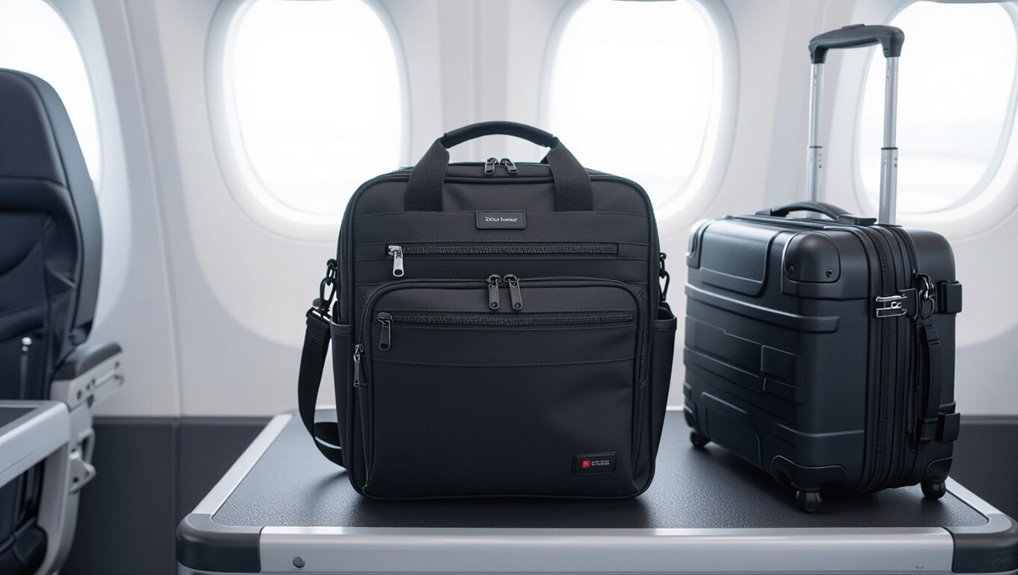
Pack gear securely, use padded dividers, and keep batteries accessible for security screening.
Check restrictions on batteries and tripods before you fly to avoid surprises.
Airline Carry‑On Rules for Camera Bags (By Carrier)
When you check carrier rules, focus on size restrictions so your camera bag meets overhead or underseat limits.
Also note weight limits—some airlines cap carry‑on weight while others don’t, and that affects what kit you can bring.
Finally, confirm whether the airline allows an extra personal item or multiple carry‑ons so you don’t get caught off guard.
Airline Size Restrictions
Because airlines set different carry‑on dimensions and enforcement varies, you’ll want to check each carrier’s rules before packing your camera bag.
Measure your bag (including protruding tripods or straps) and compare to airline length, width, and height limits.
Note gate‑checked policies and personal item allowances, since some carriers treat camera bags as personal items while others count them as full carry‑ons.
Camera Bag Weight Limits
Although size often gets the most attention, airlines also impose carry‑on weight limits that can affect your camera bag — and those limits vary widely by carrier. You should check carrier rules before packing, weigh your loaded bag, and prioritize essentials to avoid gate checks.
- Know each airline’s max carry‑on weight.
- Weigh gear fully packed.
- Shift heavy items to checked luggage if needed.
- Keep receipts for batteries and adapters.
Multiple Carry‑On Allowance
If you fly with multiple bags, check each airline’s rules for extra carry‑ons and personal items so you don’t get hit with gate checks or fees.
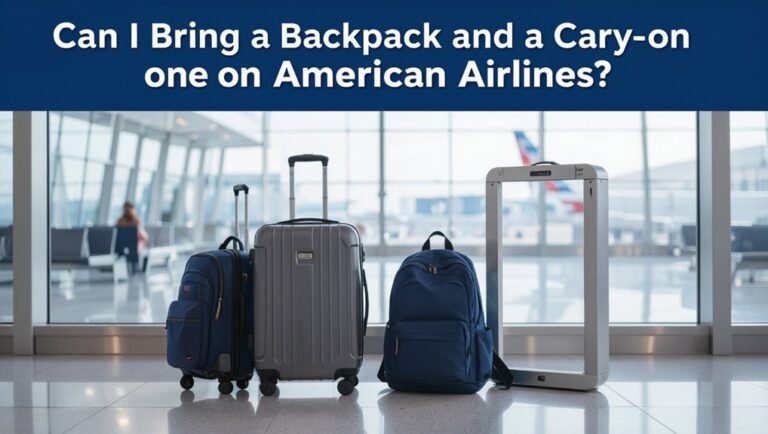
Some carriers allow a camera bag plus a standard carry‑on and personal item, others count it as one piece.
Review size/weight limits, carry‑on counts, and frequent flyer perks beforehand so you pack and board without surprises.
How Fare Class & Frequent‑Flyer Status Change Your Allowance
Your fare class and frequent‑flyer status can directly affect whether your camera bag counts as a free carry‑on or an extra item.
Higher fare buckets often come with larger allowances, and elite status typically adds perks like extra bags or priority boarding that let you bring more gear.
Check your ticket and loyalty tier before packing so you’re not surprised at the gate.
Fare Class Perks
When you book a ticket, the fare class and your frequent‑flyer status directly change what you can carry onboard: higher fare classes and elite tiers usually get larger or additional cabin allowances, while basic economy fares often restrict bag size or ban a carry‑on altogether.
- Business/first: extra carry or higher weight.
- Premium economy: larger cabin allowance.
- Standard economy: one small bag.
- Basic economy: carry‑on restricted or banned.
Elite Status Benefits
Because elite status stacks with fare class, you’ll often get bigger or extra cabin allowances than other passengers: top-tier members commonly bring an additional carry‑on, higher weight limits, or priority boarding that makes overhead space easier to secure.
Check your carrier’s rules and present your frequent‑flyer number when booking. You’ll usually be allowed to carry a camera bag plus standard hand luggage without fees.
Measure & Present Your Camera Bag to Avoid Gate‑Check
One quick, accurate measurement can keep your camera bag from becoming a gate-checked item: lay it flat, measure height, width and depth including pockets and tripod mounts, and compare those numbers to the airline’s carry-on limits before you get to the gate.
Then present it confidently at the gate.
- Measure precisely.
- Note limits.
- Remove bulky accessories.
- Show dimensions.
Camera Bag Packing Checklist: Carry‑On vs Checked
Decide what you need immediate access to and what can go in checked luggage before you start packing your camera bag—this determines whether items should stay with you in the cabin or be stowed. Pack essentials like your body, favorite lens, and cleaning kit in carry‑on; put bulky tripods, extra clothing, and nonessential accessories in checked.
| Carry‑On | Checked | Notes |
|---|---|---|
| Camera body | Tripod | Accessibility |
| Prime lens | Bulk lenses | Weight balance |
| Cleaning kit | Extra clothes | Security |
Traveling With Batteries, Memory Cards, and Restricted Items
You’ll want to know airline battery carry limits so you can pack spare batteries safely and avoid surprises at security.
Keep memory cards secure and backed up in your carry‑on to prevent loss or damage.
Also check restrictions for items like power banks and battery chargers before you fly.
Battery Carry Limits
Wondering how many spare batteries you can bring on a flight? You’ll mostly carry them in carry-on only.
Follow airline and TSA rules for watt-hours and quantity, tape terminals or use original packaging, and declare large packs.
- Consumer lithium-ion <100 Wh: allowed
- Spare >100–160 Wh: airline approval
- Over 160 Wh: usually prohibited
- Carry-on only, no checked spares
Memory Card Security
After you’ve sorted batteries and their restrictions, protect the data side of your kit: memory cards are small, fragile, and easy to misplace, so handle them deliberately.
Use a labeled, padded case and keep duplicates separate. Back up important shots to a laptop or portable SSD daily.
Encrypt sensitive files, carry spare cards, and check contacts for corrosion before packing to avoid surprises.
Protecting Lenses & Bodies Inside a Carry‑On Camera Bag
One simple rule will keep your gear safe: pad and separate.
Pack bodies and lenses in individual padded compartments, lens caps on, and bodies upright. Use dividers, small pouches for straps, and silica packs for moisture control.
- Fit each lens in its own padded slot.
- Keep lenses capped and rear caps on.
- Secure straps to avoid rubbing.
- Add silica for humidity.
If Agents Insist on Checking Your Camera Bag: What to Do
If an agent insists on checking your camera bag, stay calm and take control: ask whether they can conduct the inspection in your presence and request a private screening area if available.
Keep receipts and serial numbers handy, point out fragile gear, and offer to unpack items yourself.
If they insist on opening elsewhere, note officer names, get a receipt for the inspection, and stay polite.
Packing Setups & Recommended Carry‑On Bags by Photographer Type
Every photographer’s kit looks different, so pack with your workflow and shooting goals in mind: prioritize the lenses and bodies you use most, protect fragile items with padded dividers, and keep batteries, memory cards, and essential tools in an easily accessible pocket for security checks and quick changes.
- Street: compact mirrorless, 1–2 primes, sling bag
- Travel: versatile zoom, roller carry‑on
- Wedding: dual bodies, backpack with gear access
- Wildlife: long lens support, hard case carry-on
Quick Tips: Airport Security, Insurance, and Backup Plans
After you’ve chosen the right bag and packed by workflow, plan how you’ll keep gear safe through security checkpoints and unexpected mishaps.
Carry documentation and receipts, declare batteries if required, and use TSA‑friendly cases.
Bring documentation and receipts, declare batteries when required, and pack gear in TSA-friendly cases for smooth screening.
Insure gear for travel and record serial numbers and photos.
Pack backups: spare cards, batteries, and a compact camera or phone.
Have cloud backups and a simple repair kit.
Frequently Asked Questions
Can I Bring a Tripod in My Carry-On Camera Bag?
Yes — you can usually bring a tripod in your carry-on camera bag, but you’ll need to check airline and TSA rules; some airlines restrict rigid tripods, so pack it compactly, declare if asked, and expect security inspection.
Are Camera Backpacks Treated Differently From Camera Totes?
Yes — they can be treated differently: you’ll find backpacks often get inspected more and may be required as carry-on, while totes are usually softer, fit under seats easier, and face fewer space-related restrictions.
Do International Airlines Have Different Camera Bag Rules?
Yes — airlines differ worldwide, so you’ll find varying size, weight, and carry-on allowances, plus security screening rules and whether a second camera bag is permitted; always check your specific carrier’s policy before you travel.
Can I Gate-Check a Full Camera Bag With Lenses Attached?
Yes — you can usually gate-check a full camera bag, but airlines vary, so check policies first; you’ll risk rough handling, so pack lenses with caps, padding, and consider carrying delicate or expensive glass onboard whenever possible.
How Do Customs Officers Inspect Camera Gear on International Arrival?
They’ll ask questions, open your bag, and handle cameras and lenses gently while inspecting for prohibited items or undeclared gear; you’ll show receipts if requested, declare valuable equipment, and comply with any paperwork or temporary import procedures.
Conclusion
Yes — you can usually bring a camera bag as your carry‑on, but rules vary by airline and fare class, so check limits and present it clearly at the gate. Pack lenses and bodies snugly, keep batteries and valuables with you, and use padded dividers or a hard case for extra protection. If agents insist on checking, insist on a gate‑checked tag or ask to consolidate into your allowed personal item. Always insure gear and keep backups.