Can You Wear Leggings on Safari? Travel Tips
Yes — you can wear leggings on safari if you prioritize comfort, modesty and smart layering. Pick breathable, quick‑dry, tear‑resistant fabrics with flat seams and UPF when possible, and pair them with longer shirts, shorts or convertible pants for sun and scratch protection. Use them for short drives, guided walks and lodge time, but swap to sturdier, reinforced trousers for rocky hikes, river crossings or dusk outings. Keep a spare pair and simple repair kit; more tips follow below.
Can You Wear Leggings on Safari?
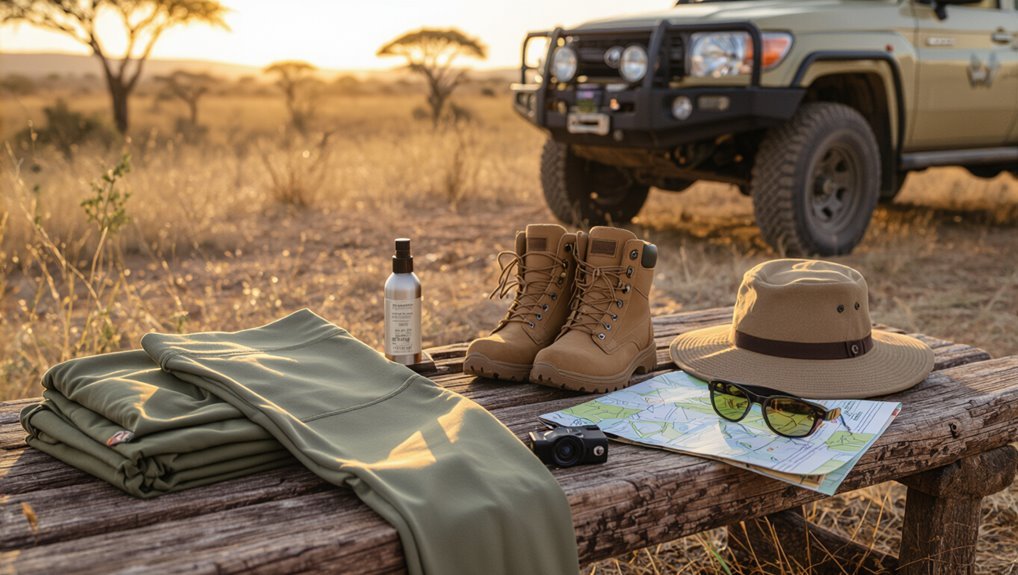
Pair them with longer shirts or shorts for sun and scratch protection. Avoid shiny fabrics that attract insects or attention.
Bring a spare pair and layer with convertible pants if weather or thorns demand extra coverage.
Prioritize comfort, mobility, and modesty.
Quick Decision: When Leggings Are a Good Choice
If you’re short on time and want a simple, practical choice, pick leggings when the day calls for short drives, guided walks on well-maintained trails, or camp activities where mobility and comfort matter most.
Choose moisture-wicking, durable fabric, neutral colors, and a snug but breathable fit.
Pair with sturdy shoes, a sun hat, and a light layer to handle temperature changes and dust.
Which Safari Activities Suit Leggings?
When you pick leggings for a safari, favor activities that keep you low to the ground and moving—short game drives, guided nature walks on maintained trails, birdwatching at hides, and camp chores or social evenings around the fire all work well because they prioritize comfort and mobility over heavy protection.
You’ll enjoy flexibility for photography, quick hikes on clear paths, and relaxed lodge time while staying discreet and comfortable.
When to Choose Sturdier Trousers Instead
Although leggings work for many low-impact safari moments, you should pick sturdier trousers whenever terrain, weather, or wildlife behavior raises the risk of scrapes, bites, or sudden wet conditions.
Choose reinforced, quick-dry pants for rocky hikes, river crossings, or thick brush.
Opt for higher coverage during dusk/night drives and when guides report agitated animals.
Layer for chilly mornings and sudden storms.
Best Fabrics for Safari‑Friendly Leggings
For safari leggings, you’ll want breathable, moisture‑wicking fabrics that keep sweat from clinging to your skin.
Also pick durable, quick‑dry materials that stand up to brush, dirt, and frequent washing.
These two qualities together give you comfort and resilience on long game drives and hikes.
Breathable Moisture‑Wicking Fabrics
Comfort matters most on safari, so pick leggings made from breathable, moisture‑wicking fabrics that pull sweat away from your skin and dry fast.
Choose blends with polyester, nylon, or bamboo for airflow and odor resistance.
Look for lightweight, four‑way stretch that moves with you, flat seams to prevent chafing, and UPF finishes for sun protection.
Washability and quick turnover between wears matter too.
Durable Quick‑Dry Materials
When you’re out on safari, pick leggings made from durable quick‑dry fabrics that resist tears, shed water, and dry fast so you stay comfortable from morning game drives to sweaty hikes.
Choose nylon‑spandex blends or polyester with reinforced panels for abrasion resistance.
Look for flatlock seams, UPF treatment, and antimicrobial finishes. Those features reduce chafing, sun exposure, odor, and drying time.
Fit and Length That Work on Safari
You’ll want leggings that fit snugly but still stretch so you can move and climb without restrictions.
Aim for ankle coverage to keep dirt, insects, and sun off your lower legs.
If they’re a bit short, plan to layer with longer socks or lightweight gaiters to add coverage.
Snug But Flexible
Someone curious about leggings for safari should pick a fit that stays close to your body without restricting movement—think stretchy, supportive fabric that moves with you when you climb into a vehicle, crouch to take photos, or walk uneven trails.
Choose mid-rise or high-rise for stability, a compression blend for muscle support, and seams that won’t chafe so you stay comfortable during long days outdoors.
Ankle Coverage Preferred
If you’re wearing leggings on safari, choose a length that reaches your ankles or slightly covers them so you keep dirt, insects, and sun off your lower legs while still tucking easily into boots or sneakers. You’ll want a slim cuff, breathable fabric, and durable seams to handle rough terrain.
| Feature | Benefit | Tip |
|---|---|---|
| Length | Coverage | Ankle or slight overlap |
| Fabric | Breathable | Quick-dry |
| Cuff | Secure | Tuck into boots |
Layering For Length
When layering leggings for safari, pick pieces that work together so you get adjustable coverage and movement without bulk.
Choose midweight leggings, pair with a lightweight knee-length skirt or longline tee for sun and scratch protection, and add convertible gaiters or leg warmers for mornings.
Make sure seams don’t chafe, fabrics breathe, and layers compress neatly into your daypack for easy adjustments.
Which Colors and Patterns to Choose for Safari
Although bold prints can be tempting, you’ll want leggings in muted, natural tones—olive, tan, khaki, and dusty brown blend into the environment and help you stay low-profile while wildlife spotting.
Choose subtle, small-scale patterns like tiny camo or fine stripes if you want variety, but avoid bright colors, high-contrast prints, and reflective fabrics.
Stick to matte finishes for discrete, practical wear.
Are Leggings Comfortable in Hot, Dusty Conditions?
Because leggings hug your legs and breathe well, they can be comfortable in heat—especially if you pick lightweight, moisture-wicking fabrics that dry fast and move sweat away from your skin.
Choose durable, tightly woven blends to resist dust abrasion. You’ll want a slightly looser fit over joints to prevent chafing when hiking and breathable panels where dust collects, so you stay cool and mobile.
Sun Protection : Are Leggings Enough?
Leggings give you good coverage, but coverage doesn’t always equal sun protection if the fabric has a low UPF rating.
Check the weight and weave—tighter, heavier knits block more UV than thin, sheer ones.
If your leggings are lightweight, plan to add sunscreen or sun-protective layers for prolonged sun exposure.
Coverage Versus UV Rating
When you’re choosing leggings for a sunny safari, don’t assume full coverage equals full sun protection — fabric type and UV rating matter just as much as how much skin is covered.
You should pick leggings with a verified UPF, test for stretch-related thinning, and pair them with sunscreen on exposed areas.
- Look for UPF/UV rating labels
- Check for color and treatment
- Test stretch opacity
- Combine with sunscreen
Fabric Weight And Weave
Although a pair might feel opaque at first glance, the fabric weight and weave determine how much UV actually gets through, so you should check both before relying on leggings for sun protection.
Dense, heavier fabrics and tighter weaves block more UV. Look for UPF ratings, test thin spots by holding material to light, and choose layered or treated leggings for long sun exposure.
Layering Leggings for Morning Drives and Evening Walks
Because safari mornings can be chilly and evenings can cool quickly, layer your leggings with breathable pieces you can add or remove—think a lightweight base, a mid-layer for warmth, and a windproof outer.
Choose moisture-wicking fabrics, pack a compact fleece, and keep a lightweight shell handy so you stay comfortable without bulk.
- Moisture-wicking base
- Lightweight fleece mid-layer
- Windproof shell
- Packable neck gaiter
Thermal Leggings for Cold Early‑Morning Drives
If mornings and evenings call for layering, you’ll want thermal leggings at the core of your cold-weather kit for early drives.
Choose moisture-wicking, insulated fabrics that trap heat without bulk. Pick a slim fit that won’t restrict movement or interfere with seat belts.
Bring a spare pair in case they get damp, and pair them with warm socks and a windproof outer layer.
Convertible Pants and Multi‑Use Alternatives to Leggings
Someone planning varied conditions will appreciate convertible pants and multi‑use alternatives to leggings—zip‑off legs, roll‑up cuffs, and stretchy yet durable fabrics give you leggings‑like comfort with added protection and versatility.
You’ll switch from full coverage to shorts, dry quickly, and layer easily for changing temps. Choose lightweight, quick‑dry fabrics with reinforced seams and secure pockets.
- Zip‑off pant legs
- Roll‑up cuffs
- Stretch panels
- Quick‑dry fabric
Protecting Legs From Thorns and Brush
When you’re moving through bushy terrain on safari, protecting your legs from thorns and brush matters as much as comfort—thin leggings won’t stop scratches or burrs, so pick options that prioritize durable coverage and barrier protection.
Choose thicker, tightly woven fabrics or reinforced panels, pair leggings with gaiters or tall boots, and inspect seams for snags.
Move deliberately to avoid hidden branches and sharp grasses.
Insect Protection Strategies When Wearing Leggings
Because bugs can ruin a day on safari, plan leggings that actively keep insects out: choose tightly woven, treated fabrics or wear insect-repellent sprays and permethrin-treated layers.
Tuck leggings into socks or gaiters, seal seams and cuffs, and inspect gear regularly to maintain the barrier.
- Use permethrin-treated leggings
- Apply DEET or picaridin to exposed skin
- Tuck and seal openings
- Check and re-treat fabrics routinely
How Leggings Pair With Safari Footwear
If you’re pairing leggings with safari footwear, pick options that balance protection, traction, and breathability: sturdy ankle boots or hiking shoes work best with thicker, reinforced leggings, while low-profile trail runners pair well with lightweight, quick-dry styles.
Just be sure to tuck leggings into socks or gaiters to keep insects and grit out. Match colors to hide dirt, and choose durable seams and reinforced ankles.
Choosing Socks and Gaiters to Protect Ankles
Choose moisture-wicking socks to keep your feet dry and prevent blisters during long walks.
Add lightweight protective gaiters to shield your ankles from brush, ticks, and sand without overheating.
Make sure they sit snugly over your leggings for full ankle coverage and comfort.
Choose Moisture-Wicking Socks
1 essential item for comfort on safari is a pair of moisture-wicking socks that pull sweat away from your skin, keep your feet dry, and reduce the risk of blisters and irritation.
Choose snug, breathable socks with quick-dry fibers and light cushioning to prevent hotspots.
Replace damp pairs promptly to stay comfortable and healthy.
- Snug fit
- Quick-dry fibers
- Light cushioning
- Replace damp pairs
Use Lightweight Protective Gaiters
When you’re trekking through brush or stepping over termite mounds, lightweight protective gaiters slip over your leggings and socks to shield your ankles from thorns, ticks, and mud without overheating you. You’ll choose water-resistant, breathable nylon gaiters with secure closures and low bulk for comfort and easy packing.
| Material | Closure | Weight |
|---|---|---|
| Nylon | Zipper + Velcro | 90 g |
| Mesh vent | Elastic cuff | 75 g |
Ensure Proper Ankle Coverage
If you want to keep thorns, ticks, and grit out of your leggings, make sure your socks and gaiters overlap snugly at the ankle to create a secure barrier.
You’ll choose moisture-wicking socks, low-profile gaiters, and snug closures to prevent gaps. Check for durable seams and easy adjustments before hikes.
- Moisture-wicking socks
- Low-profile gaiters
- Secure closures
- Durable seams
How to Clean Leggings During Multi‑Day Safaris
Some simple routines will keep your leggings fresh on multi‑day safaris: rinse out sweat and mud each evening, spot‑treat stains immediately, and let them air‑dry overnight in the shade.
Use a mild travel soap, turn leggings inside out for washing, rinse thoroughly, and wring gently.
Store dry items separately from damp gear, and rewash properly when you reach full facilities.
Minimize Sweat and Odor: Quick‑Dry Care Tips
Pick leggings made from moisture‑wicking fabrics so sweat moves away from your skin and dries faster.
When you rinse them in cool water and hang them in the shade, they’ll air out between uses.
Keep a small odor‑neutralizing spray on hand to freshen spot‑treated areas and extend wear.
Choose Moisture‑Wicking Fabrics
Because you’ll be active and the heat can build fast, choose leggings made from moisture‑wicking fabrics that pull sweat away from your skin and dry quickly.
Pick blends with polyester, nylon, or merino for odor resistance and breathability. Lightweight stretch keeps you comfortable during hikes and drives.
- Polyester/nylon blends
- Merino wool options
- Anti‑microbial finishes
- Stretch for mobility
Rinse And Hang Dry
Rinse your leggings in cool water as soon as you can after a sweaty day to stop odor‑causing bacteria from setting in and to remove salt and dirt.
Squeeze gently, avoid wringing, and reshape seams.
Hang them in a shaded, breezy spot to air dry fast; direct sun can fade fabrics.
Store fully dry to prevent mildew and preserve elasticity for the next outing.
Use Odor‑Neutralizing Sprays
1 smart spray can keep your leggings fresh between washes: choose an odor‑neutralizing spray made for activewear, mist lightly onto the fabric after airing, and let it dry before packing.
You’ll cut odors without heavy chemicals, protect fibers, and extend wear between launderings.
- Spray sparingly
- Target underlayer areas
- Wait fully dry
- Pack separately
Packing Lightweight Leggings Without Bulk
When you’re packing leggings for safari, choose pairs that compress easily and dry fast so you save space and avoid bulky luggage.
Roll or fold tightly and use compression sacks to maximize room.
Pick lightweight, quick‑dry fabrics with flat seams to prevent chafing.
Pack one neutral pair for daily wear and one darker pair for dirtier days, rotating to extend freshness.
How to Pick Leggings for Family Safaris and Kids
When choosing leggings for family safaris, focus on fit and flexibility so kids can climb, run, and sit comfortably.
Pick fabrics that’re breathable, quick-drying, and tough enough to handle rough play and frequent washes.
Don’t forget safety features like UPF sun protection and close-fitting hems to keep little ones protected.
Fit And Flexibility
Because kids move fast and safaris demand long hours, pick leggings that balance a snug fit with plenty of stretch so everyone stays comfortable on hikes, in vehicles, and during quick wildlife chases.
You’ll want leggings that move with toddlers and teens, won’t ride up, and allow layering for temperature shifts.
- Snug waist that won’t slip
- Four-way stretch for freedom
- Flat seams to prevent chafing
- True-to-size fit for growth
Fabric And Durability
Although a soft feel matters, you’ll want leggings made from tough, quick-drying fabrics that resist snags, hold their shape, and stand up to repeated washing on family trips.
Choose blends with nylon or polyester and a bit of elastane for stretch.
Look for reinforced seams, odor-resistant finishes, and easy-care labels so both kids and adults stay comfortable and garments last trip after trip.
Safety And Sun Protection
Tough, quick-drying leggings are great for wear and wash, but you’ll also want pieces that protect your family from the sun and hazards on safari.
Choose UPF-rated fabrics, consider reinforced knees for kids, pick snug cuffs to keep out insects, and favor moisture-wicking blends.
Layer with light long sleeves, apply reef-safe sunscreen, and keep spare pairs for sudden spills.
- UPF-rated fabric
- Reinforced knees
- Snug cuffs
- Moisture-wicking blends
Recommended Leggings Brands and Models for Safari
Choosing the right leggings can make your safari days more comfortable and safe, so look for pairs that combine durable, quick-drying fabrics with UPF sun protection and a fit that won’t flap or chafe while you move.
Consider brands like Patagonia, prAna, Columbia, and Athleta for rugged, breathable options; seek models with reinforced seams, zip pockets, and odor-resistant treatments for multi-day wear.
Checklist: What to Bring If You Plan to Wear Leggings on Safari
Pack smart: if you plan to wear leggings on safari, bring a small kit that covers sun protection, layering, hygiene, and quick repairs so you stay comfortable and prepared from morning game drives to evening camp.
- Sunscreen, hat, and lip balm
- Lightweight fleece or pashmina for evenings
- Antibacterial wipes, travel-sized detergent
- Sewing kit, safety pins, fabric tape
Frequently Asked Questions
Can Leggings Be Worn on Night Game Drives With Flash Photography?
Yes — you can wear leggings on night game drives, but avoid shiny fabrics and bright colors. You’ll want muted, breathable layers, sturdy shoes, and insect-repellent-treated fabrics to stay comfortable, stealthy, and protected during flash photography.
Do Leggings Meet Local Dress Codes at Cultural Village Visits?
Usually yes, but you’ll want modest, non-revealing leggings paired with a longer top or skirt to respect local customs; when unsure, ask guides or choose looser, neutral clothing to avoid offending cultural dress expectations.
Can You Wear Leggings While Horseback Safari Riding?
Yes, you can wear leggings for a horseback safari ride, but you’ll want thicker, riding-style leggings or breeches for comfort, grip and chafe prevention, plus closed-toe boots and neutral colors to suit safety and local expectations.
Are Leggings Appropriate for Bush Breakfasts and Lodge Dining Rooms?
Yes — you can wear leggings for bush breakfasts and lodge dining rooms if they’re clean, conservative, and paired with a smart top, jacket, and comfortable shoes; you’ll blend comfort with respect for the lodge’s relaxed elegance.
Do Leggings Affect Comfort During Long Overland Vehicle Transfers?
Yes — leggings can improve comfort during long overland transfers by reducing chafing and allowing flexible movement; you’ll want breathable, moisture-wicking fabric, consider layering for temperature swings, and choose a durable pair to withstand rough seats and straps.
Conclusion
You can wear leggings on safari, but pick them thoughtfully. For game drives and gentle nature walks, breathable, quick‑dry leggings with a bit of stretch work great; layer with long socks and comfy boots. Skip flimsy, sheer styles for bush hikes or thorny terrain—choose sturdier, reinforced pants then. For kids, prioritize durability and UPF. Pack one pair of tough trousers and two lightweight leggings to keep your kit compact and ready for changing conditions.