Do Toiletries Have to Be in a Clear Bag for Flights?
Yes — for most carry-on flights you’ll need to put your toiletries in a clear, resealable quart-sized bag and present it separately at security to follow the 3-1-1 rule (containers 3.4 oz/100 ml or less). Medically necessary liquids and baby items are exceptions but should be declared and kept accessible. Rules vary by country and airport, so follow the stricter policy between airline and checkpoint. Keep items upright and organized to speed screening, and keep reading for practical tips.
Quick Carry-On Toiletry Checklist (Clear-Bag Ready)
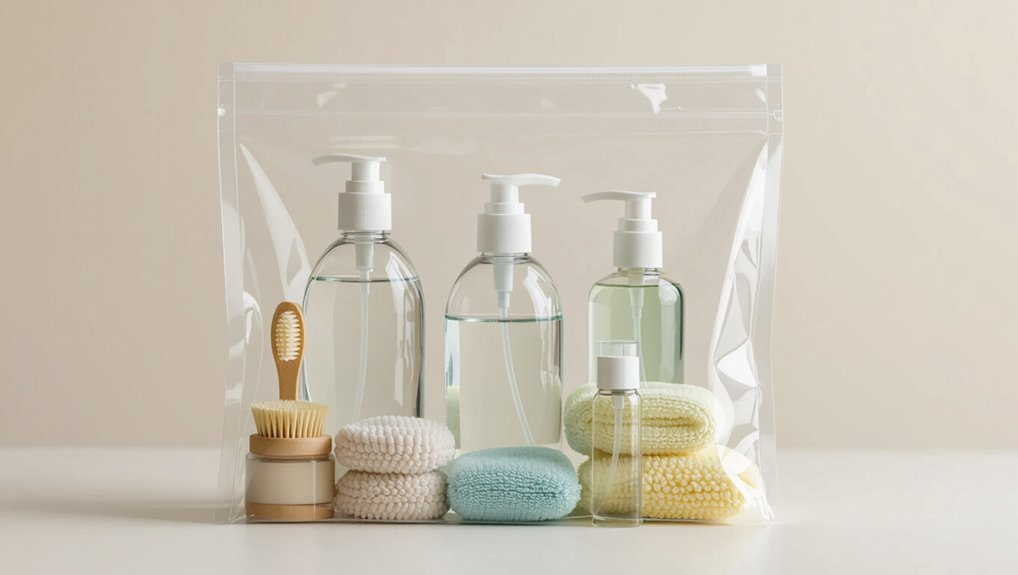
Pack smart: keep a clear quart-sized bag with the essentials you’ll need during security and mid-flight.
Include travel-size toothpaste, a toothbrush, deodorant, facial wipes, hand sanitizer, and any necessary medications in labeled containers.
Pack travel-size toothpaste, a toothbrush, deodorant, facial wipes, hand sanitizer, and labeled meds for easy access.
Add a small moisturizer and lip balm to combat cabin dryness.
Make sure all liquids meet TSA limits and are easy to remove at checkpoints to keep screening quick and stress-free.
Short Answer: Do Toiletries Need a Clear Bag?
Yes — for most carry-on flights you’ll need your liquids in a clear, resealable bag to meet the 3-1-1 rule (each container 3.4 oz/100 ml or less, all in one 1-quart bag).
There are exceptions, like medically necessary liquids and baby formula, so keep documentation handy and declare them at security.
I’ll also give quick tips on packing, sealing, and what can bypass the bag requirement.
Liquid Rules Explained
Although rules vary by country, you generally need to put your carry-on liquids in a clear, resealable bag so security can quickly inspect them; bottles must usually be 100 mL (3.4 oz) or smaller and fit comfortably within that bag.
You should:
- Pack liquids, gels, aerosols in one bag.
- Keep the bag ≤1 liter capacity.
- Present it separately at screening.
- Replace damaged bags before travel.
Exceptions And Tips
Most travelers will follow the clear-bag rule, but there are important exceptions and practical tips you should know about.
You can carry medications, baby formula, and breast milk beyond the 100ml limit with declaration.
Gate-checked liquids may exceed limits.
Pack oversized duty-free liquids in tamper-evident bags.
Label prescriptions, separate liquids for screening, and check your airline or airport rules before you travel.
What the 3-1-1 Rule Covers
The 3-1-1 rule limits the liquids, gels, and aerosols you can carry through airport security: each container must be 3.4 ounces (100 milliliters) or less, all containers fit in one clear quart-sized bag, and each passenger is allowed one bag.
You must remove the bag for screening.
Follow these points:
- Single quart-sized clear bag
- Containers ≤3.4 oz
- One bag per passenger
- Bag removed for X-ray
Which Items Count as Liquids, Gels, and Aerosols?
Now that you know the 3-1-1 limits and how to pack the quart bag, you should be clear about what actually counts as a liquid, gel, or aerosol.
Think shampoos, lotions, toothpaste, creams, liquid makeup, hair serums, liquid deodorants, and spray sunscreens.
Solid bars, powders, and most perfumes in tiny vials may be treated differently—check TSA guidelines for exceptions.
What Is a Resealable Clear Bag?
A resealable clear bag is one you can open and close repeatedly—usually a plastic zipper or press-seal pouch—that keeps your liquids visible and contained.
You’ll commonly see them made from polyethylene or PVC and sized to meet security rules, like 1-quart (approx. 1 liter) capacity for carry-on screening.
Check your airline or airport limits, since dimensions and allowable volume can vary.
What “Resealable” Means
Think of a resealable clear bag as a simple plastic pouch with a built-in closure you can open and close multiple times—usually a zipper or press-seal—so you can show contents at security and keep liquids contained during travel.
You’ll expect:
- Transparent body for inspection.
- Reusable closure that seals tightly.
- Sized to airline rules.
- Easy access for screening and packing.
Typical Bag Materials
Since you already know what resealable means and what to expect, let’s look at what those clear bags are made from. You’ll find PVC, PE, or PET—each durable and transparent. Choose lightweight, puncture-resistant options. Look for FDA-safe or BPA-free labels. Compare clarity, flexibility, and recyclability before buying.
| Material | Strength |
|---|---|
| PVC | Flexible |
| PET | Recyclable |
Size And Capacity Limits
When you pack liquids for a flight, remember that most airports require a resealable clear bag no larger than about 1 quart (roughly 1 liter), with individual containers typically capped at 3.4 ounces (100 milliliters).
The bag must close fully and fit comfortably in your carry-on or under the seat.
- Use a transparent, resealable plastic bag.
- Check container sizes.
- Avoid overfilling.
- Keep it accessible for screening.
Why Airports Use Clear Bags for Screening
Although clear bags might feel restrictive, they speed up security checks and cut down on confusion by letting screeners and you see contents at a glance.
You’ll move through lines faster because officers can spot prohibited items without opening bags. Clear bags also reduce handling, lower inspection errors, and standardize procedures, so screening stays consistent and predictable for travelers and staff.
Where the Clear-Bag Rule Applies Worldwide
You’ll find clear-bag rules in many countries, but the specific airport security regulations can vary widely.
Check the rules for your departure and connecting airports, since regional exceptions often change what’s allowed.
If you’re unsure, contact the airline or airport before you pack.
Airport Security Regulations
If you’re packing liquids, gels, or aerosols for a flight, many airports require those items to be shown in a clear, resealable bag so security officers can screen them quickly.
You’ll follow rules to speed screening and avoid delays:
- Place containers ≤100ml in one transparent bag.
- Show the bag at security.
- Limit one bag per passenger.
- Remove electronics as instructed.
Regional Exceptions Explained
Rules about clear bags look similar at many airports, but enforcement and specifics can vary by country and even by terminal.
You’ll find strict limits in the US, EU, UK, Canada, and Australia, while some countries tolerate different bag types or looser size rules.
Always check the specific airport and airline website before packing to avoid surprises and delays.
Regional Rules: U.S., EU, UK, Canada, Australia
While security limits on liquids are broadly similar across major regions, each jurisdiction keeps its own specifics you should know before packing—especially for carry-on items.
While liquid rules are similar worldwide, each region has specific carry-on requirements worth checking before packing.
- U.S.: 3-1-1 rule, clear quart bag, enforced at TSA checkpoints.
- EU/UK: 100ml per item, resealable clear bag, minor national variations.
- Canada: 100ml items, clear bag; security staff may ask to remove liquids.
- Australia: 100ml rule, clear bag, strict compliance required.
Airline Rules vs. Airport Security: Who Decides?
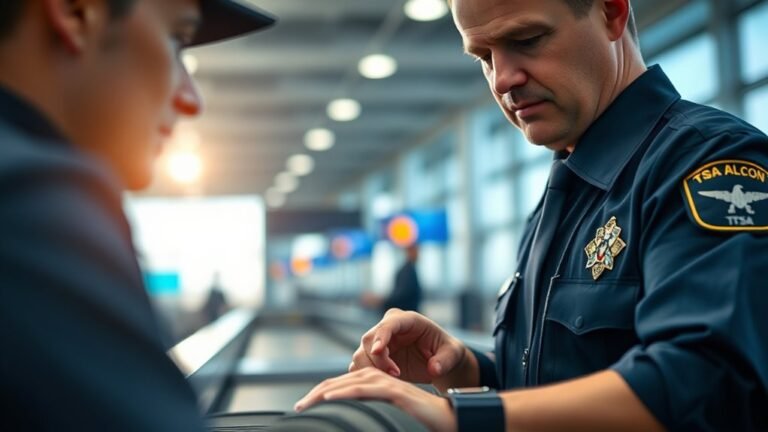
When you pack toiletries, remember that TSA and other security agencies set the legal limits for liquids, while airlines can add their own carry-on rules.
You’ll need to follow the stricter of the two when boarding.
Check both the airport security website and your airline’s policy before you fly.
TSA And Security Regulations
1 key thing travelers often miss is that airline policies and airport security rules come from different authorities and serve different purposes.
You follow TSA rules at checkpoints; they set liquid limits and screening procedures.
Remember:
- Pack liquids ≤100ml in one quart bag.
- Present the bag separately.
- Declare exceptions (meds, baby food).
- Cooperate with officers’ instructions.
Airline Carry-On Policies
Because airlines set carry-on size, weight, and item restrictions for their cabins, you’ll need to check both airline policies and airport security rules before packing.
Airlines may ban certain containers, specify stroller or medical item exceptions, or limit overhead bin space. You should confirm allowed liquids, bag dimensions, and gate-check rules with your carrier to avoid surprises and extra fees at boarding.
Checked Baggage: How Rules Change in Your Suitcase
Checked bags let you carry larger toiletries and liquids that aren’t allowed in your carry-on, but you still need to follow airline weight, size and hazardous materials rules—so pack heavy creams, aerosols and spare batteries carefully and declare anything restricted.
Checked bags allow larger toiletries, but follow weight, size and hazardous-material rules—pack creams, aerosols and batteries carefully.
You should:
- Cushion glass and leak-prone items.
- Seal liquids in plastic bags.
- Stow aerosols upright.
- Keep receipts for high-value items.
Medical Liquids and Prescriptions: Exceptions
You can bring medically necessary liquids and prescription medications above the usual 100 ml limit, but you’ll need to show documentation like a prescription or doctor’s note.
Expect extra screening and follow any packaging guidelines, such as keeping liquids in original containers or separating them for inspection.
Check airline and TSA rules beforehand so you know what proof to carry and how to present items at security.
Medical Liquids Allowed
If you need medicines in liquid form, airports and airlines generally make exceptions to the usual 100 ml/3.4 oz rule so you can bring what’s necessary for your flight.
You should:
- Pack essential volumes only.
- Keep liquids accessible for screening.
- Inform security agents if asked.
- Separate medications from other toiletries for quicker checks.
Documentation And Proof
Having your medical liquids allowed is only part of the process; you’ll also need to show proof when asked. Carry prescriptions, a doctor’s note, and original medication labels. Present them calmly to security staff. Keep digital copies on your phone.
| Document type | Example | Where to show |
|---|---|---|
| Prescription | Paper or e-copy | Security desk |
| Doctor note | Letterhead | TSA officer |
| Label | Pharmacy sticker | At checkpoint |
Screening And Packaging
When carrying medical liquids or prescription medicines through airport screening, pack them so they’re easy to inspect: keep bottles and vials in a clear, resealable bag, group related items together, and place prescriptions with labels on top.
You should follow rules, declare items at security, and keep documentation handy.
- Label meds clearly
- Use original containers
- Separate syringes safely
- Keep receipts accessible
Screening of Medical Devices With Liquids
Screening medical devices that contain or use liquids requires clear documentation and cooperation with security staff, because these items can trigger additional checks or cause delays at checkpoints.
You should carry prescriptions, a doctor’s note, and original packaging.
Declare devices and liquids before screening, separate them from carry-ons when asked, and follow officer instructions to speed inspection and avoid damage or confiscation.
Baby Formula, Breast Milk, and Baby Food Rules
If you’re traveling with infants or toddlers, know that airports allow baby formula, breast milk, and baby food in quantities exceeding standard liquid limits, but you’ll need to declare them and present them for inspection.
You should:
- Separate items from carry-ons for screening.
- Label containers if possible.
- Bring enough for the trip and delays.
- Expect additional screening and possible testing.
Duty-Free Purchases: When Liquids Are Allowed Sealed
If you buy sealed liquids at duty-free, you can often take them through security if they stay in the tamper-evident bag.
Follow airport security protocols and be ready to show the sealed bag without opening it.
Keep your receipt handy in case officers ask for proof of purchase or time.
Sealed Duty-Free Exceptions
While most liquids are limited in carry-on, duty-free purchases can travel sealed and beyond the usual limits when you follow the rules:
- Keep items in the sealed tamper-evident bag (STEB) provided.
- Retain the original receipt inside the STEB.
- Don’t open the bag until you reach your final destination.
- Confirm airline and country transfer rules if you have connecting flights.
Airport Security Protocols
Now that you know how sealed tamper-evident bags and receipts let duty-free liquids bypass the usual limits, you’ll need to understand how airport security enforces those allowances.
Security officers inspect seals, verify purchase timestamps, and may request you present bags separately during screening.
If a seal’s broken or documentation’s missing, they’ll treat items as regular carry-on liquids and may confiscate them, so follow instructions promptly.
Keeping Receipts Handy
Because airport security relies on timestamps and intact seals, keep receipts and purchase documents easily accessible so you can show them quickly when asked.
You’ll prove duty-free purchases qualify for sealed carriage.
Follow these steps:
- Store receipt with sealed bag.
- Keep photos of purchase timestamp.
- Present documents at screening.
- Ask staff if unsure.
Travel-Size vs. Sample-Size: Container Limits Explained
If you’ve ever puzzled over which tiny bottle is allowed through airport security, the difference between travel-size and sample-size containers can make that decision a lot simpler:
travel-size usually means containers up to the carry-on limit (commonly 100 ml/3.4 oz) designed for short trips, while sample-size are often smaller freebies.
You should pack both inside your clear quart bag and avoid overfilling.
Measuring and Labeling Toiletry Containers
Knowing the size limits helps, but you also need to measure and label each container so security and you won’t be surprised at the gate.
Measure volume, note tare weight, and mark capacities clearly.
Follow this quick checklist:
- Measure with a syringe or graduated cup.
- Write volume in ml/oz on each bottle.
- Use waterproof labels.
- Recheck before packing.
Reusable Clear Bags and TSA-Approved Pouches
You’ll want to pick a clear, resealable bag or TSA-approved pouch that meets the 3-1-1 liquid rule so your toiletries pass security without hassle.
Reusable options cut waste and often have sturdier zippers and seams that protect bottles and prevent leaks.
Check materials like transparent PVC or PET and look for size labels or TSA compliance to make sure they’re accepted.
TSA Liquid Rule Compatibility
Traveling with liquids means packing them in ways the TSA accepts, and choosing the right reusable clear bag or TSA-approved pouch will keep you moving through security faster.
You should:
- Use a clear quart-size bag that’s resealable.
- Limit containers to 3.4 ounces (100 ml).
- Arrange items flat and visible.
- Remove the bag for screening when asked.
Benefits Of Reusable Bags
Because reusable clear bags and TSA-approved pouches keep your liquids organized and visible, they speed you through security and cut down on last-minute rummaging.
You’ll protect toiletries from spills, reuse a durable pouch trip after trip, and spot what you need at a glance.
They also reduce single-use plastic waste and simplify packing, making travel smoother and more eco-friendly.
Choosing Approved Materials
When selecting reusable clear bags and TSA-approved pouches, pick materials that meet security rules, resist leaks, and hold up to repeated use.
You’ll want sturdy PVC or TPU, leakproof seals, clear visibility, and compliant sizing. Choose options that clean easily and compress without cracking.
- PVC/TPU durability
- Leakproof zippers
- Crystal-clear panels
- TSA-compliant dimensions
Packing Creams, Powders, and Solid Toiletries
If you’re bringing creams, powders, or solid toiletries, sort them by container type and access needs so security checks and in-flight touch-ups go smoothly.
Put liquids and gels in compliant clear bags; keep powders in small, labeled containers to speed screening.
Solid items like bars or balms can go in carry-on without extra bags.
Pack essentials for easy retrieval during checks.
Packing Aerosols and Pressurized Containers Safely
Although aerosols and pressurized cans make grooming and comfort easy, you’ll need to pack them thoughtfully to meet airline rules and prevent leaks or bursts.
Follow these steps:
- Keep containers ≤100ml in carry-on, larger in checked baggage if allowed.
- Make certain caps are secure and valves protected.
- Pack in sealed plastic to contain leaks.
- Check airline and destination restrictions before travel.
Contact Lens Solution and Vape Liquids: Rules
You can bring contact lens solution in carry‑on, but keep each bottle within the 100 ml limit and pack it inside your quart‑size clear bag.
Vape liquids often fall under the same liquid rules for carry‑on, though some airlines and countries restrict battery‑powered devices or large e‑liquid quantities.
Check your airline and destination rules before you fly to avoid confiscation or fines.
Contact Lens Solution Limits
Most airlines let you carry a small amount of contact lens solution in your carry-on, but limits vary by carrier and security screeners, so check rules before packing.
- Keep bottles 100 ml (3.4 oz) or smaller unless exempt.
- Place them in your quart-sized clear bag with other liquids.
- Declare larger medical amounts at security; bring prescription proof.
- Pack extra in checked luggage if unsure.
Vape Liquid Regulations
If you’re packing both contact lens solution and vape liquids, know that they follow different rules: you can carry contact solution in larger medically necessary amounts with paperwork, but vape liquids must fit the 100ml/3.4oz per container carry-on limit and go in a clear quart bag.
Batteries and devices have separate rules—pack batteries in carry-on and check airline-specific restrictions before travel.
Organizing Your Clear Bag for Fast Screening
Start by grouping similar items together so you can grab the right bottles quickly at security.
Arrange liquids upright, seals facing up, and place small items in a corner for visibility.
Keep medications separate and labeled.
Fold the bag flat for X-ray clarity.
- Liquids upright
- Sealed caps visible
- Meds accessible
- Small items corner
Common Mistakes That Slow Down Security
When you fumble through a cluttered clear bag or forget to separate medications and electronics, you’ll hold up the line and draw extra scrutiny.
Don’t pack open containers, unlabeled liquids, or too many small items that spill. Remove laptops and large electronics, present prescriptions, and keep liquids visible in a single resealable bag.
Move quickly, follow instructions, and check limits beforehand.
Oversized Liquids Bought at the Airport: What to Do
You might still run into trouble after security if you pick up a bottle or spray that’s over the allowed size at an airport shop.
You can:
- Ask the shop to seal it in a tamper-evident bag with receipt.
- Carry it to the gate and confirm airline rules.
- Check it with hold luggage at the counter.
- Gift or dispose of it before boarding to avoid delays.
If Security Confiscates an Item: Next Steps
If security confiscates an item, stay calm and follow their instructions—arguing at the checkpoint won’t help and can slow everyone down. Ask why it was taken, request options (dispose, return to checked baggage, or reclaim later), and get a receipt if available.
| Step | Action | Outcome |
|---|---|---|
| 1 | Ask reason | Understand rule |
| 2 | Request receipt | Proof of confiscation |
| 3 | Choose option | Minimize loss |
Preparing for International Layovers and Multiple Checks
Security checkpoints and confiscations are part of travel, and they can affect what you carry through a long international journey, especially with layovers and multiple checks.
Pack essentials in travel sizes, keep liquids in a clear bag, and know local rules.
Follow this checklist:
- Duplicate essentials in checked luggage.
- Keep prescriptions with labels.
- Separate toiletries for easy inspection.
- Know transfer airport policies.
Makeup and Cosmetics: Mascara, Foundation, Eyeliner
1 key rule for carrying mascara, foundation, and eyeliner through international layovers is to keep them accessible, compliant, and clearly separated for inspection. Pack liquids under 100ml in a clear bag, label makeup brushes, and place tools where officers can see them quickly.
| Item | Size | Tip |
|---|---|---|
| Mascara | 7–10ml | Seal cap |
| Foundation | ≤100ml | Use travel bottle |
| Eyeliner | pencil/liquid | tape cap |
| Brushes | N/A | stow separately |
Long Trips vs. Carry-On–Only: Toiletry Strategies
After organizing mascara, foundation, and eyeliner for layovers, think about how trip length and luggage choice change your toiletries plan: for long trips you’ll pack refillable bottles, backups, and full-size items in checked bags, while carry-on–only travel forces you to prioritize minis, solid alternatives, and refill stops en route.
For longer trips pack refills, backups, and full sizes; carry-on-only calls for minis, solids, and planned refills.
- Pack refills and backups.
- Use solid bars.
- Carry travel-size essentials.
- Plan refill points.
Special Tips for Business Travelers
When you’re traveling for work, prioritize a streamlined toiletries kit that keeps you polished with minimal fuss: include travel-size versions of your grooming essentials, a quick-stain remover pen, a compact deodorant, and a small shaving or makeup touch-up kit so you can freshen up between meetings without unpacking your whole bag.
Pack wrinkle-release spray, spare shirt collars, mini hand sanitizer, and blister patches.
Carry-On Toiletries Checklist: One-Bag Summary
Pack one compact toiletry kit that covers grooming, hygiene, and quick fixes so you can skip checked baggage and stay fresh on the go.
Keep items organized, leak-proof, and TSA-compliant.
Essentials:
- Travel-size liquids (under 100ml) in a clear quart bag
- Toothbrush, paste, floss
- Deodorant, face wipes, mini moisturizer
- Razor, bandages, small stain stick
Solid Alternatives: Shampoo Bars and Toothpaste Tablets
If you’re trying to keep your carry-on light and TSA-friendly, solid shampoo bars and toothpaste tablets are smart swaps that eliminate liquid limits and reduce spill risk.
You’ll save space, weight, and cleanup while meeting security rules. Choose compact, travel-sized bars in recyclable packaging, store them dry between uses, and check ingredient needs or airline-specific rules for solids before flying to avoid surprises.
Where to Buy Travel-Compliant Containers and Bags
Although finding TSA-compliant containers and clear quart-size bags can feel tedious, you’ll have plenty of easy options:
- Drugstores — travel aisle for leakproof bottles and minis.
- Big-box stores — multi-packs and zippered clear bags.
- Online retailers — specialty sets, silicone bottles, and labeled kits.
- Outdoor/sport shops — durable squeeze bottles and waterproof pouches for active trips.
How to Explain Rules to Travel Companions
When you’re traveling with others, clear, calm explanations make following liquid rules painless: show the quart-size bag and bottles, point out the 3.4-ounce limit, and demonstrate how everything needs to fit visibly in one sealed pouch so everyone knows what to expect at security.
Give a quick checklist, assign someone to pack common items, and confirm everyone understands to remove the pouch for screening.
Last-Minute Fixes at the Security Line
Once everyone’s bagged liquids are ready, you’ll want a quick plan for fixes that pop up at the security line.
You’ll stay calm and act fast: remove suspect items, consolidate spills, swap containers, or accept disposal.
Follow these steps:
- Open bags calmly.
- Move leaks to a spare pouch.
- Pour small amounts into travel bottles.
- Ask TSA politely for guidance.
Frequently Asked Questions
Can I Bring Powdered Infant Cereal or Toddler Snacks in Carry-On?
Yes — you can bring powdered infant cereal and toddler snacks in carry-on, but you’ll need to declare larger amounts for screening, expect possible extra inspection, and keep them accessible; small portions usually pass through without issues.
Are Duty-Free Liquids Allowed Through U.S. Connecting Flights After Security?
Yes — you can bring duty-free liquids through U.S. connecting flights after security if they’re sealed in a tamper-evident bag with receipt, but you’ll need to show the bag and receipt at U.S. security checkpoints.
Do Solid Deodorant Sticks Count as Liquids or Gels?
Solid deodorant sticks count as solids, not liquids or gels, so they’re allowed in carry‑on without the 3.4 oz limit. You’ll still follow airline and TSA rules, so pack them accessibly for inspection if asked.
Can I Pack Perfumes in My Checked Luggage Without Restriction?
Yes — you can pack perfumes in checked luggage, but airlines and countries may restrict quantity, flammability, or sealed-container rules, so check your carrier’s policies and pack bottles securely to prevent leaks and fire-hazard issues.
What Happens to Confiscated Toiletries—Can I Retrieve Them Later?
Usually you can’t retrieve confiscated toiletries at the airport; security disposes of prohibited items for safety. If they kept them for evidence, you’ll get instructions from the agency handling the seizure, and you can appeal following their process.
Conclusion
You don’t have to panic—carry your toiletries in a clear, resealable quart-size bag to speed you through security and avoid surprises. Stick to the 3-1-1 rule: liquids, gels, and aerosols must be 3.4 ounces (100 ml) or less per item, all fitting in one clear bag. Swap solids for bars or tablets, buy travel-sized containers if needed, and remind travel companions before you leave. If you forget, buy compliant items after security.