Does TSA Check Immigration Status for Domestic Flights
No, TSA doesn’t routinely check your immigration status on domestic flights; it verifies that your photo ID matches your boarding pass to confirm identity and screen for threats. You’ll be asked for a government-issued photo ID, and noncitizens can use passports, green cards, or DHS documents. If agents spot something suspicious they may call other agencies like CBP or local law enforcement. Stay calm, present valid ID, and if you keep going you’ll find more detail on rights and steps to take.
Short Answer: Will TSA Check Immigration Status?
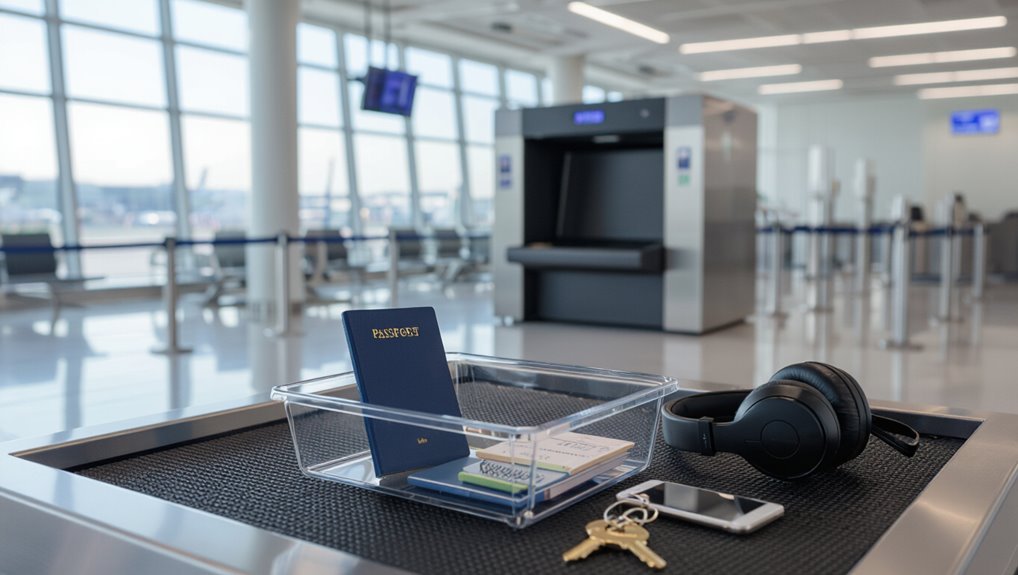
Short answer: usually no — TSA doesn’t check your immigration status during standard security screening for domestic flights.
You’ll go through ID verification focused on identity and travel documents, not immigration enforcement. TSA officers confirm that the name on your ID matches your boarding pass and that your ID appears valid.
TSA checks IDs to match names and validate documents—it’s identity verification, not immigration enforcement.
They won’t ask about visas, citizenship, or residency as part of routine screening.
Exceptions exist when other agencies are present or if you trigger extra checks, but for typical travelers on domestic routes, expect identity verification only and no immigration-status interrogation at the security checkpoint.
Why This Matters for Travelers
Because most travelers only face ID checks at security, knowing this helps you focus on the documents that matter—bring a valid government-issued ID and your boarding pass—so you won’t be blindsided by unnecessary concerns about visas or residency.
This matters because it reduces stress and streamlines prep: you won’t overpack paperwork or miss flight time sorting irrelevant forms. It also guides responses if an agent asks routine questions; stay calm, present ID, and follow directions.
Finally, knowing the scope of TSA checks helps you plan travel for noncitizen family or guests—confirm their accepted IDs ahead of time to avoid surprises.
Does TSA Enforce Immigration Law?
While TSA agents check IDs and verify that travelers meet identification requirements for boarding, they don’t enforce immigration law—those responsibilities lie with Customs and Border Protection (CBP) and Immigration and Customs Enforcement (ICE).
If you’re stopped at a checkpoint, TSA focuses on security screening and threat prevention, not immigration status.
CBP performs immigration inspections at ports of entry and may operate systems that flag concerns; ICE handles enforcement actions like detainers and removals.
If CBP or ICE are present, they’ll take the lead. You should cooperate with officers, know your rights, and consult an immigration attorney if you face enforcement questions.
What ID Does TSA Require at Checkpoints?
Wondering what ID you need for a domestic flight? You’ll present a government-issued photo ID at the TSA checkpoint to match your boarding pass.
Acceptable IDs are current, unexpired, and clear enough to verify name, photo, and birth date. TSA checks identity for security screening, not immigration status.
If you forget or lack ID, TSA may let you fly after additional identity verification steps, like providing personal information and undergoing extra screening — but that’s at TSA’s discretion and can delay travel.
Always carry an accepted form of ID to speed your checkpoint experience and avoid complications.
Which IDs Do Noncitizens Use at TSA?
Which ID should you show if you’re a noncitizen flying within the U.S.?
You’ll typically present a passport, passport card, or a DHS-issued document like Form I-551 (green card), Form I-766 (work permit), or Form I-94 with a foreign passport.
Noncitizen residents often use state IDs or driver’s licenses that meet REAL ID requirements when applicable.
If you have refugee or asylum status, carry the relevant DHS paperwork.
Always bring the most current documentation proving identity and immigration status; TSA checks ID validity for boarding, not status enforcement.
Check your airline’s requirements before traveling.
Passport Versus Other ID for Domestic Flights
If you’re flying within the U.S., a passport will always work for ID at TSA checkpoints, but you don’t always need one—state-issued driver’s licenses or IDs that meet REAL ID standards are normally sufficient, and DHS-issued documents (green cards, I-94, work permits) also serve as acceptable alternatives.
You should choose the ID you’re most likely to present without incident. A passport is portable proof of identity and nationality, but a compliant state ID is more convenient for routine travel.
Always verify your chosen document is current, undamaged, and matches your reservation name to avoid delays at security.
Documents Noncitizens Should Carry for Travel
When you fly domestically as a noncitizen, carry your valid passport as your primary ID.
You should also bring your Form I‑94 to show your admission status, and if you have one, keep your Employment Authorization Document handy.
These documents help smooth security checks and verify your travel eligibility.
Carry Valid Passport
Although you’re traveling domestically, always carry your valid passport if you’re a noncitizen, because federal officers and airline staff may ask for proof of immigration status. Keep it accessible—don’t pack it deep in checked luggage. A passport is widely accepted ID at airport checkpoints, airline counters, and by law enforcement.
Make photocopies or photos stored securely on your phone as backups, but retain the original when possible. Check passport expiration well before travel; many carriers enforce ID validity rules.
If your passport is lost or stolen, report it promptly to local authorities and your country’s consulate to get assistance and replacement documentation.
Bring Form I‑94
Bring your Form I-94 and keep it handy during domestic travel—airlines, TSA, or law enforcement may ask to see it as proof of your admission status and authorized length of stay.
You should carry either the paper I-94 or a clear electronic printout from CBP’s website. Store it with your passport and boarding pass, and make a phone photo backup in case you misplace the original.
Present it promptly if requested; being cooperative speeds the encounter.
If your I-94 shows a limited stay or recent admission, expect questions and be prepared to explain your travel purpose and return plans succinctly.
Keep Employment Authorization
Alongside your I‑94, keep proof of your work authorization readily available—your Employment Authorization Document (EAD), an I‑797 approval notice showing a work permit, or a recent H‑1B/L‑1 approval with a valid I‑94 may be requested to verify your eligibility to work while traveling.
Carry originals when possible and clear photocopies or secure digital scans as backups. Present them if questioned by TSA, airline staff, or employers during travel.
Store documents in an accessible place, like a travel wallet or encrypted phone app, and guarantee names, dates, and numbers match other IDs.
Replace expired documents before flying to avoid complications.
How Airlines Check ID at Check-In
When you check in at the airline counter or kiosk, staff or the system quickly verify your identity by comparing the name and photo on your ID to the name on your reservation and, if needed, scanning or swiping the document to confirm its authenticity.
You’ll present a government-issued photo ID matching ticketed name; agents may ask brief questions to clarify discrepancies. Kiosks can read barcodes or MRZs to speed verification.
If names differ slightly, you might be asked for supporting documents or to correct the reservation. Airlines focus on identity and boarding eligibility, not immigration status, during routine check-in.
When Airlines Ask for Visas or Green Cards
Ever wondered why airline agents sometimes ask to see a visa or green card even on a domestic flight?
You’ll encounter checks when carriers need to confirm your eligibility to travel or re-enter the U.S., especially if your ID suggests noncitizen status.
Agents verify documents to comply with their own policies and federal immigration requirements, not as a routine TSA enforcement action.
If you’re asked, present valid papers and cooperate; refusal can delay travel or trigger airline action.
Keep originals or certified copies handy and know your visa’s validity and entry permissions to avoid surprises.
- Confirm identity and status
- Verify travel authorization
- Prevent inadmissible travel
When TSA May Call Other Agencies
If you act in ways that match common suspicious behavior indicators at the checkpoint, TSA agents may escalate the situation and contact other agencies.
They’ll also call immigration enforcement if there’s a specific request or a legal basis to verify status.
In some cases, TSA coordinates with local law enforcement to handle safety or legal issues while the passenger’s status is being resolved.
Suspicious Behavior Indicators
TSA officers monitor for specific suspicious behaviors that could prompt them to contact immigration or other agencies, such as inconsistent answers about identity or travel, evasive body language, visible signs of nervousness beyond routine anxiety, or possession of documents that appear forged or altered.
You should know these indicators so you can avoid misunderstandings and comply if questioned. Agents focus on clear, observable cues rather than assumptions.
Examples include:
- Giving conflicting or vague travel details when asked repeatedly.
- Displaying pronounced avoidance of eye contact, fidgeting, or sudden movements near checkpoints.
- Presenting IDs or paperwork that show obvious tampering or mismatched information.
Immigration Enforcement Requests
Noticing the behaviors described earlier can lead officers to take further steps, including contacting immigration or other agencies when they suspect a potential violation.
You should know TSA’s primary role is security screening, not immigration enforcement, but agents can refer clear indicators to appropriate authorities.
If you trigger a referral, TSA may relay identifying details, travel documents, or observed conduct to immigration officials, CBP, or ICE for follow-up.
You’ll typically be kept away from boarding while agencies decide next steps. Referrals don’t automatically mean detention, but they can prompt interviews, records checks, or requests for additional verification by enforcement partners.
Coordination With Local Authorities
When local circumstances suggest a safety or legal concern, officers will coordinate with nearby law enforcement, airport police, or other agencies to address it. You may be asked to step aside while they assess the situation, share observations, or verify identities.
You should stay calm, follow instructions, and know this coordination isn’t routine immigration screening. Agencies get involved for threats, medical events, or criminal activity.
If contacted, officers typically provide limited information and request assistance only when necessary. Expect brief questioning and identification checks; if you believe your rights were violated, note names, times, and file a complaint later.
- Threat assessment
- Identity verification
- Criminal investigation
How CBP Can Appear at Airports
Because airports are hubs for both international and domestic travel, Customs and Border Protection (CBP) regularly has a visible presence on the public side of terminals, at security checkpoints, and inside sterile areas to carry out its immigration and enforcement duties.
You might see uniformed officers checking passports at international arrival gates, conducting random immigration queries, or staffing booths near customs lines. CBP can screen baggage, interview travelers, or carry out administrative inspections.
Their activities focus on border-related authority: verifying travel documents, preventing prohibited entry, and enforcing customs laws. You’ll usually encounter them openly, not covertly, during routine operations.
How ICE Involvement Differs From TSA Screening
CBP officers usually operate openly at checkpoints and arrival areas, but ICE involvement at airports looks and acts differently. You’ll notice ICE focuses on enforcement tasks beyond screening: investigation, arrests, and follow-up actions. They usually coordinate with other agencies and target specific leads rather than screen every traveler.
- ICE agents work plainclothes or distinct units and conduct targeted questioning or arrests based on warrants or investigations.
- TSA’s role stays security-focused: passenger and baggage screening to protect transportation, not immigration enforcement.
- ICE may detain or transfer individuals after identification; TSA won’t detain for immigration status.
Real Risk of Immigration Detention at Airports
When you go through airport screening, officers may ask to see ID and verify your information.
You should know ICE agents are sometimes stationed at airports and can be notified if discrepancies arise.
Detention usually happens only in specific situations—like outstanding warrants, immigration alerts, or false documents.
Identification Checks Possible
Air travel in the U.S. can include unexpected ID checks that may lead to immigration scrutiny, so you should be prepared to show valid identification and proof of status.
You might face checks at ticket counters, gate areas, or during security screening. If questioned, stay calm, provide requested documents, and know your rights.
Carry originals or certified copies of immigration papers; keep contact info for an attorney handy.
- Have government ID and immigration documents accessible.
- Know what you’ll say if agents ask about status.
- Keep emergency legal contact and copies stored separately.
ICE Presence At Airports
Although airports are primarily transit hubs, Immigration and Customs Enforcement (ICE) agents do operate in terminals and can detain travelers they suspect of being removable; you should know this is a real risk and plan accordingly.
You may encounter plainclothes or uniformed officers near gates, checkpoints, or baggage areas. They’ll rely on identification, tips, or database queries rather than TSA screening.
If approached, stay calm, ask if you’re free to leave, and avoid volunteering extra information. If detained, request an attorney and note details like officer names, badge numbers, and witnesses.
Preparing documentation and contacts beforehand reduces confusion and risk.
Circumstances Triggering Detention
If ICE agents spot discrepancies in your paperwork, receive a tip, or run a database hit tied to your identity, they can detain you at the airport.
You should know detention usually follows specific triggers: identity mismatches, outstanding warrants or deportation orders, and enforcement operations targeting certain flights or looks.
Officers rely on databases, tips, airline notifications, and visual identification.
You’ll face questioning, possible handcuffs, and transport to a facility if they confirm a violation.
Cooperate calmly, ask for legal counsel, and avoid consenting to searches. Document the encounter later and notify an immigration attorney or advocacy group.
- Identity mismatches
- Outstanding orders
- Targeted operations
Example Scenarios: When Immigration Status Matters
When you’re preparing to fly domestically, there are clear situations where TSA agents will check immigration status—such as when your ID raises questions about citizenship, when you’re flagged in a government database, or when boarding requires additional identity verification for a child or companion.
You might be stopped if your identification is inconsistent, expired, or appears altered. You could be pulled aside when precheck or no-fly screenings return alerts tied to immigration enforcement.
Traveling with minors or noncitizen companions can prompt extra documentation requests. Routine random checks less commonly involve immigration status unless other indicators or watchlists are triggered.
Rights If Asked About Immigration Status at Security
Know your rights at the checkpoint so you can respond confidently if asked about your immigration status.
You can ask TSA officers to show official identification and, if you’re unsure, request a supervisor.
Remember you can refuse to answer voluntary questions—only provide what’s required for screening.
Know Your Rights
Wondering what rights you have when TSA or other officers ask about your immigration status at security? You have limits and options: you don’t have to answer questions beyond identity and travel purpose, you can decline voluntary searches, and you can request an explanation if stopped.
Stay calm, be polite, and assert your rights clearly.
- You can refuse to provide immigration details if not legally required; ask why they need it.
- You don’t have to consent to searches without probable cause or a warrant.
- You can document the interaction, ask for supervisor info, and seek legal help afterward.
Ask For Identification
If an officer asks about your immigration status at security, you should ask to see their identification and note their name and agency before answering anything else.
You can politely request a badge, business card, or supervisor contact. Record details: name, badge number, agency, time, and location.
If they decline, say you’d like to document the interaction and ask to speak with a supervisor.
Keep responses brief and factual; don’t volunteer extra information.
If you have a phone, take a photo of the ID or write everything down immediately.
These steps protect you and help if you later need to file a complaint.
Refuse Voluntary Questions
Can you politely decline to answer immigration questions at airport security? Yes—you can refuse voluntary questions. TSA screens for safety, not immigration enforcement, so you’re not required to discuss status. Stay calm, give only required ID and boarding pass, and avoid extra details.
- State clearly: “I decline to answer voluntary questions,” and present required documents.
- If pressured, ask to speak with a supervisor or note you’re exercising your right to remain silent regarding status.
- Document names/badge numbers, file a complaint later with TSA if you feel your rights were violated or you faced discrimination.
What to Do If Asked to Prove Status at the Checkpoint
When an agent asks you to prove your immigration status at the checkpoint, stay calm and comply—present the specific ID or documents they request and answer questions briefly and truthfully.
Keep documents organized and ready to avoid delays: passport, green card, employment authorization, or other government-issued ID.
Keep documents organized and ready: passport, green card, work authorization, or another government-issued ID.
If you don’t have the requested item, say so plainly and ask what alternative evidence is acceptable.
Don’t volunteer extra information or argue.
If you feel your rights were violated, note the agent’s name, time, and location, and file a complaint later with TSA or the appropriate oversight agency.
TSA PreCheck and Global Entry for Noncitizens
You can qualify for TSA PreCheck or Global Entry even if you’re not a U.S. citizen, but eligibility depends on your immigration status and country of citizenship.
The enrollment process usually requires an online application, background check, fee, and an in-person interview or enrollment appointment.
Before you apply, check specific program rules and document requirements for noncitizen applicants to make sure you meet the criteria.
Eligibility For Noncitizens
Although noncitizens often assume they’re ineligible, many can apply for TSA PreCheck and Global Entry depending on visa status and country of citizenship. You’ll need an eligible immigration classification or be a citizen of a participating country.
Eligibility hinges on lawful presence, ability to pass background checks, and meeting program-specific nationality requirements. You shouldn’t expect automatic approval—screening standards apply equally to noncitizens.
- Lawful status: visas, permanent residency, or certain parole statuses may qualify.
- Country participation: some passports are pre-approved for Global Entry partnerships.
- Background checks: criminal history or immigration violations can disqualify you.
Enrollment Process Details
Because enrollment requires both online steps and an in-person appointment, plan ahead so you can gather documents, complete applications, and schedule your interview without delays.
For TSA PreCheck or Global Entry, you’ll create an online account, fill eligibility questions, and pay a nonrefundable fee. After conditional approval, you’ll book an enrollment appointment at an enrollment center or airport.
Bring your passport, immigration documents (green card, visa, or I-94), and a second ID if required. At the interview you’ll verify identity, provide fingerprints, and answer questions.
Processing times vary; keep copies and check your account for final approval or denials.
How Real ID Rules Affect Noncitizen Travelers
When traveling domestically, noncitizen passengers should know that Real ID rules change what identification TSA will accept at security checkpoints, and those requirements can affect which documents you need to fly.
Noncitizen travelers: Real ID changes TSA ID rules—confirm acceptable documents before flying to avoid checkpoint issues.
You’ll still be allowed through with federally accepted alternatives, but you must present valid ID that matches your boarding name. States issue Real ID-compliant driver’s licenses; noncitizen-specific documents like permanent resident cards, employment authorization documents, or passports also work.
Check the ID list before you travel so you won’t face delays.
- Know which documents are Real ID alternatives.
- Confirm names match boarding pass.
- Carry originals, not copies.
Practical Checklist to Avoid Surprises at Security
If you want to breeze through security, follow a tight pre-flight checklist that covers your ID, boarding pass, and carry-on contents so you won’t be slowed by last-minute searches or missing documents.
Check your ID type and expiration, place it and your boarding pass in an easy-to-reach pocket, and confirm your name matches the reservation.
Empty pockets, remove belts, watches, and heavy jewelry before the line.
Pack liquids in a clear quart bag within TSA limits and stow electronics separately.
Wear shoes you can slip off, consolidate small items in one bag, and arrive early to handle any unexpected questions.
Airline Policies Noncitizens Should Review Before Flying
You’ve prepared your ID, boarding pass, and bag for security, but airlines also have rules that can affect noncitizen travelers.
Check carrier-specific ID requirements, boarding policies, and documentation for minors or those with limited status. Confirm what forms of foreign ID they accept and whether extra verification at check-in is possible.
- Accepted IDs: Verify which passports, resident cards, or travel documents the airline accepts and any photocopy/fax rules.
- Check-in procedures: Learn if online check-in or in-person ID checks occur and what backup documents help.
- Ticketing and name matches: Ascertain names match travel documents exactly to avoid denied boarding.
State and Local Variations at Airports
When you fly, be aware that local ID requirements can vary by airport and state, which may affect what documents you’re asked to show.
State immigration policies and agreements can change how strictly staff enforce checks or cooperate with federal authorities.
Check airport-specific rules ahead of time so you’re prepared for any enforcement differences.
Local ID Requirements
Because states set their own ID standards and some airports add local rules, you’ll want to check both state DMV and airport websites before travel.
You should confirm which forms of ID are accepted, whether enhanced driver’s licenses are required, and if temporary or out‑of‑state documents work.
Smaller regional airports sometimes have additional screening steps or limited staff familiar with alternative IDs.
If you rely on nonstandard identification, call the airport ahead to avoid delays.
Keep digital copies and backup ID options ready, and arrive earlier than usual to resolve any verification issues calmly.
- Accepted ID types
- Airport-specific rules
- Backup plans
State Immigration Policies
Although federal law governs immigration, state and local policies can shape how airports implement identity checks and interact with federal authorities.
So you’ll want to understand local rules before travel. States vary in cooperation levels with federal immigration agencies, sanctuary policies, and documentation standards for state IDs.
You should check whether your state issues REAL ID-compliant driver’s licenses and whether local airports have memoranda of understanding with ICE or other agencies.
Local ordinances may limit questioning or detentions by nonfederal staff.
Before you fly, review state DMV rules and airport websites so you know what to expect and what documentation to bring.
Airport Enforcement Differences
State and local rules shape not just what ID you need but how airport staff actually enforce immigration-related checks. You’ll find enforcement varies: some airports coordinate closely with ICE, others limit involvement to federal agencies, and many rely on clear local policies to avoid profiling. Your experience depends on where you fly.
- Coordination: Airports that partner with federal immigration authorities may see more screenings or information sharing.
- Restrictions: Local ordinances or policies can prohibit airport staff from enforcing immigration laws, limiting checks to federal officers.
- Practice: Training and written procedures determine how staff handle questionable IDs and traveler interactions.
Common Myths About TSA and Immigration Checks
When you hear that the TSA checks immigration status for domestic flights, it’s easy to assume agents are verifying visas or citizenship at the checkpoint, but that’s largely a misconception; TSA focuses on security screening, not immigration enforcement, which is handled by other agencies like ICE or CBP.
You might believe TSA routinely asks for immigration papers, but they generally request ID matching flight reservations.
You might think refusal to show ID leads to deportation; instead, it typically triggers additional screening or law enforcement referral.
Don’t conflate random checks, secondary inspections, or local police actions with standard TSA procedures.
How to Document a Rights Violation at Security
If you believe your rights were violated at airport security, start by calmly recording the basic facts: date, time, terminal, checkpoint location, names or badge numbers of involved officers, and a clear, concise account of what happened and what you were asked to do or show.
Next, preserve physical evidence: keep boarding passes, receipts, inspection notes, photos, and any damaged or inspected items.
Preserve physical evidence—keep boarding passes, receipts, inspection notes, photos, and any damaged or inspected items.
Then gather witness information and get statements or contact details. Use the list below to organize what you collect and how you’ll prioritize follow-up.
- Facts and officer IDs
- Physical evidence and photos
- Witness names and statements
Official Resources and Contacts for Travel Questions
After you’ve documented the incident and preserved evidence, you’ll want to contact the right agencies to report the issue and get clear guidance on next steps.
Call TSA’s Contact Center (866-289-9673) for screening complaints and ask for a copy of your report.
If you believe your civil rights were violated, contact the TSA Office of Civil Rights and Liberties, Ombudsman, and Traveler Engagement online.
For immigration-specific concerns, reach USCIS or consult an accredited immigration attorney; don’t rely on airport staff for legal advice.
Keep records of all communications, names, dates, and reference numbers for follow-up and possible appeals.
Quick Summary: Prepare to Travel Domestically as a Noncitizen
Planning domestic travel as a noncitizen requires a few simple, essential steps to avoid surprises: carry your valid government-issued photo ID and current immigration document (like a green card, employment authorization, or I-94).
Planning domestic travel as a noncitizen? Bring a valid photo ID and your current immigration document to avoid surprises.
Know the name on your boarding pass matches your ID, check TSA and airline ID requirements before you go, and allow extra time at the airport in case screening takes longer.
Pack originals, not copies, keep documents accessible, and have contact info for your airline and an immigration attorney.
Follow these quick actions:
- Confirm acceptable ID and travel documents.
- Verify booking matches your legal name.
- Arrive early and stay calm.
Frequently Asked Questions
Can TSA Share My ID Info With Immigration Agencies After Screening?
Yes — TSA can share the ID information it collects with immigration and other law enforcement agencies under federal law and interagency agreements; you’re likely to be subject to information-sharing if an investigation or immigration check arises.
Are Minors’ Immigration Documents Checked at Security Checkpoints?
Yes — you’ll sometimes have minors’ IDs checked at security; TSA may inspect identification for travelers but generally focuses on screening, while immigration-related checks are limited and often handled by other agencies when issues arise.
Will TSA Detention Trigger Immigration Consequences for Asylum Seekers?
Yes—you could face immigration consequences if TSA refers you to immigration authorities after detention; they’ll likely share information, and that can lead to detention, notices to appear, or affect asylum proceedings, so avoid drawing attention.
Can a Traveler Refuse to Show Documents to Airline Staff Pre-Boarding?
You can refuse, but airlines will likely deny boarding if you won’t show required ID or travel documents, and you may miss your flight; consider resolving issues with airline staff or TSA ID verification to avoid further delays or enforcement.
Do TSA Rules Differ for Permanent Residents With Expired Passports?
No, TSA rules don’t change for permanent residents with expired passports; you’re still subject to ID requirements, but airlines may enforce documentation for boarding, so you’ll want a valid travel or alternative acceptable ID to avoid issues.
Conclusion
Short Answer: TSA doesn’t check immigration status on domestic flights. They screen for threats to transportation, not enforce immigration law. You’ll still need an acceptable ID (passport, state ID, or other DHS-approved docs). Carry your best ID and, if you’re concerned, a passport or expired U.S. visa can help. If you think your rights were violated, document names, times, and file complaints with TSA or DHS. Travel prepared and know your rights.