How Heavy Is the Average Suitcase for Travelers
You’ll typically carry or check a suitcase that weighs between about 8–23 kg (18–50 lbs) depending on trip length and style. For quick weekend trips you’ll usually pack 4–8 kg (9–18 lbs); short vacations run 7–14 kg (15–30 lbs); longer stays push 11–20 kg (25–45 lbs). Empty carry-ons weigh 2–4 kg and checked bags 3–6 kg, so you’ll want to weigh and trim items to avoid fees — keep reading for practical tips and targets.
Why Suitcase Weight Matters
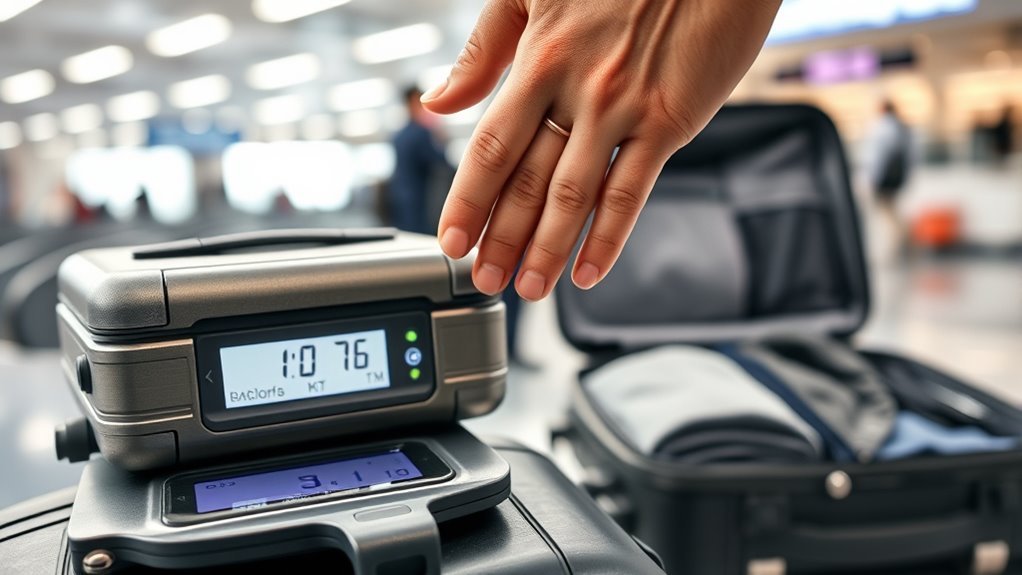
Because airlines peg fees and limits to pounds and kilos, suitcase weight directly affects your travel costs and convenience. You’ll face extra charges if your bag tips over limits, so you’ll weigh decisions about what to pack.
Heavier luggage slows you down: lifting, stowing, and hauling add effort and increase stress between connections. Overpacked cases can lead to damage to zippers, handles, and your belongings.
If you travel often, lighter packing saves money, reduces strain, and improves mobility. You’ll also avoid last-minute repacking at airports, making departures and arrivals smoother and less fraught.
Quick Answer: Average Suitcase Weights by Traveler Type
While your packing habits vary, most travelers fall into clear weight ranges: carry-ons typically sit between 7–12 lbs (3–5 kg). Checked bags average 20–30 lbs (9–14 kg) for light packers and 40–50 lbs (18–23 kg) for heavy packers.
Most travelers fit tidy weight ranges: carry-ons around 7–12 lbs (3–5 kg), checked bags 20–50 lbs depending on packing style.
Family or long-trip suitcases can push 50–70 lbs (23–32 kg). You’ll find these typical profiles helpful when planning.
- Solo business traveler: lean carry-on, 7–12 lbs.
- Weekend tourist: light checked bag, 20–30 lbs.
- Extended traveler: fuller checked bag, 40–50 lbs.
- Family packer: multiple heavy suitcases, 50–70 lbs.
- Gear-heavy traveler: varies, often exceeds averages.
Typical Empty Weight by Suitcase Size
When you’re choosing a bag, size affects the empty weight a lot: most carry-on suitcases weigh between 5–9 pounds, while checked bags often start around 7–12 pounds and can go higher for larger or sturdier models.
You’ll want to factor that baseline weight into your airline allowance so you don’t eat into your packing limit.
Next, we’ll compare typical empty weights across common carry-on and checked sizes so you know what to expect.
Carry-On Average Weight
If you’re trying to estimate how much a typical carry-on weighs empty, think regarding materials and size. You’ll find variations by construction and features, but most fall into predictable ranges. Consider these typical empty weights so you can pack smart and avoid surprises at the gate:
- Small soft-sided carry-on (overnight): ~2–3 lbs (0.9–1.4 kg)
- Standard 20–22″ spinner, polycarbonate: ~6–8 lbs (2.7–3.6 kg)
- Lightweight 20–22″ fabric: ~4–6 lbs (1.8–2.7 kg)
- Airline-compliant compact rollers: ~3–5 lbs (1.4–2.3 kg)
- Hybrid hardshell with extras: ~7–9 lbs (3.2–4.1 kg)
Checked Luggage Weight
You’ve seen how carry-ons vary by material and features; checked luggage follows the same logic but on a bigger scale. You’ll feel the weight difference as soon as you lift a 28-inch spinner versus a 20-inch. Hard-shells add heft; soft-sided bags can be lighter but absorb bulk. Manufacturers balance durability and tare weight so you can pack more without surprise fees. Check dimensions and empty weight before you buy; every pound limits souvenirs. Compare sizes emotionally—freedom, burden, confidence—so you choose a bag that matches your travel style.
| Size | Typical Empty Weight | Feeling |
|---|---|---|
| 20″ | 6–8 lb | Light |
| 24″ | 8–11 lb | Ready |
| 28″ | 9–13 lb | Loaded |
Average Packed Weight : Weekend Trips (2–3 Days)
For a 2–3 day weekend trip, you’ll usually aim for a carry-on that stays around 15–22 pounds once packed.
Pack versatile clothing—think two bottoms, three tops, one light jacket, and essentials like underwear and socks—to keep weight low.
That combo lets you travel light without sacrificing outfits or comfort.
Typical Carry-On Weight
When you pack for a 2–3 day weekend, most travelers end up with a carry-on weighing between 10 and 18 pounds (4.5–8 kg), depending on how many outfit changes and toiletries they bring. You’ll likely aim for lightness while keeping essentials handy. Consider compact choices and balance comfort with weight limits.
- Lightweight clothing pieces
- One pair of shoes
- Toiletry kit (travel sizes)
- Electronics and chargers
- Small extras (book, snacks)
You’ll monitor weight by packing multipurpose items, using travel containers, and avoiding duplicates. This keeps you under airline limits and makes moving through airports easier.
Clothing Quantity Guide
Having sorted carry-on basics, now focus on how many garments to pack — and how much they’ll add to your bag.
For a 2–3 day weekend, aim for: two tops, one pair of pants or skirt, one pair of shorts or alternate bottom, two sets of underwear, two socks, one light layer, and one pair of shoes.
Choose lightweight fabrics and wear your bulkiest items on travel days.
Expect clothing to weigh roughly 4–6 pounds (1.8–2.7 kg) total, depending on fabrics and shoes.
Roll garments to save space and minimize wrinkles while keeping weight predictable.
Average Packed Weight : Short Vacations (4–7 Days)
If you’re packing for a short trip of four to seven days, expect your suitcase to land between about 15 and 30 pounds (7–14 kg) once clothes, toiletries, and a few extras are inside. You’ll pack light but practical: mix casual and one dressier outfit, limit shoes, and bring travel-size essentials. Aim for versatile fabrics and plan outfits by day. Consider laundry options to cut weight.
- 2–3 tops that mix and match
- 1–2 bottoms (one versatile pair)
- 1 light jacket or sweater
- 1 pair of shoes you’ll actually wear
- Compact toiletries and chargers
Average Packed Weight : 1–2 Week Trips
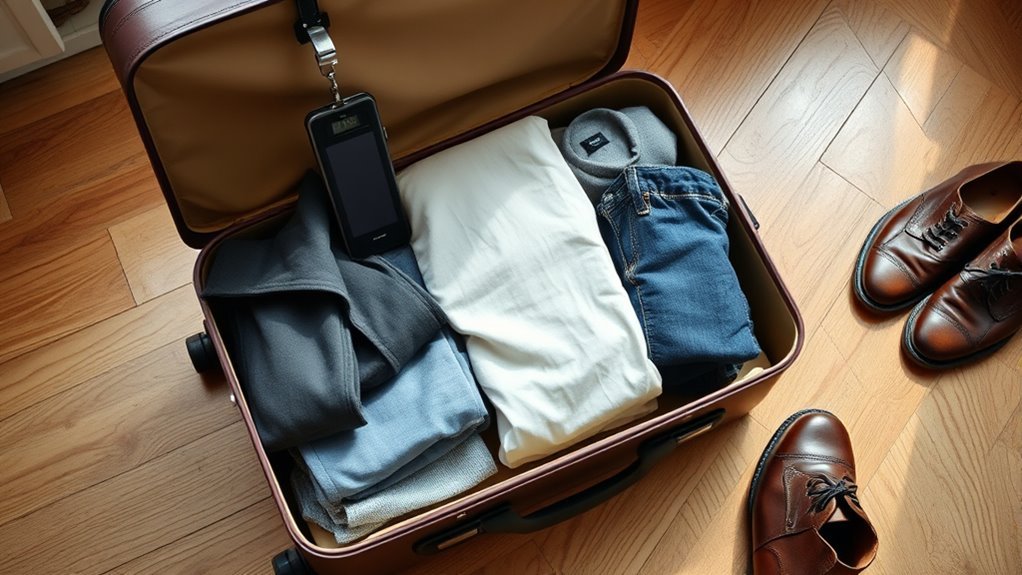
For 1–2 week trips, your packed suitcase will usually fall between 25–45 pounds depending on destination and how many shoes or heavy items you bring.
You can cut weight by choosing versatile clothing, wearing bulkier layers on the plane, and using travel-sized toiletries or refillable bottles.
Packing cubes and a simple laundry plan will help you bring less without sacrificing outfit options.
Typical Weight Range
When you’re packing for a 1–2 week trip, most travelers end up with a suitcase that weighs between about 15 and 35 pounds (7–16 kg) once clothes, toiletries, shoes, and a few extras are included.
You’ll usually fall in that span depending on materials, destination climate, and activities. Typical breakdowns look like:
- Basic clothing and underwear: 8–15 lb
- Shoes (1–2 pairs): 3–8 lb
- Toiletries and small electronics: 1–5 lb
- Outerwear or dress items: 2–6 lb
- Extras (books, souvenirs): 1–4 lb
This range covers light to moderately packed travelers.
Packing Tips To Reduce
You’ve seen how typical items add up, so now focus on practical ways to shave pounds off your 1–2 week suitcase without sacrificing what you need. Prioritize versatile clothing, wear bulky items on the plane, limit shoes to two pairs, and use travel-sized toiletries. Roll clothes, pack cubes, and plan outfits around a color palette. Weigh your bag before leaving home and remove anything nonessential. Consider laundry options mid-trip and choose fabrics that dry fast. Aim for balance between comfort and lightness so you’re not hauling excess weight.
| Tip | Action |
|---|---|
| Versatility | Choose mix-and-match pieces |
| Layers | Wear heavy items traveling |
| Toiletries | Use travel sizes |
| Organization | Use packing cubes |
| Shoes | Limit to two pairs |
Average Packed Weight : Long Trips (3+ Weeks)
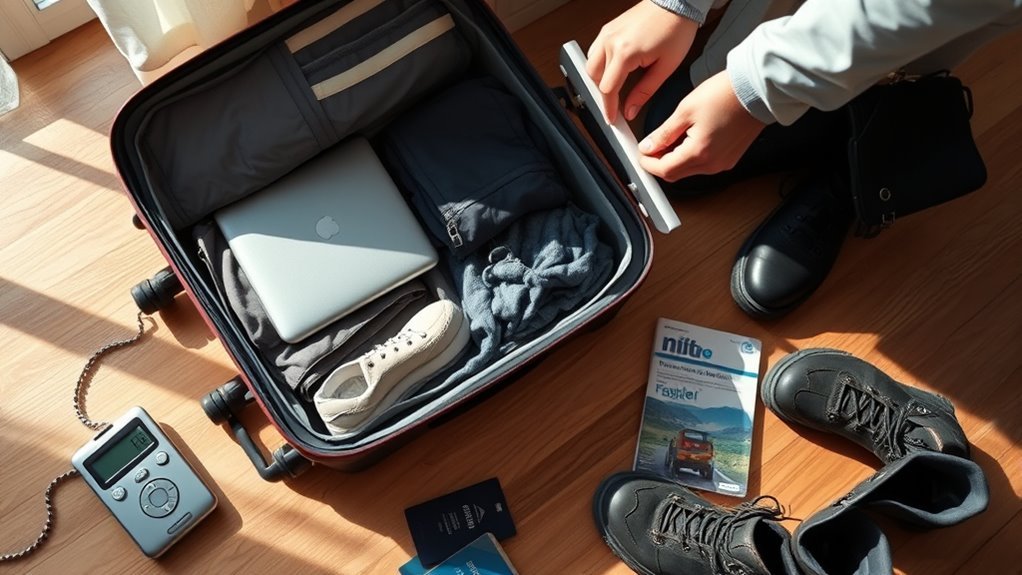
Curious how much luggage you’ll haul on a three-week-or-longer trip? You’ll likely pack heavier than a weekend jaunt, balancing clothes, toiletries, and extras.
Expect checked bags around 18–28 kg (40–62 lbs) depending on destination, weather, and laundry access. Plan smart to avoid excess:
- Choose versatile clothing that layers
- Limit shoes to 2–3 pairs with distinct purposes
- Opt for travel-size toiletries and refillable bottles
- Do laundry mid-trip to cut clothing volume
- Use compression packing cubes to maximize space
With those habits, you’ll keep weight reasonable while staying prepared for diverse activities.
Carry-On Suitcase Weights & Airline Limits
Although carry-on rules vary widely by airline and route, most carriers set size and weight limits you’ll need to meet—typically about 7–10 kg (15–22 lbs) for strict international airlines and up to 10–12 kg (22–26 lbs) for many U.S. and low-cost carriers—so check your airline’s policy before you pack.
You’ll also face linear size caps (usually around 55×40×20 cm or 22×16×8 inches) and gate checks if bins are full.
Aim for a packed carry-on near 7–9 kg to avoid surprises, distribute weight evenly, and prioritize essentials, electronics, and valuables in that bag.
Checked-Bag Weights and Typical Airline Allowances
If you’re planning to check a bag instead of relying on carry-on limits, expect different weight rules and fee structures: most international airlines cap standard checked bags at 23 kg (50 lbs), while U.S. carriers often allow up to 32 kg (70 lbs) for certain fare classes or premium travelers.
You’ll want to know pounds vs kilograms, fees for overweight items, and how size limits interact with weight.
Typical considerations include:
- standard weight allowances per ticket class
- overweight and oversize surcharge ranges
- frequent flyer and premium exemptions
- interline and transfer baggage policies
- weighing tips at home and the airport
How Suitcase Construction Affects Empty Weight
Because the materials, frame, and hardware determine a bag’s baseline weight, you’ll notice big differences between models even before you pack. You should inspect construction choices: hard-shell versus soft-sided shells, integrated or removable frames, and wheel assemblies.
Reinforced corners, metal zippers, and extra pockets add ounces; molded polycarbonate or aluminum frames add pounds. Design priorities—durability, protection, or lightness—influence those choices.
You can balance needs by choosing minimalist interiors, slim handles, and low-profile wheels to shave weight without sacrificing function. Knowing construction trade-offs helps you pick a suitcase that meets both weight limits and travel habits.
How Materials Change a Suitcase’s Empty Weight
How much a suitcase weighs before you pack it depends largely on what it’s made from; different materials change empty weight by ounces or even several pounds. You’ll notice choices affect durability, feel, and packing limits. Consider material trade-offs so you pick what fits your travel style:
- Polycarbonate: lightweight, rigid, resists dents, adds minimal empty weight.
- ABS plastic: cheaper, a bit heavier, more prone to cracking.
- Aluminum: very durable, noticeably heavier, excellent protection.
- Ballistic nylon: flexible, light to moderate weight, stands up to abrasion.
- Canvas or cotton blends: lightest, less structured, can absorb moisture.
How Wheels, Handles, and Frames Add Weight
Beyond material choices, the hardware you pick can add a surprising amount of empty weight to a suitcase. You’ll notice spinner wheels, reinforced frames, and retractable handles each contribute ounces that add up.
Four-wheel spinners offer mobility but weigh more than two-wheel designs. Telescoping handles with thicker tubing feel sturdier yet increase base weight.
Internal frames or metal reinforcements protect contents but swap grams for rigidity. Even wheel housings and bearings matter: quality parts can be heavier.
When choosing luggage, balance durability and maneuverability against empty weight so you don’t sacrifice your checked or carry-on allowance.
Packing Method: Rolled vs Folded and Weight Effects
When you choose between rolling and folding clothes, you’ll affect not just space but also the suitcase’s overall weight distribution and perceived heft. You’ll notice differences when lifting, shifting, or balancing a packed bag.
Consider these practical effects:
Consider these practical effects: rolling compresses fabric for volume, folding spreads weight to improve balance and stability.
- Rolling compresses fabrics, letting you fit more and centralize mass.
- Folding stacks items flat, which can spread weight evenly across the case.
- Rolled bundles can create dense pockets that change the center of gravity.
- Folded layers may prevent shifting but can trap empty air around rigid items.
Choose based on how you carry the bag and whether balance or volume matters more.
Clothing Choices and Their Weight Impact
Choosing what fabrics and items to pack directly changes your suitcase’s weight and how manageable it feels. You should favor lightweight, quick-dry fabrics like nylon, polyester blends, and thin merino wool for versatility without bulk.
Limit heavy items such as denim, thick sweaters, and bulky outerwear; swap one coat for a packable down jacket or layer strategically.
Choose multi-use garments that mix and match, and consider compression bags for soft items to save space, though they don’t reduce fabric weight.
Pack fewer duplicates, launder on the road when possible, and weigh items mentally to prioritize lighter options.
How Footwear Drives Up Suitcase Weight
One or two pairs of shoes can add several pounds to your suitcase, and bulky footwear like boots or sneakers quickly becomes the heaviest single category of items you pack. You’ll want to assess each pair’s weight and purpose before tossing them in. Consider trimming down without sacrificing comfort or style.
- Pack versatile shoes you’ll actually wear
- Wear your bulkiest pair on the plane
- Use packing cells or shoe bags to save space
- Limit fashion-only pairs that sit unused
- Choose lightweight materials for longer trips
Being selective about footwear immediately lowers overall baggage weight and avoids surprises at check-in.
Toiletries: Average Weight Contribution
Although toiletries don’t take up much space, they can still add two to five pounds to your suitcase depending on how you pack. You’ll typically account for travel-sized bottles, a razor, toothpaste, sunscreen, and maybe a small hairbrush.
Liquids are the heaviest contributors, especially full sunscreen or shampoo bottles, so transfer products into lightweight travel containers or buy on arrival to cut weight. Solid alternatives like bar soap and solid shampoo save ounces.
Pack only essentials and use resealable bags to prevent leaks. Weigh your kit if you’re near airline limits, and adjust items accordingly before leaving.
Electronics and Chargers: Typical Added Weight
If you pack a laptop, tablet, phone, and their chargers, expect electronics to add about 3 to 8 pounds to your suitcase depending on device size and charger type. You’ll want to balance functionality and weight, choosing lighter chargers, compact power banks, and one multiport adapter when possible.
- Lightweight laptop (2–4 lbs)
- Tablet or e-reader (0.5–1.5 lbs)
- Smartphone and case (0.4–0.8 lbs)
- Chargers, cables, adapter (0.3–1.5 lbs)
- Power bank (0.3–1.2 lbs)
Pack items in protective sleeves, consolidate cables, and stow heavy pieces near wheels for better handling.
Documents, Books, and Extras: Cumulative Weight
Electronics are handy, but you’ll still bring paper and small extras that quietly add weight. You’ll pack passports, itineraries, a travel guide or paperback, and maybe a notebook plus pens.
Electronics help, but don’t forget papers and small extras—passports, guides, notebooks, pens—those grams add up.
Boarding passes and receipts pile up; a folder or zip pouch keeps them tidy but adds grams. Maps and a paperback guide average 200–400 g; documents and folders 50–150 g.
Business travelers might add a brochure or contract pages. Don’t forget small extras: sunglasses case, toiletries samples, chargers’ manuals.
Tally these items when estimating suitcase weight to avoid surprises at the check-in counter.
Seasonal Packing Differences and Weight
In winter you’ll pack heavier items like coats, boots, and extra layers that quickly add pounds to your suitcase.
In summer you can cut weight with breathable fabrics, sandals, and fewer bulky pieces.
Comparing those seasonal choices shows why average suitcase weight climbs in cold months and drops in warm ones.
Winter Layering Impact
Wondering how winter clothes change your suitcase weight? You’ll notice bulk and density add pounds fast, so plan layers and prioritize versatile pieces. Pack smarter to balance warmth and carry-on limits.
- Heavy coat or parka: wear on travel days to save weight.
- Insulating mid-layers: fleece or down compress well, choose compressible options.
- Base layers: lightweight thermals cut bulk without sacrificing warmth.
- Boots vs. shoes: wear heavier footwear, pack lighter alternatives.
- Accessories: hats, gloves, scarves add little weight but boost warmth.
You’ll reduce total weight by choosing compressible fabrics and wearing the bulkiest items.
Summer Minimal Packing
Switching from bulky winter gear to summer minimal packing lets you shave pounds and simplify your bag. You’ll trade heavy coats and boots for lightweight fabrics, sandals, and a compact hat, cutting checked-bag weight substantially.
Choose versatile pieces that mix and match, quick-dry materials, and a single pair of comfortable shoes to reduce volume. Use packing cubes and roll clothes to maximize space and avoid overpacking duplicates.
Limit toiletries to essentials in travel sizes and rely on laundry or local services. By planning outfits and prioritizing multipurpose items, you’ll carry less and move faster with a lighter suitcase.
Traveler Types: Minimalist to Maximalist Averages
Although your packing style may shift with the trip, most travelers fall somewhere between two clear extremes: the minimalist and the maximalist. You can gauge typical suitcase weights by where you sit on that spectrum.
Whether you pack light or bring everything, your suitcase weight reflects where you fall between minimalist and maximalist.
Minimalists aim for essentials, keeping carry-ons light and mobile. Maximalists pack options, souvenirs, and extras that add pounds quickly.
Between those poles, average weights vary predictably by intent and duration:
- Minimalist: streamlined outfits, toiletries, ~7–12 lb
- Light traveler: one checked bag, ~15–25 lb
- Moderate: multi-week prep, ~25–40 lb
- Heavy: lots of gear, ~40–55 lb
- Maximalist: full wardrobe, >55 lb
Business vs Leisure Traveler: Average Weights
If you travel for work, you’ll usually carry a lighter, more organized bag focused on essentials like a laptop and a few outfits.
As a leisure traveler, you tend to pack heavier with extras for activities, comfort, and outfits.
Comparing those packing habits shows why business carryweight averages are often lower than leisure luggage totals.
Business Traveler Carryweight
When you’re packing for work travel, you’ll usually carry less than a leisure traveler does. You focus on essentials, streamlined outfits, and tech, which keeps your suitcase lighter and more predictable.
Typical business carryweight ranges from 8–18 kg (18–40 lbs) depending on trip length and meeting formality.
- Lightweight suit or blazer
- One to two pairs of shoes
- Laptop, charger, and phone gear
- Minimal toiletries and a compact grooming kit
- A couple of shirts and versatile trousers
You’ll often prioritize weight limits and mobility, packing to move quickly between meetings and airports.
Leisure Traveler Luggage
Because leisure trips mix activities and souvenirs, your suitcase will usually weigh more than a business traveler’s, often ranging from 12–25 kg (25–55 lbs) depending on destination and trip length.
You’ll pack casual clothes, shoes for varied terrain, swimwear, and extras like a camera, chargers, and toiletries, which add bulk.
If you plan outdoor adventures or cold-weather visits, technical gear and layers push weight higher.
You might also bring items for comfort or special occasions, increasing mass.
Expect variability: weekend city breaks sit at the low end; multiweek or activity-heavy holidays reach the high end.
Packing Habits Comparison
Although business and leisure travelers often share destinations, their packing habits produce noticeably different average suitcase weights. You’ll notice patterns when you compare what each packs and why. Consider these typical differences that affect weight:
- Business: multiple suits and dress shoes for meetings.
- Leisure: casual clothing, extra shoes, and souvenirs.
- Business: electronics like laptops and chargers add bulk.
- Leisure: more toiletries, beach gear, or camera equipment.
- Both: travel length and climate dictate quantity and weight.
You can pack lighter by prioritizing versatile items, limiting duplicates, and choosing lightweight fabrics and shoes.
Family Travel: Per-Person and Shared Bag Averages
Traveling as a family changes how you think about suitcase weight: instead of one heavy bag per person, you’ll usually split items across individual carry-ons and a few shared checked bags, so per-person averages fall lower while shared-bag weights rise.
You’ll pack communal items—bulk toiletries, beach gear, snacks—into one or two larger suitcases that commonly weigh 25–35 kg combined for a family of four, while each person’s carry-on stays around 7–10 kg.
That balance reduces individual hauling but concentrates weight into checked bags, so plan for airline limits and consider distributing dense items to avoid excess fees.
Backpackers & Carry-Light Nomads: Target Weights
If you travel light, you’ll aim for ultralight backpack targets—often 7–12 kg base weight—to keep moves quick and comfortable.
For most carry-on focused trips, expect total packed weight around 8–10 kg including clothes and toiletries.
Long-term nomads usually carry a bit more for durability and variety, commonly landing between 10–15 kg depending on climate and gear needs.
Ultralight Backpack Targets
When you aim to go ultralight, you set specific target weights that guide every gear choice and packing decision. You’ll pick a base weight (pack plus core gear) and add consumables per day, keeping the total comfortable for distance and terrain.
Typical personal targets vary by experience and route:
- Base weight: 4–10 lb (1.8–4.5 kg)
- Base + food/water for day: 8–15 lb (3.6–6.8 kg)
- Weekend minimalist: 6–10 lb (2.7–4.5 kg)
- Thru-hike conservative: 12–20 lb (5.4–9 kg)
- Ultralight expert: under 10 lb (4.5 kg)
You adjust targets by climate and safety margins.
Typical Carry-On Weights
Because you’ll often be on the move, carry-on weight becomes a practical limit that shapes what you bring and how you pack. Aim for 6–10 kg (13–22 lb) if you’re a light traveler; 8–12 kg (18–26 lb) suits those wanting a few extras.
Prioritize versatile clothing, compact toiletries, and dual-use gear. Use a 30–40L pack or compact wheeled bag to control bulk and weight distribution.
Weigh bags before departure, trim nonessentials, and pack heavy items close to your back or wheels. That balance keeps you mobile, comfortable, and ready for quick transit.
Long-Term Nomad Loads
Although you’ll be carrying your kit for months at a time, aim to keep your base weight (everything except consumables and water) between 6–10 kg (13–22 lb) for ultra-light backpacking and 8–12 kg (18–26 lb) if you want a bit more comfort or seasonal gear.
You’ll move more easily, spend less on transport, and avoid chronic shoulder strain. Prioritize multifunctional items and durable fabrics. Pack with purpose: don’t chase minimalism for its own sake.
Consider this quick checklist for trimming weight:
- Lightweight shelter or hostel-first strategy
- One versatile jacket, one layer system
- Minimal footwear options
- Compact hygiene kit
- Lightweight electronics only
Airline Overweight Fees and Thresholds
Curious how much extra you’ll pay if your bag tips the scales? Airlines set specific weight thresholds—commonly 23 kg (50 lb) for economy checked bags and 32 kg (70 lb) for oversized pieces.
If your bag exceeds the lower limit, you’ll usually face a fixed overweight fee. Passing the higher cap can mean a much steeper charge or refusal to accept the bag.
Fees vary by carrier, route, and fare class, so check policies before travel. Some airlines allow paid weight increases in advance at lower rates than airport fines.
Always confirm limits and fees during booking to avoid surprises.
How to Weigh Your Bag Accurately at Home
Now that you know the weight limits and potential fees, you’ll want to confirm your bag’s mass before you leave home. You can do this quickly with items you have and a few simple steps to avoid surprises at the airport.
Before you leave, quickly confirm your bag’s mass at home to avoid airport surprises.
- Use a bathroom scale: weigh yourself, then weigh holding the bag; subtract.
- Use a luggage scale or hanging scale for direct readout.
- Check wheel/handle weight by weighing components separately if needed.
- Distribute contents and reweigh after adjustments to balance loads.
- Round up slightly to account for scale variance; aim under the limit.
Packing Checklist to Hit Common Airline Limits
When you’re packing, prioritize a concise checklist that targets common airline weight and size limits so you don’t face unexpected fees at the gate. Check carry-on dimensions, set a checked-bag weight target (usually 20–23 kg), and verify personal item rules. Use a home scale, distribute weight evenly, and note bulky items. Pack essentials and weigh again before leaving.
| Item to Check | Action |
|---|---|
| Carry-on size | Measure and compare to airline limits |
| Checked weight | Aim ≤ allowance; weigh at home |
| Personal item | Ensure fits under seat |
| Bulky items | Consider wearing or redistributing |
Smart Swaps to Trim Pounds Without Losing Essentials
After you’ve checked dimensions and weighed your bags, look for simple swaps that shave pounds without sacrificing what you need. You’ll keep essentials while cutting bulk by choosing lighter alternatives and streamlining items.
Replace heavy or duplicate things with smarter picks, pack multiuse items, and rethink bulky packaging. Small changes add up fast.
- Swap full bottles for travel-sized refillable containers
- Choose a lightweight jacket over a bulky coat
- Pack versatile clothing pieces you can layer
- Bring a compact travel towel instead of a bath towel
- Replace hardcover books with e-reader files
Choosing a Suitcase That Helps You Stay Under Limits
When you pick a suitcase, balance weight against durability so the bag itself isn’t eating your allowance.
Consider how capacity and construction affect what you can pack without tipping the scales.
Also check common airline limits to make sure your new case keeps you within their size and weight rules.
Weight vs Durability
Because airlines charge by the pound and you want room for souvenirs, pick a suitcase that balances low weight with sturdy construction. You’ll save on fees and avoid fragile baggage in transit.
Evaluate materials, frame, and hardware so you don’t overpack compensating for weak gear.
- Choose polycarbonate or lightweight aluminum for shell strength.
- Inspect zippers and handles; reinforced parts cut repair risk.
- Opt for double-spinner wheels for stability without bulk.
- Consider removable components you can swap if damaged.
- Test for flex under load to ensure durability without excessive weight.
Make choices that keep you light and resilient on the road.
Capacity Versus Weight
Balancing a suitcase’s capacity with its tare weight lets you pack what you need without tipping airline scales, so think about how much usable volume you really require versus how heavy the case itself is. You’ll choose light materials and clever internal layouts to maximize usable space without adding bulk.
Hard shells can save space but add tare weight; soft-sided bags compress but may encourage overpacking. Use packing cubes to organize and compress clothing, and prioritize multifunctional items.
Measure internal dimensions and compare to your typical load—pick a bag that leaves a modest weight buffer so you’re not forced to remove essentials.
Airline Limit Compatibility
If you want to avoid surprise fees and gate-check headaches, pick a suitcase that matches the airlines you fly most often. You’ll stay under weight and size caps when you choose wisely. Check airline maximums, then compare to empty suitcase weight and external dimensions.
Balance durability against lightness so you don’t sacrifice protection for a few pounds. Consider measured packing habits, too.
- Choose carry-on dimensions airlines accept most commonly.
- Prefer lightweight hardshells or soft cases with reinforced corners.
- Weigh your empty bag before buying.
- Factor in typical trip length and souvenirs.
- Use a travel scale to pack precisely.
Using Packing Cubes & Compression to Save Space/Weight
When you organize clothes into packing cubes and use compression bags, you’ll fit more in the same suitcase and keep items tidier and easier to find. Use cubes by category—shirts, underwear, electronics cords—so you grab what you need without unpacking everything.
Compression bags squash bulky sweaters, freeing volume and letting you avoid heavier checked luggage fees. Don’t over-compress delicate fabrics; roll instead to reduce wrinkles.
Choose lightweight cubes and squeeze bags to minimize added weight. Weigh your packed bag before leaving to confirm limits.
Smart compression maximizes capacity and keeps your load manageable for travel.
How to Distribute Weight Across Bags and Passengers
Don’t pile most of your weight into one bag; spread heavier items between checked luggage and carry-ons so each piece stays under limits.
Use your personal item for denser things like electronics or a jacket to free up space in the main bag.
If you’re traveling with someone, split bulky or heavy items between you so no one person gets overloaded.
Balance Weight Between Bags
Although you might be tempted to stuff one bag full and leave the rest light, spreading weight evenly between suitcases and carry-ons — and among traveling companions when possible — makes handling, security checks, and airline limits far easier to manage. You’ll reduce strain, avoid overweight fees, and keep mobility.
Consider simple strategies:
- Weigh bags at home to split loads precisely.
- Pack heavier items low and centered in each bag.
- Share bulky gear with fellow travelers to balance counts.
- Reserve one bag for fragile or valuable items only.
- Rebalance at transfer points if weights shift.
These steps keep travel smooth and compliant.
Use Personal Item Strategically
You can make your personal item work harder by treating it as a targeted weight-and-access tool rather than just an extra tote. Pack valuables, electronics, a lightweight change of clothes, and meds there to reduce carry-on bulk. Use pockets for chargers and documents so the suitcase holds denser items. Distribute heavy but small things—battery packs, shoes—between your bag and a partner’s carry-on to avoid overweight fees and keep maneuverability.
| Item type | Where to place |
|---|---|
| Valuables | Personal item |
| Electronics | Personal item |
| Shoes | Suitcase |
| Chargers | Personal item |
Share Heavy Items Together
When you’re traveling with others, split heavy items between bags so no single suitcase tips the scales; prioritize balance over convenience so you avoid excess fees and strain. Communicate clearly, assign items, and tweak before you leave.
- Put dense items (shoes, books) in multiple bags
- Let stronger travelers take slightly heavier pieces
- Use carry-ons for fragile but light valuables
- Redistribute at check-in if one bag nears limit
- Keep one personal item for essentials and weight relief
This approach keeps individual loads manageable, reduces surprises at the counter, and helps you travel smarter together.
When to Pay for Extra Baggage vs Repacking or Shipping
If your suitcase tips the scale at the airport, decide fast whether paying for an extra bag, rejiggling what you packed, or shipping items home will cost you the least in time, money, and hassle. Weigh fees versus effort: an extra checked bag may be cheaper than overweight surcharges, but lines and limits matter.
Repack if you can redistribute weight into a carry-on or wear bulky pieces. Ship only when fees exceed courier costs or when time permits door-to-door delivery. Factor in layovers, return flight rules, and sentimental or fragile items.
Choose the option that minimizes total cost and stress.
Real Packing Examples: Sample Weight Breakdowns
Because concrete numbers make decisions easier, here are three real packing examples that show typical suitcase weights for different trip styles:
- a weekend city break, carry-on 7–9 lb (clothes, toiletries, light shoes).
- a one-week business trip, checked 18–25 lb (suit, dress shoes, tech, toiletries).
- a two-week vacation, checked 28–40 lb (more outfits, bulkier shoes, extras).
- Gear add-ons: camera, laptop, jacket can add 4–8 lb to any pack.
- Personal item: 3–6 lb (documents, snacks, chargers).
Use these ranges to plan or trim weight.
Common Mistakes That Add Unexpected Pounds
Although you aim to pack light, small habits can quietly add pounds to your suitcase: overpacking “just in case” outfits, keeping full-size toiletries, and failing to wear your bulkiest items on travel days all pile on weight. You can stop this by auditing choices: limit outfits, decant liquids, and plan layered looks. Don’t forget chargers and extras—leave duplicates. Weigh items mentally: shoes and jackets cost more in pounds than socks. Use a checklist to resist impulse items and remove nonessentials before zipping. Track patterns so future trips stay lean.
| Mistake | Fix |
|---|---|
| Overpacking outfits | Mix-and-match pieces |
| Full-size toiletries | Travel containers |
| Bulky wear | Wear on travel day |
| Extras/duplicates | One-of-each rule |
Monitoring and Adjusting Weight During Multi-Leg Trips
When you’re hopping between flights, trains, or cars, keep a running eye on your bag’s weight so you can adjust before a costly gate check or cramped transfer. You’ll want simple habits to spot shifts and fix them quickly:
- Weigh bags at each hub with a portable scale or airline kiosk.
- Shift heavy items to a carry-on if a connection tightens.
- Repack toiletries into smaller containers when you’re nearing limits.
- Wear bulkiest layers during transfers to free suitcase room.
- Donate or ship nonessentials at long layovers to avoid penalties.
Stay proactive and you’ll move through multi-leg trips with fewer surprises.
Eco Swaps That Cut Suitcase Weight
You’ve already learned to monitor and tweak weight during connections; now look at small, sustainable swaps that shave pounds before you even pack.
Choose lightweight, multi-use clothing in durable fabrics so you pack fewer items and wash less.
Pick lightweight, versatile pieces in sturdy fabrics—pack less, wash less, travel lighter.
Replace bulky toiletry bottles with concentrated solids—shampoo bars, toothpaste tabs—and use reusable, collapsible containers.
Swap heavy hardcover guides for a single e-reader or offline maps on your phone.
Bring a thin, quick-dry towel instead of a terry cloth one.
Opt for a compact, reusable water bottle and foldable shopping bag to avoid impulse purchases.
These eco swaps cut weight and waste.
Tools and Gadgets to Track and Control Suitcase Weight
Because airline fees and gate surprises can ruin a trip, using the right tools helps you monitor and control suitcase weight before you reach the airport. You’ll want compact, reliable gear that fits your packing habits and travel style. Consider options that give quick readings, protect gear, and simplify decisions so you avoid last-minute shuffling.
- Digital luggage scale: fast, accurate, handheld convenience.
- Smart suitcase with built-in scale: seamless weight checks on the go.
- Compression straps and cubes: reduce volume and distribute weight.
- Portable luggage tracker: keeps you from overpacking duplicates.
- Wearable travel scale: weigh backpacks or carry-ons anytime.
Action Plan: Targets and a 7-Step Pre-Travel Weight Check
If you want to avoid overweight fees and stress at the gate, set clear weight targets for each bag and follow a simple pre-travel routine that catches problems early.
Decide target weights: carry-on, checked, and a 10% buffer. Pack, weigh, and adjust; swap bulky for lighter items if needed. Reweigh after final outfit choices.
Use a compact scale, redistribute items between bags, and compress clothing. Confirm airline limits and weigh at home within 24 hours of departure.
Label spare essentials in your personal item. Final check: scale, straps, zippers—go confident, travel lighter.
Frequently Asked Questions
How Does Humidity Affect Suitcase Weight During Travel?
Humidity affects your suitcase weight because materials like fabrics, paper, and wood absorb moisture, so they get heavier; you’ll notice increases in damp climates, especially with porous contents, and sealed or synthetic items gain less weight.
Can Checked Baggage Weight Be Adjusted Mid-Flight or During Layovers?
No, you can’t adjust checked baggage weight mid-flight; airlines won’t reopen holds. During layovers you can reweigh and redistribute at the transfer desk or airline counter, but additional fees or repacking rules could apply.
Do Insurance Policies Cover Overweight Baggage Fees?
Mostly no — insurers usually don’t cover overweight baggage fees. You should check your policy, though; some premium travel or trip-delay plans might reimburse unexpected fees if you can prove expenses and the fees tie to a covered loss or delay.
How Much Weight Do Pet Carriers Add to Your Baggage Allowance?
Pet carrier weight usually counts toward your baggage allowance unless airline rules say otherwise; you’ll typically add 2–10 kg (4–22 lb) depending on carrier size and whether it’s checked or cabin. Check your airline’s policy.
Are Duty-Free Purchases Included in the Checked Bag Weight Limits?
Yes, duty-free purchases count toward your checked bag weight limits unless the airline states otherwise; you’ll need to add them to your packed weight and might face excess baggage fees if they push you over the allowance.
Conclusion
You’ve seen how suitcase weight affects fees, comfort, and travel ease, so aim to pack smart. Start with a lightweight bag, prioritize versatile clothing, and use compression and wearable layers to cut bulk. Weigh your case before you leave and at each connection, shifting items into a carry-on if needed. Keep an easy packing checklist and a portable scale—those small steps save stress, cash, and energy on every trip.