How Long Can Bed Bugs Live in Luggage
You can bring bed bugs home in your luggage because adults can survive weeks to months without feeding and eggs hatch in about 6–17 days. Nymphs live shorter spans, and cooler, dry storage can extend survival while heat and dryness kill them faster. Check seams, zippers, linings, and pockets; seal suspect items and launder or use heat treatment. Keep bags off beds and inspect before you leave, and continue for tips on containment and prevention.
Quick Answer: Bed Bugs in Luggage – Typical Survival Times
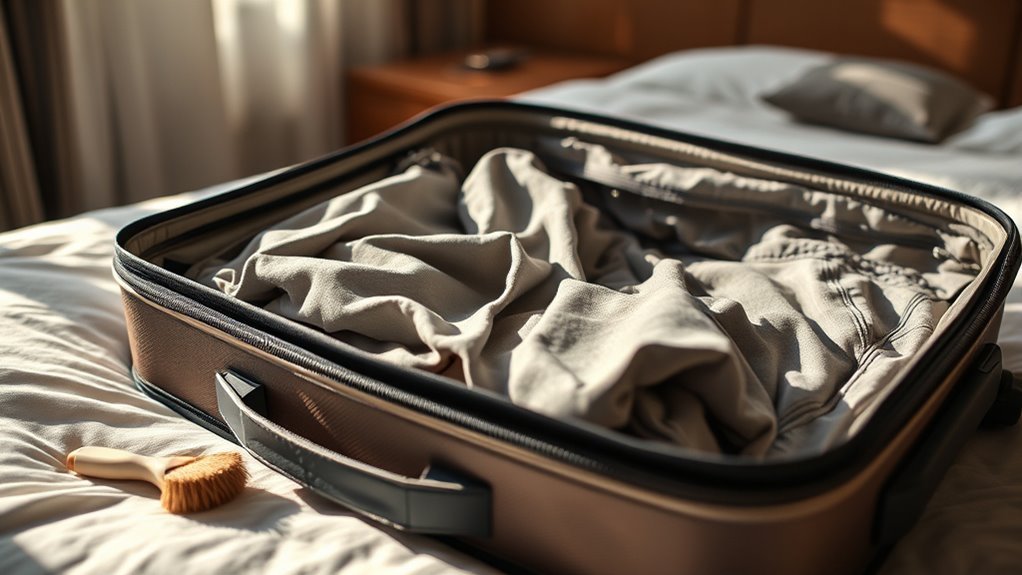
Although exact times vary with temperature and access to blood, bed bugs in luggage typically survive anywhere from a few days to several months. In cool conditions they can live longest.
You should expect levels of survival to hinge on life stage, temperature, and whether they can feed. Nymphs need blood more often and won’t last as long without it, while adults can endure weeks to months by entering dormancy.
Low heat and hiding spots in seams or linings extend survival. That means luggage can transport live hitchhikers across trips, so inspect, isolate, and treat items promptly to reduce spread.
Immediate Checklist: What to Do Before Leaving a Suspect Room
Before you leave a room you suspect has bed bugs, take a few quick, focused steps to minimize spreading them in your luggage. Keep your bags closed and off the floor—place them on a hard surface like a desk or dresser.
Before leaving a suspected bed bug room, keep bags closed and off the floor—place on a hard surface like a desk.
Isolate clothing in sealed plastic bags; seal dirty items separately.
Inspect seams and zippers briefly without unpacking; shake out small items into a bag.
Avoid placing luggage on beds or upholstered chairs. If available, use a luggage rack with metal legs.
Once outside, transport bags in your car trunk or an isolated area until you can inspect them properly.
Inspecting Luggage at Checkout: A Simple Step-By-Step
When you’re checking out, take a steady, systematic approach to inspect your luggage so you catch any hitchhiking bed bugs before they leave the room. Open every zipper, check seams, pockets, and folds under bright light. Turn items inside out when possible and scan with a flashlight. If you packed clothes in vacuum bags, unzip and inspect fabric edges. Keep luggage off the bed and floor; use a hard surface like a dresser.
- Inspect exterior seams, wheels, and handles.
- Check interior lining, pockets, and folded clothing.
- Use a flashlight and reseal only when satisfied.
If You Find Bed Bugs at the Hotel: Quick Containment Steps
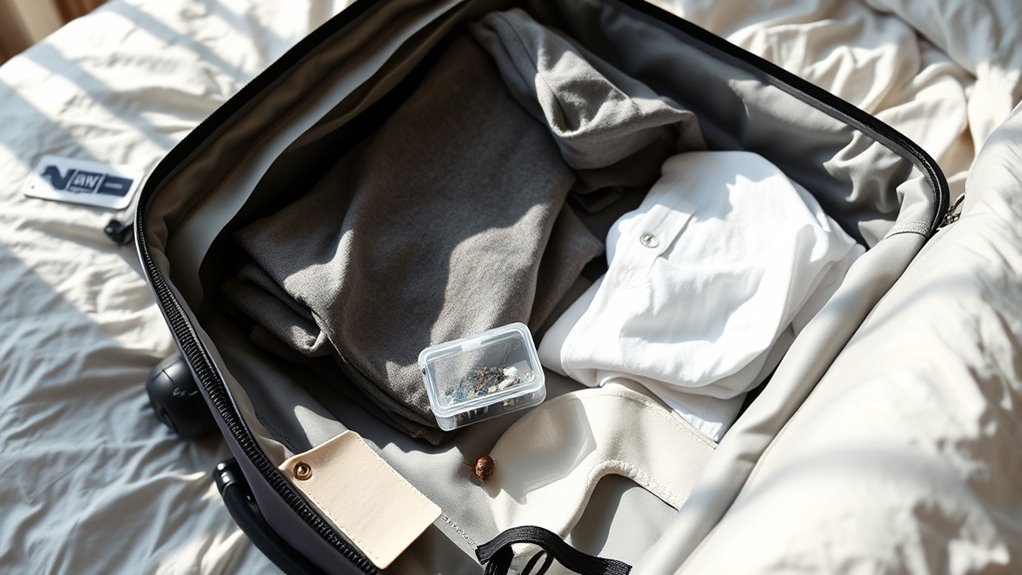
If you spot bed bugs in your room, immediately isolate your luggage by sealing it in plastic or moving it to a hard surface like a bathroom.
Inspect your clothing and place any suspect garments in sealed bags until you can launder them on hot.
Then notify hotel staff right away so they can address the infestation and protect other guests.
Isolate Your Luggage
Should you spot bed bugs in your hotel room, act fast to keep them from hitching a ride in your luggage. Move your bags to the bathroom or a hard surface away from the bed and upholstered items.
Zip or seal each suitcase in a plastic bag if possible, and keep them closed until you can treat or launder contents.
Don’t put luggage on the bed, floor, or closet; use a luggage rack if metal and inspect it first.
- Seal bags or use plastic liners.
- Keep luggage on nonfabric surfaces.
- Isolate until professional treatment or laundering.
Inspect Clothing Immediately
After you isolate your luggage, turn your attention to the clothes you were wearing and those packed nearest the bed — bed bugs can cling to seams and fabric folds. Inspect each item visually and shake garments outdoors if possible. Seal suspicious pieces in plastic bags and launder on high heat immediately; heat kills bugs and eggs. If you can’t wash right away, keep clothes sealed until you can. Check pockets, belts, and shoes thoroughly. Use a flashlight and lint roller for small crevices.
| Action | Why it helps |
|---|---|
| Shake outdoors | Dislodges insects |
| Seal in bag | Prevents spread |
| Hot wash/dry | Kills bugs and eggs |
Notify Hotel Staff
When you find bed bugs in your room, alert hotel staff right away so they can contain the problem and prevent it from spreading to other guests. You should ask for a room change and refuse to move your luggage until staff inspects it; this reduces the chance you carry bugs to a new room.
Request that staff document the report and arrange professional treatment. If they won’t help, escalate to management or seek a refund and change hotels. Keep receipts and photos for evidence.
- Isolate luggage and clothing immediately.
- Insist on inspection and documentation.
- Get alternative accommodations if unresolved.
How Temperature Affects Bed Bug Survival in Luggage
You’ll need to know the temperature thresholds that kill bed bugs and their eggs to protect your luggage. High heat for a sufficient duration—often above about 45°C (113°F) for 20–30 minutes—will reliably eliminate them.
While cooler conditions let them survive much longer. Understanding both the exact temperature and the exposure time helps you choose effective treatments like hot laundry cycles or steam.
Temperature Thresholds
Because bed bugs are ectotherms, temperature directly controls how long they can survive inside luggage—colder temps slow their metabolism and extend survival, while higher temps speed up physiological stress and kill them faster.
You’ll use thresholds to judge risk: below freezing, activity halts but long-term survival can vary; moderate cool slows development; warm accelerates feeding and reproduction.
Consider these practical ranges when evaluating infested luggage:
- 0°C to 10°C: Metabolism slows; adults may survive weeks to months.
- 10°C to 20°C: Reduced activity; development stalls.
- 25°C to 35°C: Ideal for rapid growth, shorter individual longevity.
Heat Exposure Duration
How long will heat actually take to kill bed bugs in your luggage? You’ll need higher temperatures for shorter times: at 120°F (49°C) you may need 90 minutes to an hour to ensure adults and eggs die.
At 130–140°F (54–60°C), exposure of 20–30 minutes is usually lethal. Lower temperatures require much longer exposure and mightn’t reach eggs.
Heat must penetrate layers and dense seams, so monitor internal temperature near packed items. Use a calibrated thermometer, avoid overheating materials, and keep luggage sealed in a hot car or professional heater until sustained target temperatures are maintained.
How a Blood Meal Changes Survival Time
When a bed bug feeds, it dramatically alters its immediate survival prospects: a fresh blood meal provides the nutrients and water the insect needs to endure longer periods without another host. You’ll find that fed bugs can resist starvation and travel stress better than unfed ones, so a bug stowed after feeding may live weeks longer in luggage.
Factors like meal size, temperature, and prior health affect endurance. Monitor luggage carefully and launder or heat-treat items after travel.
Meal size, temperature, and health determine how long fed bed bugs survive — check luggage and heat-treat clothing.
- Larger meals = longer survival.
- Warm conditions slow mortality.
- Weakened bugs die sooner than robust, fed ones.
Eggs vs Nymphs vs Adults: What Survives in a Suitcase
If you open a suitcase after a trip, you’ll usually find that adults, nymphs, and eggs differ sharply in their chances of surviving the journey. You’ll spot adults hiding in seams, nymphs clustering near warmth, and eggs glued to fabric. Each stage responds differently to temperature, starvation, and disturbance; eggs resist short trips, nymphs need frequent blood, adults roam more. Check corners, linings, and pockets.
| Stage | Mobility | Vulnerability |
|---|---|---|
| Eggs | None | High to heat, low to short starvation |
| Nymphs | Moderate | Moderate, need feeding |
| Adults | High | Can survive longer without feed |
How Long Adult Bed Bugs Can Live Inside Suitcases
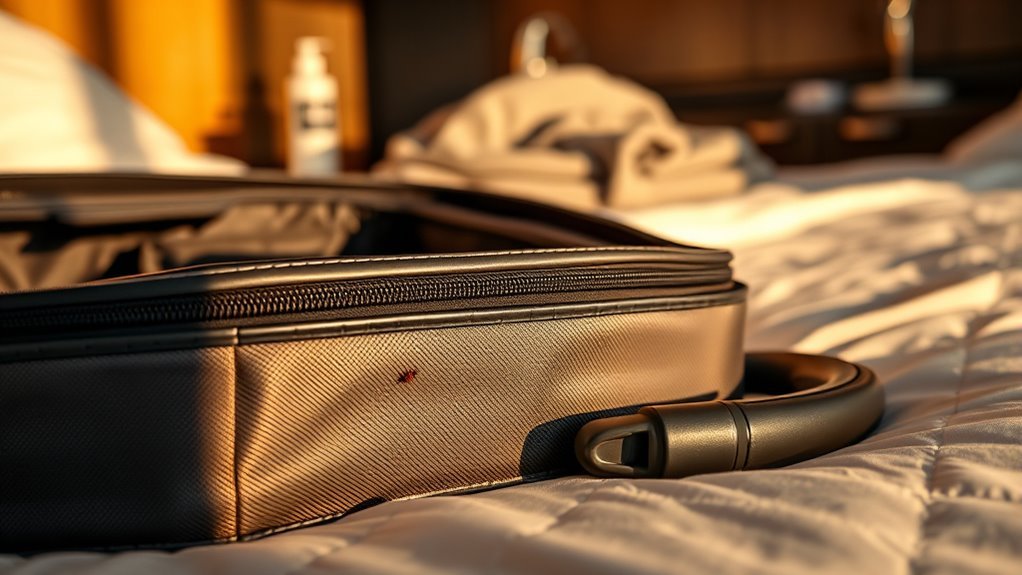
You should know adult bed bugs can survive weeks to months in a suitcase without feeding, depending on conditions. Temperature and humidity strongly affect their longevity—warm, humid environments let them persist longer, while cold or dry conditions shorten their survival.
Check seams, pockets, and linings for hiding spots where adults will cling and wait.
Survival Without Feeding
Although adult bed bugs can survive longer than many expect, their ability to live inside a suitcase without feeding depends mainly on factors like temperature, access to hiding spots, and the bug’s life stage.
You should know adults can survive weeks to several months without a blood meal under typical indoor conditions. In a suitcase they hide in seams, linings, and pockets, conserving energy and delaying reproduction.
Your risk rises if luggage sits undisturbed.
- Adults: weeks to months without feeding, depending on conditions.
- Nymphs: shorter survival; need more frequent feeding.
- Eggs: don’t feed and can remain viable until hatching.
Temperature And Humidity
Environmental conditions hugely affect how long adult bed bugs last in your suitcase. You’ll find they survive weeks to months depending on temperature and humidity: cool, dry conditions slow metabolism and extend life, while heat and low humidity shorten it. High humidity with moderate temperatures can also prolong survival. You should monitor storage conditions when packing or storing luggage.
| Temperature | Humidity | Expected Survival |
|---|---|---|
| Cold (<10°C) | Low | Months |
| Warm (20–30°C) | High | Weeks |
Hiding Spots In Luggage
When you unzip a suitcase, bed bugs can be hiding in seams, lining folds, and any stitched or insulated areas where they’re shielded from light and disturbance. You’ll find adults tucked into zipper teeth, under fabric labels, and inside wheel housings. They can survive weeks without feeding if the luggage stays cool and undisturbed, so inspecting and isolating bags matters.
- Zipper seams and stitching — small gaps let adults squeeze in.
- Lining folds and pockets — dark, tight spaces mimic mattress seams.
- Wheels and handle cavities — rigid plastic offers protected crevices for hiding.
How Long Nymphs and Eggs Can Persist in Suitcases
If you bring home infested luggage, nymphs and eggs can survive inside seams, fabric folds, and lining for weeks to months, depending on temperature and access to blood meals.
You should know nymphs need regular blood to molt; without it, young stages survive days to weeks, older nymphs longer. Eggs resist starvation but need warmth to hatch, typically within six to seventeen days; cooler conditions delay hatching and can extend viability.
Humidity also affects survival. Because they cling to crevices, you’ll find nymphs and eggs persist until they get a meal, are removed, or are exposed to lethal temperatures.
How Luggage Material and Construction Create Hiding Spots
You’ll find bed bugs slipping into zipper channels and seams where tight fabric overlaps and stitching leaves tiny gaps. They’ll also hide in interior linings and pockets, especially where layers bunch or are stitched to create small cavities.
Inspecting those narrow, sheltered spots is key because they offer protection and stable microclimates for eggs and nymphs.
Zipper Channels And Seams
Because zipper channels and seams form narrow, protected cavities, they’re prime spots for bed bugs to hide in luggage. You’ll find adults, nymphs, and eggs tucked where fabric meets metal or plastic, protected from light and many inspections. Check these areas carefully after travel.
- Inspect zipper teeth and fabric folds — bugs cling in tiny crevices.
- Examine seam allowances and stitching lines — seams create sheltered tunnels.
- Probe zipper end stops and sliders — gaps around hardware hide insects.
You should brush, vacuum, and treat these external junctions before bringing luggage indoors.
Interior Linings And Pockets
When you unzip your bag, the interior linings and pockets often reveal a maze of folds, flaps, and hidden corners where bed bugs can slip in and stay sheltered. You’ll find fabric hems, stitched channels, mesh pockets, and padded linings that create snug crevices adults and nymphs exploit.
Smooth synthetic liners are less hospitable than textured fabrics, but seams and glued layers still offer refuge. Inner compartments near zippers or cushioned walls provide warmth and darkness, prolonging survival.
Inspect and vacuum creases, turn pockets inside out, and wash removable linings; thorough checks reduce the chance bugs remain concealed.
Soft vs Hard-Shell Suitcases: Which Hides Bed Bugs More?
Although both soft and hard-shell suitcases can carry bed bugs, the way they’re built changes how likely those pests are to hide and survive. You’ll find soft bags have seams, fabric folds, and external pockets that offer many nooks for bugs to shelter and lay eggs.
Hard shells have fewer entry points but still feature zippers, linings, and wheels that can harbor insects.
- Soft-shell: lots of crevices, easier for bed bugs to access and remain concealed.
- Hard-shell: smoother exterior, lower surface hiding, but vulnerable at seams and hardware.
- Inspection: you’ll inspect seams, zippers, and wheel wells carefully.
How Clothing and Packed Items Shield Bed Bugs
If you pack tightly and layer garments, your clothes and accessories can create secluded pockets that shelter bed bugs from light and inspections. You’ll find seams, folded hems, and shoe interiors act as tiny refuges where bugs hide and survive. Fabric density slows detection and creates microclimates that preserve warmth and moisture. Check pockets, hems, and linings, and isolate suspect items. Use sealed bags and expose clothing to heat when possible. Be mindful of bulky items that mask movement; inspect straps, zippers, and toiletry pouches thoroughly.
| Pockets | Hems | Linings |
|---|---|---|
| Shoes | Belts | Scarves |
How Storage Location Changes the Risk (Hotel Room, Car Trunk, Closet)
Where you store your luggage changes how likely bed bugs are to survive and spread.
In a hotel room, leaving bags on the bed or floor next to the headboard raises the risk.
In a car trunk, fluctuating temperatures can shorten their lifespan but won’t guarantee eradication.
And in a closet, packed clothes and dark crevices can let bugs hide and persist.
Consider the specific pros and cons of each spot when you decide where to keep your bags.
Hotel Room Risks
When you stash your luggage in different places—on the hotel bed, in a closet, or down in the car trunk—the likelihood of picking up or transporting bed bugs changes noticeably. You should treat hotel rooms as highest-risk zones. Inspect mattress seams, headboards, and luggage racks; keep bags elevated and zipped. After a stay, isolate and inspect luggage before bringing it home.
- Check seams and tags near the bed and sofa.
- Use the luggage rack, not the floor or bed.
- Keep clothing in sealed plastic until washed in hot water.
Stay vigilant; early detection prevents house infestations.
Car Trunk Concerns
Because a car trunk is dark, insulated, and infrequently checked, it can be an attractive hiding spot for bed bugs and a risky place to store luggage after a hotel stay. You should assume trapped pests can survive hours to days depending on temperature; heat shortens survival, cool slows metabolism. Check seams, wheels, and pockets before bringing bags inside. Consider sealing luggage in plastic or using a hard case and inspecting before entering your home. Below is a quick risk snapshot.
| Factor | Impact |
|---|---|
| Temperature | Warmer = shorter survival |
| Humidity | Higher = favors survival |
| Access | Infrequent checks increase risk |
| Movement | Movement can dislodge bugs |
Closet Storage Effects
Although a closet seems safer than a hotel room or car trunk, storing luggage there changes the bed-bug risk profile: confined, dark, and often undisturbed. Closets let any hitchhikers hide in seams and corners and survive longer than they’d out in the open.
You should inspect and isolate bags before bringing them inside. Consider sealing luggage in plastic or using heat treatment if infestation is suspected. Closet humidity and temperature can prolong survival, so rotate and air out stored items.
- Inspect: check zippers, linings, pockets.
- Isolate: use sealed containers or garment bags.
- Treat: apply heat or professional remediation.
How Humidity and Airflow Affect Bed Bug Survival in Luggage
If you store luggage in a damp, poorly ventilated spot, bed bugs can survive longer than they’d in dry, airy conditions. You should know humidity slows desiccation, letting nymphs and adults retain moisture and live weeks to months inside fabrics and seams.
Conversely, low humidity and good airflow speed drying, stressing insects and reducing survival time. Air movement also disperses CO2 and heat cues, making infested luggage less attractive and lowering feeding chances.
To minimize risk, you’ll keep bags dry, elevate them off floors, and allow ventilation or use desiccants—measures that shorten bed bug survival.
How Travel Duration Changes Your Chance of Carrying Bugs Home
Short trips can actually raise your risk because overnight stays give bed bugs time to move into your luggage. If you only stay one night, those hitchhikers are more likely to cling to fabric and find a way home with you.
On longer trips the odds fall because bugs that missed an early transfer have more opportunities to drop off or die before you return.
Short Trips, High Risk
When you grab a weekend bag, you’re actually taking more risk than many travelers realize: brief stays often mean less thorough inspections and fewer chances for bed bugs to be noticed before you leave, so hitchhikers can easily end up in your luggage.
You’ll likely skim rooms, toss clothes in, and rush out—giving bugs time to crawl into seams and pockets. Short trips boost transfer odds because you’re not living in the space long enough to spot bites or droppings.
- Faster packing = more missed hiding spots.
- Quick checkouts = less time to inspect furniture.
- Carry-on use = bugs stay with you.
Overnight Stays Matter
Because you spend more nights in one place, overnight stays raise the odds that bed bugs will find and settle into your luggage, especially if you’re unpacking or leaving clothes out. You increase exposure each night: bed bugs forage mainly at night and hide near sleeping areas, so a second or third night gives them more chances to crawl into seams, pockets, or fabric folds.
Quick inspections and elevating bags help, but unpacking multiplies risk by scattering textiles. Pack worn clothes in sealed bags, check mattress seams before bed, and keep luggage closed and off soft surfaces to lower your chances.
Prolonged Travel Lowers Odds
Although longer trips mean more nights away, they actually tend to lower the chance you’ll bring bed bugs home because bugs need repeated opportunities to hitch a ride. Your routine usually evolves—you unpack, wash clothes, and switch accommodations, which breaks the cycle of continuous exposure.
You’ll reduce risk by moving luggage, laundering items, and inspecting rooms more often than on short stays. Treat each stop as a reset: empty bags, seal worn garments, and check seams. Follow these habits to minimize transport:
- Unpack and launder clothing promptly.
- Inspect and vacuum luggage between stops.
- Store bags off beds and floors.
Inspecting Packed Items: Where to Look for Eggs and Nymphs
If you’re checking packed items for bed bug eggs and nymphs, focus on seams, folds, and hidden crevices where tiny, pale eggs and newly hatched nymphs hide. Check inside seams of clothing, jacket linings, shoe interiors, and along zipper tracks.
Inspect hems, pleats, buttonholes, and pockets, turning garments inside out. Look under luggage lining, in interior pockets, and beneath removable padding.
Use a bright light and a magnifier to spot translucent eggs and small, fast-moving nymphs. Pay special attention to dark fabric junctions and clustered materials; being methodical reduces the chance you’ll miss early-stage infestations.
Immediate Treatments for Suspect Luggage (Contain, Isolate)
When you suspect luggage carries bed bugs, act quickly: isolate the bag in a sealed plastic bag or trash liner to prevent escape, and keep it away from sleeping or living areas until you can treat it. Seal zippers with tape, don’t shake contents over beds, and move the bag to a hard-surfaced entryway or garage. Label it so others won’t open it.
If you suspect bed bugs, seal the luggage in plastic, tape zippers, isolate it from sleeping areas, and label it.
- Remove loose items into disposable bags; tie and trash them.
- Inspect and vacuum seams and pockets; empty vacuum into a sealed bag.
- Keep the isolated bag closed until you choose an approved treatment or professional help.
Heat Treatments That Kill Bed Bugs (Dryers, Steam, Hot Boxes)
After you’ve isolated and inspected suspect luggage, heat offers one of the most reliable ways to kill bed bugs and their eggs without chemicals. You can use a hot dryer: run luggage-compatible items at 120°F (49°C) or higher for 30 minutes, checking care labels first.
A clothes steamer or handheld steamer applied slowly to seams and pockets also works; avoid soaking fabrics.
Commercial portable heat boxes or professional heat treatments raise internal temperatures uniformly, reaching lethal levels for all life stages.
Monitor temperatures with a probe thermometer, avoid damage by removing heat-sensitive items, and follow manufacturer or technician guidelines.
Does Freezing Luggage Work? Limits and Best Practices
Although freezing can kill bed bugs, it has important limits you need to know: you can use a freezer, but success depends on temperature, duration, and packing.
You’ll need to reach and maintain at least -18°C (0°F) for several days; brief exposure won’t work.
Place small, sealed items in the coldest part of the freezer and avoid overpacking so air circulates.
Don’t rely on household freezers for large suitcases. Consider professional cold treatments for bulky luggage.
- Temperature: -18°C/0°F or colder
- Time: minimum 3–4 days, up to a week for eggs
- Airflow: don’t overcrowd items
Safe Chemical Options for Luggage Surfaces
If you’re treating luggage for bed bugs, pick products labeled for use on fabrics and non-porous surfaces and follow the directions exactly.
You can use EPA-registered aerosol insecticides for seams and hard surfaces, and residual sprays formulated for textiles.
Avoid foggers and products not specified for luggage.
Pyrethroid-based options work for many infestations, but resistance occurs; consider insecticides with different active ingredients if needed.
Always test a small, hidden area to check for staining or fabric damage.
Wear gloves, vent the area, and let treated luggage dry completely before storage or reuse to reduce exposure and risk.
Laundering and Packing Tips to Reduce Infestation Risk
When you pack, put clean clothes in sealed bags or separate compartments to keep them from contacting potentially infested items.
Wash worn garments in hot water and dry on high heat to kill any hitchhikers before you repack.
Once everything’s clean and dry, seal your luggage to lock out new pests during travel and storage.
Pack Clean Clothes Separately
Wondering how to keep freshly laundered clothes safe from hitchhiking bed bugs? Pack clean items separately to prevent recontamination. Use sealed bags or packing cubes and keep them apart from worn garments and shoes. When you unpack, inspect and isolate the clean clothing before storing.
- Place washed clothes in clear, sealable bags or dedicated cubes.
- Keep a separate, labeled compartment for dirty or worn items; don’t mix.
- On return, remove sealed clean items first and transfer them directly to a dryer or closet after a quick visual check.
This habit cuts infestation risk and simplifies laundry routines.
Use Hot Water Wash
Because heat kills bed bugs and their eggs, wash infested or potentially exposed clothing in the hottest water the fabric can safely tolerate and dry on high for at least 30 minutes to guarantee eradication.
Sort items by fabric care, treat delicates with steam or a hot dryer bag, and seal washed garments in clean plastic until you return home or repackage.
Inspect pockets, seams, and shoes before laundering; brush out visible bugs into a container you can dispose of.
Repeat wash and dry if you suspect recent exposure, and avoid shaking clothes outdoors to reduce spreading insects around your home.
Seal Luggage After Packing
After you finish washing and drying your clothes, pack them into clean, sealed bags or compartments to keep any stray bugs out of your luggage. You’ll limit hiding spots and make inspection easier.
Use clear, heavy-duty bags or zippered packing cubes, and separate worn items from clean ones.
Seal toiletries and shoes too. When you arrive home, inspect sealed bags before bringing them inside.
- Use clear, heavy-duty zip bags or packing cubes to spot bugs quickly.
- Seal shoes and toiletries in separate bags to prevent transfer.
- Keep worn items isolated until you launder them again.
Long-Term Luggage Storage to Prevent Bed Bug Survival
If you want to make sure bed bugs don’t survive in your luggage over the long term, store bags in conditions that cut off their food, hideouts, and favorable temperatures. Keep luggage sealed, dry, and in cool or cold spaces; long deprivation and low temps reduce survival. Inspect and vacuum before storing, and avoid stacking against furniture or fabric where bugs hide. Rotate stored items occasionally and use hard-shell cases when possible. Monitor with interceptors or traps near storage.
| Action | Why it helps |
|---|---|
| Seal bags | Blocks entry/exit |
| Cool storage | Slows metabolism |
| Vacuum | Removes eggs and bugs |
| Inspect regularly | Catches infestations early |
If Bed Bugs Arrive Home: First 24-Hour Action Plan
Even with careful storage, you might still bring bed bugs home, and the first 24 hours set the tone for control. Act fast: isolate luggage outdoors or in a garage, seal it in plastic, and avoid carrying items into living spaces.
Inspect clothing and gear, using a flashlight to check seams and zippers; place washable items in hot water and dryer for at least 30 minutes. For non-washables, use a clothes steamer or lock items in sealed bags for several days.
Track bites and sightings so you can describe findings accurately if you seek further help.
- Isolate luggage immediately
- Launder hot and dry
- Steam or seal non-washables
When to Call Pest Control and What to Tell Them
When you suspect bed bugs in your luggage or start finding bites despite your quick actions, call a licensed pest control professional right away so they can assess the scope and stop an infestation before it spreads.
Tell them where and when you traveled, which items were packed, and any sightings or bites with dates and photos if possible. Mention treatments you’ve already tried, laundry and heat exposure, and whether pests were in the suitcase interior or on clothing.
Ask about inspection methods, treatment options, timelines, costs, and guarantees. Get a written plan and follow their prep guidelines before they arrive.
Carry-On Items: How to Avoid Bringing Bed Bugs on Board
Because carry-on items stay close to you, they’re the most likely way bed bugs hitch a ride home; inspect and pack smart to keep them out. Check seams, zippers, and pockets of bags and jackets before storing them in overhead bins or under seats. Keep clothing in sealed plastic bags and use hard-case toiletry containers. Limit soft items you bring aboard.
- Inspect: scan hotel room furniture and your seat area for dark spots or shed skins.
- Isolate: seal worn clothes and laundry separately in plastic.
- Clean: launder travel clothes immediately on hot and dry settings.
Choosing Luggage and Travel Habits to Lower Bed Bug Risk
If you pick the right luggage and adjust a few travel habits, you’ll greatly reduce the chance bed bugs hitch a ride home with you.
Choose hard-shell suitcases and minimal exterior pockets; smooth surfaces leave fewer hiding spots and are easier to inspect. Use bright-colored or distinctive bags so you spot them quickly and avoid mixing with others.
Keep luggage on racks or in the bathroom away from beds and upholstered furniture.
Zip clothes in sealable bags and launder immediately after travel, drying on high heat.
Inspect and vacuum luggage regularly, and store empty cases zipped and off the floor.
Check Hotels First: Reading Reviews and Bed Bug Reports
Before you book, check recent guest reviews and official bed bug reports so you don’t bring problems home. You’ll save time and worry by scanning multiple sources — hotel sites, travel forums, and municipal inspection databases. Look for patterns, not one-off complaints, and note dates to verify issues are recent.
- Check recent reviews for repeated bed bug mentions and photos.
- Search local health or housing department reports for verified incidents.
- Use aggregator sites and cross-reference to confirm credibility.
If you see ongoing problems, pick a different hotel; prevention is easier than dealing with infestations later.
Documenting and Reporting a Bed Bug Encounter While Traveling
When you find bed bugs while traveling, act quickly to document the situation and report it to hotel staff and local authorities so the issue gets resolved and others are warned.
Take clear photos of bugs, bites, mattress seams, and luggage placement.
Note dates, times, room number, and staff you contact.
Keep affected items isolated and bagged; label them.
Ask for a written incident report and a copy of any pest-control actions.
If you paid for the room, keep receipts and payment records.
Report the encounter on review sites and to local health or consumer agencies to help prevent further spread.
Frequently Asked Questions
Can Bed Bugs Transmit Diseases Through Luggage-Borne Bites?
No, bed bugs don’t transmit diseases through luggage-borne bites; they’ll bite and cause itching, allergic reactions, or secondary infections if you scratch, but you won’t catch infectious illnesses from their bites.
Can Pet Carriers or Stuffed Animals Carry Bed Bugs Home?
Yes — pet carriers and stuffed animals can carry bed bugs home. You’ll check them carefully, wash washable items hot, vacuum and isolate nonwashables, and treat infestations promptly to prevent spread and reintroduction into your home.
Will Hotel Staff Be Held Liable if Bed Bugs Spread via My Luggage?
You generally won’t be automatically entitled to compensation; liability depends on hotel negligence, local laws, and proof. You should document evidence, notify management promptly, preserve luggage, and consult a lawyer or local health authority to protect your rights.
Are There Legal or Insurance Options for Bed Bug-Related Losses?
Yes — you can pursue legal claims and insurance coverage for bed bug losses. You’ll need evidence, documented damages, and timely reporting; consult a lawyer and your insurer, and keep receipts, photos, and pest-control reports for support.
Can Professional Luggage Decontamination Services Guarantee Eradication?
No, they can’t guarantee eradication, but they can greatly reduce or eliminate infestation risks; you’ll want documented treatment, follow-up inspections, and possibly complementary measures because absolute guarantees aren’t realistic given reintroduction risks.
Conclusion
In short, you can’t afford to be lax—bed bugs can survive in luggage for days to months depending on temperature and food sources, so act fast. Always inspect your room and luggage, isolate suspicious items in plastic, launder clothes on hot, and report any encounter to hotel staff. Choose hard-shell bags, keep belongings off the floor, and check reviews before booking. Staying vigilant and following containment steps keeps you and your home bed‑bug free.