How Much Can Carry On Luggage Weigh Airline Limits Explained
Most airlines let you carry on between about 7–12 kg (15–26 lb), though some budget or regional carriers cap at 5–8 kg and premium fares often allow more. Size limits matter too—standard dimensions roughly 22 x 14 x 9 inches—so measure your bag and weigh it at home. Expect stricter rules on low-cost and small-aircraft routes and variable enforcement at the gate, and keep checking carrier policies if you want more details.
Quick Answer: Typical Carry-On Weight Ranges By Airline
While carry-on weight limits vary by carrier, most major airlines let you bring a bag that weighs between 7 kg (15 lb) and 10 kg (22 lb).
Most airlines allow carry-ons weighing about 7–10 kg (15–22 lb), though limits can vary by carrier.
You’ll find exceptions: some international and low-cost carriers allow up to 12 kg (26 lb), while premium or regional airlines may cap at 5–8 kg (11–17 lb).
Business and first-class fares sometimes include heavier allowances.
Check your specific airline’s policy before packing, since rules change by route and fare type.
Weigh your packed bag at home to avoid surprises at the gate and shift items to checked luggage if you exceed the limit.
Why Carry-On Weight And Size Both Matter
You need to watch both weight limits and size restrictions because airlines enforce them for different reasons. Excess weight can affect balance and safety.
Oversized bags can block aisles and won’t fit in overhead bins. Knowing both rules helps you avoid fees, delays, and gate checks.
Weight Limits Matter
Because airlines set both size and weight rules, you’ll need to take them into account when packing—oversized bags can get gate-checked even if they’re light, and heavy bags that fit the dimensions can still be refused or incur fees.
Weight limits protect safety and cabin comfort: flight crews need manageable items for stowing and turbulence. You should weigh your bag at home, prioritize dense items in checked luggage, and distribute weight evenly to avoid surprises.
Frequent flyers check policies for their carrier and fare class since limits vary. Packing smart keeps you compliant, speeds boarding, and prevents unexpected charges.
Size Restrictions Crucial
Although weight determines whether a bag is safe to handle, size dictates whether it fits the overhead bin or under the seat—and that combination is what really matters. You’ll find airlines set both limits because a lightweight oversized bag can block aisles or won’t stow safely, while a heavy compact bag might exceed lifting capacities.
Measure length, width, and height including wheels and handles, and check airline dimensions beforehand. If your bag’s borderline, pack smarter: shift items to a personal item, redistribute weight, or use a soft-sided case that compresses.
Doing both checks avoids gate checks, fees, and travel delays.
Carry-On Vs Personal Item: Size And Weight Rules
When packing, know that airlines treat carry-ons and personal items differently: carry-ons must meet specified dimensions and often a weight limit, while personal items are smaller and meant to fit under the seat. You should check your airline’s rules before you pack.
Prioritize essentials in your personal item and heavier items in the carry-on if allowed. Measure and weigh bags at home to avoid gate fees. Use soft-sided personal items to squeeze under seats. Consider consolidating toiletries and electronics to balance weight limits.
- Measure dimensions and weigh both bags
- Follow airline-specific weight rules
- Put valuables in the personal item
- Use soft-sided bags for flexibility
Common Global Limits: Europe, North America, Asia, Middle East
Across regions you’ll find clear trends and some sharp differences in carry-on weight rules.
Across regions, clear trends emerge—and sharp differences too—in carry-on weight rules.
In Europe, many airlines let you carry 8–12 kg as a standard, though low-cost carriers can be stricter.
In North America, full-service carriers often allow heavier items—up to about 10–12 kg—while budget airlines enforce tighter limits or only size rules.
In Asia, limits vary widely: legacy carriers may permit 7–10 kg, and some Gulf and Middle Eastern carriers allow heavier, sturdier carry-ons—sometimes 10–15 kg.
Always check your specific airline and ticket class before packing to avoid surprises at the gate.
Major US Carriers: Carry-On Weight And Size Rules
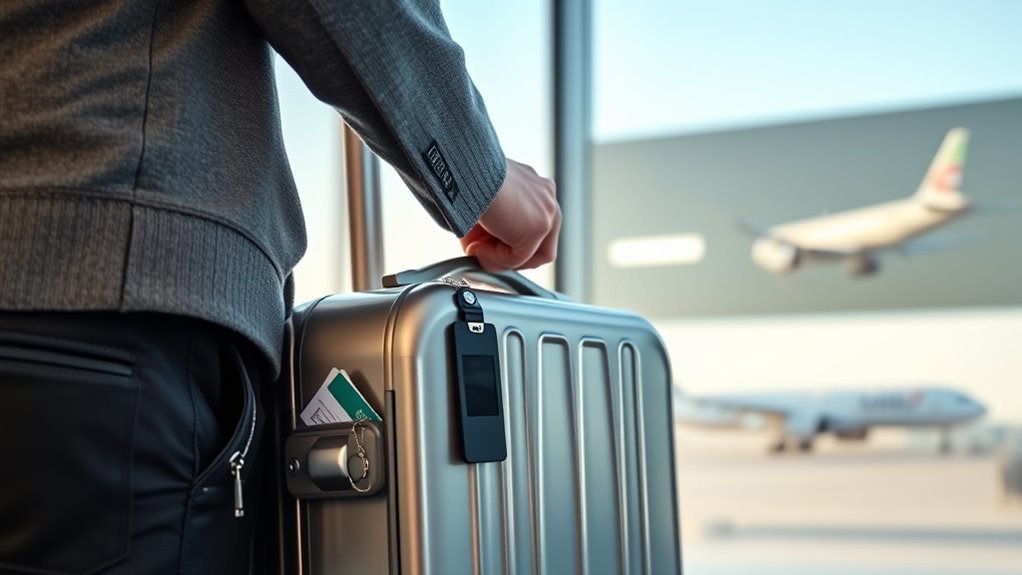
Shifting focus to the United States, major carriers set carry-on rules that mix size standards with varying weight expectations, so you’ll want to check each airline before you fly.
You’ll typically get one carry-on plus a personal item; size limits are often strict, while weight rules vary by carrier and fare class.
Know that regional jets may enforce tighter limits and basic economy fares can restrict overhead bags.
- Size: usually around 22 x 14 x 9 inches (varies)
- Weight: often unrestricted on mainline carriers, limited on some regionals
- Personal item: must fit under seat
- Fees: checked if exceed limits
Major European Carriers: Carry-On Weight And Size Rules
Now let’s look at major European carriers so you know what to expect from each airline.
You’ll see some carriers set strict weight limits (often 8–12 kg) while others focus mainly on dimensions.
Pay attention to how they measure size—linear dimensions versus specific pockets or wheels can affect whether your bag qualifies.
Weight Limits By Airline
When you fly with a major European carrier, each airline sets specific carry-on size and weight rules you’ll need to follow, and those limits can vary widely even among full-service airlines. You should check your airline before packing: some allow a single heavier bag, others limit weight tightly and include a personal item.
Expect variations by fare class and route, and enforcement at boarding differs. To help, consider these typical distinctions:
- Airlines with 8–12 kg limits for hand baggage
- Carriers allowing 1 bag up to 10–12 kg plus a personal item
- Low-cost strict 7–10 kg caps
- Business/elite higher allowances
Size And Measurement Rules
Because each airline measures differently, you should check both dimensions and how they’re taken before you pack. You’ll find some carriers use linear measurement (height + width + depth) while others specify maximum length and width separately.
Measure protruding wheels, handles, and pockets—some airlines include them, some don’t. Weight often applies separately and may differ for cabins and fare classes.
Use a luggage sizer or tape measure to confirm fit; many airports enforce size at the gate. If your bag’s borderline, compress or remove items to a personal item.
Knowing exact rules prevents delays and unexpected fees.
Major Middle Eastern And Asian Carriers: Carry-On Weight And Size Rules
While rules vary by airline and route, major Middle Eastern and Asian carriers typically give passengers more generous carry-on allowances than many Western carriers, so you’ll want to check each airline’s exact size and weight limits before you pack.
You’ll usually see 7–15 kg limits for one or two pieces, often with generous combined dimensions.
Business and first class passengers often get larger allowances.
Always verify cabin bag size and personal item rules to avoid gate checks.
- Common weight: 7–15 kg per passenger
- Typical pieces: 1–2 items allowed
- Premium cabins: higher limits
- Check airline policy before travel
Low-Cost Carriers: Tighter Carry-On Weight Rules And Fees
With low-cost carriers, you’ll often face much stricter carry-on weight limits than legacy airlines.
You’ll usually need to weigh bags at check-in and may have to pay extra to bring a larger carry-on onto the plane.
Know the pay-to-board rules ahead of time so you can avoid surprise fees and delays.
Stricter Weight Limits
Though budget airlines promise low fares, they often enforce much stricter carry-on weight limits than full-service carriers, and you’ll usually pay extra if your bag exceeds the tiny allowance. You should weigh and streamline your bag before you reach the gate to avoid surprise charges. Know each carrier’s limit, pack lighter, and use compact scales.
- Check airline-specific weight and size limits
- Use soft bags to compress items into overhead space
- Prioritize essentials; wear heavier items on board
- Repack at the gate if staff requests reduction
Plan ahead, follow rules, and you’ll breeze through boarding.
Pay-To-Board Bags
Because low-cost carriers often charge to board with a carry-on, you’ll face stricter weight limits and extra fees if your bag exceeds their small allowances. You’ll usually choose between a tiny free personal item and a paid cabin bag; paid options have tight weight caps—often 7–10 kg (15–22 lbs).
If your bag’s heavier, you’ll pay a surcharge at booking or at the gate, and gate fees are steep. To avoid surprises, weigh and pack strategically, use lightweight luggage, and prepay any carry-on allowance.
Check each airline’s exact limits and fee structure before you fly.
International Long-Haul Vs Short-Haul: Rule Differences
When you compare international long-haul and short-haul flights, you’ll notice the carry-on rules often differ in weight thresholds, bag dimensions, and enforcement.
Long-haul carriers tend to allow slightly heavier or larger carry-ons because flights use bigger aircraft and cater to travelers carrying more gear.
Short-haal carriers—especially low-cost ones—enforce stricter, lighter limits to maximize cabin space and turnaround efficiency.
You should check your carrier’s specific policy before packing.
Typical distinctions include:
- Weight allowances: long-haul higher, short-haul lower
- Size limits: more generous on long-haul
- Enforcement: stricter on short-haul, gateside checks likely
- Fare rules: bundled vs pay-as-you-go options
Cabin Class Allowances: Economy To First
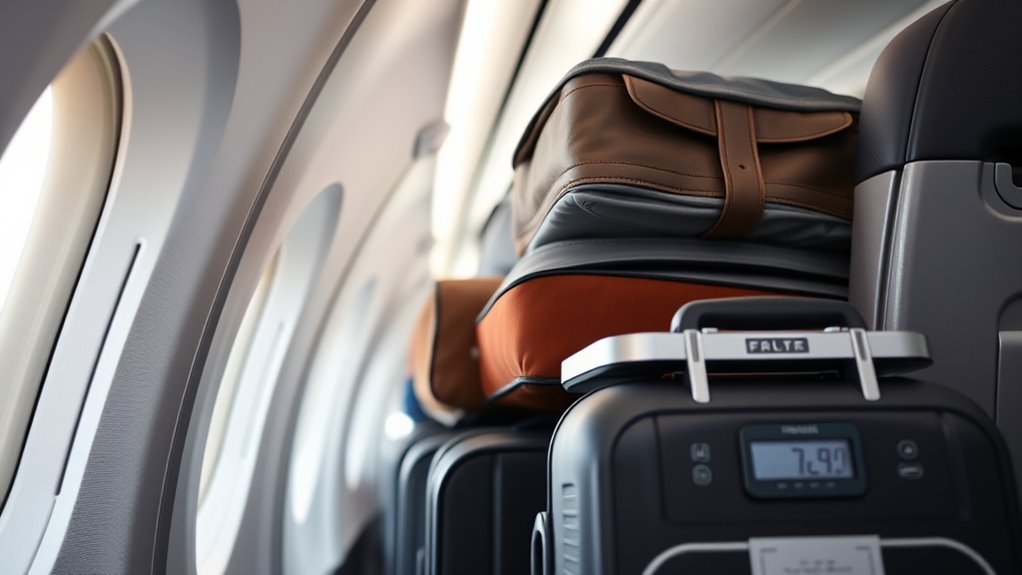
If you’re flying in economy, premium economy, business, or first class, your carry-on allowance usually increases with the cabin—higher classes get larger or additional bags, priority boarding, and more lenient weight limits.
You’ll often see economy restricted to one small bag plus a personal item, while premium economy may allow a slightly heavier main bag.
Business class commonly permits a larger carry-on and a garment or briefcase, and first class can include two sizable pieces and priority handling.
Always check your airline’s published cabin-specific rules, since dimensions and weight tolerances still vary by carrier and aircraft.
How Elite Status Affects Carry-On Weight
Although airlines set base carry-on rules, your elite status can change what you’re allowed to bring on board. You’ll often get priority boarding, extra carry-ons, or relaxed weight limits, but benefits vary by program and tier. Check your airline’s published perks before packing.
- Priority boarding lets you stow bags earlier, reducing gate-check risk.
- Higher tiers may allow an extra small bag or heavier personal item.
- Some elites receive explicit heavier carry-on allowances on select routes.
- Benefits rarely override international security or local aviation regulations.
Always confirm with your carrier for concrete weight and size entitlements.
Airline Alliances And Partner Rule Quirks
Elite perks can help, but alliances and codeshares introduce a new layer of complexity you’ll want to watch for.
When you book through a partner, the operating carrier’s carry-on rules usually apply, not the marketing airline’s. That means size, weight, and allowed personal items can change mid-journey. You’ll need to check both airlines’ policies before packing and confirm which cabin and fare class govern your trip.
Loyalty benefits may not transfer across partners, so don’t assume extra allowance.
At connection points, different carriers might enforce rules differently — always verify to avoid surprises or extra fees.
How Aircraft Type And Gate Agents Affect Your Carry-On
The size of the aircraft often limits what you can bring on board, with smaller regional jets and turboprops squeezing overhead bin space.
Gate agents also have discretion to enforce or relax carry-on rules, so you might be asked to gate-check a bag even if it meets the airline’s written limits.
Know the plane type on your itinerary and be prepared for a gate agent’s judgment call.
Aircraft Size Limits
Aircraft type and gate agents both shape what you can bring onboard: smaller regional jets often have tighter overhead bins, so even allowed carry-ons might need gate-checking, while larger planes usually give you more space. You should check aircraft dimensions before packing, since bin size and cabin layout vary by model. Measure your bag and prioritize essentials. Be ready to adapt if space is limited.
- Regional jets: shallow, irregular bins
- Narrow-bodies: moderate space, strict stacking
- Wide-bodies: generous overhead capacity
- Military-style or turboprops: very limited room
Pack compactly and verify aircraft type for smoother boarding.
Gate Agent Discretion
When gate agents see crowded cabins or odd-shaped bags, they’ll decide if your carry-on goes onboard or gets gate-checked, so be prepared for on-the-spot rulings that can vary by flight. You should pack knowing aircraft size, bin space, and agent judgment matter. Stay polite, unpack bulky items if asked, and have a compact backup bag ready. Agents balance safety, weight distribution, and boarding speed, so flexibility saves time.
| Aircraft type | Overhead space | Typical agent call |
|---|---|---|
| Regional jet | Small | Gate-check likely |
| Narrow-body | Moderate | Case-by-case |
| Wide-body | Spacious | Usually allowed |
How Airlines Measure Carry-On Weight At Check-In And Gate
Curious how your bag’s weight gets checked at the desk or gate? You’ll usually see staff use scales or size frames, and they’ll ask you to lift or place the bag themselves. Procedures vary by airline and airport, so be ready for quick spot checks. Expect polite, efficient handling.
Curious how bags are checked? Staff use scales, sizer frames, or quick manual lifts—expect polite, efficient spot checks.
- Airline or airport scale: precise measurement
- Sizer frame: checks dimensions and sometimes weight by context
- Manual lift test: gauge by handler if busy
- Self-service kiosks: some let you weigh and tag before staff review
Follow crew instructions, keep essentials accessible, and avoid surprises.
When Airlines Force You To Check A Bag
If the overhead bins are full or your bag exceeds the allowed size, the gate agent may ask you to check it at the gate.
You’ll usually gate-check without extra fees on many domestic flights, but policies vary by carrier and aircraft type.
Check your airline’s gate-check rules before you board so you’re not surprised.
Overhead Bin Limits
Although overhead bins are meant for carry-ons, airlines sometimes force you to check a bag because cabin space fills up or gate agents need to balance weight and boarding time. You should know bin limitations: size, available space, and aircraft type dictate whether your bag fits.
Pack smartly, place soft items on top, and board early when possible. If asked to gate-check, you’ll usually get a tag and reclaim at baggage claim or at the door on arrival.
- Check bin depth and height before boarding
- Use soft-sided bags to compress
- Stow personal items under the seat
- Board early to secure space
Gate-Check Policies
When cabin space runs out or agents need to speed boarding, airlines may ask you to gate-check your carry-on, meaning they’ll tag and stow it in the plane’s cargo hold for retrieval at baggage claim or the aircraft door on arrival.
You should comply calmly: gate-checks are typically free but vary by carrier and fare class.
Protect fragile items and valuables by carrying them on your person. Use a bag tag or attach contact info.
Be aware of liability limits for checked items and report damage immediately.
If you need your bag at the exit, request a gate-delivery when you check it.
How Excess Carry-On Fees Are Calculated And Paid
Because carriers vary their policies, you should check rules for your airline before you pack. Fees are usually based on weight, size, or number of items; airlines publish limits and overage rates. You’ll pay online during check‑in, at kiosks, or at the counter; some let you prepay cheaper fees.
To handle excess charges efficiently, follow these tips:
- Weigh and measure your bag at home to avoid surprises
- Prepay excess baggage online when available to save money
- Use credit cards or airline apps for faster payment
- Ask agents about combined weight rules or discounted bundles
Exceptions: Medical Equipment, Infant Items, Duty-Free
You’ll usually get exemptions for essential medical devices like CPAP machines, mobility aids, and prescription equipment, so check airline policies and have documentation ready.
Infant items such as strollers, diaper bags, and a reasonable amount of formula or breast milk are often allowed outside standard carry-on limits.
Duty-free purchases made after security typically don’t count toward your cabin allowance, but keep receipts handy in case staff need proof.
Medical Device Allowances
Although carry-on weight limits apply to most passengers, airlines and security agencies make clear exceptions for essential medical devices, infant care items, and duty-free purchases so you won’t be penalized for bringing necessary equipment.
You can usually bring mobility aids, CPAP machines, insulin pumps, and other prescribed devices in addition to your allowance. Notify the airline in advance, carry prescriptions and documentation, and expect additional screening.
Some items may require batteries removed or terminals taped. Security staff will help you with X-ray or hand-inspection procedures to protect the device and comply with safety rules.
- Notify airline ahead
- Carry prescriptions
- Prepare batteries
- Expect screening
Infant And Duty-Free Exceptions
Wondering how infant items and duty-free purchases impact your carry-on allowance? You’re usually allowed a compact stroller, car seat or diaper bag in addition to your personal item and cabin bag. Airlines often exempt these for passengers traveling with infants. Bring documentation or proof of age if asked.
Duty-free purchases generally count as personal items, but many carriers let you carry sealed duty-free bags on board without reducing your allowance—keep receipts and sealed packaging handy.
Always check your airline’s policy before flying; rules vary, and confirming ahead prevents surprises at the gate and guarantees compliant, stress-free travel.
What Counts Toward Carry-On Weight (Electronics, Liquids, Souvenirs)
Curious what actually adds to your carry-on weight? You’ll usually be charged for everything inside the bag, so pack strategically. Electronics, chargers, and camera gear add up fast; weigh them before you travel. Liquids must meet security rules, but their mass still counts. Souvenirs, gifts, and duty-free purchases sit in your bag’s total too. Consider redistributing heavy items to checked baggage if you’re near limits.
- Laptops, tablets, batteries, chargers
- Toiletries and duty-free liquids (within allowed volumes)
- Packed food and snacks
- Souvenirs, books, clothing packed inside
What Doesn’t Count: Worn Clothing And Under-Seat Items
You can shave pounds off your carry-on total by wearing bulky items instead of packing them; airlines generally don’t count clothes you’re wearing—coats, boots, and layered sweaters—toward the bag’s weight. You can also tuck small essentials under the seat: a slim bag, duty-free, or a sentimental item won’t usually be weighed with your overhead piece. Use worn layers to stay comfortable and free up space for souvenirs or gadgets. Below is a simple table to stir feeling—practical yet nostalgic.
| Comfort | Freedom |
|---|---|
| Warm coat | Extra tote |
| Sturdy boots | Gift bag |
| Cozy sweater | Memory pouch |
Multiple Carriers On One Itinerary: Whose Rules Apply
If your trip includes multiple airlines, the primary carrier listed on your ticket usually sets the carry-on rules you’ll follow.
But if one airline on your itinerary has stricter limits, you’ll often need to comply with that most restrictive policy for the affected segments.
Check each carrier before you pack so you don’t get surprised at the gate.
Primary Carrier’s Rules
When your itinerary includes flights on more than one airline, the primary carrier — usually the airline that issues your ticket or operates the longest international segment — sets the carry-on rules that apply to your whole journey. Connecting carriers will generally defer to that policy unless they specifically state otherwise.
You should check that carrier’s size, weight, and item-count limits before packing. At boarding, staff will enforce the primary carrier’s allowance. If you booked through an alliance or travel agent, confirm which airline is primary on your ticket.
- Check primary carrier baggage page
- Note weight and dimension limits
- Confirm allowed personal items
- Ask customer service
Most Restrictive Airline
Sometimes the strictest carrier on your itinerary sets the rules you’ll have to follow, even if another airline issued your ticket. You should check each segment: the most restrictive airline often governs carry-on weight and size during connections. If carriers differ, pack to meet the lowest allowance or contact the primary carrier to confirm which policy applies. Watch codeshares and interline agreements—agents may enforce the strictest policy at boarding. Here’s a quick comparison:
| Segment | Carrier Type | Likely Rule Applied |
|---|---|---|
| First | Operating | Operating carrier |
| Second | Partner | Most restrictive |
| Third | Codeshare | Operating carrier |
How To Find Current Carry-On Rules Fast On Airline Sites
Before you book, go straight to the airline’s official website and look for the “Baggage” or “Travel Info” section—those pages list current carry-on size and weight limits, fee policies, and any recent updates.
You’ll want to confirm dimensions, weight caps, and whether personal items count. Use site tools and searchable FAQs to save time. Bookmark the page and take a screenshot for travel day proof.
- Search “carry-on” in the site’s search bar
- Check the FAQ and fee schedule pages
- Use mobile site or app for quick access
- Note any route- or aircraft-specific rules
Checklist To Avoid Last-Minute Gate Checks
Because gate checks usually happen when carry-ons don’t meet airline rules, you should run a quick preflight checklist. Weigh your bag if you can, confirm dimensions fit the airline’s limits, and remove nonessential items.
Run a quick preflight: weigh and measure your carry-on, remove nonessentials to avoid gate checks.
Pack heavier items low and toward the center to balance weight. Consolidate toiletries into one small pouch and tuck electronics together to avoid bulk.
Keep receipts or rewards status info accessible in case staff make exceptions. Shift anything marginal to your personal item—like a coat or small tote—so the main bag complies.
Arrive early to fix issues calmly before boarding starts.
Tips To Weigh Your Bag Accurately At Home
Grab a home scale and weigh your empty bag, then add items to see how close you’re to the airline limit.
If you don’t have a big scale, balance the bag by comparing it to household items of known weight and adjust accordingly.
Don’t forget to account for clothing you’ll wear or pack, and subtract that from your measured total.
Use A Home Scale
If you want to avoid surprises at the gate, weighing your bag at home with a reliable scale gives you a quick, accurate check before you leave. Place the empty bag on the scale first to zero it, then add items and note the weight as you pack.
Use a bathroom or luggage scale for better portability. Check batteries and calibrate if needed.
Record your final weight and compare it to airline limits so you can adjust contents early.
- Zero the scale with the empty bag
- Weigh incrementally as you pack
- Use fresh batteries
- Note final weight and airline limit
Balance With Household Items
When you don’t have a scale handy, you can still approximate your carry-on’s weight by balancing it with household items whose weights you know—think bags of rice, water bottles, or canned goods—and comparing until the two sides feel even.
Lay your packed bag on a plank or broom handle supported at center, then place known-weight items on the opposite end until it balances.
Use multiples of the same item for easier math.
Record the total item weight and subtract any container weight if needed.
Repeat after removing or adding items to refine.
This method gives a reliable estimate for airline limits.
Adjust For Clothing Weight
Clothes can add more bulk and weight than you expect, so account for them before you finalize your carry-on. Weighing accurately at home saves fees and stress. Wear heavier items when you step on the scale, then subtract your baseline body weight. Use consistent packing methods and compress where possible.
- Wear shoes and jacket while weighing to avoid surprise weight
- Use vacuum or compression bags for bulky sweaters
- Weigh packed bag on a bathroom scale, then weigh yourself holding it
- Round up allowance to include toiletries and damp clothing
Adjust and reweigh until the total stays securely under the limit.
Lightweight Packing Strategies To Stay Under Limits
Because airlines strictly enforce carry-on weight limits, packing with intention makes travel smoother and less stressful. You’ll prioritize essentials, list items by necessity, and pack versatile clothing that mixes and matches.
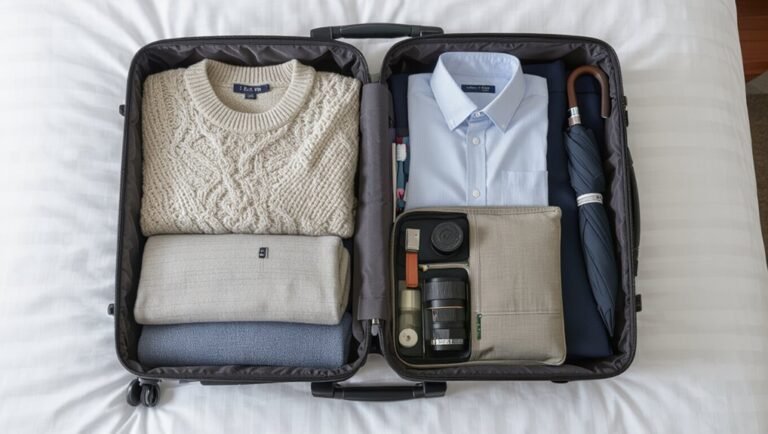
Roll garments to save space and reduce creases, and use compression bags sparingly to control bulk without tempting overpacking. Choose travel-sized toiletries and refillable containers, wearing your heaviest shoes and jacket onboard to cut weight.
Limit duplicates and tech gadgets; pick multifunctional devices and one charging cable. Weigh your bag at home, redistribute items into checked luggage if needed, and remove nonessentials before leaving.
Choosing The Right Carry-On: Weight, Materials, Dimensions
If you want a carry-on that stays within airline rules and makes packing easier, focus on weight, materials, and dimensions from the start. Choose a bag under the carrier’s maximum and weigh it empty so you know your baseline.
Pick durable, lightweight fabrics like polycarbonate or ripstop nylon to resist damage without adding ounces.
Confirm external and internal measurements match the airline’s requirements, including handles and wheels.
Think about organization but avoid bulky built-ins.
Consider comfort for lifting and stowing overhead.
- Aim for an empty weight you can lift easily
- Favor lightweight, durable materials
- Verify measured dimensions precisely
- Prioritize easy handling and stowability
Packing Cubes And Compression Bags That Save Space
You’ll find packing cubes keep your items organized and easier to compress, so you can fit more without overstuffing your carry-on. Use compression bags for bulky garments like jackets or sweaters, but don’t over-compress delicate fabrics or exceed weight limits.
With a mix of cubes and a couple of compression bags, you’ll maximize space while staying within airline rules.
Packing Cubes Benefits
When space is tight, packing cubes and compression bags let you organize and shrink your clothes so you can fit more into your carry-on. You’ll separate outfits, protect fabrics, and find items fast without unpacking everything.
Cubes keep volume predictable, so you’ll avoid last-minute weighing or reshuffling at security. Choose sizes that match your wardrobe and roll or fold to maximize compression. Use durable zippers and breathable fabric for repeated trips.
- Separate outfits by day or activity
- Compress bulkier items to save inches
- Keep clean and dirty clothes apart
- Speed up packing and unpacking routines
Compression Bag Tips
Although packing cubes make organizing simple, compression bags boost capacity by removing trapped air so you can fit bulkier items without adding weight. Use them for sweaters, jackets, and soft shoes, but not for delicate fabrics that could crease.
Roll clothes before sealing to push out more air; use a hand pump or your suitcase to compress further when allowed. Label each bag for quick access and keep a couple of cubes for items you’ll need mid-trip to avoid opening sealed bags.
Check airline carry-on size and weight limits after compressing—volume changes, but weight stays the same.
Clothing Strategies: Layering And Lightweight Fabrics
Because air travel often brings varying temperatures and strict weight limits, packing smart means favoring layers and ultralight fabrics you can mix and match. You’ll save space and stay comfortable by choosing pieces that work together and weigh little.
Favor layers and ultralight fabrics you can mix—save space and stay comfortable while keeping weight down.
Prioritize breathable synthetics, merino wool, and compressible down for warmth without bulk. Roll thin items, wear heavier pieces on the plane, and limit duplicates.
- Pack versatile base layers for temperature control
- Choose quick-dry, wrinkle-resistant fabrics for easy care
- Bring one midweight insulating layer that doubles as outerwear
- Opt for neutral colors to maximize outfit combinations
Electronics And Chargers: Cut Weight Without Losing Function
If you pare down your electronics to essentials and choose multi‑purpose chargers, you’ll cut weight without losing function. Decide which devices you truly need—phone, compact camera, or e‑reader—and leave duplicates at home.
Swap bulky adapters for a single USB‑C charger with multiple ports and a lightweight power bank. Use device cables that double as charging and data lines.
Opt for slim cases and remove nonessential accessories. Offload media and documents to cloud storage to avoid extra gadgets.
Charge strategically during layovers to minimize battery capacity you must carry. Pack thoughtfully to stay within limits.
Toiletries And Liquids: Legal Limits And Light Swaps
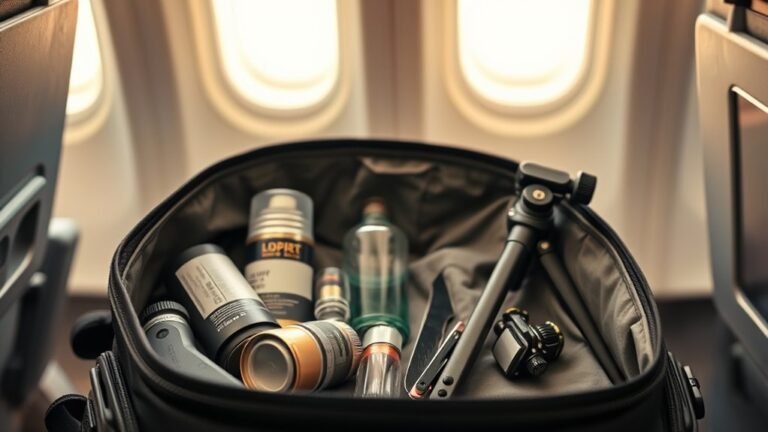
You’ll need to follow the liquids rule—containers of 100 ml or less packed in a clear 1-liter bag—so check sizes before you pack.
Swap full-size bottles for travel-sized or solid alternatives like bar shampoo and lotion sheets to shave ounces. These small changes keep you legal at security and free up weight for other essentials.
Liquids Rule Basics
When packing toiletries, remember the standard liquids rule: containers must be 100 milliliters (3.4 ounces) or smaller and fit into a single clear quart‑size bag you can seal. You’ll present that bag at security separately, so organize items for quick inspection.
Solid alternatives like bar soap or deodorant sticks aren’t counted, and prescriptions or baby formula are exceptions—declare them. Keep travel‑size bottles capped and stored upright to avoid leaks.
- Pack only essentials to stay within the bag’s volume.
- Label medicines and declare liquids beyond limits.
- Use leak‑proof caps and double‑bag fragile items.
- Consolidate similar products to save space.
Lightweight Toiletry Swaps
Now that you’ve got the liquids rule down, swap bulky bottles for lighter options to save space and weight. You’ll prefer travel-sized pumps, solid bars, and refillable 100ml containers. Choose multi-use products and decant at home to avoid airport queues and spills. Pack items in a clear bag for security and quick access. Consider solid shampoo, conditioner bars, and a toothpaste tablet to cut ounces without sacrificing hygiene.
| Item | Weight saved | Tip |
|---|---|---|
| Solid shampoo | 80% | Lasts longer |
| Toothpaste tablets | 70% | No leaks |
| Refillable bottle | 60% | Fill before travel |
Handling Souvenirs, Duty-Free, And Last-Minute Buys
If you plan to pick up souvenirs, duty-free items, or last-minute purchases, factor their weight and size into your carry-on strategy so you don’t exceed limits at the gate. You’ll want to assess space before buying, prioritize fragile or heavy items in your personal item, and keep receipts handy for duty-free liquid allowances.
Use compact packing cubes and redistribute weight from your bag to your jacket if needed. Consider airline policies on onboard purchases and gate checks.
- Choose lightweight, compact souvenirs
- Pack liquids in clear bags per rules
- Move heavy items to your personal item
- Keep receipts visible
When To Check A Bag Instead Of Risking Fees
Because checked luggage can save you surprise fees and hassle at the gate, choose to check a bag when its weight, size, or contents threaten to push you over carry-on limits or when airline rules make gate-checking risky.
If your bag brushes weight caps, holds liquids over allowed amounts, or contains bulky souvenirs, checking avoids forced repacking.
Also check when connections are tight and a gate decision could delay you, or when fares include inexpensive checked pieces.
Weigh and measure before you leave, verify airline policy, and prioritize valuables and essentials in your carry-on to stay compliant and stress-free.
Polite Strategies If A Gate Agent Asks You To Check
When a gate agent asks you to check your carry-on, stay calm and cooperative while protecting your essentials. You’ll want to be polite but firm about what you need onboard.
Ask briefly if overhead space will open, and if not, request priority tagging or a note to retrieve quickly at baggage claim.
Keep valuables, medications, travel documents, and a change of clothes in a small personal item you can stow under the seat.
- Ask if overhead space is expected to free up
- Request priority or fragile tagging
- Move valuables into a personal item
- Politely confirm retrieval options
Tools And Gadgets To Monitor Carry-On Weight While Traveling
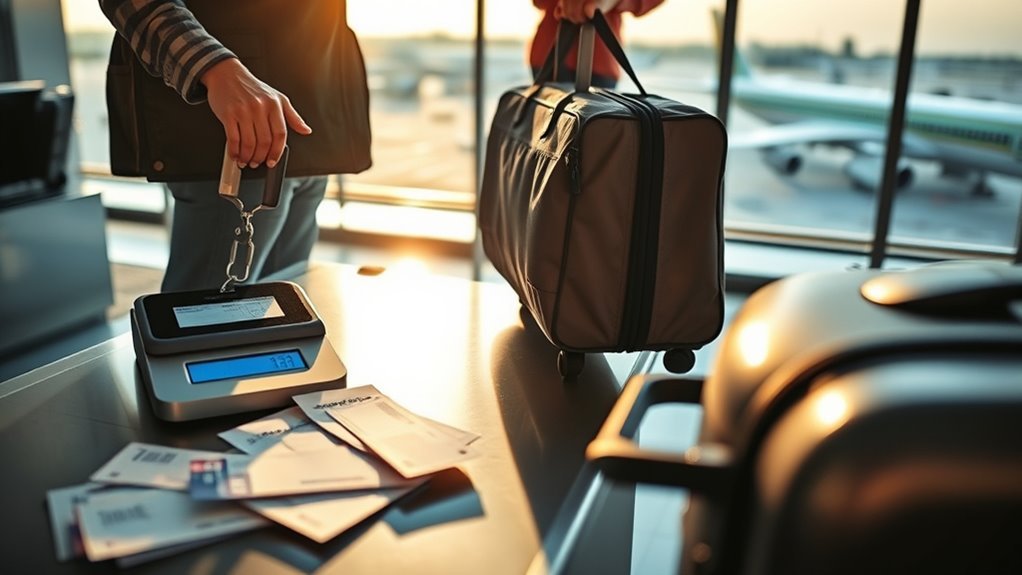
After you’ve moved valuables into a personal item and smoothed things over with gate staff, it helps to have simple tools that stop overweight surprises before you reach the gate. Pack a compact digital luggage scale to check weight after packing and before leaving hotel rooms; it’s precise and portable.
Use a suitcase with built-in weight sensors if you travel often, or smart tags that sync weight to your phone for quick checks. Keep a small tape measure to verify dimensions.
Regularly weighing items while packing prevents last-minute shuffling and saves time, fees, and stress during boarding.
Frequent Mistakes That Cause Overweight Surprises
If you’ve ever been hit with an unexpected extra fee at the gate, chances are a few common packing mistakes were to blame. You can avoid surprises by checking weight limits and packing deliberately. Watch for these pitfalls:
- Overpacking “just in case” items that add ounces quickly.
- Forgetting to weigh chargers, shoes, and toiletries that hide weight.
- Misjudging souvenirs or duty-free purchases added after initial weighing.
- Using heavy luggage that eats into your allowance before you pack.
Weigh your bag at home, redistribute items between bags, and remove nonessentials to stay within limits.
Scenario Packing Plans: Weekend, Business, Long Trip
Knowing common packing pitfalls lets you plan smarter for different trip lengths, so let’s map out compact strategies for a weekend, business, and long-haul itinerary.
For a weekend, pick versatile outfits, limit shoes to one pair plus slip-ons, and use travel-size toiletries to stay well under carry-on weight.
For business travel, prioritize wrinkle-resistant garments, a lightweight laptop, and a slim toiletry kit; keep essentials in an accessible compartment to avoid repacking.
For long trips, layer clothing, pack multipurpose items, and consider lightweight laundry options so you can refresh garments instead of carrying excess weight.
Family Travel: Carry-On Rules When Traveling With Kids
When you’re packing for kids, think beyond weight limits and focus on accessibility. You’ll want carry-ons that keep essentials reachable, meet airline size rules, and let you manage diapers, snacks, and entertainment without digging.
Pack smart: distribute heavy items across bags, use lightweight organizers, and label a grab-and-go bag for gate delays. Communicate limits to older kids so hand luggage stays compliant.
- Assign one adult a primary kid bag with diapers and meds
- Put snacks and activities in an easy-to-reach pouch
- Use collapsible packing cubes to save space
- Keep important documents and a phone charger handy
Seasonal And Route-Based Rule Changes To Watch
Because airlines tweak carry-on allowances by season and route, you should check rules before packing for peak travel or long-haul legs. During high season, carriers sometimes tighten size or weight limits to manage fuller overhead bins, or enforce stricter gate-checking.
Regional routes may allow lighter, smaller bags due to aircraft size, while international long-haul flights can permit slightly larger or heavier items for premium cabins.
Weather disruptions and festival periods also prompt temporary policy shifts. Before you travel, verify allowances for each segment of your itinerary and pack flexibly—use a lightweight, compressible bag and know which items might be gate-checked.
How To Stay Updated When Airline Policies Change
If airlines can change carry-on rules with little notice, you should make checking updates part of your trip routine. Before booking, during planning, and right before you leave, confirm limits so you won’t face surprises at the gate. Use official sources, alerts, and quick checks to stay current.
- Subscribe to airline email or SMS updates for policy alerts.
- Follow airlines and regulators on social media for real-time posts.
- Enable fare or flight notifications in travel apps that include baggage notes.
- Check the airline’s carry-on policy page within 24 hours of departure for last-minute changes.
Key Takeaways: Avoid Fees And Travel Lighter
Staying on top of policy changes helps you avoid surprise fees and pack smarter for every trip. You’ll travel lighter by prioritizing essentials, choosing versatile clothing, and weighing your bag before leaving. Fold efficiently, use packing cubes, and wear heavier items. Check gate exceptions and loyalty perks to carry extras without charges.
| Tip | Action |
|---|---|
| Weigh bag | Use a portable scale |
| Pack light | Choose multi-use items |
| Organize | Use packing cubes |
| Know rules | Check airline site |
| Use perks | Leverage status or credit card |
These habits save money, reduce stress, and speed boarding.
Frequently Asked Questions
Can Souvenirs Bought Abroad Push My Carry-On Past Non-Weight Limits?
Yes — souvenirs can push your carry-on past non-weight limits like size, item count, or allowed items. You’ll need to reorganize, check airline rules, gate-check, or pay for checked baggage to avoid denied boarding or extra fees.
Do Ride-Share Rules Affect Carry-On Size When Using Airport Shuttles?
No, ride-share and airport shuttle rules usually don’t set carry-on size limits; you’ll follow the airline’s carry-on rules, but be mindful shuttles might require smaller bags for fit or fees for oversized items, so plan accordingly.
Will Climate or Seasonal Clothing Adjustments Change Airline Carry-On Allowances?
Yes — you’ll find airlines don’t usually change formal carry-on allowances for seasons, but you’ll pack differently: bulky coats, boots, or extra layers can force you to check bags or compress items, so plan smartly and weigh.
Are Printed Boarding Passes Required to Avoid Extra Baggage Scrutiny?
No, you usually don’t need printed boarding passes; most airlines accept mobile or digital boarding passes. Still, bring a printed copy if you’re worried about phone issues, tight connections, or specific airline or airport requirements and procedures.
Can Airline Pet Carriers Count as a Carry-On or Personal Item?
Usually yes: you can bring a pet carrier as a personal item or carry-on depending on airline rules, size limits, and whether the pet stays under the seat. Check specific airline policies, fees, and required documentation beforehand.
Conclusion
You’ve got the basics: most carry-ons weigh between 15–22 lbs (7–10 kg), but limits vary by airline and route, and size rules matter just as much. Always check both carry-on and personal-item policies for your carrier, watch for family, seasonal, and regional exceptions, and weigh your bag at home to avoid surprise fees. Pack smart, use lightweight luggage, and stay updated before you fly so you’ll breeze through boarding.