How to Shift Luggage From One City to Another Easily
You can send luggage ahead quickly by choosing a service that matches your priorities—express courier for speed, luggage forwarder for door‑to‑door ease, or rail/bus for savings—and packing smart with locks, padding, and clear labels. Insure valuables, photograph contents, and share tracking with a trusted contact. Book pickup early, confirm delivery windows and ID rules, and require photo proof on drop. Keep receipts for claims, and keep going to learn practical step‑by‑step tips.
Quick Answer: Fastest Ways to Send Bags Ahead
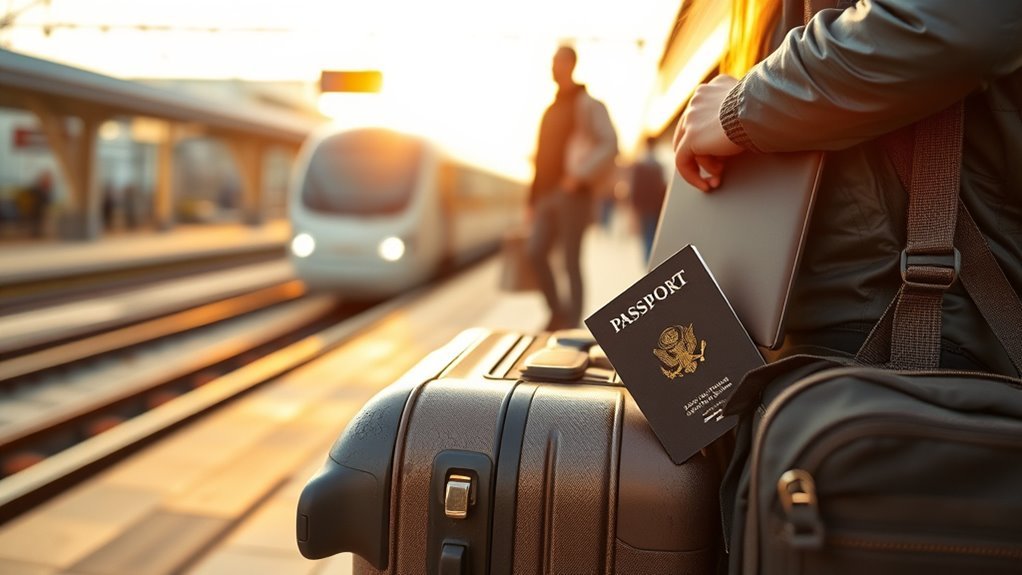
Want your bags there before you are? You can: ship overnight via express couriers, use same-day courier services in metro areas, or drop them at dedicated airport-to-airport baggage transfer counters when available.
Prep items by packing essentials separately, labeling clearly, and insuring valuables. Book slots early to secure pickup windows and track shipments through carrier apps so you’ll know arrival times.
Confirm delivery addresses and recipient IDs to avoid delays. For last-minute moves, prioritize providers advertising guaranteed delivery times rather than economy options.
You’ll trade cost for speed, so compare rates quickly and choose the fastest reliable service.
Pick the Right Option: Courier, Luggage Forwarder, Rail/Bus, or Peer
While cost, timing, and convenience all matter, the best way to move your bags depends on what you value most—speed, price, door-to-door service, or simplicity.
Weigh cost, time, and convenience—choose the luggage option that matches your priorities: speed, price, or simplicity.
If you need speed and tracking, choose a courier for express delivery but expect higher fees.
For door-to-door handling without juggling transfers, a luggage forwarder specializes in traveler needs and often includes pickup/dropoff.
Rail or bus freight works if you’re budget-conscious and routes align, though schedules limit flexibility.
For informal, low-cost transfer, ask a trusted peer traveling that route; confirm dimensions, handoff points, and any compensation upfront.
Safest Ways to Ship Luggage and Valuables
Because lost or damaged items can derail a trip, you should prioritize secure packing, reliable carriers, and insurance when shipping luggage or valuables.
Start by inventorying contents, photographing items, and choosing sturdy, lockable cases or tamper-evident seals.
Use reputable carriers with tracking and signature-on-delivery, and declare high-value items so coverage applies.
Pack fragile items in padding and remove batteries if required.
Keep originals of receipts and policy details with you, and share tracking with a trusted contact.
- Photograph contents and serial numbers
- Use hard cases and TSA-approved locks
- Buy declared-value insurance
- Choose carriers with real-time tracking
Compare Shipping Quotes Fast: What to Check
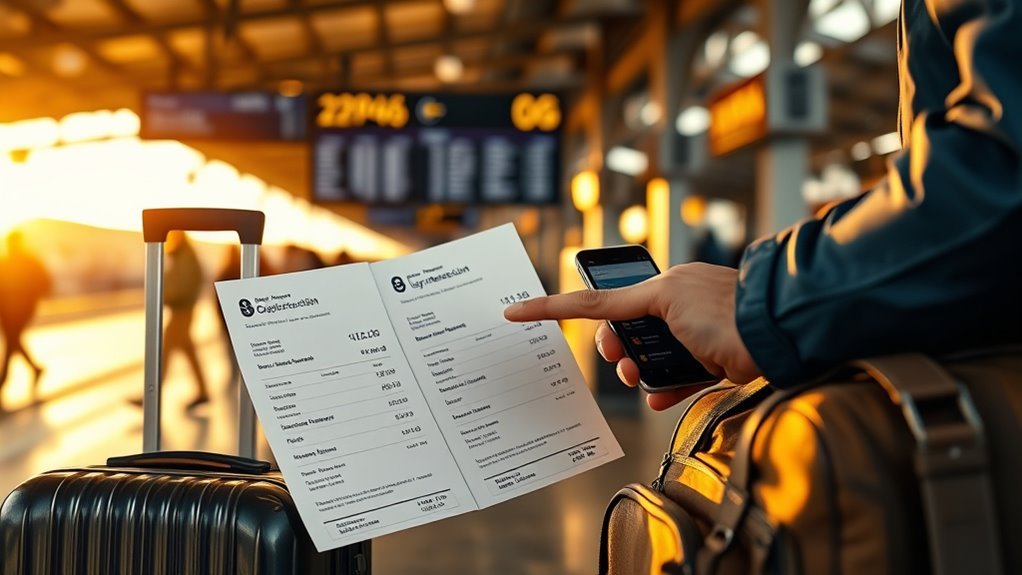
When you need the best balance of speed, cost, and security, compare quotes by checking a few key details side-by-side: transit time and delivery guarantees, total cost (including surcharges and fuel fees), tracking and signature requirements, insurance limits and declared-value options, and any size or weight rules that could trigger extra charges. Use a quick table to capture differences so you can decide fast.
| Factor | Check |
|---|---|
| Transit | ETA, guarantees |
| Cost | Base, surcharges |
| Tracking | Real-time, signatures |
| Insurance | Limits, declared value |
Pick the quote that fits your timeline and protection needs.
When to Ship to Avoid Delays
If you want to dodge common holdups, plan shipments for mid-week mornings and outside peak holiday windows, since carriers clear backlogs faster then and you’ll avoid weekend batching or surge pricing.
Pick a day with predictable local transit, and check carrier cutoff times so your luggage joins the next run.
Track weather and regional events that can disrupt service.
Book early for seasonal spikes, and consider expedited options only when necessary.
- Ship Tuesday–Thursday mornings for steadier handling
- Avoid major holiday leadups and long weekends
- Verify carrier pickup and dropoff deadlines
- Monitor forecasts and event calendars
How to Pack and Label Luggage for Shipping
Now that you’ve picked the best day to ship, focus on packing and labeling so your luggage arrives intact and identifiable. Empty pockets, clean items, and consolidate loose things into zip bags to prevent spills.
After choosing the best day to ship, pack carefully: empty pockets, bag loose items, and label so your luggage stays safe and identifiable.
Cushion fragile items with clothing or bubble wrap, and place heavy items at the bottom. Use sturdy locks and seal seams with packing tape.
Attach an external label with your name, phone, destination address, and a secondary contact; include a duplicate label inside. Add a brightly colored ribbon or tag for quick recognition.
Photograph contents and the sealed bag for insurance and peace of mind.
Documents, Customs, and ID
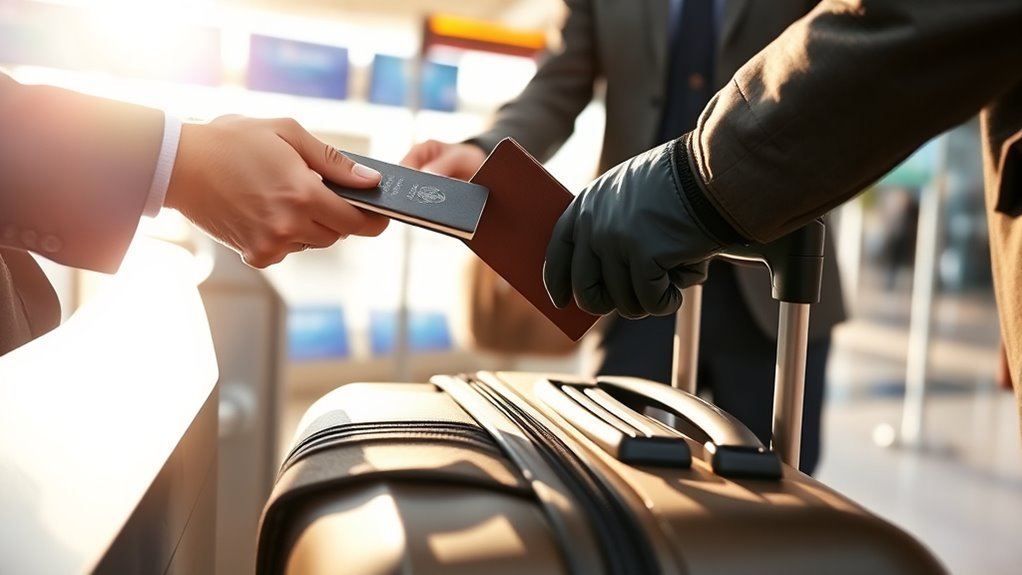
Because shipping crosses city lines and sometimes state or national borders, you’ll need to assemble a clear set of documents and ID before you hand over your luggage. Keep copies and originals handy, declare contents honestly, and check carrier and local customs rules to avoid delays. Label each document with your contact info and shipment ID. Don’t include prohibited items.
- Government ID (passport or driver’s license) and a photocopy
- Shipping invoice with itemized contents and value
- Customs declaration form when required by route/destination
- Contact info card inside and attached to the suitcase
Insurance for Shipped Luggage: When to Declare Value
When you ship luggage, assess its replacement cost and declare a value if the carrier’s basic liability won’t cover what you’d actually pay to replace or repair your items. Check the carrier’s declared-value limits, fees, and required documentation.
Declare high-value items separately and keep receipts or photos as proof. Weigh the cost of added coverage against your risk—fragile, expensive, or irreplaceable items usually justify declaration.
Note exclusions like jewelry or cash that may need specialty insurance. File claims promptly and follow claim procedures exactly.
Keep copies of shipment receipts, tracking numbers, and correspondence to support any future claim.
Tracking, Pickup, and Delivery Tips
You’ll want to monitor your bag with real-time shipment tracking so you always know where it is.
Schedule a secure pickup window that fits your day to avoid missed collections.
Choose contactless delivery options if you prefer hands-free handoffs and added safety.
Real-Time Shipment Tracking
If you want peace of mind while your luggage moves between cities, real-time tracking gives you clear visibility at every step. You can follow location updates, get ETA changes, and see handoffs so you’re not guessing.
Opt for carriers with GPS tracking and push notifications, and confirm tracking numbers right after pickup. Share tracking access with anyone picking up on arrival so they’re ready.
- Check updates frequently, especially near estimated delivery windows.
- Save screenshots of statuses for claims or disputes.
- Set alerts for unexpected route changes or delays.
- Verify carrier contact info within the tracking portal.
Secure Pickup Scheduling
Because pick-up windows are where most handoff problems happen, plan and confirm your secure pickup scheduling in advance so nothing’s left to chance. Choose a narrow, realistic window and book with a carrier that offers precise arrival estimates.
Share clear pickup instructions: exact address, entry codes, landmark, and a preferred contact number. Require ID checks and photo confirmation at handoff, and note any valuable items separately.
Stay available via phone or app during the window, and ask the carrier to call before arrival. After pickup, verify the tracking update and expected delivery time so you can coordinate receipt efficiently.
Contactless Delivery Options
Once pickup is locked in, set up contactless delivery to keep the handoff hands-free and predictable. You’ll get real-time tracking links, ETA updates, and photo confirmation so you can monitor progress without meeting the driver.
Specify a secure drop spot, add access codes, and leave clear handling notes to avoid surprises. Communicate via the app or SMS and expect automated alerts; only escalate if status stalls.
- Choose a visible, sheltered drop location.
- Require photo proof of delivery.
- Share gate or building access instructions.
- Confirm pickup and delivery windows for timing.
Common Problems and Fixes for Delayed or Lost Luggage
When your luggage goes missing or is delayed, track it proactively using the carrier’s app or reference number so you know where it is.
File immediate reports with the transporter and any relevant authorities to start the recovery and claims process.
Meanwhile, secure essential replacements—like medications, chargers, and a change of clothes—so you can keep going without waiting.
Track Luggage Proactively
If you want to avoid the headache of delayed or lost bags, track your luggage proactively from drop-off to pickup. You’ll stay informed and spot issues early so you can act before a delay becomes a disaster. Use tech and simple habits to keep tabs without stressing.
- Attach a GPS tracker or smart tag and check its app after drop-off.
- Take photos of tags, receipts, and contents for quick reference.
- Confirm carrier scan times and expected arrival windows; set alerts.
- Keep phone, tracking app, and carrier contact info handy for rapid follow-up.
File Immediate Reports
Because delays and losses get worse the longer you wait, file a report the moment you notice a problem so the carrier can start searching right away.
Tell staff where and when you last saw the bag, describe distinguishing features, and provide your tag number and ID.
Ask for a written reference number and expected follow-up timeline.
Photograph contents and damage if any, and email those images to the carrier to create a paper trail.
Keep receipts for checked items and any expenses tied to the delay.
Stay polite but persistent: follow up if you don’t get updates within the promised timeframe.
Secure Essential Replacements
Although delays happen, you can still get what you need fast by prioritizing essential replacements—think toiletries, a change of clothes, medications, chargers, and any work documents or ID—and keeping receipts for reimbursement.
Act quickly: contact the carrier, confirm what they’ll cover, and buy only what’s necessary. Keep purchases simple and documented.
If meds are involved, ask your doctor for an emergency prescription or visit a local pharmacy.
Store digital copies of receipts and photos of damaged tags.
Communicate follow-up needs clearly with the carrier to speed compensation.
- Quick checklist to buy
- Keep receipts and photos
- Emergency meds plan
- Track claim progress
Frequently Asked Questions
Can I Send Perishable Food or Plants With My Luggage Shipment?
No, you generally can’t send perishable food or live plants with standard luggage shipment; carriers often prohibit them, or require special packaging and permits. You should check the carrier’s rules, declare items, and use specialized services.
Are There Size or Weight Limits for Carry-On-Style Shipments?
Yes — carriers set size and weight limits for carry-on-style shipments, and you’ll need to follow them. Check each provider’s specific dimensions, weight caps, and extra-fee thresholds before booking to avoid surprises or rejection.
Can I Ship Lithium Batteries or Electronics in Checked Luggage?
You can, but you shouldn’t pack most lithium batteries in checked luggage; airlines require spare lithium-ion batteries in carry-on and limit installed batteries. Declare large batteries, follow airline and IATA rules, and protect terminals to prevent short circuits.
How Do I Handle Shipping Pets or Live Animals With My Bags?
You’ll need to check airline and courier rules, use IATA-compliant crates, get health certificates and vaccinations, book pet transport in advance, label carriers clearly, and guarantee pets are comfortable, fed, and hydrated before departure.
Will Shipping Luggage Affect My Hotel’s Check-In or Baggage Policy?
It usually won’t affect your hotel’s check-in or baggage policy; hotels rarely count externally shipped luggage, but you should call ahead to confirm delivery procedures, storage fees, arrival times, and whether they’ll accept or sign for packages.
Conclusion
You’ve got options, and choosing the right one makes shifting luggage simple. Pick a courier, luggage forwarder, rail or bus service, or a trusted peer based on speed, cost, and security. Pack valuables smartly, insure declared items, and check documents for cross-border moves. Compare quotes, confirm pickup and delivery windows, and use tracking. If problems pop up, contact the carrier immediately and escalate with proof. With a bit of prep, your bags will arrive where you need them.