What Happens if My Carry on Is Too Big
If your carry‑on is too big, the airline will usually measure it and insist it go into the hold, charge a fee, or ask you to repack at the gate; strict carriers often enforce limits, while some low‑cost or international flights may be more lenient. You’ll be asked to keep valuables with you, attach a gate‑check tag, or pay for checked baggage, and you can calmly request a supervisor or document damage. Scroll on to learn practical avoidance and dispute tips.
What Happens If Your Carry‑On Is Too Big
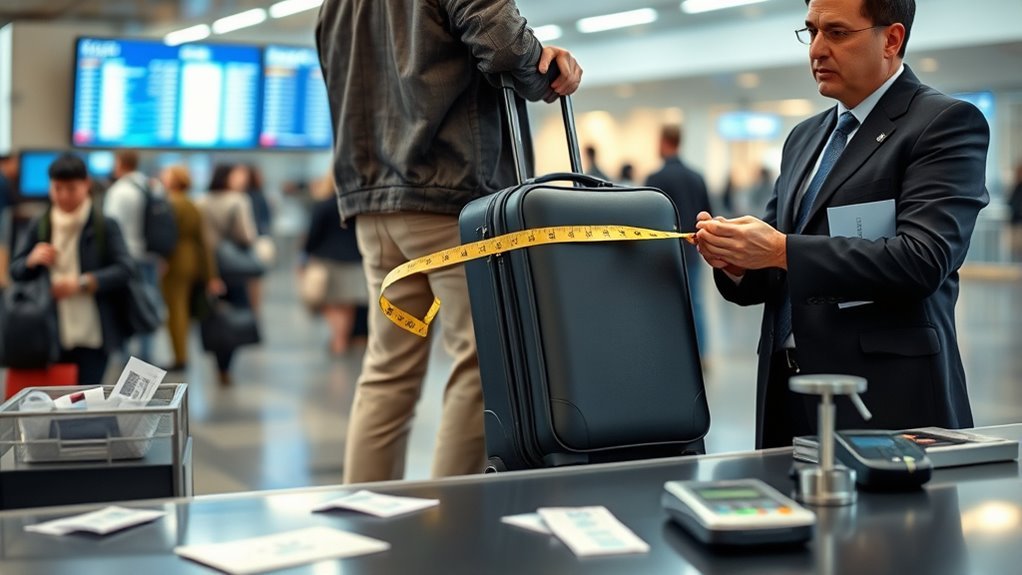
If your carry-on is too big, the gate or check-in agent will usually spot it and ask you to either gate‑check it or pay an oversize fee. You’ll be offered options: squeeze it into checked luggage, gate‑check it right there (you’ll reclaim it at baggage claim), or pay the airline’s oversize charge and bring it aboard if allowed.
If flight’s full they’ll insist you gate‑check. Packing smart reduces this risk: know your airline’s policy, weigh and measure before heading to the airport, and use a soft bag that can compress. Being prepared saves time and avoids extra costs.
Carry‑On vs. Checked Bag: Quick Size Rules
When you’re deciding what to bring, remember carry‑ons and checked bags follow different size and weight rules that affect fees, security screening, and what you can access during the flight. You’ll choose based on convenience, cost, and what’s allowed in cabin versus hold. Pack valuables and essentials in your carry‑on; put bulky or heavy items in checked bags. Check airline limits before you go to avoid surprises.
- Carry‑on: fits overhead or underseat, easy access, stricter liquid rules
- Checked: larger, may incur fees, delayed access
- Weight matters for both
- Measure bags before travel
How Airlines Set Size and Weight Limits (What to Watch For)
Because airlines balance cabin space, safety, and revenue, they set size and weight limits based on aircraft type, seating layout, and commercial strategy, so you’ll see different allowances across carriers and routes. You should check published dimensions and weight caps before packing — low-cost carriers often charge for larger carry-ons or limit them to personal-item sizes.
Regional jets and high-density flights may enforce stricter rules. Watch for gate-measurement policies, overhead bin variability, and seasonal staffing that affects enforcement.
Also note frequent-flyer status or fare class can grant exceptions. Always measure your bag and weigh it if the airline lists weight limits.
At Check‑In: What Usually Happens First
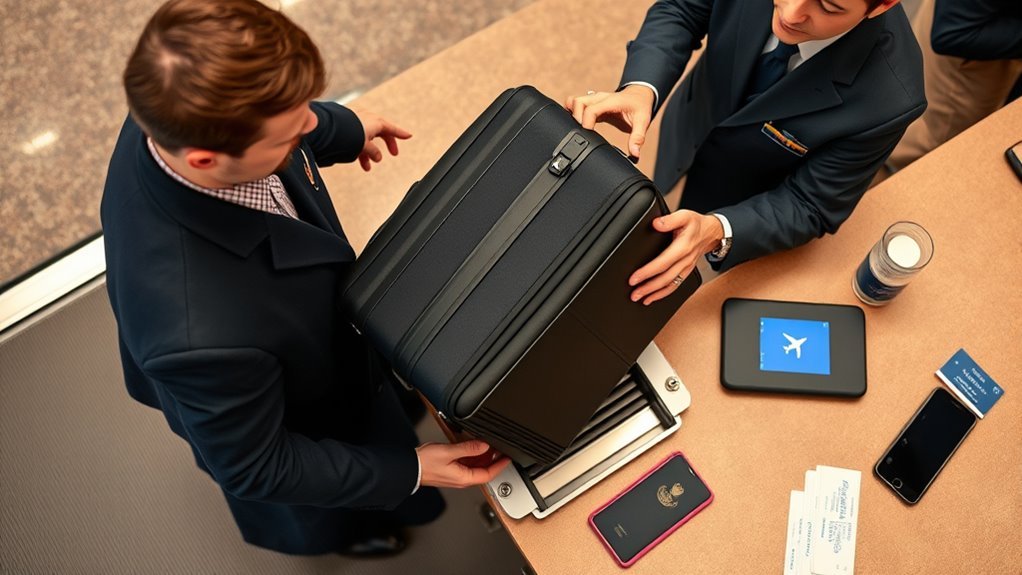
After you’ve confirmed your bag meets the carrier’s size and weight rules, head to the check‑in area where the airline will verify your flight, ID, and luggage. You’ll present ID, scan boarding passes, and place your carry‑on on the scale or sizer.
Staff check tags and rules; if the bag’s oversized they’ll explain options. Stay calm and decide quickly.
- Staff may gate‑check the bag free or for a fee.
- You can repack to meet limits if time allows.
- Paying an oversize or checked baggage fee is common.
- Security screening proceeds once tagging is done.
At the Gate: What to Expect With an Oversized Carry‑On
If your carry‑on’s flagged as too big at the gate, expect staff to ask you to gate‑check it, repack on the spot, or pay an extra fee before boarding; decide quickly so you don’t hold up boarding.
Agents will usually measure or compare your bag to a sizing frame, explain options, and note any fees.
You should stay calm, follow directions, and move to a less crowded spot if you need to repack.
Keep valuables and medications with you.
If you accept gate‑check, get a claim ticket.
Know airline rules beforehand to speed the process and reduce stress.
Gate‑Checking: How It Works and When It’s Required
When gate agents decide your bag won’t fit in the cabin, they’ll ask you to gate‑check it — a quick process where you hand the bag over at the gate, get a claim tag, and pick it up at baggage claim or the jet bridge on arrival.
You’ll usually be asked to remove valuables, electronics, and fragile items. Gate‑checking is required when overhead bins are full, your bag exceeds size limits, or aircraft type limits carry‑on numbers.
Expect staff to attach a tag and load the bag in the hold.
Tips:
- Keep essentials in a personal item
- Remove lithium batteries
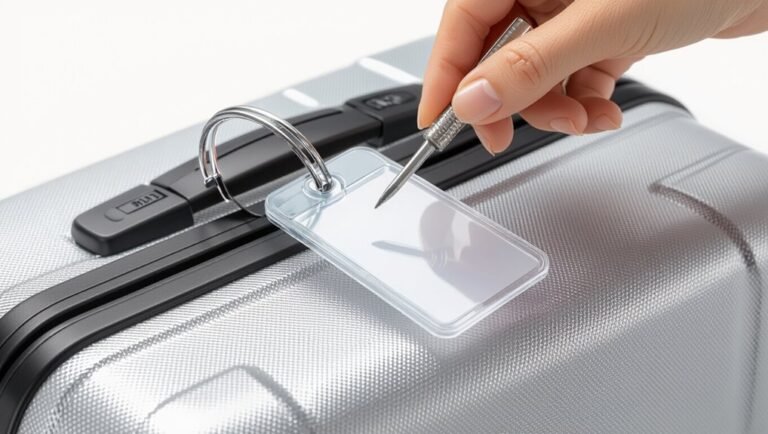
- Use a durable tag
- Note claim tag number
Fees for Oversized Carry‑Ons (What You Might Pay)
If your bag exceeds the airline’s carry‑on dimensions, you’ll usually be charged an oversize carry‑on fee at the gate.
Those charges can vary by carrier and sometimes match or exceed checked‑bag rates.
Repeated or severely oversized items may incur excess luggage penalties, so check fees before you travel.
Oversize Carry‑On Charges
Though airlines vary widely, oversized carry-on fees are common and can add a significant extra cost if your bag exceeds the allowed dimensions or weight. You’ll usually pay at the gate or check-in, and charges depend on carrier, route, and whether you prepay.
Expect variable policies and ask staff for exact limits to avoid surprises.
- Fees often rise with size or when flight is international
- Some airlines convert oversized carry-ons to checked baggage with a separate charge
- Elite status or credit cards may waive or reduce fees
- Prepaying online is usually cheaper than paying at the airport
Excess Luggage Penalties
Because airlines set their own rules, you’ll often face a range of excess-luggage penalties when a carry-on exceeds size or weight limits. You might be charged a flat fee at the gate, pay an elevated checked-bag rate, or be required to check the item free only if space permits.
Fees vary by carrier, route, and ticket class; low-cost airlines often charge more. Some carriers levy overweight charges per kilogram or pound.
To avoid surprises, check your airline’s policy before travel, measure and weigh bags at home, and consider repacking, shipping items, or upgrading to a higher allowance.
When Airlines Can Refuse Your Carry‑On
When airlines refuse a carry‑on, they usually point to one of a few clear reasons: you’ll be told why quickly and firmly. Staff enforce limits to keep cabins safe, efficient, and fair.
Common grounds include:
- Oversize or overweight items that won’t fit in overhead bins or under seats.
- Prohibited contents like lithium batteries, aerosols, or sharp objects.
- Safety or obstruction concerns, such as blocking aisles or exits.
- Operational needs, for example full flights requiring gate-checking.
You should expect staff to explain the reason and next steps; they won’t accept negotiation if rules clearly apply.
If Your Carry‑On Is Denied at the Gate: What to Do
If an agent denies your carry‑on at the gate, stay calm and follow their instructions—do not argue with staff or try to board with a noncompliant bag.
You’ll usually be offered options: gate‑check the bag, transfer items into a smaller personal item, pay a fee if allowed, or return the bag to checked baggage at ticketing.
Ask clearly which choices apply and any costs or retrieval procedures at your destination. Keep valuables and essentials with you.
Get a receipt for gate‑checked luggage and note any damage claims procedures.
If you disagree, request a supervisor politely; escalate later through customer service.
How Major U.S. and International Airlines Differ on Carry‑On Rules
You’ll notice airlines vary a lot in size and weight limits for carry-ons, so check the specific measurements and any weight caps before you pack.
Enforcement can be strict at some carriers and lax at others, and that difference often determines whether you’ll be charged a gate fee or asked to check the bag.
Know the rules for both U.S. and international carriers to avoid surprises and extra costs.
Size And Weight Limits
Although airlines broadly let you bring a single carry‑on and a personal item, size and weight limits vary enough that you can’t assume one standard fits all flights. You should check dimensions and weight before packing.
U.S. carriers often focus on dimensions; international and low‑cost airlines add strict weight caps. Measure your bag including wheels and handles. If you’re unsure, weigh it at home.
- Typical U.S. max: 22 x 14 x 9 inches (varies)
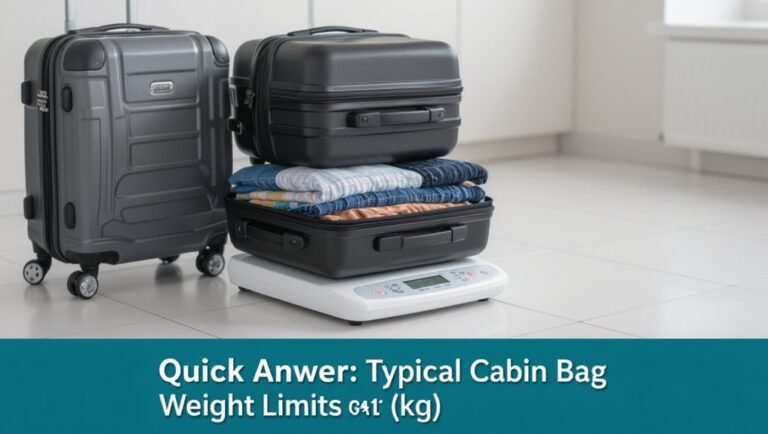
- Common international: similar dimensions but 7–10 kg weight limits
- Low‑cost carriers: smaller dimensions, 5–8 kg caps
- Premium fares: looser limits
Enforcement And Fees
When airlines check your carry‑on at the gate, enforcement can feel strict or relaxed depending on where you’re flying and which carrier you’re on. You’ll see U.S. legacy carriers enforce size limits rigidly, often charging checked baggage fees or gate‑checked fees if your bag’s too big.
Low‑cost U.S. airlines and many international carriers may measure more casually but still charge overweight or oversized fees. Frequent flyers should check policies before packing; elite status sometimes waives fees.
At busy gates, staff enforce space needs more tightly. Know fee amounts, measurement methods, and refund rules to avoid surprises.
Pack Smart: Avoid Oversized Carry‑On Problems
Wondering how to dodge the hassle of an oversized carry-on at the gate? You can prevent surprises by packing deliberately and checking dimensions before you leave. Measure your bag, prioritize essentials, and keep heavier items low so it fits the sizer when needed.
Wondering how to dodge oversized carry-on hassles? Measure, pack smart, and keep heavier items low for sizer success.
At security, streamline access to liquids and electronics to avoid repacking.
- Choose versatile clothing you can layer to save space
- Use compression bags or packing cubes to organize efficiently
- Limit shoes and bulky items; wear the bulkiest on the plane
- Keep receipts and dimensions handy for quick verification
Follow these steps and you’ll avoid gate delays.
Best Luggage Types to Reduce Gate‑Check Risk
When you want to avoid having your bag gate-checked, pick a hard-shell carry-on that keeps its shape and meets airline size limits.
If you need flexibility, a compact soft-shell bag can squeeze into tight overhead bins while still protecting your items.
We’ll compare durability, packability, and ease of stowing to help you choose.
Hard-Shell Carry‑Ons
Because they combine rigid protection with predictable shape and size, hard‑shell carry‑ons are among the best choices if you want to avoid being forced to gate‑check your bag. You’ll benefit from consistent dimensions that fit overhead bins, plus sturdiness that protects fragile items.
Choose one with smooth edges and recessed wheels to maximize space and compliance. Consider weight and durability when selecting a model so you won’t sacrifice allowance for strength.
- Molded shell keeps shape under pressure
- Recessed handles and wheels save external length
- Lightweight polycarbonate balances weight and toughness
- Zippered expansion can complicate size limits
Compact Soft‑Shell Bags
If you prefer flexible packing that still fits overhead bins, compact soft‑shell bags give you room to squeeze in a few extra items without blowing size limits. You’ll benefit from pliable fabric that compresses, external pockets for quick access, and lighter weight that helps you meet airline carry‑on rules. Choose bags with reinforced corners and smooth zippers to withstand gate handling. Pack strategically: heavier items near wheels, fill gaps with clothing, and avoid rigid items that force expansion. Compare dimensions before travel and use a luggage sizer at home to confirm compliance.
| Feature | Benefit | Tip |
|---|---|---|
| Fabric | Compressible | Test at home |
| Pockets | Easy access | Use for documents |
| Weight | Lighter | Weigh before flight |
Last‑Minute Tricks to Compress or Rearrange Items
Although time’s tight, you can still shave inches off your carry-on by compressing soft items, redistributing weight, and rethinking packing order.
Start by stuffing socks into shoes and rolling clothes tightly; use a spare compression bag if you have one. Move heavy items to a smaller personal bag to lower the profile. If space’s still tight, shift bulky toiletries into travel sizes and tuck them into seams.
Stuff socks into shoes, roll clothes tight, use a compression bag, move heavy items to a personal bag, and downsize toiletries.
- Roll garments instead of folding
- Place shoes heel to toe and fill gaps
- Layer thin items between thicker ones
- Use outer pockets for flat essentials
Recheck dimensions and zip carefully.
Your Rights If a Gate‑Checked Bag Is Mishandled
If your gate‑checked bag arrives damaged, take photos and note the damage right away.
You should file an incident report with the airline before you leave the airport and keep copies of any documentation.
Then ask about your compensation options and follow the airline’s claims process to seek reimbursement.
Document The Damage
Wondering what to do when your gate‑checked bag comes back scuffed, dented, or missing? You should document everything immediately: photograph damage from multiple angles, note time and location, and keep tags and receipts.
Don’t accept vague explanations; record agent names and badge numbers. This evidence supports claims and speeds resolution.
- Take wide shots showing bag in context and close‑ups of defects.
- Photograph baggage tag, boarding pass, and any torn straps.
- List items missing or damaged with estimated values.
- Save emails, texts, and any verbal statements in writing.
Act fast; clear, organized documentation strengthens your case.
File An Incident Report
Once you’ve documented the damage, file an incident report with the airline right away so there’s an official record of what happened. Go to the airline’s baggage service office at the airport before you leave; if that’s not possible, submit the report online or by phone as the carrier’s policy requires.
Provide your flight details, photos, itemized list of damaged contents, and any receipts you have. Ask for a copy or confirmation number and note the staff member’s name.
Keep all correspondence, boarding passes, and tags. Filing promptly preserves your rights and starts the airline’s tracking and escalation process.
Claim Compensation Options
What compensation can you expect when an airline mishandles a gate-checked bag? You should act promptly: keep your report copy, boarding pass, and receipts. Airlines often offer limited liability, so know their published limits and timelines.
File a written claim if items are lost, damaged, or delayed.
- Reimbursement for repair or replacement of damaged items, up to policy limits
- Interim expenses reimbursement for essentials if your bag’s delayed (receipts required)
- Cash settlements when bags are declared permanently lost, based on carrier rules
- Denied claims can be appealed or escalated to small claims court within legal timeframes
How to Dispute Oversized‑Bag Fees and File Complaints
If an airline charges you an oversized‑bag fee that you believe is unjustified, act quickly: document the bag’s dimensions and weight, keep your boarding pass and receipt, and take photos of any measuring devices or staff interactions.
Then contact the airline’s customer service immediately—use in‑airport customer desks, phone lines, or official apps and request a fee review.
File a formal written complaint if needed, citing policy and attaching your evidence.
If the airline won’t resolve it, escalate to the aviation regulator or a consumer protection agency and consider disputing the charge with your credit card issuer while keeping records of every communication.
Pre‑Flight Oversized Carry‑On Checklist
Before you head to the airport, run through a quick checklist to prevent surprises at the gate: measure and weigh your carry‑on against the airline’s stated dimensions and weight.
Empty external pockets and remove detachable items that might push you over limits.
Tuck or pad protruding handles and wheels.
Pack essentials in an accessible spot in case staff ask to inspect contents.
Then confirm these steps so you’ll avoid fees or forced gate check:
- Verify dimensions with a tape measure and digital scale.
- Remove nonessential items to reduce bulk.
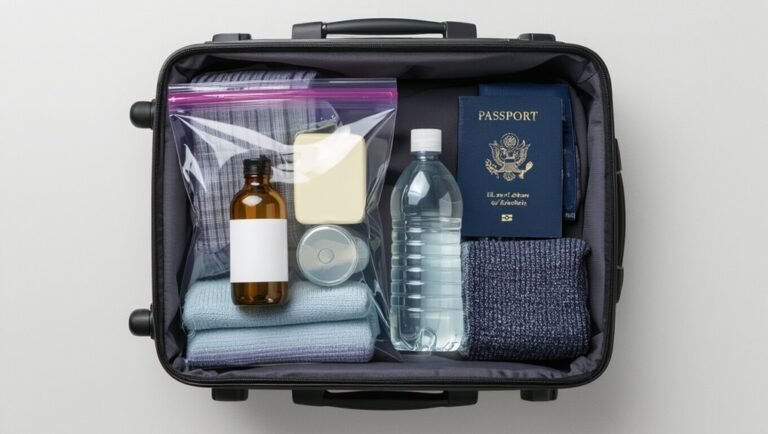
- Consolidate liquids and valuables in a clear bag.
- Know airline gate‑check policies and fees.
Frequently Asked Questions
Can Oversized Carry‑Ons Affect TSA Screening Time or Security Procedures?
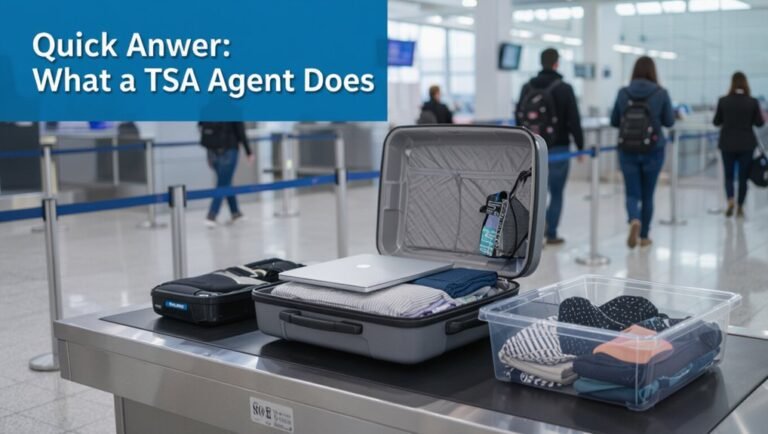
Yes — oversized carry‑ons can slow TSA screening and change procedures because agents may require additional checks, bag remeasurement, or gate-checked items; you’ll face delays, possible secondary inspection, and higher risk of missed or altered screening timelines.
Will Global Airlines Enforce Size Rules Differently on Codeshare Flights?
Yes — you’ll face different enforcement: the operating carrier sets rules, so even on codeshares you’ll be checked against that airline’s size limits, and agents may gate‑check or charge fees if your bag’s oversized.
Can Medically Necessary Items Be Carried on Even if Bag Is Oversized?
Yes — you can usually bring medically necessary items onboard even if your bag’s oversized. Airlines and TSA let you carry essential medical supplies; you should notify staff, have documentation, and follow any airline-specific policies or screening procedures.
Do Frequent Flyers or Elite Status Holders Get Exemptions for Oversized Carry‑Ons?
Generally, you don’t get automatic oversized carry‑on exemptions as a frequent flyer or elite. Some airlines’ll allow flexibility for elites; others enforce size strictly, so always check your carrier’s specific policy before you travel.
Are There Airline Liability Limits for Damage to Gate‑Checked Luggage?
Yes — airlines and treaties set liability limits for gate‑checked luggage; you’ll usually be limited to a few hundred to a few thousand dollars depending on carrier and applicable convention, so check your airline’s contract of carriage.
Conclusion
If your carry-on turns out too big, you’ll usually be asked to gate-check it or pay an oversize fee. At worst, you’ll lose quick access to items you needed in-flight; at best, you’ll simply stash it in the hold and continue. To avoid hassle, double-check size limits, try compressing or redistributing things into personal items, and keep essentials accessible. If a gate-checked bag is damaged or lost, document everything and file a claim promptly.