Where to Donate Luggage
You can donate suitcases and carry-ons to local shelters, refugee resettlement agencies, campus drives, veteran or military family organizations, and disaster-relief groups; call first to confirm size and condition requirements. Check thrift stores, community centers, and neighborhood apps for same-day pickups or drop-off events. Clean bags, fix minor issues, and label them with condition and contact info so they’re ready for immediate use. Keep going to find specific places, tips, and packing advice.
Where to Donate Luggage Right Now (Quick Picks)
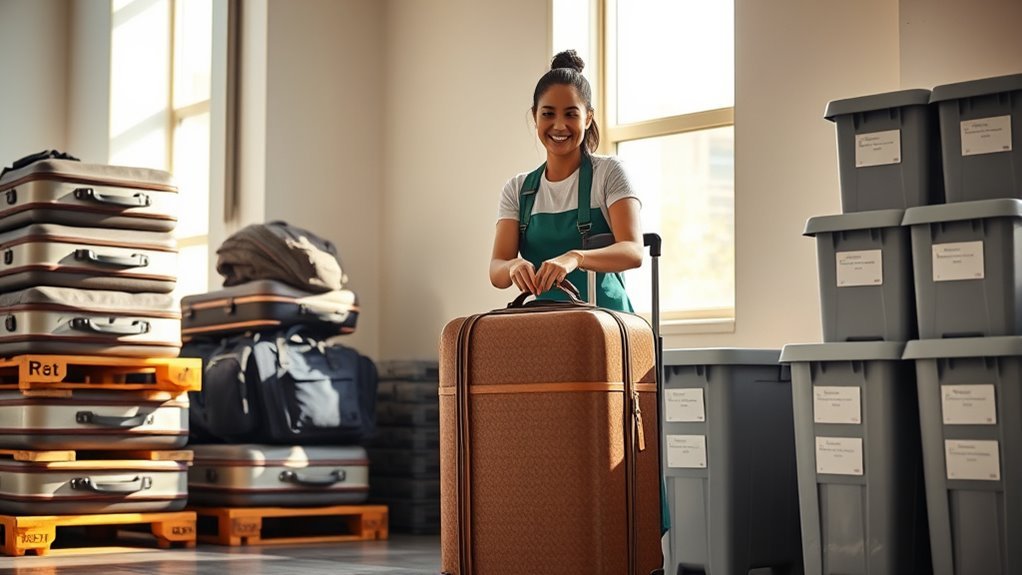
If you need to donate luggage fast, start with local charities and shelters that accept travel gear—homeless shelters, refugee resettlement agencies, and family crisis centers often take suitcases and backpacks immediately.
Check nearby donation centers, thrift stores, and community centers; call ahead to confirm size, condition, and drop-off hours.
Post on neighborhood apps and social media groups for same-day pickup by someone in need.
Contact campus donation drives and military family support organizations for targeted needs.
Clean and label bags, remove personal items, and be ready to describe condition so recipients can decide quickly.
Who Should Receive Your Luggage (Refugees, Shelters, Students, Travelers)
Who needs your suitcase most right now? You can change someone’s journey: a refugee fleeing with little, a family leaving shelter, a student starting college, or a traveler rebuilding after loss. Think practical: durability, cleanliness, and compassion matter.
| Situation | Why it hurts/helps |
|---|---|
| Refugees | A sturdy bag carries hope and essentials. |
| Shelters | Clean luggage preserves dignity. |
| Students | Reliable wheels ease a big shift. |
| Travelers after disaster | Replacement restores mobility and plans. |
| Families | One suitcase can mean safety and continuity. |
Top Places to Donate Luggage by Need (Charities & Programs)
When you decide to donate luggage, targeting organizations that match recipients’ needs makes the biggest difference. Refugees, shelter residents, students, disaster survivors, and traveling families each benefit from different types, sizes, and conditions of bags.
Look to refugee resettlement agencies for sturdy, secure suitcases. Homeless shelters often need duffels and backpacks for daily use. College programs welcome small rolling carry-ons for student moves. Disaster relief groups accept bulk donations for rapid distribution. Family support centers prefer versatile sets for travel and relocation.
Check each organization’s drop-off guidelines and seasonal drives to guarantee timely, useful donations.
What Luggage to Donate : Acceptable Condition and What to Avoid
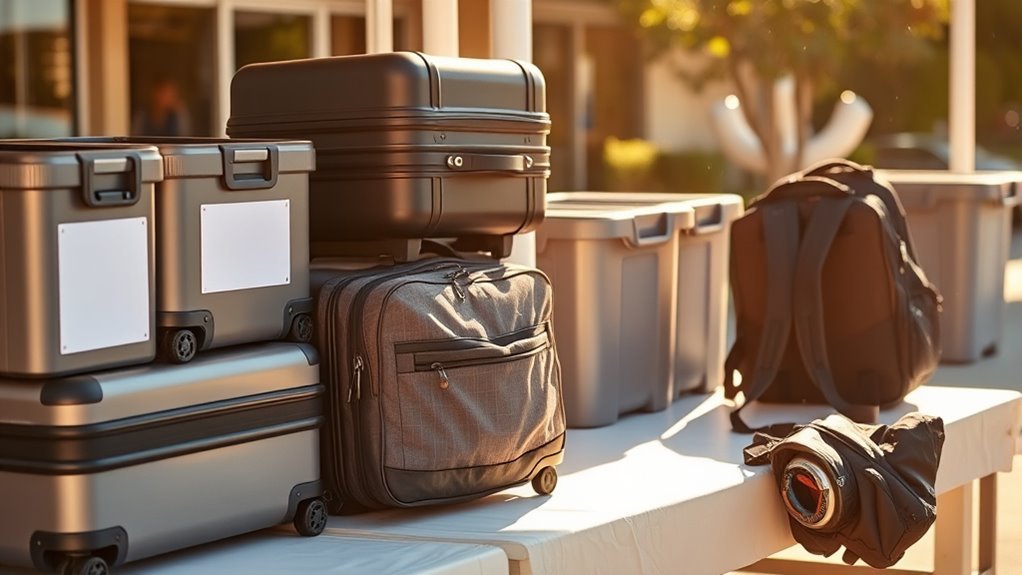
Because donated luggage should be ready to use right away, focus on items that are clean, fully functional, and free of major wear.
Donate luggage that’s clean, fully functional, and free of major wear so recipients can use it immediately.
Choose suitcases with working wheels, intact handles, and secure zippers or locks.
Soft bags should have no large tears, mold, or heavy stains.
Avoid items with lingering odors, missing parts, or structural damage that impedes use.
Skip cheap, falling-apart pieces and overly personalized bags with permanent names or logos.
Also don’t donate recalled or unsafe items.
When in doubt, prioritize durability and presentability so recipients get reliable gear they can use immediately.
How to Donate: Clean, Label, and Deliver (Drop-Off, Pickup, Shipping)
Now that you’ve chosen durable, presentable pieces, get them ready for donation by cleaning, labeling, and arranging delivery. Wipe exteriors, vacuum interiors, and remove odors; repair minor zippers or seams so items are usable. Attach a simple tag with contents, condition, and contact info. Contact the charity to confirm acceptance, drop-off hours, or pickup options.
If shipping, pack securely and include donation paperwork or a note. Coordinate timing so volunteers can process donations promptly. Clear communication and neat presentation speed distribution to people in need.
- Clean thoroughly
- Label clearly
- Choose delivery method (drop-off/pickup/shipping)
Frequently Asked Questions
Can I Claim a Tax Deduction for Donated Luggage?
Yes — you can usually deduct donated luggage if you itemize and give to a qualified charity. Keep a receipt, record fair market value, and get a written acknowledgment for single gifts over $250 to substantiate your deduction.
Can I Donate Luggage Internationally Across Borders?
Yes, you can donate luggage internationally, but you’ll face customs rules, import restrictions, shipping costs, and recipient organization requirements, so check destination regulations, coordinate with a trusted charity, and document the shipment for compliance and tax purposes.
Are Replacement Zippers or Minor Repairs Acceptable?
Yes — you can donate luggage with replacement zippers or minor repairs; just guarantee it’s functional, clean, and safe. Recipients prefer usable items, so fix broken parts and disclose repairs when dropping off or listing for donation.
What Happens to Luggage Not Claimed by Recipients?
Unclaimed luggage is typically stored, sold, recycled, or donated; charities or shelters may redistribute usable pieces, while damaged items get recycled or discarded. You’ll be notified if possible, but unclaimed items often enter secondary channels.
Can I Donate Luggage With Sentimental Items Inside?
Yes — you can donate luggage with sentimental items inside, but you should remove irreplaceables, clearly label contents, and tell the charity about sentimental value; they’ll usually accept, though they might inspect or separate items for safety or reuse.
Conclusion
Now that you know where to donate luggage and who benefits, take action. Clean and repair bags, label contents if helpful, and choose a local shelter, refugee service, college program, or travel charity that accepts your bag. Drop it off, schedule a pickup, or ship it with clear instructions. Your luggage can make travel, resettlement, or school life easier—so donate promptly and give someone the dignity and freedom a good suitcase provides.