Can Fleas Travel in Luggage
Yes — fleas and their eggs can hitch a ride in your luggage, clothing, or pet gear after you visit infested rooms, carpets, or animals. Adults jump onto fabrics and seams; microscopic eggs cling to fibers and hide in linings or pockets. They can survive transit days to weeks, with pupae lasting months. Inspect, shake, wash, vacuum, and isolate suspect items before bringing them inside, and keep an eye on pets and bedding for signs if you want to learn more.
Quick Answer: Can Fleas Travel in Luggage?
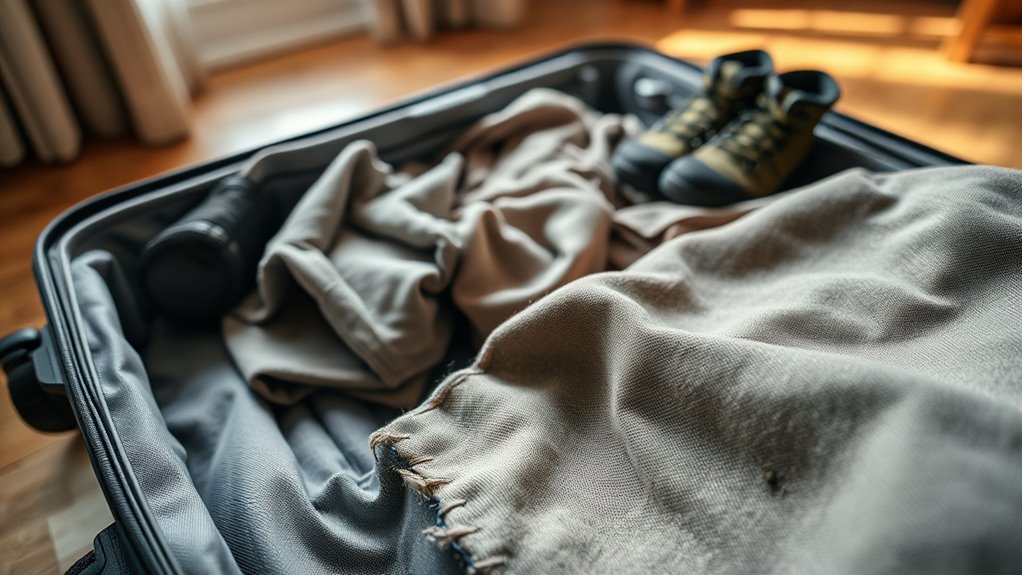
Can fleas travel in your luggage? Yes — adult fleas, eggs, and larvae can hitch rides on clothing, pet gear, or loose fabric in bags.
You’ll likely pick them up after staying where infested animals were present. They don’t need constant blood meals to be transported; eggs and larvae survive in dark, protected crevices.
You should assume baggage that’s been near stray pets, hotel rooms with infestations, or outdoor resting spots could carry life stages of fleas.
Inspect and vacuum suitcases, wash fabrics in hot water, and isolate packed items until you’re sure they’re flea-free.
How Fleas Get Into Luggage, Clothing, and Gear
If you stay where infested animals hang out, fleas and their eggs can easily hitch a ride on your clothing, pet gear, or inside the folds and seams of luggage.
You brush past carpets, bedding, or furry pets and microscopic eggs cling to fibers; adult fleas leap onto fabrics seeking a host. Moisture, warmth, and darkness in packed bags let eggs hatch and larvae hide in creases.
You transfer contaminated items into trunks, hotel closets, or car upholstery, spreading insects silently.
Inspecting and isolating worn clothes, pet bedding, and gear before packing stops infestations before they travel.
Items Most at Risk When You Travel With Pets
When you travel with pets, their bedding is the biggest hotspot for fleas and eggs, so check it carefully before packing. Soft-lined suitcases and gear can trap hitchhiking adults and larvae in seams and pockets.
Clothing and blankets that touch your pet are also at risk, so isolate and inspect them before you unpack.
Pet Bedding Items
Where do fleas hide first when you travel with pets? Your pet’s bedding is top risk: blankets, portable beds, and familiar cushions trap fur, skin flakes, and any hitchhiking fleas or eggs.
You’ll pick up eggs in seams and crevices, and larvae love dark, fibrous fabric. Always shake and vacuum bedding outdoors, wash it in hot water, and dry on high heat before packing.
Use sealed plastic bags or hard containers to isolate clean items. At your destination, avoid placing bedding directly on soft surfaces and inspect it regularly.
Treat pets before travel to reduce the chance of bringing fleas home.
Soft Luggage Interiors
After treating and packing your pet’s bedding, check the soft interiors of suitcases and duffels — they’re prime hiding spots for fleas, eggs, and larvae. You should unzip pockets, inspect seams, linings, and mesh compartments where insects cling.
Vacuum thoroughly, use a brush to dislodge eggs from fabric folds, and consider a portable steam cleaner for stubborn areas.
Store luggage in sealed plastic bags until you’ve confirmed it’s flea-free. If you find evidence, treat the bag with a pet-safe insecticide according to label instructions or launder removable liners.
Regularly inspect gear after trips with pets.
Clothing And Blankets
Why check your clothes and blankets first? You wear and wrap them, so they pick up fleas, eggs, and larvae easily. Before packing, shake and inspect garments, especially dark, furry, or textured fabrics.
Use sealed plastic bags for worn items and wash clothes and blankets in hot water and high heat drying as soon as you can.
When unpacking, keep bags outside or in a tiled area while you sort. Vacuum luggage and treat any persistent fabrics with pet-safe insecticide if you find evidence.
Taking these steps cuts the chance you’ll carry hitchhiking fleas home.
Typical Flea Survival Times Off a Host and in Transit
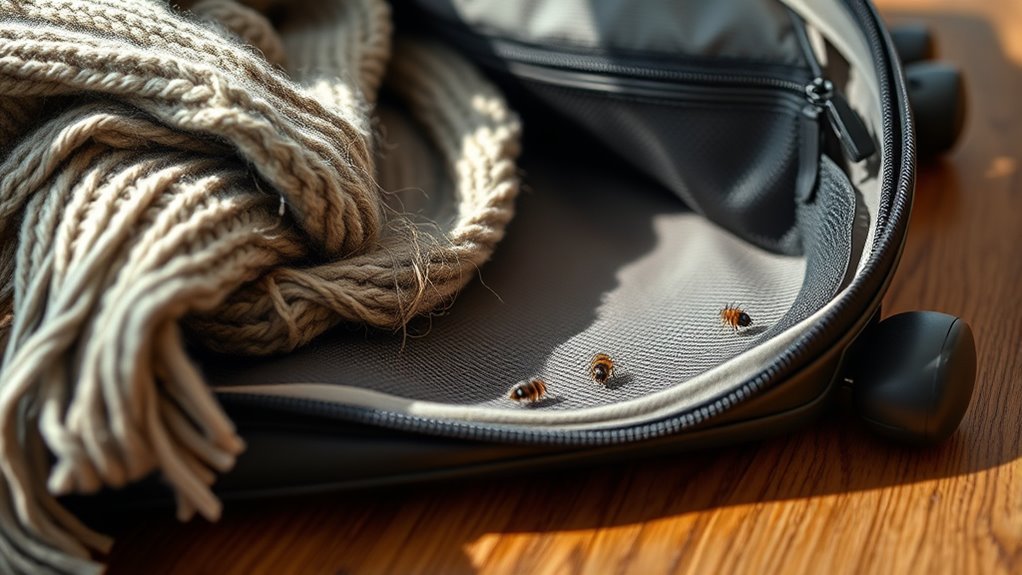
Although fleas need a host to feed, many species can survive surprisingly long off one, and knowing those limits helps you assess the risk when traveling with luggage.
Adult fleas often live days to a couple of weeks without blood, depending on temperature and humidity; cooler, humid conditions extend survival.
Adult fleas can survive several days to weeks without feeding, lasting longer in cool, humid conditions.
Flea eggs and pupae are more resilient: eggs may remain viable for weeks, while pupae can stay dormant for months, hatching when vibrations, CO2, or warmth signal a host.
During typical transit—hours to a day—adult fleas may survive, and immature stages can persist longer, posing delayed risk.
How to Check Luggage and Clothing for Fleas
Before you unpack, check seams and zippers where fleas and eggs can hide. Shake and vacuum clothing to dislodge any hitchhikers.
Don’t forget pockets and linings—open and inspect them carefully.
Inspect Seams And Zippers
When you’re unpacking, focus on seams and zippers—fleas and their eggs love the tiny crevices in stitching and the folds around closures, so check pockets, lining seams, and zipper tracks carefully for live insects, shed skins, or dark specks that could be eggs.
Use a bright light and a stiff brush to expose hidden debris; run your fingers along seams to feel for movement; open every pocket and unzip fully; inspect luggage corners and fabric folds where eggs stick.
If you find anything suspicious, isolate the item and treat or launder promptly.
- Use a flashlight
- Brush seams
- Inspect zipper tracks
- Isolate findings
Shake And Vacuum Clothing
If you suspect fleas, start by taking your clothing and soft items outside and giving them a good shake to dislodge adults, larvae, and loose eggs. Then follow up by vacuuming seams, cuffs, and pockets to pick up anything remaining.
Work methodically: shake one item at a time over a hard surface, inspect for movement, then place items directly into a sealed bag or laundry bin.
Use a vacuum with a crevice or brush attachment, moving slowly across fabric folds and hems. Empty the vacuum canister or replace the bag immediately and wash washable items in hot water and dry on high.
Check Pockets And Linings
Because fleas love dark, narrow spaces, check every pocket, seam, and lining in your luggage and clothing carefully for adults, larvae, shed skins, or tiny black flecks of feces.
Open pockets fully, peel back linings, and use a bright light to inspect folds. Run your fingers along seams to feel for movement or debris, and tap fabric over white paper to catch anything dislodged.
If you spot signs, isolate the item in a sealed bag and treat or wash it promptly.
- Turn pockets inside out and inspect with a flashlight
- Feel seams and creases for tiny movement
- Tap fabric onto white paper
- Seal and treat contaminated items immediately
Signs You’ve Picked Up Fleas While Traveling
Although you might not notice right away, there are clear signs that fleas hitched a ride in your luggage. You may see tiny dark specks crawling on fabric, feel sudden itchy bites after unpacking, or spot pale flea eggs in seams. Check pets and shoes first, since fleas favor warm hiding spots. Below is a quick reference:
| Visual clue | Sensation | Likely location |
|---|---|---|
| Tiny dark specks | Itchy red bites | Seams, pockets |
| Pale grains (eggs) | Localized irritation | Linings, folds |
| Flea dirt (spots) | Multiple bites | Pet items, shoes |
What to Do Immediately If You Find Fleas in Your Bag
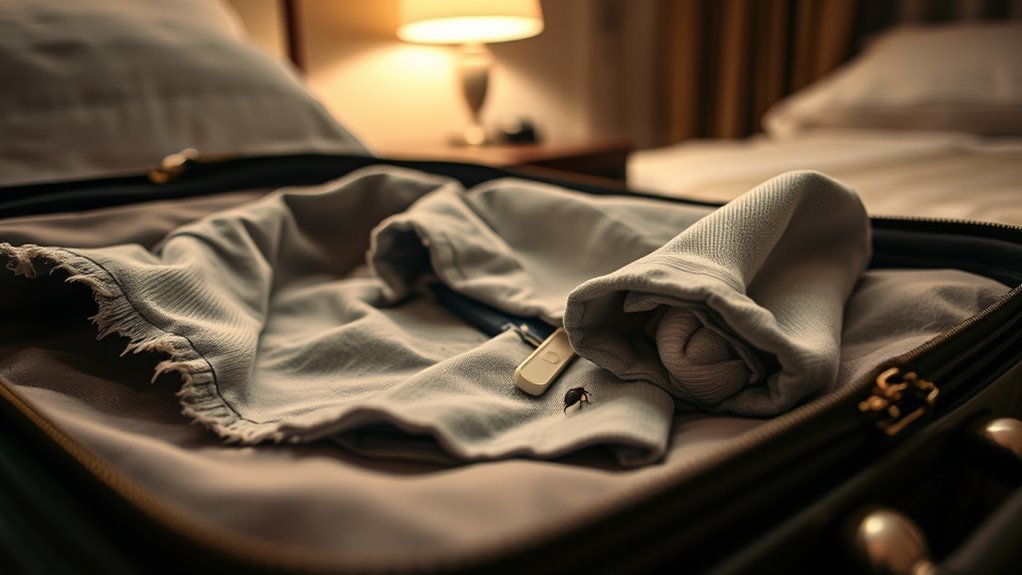
If you spot fleas in your bag, stop and inspect it right away and move the luggage outside or to a hard floor to isolate any pests.
Take out everything washable and treat or bag items that can’t be washed to prevent spread.
Then clean the bag thoroughly and vacuum or steam-treat seams and pockets before bringing it back inside.
Inspect And Isolate Immediately
When you spot fleas in your bag, act fast: unzip and move the luggage to an easy-to-clean area like a tiled porch or garage. Then inspect seams, pockets, and lining with bright light and a fine-toothed comb or lint roller to pick up adults and debris.
Isolate the bag from fabrics and pets, seal it in a clear trash bag or plastic tub for transport, and avoid bringing it into living spaces until you decide next steps.
Check nearby surfaces and vacuum the area immediately; note where fleas came from to prevent reintroduction.
- Seal the bag immediately
- Inspect all external pockets
- Keep pets away
- Vacuum surrounding floor
Clean And Treat Contents
Now that the bag’s sealed and isolated, empty its contents in a clean, well-lit area and treat each item immediately.
Check clothing, shoes, and soft items; shake them outside, then wash fabrics on the hottest safe setting and dry on high for at least 30 minutes.
Seal non-washables in plastic bags and freeze for 72 hours or heat with a hairdryer to 120°F (49°C) for sustained minutes.
Vacuum items like belts and bags, then discard vacuum bag or empty canister outdoors.
For delicate or valuable items, consult a professional cleaner or pest control.
Monitor treated items for signs of surviving fleas.
Preventive Packing Habits to Keep Fleas Out of Luggage
Before you pack, sort and launder clothes that might carry fleas—dry high heat for at least 20 minutes or wash in hot water—to reduce hitchhikers. Keep clean and used items separated in sealed plastic bags so pests can’t spread within your luggage.
Launder potential flea-carrying clothing in high heat and pack clean and used items separately in sealed bags.
You’ll choose hard-shell cases when possible, vacuum or wipe interiors before use, and store shoes in individual bags. Seal toiletries and pet items. At destinations, avoid placing luggage on beds or floors where pets roam.
- Use clear resealable bags for outfits
- Pack a small hand vacuum or lint roller
- Keep laundry bags closed
- Inspect fabrics before repacking
Post‑Travel Cleaning to Stop Flea Infestations at Home
You’ve kept clean and used items separated during travel, but the job isn’t over once you walk through the door—post‑travel cleaning prevents hidden hitchhikers from turning into a home infestation.
Immediately launder clothes and travel linens in hot water and dry on high heat. Vacuum luggage interiors, seams, and any unpacked bags, then empty the vacuum outside.
Inspect and wipe down hard surfaces, shoes, and gear with a pet‑safe disinfectant. Store cleaned items in sealed bags or containers until you’re sure no fleas emerged.
Monitor floors and pet resting spots for two weeks, re‑vacuuming regularly to remove eggs and larvae.
When to Treat Pets, Luggage, or Your Home for Fleas
If you spot fleas on your pet, find bites on family members, or see fleas—or a sudden increase in flea dirt—around luggage or carpet, treat immediately rather than waiting. Act fast to stop infestation spread: isolate affected pets, launder exposed fabrics, vacuum carpets and luggage seams, and consider temporary boarding if heavy infestation overwhelms you.
Treat pets and living areas concurrently so life stages don’t restart the cycle. Monitor for new bites or flea dirt for two weeks and repeat cleaning. Consult a vet if pets show skin infection or persistent itching.
- Isolate and inspect pets
- Launder and heat-dry fabrics
- Vacuum thoroughly, including luggage
- Monitor and repeat cleaning
Choosing Flea Treatments and Safe Gear Cleaners
When picking flea treatments and cleaners for gear, balance effectiveness with safety for your pets, family, and luggage materials. Choose EPA-registered pet products and follow dosage by weight and species; don’t mix insecticides unless labeled.
For luggage, use mild detergent and hot water when fabric allows, or a diluted enzyme cleaner for stubborn grime. Avoid harsh solvents that strip coatings or smell strong in confined spaces.
Consider diatomaceous earth or silica-based powders for dry items, applied sparingly and brushed out outdoors. Always ventilate cleaned gear fully before storage and label treated items to prevent accidental exposure.
What Hotels and Rentals Do : and What to Ask About Fleas
Although hotels and rentals vary widely in how they prevent and respond to fleas, you can expect basic measures like regular vacuuming, laundry of linens at high temperatures, and occasional professional pest control treatments in properties that take cleanliness seriously.
Ask about recent treatments, how often housekeeping inspects pet-friendly rooms, and whether they isolate and remediate confirmed infestations.
Request mattress and pillow encasements if you’re concerned. Note pet policies and third-party pest warranties.
- Ask when pest control was last performed.
- Confirm linen laundering temperatures.
- Verify pet-history of your room.
- Request encasements or room transfers if needed.
Realistic Risk Levels: When to Worry and When You’re Fine
Knowing a property’s cleaning and pest practices helps you judge how much to worry about fleas. You’ll assess risk by duration of stay, pet presence, and visible signs. Short stays in pet-free, well-treated places carry low risk. Longer stays or spots with animals raise it.
| Low risk | High risk |
|---|---|
| No pets, recent treatment | Pets present, no treatment |
| Short stay, sealed luggage | Long stay, unpacked items |
If concerned, keep luggage elevated, inspect seams, and wash clothes hot after travel. Act quickly if you spot bites or fleas to prevent spread.
Frequently Asked Questions
Can Fleas Survive Airline Security X-Ray Machines?
No, they won’t survive airline security X-ray machines; the radiation and heat damage would generally kill fleas in luggage, but you should still inspect and treat belongings because some may avoid direct exposure or hide in thick seams.
Can Flea Eggs Hitch a Ride Inside Sealed Toiletry Bottles?
Yes — it’s unlikely but possible: if eggs were trapped in hair or residue inside a sealed toiletry bottle before sealing, they could survive and hitch a ride; you should clean containers and inspect contents to prevent transport.
Do Secondhand Luggage Items Commonly Harbor Flea Eggs?
Yes — secondhand luggage can commonly harbor flea eggs, especially if it’s stored near infested pets or fabrics; you’ll want to inspect, vacuum, wash removable linings, and consider heat treatment or professional cleaning before using it.
Can Flea Larvae Develop Inside Electronic Devices or Chargers?
No — flea larvae won’t develop inside electronic devices or chargers because they need organic debris, warmth, and humidity; unless devices are filthy and packed with hair/dust, you’re extremely unlikely to host developing larvae inside electronics.
Are There Travel Insurance or Hotel Policies Covering Flea Infestations?
Yes—you can find travel insurance or hotel policies that cover flea infestations, but they’re rare; you’ll need to check specific policy wording, provide proof, and expect exclusions or deductibles, so read terms carefully before booking.
Conclusion
Yes — fleas can hitch rides in your luggage, clothing, and gear, especially if you travel with pets or stay where infestations exist. They cling to fabric, hide in seams, and survive off-host for days to weeks depending on conditions. Check and shake out bags, vacuum and wash clothing in hot water, treat pets before travel, and inspect accommodations. If you spot fleas, act fast with cleaning and vet-recommended treatments to prevent bringing them home.