Can the Airport Hold My Luggage
Yes — you can usually leave luggage at major airports: many have lockers or staffed left‑luggage counters where you can store bags for a few hours, a day, or longer. Check the airport website or call to confirm hours, size/weight limits, prohibited items and fees. Smaller airports may lack on‑site options, so look for train station or third‑party services nearby. Take photos, tag your bag and keep the receipt, and keep going to learn more about choices and costs.
Do Airports Offer Luggage Storage? Quick Answer
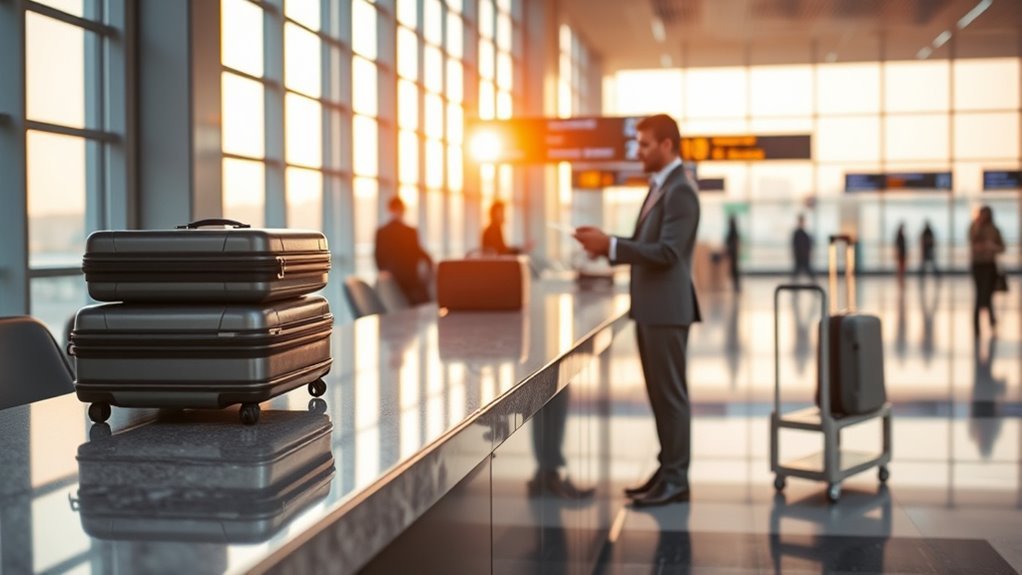
Wondering if airports can hold your bags? You’ll often find short-term storage or left-luggage services at major airports, usually near arrivals or transit areas. They charge by size or time, offer secure lockers or staffed counters, and accept carry-ons to large suitcases.
Smaller or regional airports mightn’t provide on-site storage, so you’ll need alternate options like train stations, city luggage centers, or hotel concierge.
Restrictions commonly apply for prohibited items and liability limits, so plan accordingly. Use storage when you’ve got long layovers, late arrivals, or want to explore hands-free before check-in.
How to Check Airport Luggage Storage Rules Before You Go
If you’re planning to use airport storage, check the rules before you travel so you won’t face surprises on arrival. You’ll save time and avoid refused items, unexpected fees, or restricted access.
Start by visiting the airport website and searching “baggage storage” or “left luggage.” Call customer service if details are unclear.
Note operating hours, size limits, prohibited items, identification requirements, and fee structures.
- Operating hours and holiday closures
- Maximum bag dimensions and weight limits
- Items not allowed (e.g., batteries, liquids)
- ID and claim ticket procedures
- Hourly, daily, and long‑term rates
Lockers or Third‑Party Baggage Storage : Which Should You Choose?
When you’re deciding between airport lockers and third‑party baggage services, think about convenience, security, and how long you need to store your bags. You’ll prefer lockers for quick, short stays and minimal interaction; they’re usually inside terminals and let you access items anytime. Choose third‑party services if you need assistance, pickup/dropoff options, or extra protection like insured handling and staff oversight. Check opening hours, liability limits, and required ID. Consider transit ease: lockers suit solo travelers, while third‑party firms help groups or complex itineraries.
| Factor | Best choice |
|---|---|
| Short stay | Lockers |
| Accessibility | Lockers |
| Assistance | Third‑party |
| Security features | Third‑party |
Typical Prices, Size Limits, and Maximum Hold Periods
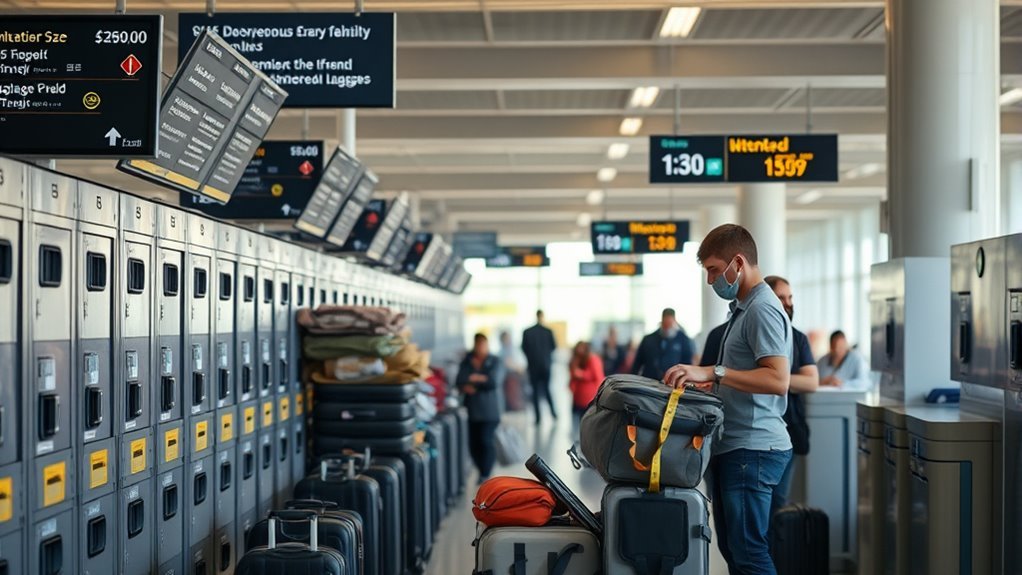
Costs and size limits for airport luggage storage vary widely, so check options before you commit. You’ll usually pay by hour or day; lockers are cheaper for short stays, staffed services charge per item and often cap daily rates.
Size restrictions may ban oversized sports or freight bags; weight limits apply at some counters. Maximum hold periods range from 24 hours to several weeks—third‑party services often offer longer storage for a fee.
- Hourly rates: $3–$10
- Daily/overnight: $8–$25
- Oversize surcharges: common
- Weight limits: 20–30 kg typical
- Long‑term options: negotiated rates
Safety Checklist: Protecting Your Belongings When You Leave Bags Behind
Because airports see thousands of bags daily, you should take a few simple steps to keep your items safe before you leave them, starting with clear labeling, sturdy locks, and removing valuables from checked or stored luggage.
Inspect storage policies, note hours and access rules, and keep receipts or tags. Photograph contents and bag identifiers in case of loss.
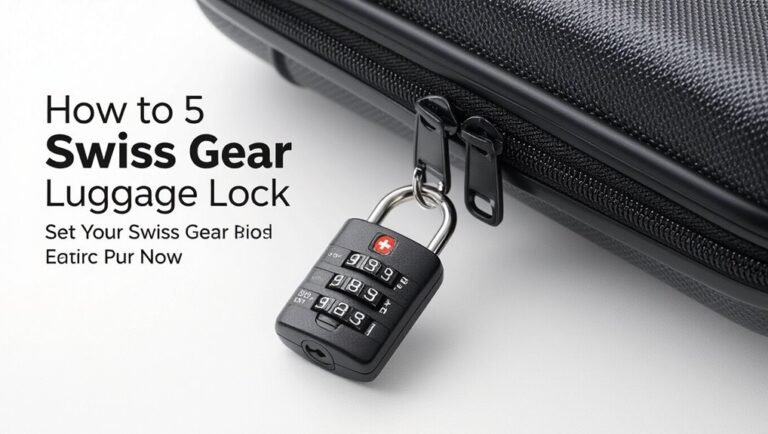
Use tamper-evident seals and secure zippers with small locks. Don’t pack irreplaceable items or sensitive documents.
Share tracking numbers and contact info with trusted people. Check liability limits and buy insurance if needed.
Retrieve bags promptly and report problems immediately.
Frequently Asked Questions
Can I Store Prohibited or Hazardous Items in Airport Luggage Storage?
No, you can’t store prohibited or hazardous items in airport luggage storage. You’ll be refused or reported, since staff must follow safety and legal rules. Dispose, declare, or transport such materials according to airline and local regulations.
Will Storage Accept Oversized Sports Equipment or Musical Instruments?
Usually yes, but it depends on the facility’s size limits and availability; you’ll need to declare oversized sports gear or instruments, pay extra fees if required, and follow any handling rules or liability waivers they provide.
Can Someone Else Pick up My Luggage on My Behalf?
Yes — you can usually authorize someone else to pick up your luggage, but you’ll need to provide a signed letter of authorization, a copy of your ID, and the authorized person’s ID; check the airport’s specific requirements first.
Are There Discounts for Long-Term or Repeat Storage Bookings?
Yes — you’ll often find discounts for long-term or repeat storage bookings; many facilities offer reduced rates, membership deals, or negotiated corporate pricing, so you should ask about extended-stay rates and loyalty or bulk-booking discounts.
What Happens to Unclaimed Luggage After the Maximum Hold Period?
After the maximum hold period, unclaimed luggage is typically disposed of, sold at auction, or donated; you’ll be notified per policy, and any proceeds may cover storage fees, with remaining property handled according to local regulations and carrier rules.
Conclusion
Yes — many airports do offer luggage storage, but options, rules, and costs vary. Before you travel, check the airport website for lockers, staffed left-luggage desks, or links to third‑party providers so you know hours, size limits, and pricing. If you choose a locker, pick one that fits your bag and use a TSA‑approved lock; with third‑party services, read reviews and confirm liability limits. Keep valuables with you, insure high‑value items, and keep receipts.