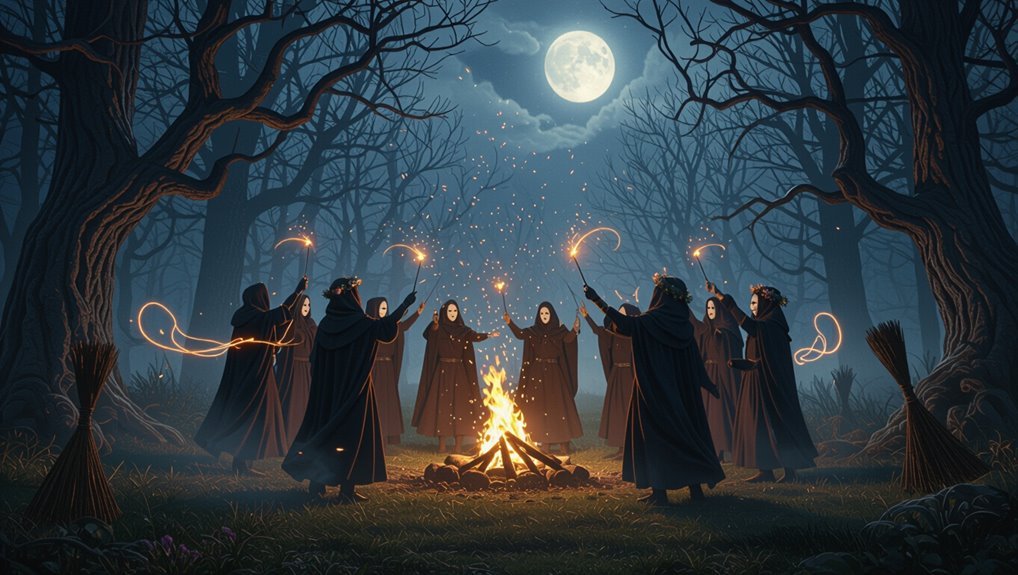
Walpurgis Night
Walpurgis Night, celebrated on April 30, is a fascinating blend of folklore and community spirit, marking the eve of Saint Walpurga’s feast. It is a traditional springtime festival featuring bonfires, dancing, and various folk rituals that celebrate the end of winter and the arrival of spring. As you immerse yourself in this vibrant night, you will witness people gathering in various locations to light fires that symbolize purification and renewal. The atmosphere is filled with music, laughter, and the scents of woodsmoke and blooming flowers, reminding us of the age-old belief that this transitional time connects the dark winter months with the bright promise of summer.
Quick Facts
When is it?: 30 April
Tagged as: Various local communities and cultural organizations
What’s the hashtag?: #WalpurgisNight #SpringFestival #BonfireNight #Folklore #CulturalCelebration
When was it founded?: Not clearly documented; however, it is believed to have evolved from ancient pagan spring rites and later incorporated Christian elements.
Who founded it?: The origin of Walpurgis Night is not attributed to a specific founder but rather emerged from a mix of local customs and religious practices.
History of Walpurgis Night
Walpurgis Night has roots that intertwine pagan traditions and Christian beliefs. The name comes from Saint Walpurga, an 8th-century abbess, whose feast day is celebrated on May 1. The festival is thought to have originated as a celebration of fertility and the arrival of spring, with many customs dating back to pre-Christian times.
In the Middle Ages, as Christianity spread, many pagan festivities were adapted to fit into the Christian calendar. Walpurgis Night emerged as a way to honor both Saint Walpurga and the ancient spring rites. Over time, folklore grew around the night, particularly in regions like Germany and the Czech Republic, where tales of witches gathering on Brocken Mountain became prominent.
Today, Walpurgis Night is celebrated in various forms across Europe, with each region adding its unique flair to the festivities, blending tradition and contemporary celebration.
Timeline
- 700s: Saint Walpurga’s life and contributions begin to be documented.
- 8th century: The establishment of her feast day on May 1.
- 16th century: The association of Walpurgis Night with witchcraft begins to take shape.
- 19th century: Folk traditions and celebrations of Walpurgis Night become more widespread.
- 20th century: Modern interpretations and public celebrations emerge.
- 21st century: Walpurgis Night continues to evolve, blending traditional practices with contemporary festivities.
Past and Future Dates
| Year | Month | Date | Day |
|---|---|---|---|
| 2026 | April | 30 | Thursday |
| 2027 | April | 30 | Friday |
| 2028 | April | 30 | Sunday |
| 2029 | April | 30 | Monday |
| 2030 | April | 30 | Tuesday |
| 2031 | April | 30 | Wednesday |
| 2032 | April | 30 | Friday |
| 2033 | April | 30 | Saturday |
Observed
Walpurgis Night is observed with a variety of local customs, including lighting bonfires, dancing, and storytelling. Communities come together to celebrate the warmth of the fires, which symbolize purification and the arrival of spring. In some regions, people dress in traditional costumes, while others may participate in parades and organized events that promote local culture and history.
Activities for This Day
1. Bonfire Gatherings
Many communities host bonfire events where people gather to celebrate, share stories, and enjoy food and drink.
2. Dancing and Music
Live music performances and traditional dances are common, allowing participants to engage in the festivities actively.
3. Storytelling
Elders often recount local legends and folklore related to the night, enriching the experience with cultural history.
4. Witchcraft and Folklore Tours
In some areas, guided tours highlight the night’s connection to witchcraft and other historical aspects of Walpurgis Night.
5. Art and Cultural Exhibits
Cultural organizations may host exhibitions that explore the significance of Walpurgis Night in local history and folklore.
How to Celebrate Walpurgis Night
- Join a local bonfire event to connect with your community.
- Participate in or enjoy traditional music and dance to immerse yourself in the festivities.
- Share stories or folklore with friends and family to honor the cultural heritage.
- Dress in traditional attire or create your own costumes to make the night more special.
- Visit local attractions or events that celebrate Walpurgis Night in unique ways.
Why Walpurgis Night is Important
Walpurgis Night serves as a vital cultural touchstone, connecting communities to their historical roots and seasonal rhythms. It highlights the transition from winter to spring, promoting a sense of hope and renewal as people gather to celebrate. The blending of pagan and Christian traditions demonstrates the resilience of cultural practices, ensuring that the stories and customs of previous generations are passed down through time.
FAQ
1. What is the significance of Walpurgis Night?
It marks the transition from winter to spring and celebrates both Saint Walpurga and ancient pagan traditions.
2. How do people celebrate Walpurgis Night?
Celebrations include bonfires, music, dancing, and storytelling, often in a communal setting.
3. Is Walpurgis Night only celebrated in Germany?
No, it is celebrated in various countries across Europe, including Sweden, Finland, and the Czech Republic.
4. What role does Saint Walpurga play in this celebration?
Her feast day on May 1 coincides with the festivities, adding a Christian layer to the already rich tapestry of spring celebrations.
5. Are there any specific foods associated with Walpurgis Night?
While specific foods may vary by region, communal meals often accompany the celebrations, featuring seasonal ingredients.
6. Can I participate in Walpurgis Night celebrations?
Yes! Many communities welcome participants to join in the festivities, whether through organized events or local gatherings.
7. Is there a connection between Walpurgis Night and Halloween?
Both nights share themes of folklore and witchcraft, but Walpurgis Night is primarily a spring celebration, while Halloween is associated with autumn and the harvest.
Related
- May Day
- Beltane
- Spring Equinox
- Midsummer
- Samhain