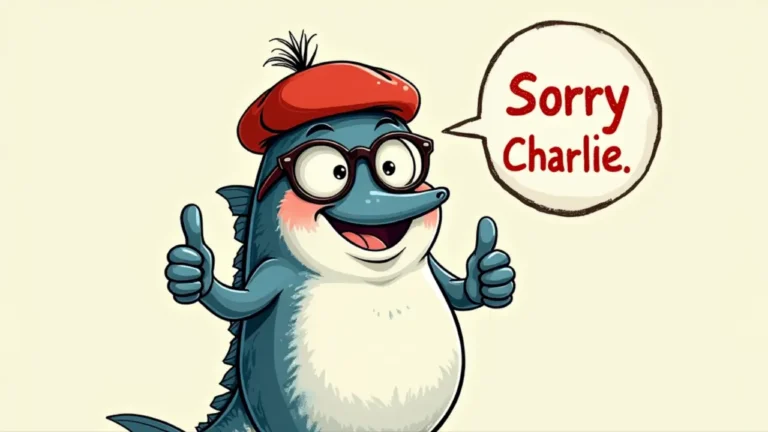
I Forgot Day
I Forgot Day: A Celebration of Human Imperfection
“I Forgot Day” is an unofficial holiday observed on July 2nd each year. It’s a lighthearted acknowledgment of our occasional forgetfulness and provides an opportunity to make amends for forgotten commitments, missed appointments, or overlooked special dates.
Quick Facts
- When is it?: July 2nd
- Tagged as: Unofficial holiday, Awareness day
- What’s the hashtag?: #IForgotDay
- When was it founded?: Late 1990s or early 2000s
- Who founded it?: Gaye Anderson from DeMotte, Indiana
History of I Forgot Day
Gaye Anderson, known for frequently forgetting important dates like her daughter’s birthday and wedding anniversary, created “I Forgot Day” as a way to embrace her forgetfulness. Instead of getting upset about her lapses in memory, she decided to establish a day where forgetting is forgiven and even celebrated.
Timeline
- Late 1990s/Early 2000s: Gaye Anderson creates “I Forgot Day”
- 2000s: The holiday gains popularity through word of mouth and online communities
- 2010s: “I Forgot Day” becomes more widely recognized as an unofficial holiday
- Present day: The holiday continues to be celebrated annually on July 2nd
I Forgot Day Dates
| Year | Month and Date | Day |
|---|---|---|
| 2025 | July 2 | Wednesday |
| 2026 | July 2 | Thursday |
| 2027 | July 2 | Friday |
| 2028 | July 2 | Sunday |
| 2029 | July 2 | Monday |
| 2030 | July 2 | Tuesday |
How I Forgot Day is Observed
“I Forgot Day” is celebrated in various ways, all centered around the theme of forgetfulness and making amends. People use this day to apologize for forgotten events, catch up on missed commitments, and implement strategies to improve their memory.
Many celebrate by sending humorous apology notes or “forgiveness memes” to friends and family members whose important dates they may have overlooked. It’s also common for people to use this day to set up digital reminders or create memory-enhancing systems to prevent future forgetfulness.
In some workplaces, teams use the day to lighten the mood by sharing their most forgetful moments or organizing activities that promote better organization and memory skills.
Fun Facts About I Forgot Day
- Walking through doorways can create memory lapses, as the brain perceives it as a change of scene
- Goldfish actually have memory spans of several months, contrary to popular belief
- Some cultures associate forgetfulness with supernatural beings, like Finnish folklore attributing memory lapses to elves stealing thoughts
- Napoleon Bonaparte once famously left his hat behind at a meeting, which became a symbol of his absent-minded genius
- In Japan, “Bonenkai” parties in December serve a similar purpose to “I Forgot Day,” helping people let go of past grievances and mistakes
Quiz
- Who created “I Forgot Day”?
- On what date is “I Forgot Day” celebrated?
- What is the purpose of “I Forgot Day”?
- In which state did the creator of “I Forgot Day” live?
- What Japanese tradition is similar to “I Forgot Day”?
(Answers: 1. Gaye Anderson, 2. July 2nd, 3. To acknowledge and make amends for forgetfulness, 4. Indiana, 5. Bonenkai parties)
FAQs
Q: Is “I Forgot Day” an official holiday?
A: No, it’s an unofficial holiday created to acknowledge human forgetfulness in a lighthearted way.
Q: How can I celebrate “I Forgot Day”?
A: You can celebrate by apologizing for forgotten events, setting up reminders, or doing something nice for people whose important dates you may have missed.
Q: Can “I Forgot Day” help improve memory?
A: While it doesn’t directly improve memory, it encourages people to implement strategies and tools to enhance their memory and organization skills.
Q: Are there any scientific benefits to forgetting?
A: Yes, forgetting can actually improve cognitive function and help the brain focus on more important information.
Q: Is “I Forgot Day” celebrated internationally?
A: While it’s not widely recognized, the concept resonates with people globally, and similar traditions exist in other cultures.
Importance of I Forgot Day
“I Forgot Day” serves as a gentle reminder of the commonality of forgetfulness in human nature. It promotes forgiveness and understanding, emphasizing that it’s okay to admit our lapses in memory.
This day also encourages people to be proactive about managing their commitments and improving their memory skills. By acknowledging our forgetfulness, we can take steps to become more thoughtful and attentive to the things that truly matter in our lives.
Lastly, “I Forgot Day” adds a touch of humor to our imperfections, fostering a culture of kindness and acceptance towards our natural human flaws. It reminds us that even in our forgetfulness, we can find opportunities for growth, connection, and laughter.
Related
- World Alzheimer’s Day
- Memory Day
- National Day of Forgiveness
- International Brain Awareness Week
- National Organize Your Home Office Day